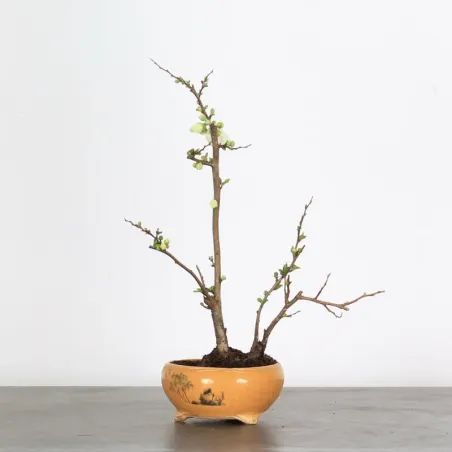
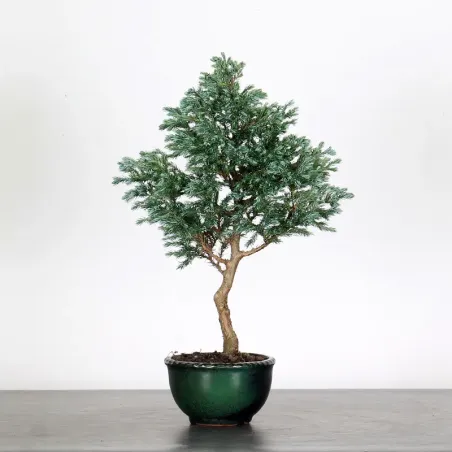
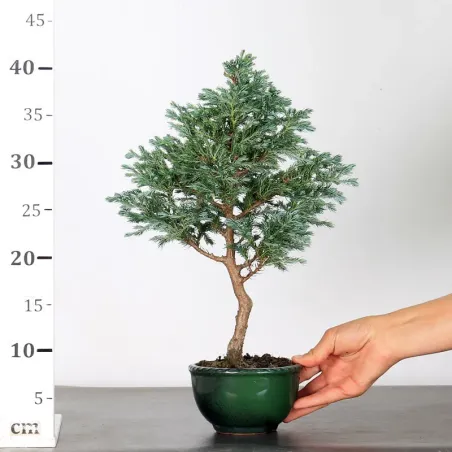
Bonsai
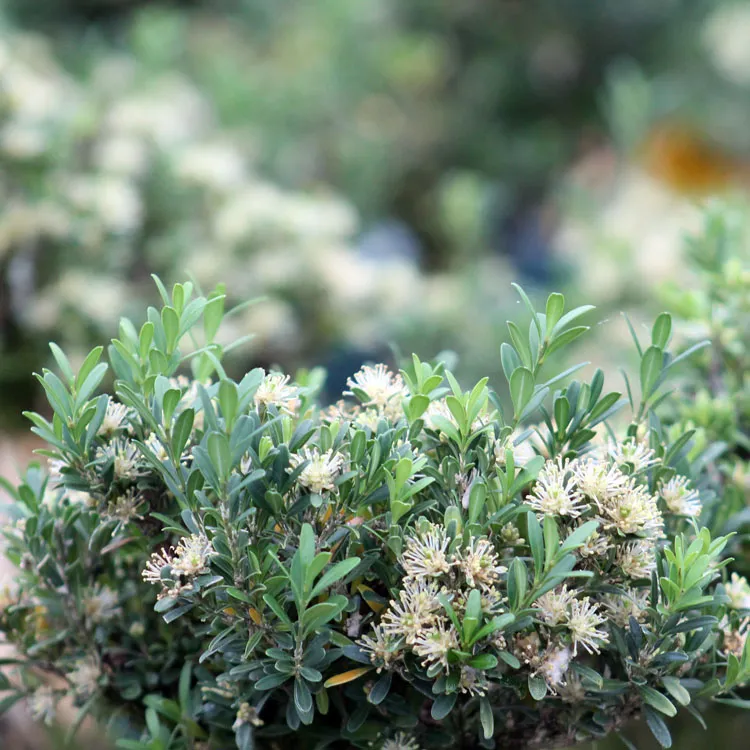
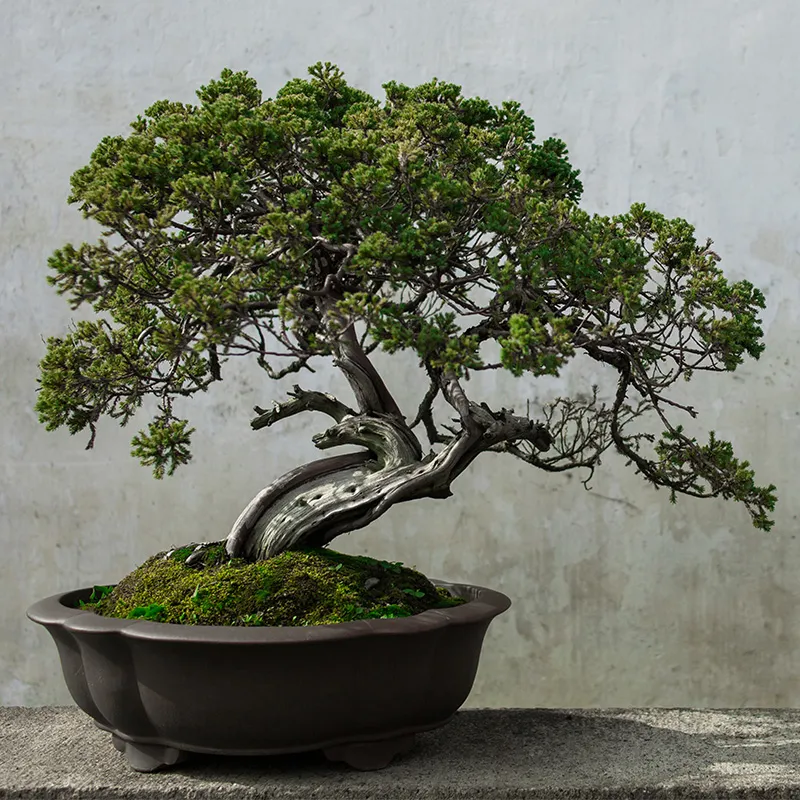
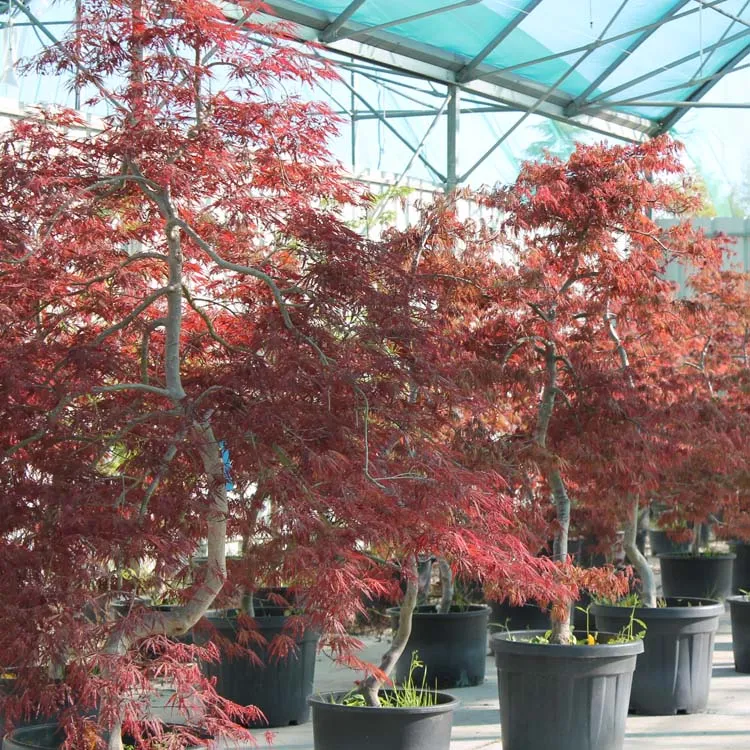
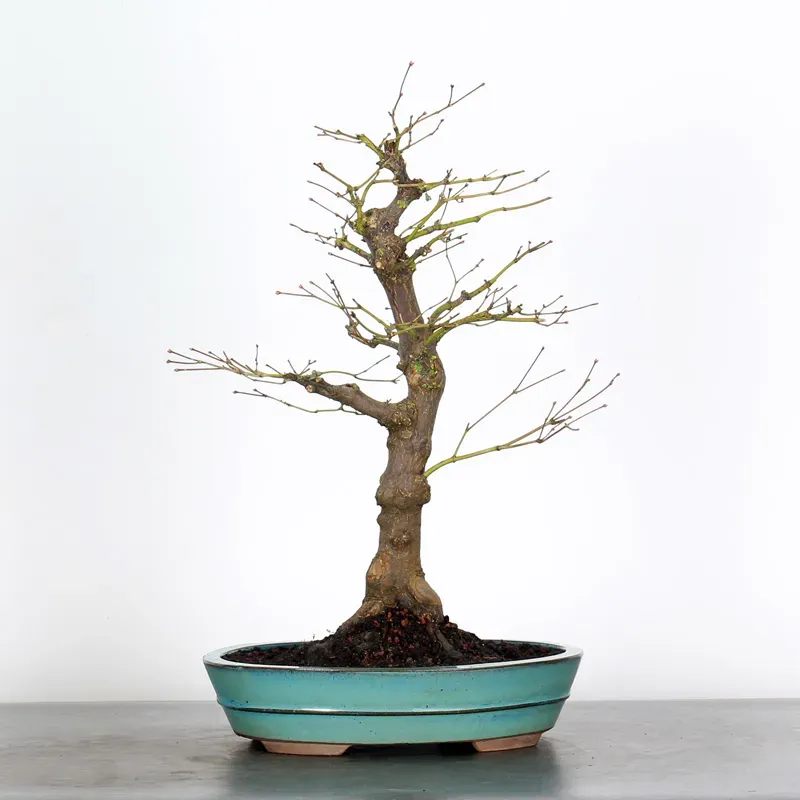
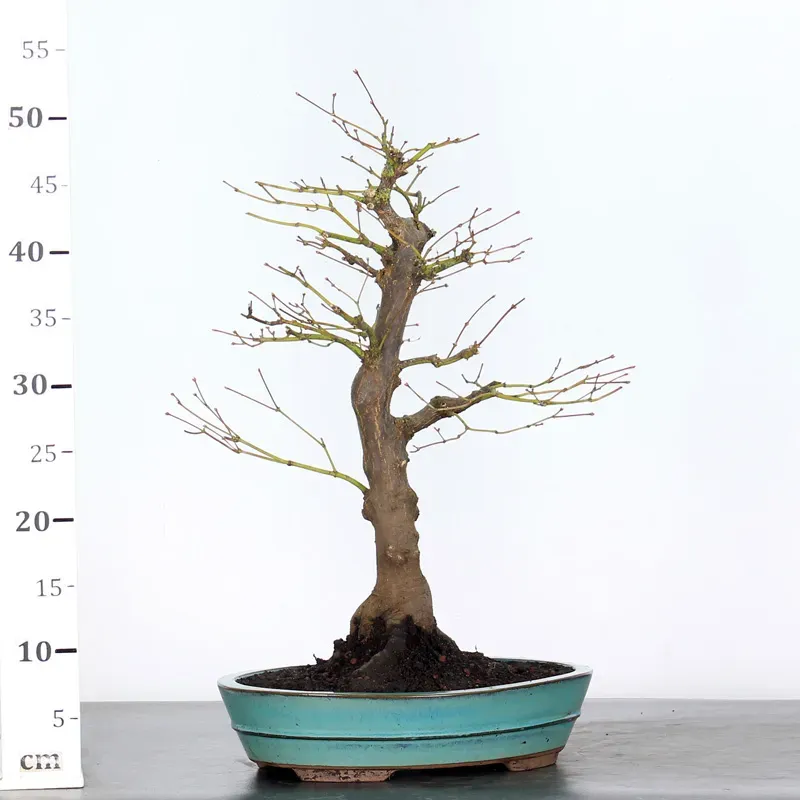
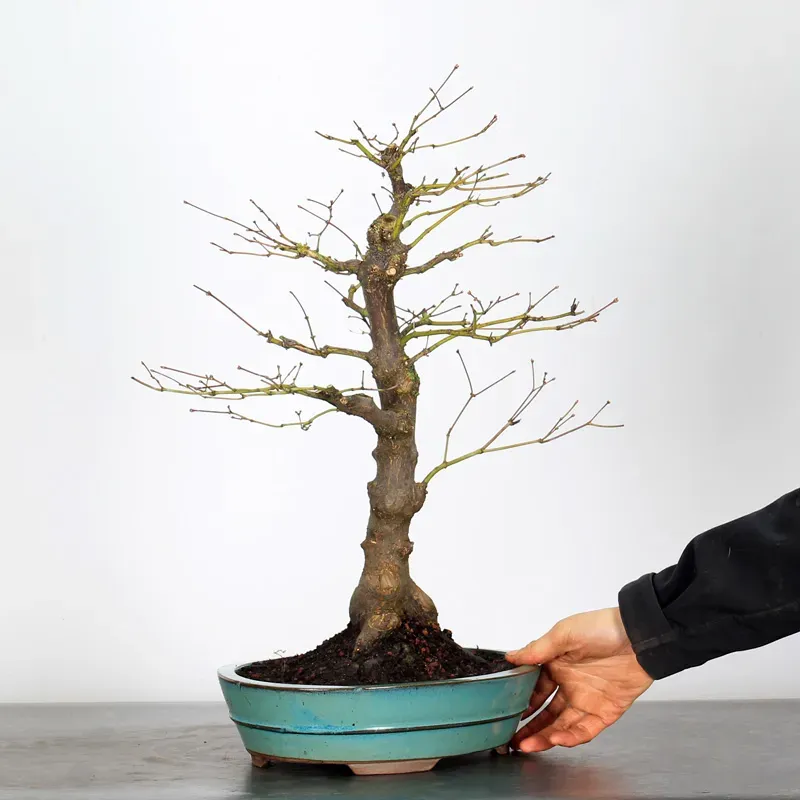
Japanese maple "acer palmatum" 7-3 (unknown cultivar)

  • New
€250.00 TTC
Data sheet

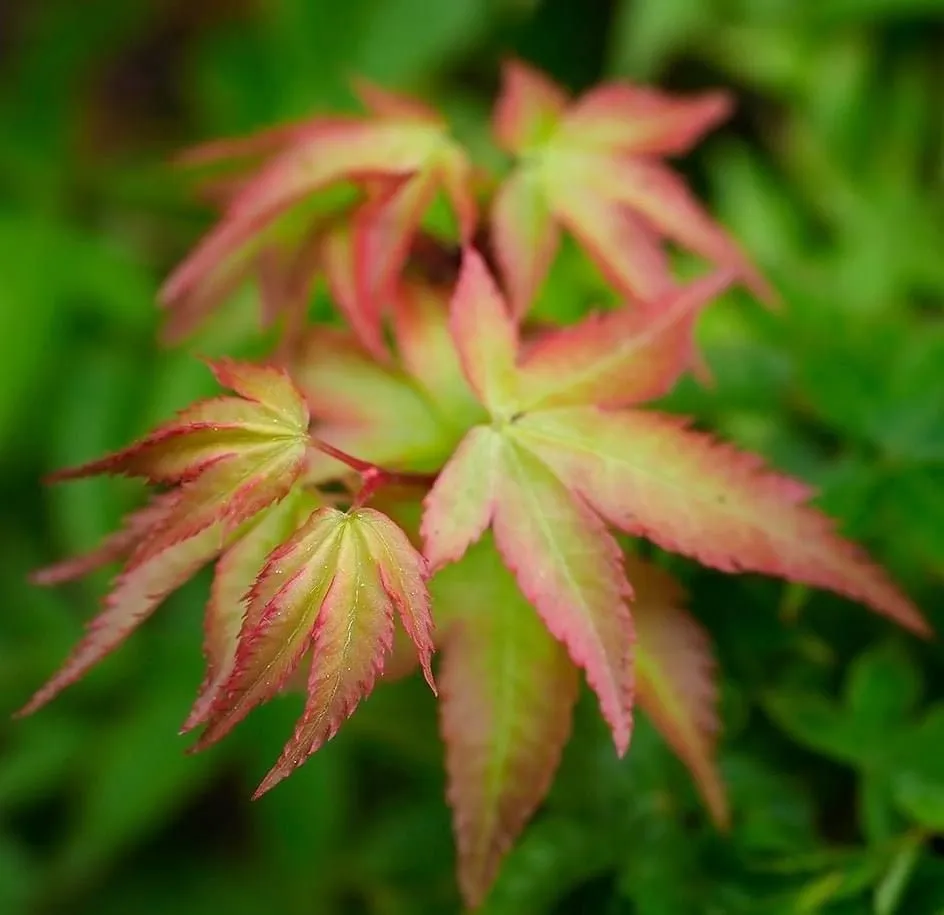
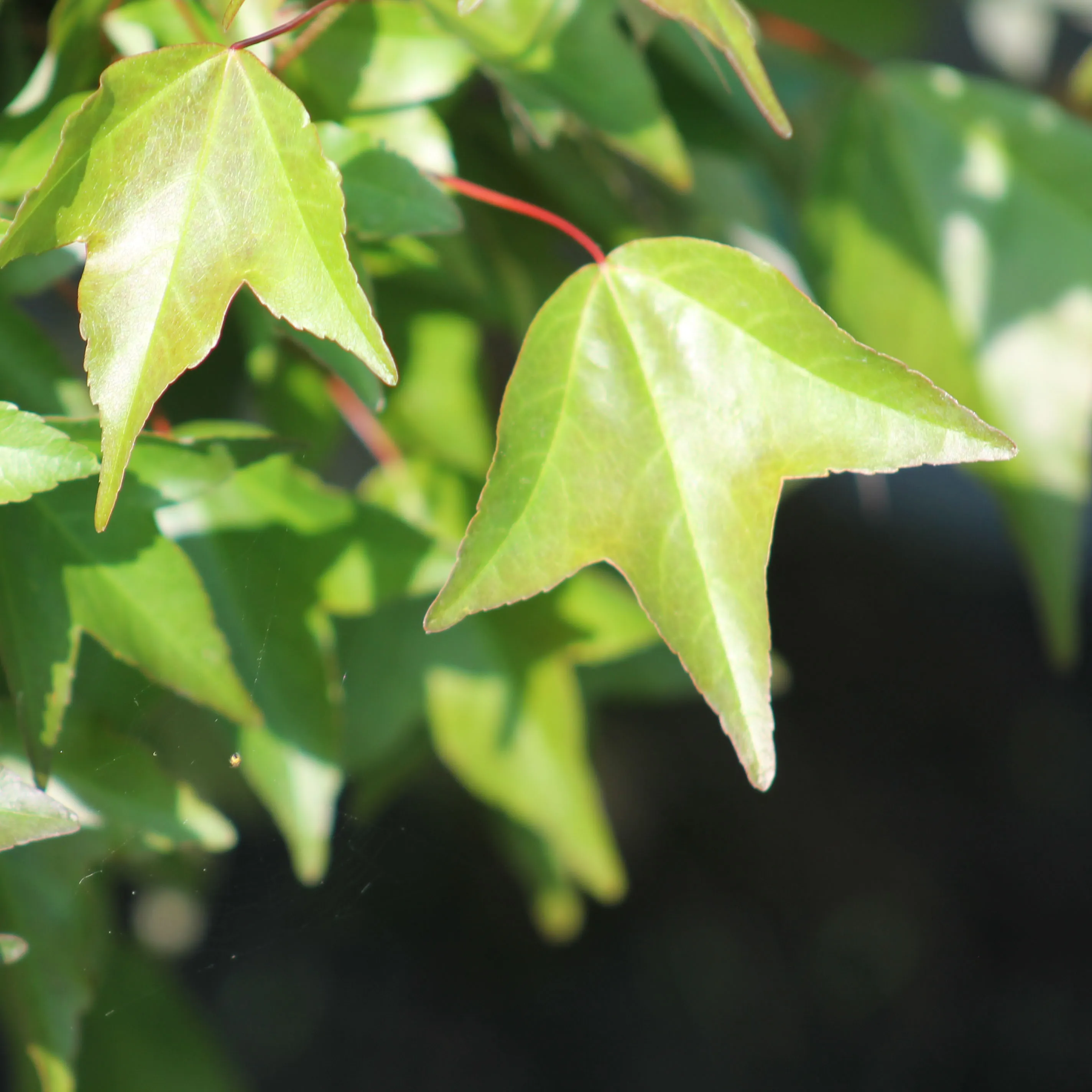
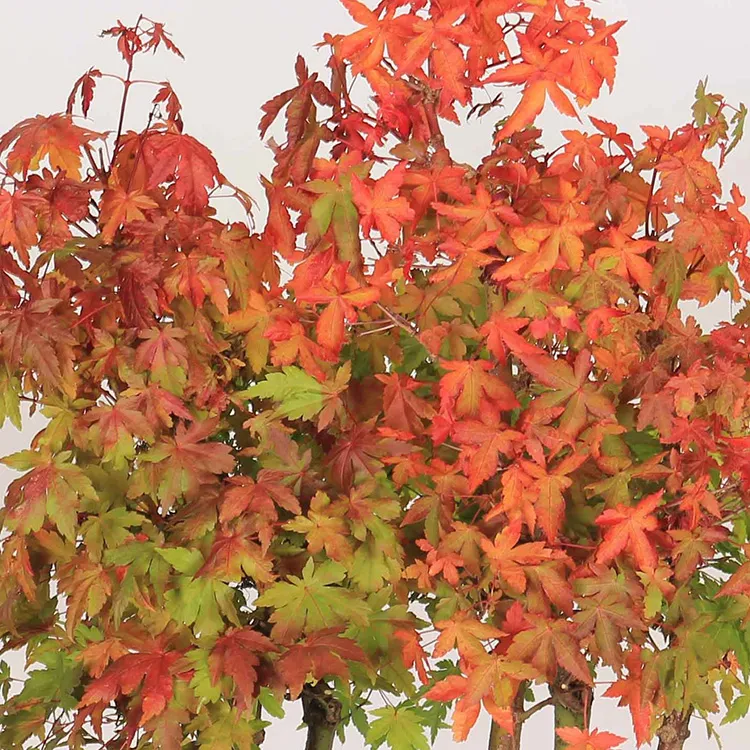
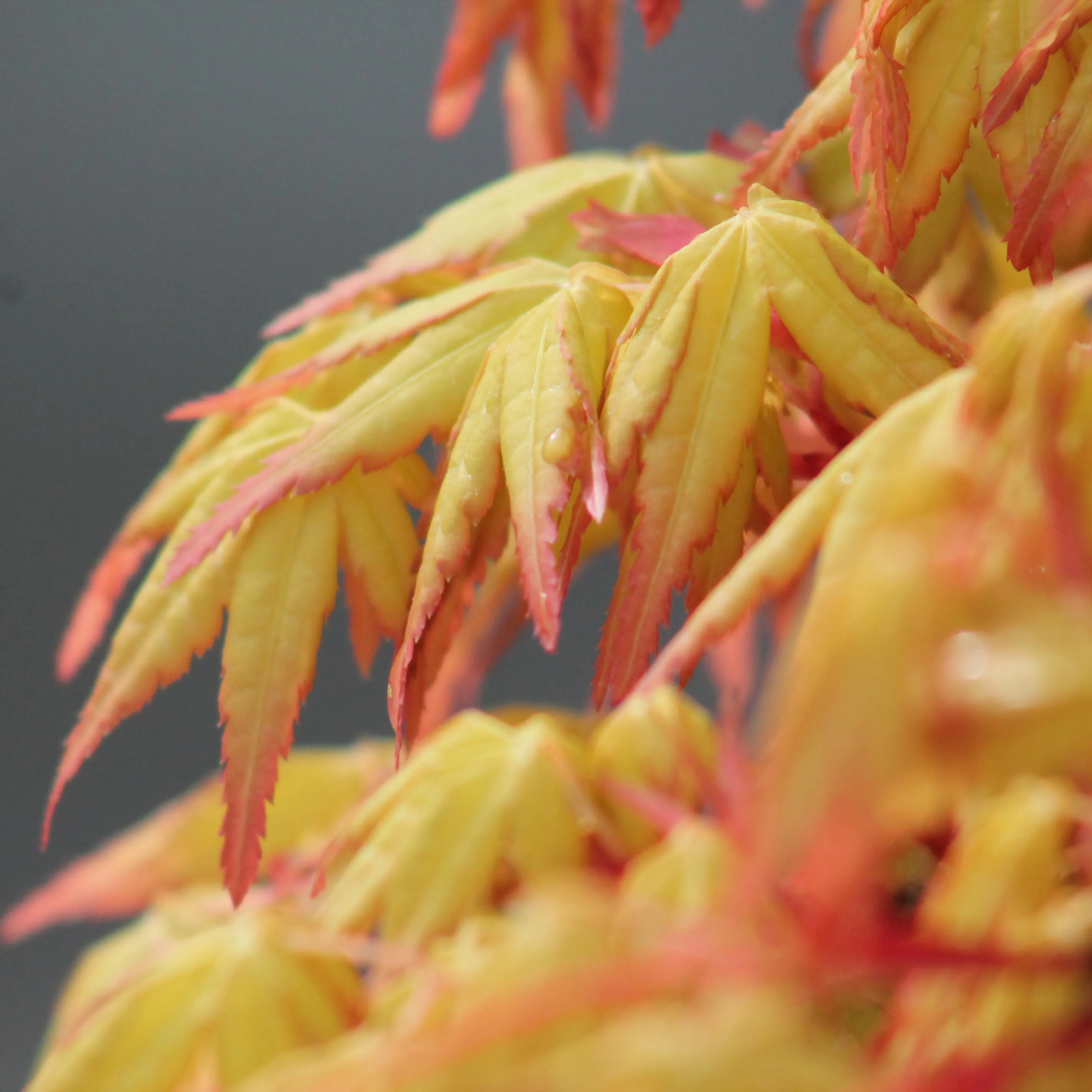
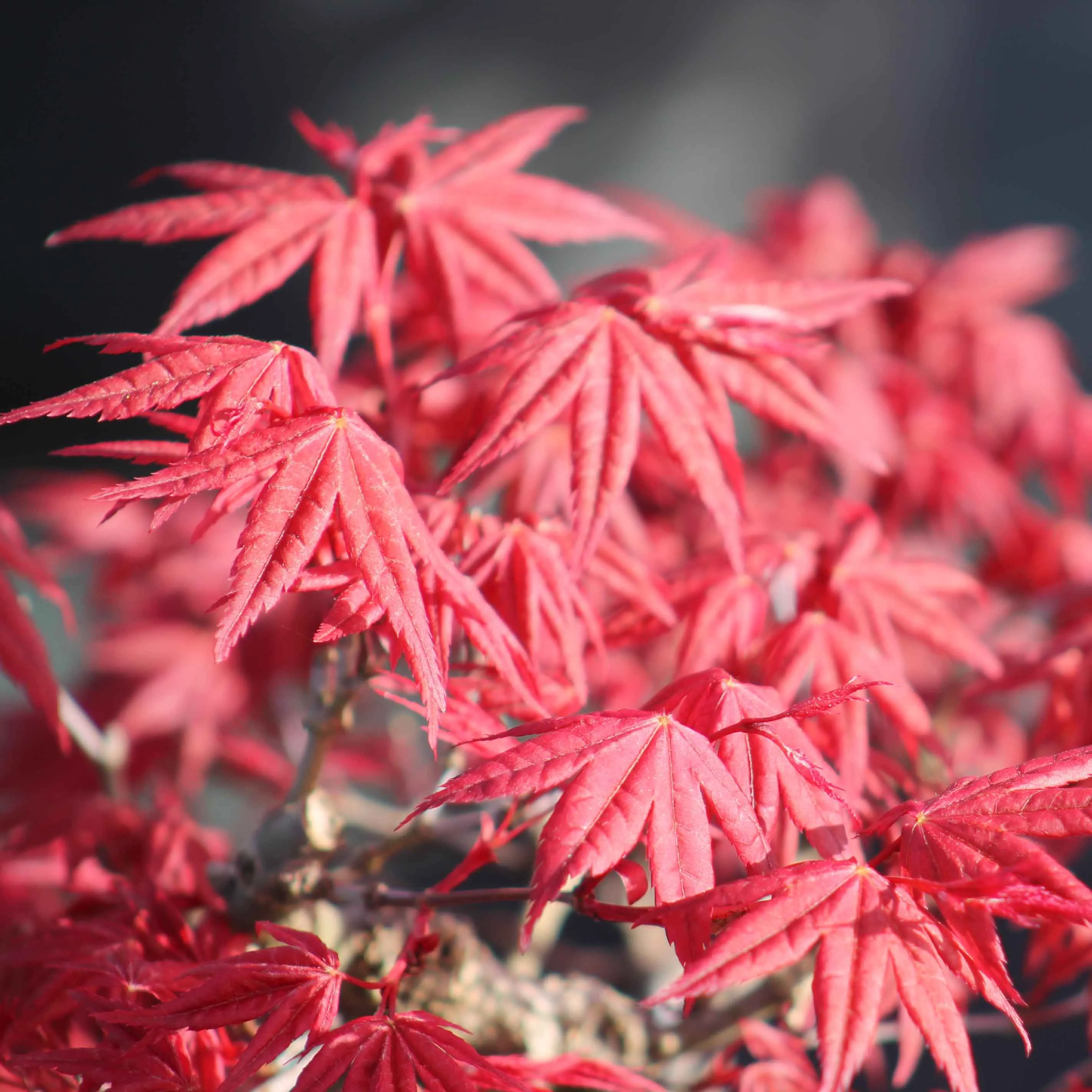
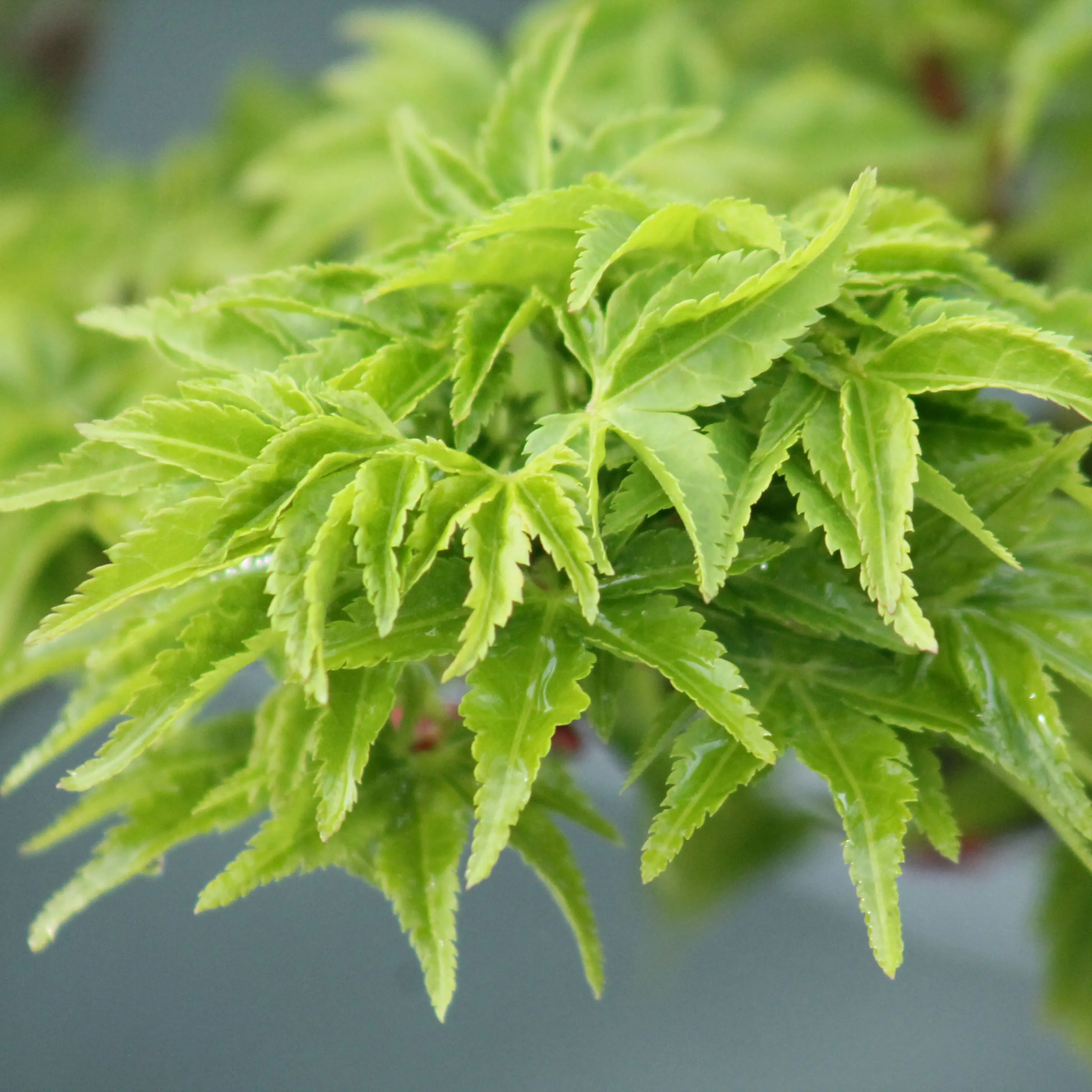
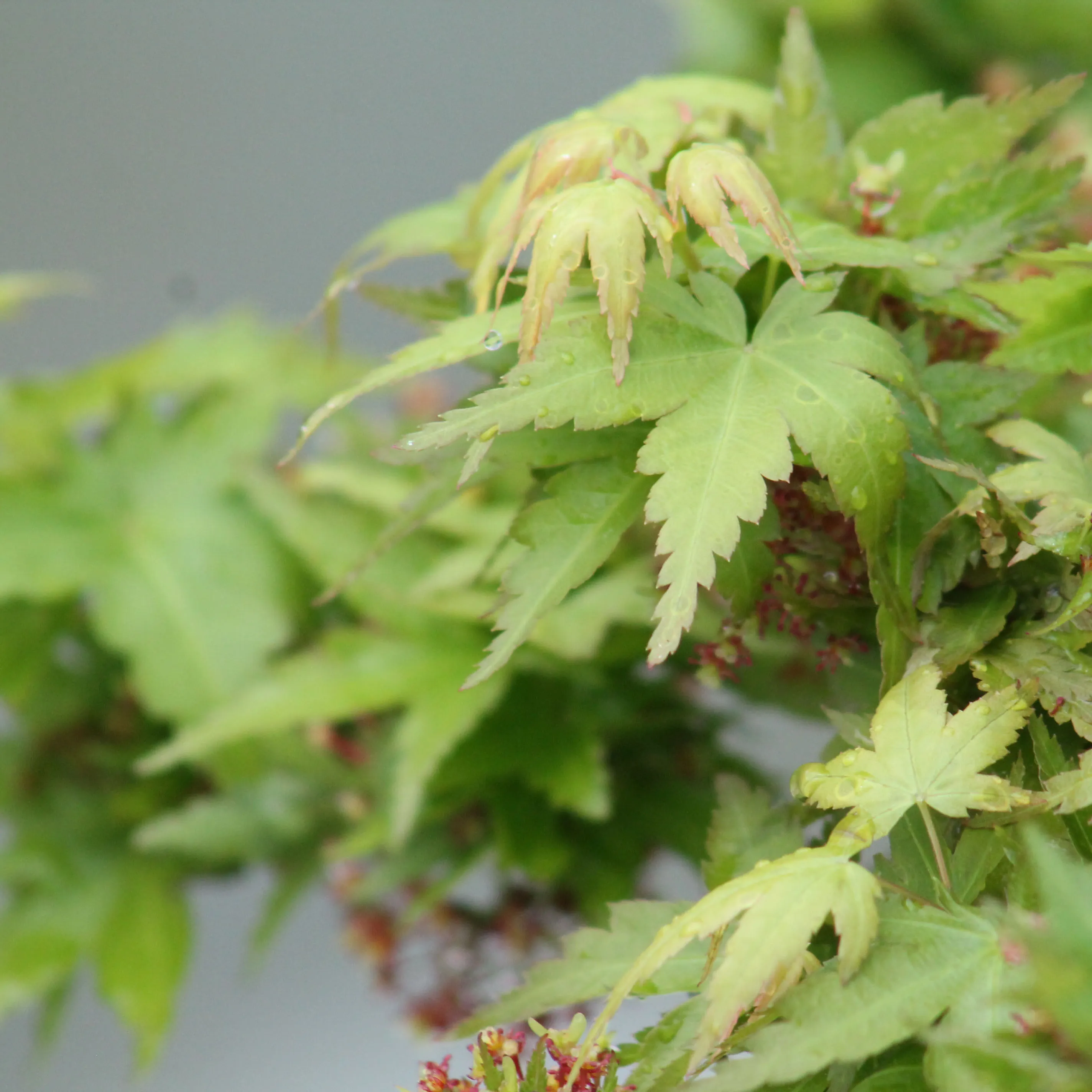
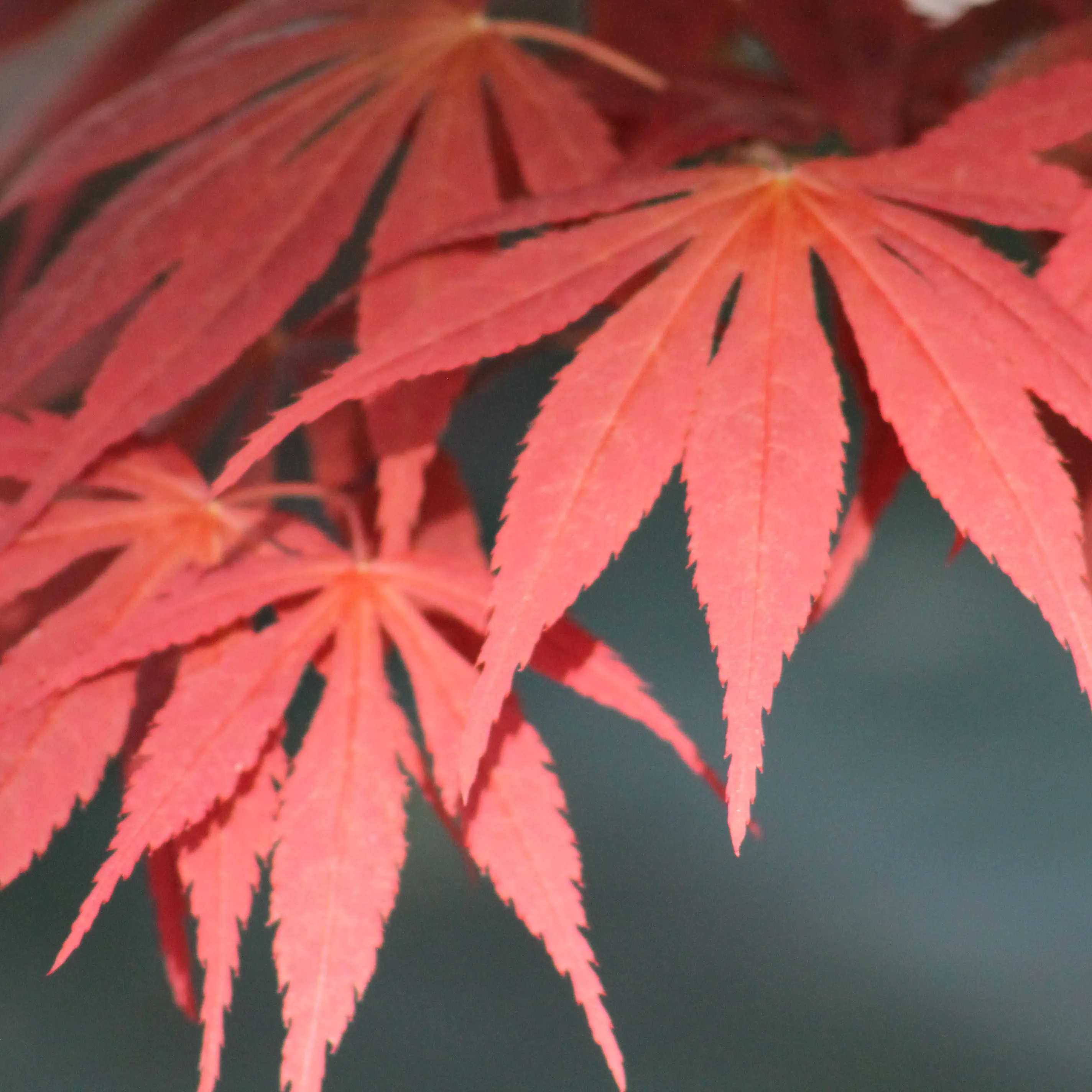
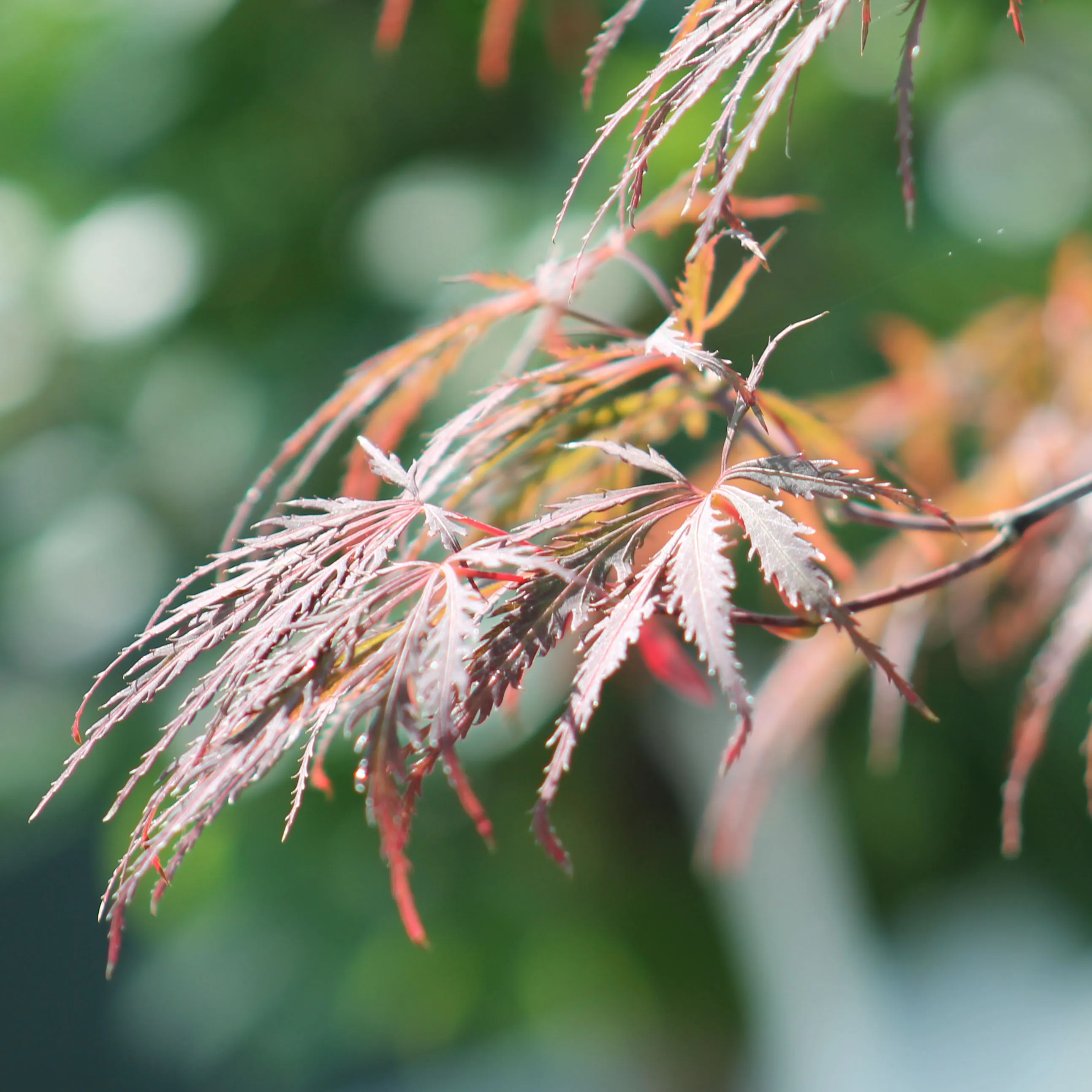
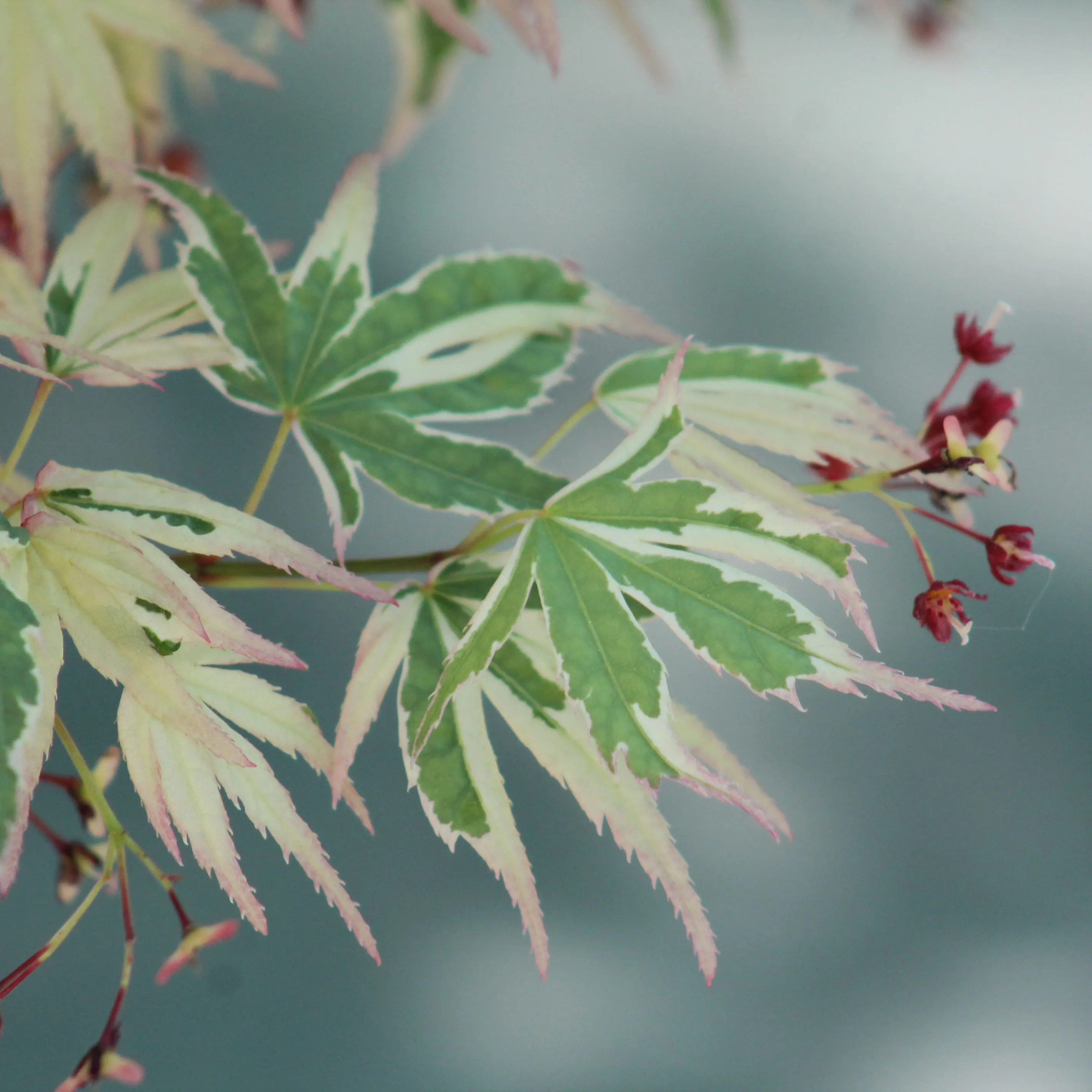
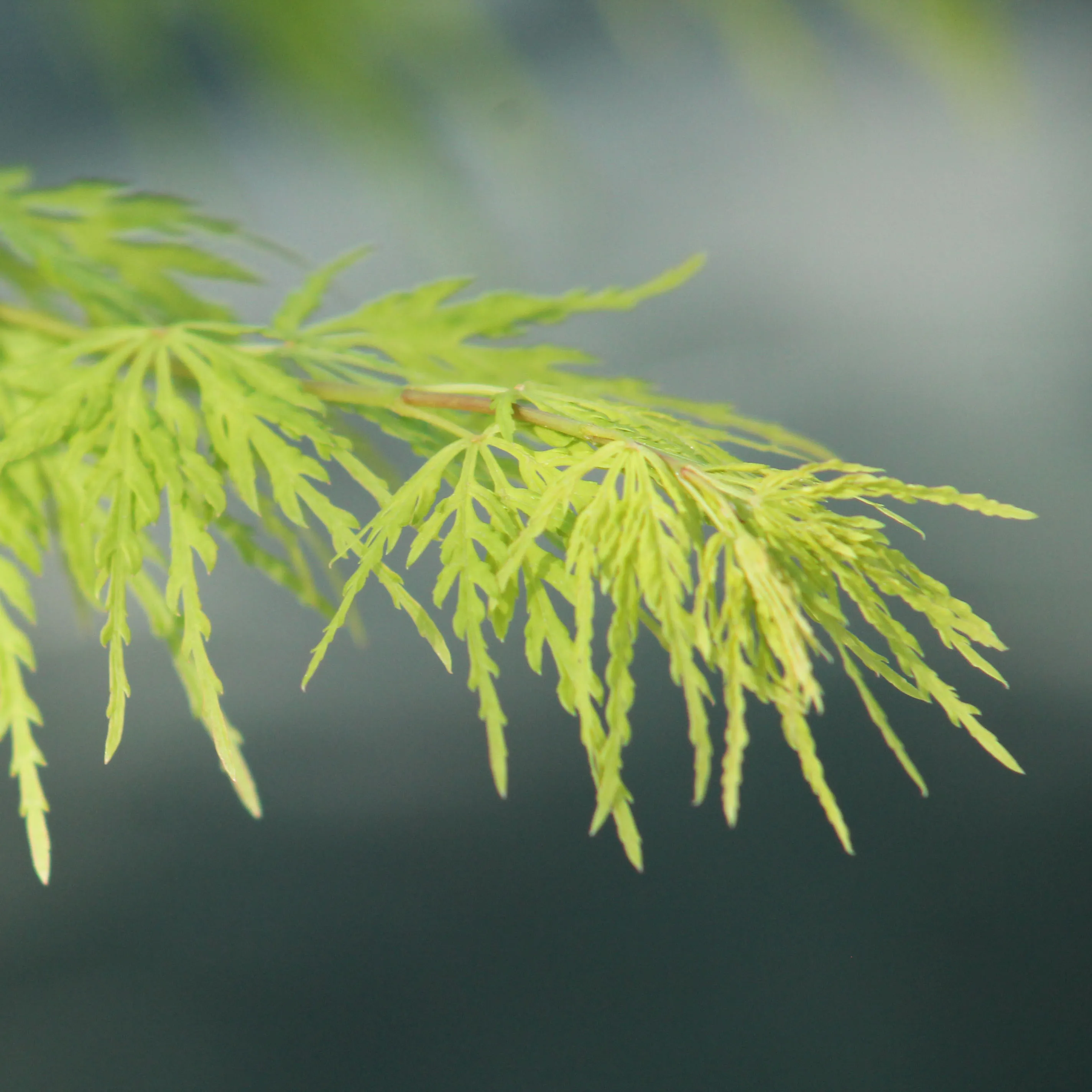
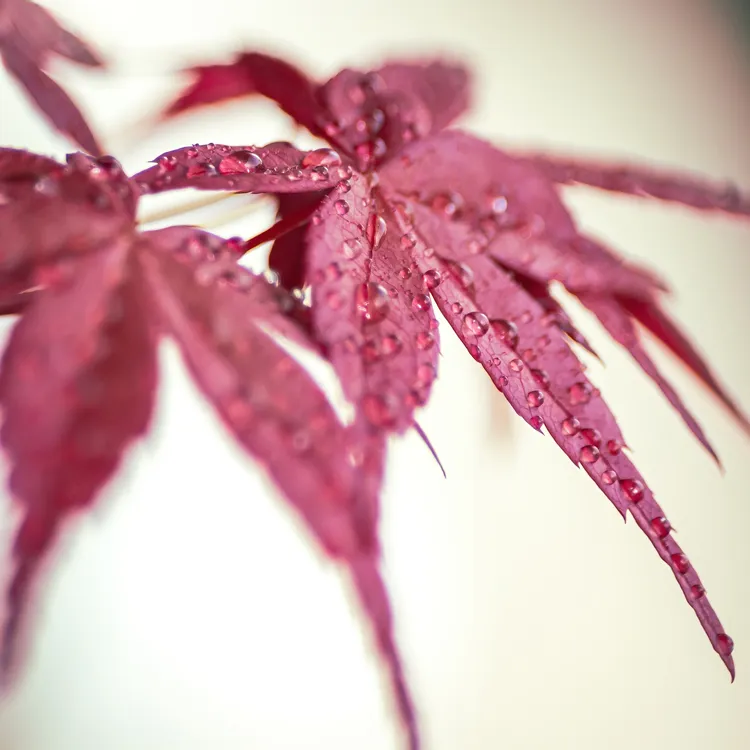
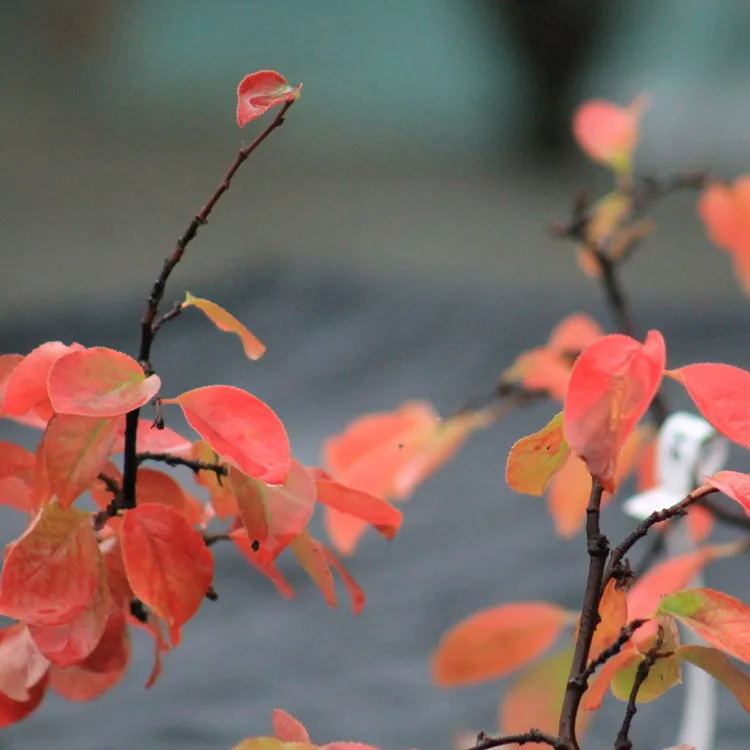
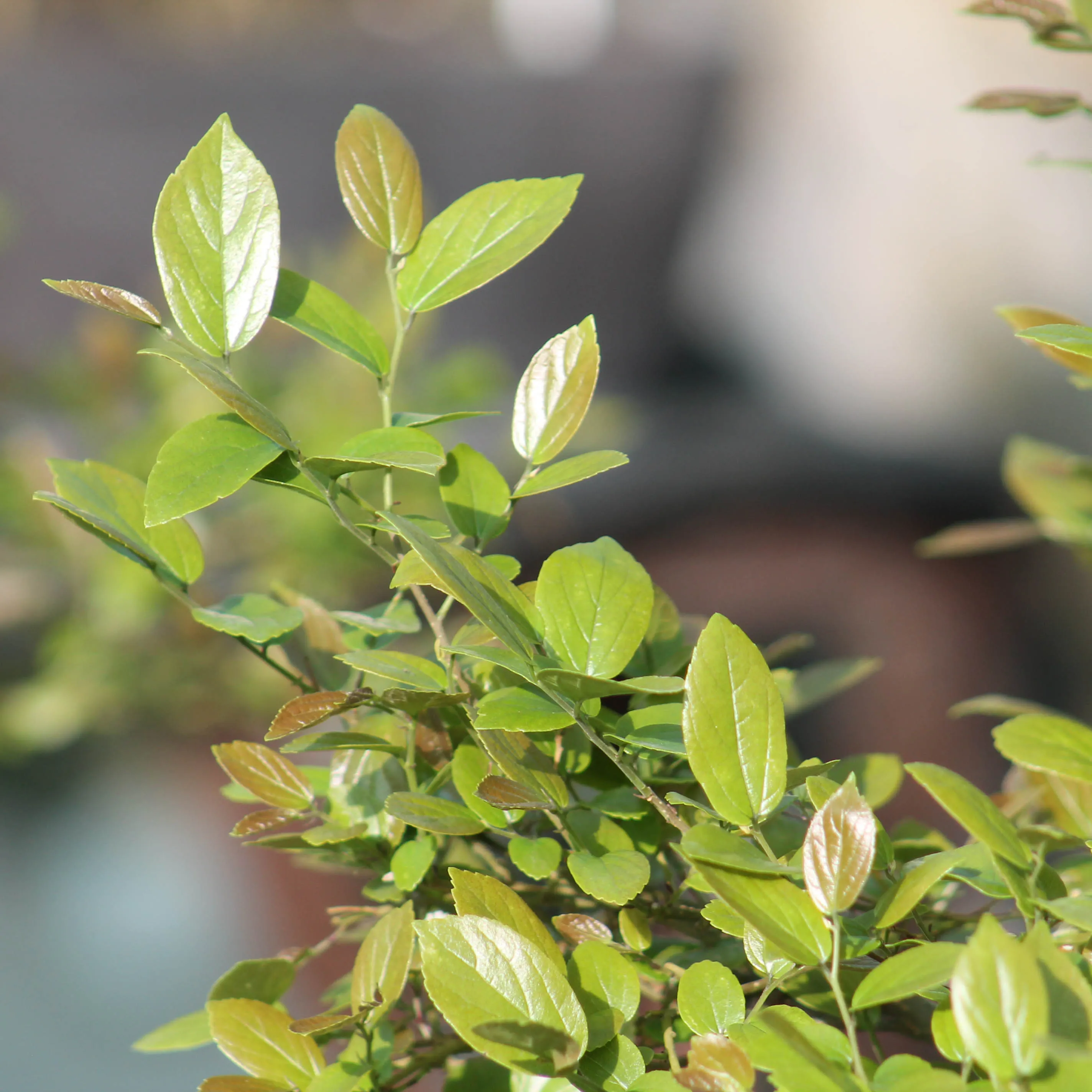
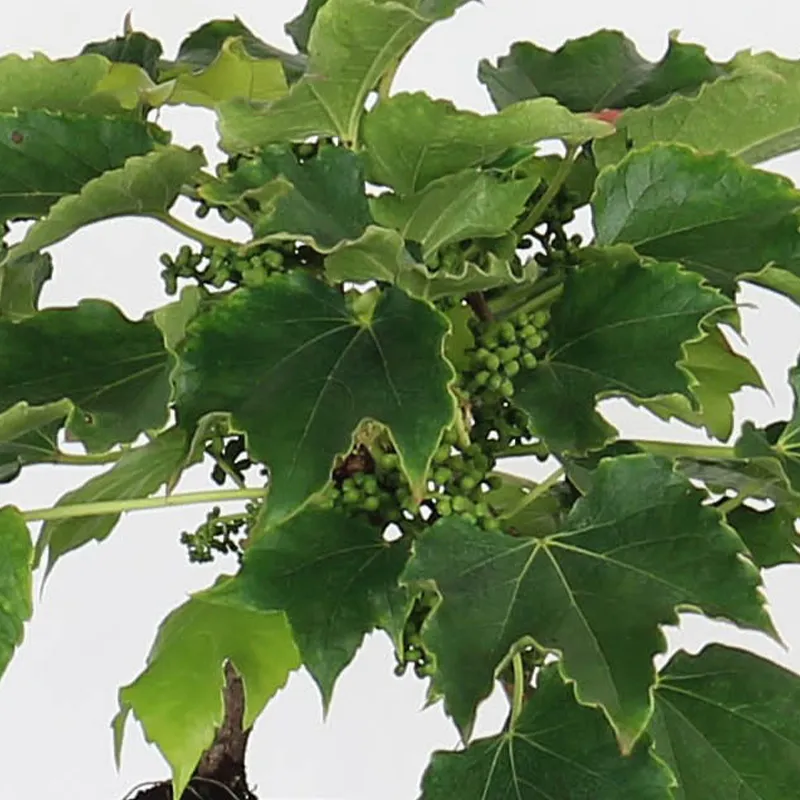
The Japanese Maple "Acer palmatum" is renowned for its delicate foliage and harmonious shape. While its precise cultivar cannot be identified, it retains all the qualities that make this iconic species so charming: finely cut leaves and a remarkable seasonal evolution of color.

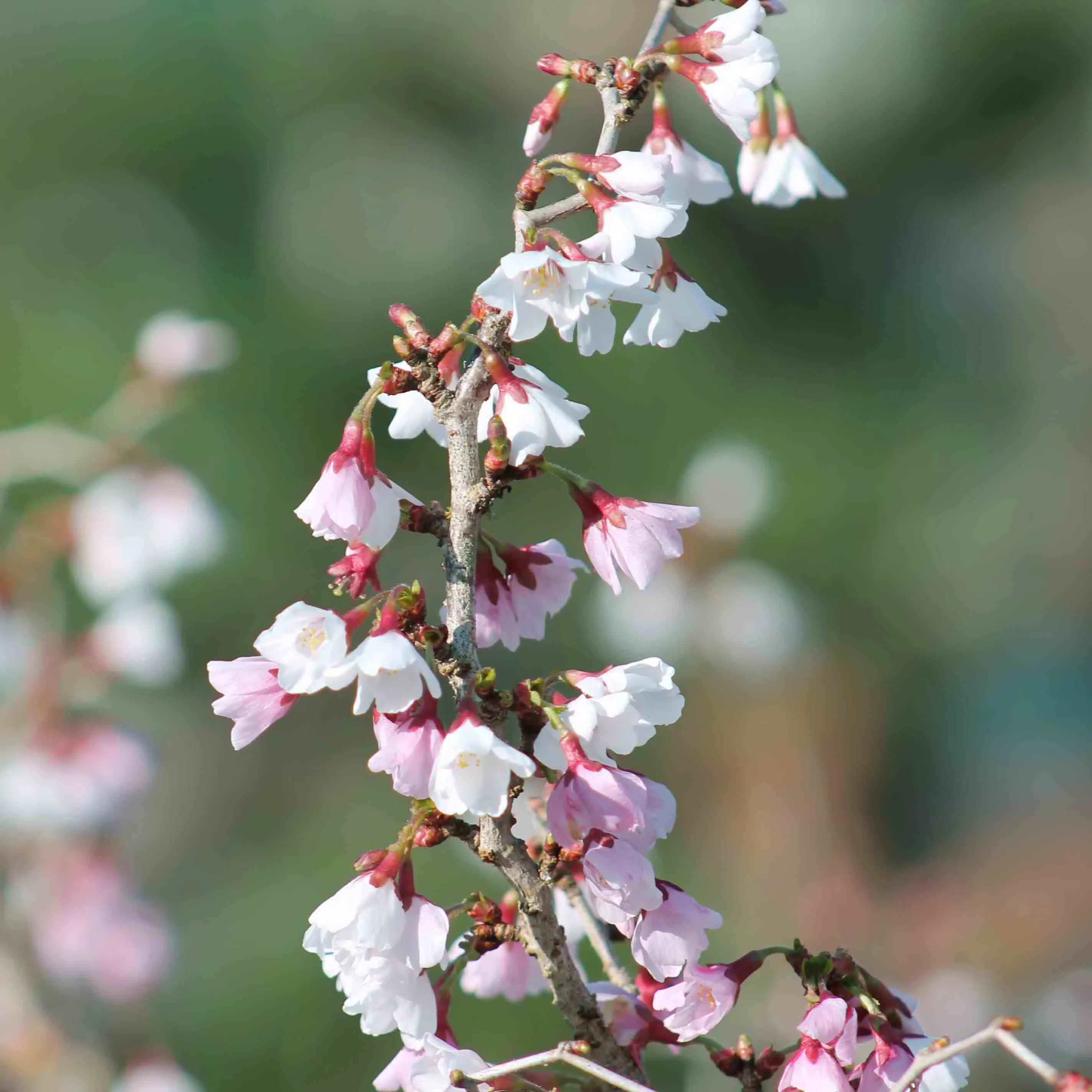
In spring, it produces discreet little flowers, adding an extra touch of interest before the leaves fully develop. Each specimen is unique and evolves with the seasons, revealing all the natural beauty of Japanese maples.

  • Photos taken in January 2026
Waist 54 cm
Location Outside
Age 20 years
Foliage Deciduous

Download

Share
Cultivation Advice

Location: Outdoors year-round, it's best to place the Atropurpureum maple in partial shade, especially during hot weather. However, it needs sun to promote growth and develop beautiful reddish colors. In summer, we recommend an east-facing location so it can benefit from the morning sun while being protected from the scorching sun. In winter, the maple is not afraid of frost, but to be safe, protect the roots. For example, use a winter fleece or fiberglass and wrap the pot with it. With this protection, you can leave it outside without any problems.

The maple needs consistently moist soil. Water it regularly, allowing the soil to dry slightly between waterings to avoid overwatering. In spring/summer, water regularly; when it's hot, water every day! In winter, however, water according to the soil's condition. Thanks to the rain and cold weather, you won't necessarily need to water regularly since the soil will remain moist.

Important: Don't hesitate to water the entire root ball, right down to the roots. The water will drain through the drainage holes in the bottom of the pot. Alternatively, soak the bonsai in water (basining) for a few minutes to ensure it's thoroughly watered. We advise against placing a saucer or container under the pot, as the water will stagnate and can cause root rot. (Too much water = asphyxiation).
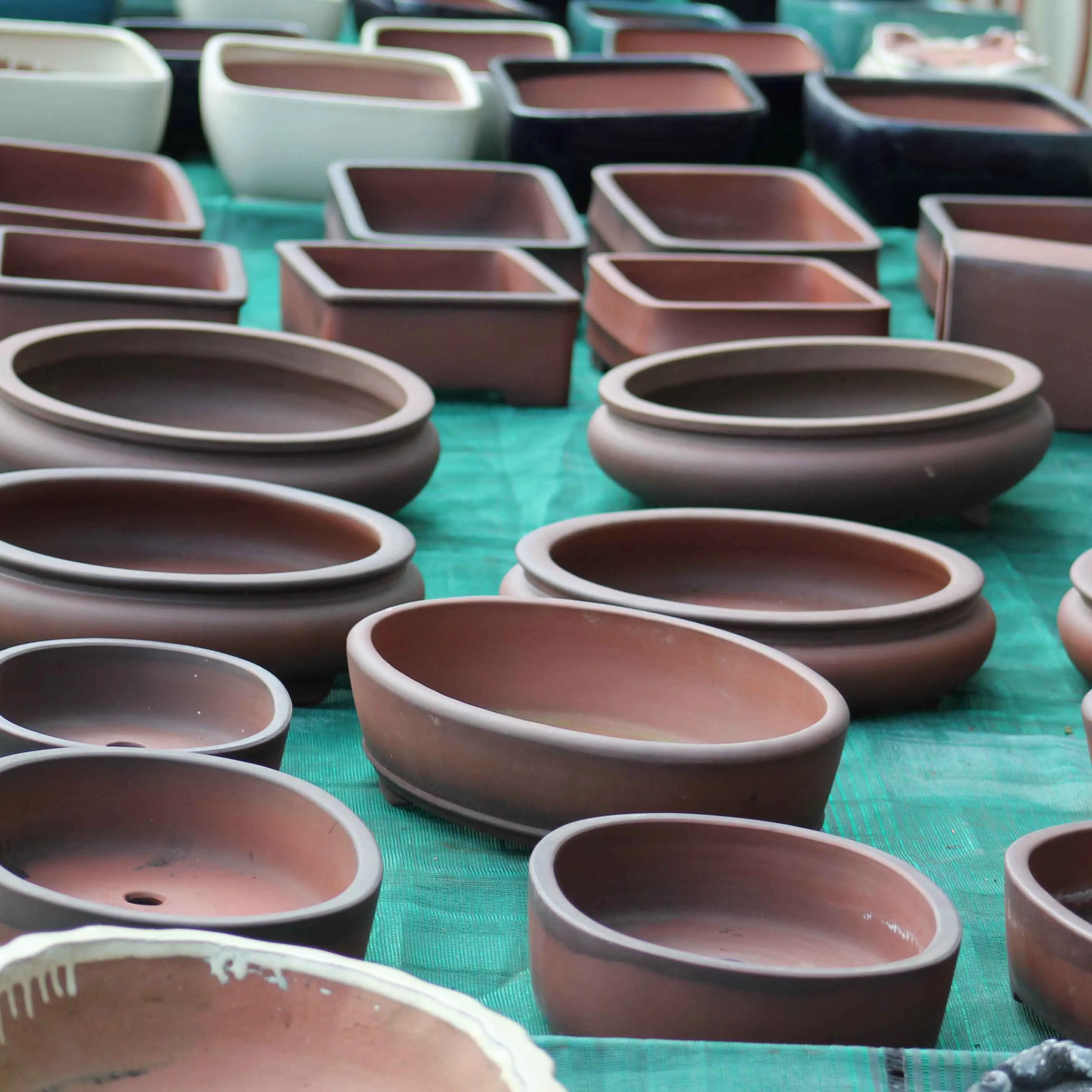
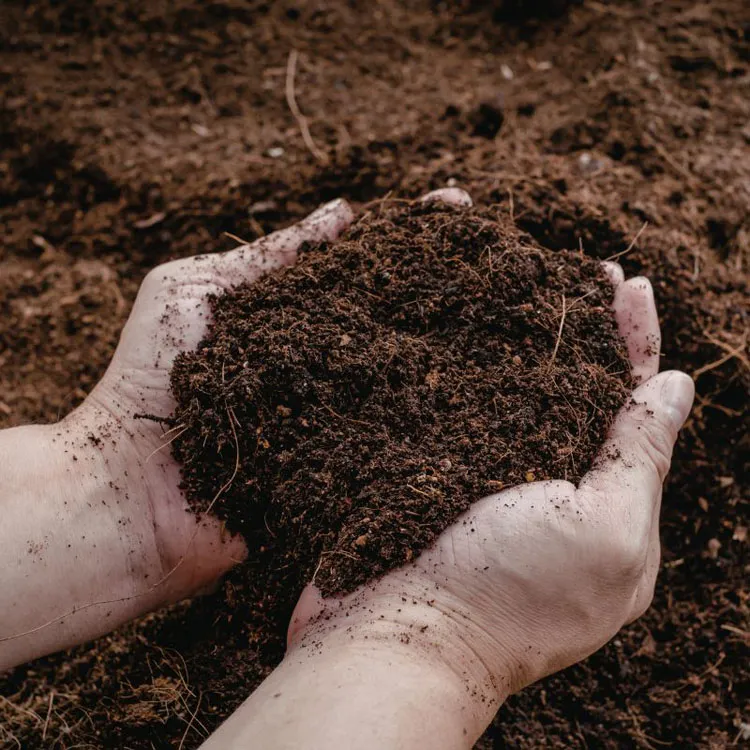
Maples prefer cool soil with a good amount of organic matter. In our nursery, we use a potting mix composed of black peat, blonde peat, aged peat, topsoil, horse manure, and pozzolana. During your next repotting, which is done approximately every 2-3 years in early spring, you can mix in a more free-draining substrate such as akadama, pumice, or kiryu. However, be careful not to disturb the root ball; do not destroy the entire root ball!

Many bonsai react significantly when repotted at the wrong time or too drastically.
Shoots and branches can be pruned year-round. Pruning of strong branches should be done in autumn to avoid excessive sap loss, or in summer.

In the nursery, we use a blue tomato/flower fertilizer with an NPK ratio of 12-12-17. You can use this fertilizer and apply a handful (small or large depending on the pot size) to the substrate from May to October, every two months, alternating between chemical and organic fertilizers.