

 Production of French Bonsai




Quince
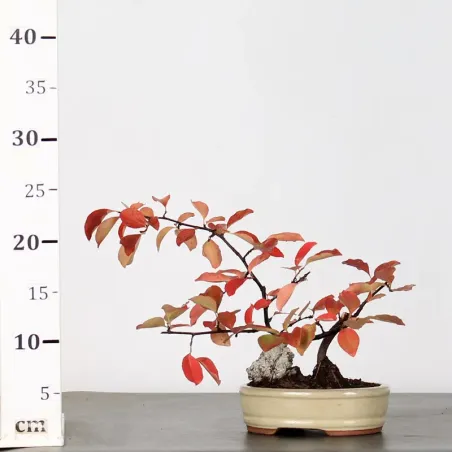
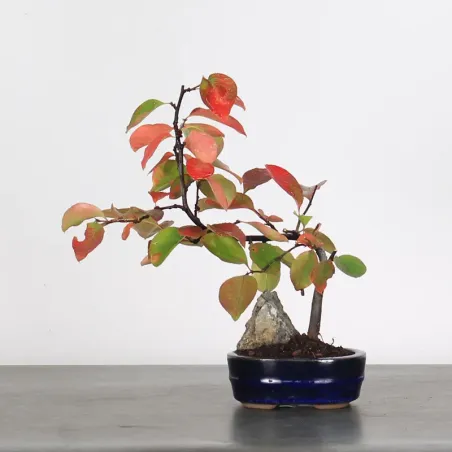
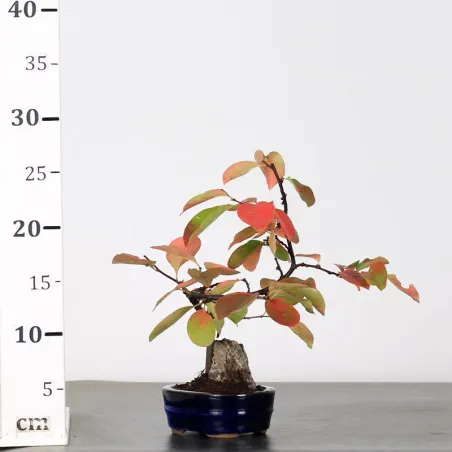
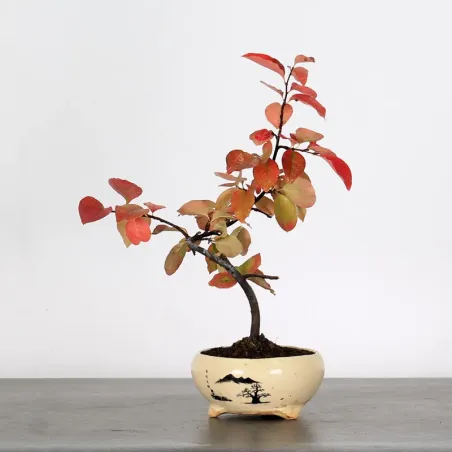
Native to Western Asia and the Caucasus, the common quince is a small fruit tree with an authentic character, appreciated in bonsai for its natural habit and rustic appearance. Less showy than some other species, it charms with its restrained and well-balanced presence, making it ideal for cultivation focused on structure and the long-term development of the tree.
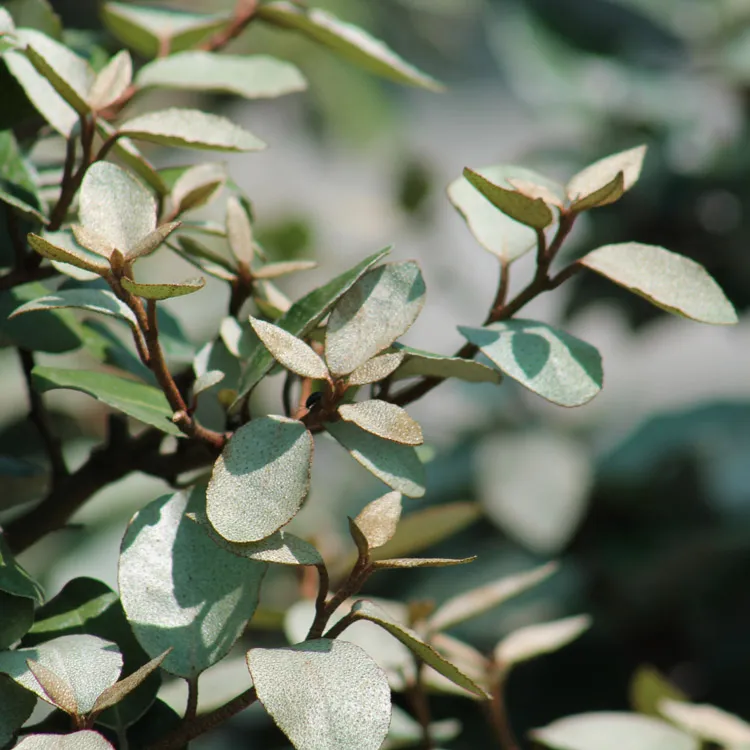
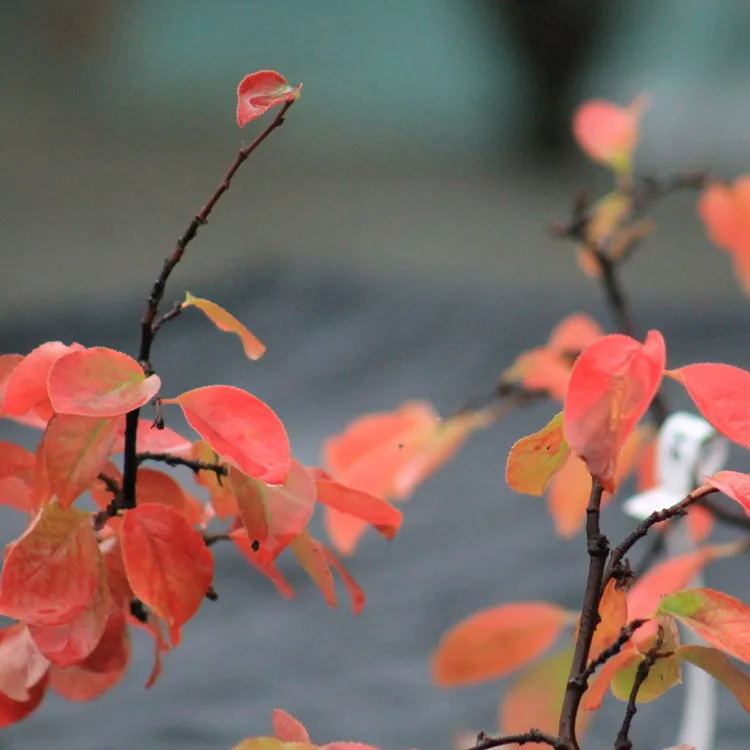
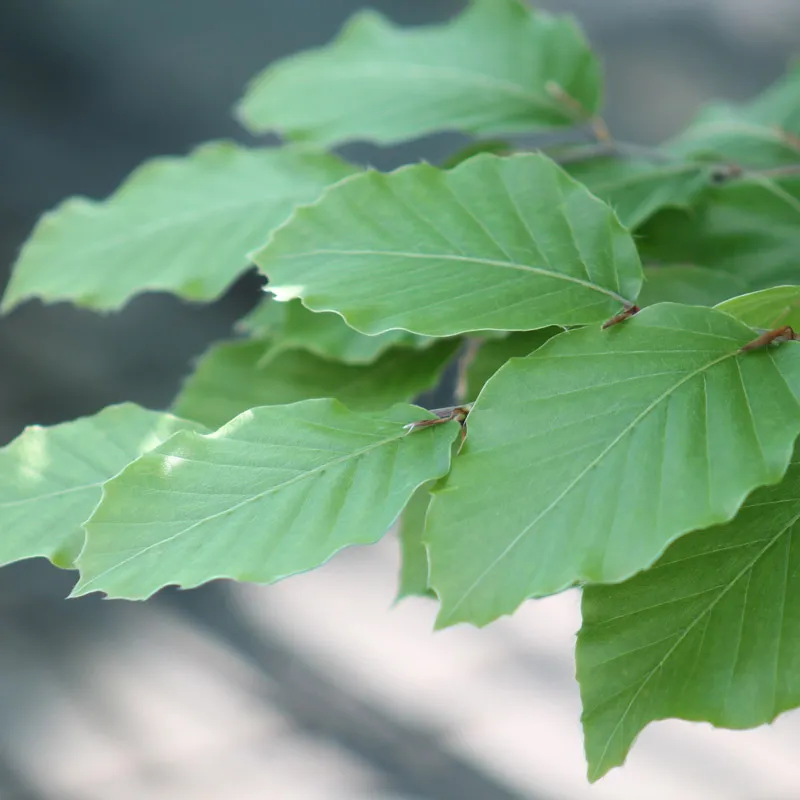
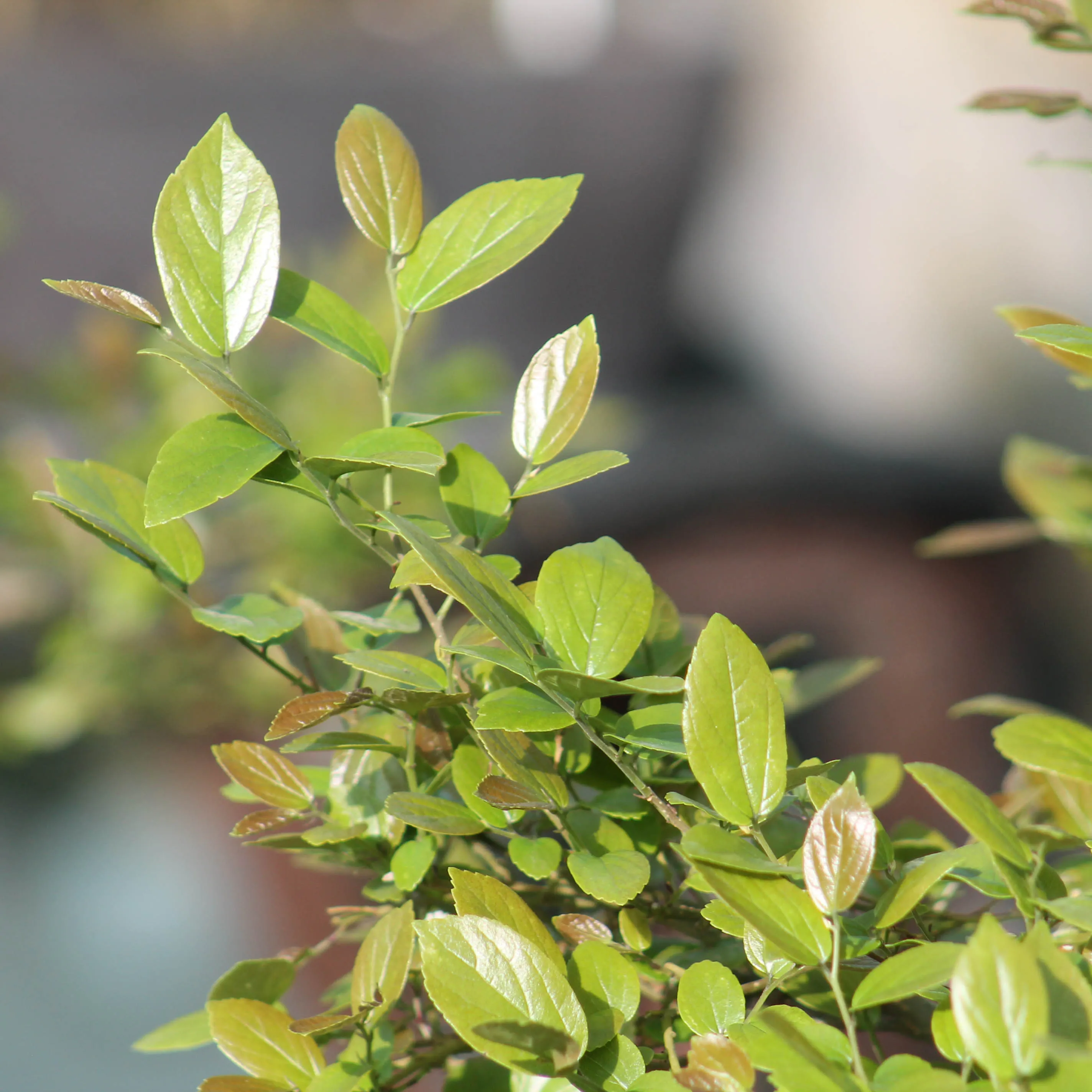
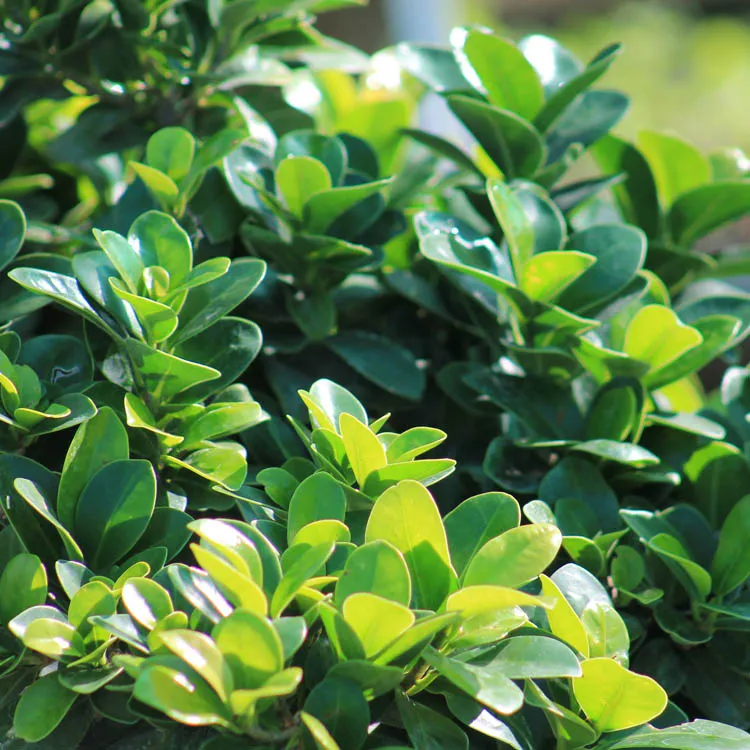
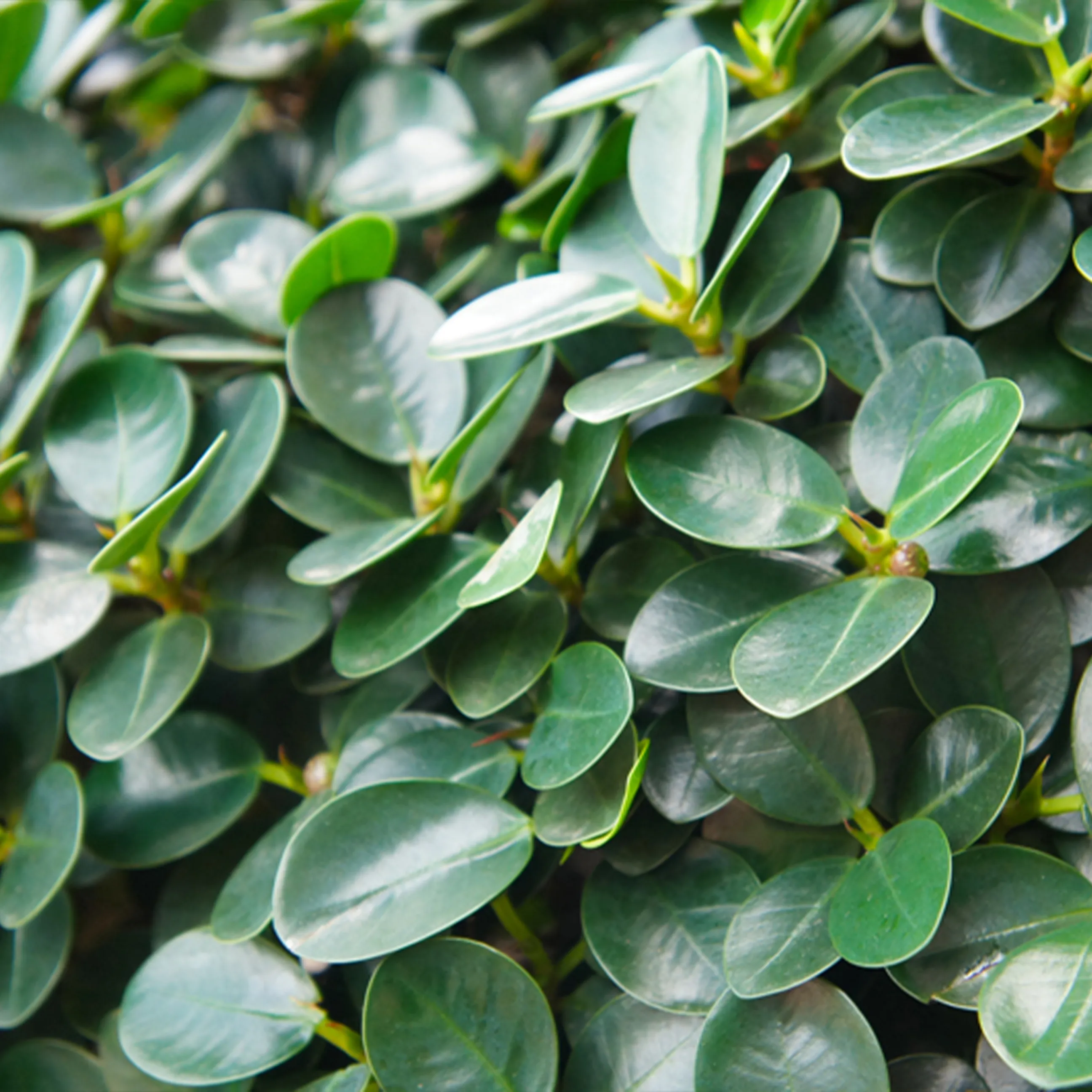
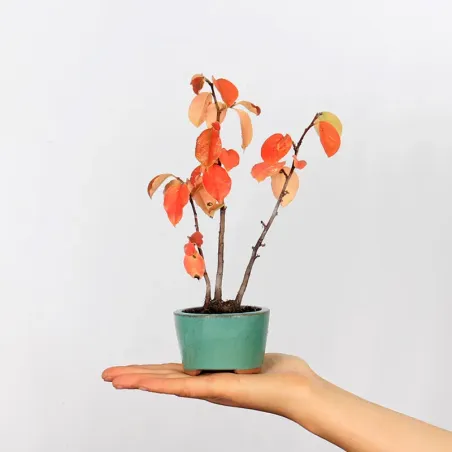
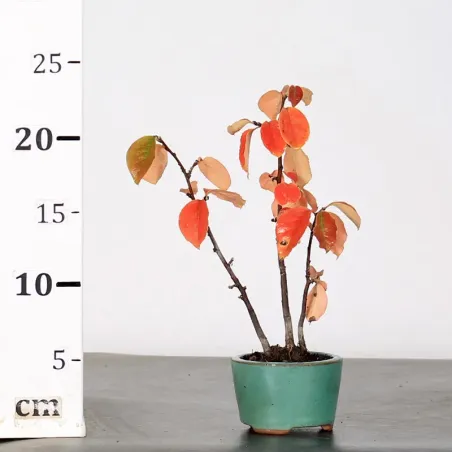
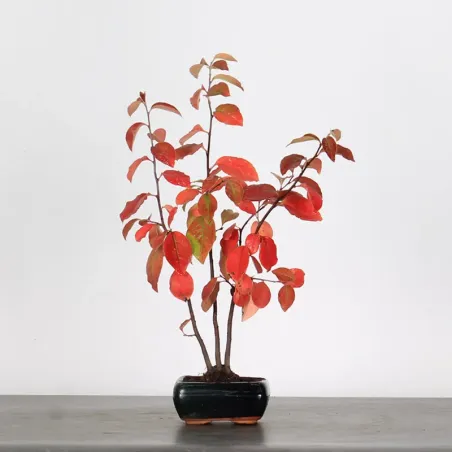
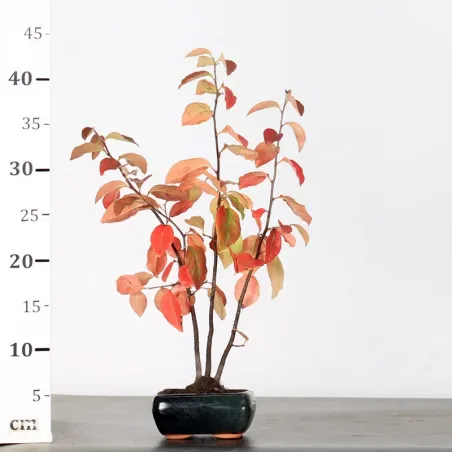
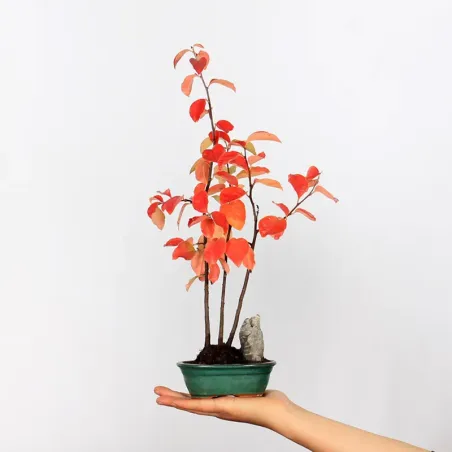
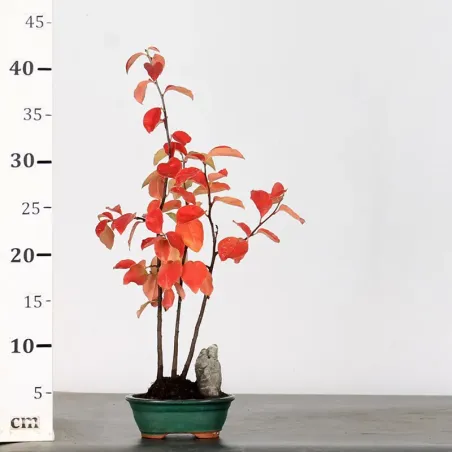
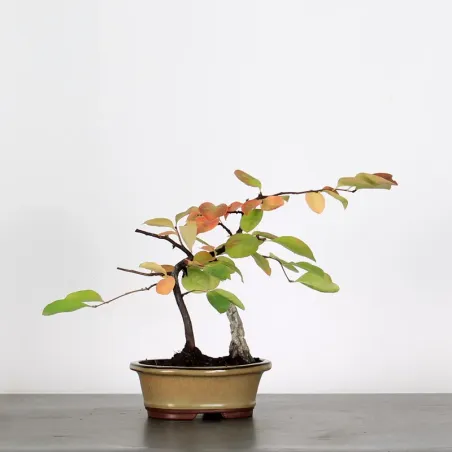
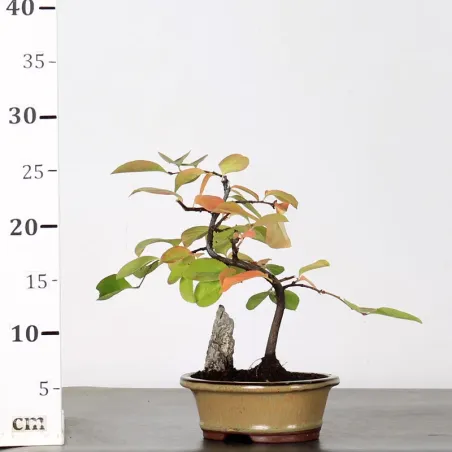
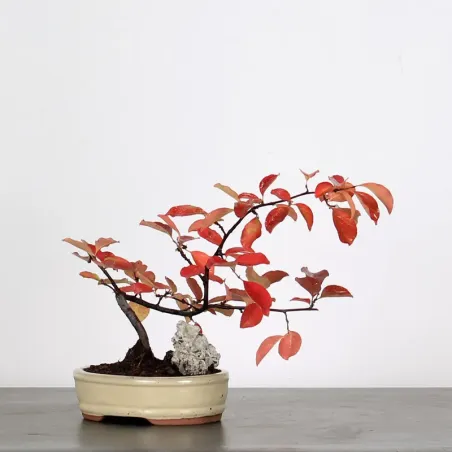
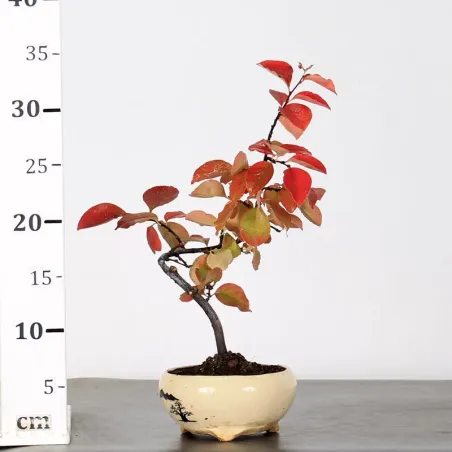
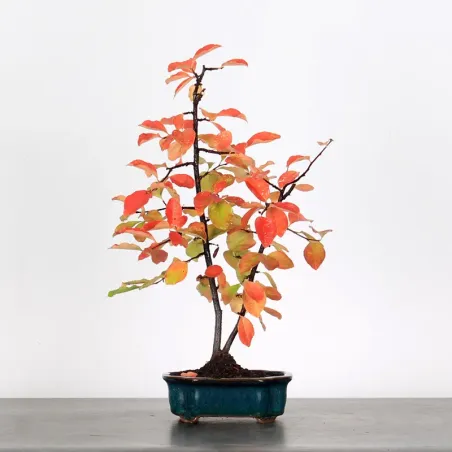
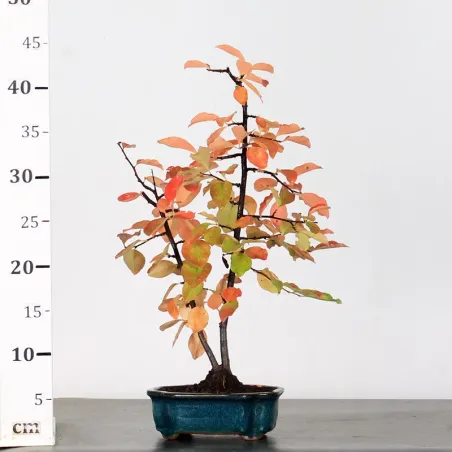
Its foliage is one of its main assets. The oval leaves, generally measuring between 6 and 10 cm, have a slightly velvety texture that adds pleasing visual depth. Light green in spring, they darken during summer before turning attractive shades of yellow in autumn, providing ornamental interest throughout the growing season.
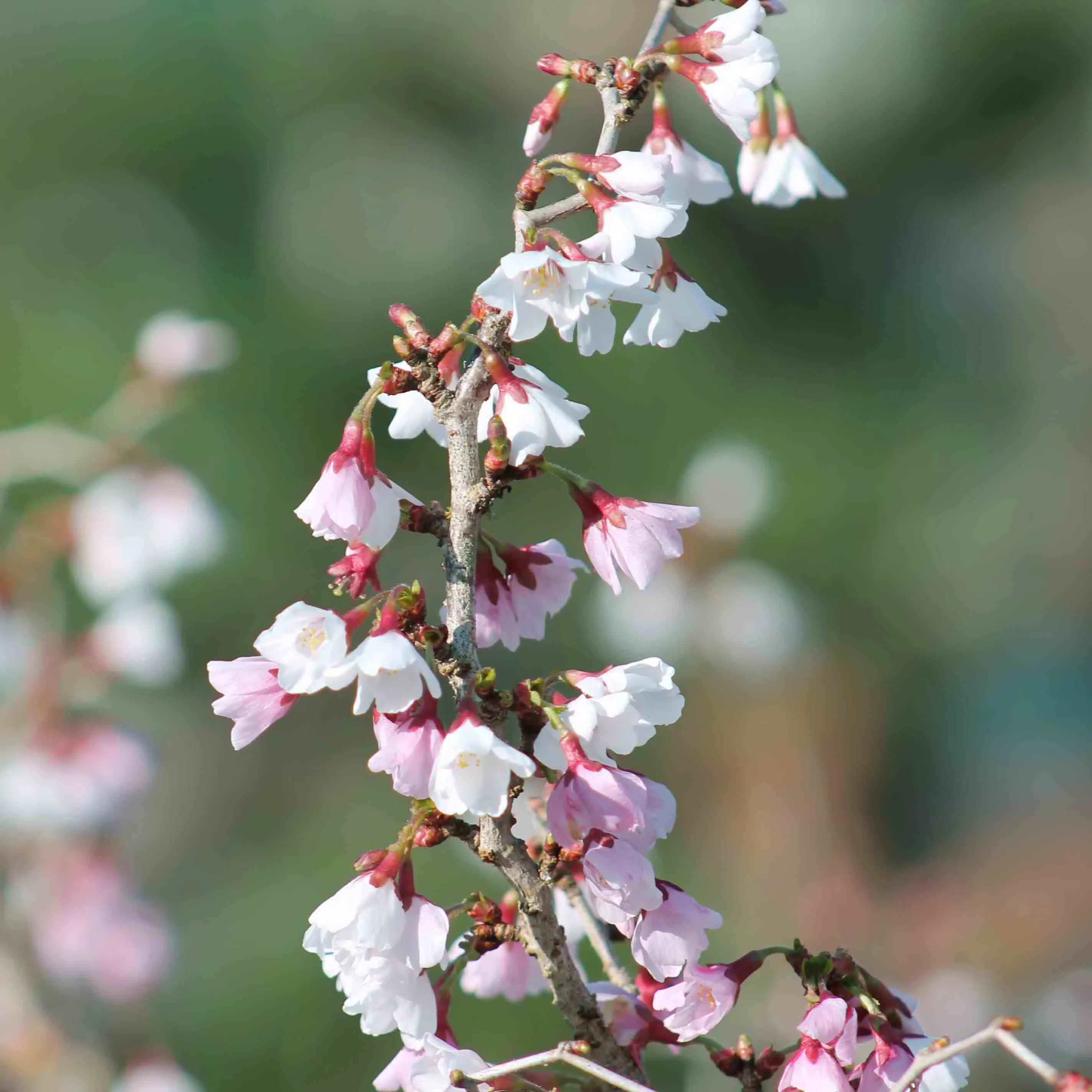
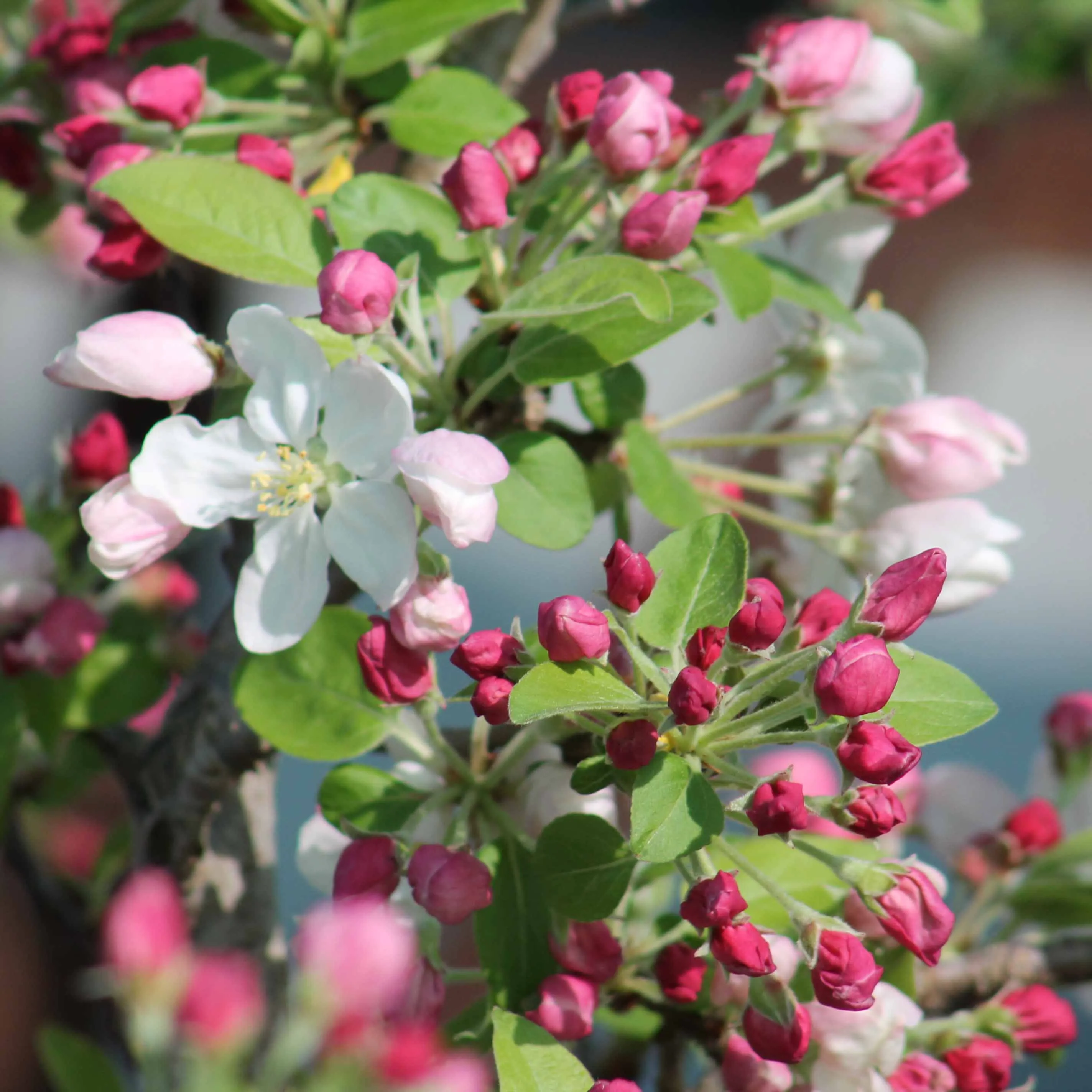
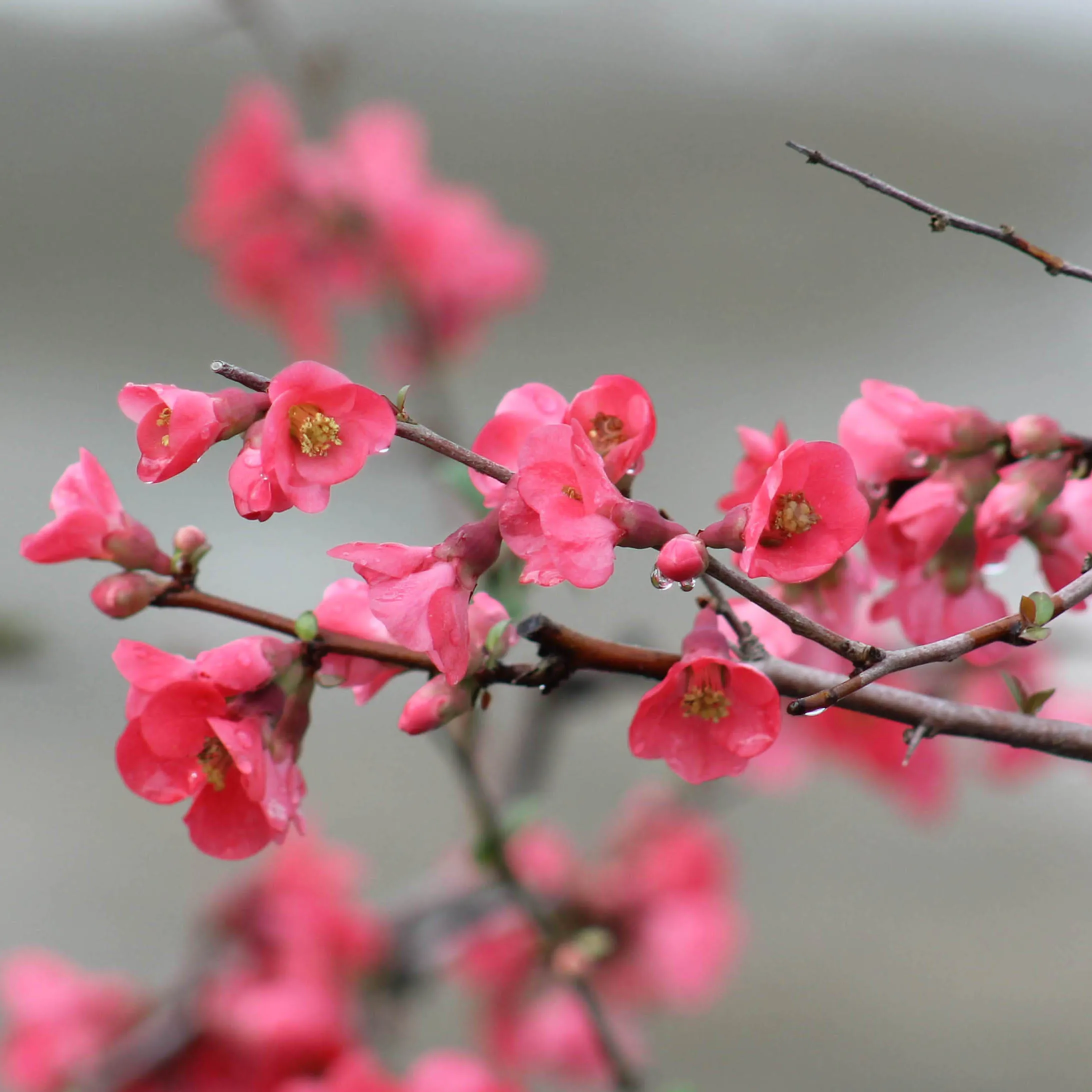
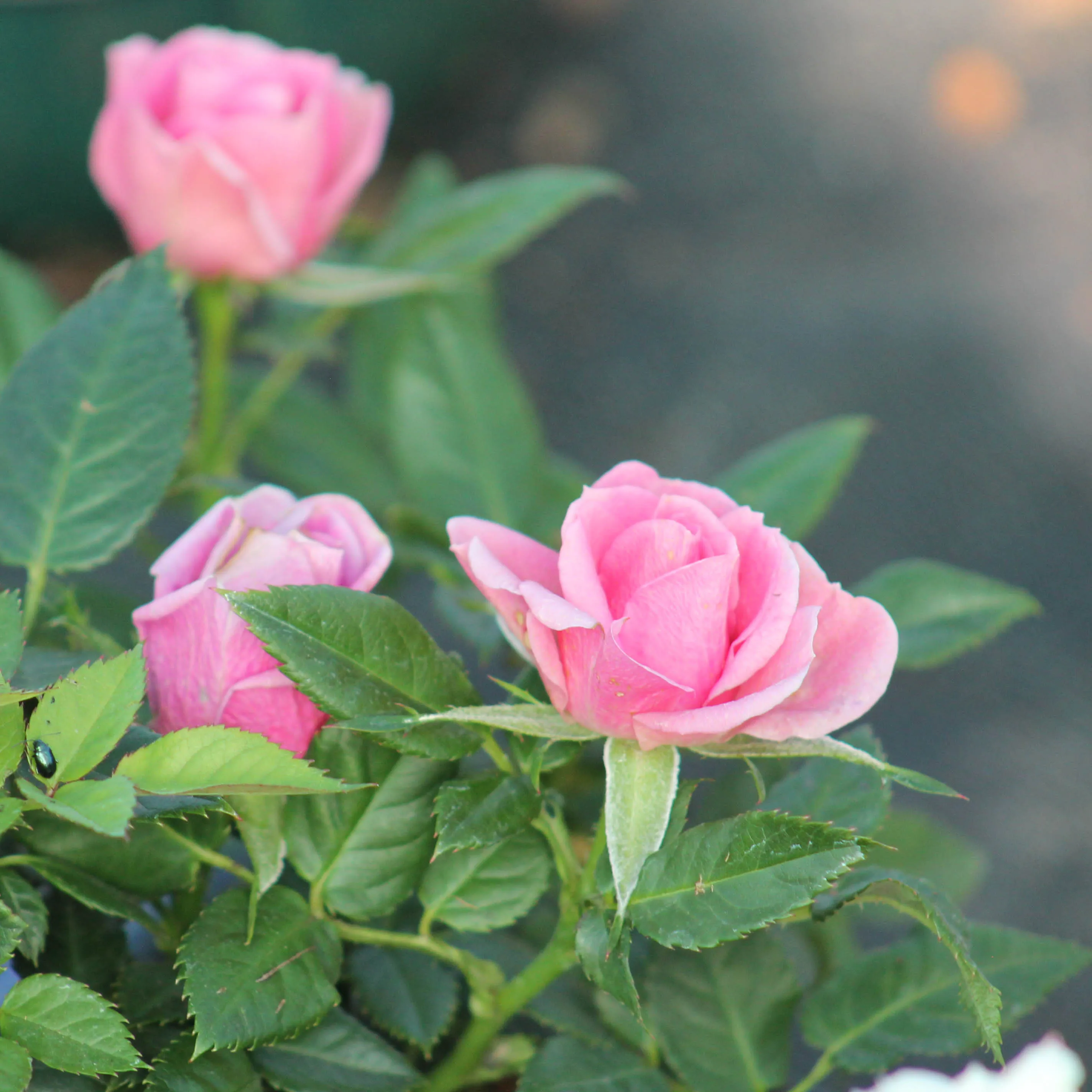
Flowering, when it occurs, remains discreet and irregular in bonsai cultivation. It appears in spring in the form of solitary flowers with soft white-pink tones, often few in number. The fruits, known as quinces, may occasionally form but usually remain small and limited, their presence being more anecdotal than essential to the overall aesthetic of the tree.
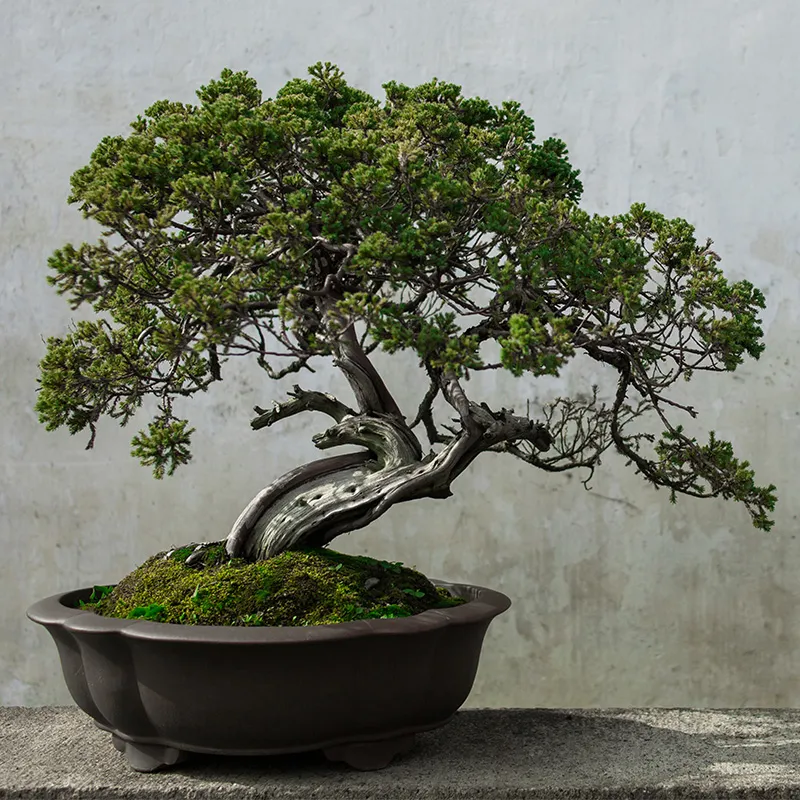
Softer in appearance and less thorny than the Japanese quince, the common quince stands out for its trunk and branch structure, which lend themselves well to training and shaping. It is particularly suited to bonsai enthusiasts seeking a restrained yet expressive species that follows the natural rhythm of the seasons.
The common quince is therefore an interesting choice for those who value structure, foliage, and character in a bonsai rather than abundant flowering or fruiting. A sincere and distinctive species that gains beauty with time.