Production of French Bonsai
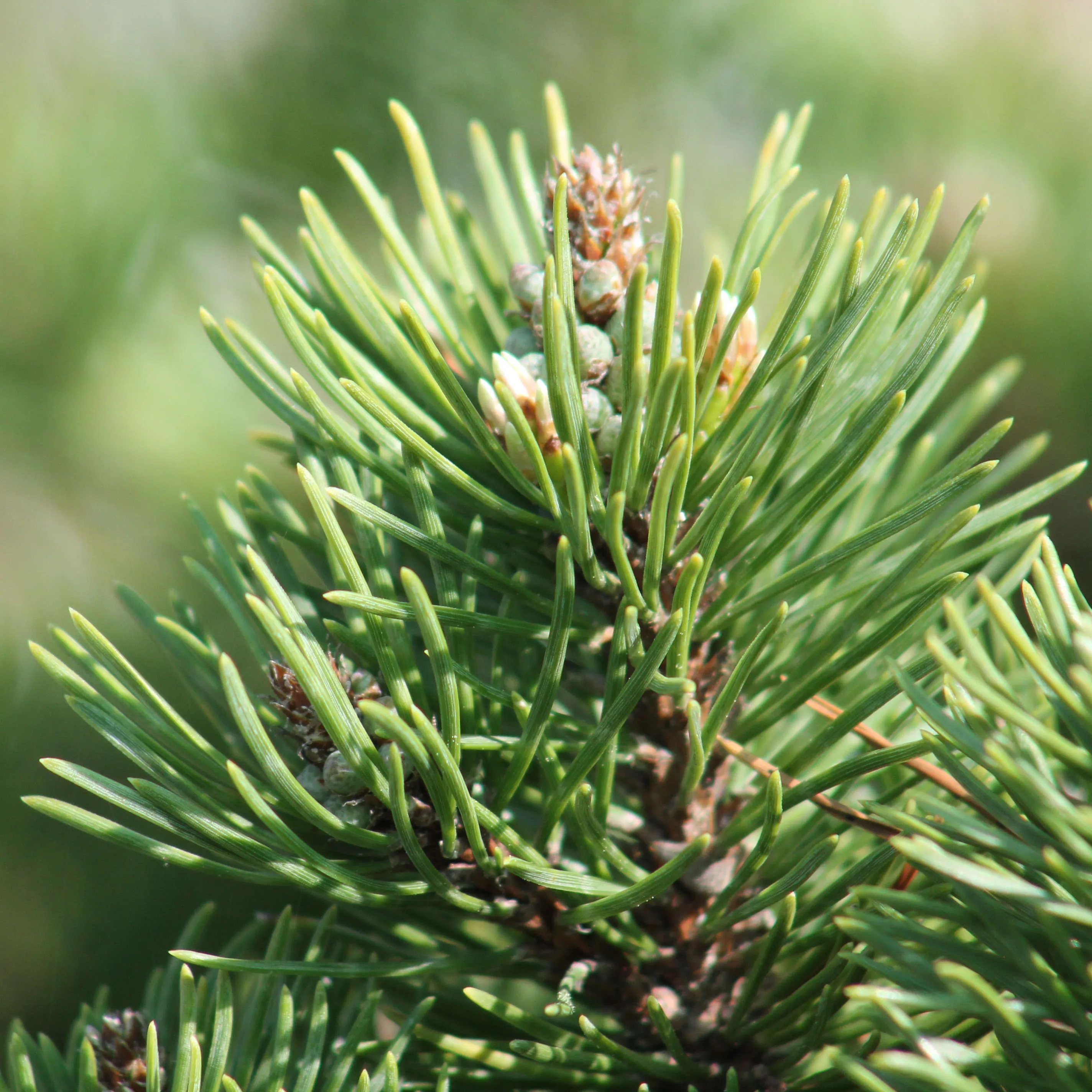
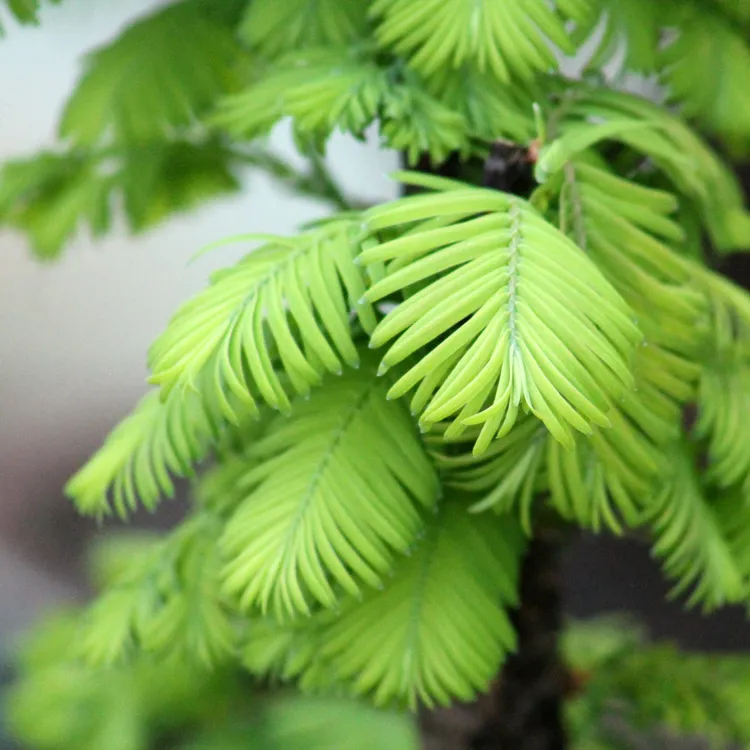
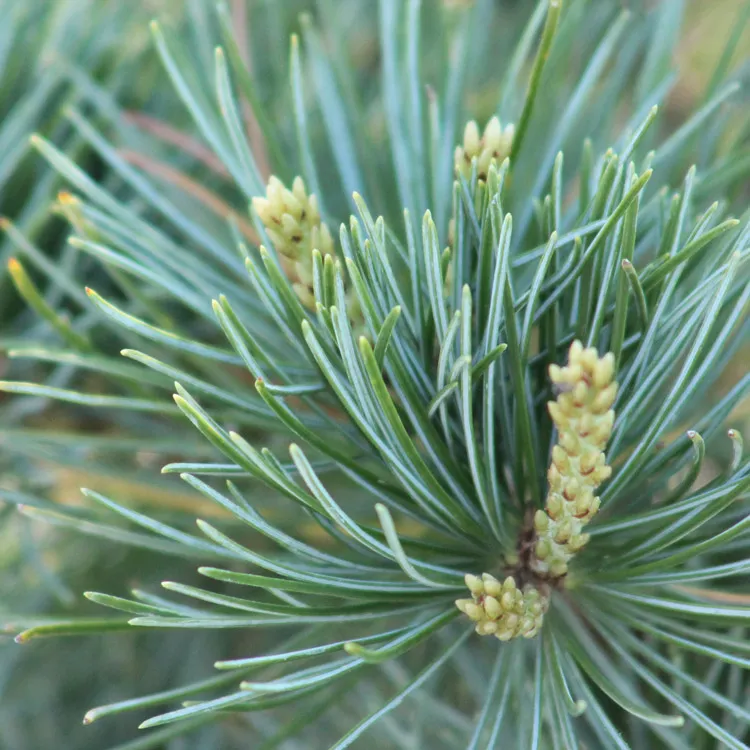
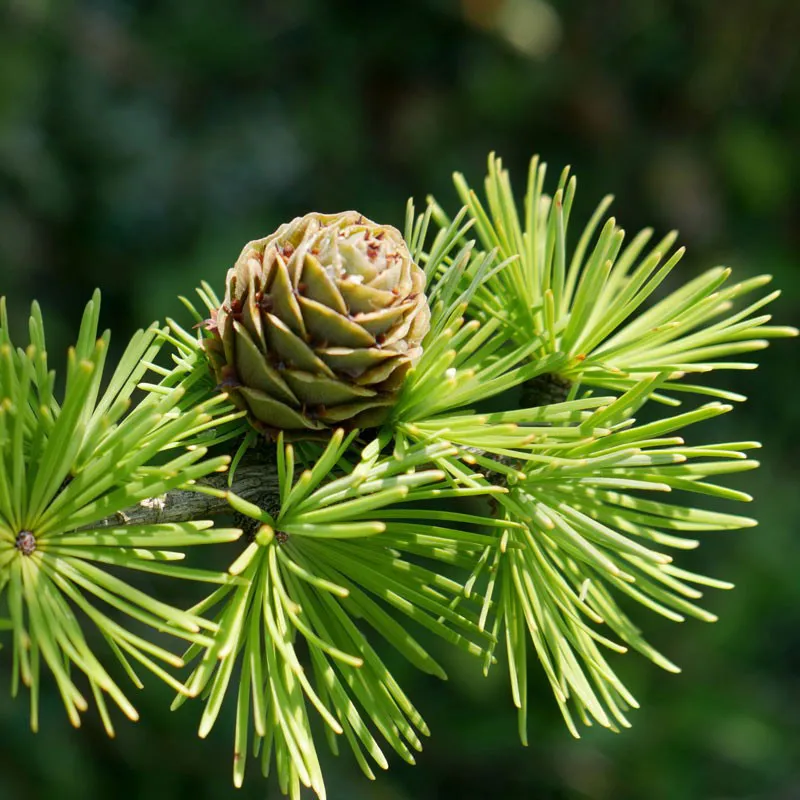
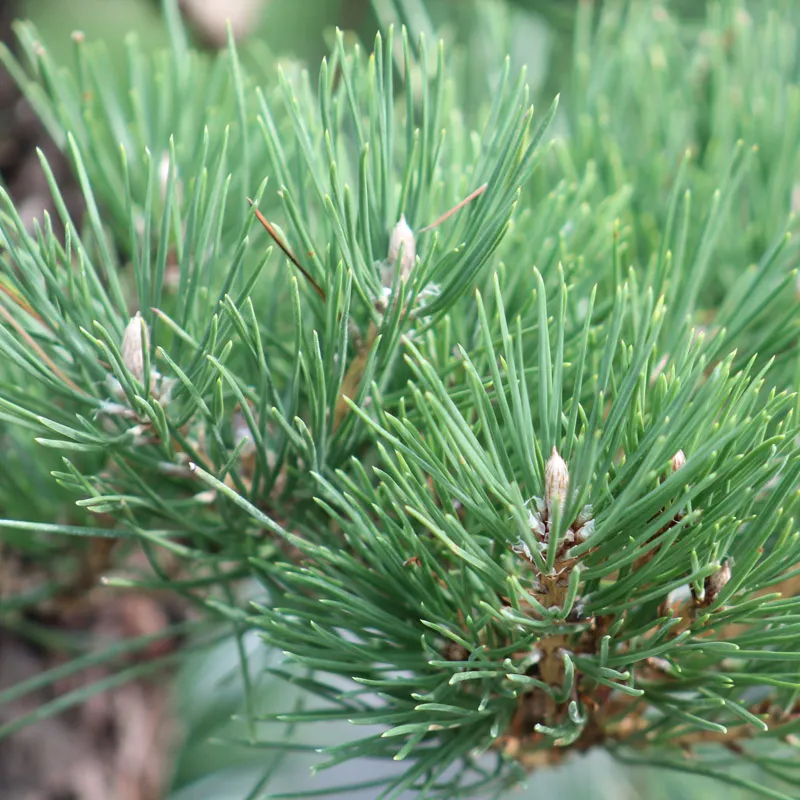
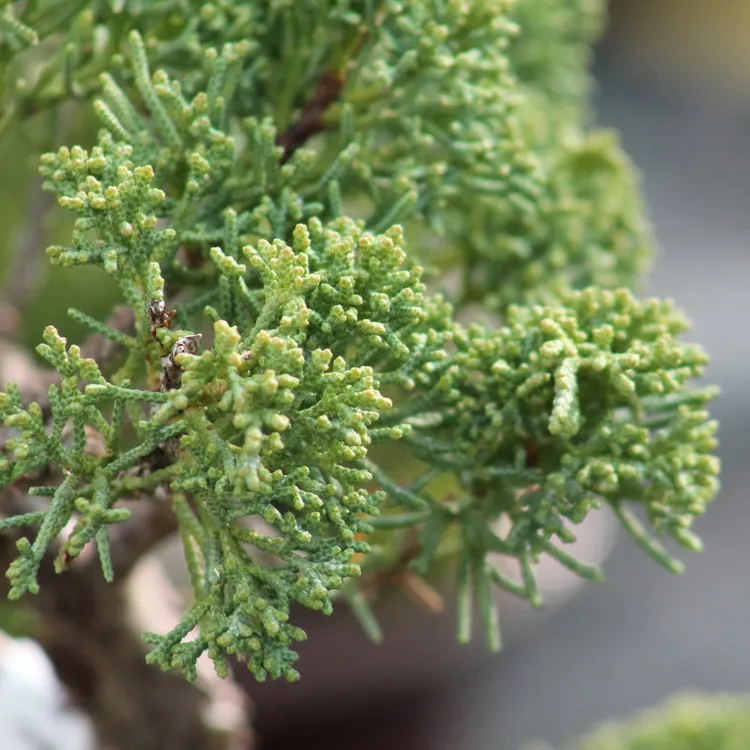
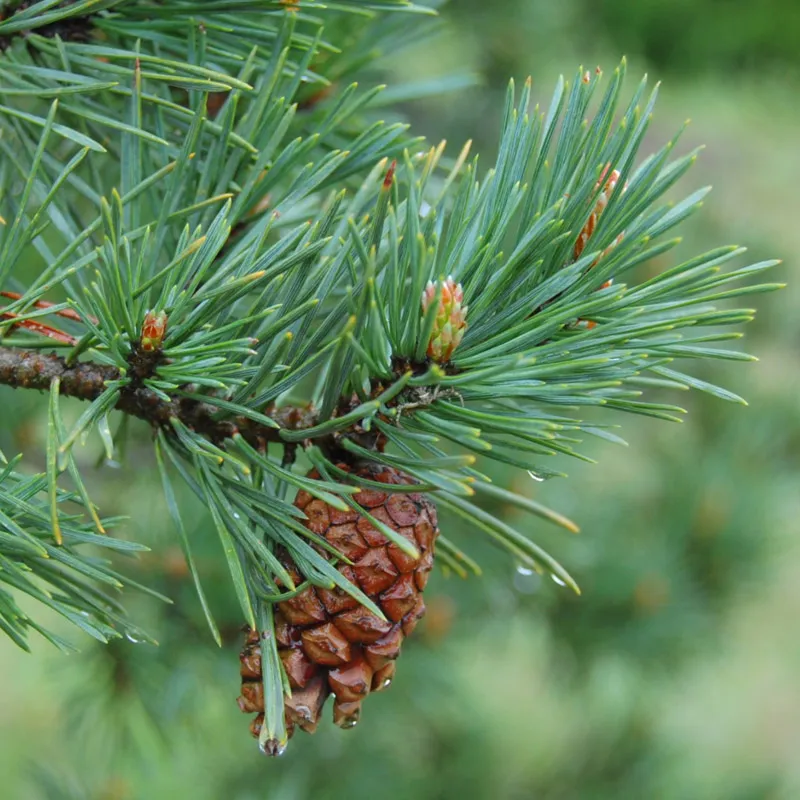
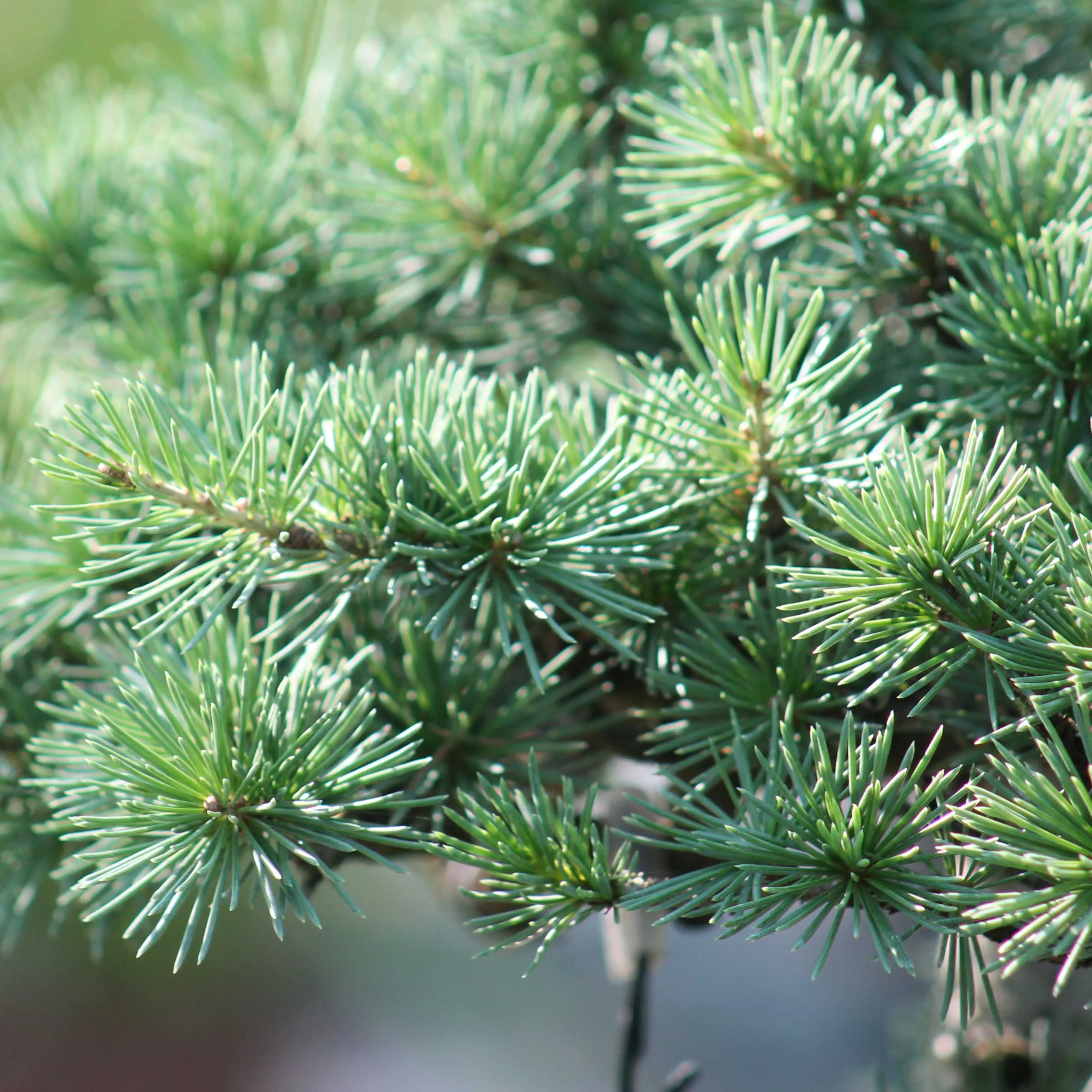
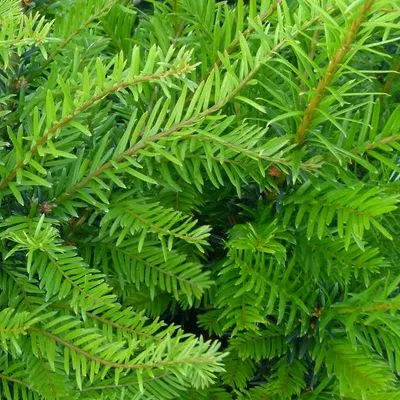
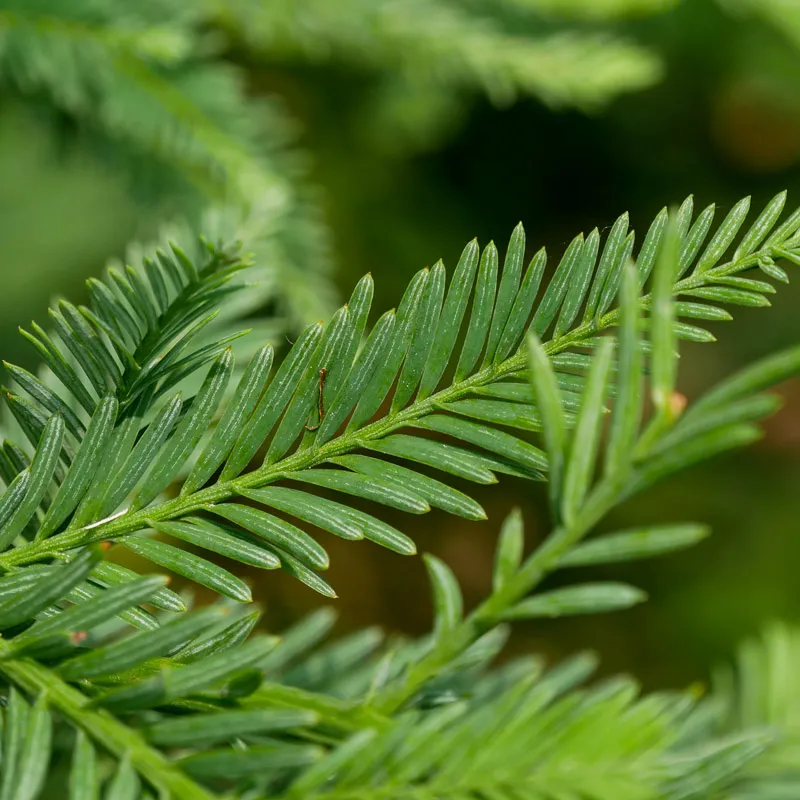
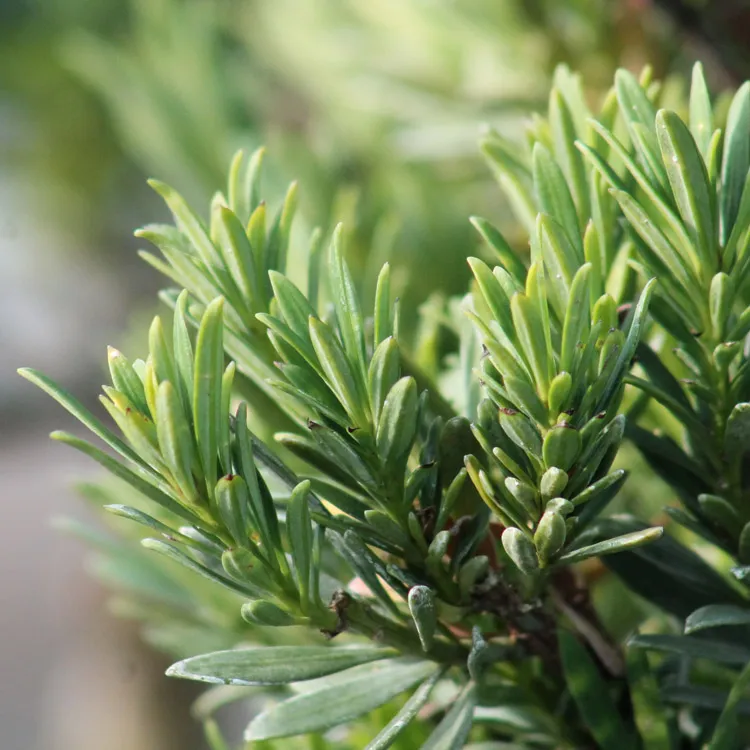
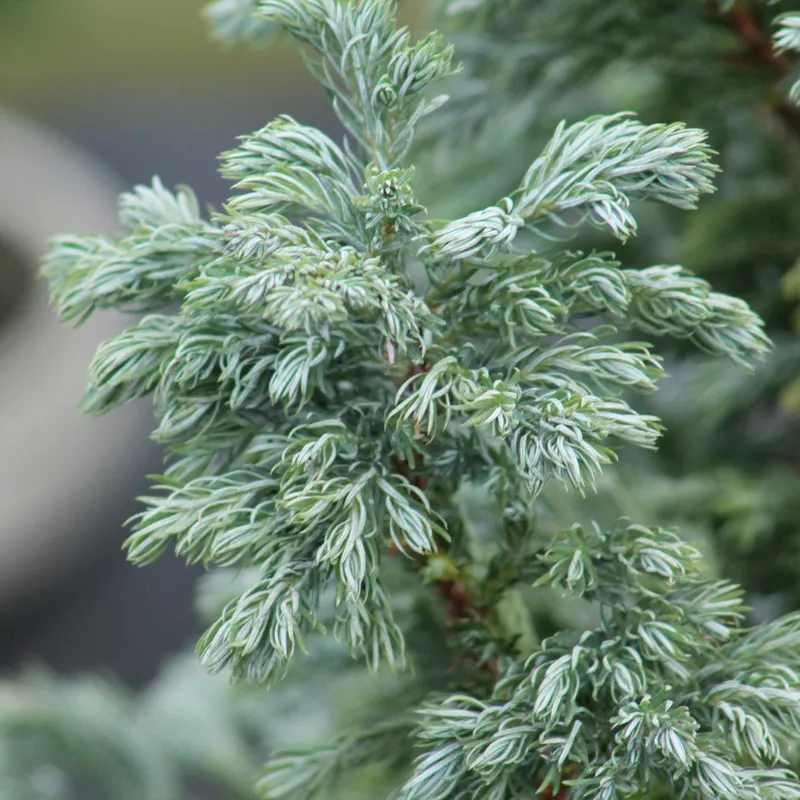
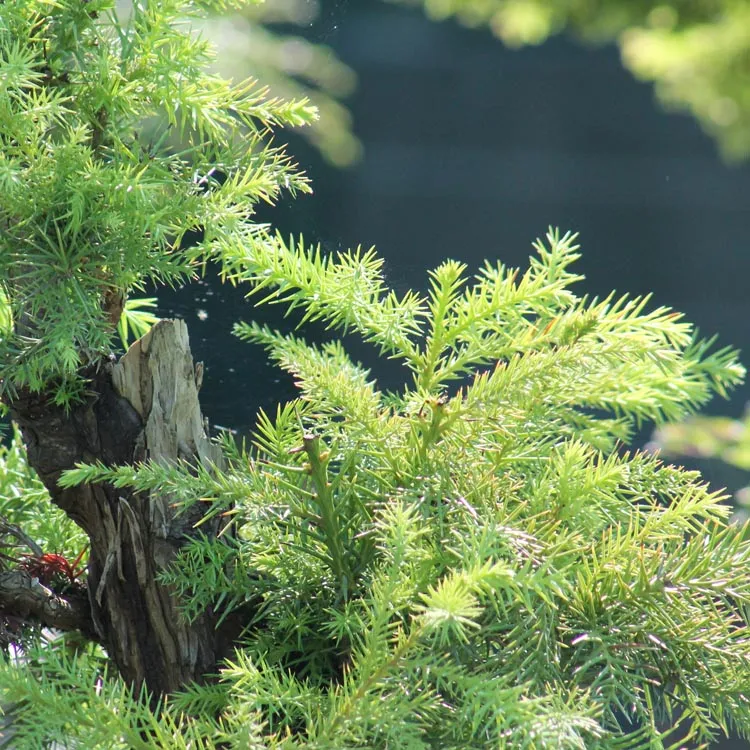
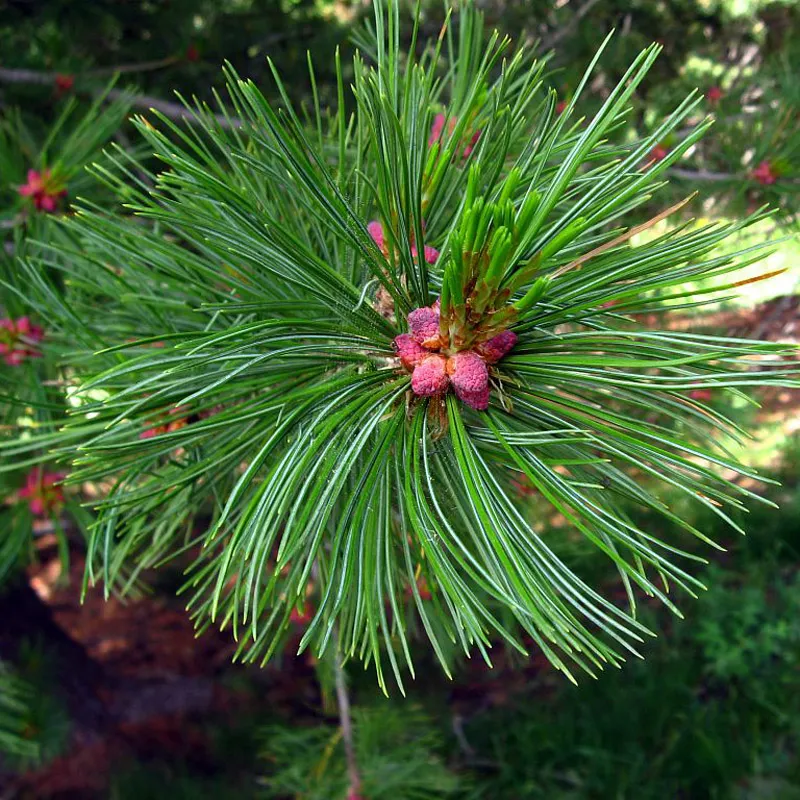
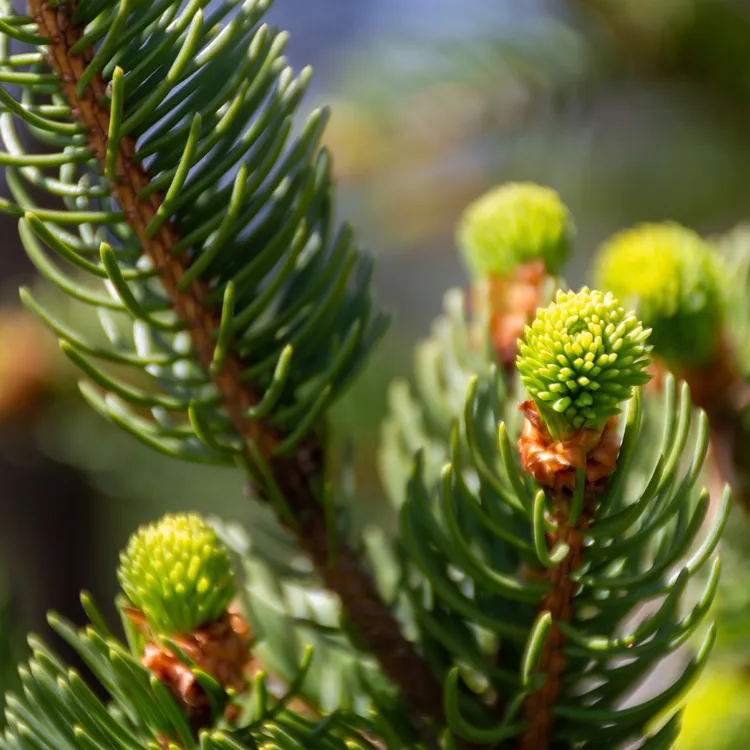
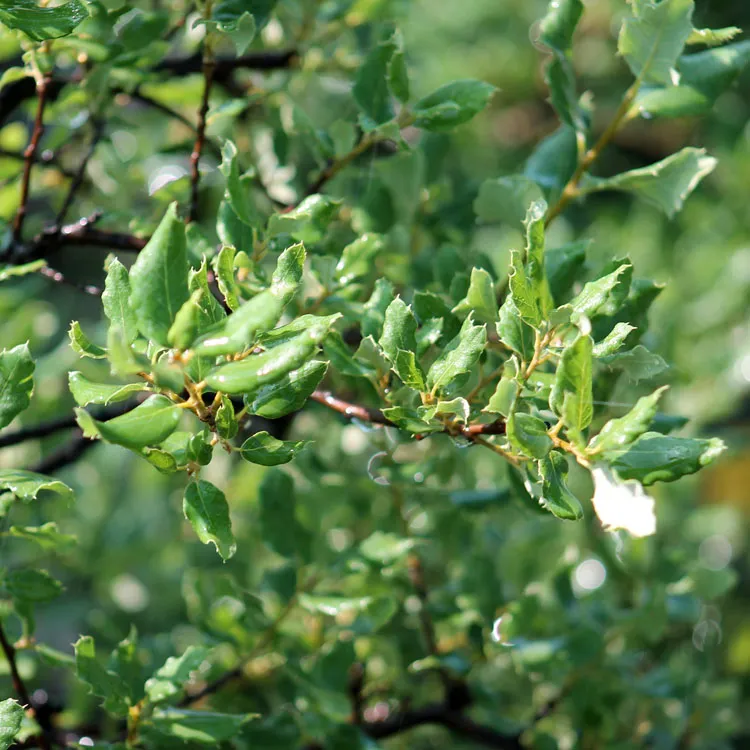
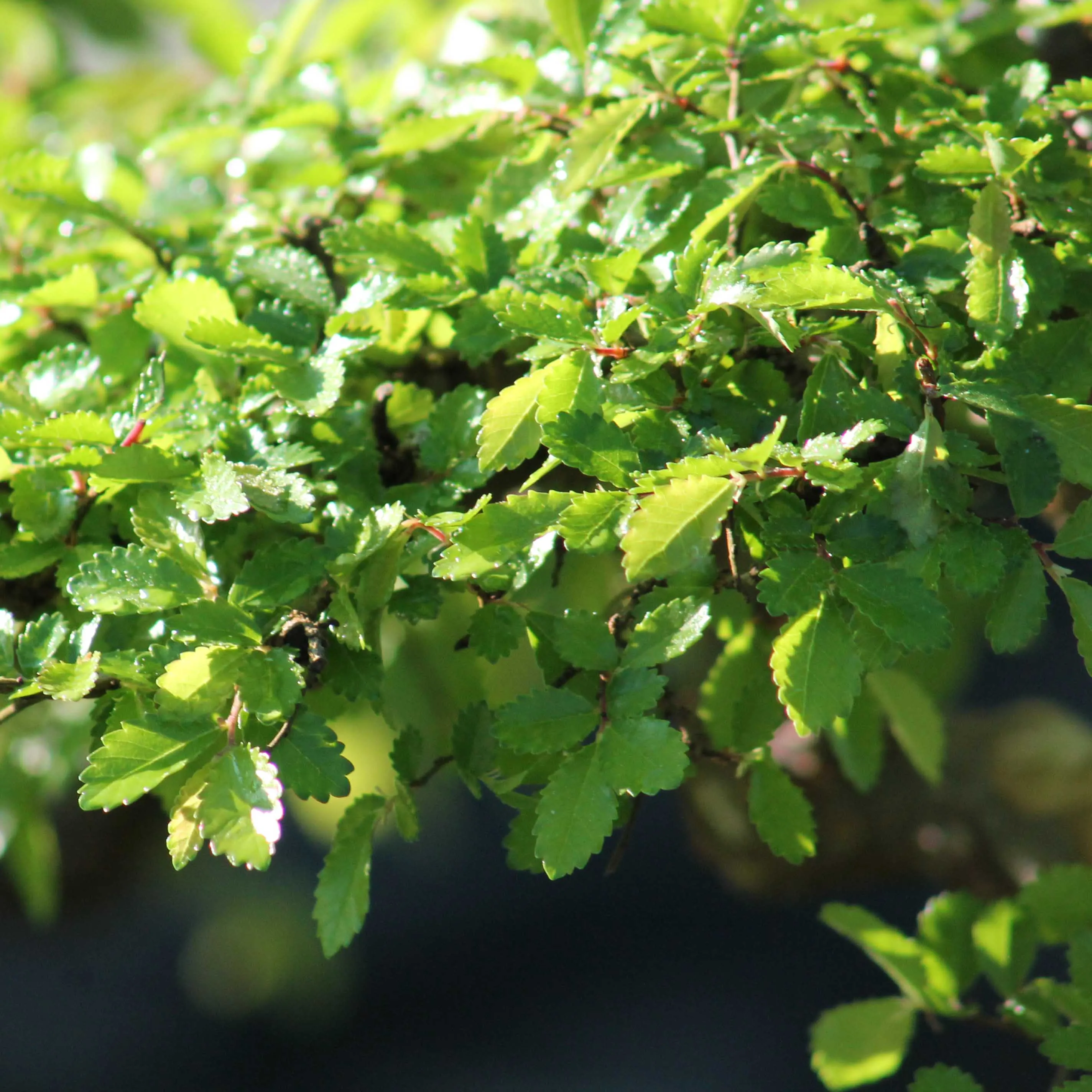
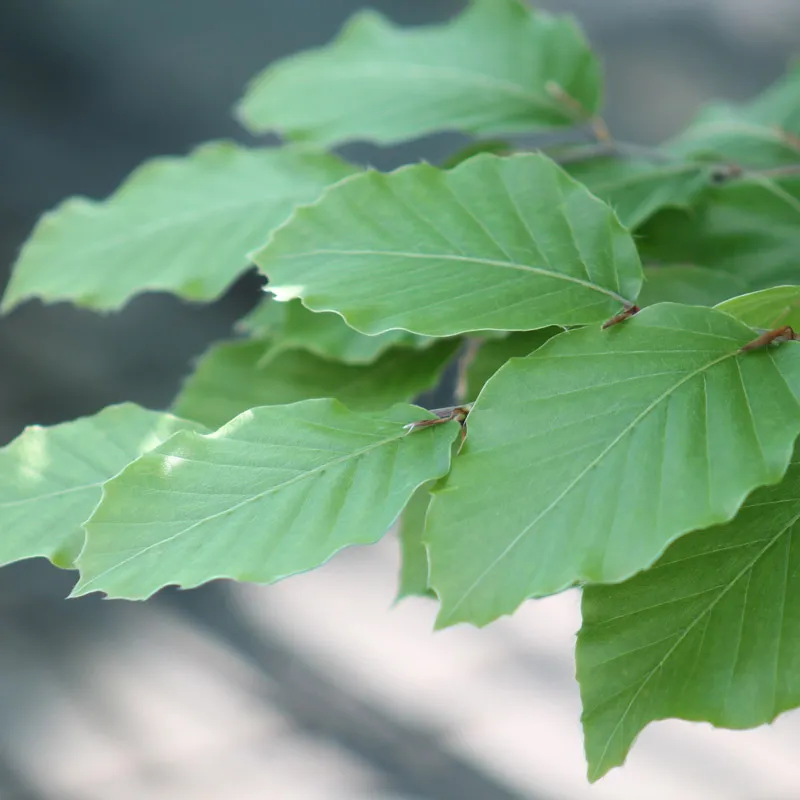
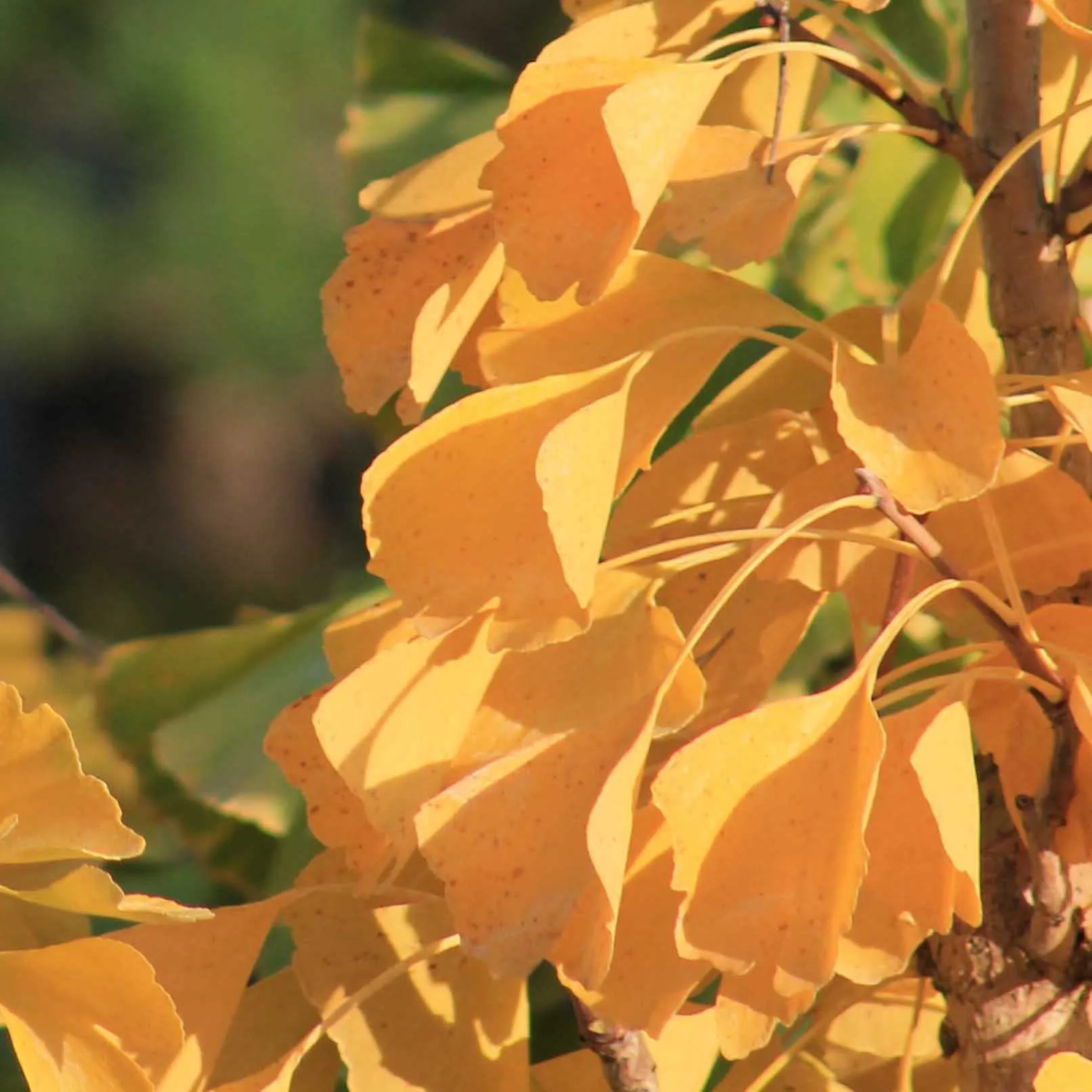
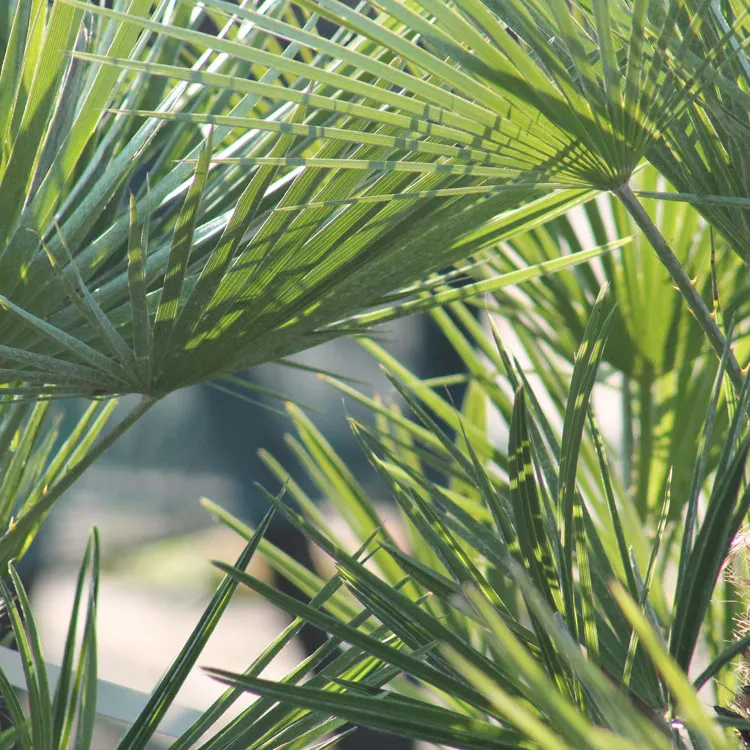



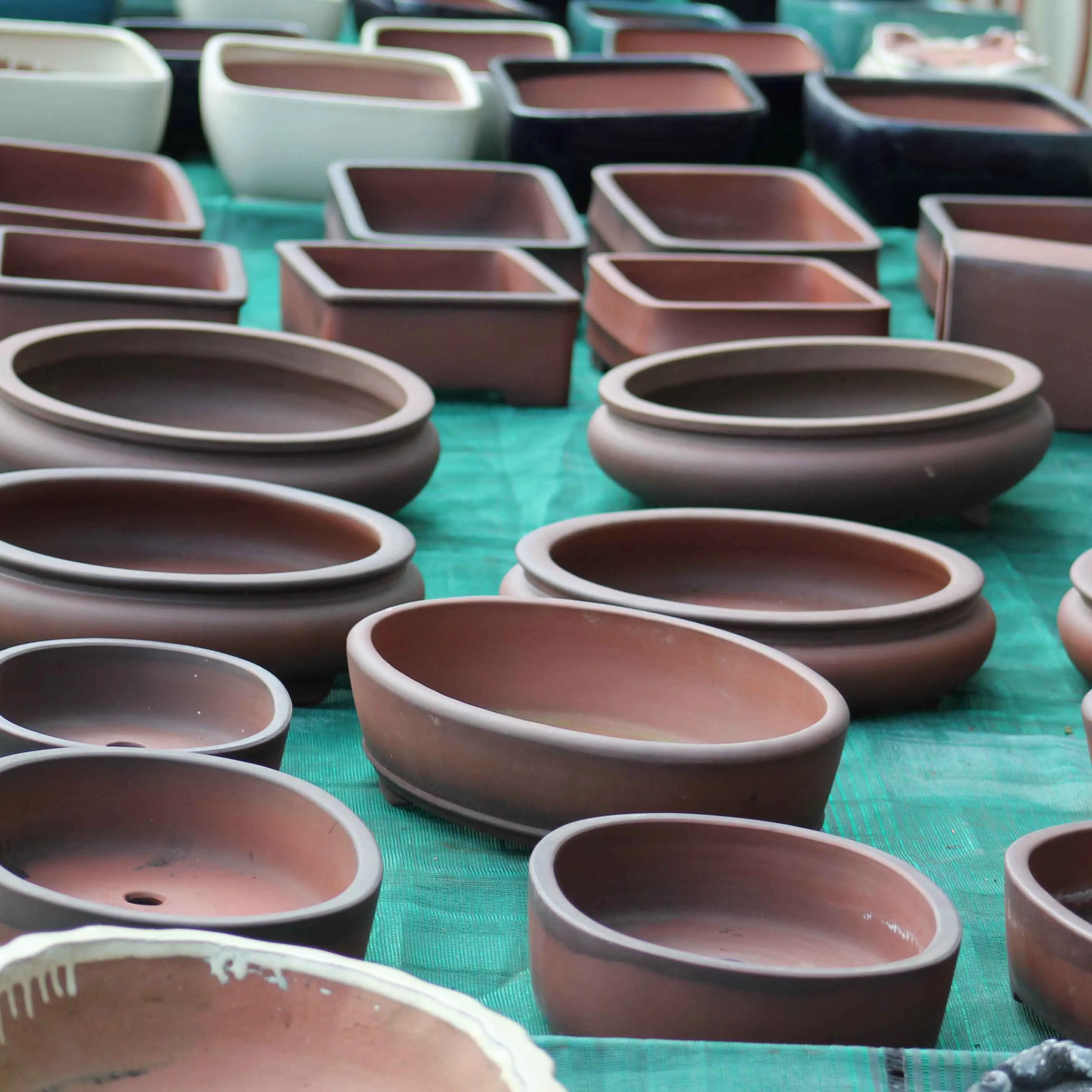
Outdoors year-round, the Atlas Cedar appreciates full sun. It tolerates heat well. Resilient and robust, it is frost-resistant.
Bloc lien header
 English
en
English
en
Bonsai
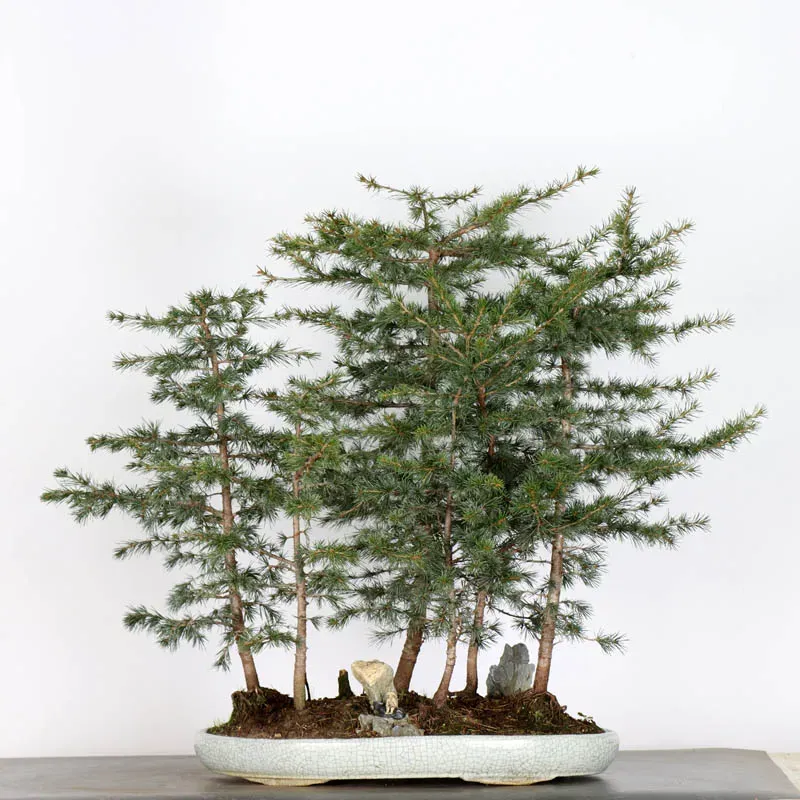
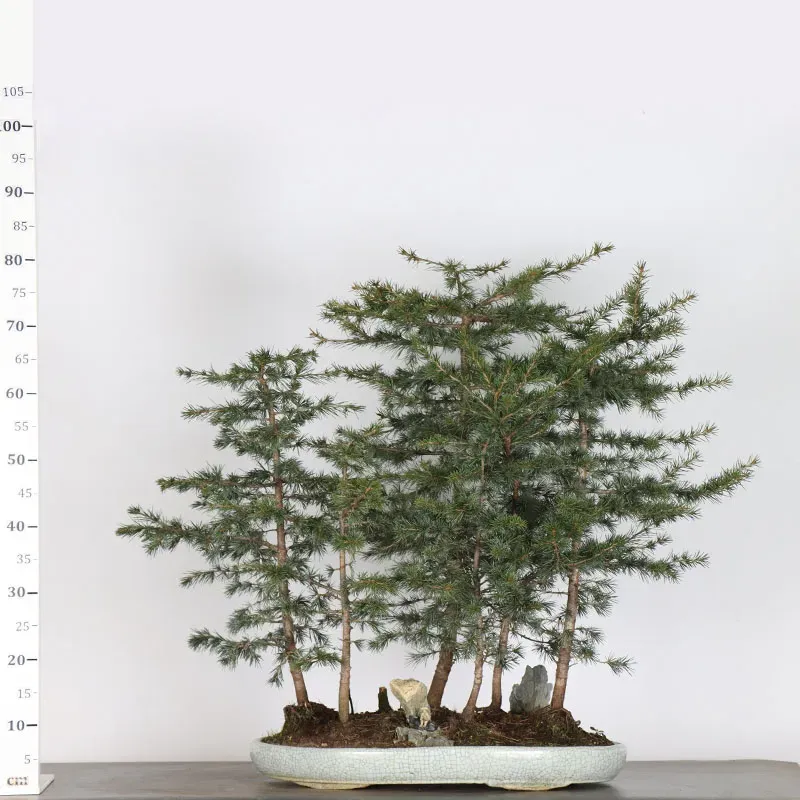
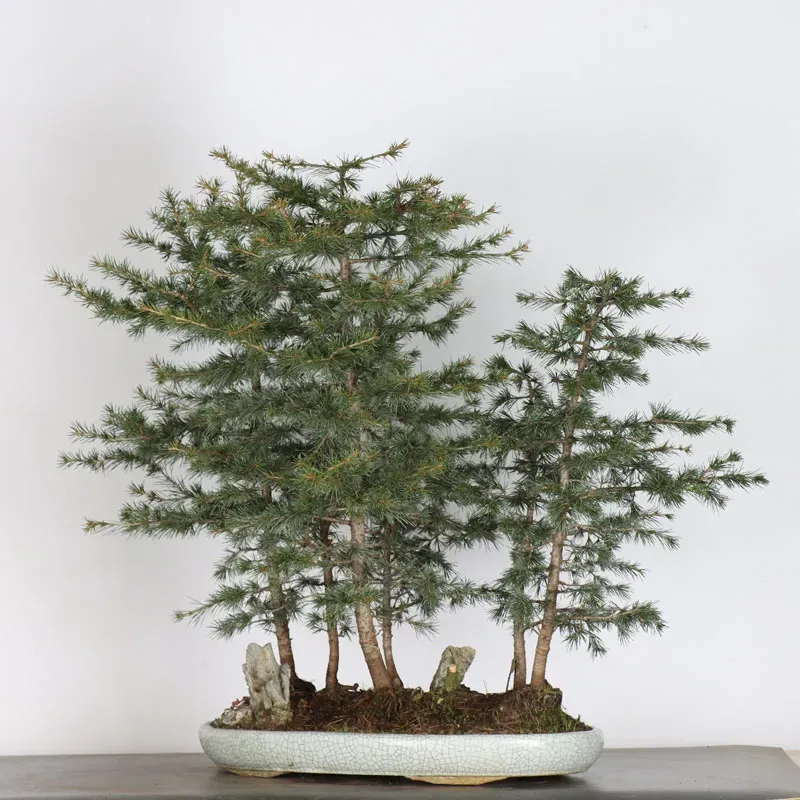
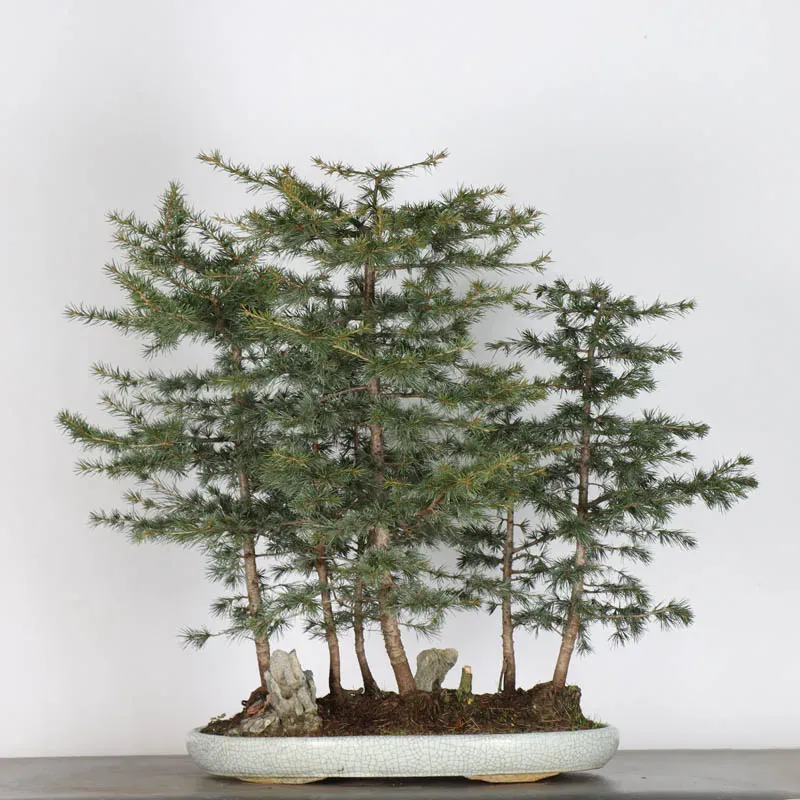
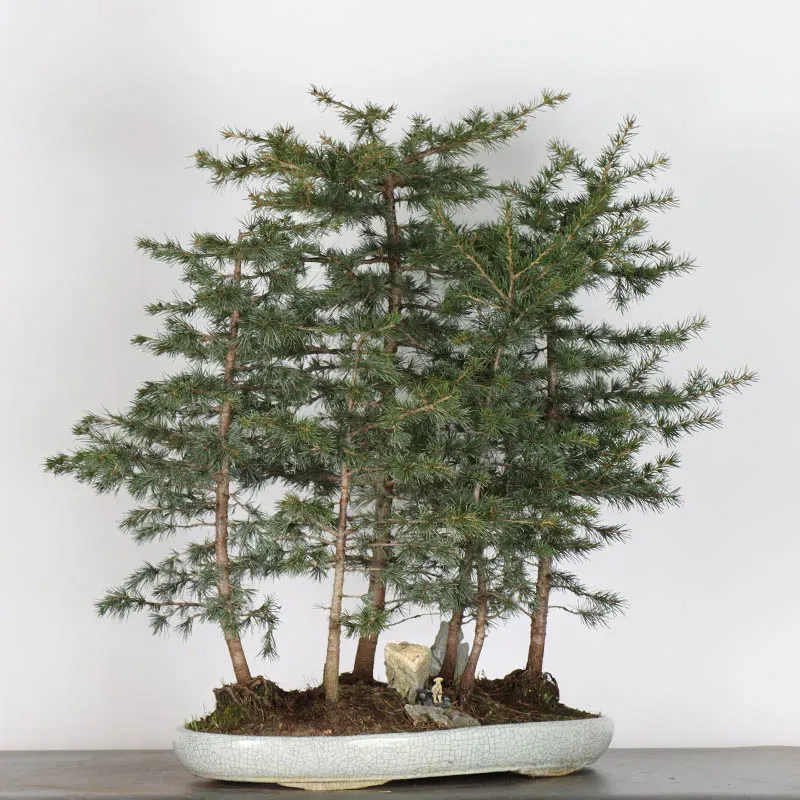
Cedar of lebanon forest "cedrus libani" 1-1
- New
Data sheet
The Cedar of Lebanon "Cedrus libani", is a legendary, slow-growing tree with a spreading habit and horizontal branches. Its evergreen, dark green needles are clustered in dense clumps.
Created two years ago, this Lebanese cedar forest originated from a symbolic composition of seven trees, a number traditionally associated with harmony, balance, and good fortune in the world of bonsai.
Over time, one of the trees gave way to a natural stump, now integrated into the scene. Far from being a flaw, it adds realism and reinforces the landscape aspect of the composition, evoking the natural cycle of life and the strength of living things.
Today, the forest comprises six cedars forming a harmonious, vibrant, and evolving whole. More than just a bonsai, this composition is a natural scene frozen in time. The presence of the stump enhances the realism of the landscape and serves as a reminder that the beauty of a bonsai is not measured solely by its perfection, but by the story it tells.
- Forest with 6 trunks
- Photos taken in february 2026
Waist
80 cm
Location
Outside
Age
15 years
Foliage
Persistent
Height
Entre 80 et 100 cm
Related articles on blog
Share
Cultivation Advice