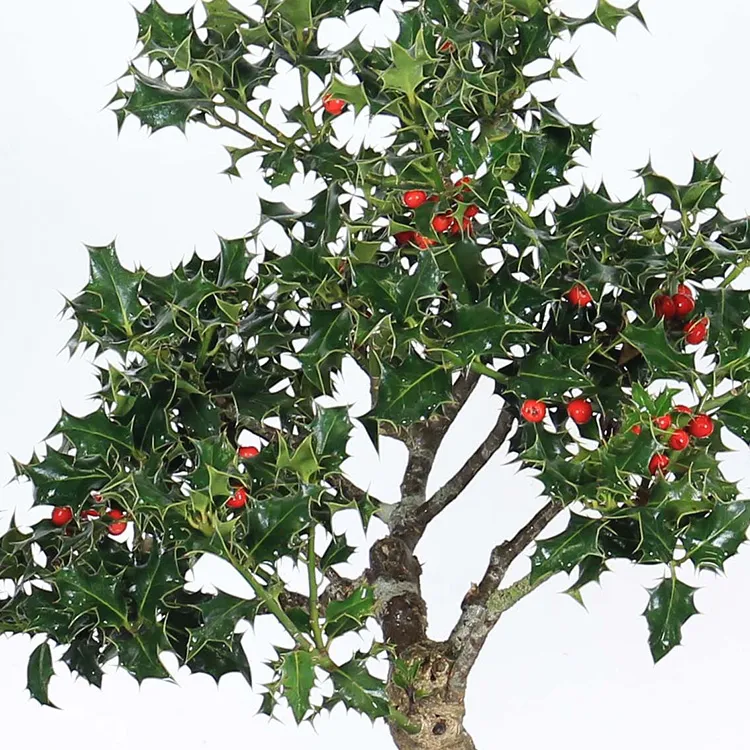
Bonsai
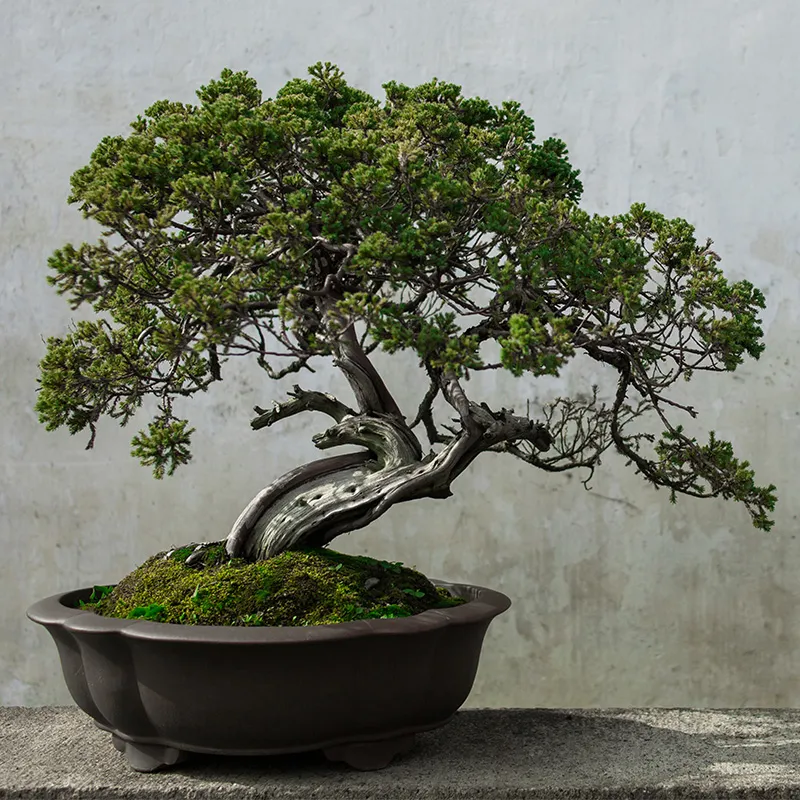
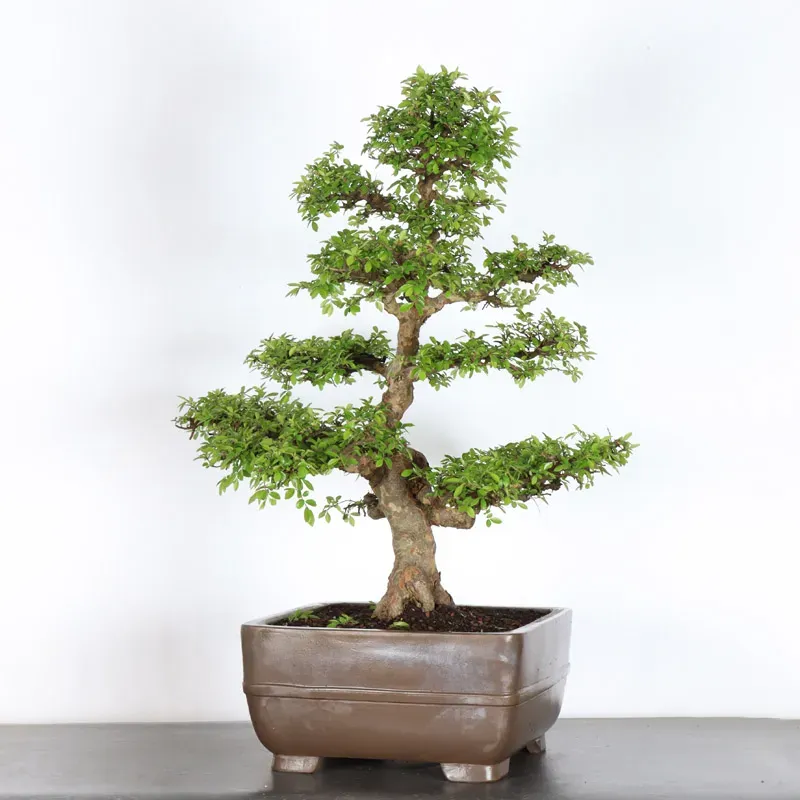
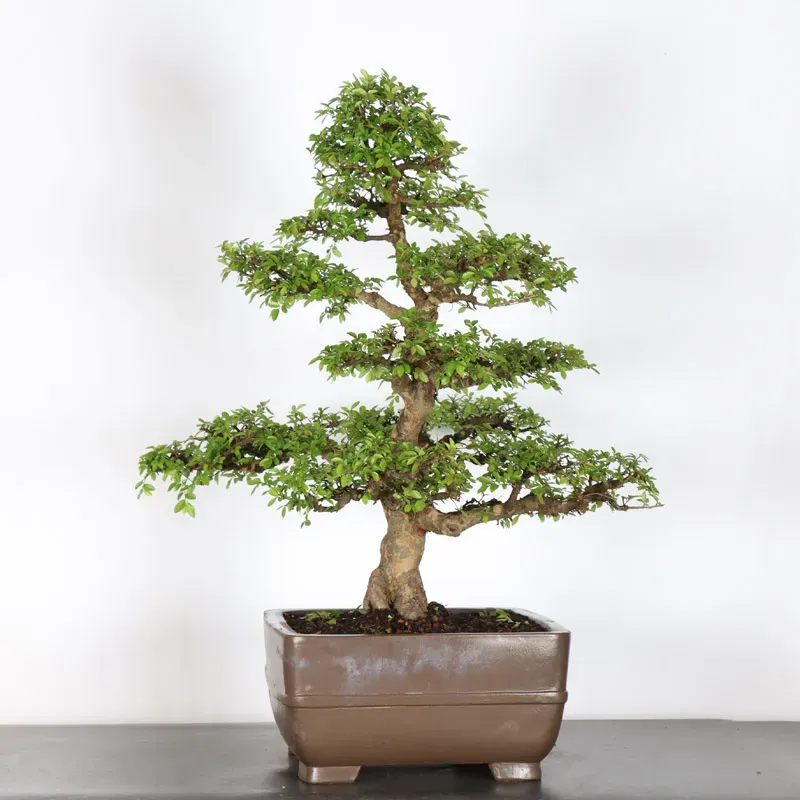
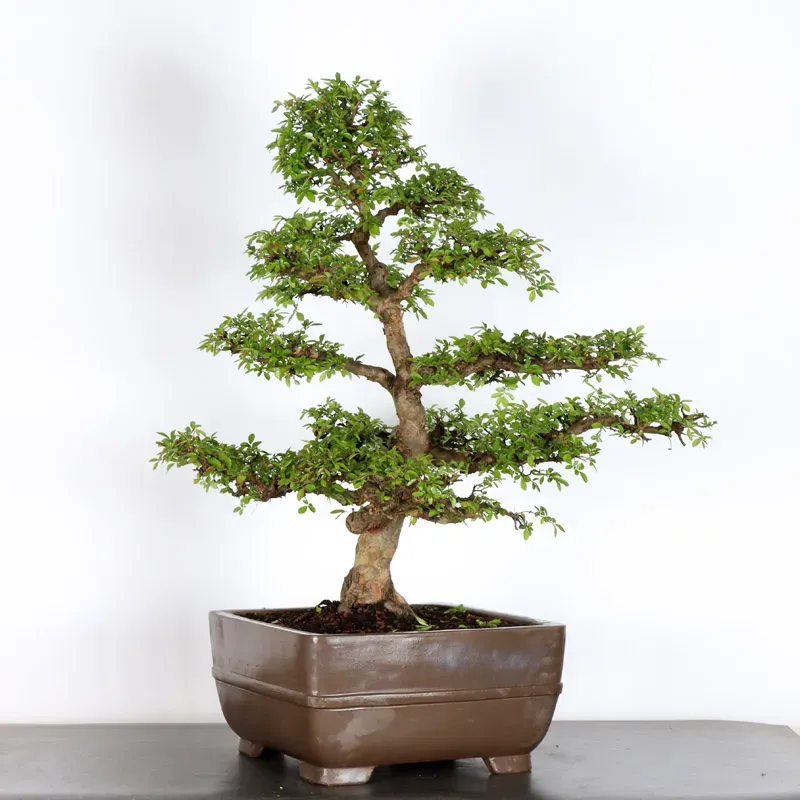
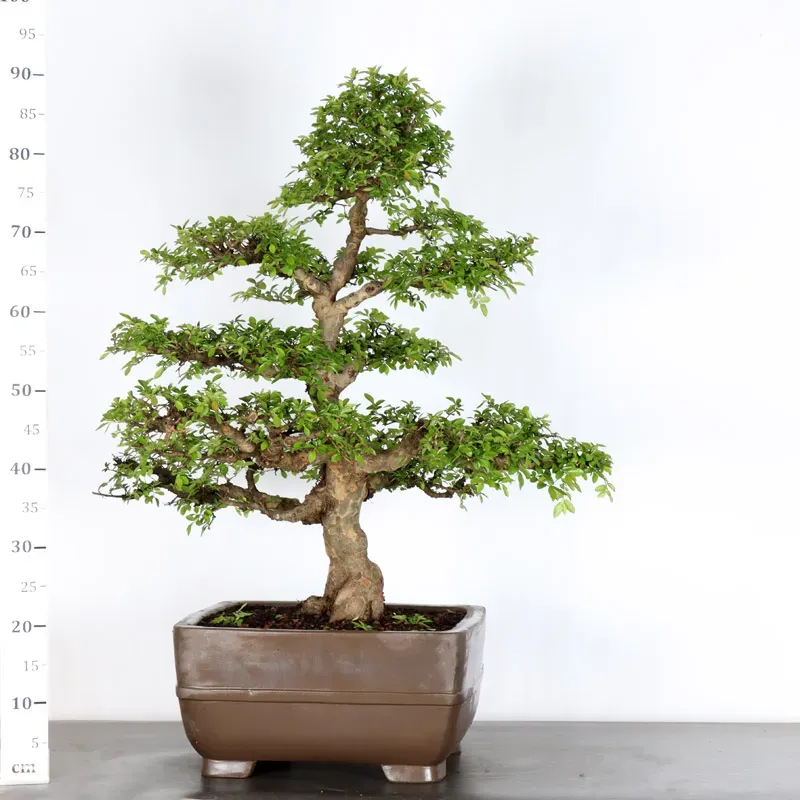
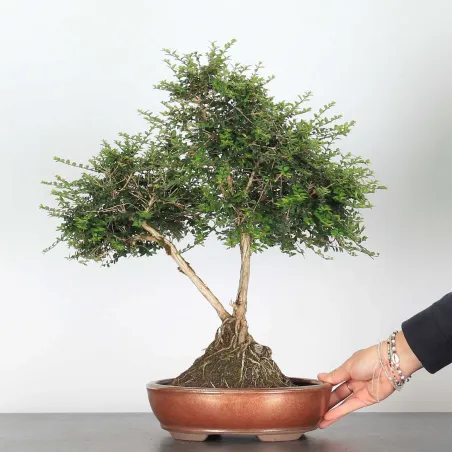
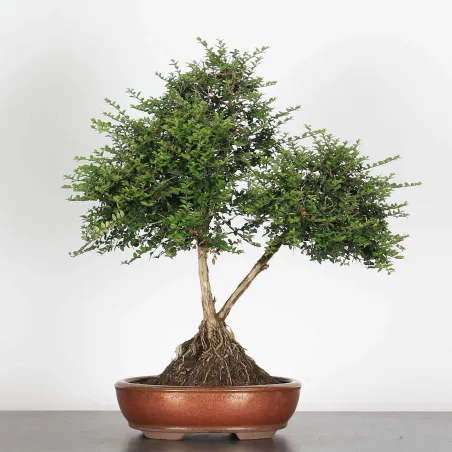
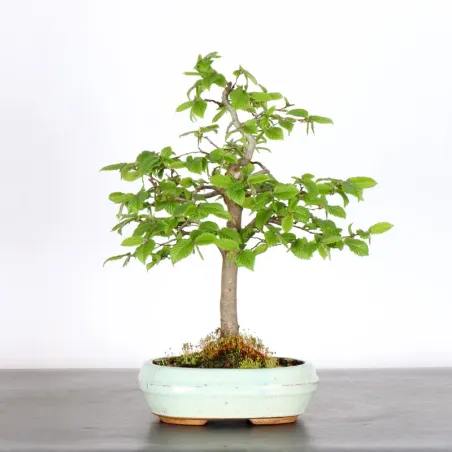
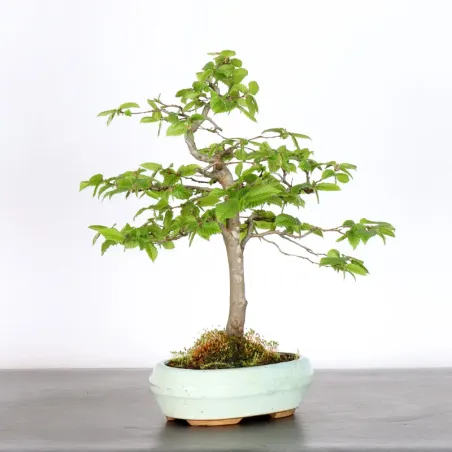
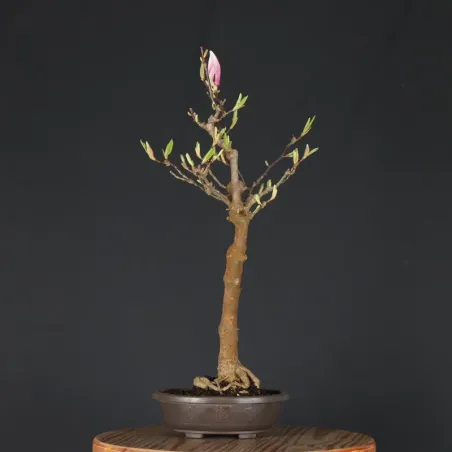
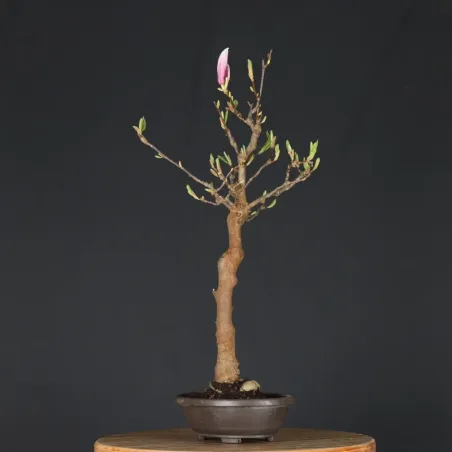
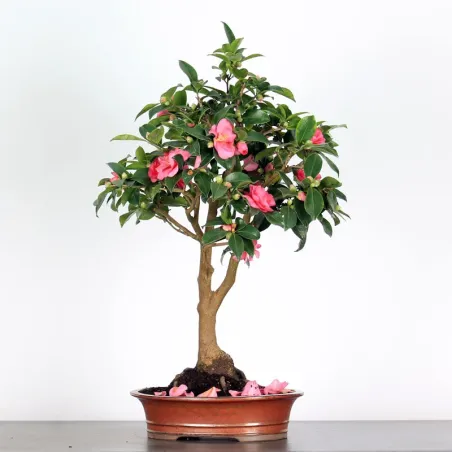
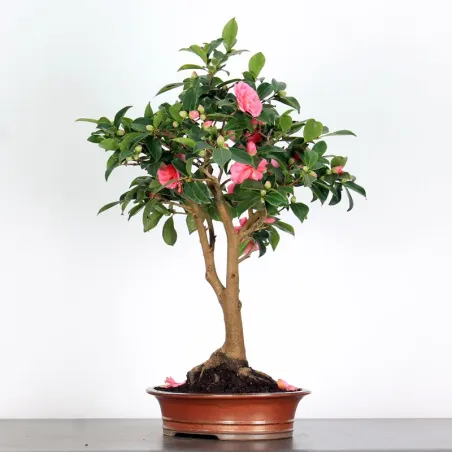
Chinese elm "ulmus parvifolia" 4-7

  • New
€720.00 TTC
Data sheet

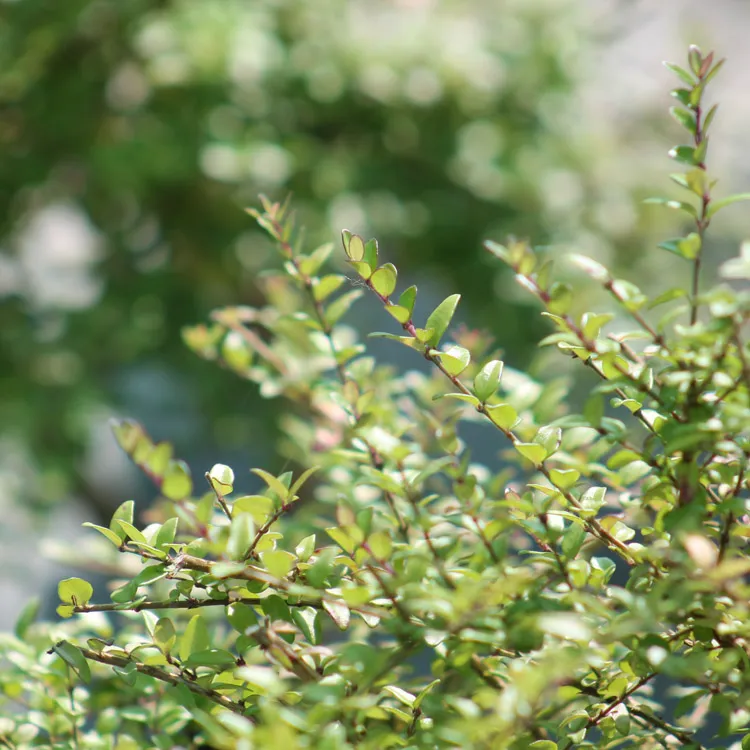
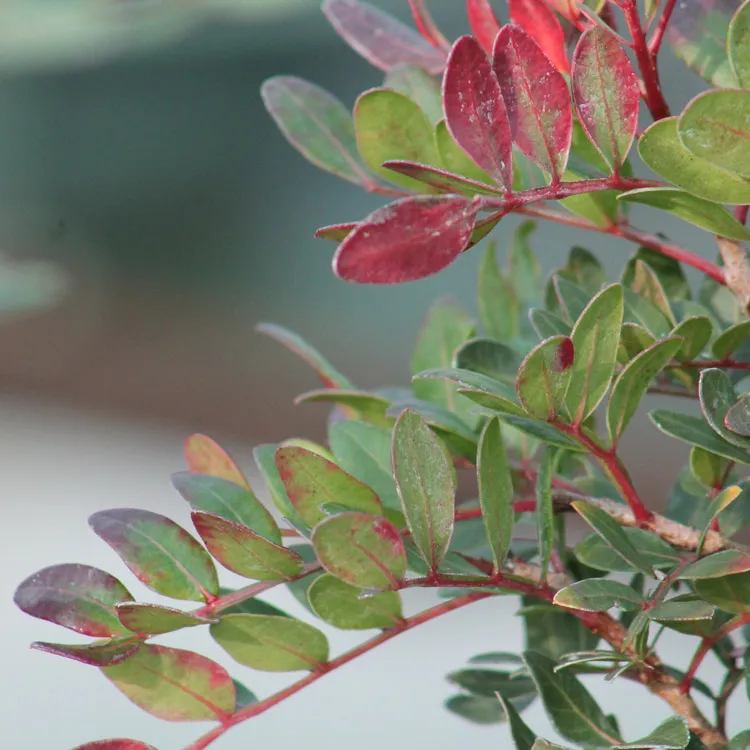
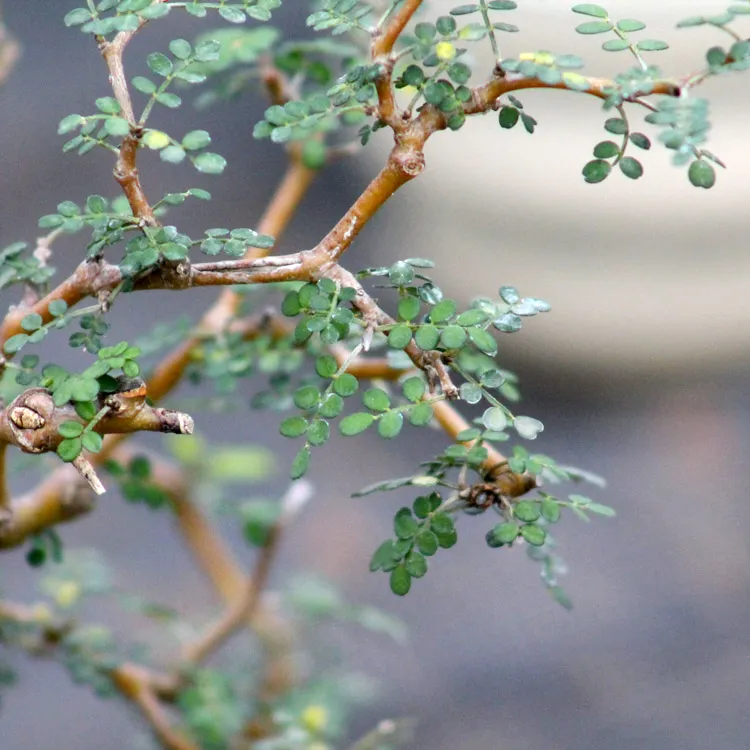
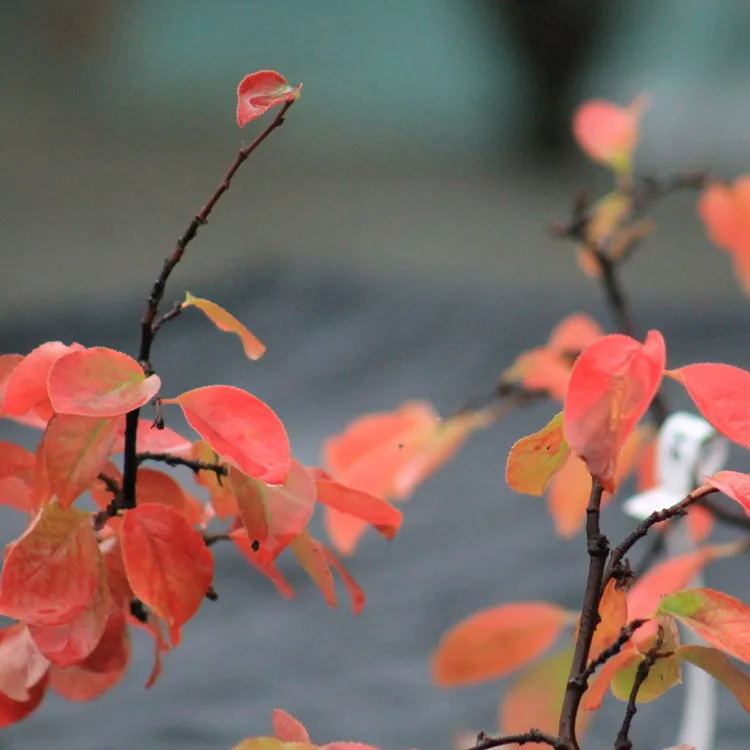
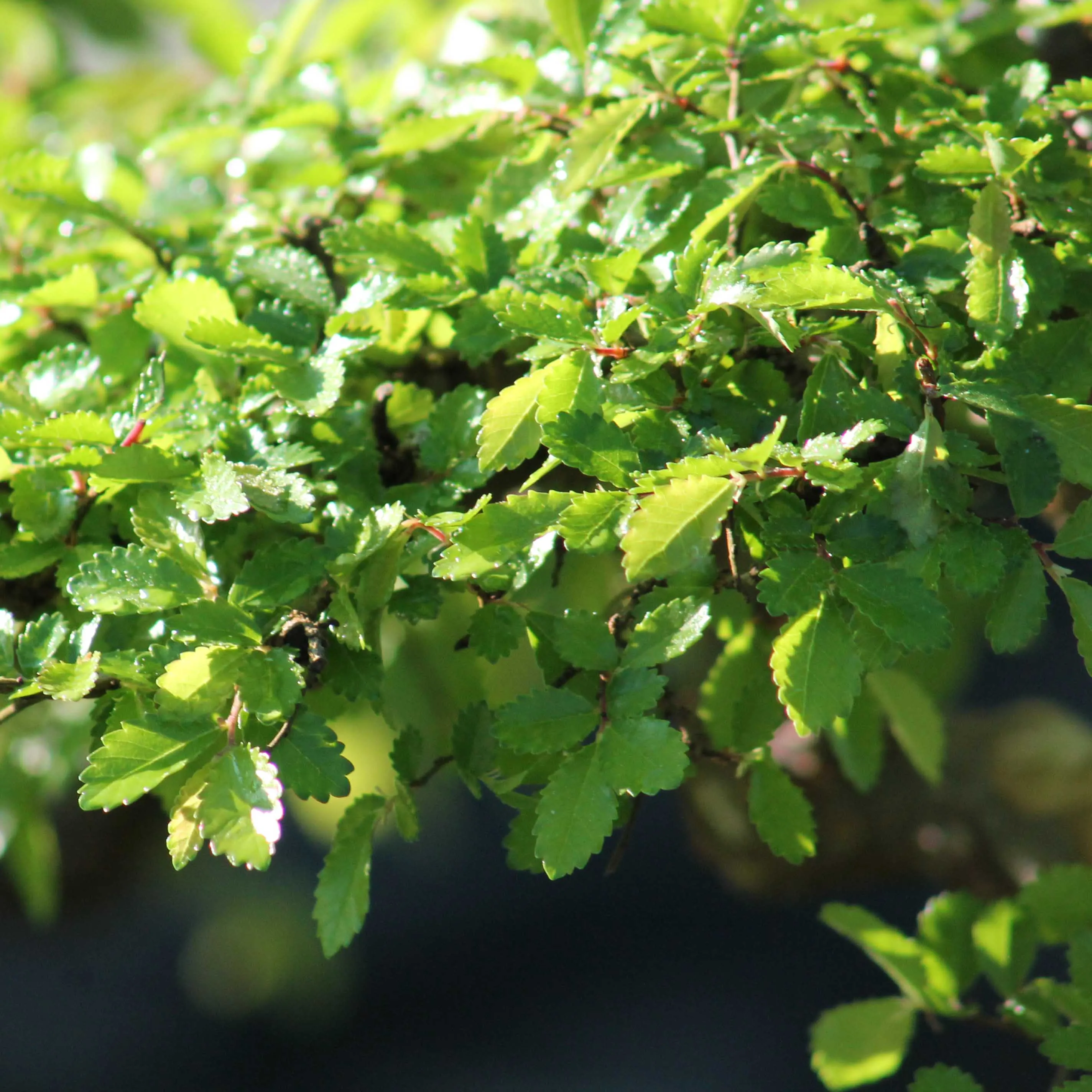
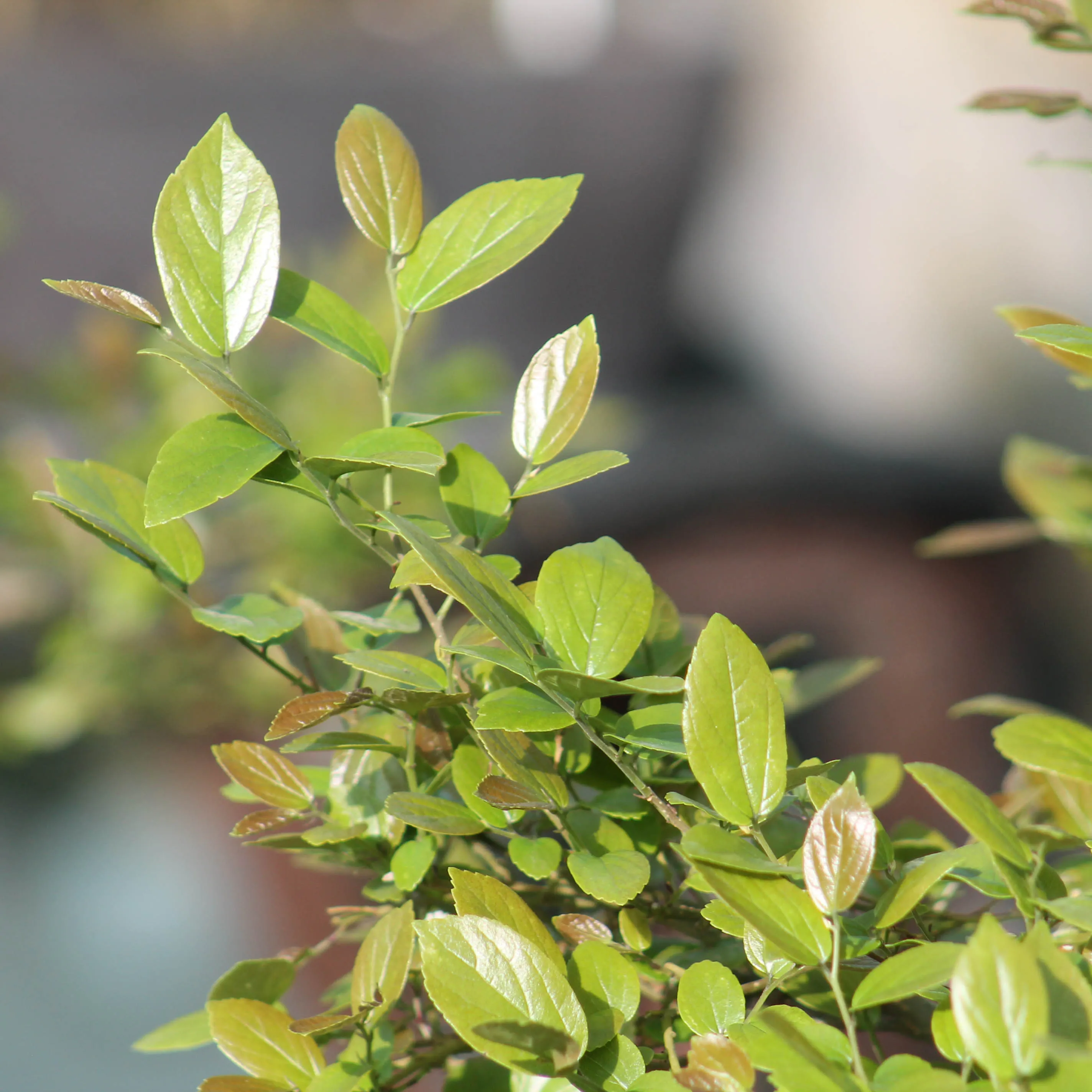
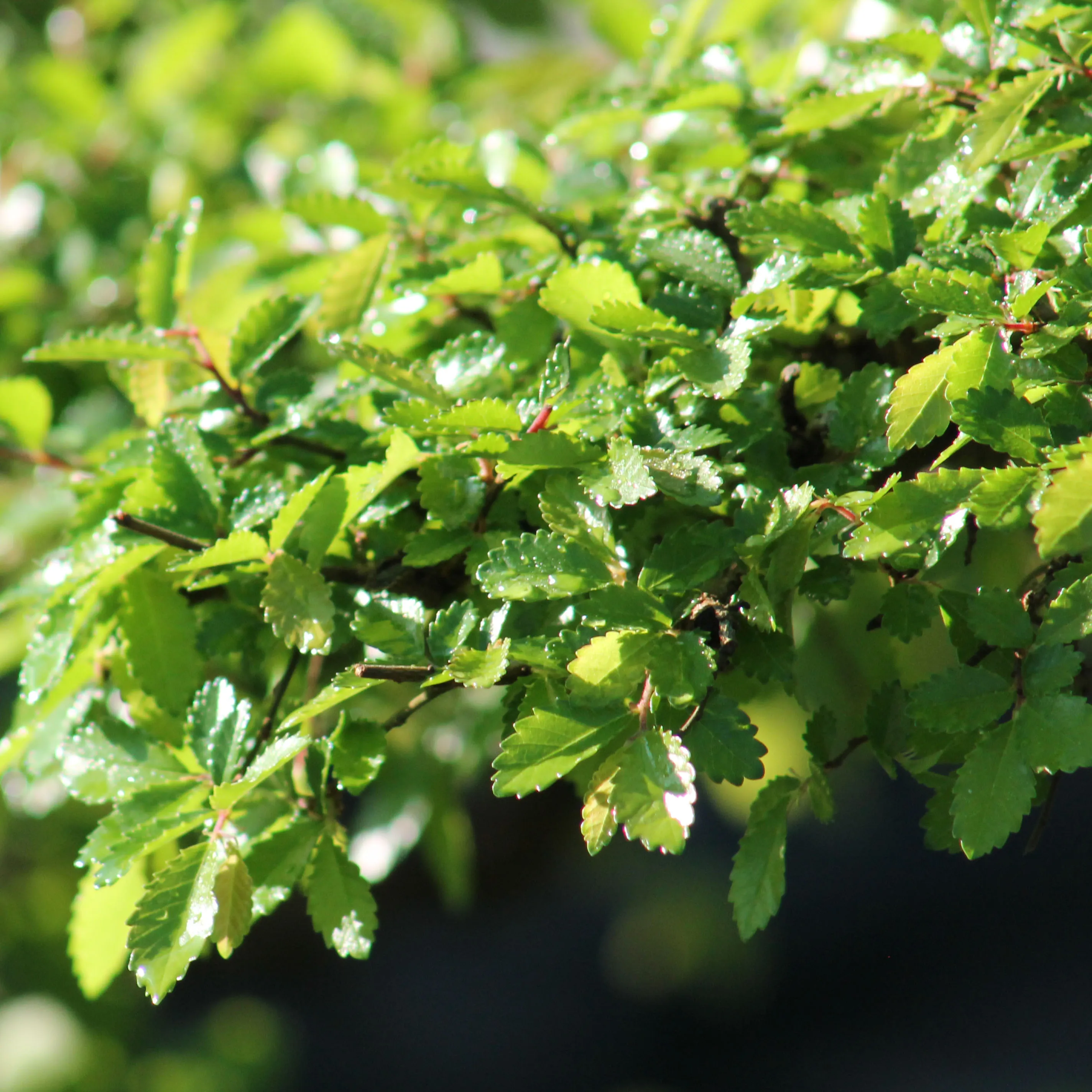
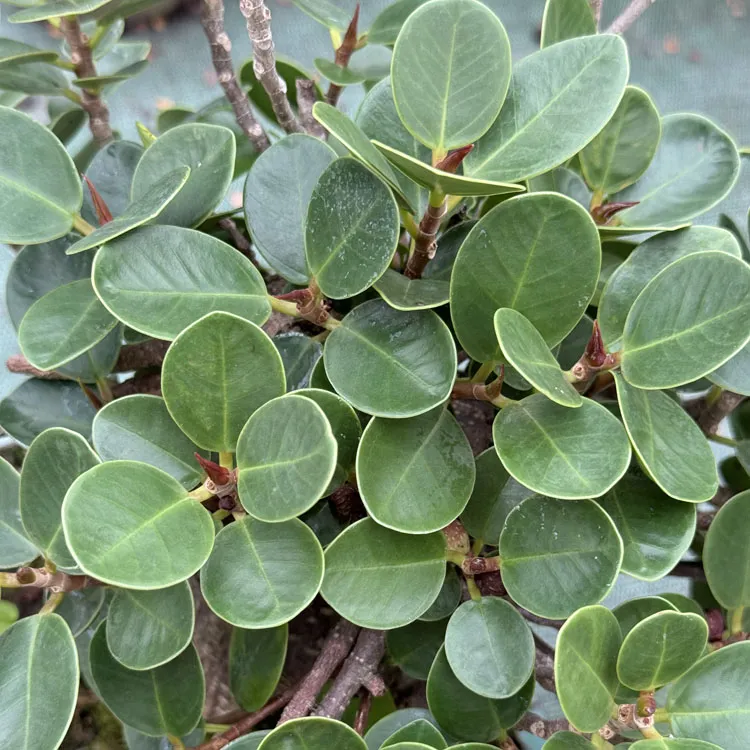
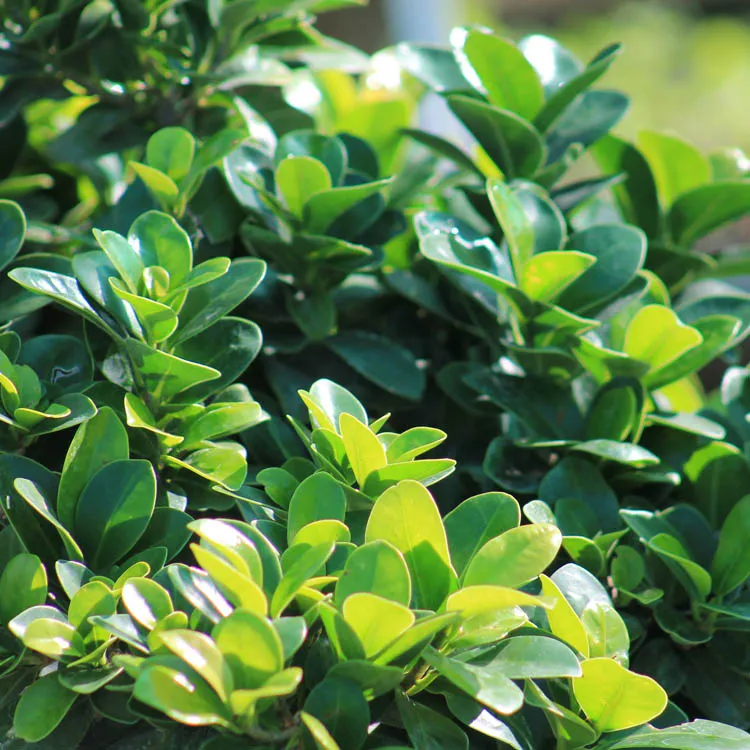
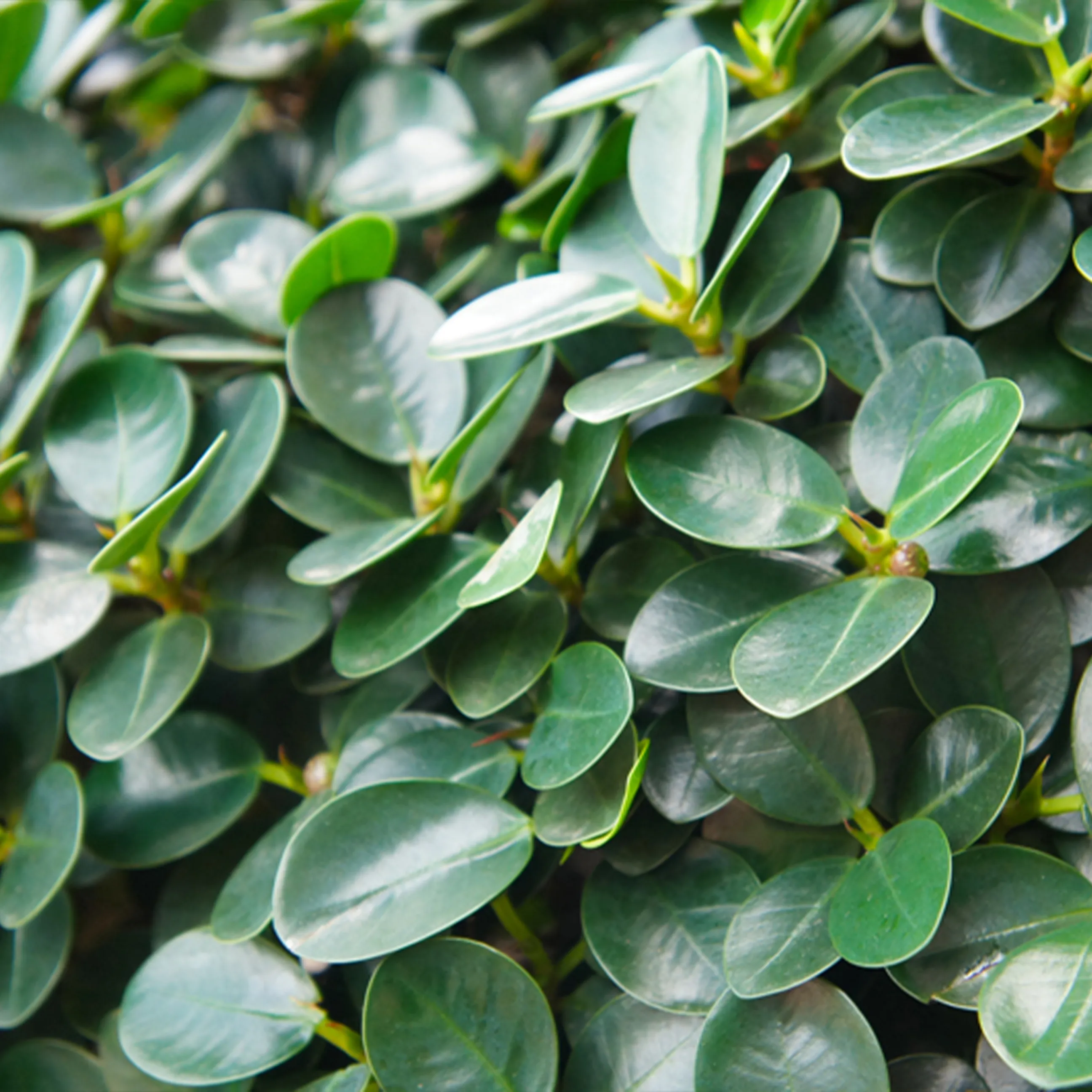
Chinese Elm "Ulmus parvifolia" is one of the most well-known species of bonsai, highly appreciated for its deep green leaves, it is ideal for getting started in this art thanks to its ease of cultivation

  • Photos taken in March 2026
Waist 90 cm
Location Outside
Age 40 years
Foliage Half persistent
Height Entre 80 et 100 cm

Download

Share
Cultivation Advice

A subtropical species, it adapts perfectly to our temperate climates. Tolerating temperatures ranging from -5°C to +30°C, it should be grown outdoors in full sun. During the summer, however, the elm appreciates a partially shaded location, especially when the sun becomes intense and scorching. Ideally, it should be planted in an east-facing location to receive morning sun and afternoon shade.

In winter, the elm needs and will tolerate cold/frost, so keep it outdoors! As a precaution, you can protect the roots (the pot) when temperatures are below freezing.

It needs consistently moist soil. Water it regularly, allowing the soil to dry slightly between waterings to avoid overwatering. In spring and summer, water regularly, and when it's hot, water daily! In winter, water according to the soil conditions. Thanks to the rain and cold weather, you won't necessarily need to water regularly since the potting mix will remain moist.

Important: Don't hesitate to water the entire root ball, right down to the roots. The water will drain through the drainage holes in the bottom of the pot. Alternatively, soak the pot in water (basting) for a few minutes to ensure it's thoroughly watered. We advise against placing a saucer or container under the pot, as the water will stagnate and can cause root rot. (Too much water = asphyxiation).

Repot in spring (February/March), when the buds turn green, just before leaf break. Trim the longest roots around the edge of the root ball, but don't reduce it by more than a third. Many bonsai react significantly when repotted at the wrong time or too drastically. Younger bonsai should be repotted approximately every 2 to 3 years, while older ones can remain in their pots for 4 to 6 years with proper care.
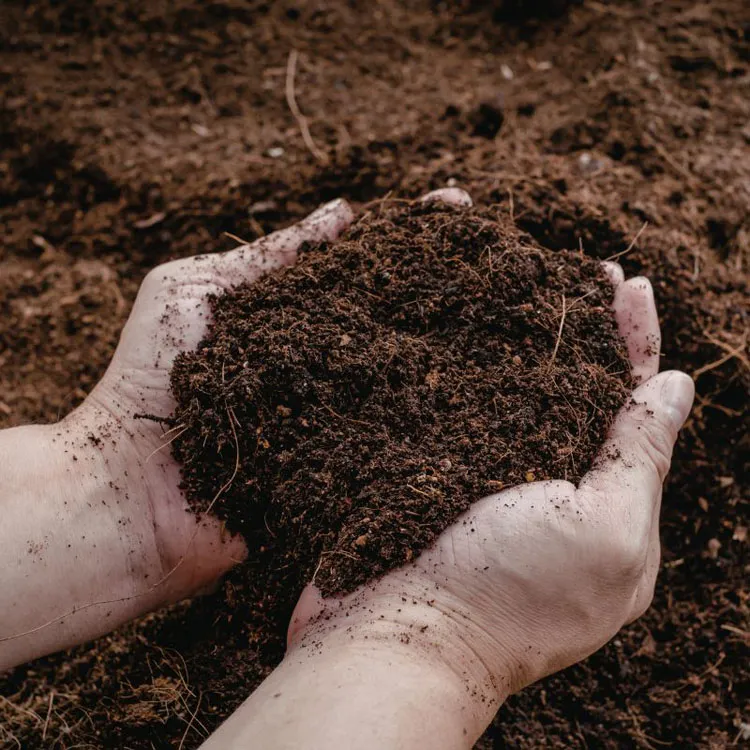
The Chinese elm appreciates cool soil with a good amount of organic matter to retain moisture. In the nursery, we use a potting mix composed of black peat, blonde peat, aged peat, topsoil, horse manure, and pozzolana.

This tree grows quickly, developing long stems from March to September. The shoots gradually change from green to brown, becoming woody. Prune the woody parts and reduce the number of leaves by 2 to 4 pairs. You can also prune any poorly positioned shoots, following the shape of the tree's flat branches.

In the nursery, we use a blue tomato/flower fertilizer with an NPK ratio of 12-12-17. You can apply it to the substrate from May to October, every two months, alternating between chemical and organic fertilizers.