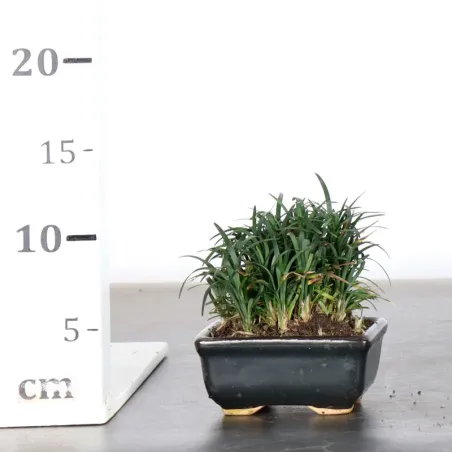
Bonsai
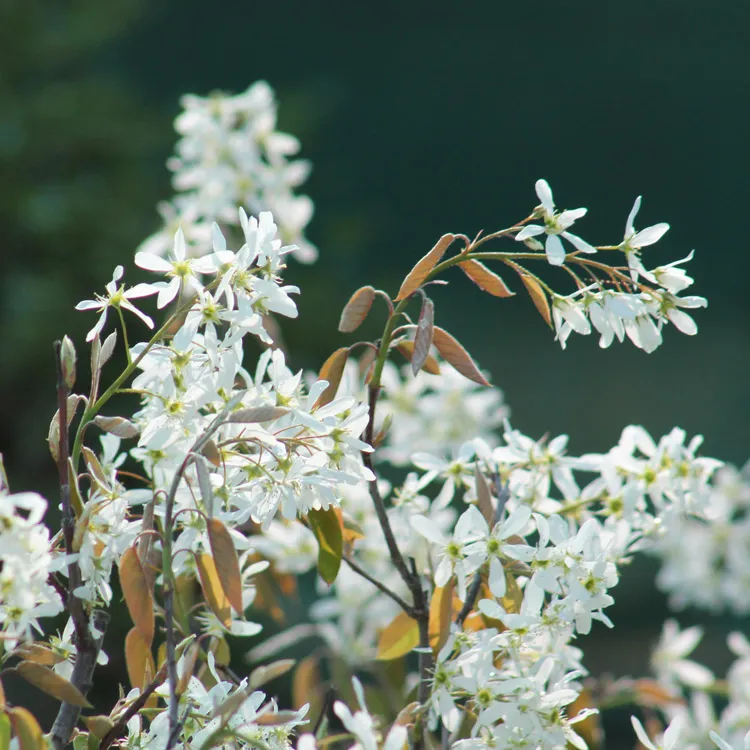
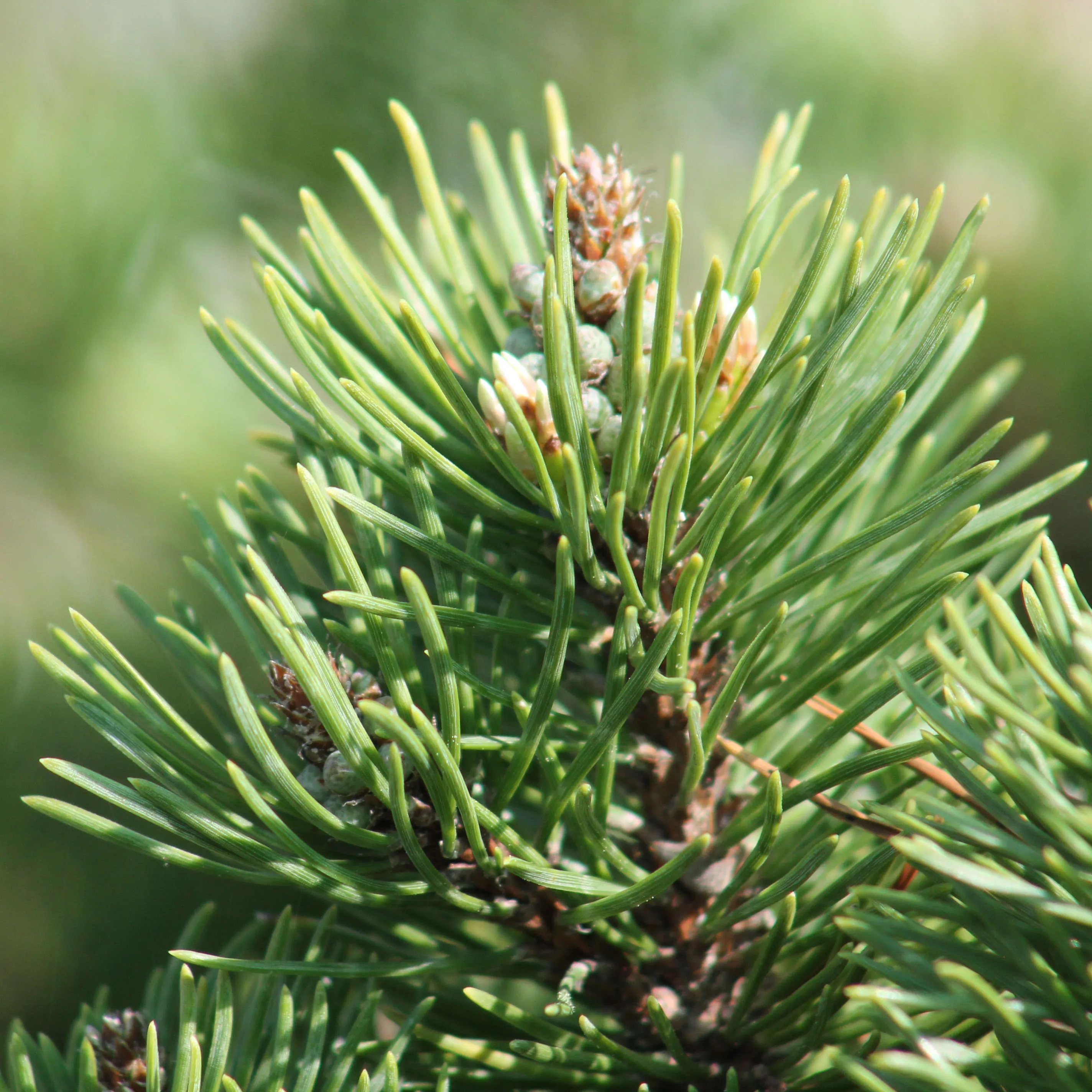
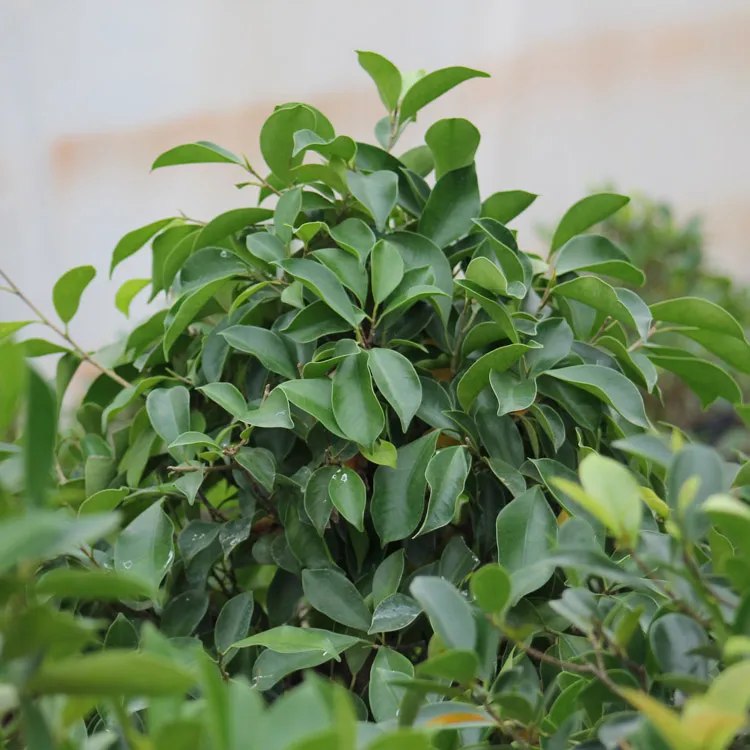
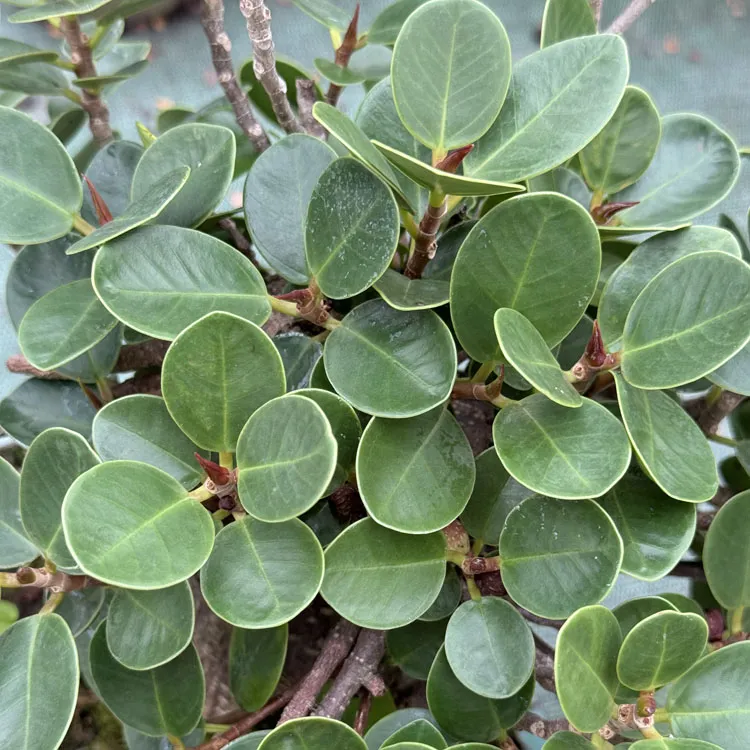
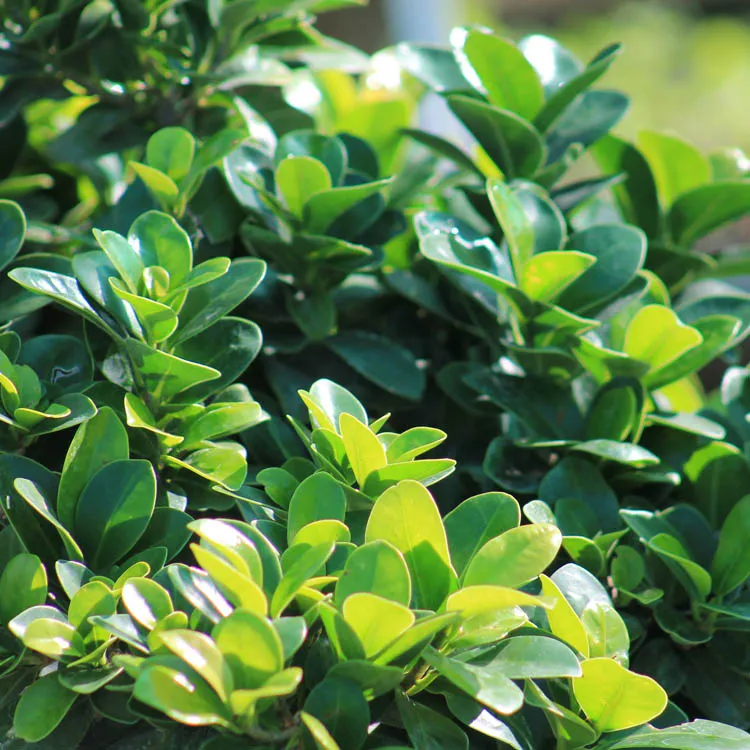
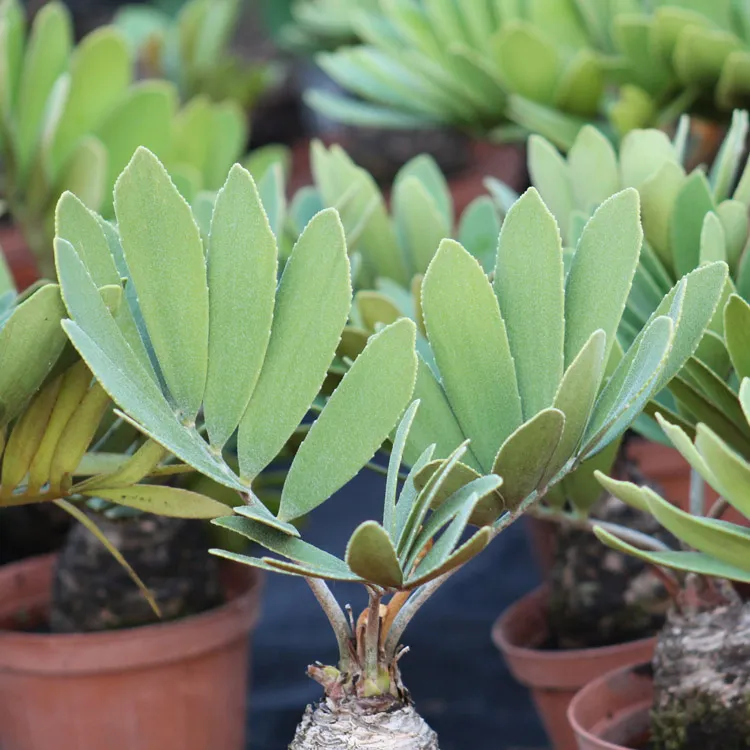
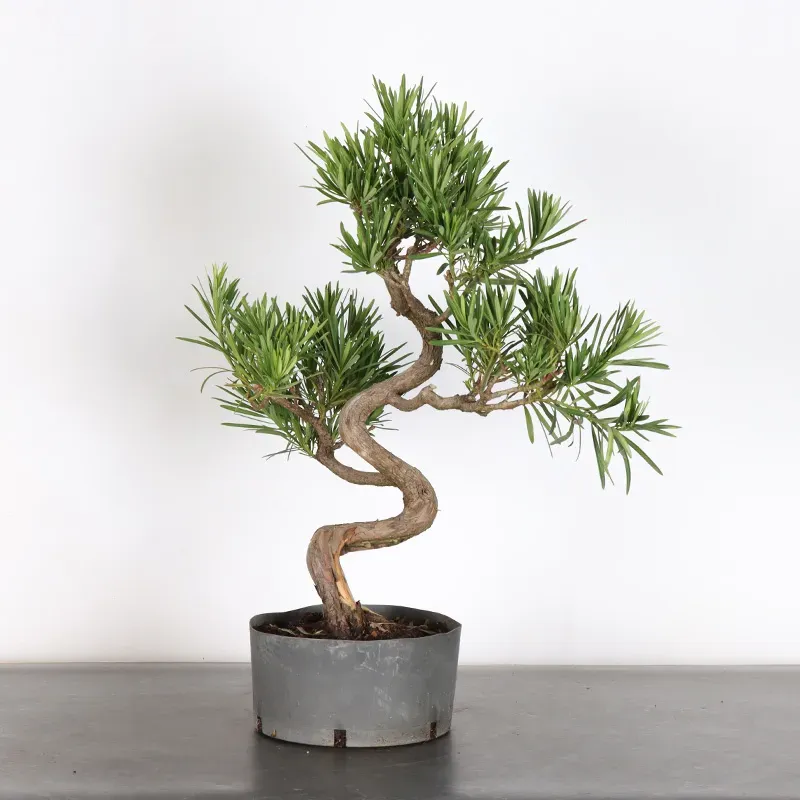
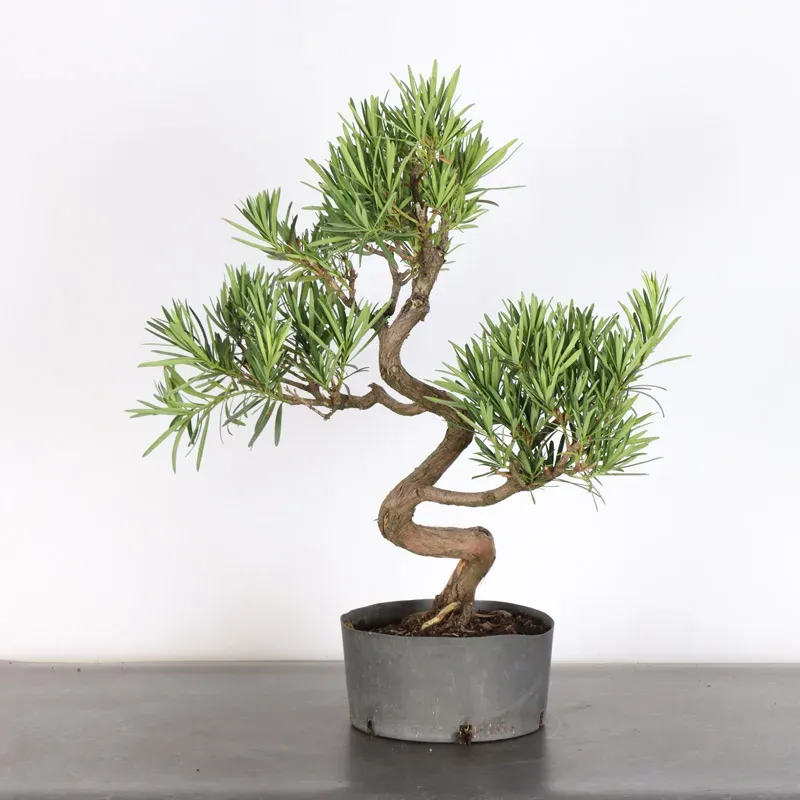
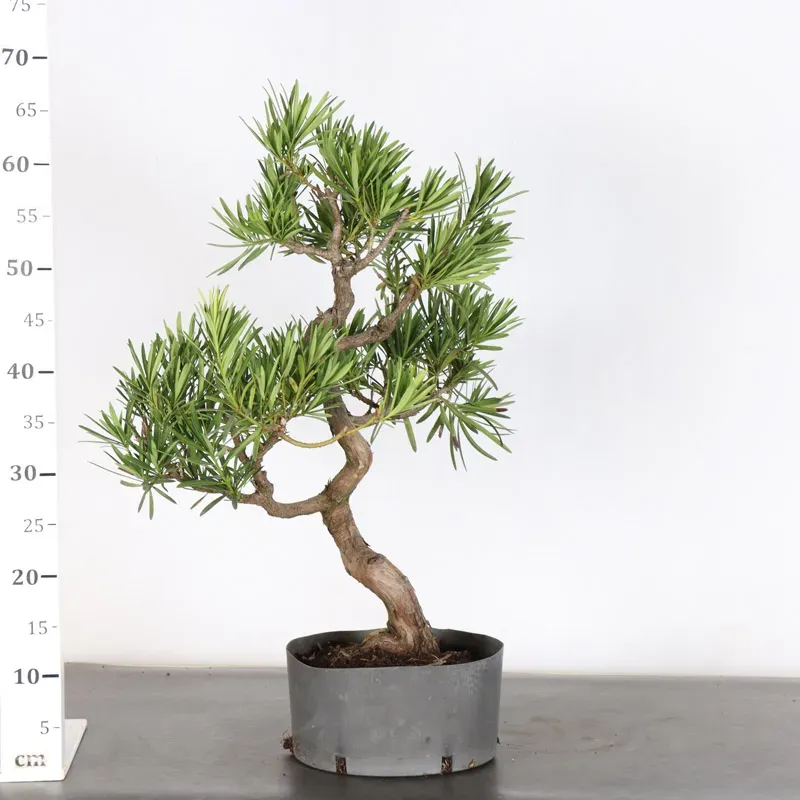
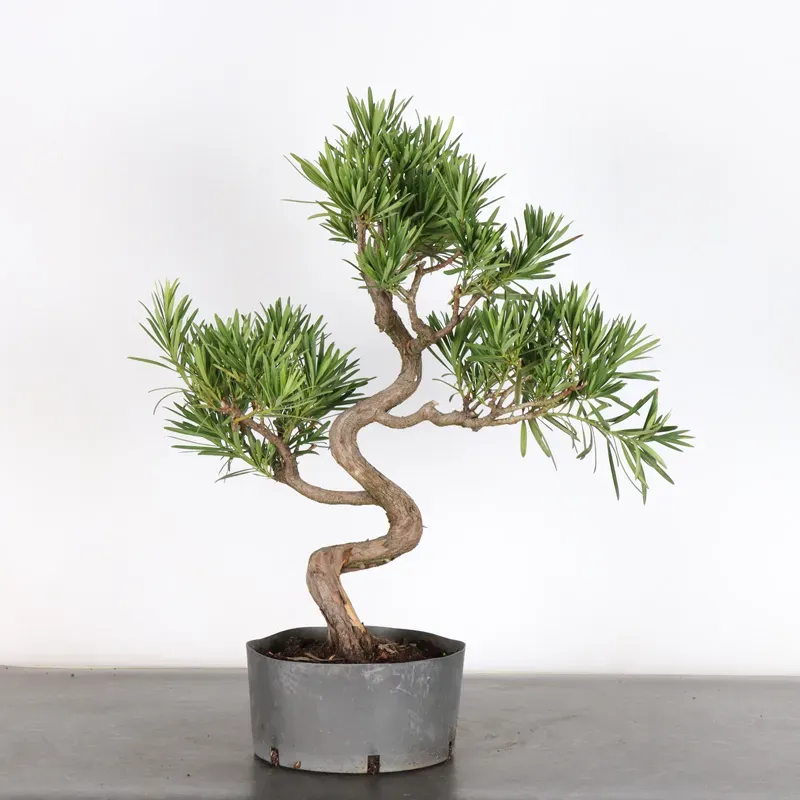
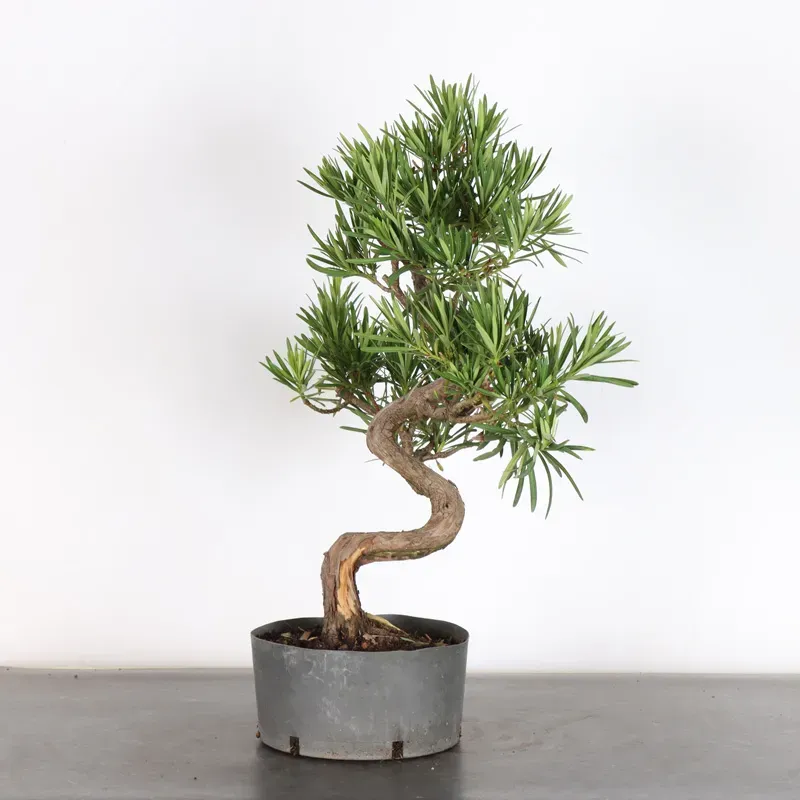
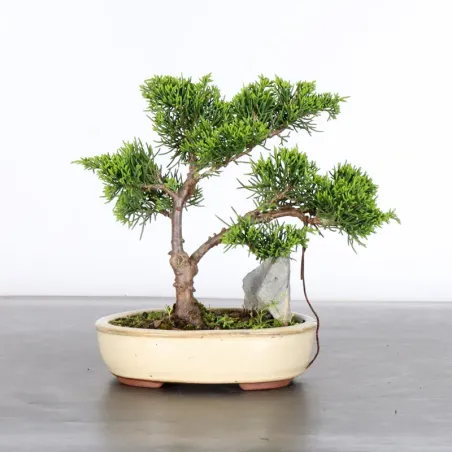
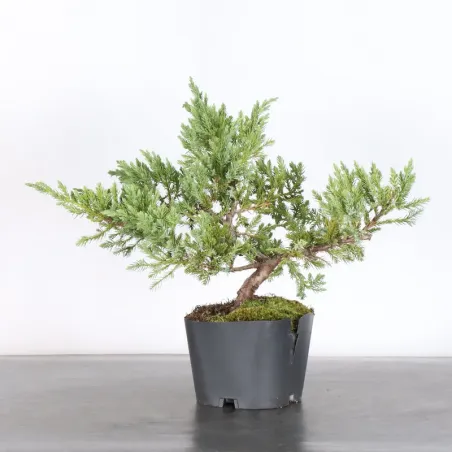
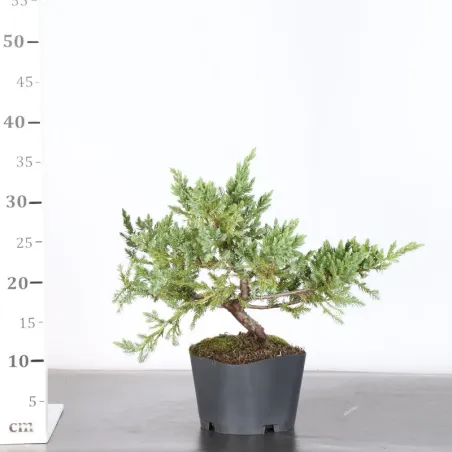
Pin de bouddha "podocarpus" 4-2

  • New
€320.00 TTC
Data sheet

Outdoor bonsai
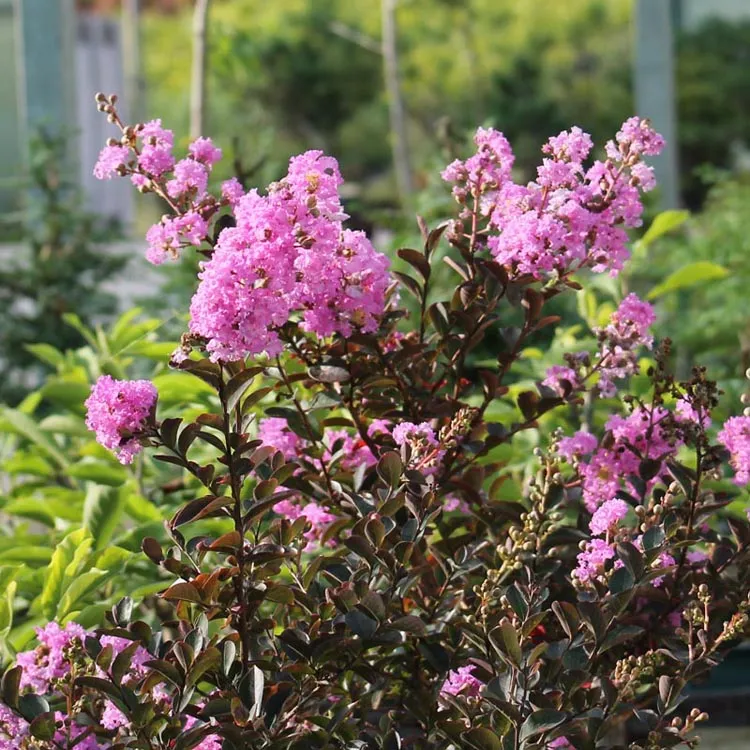
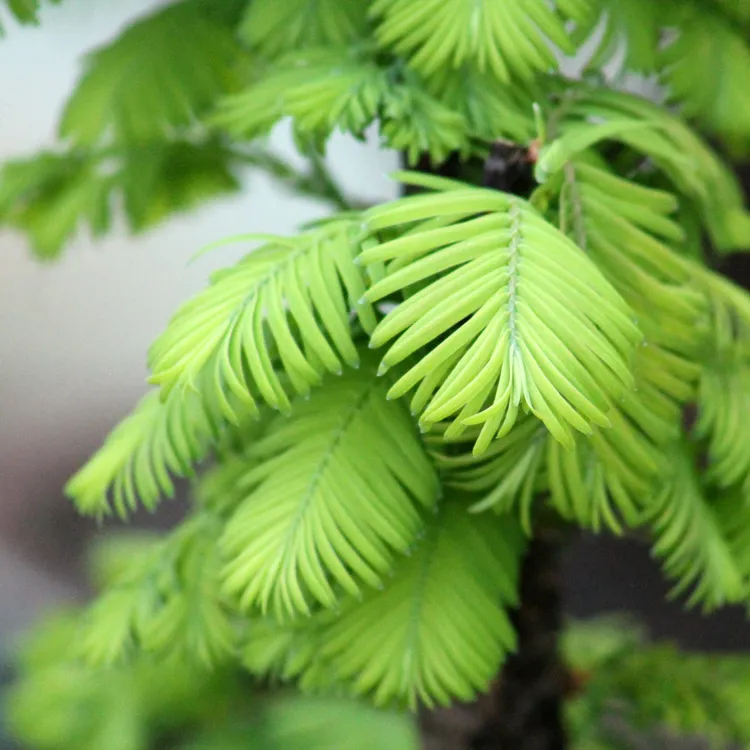
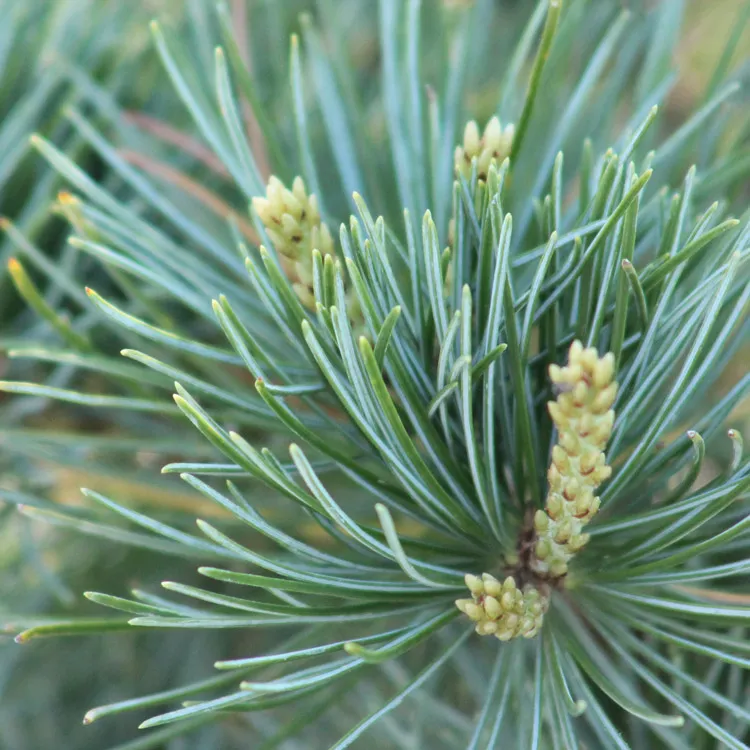
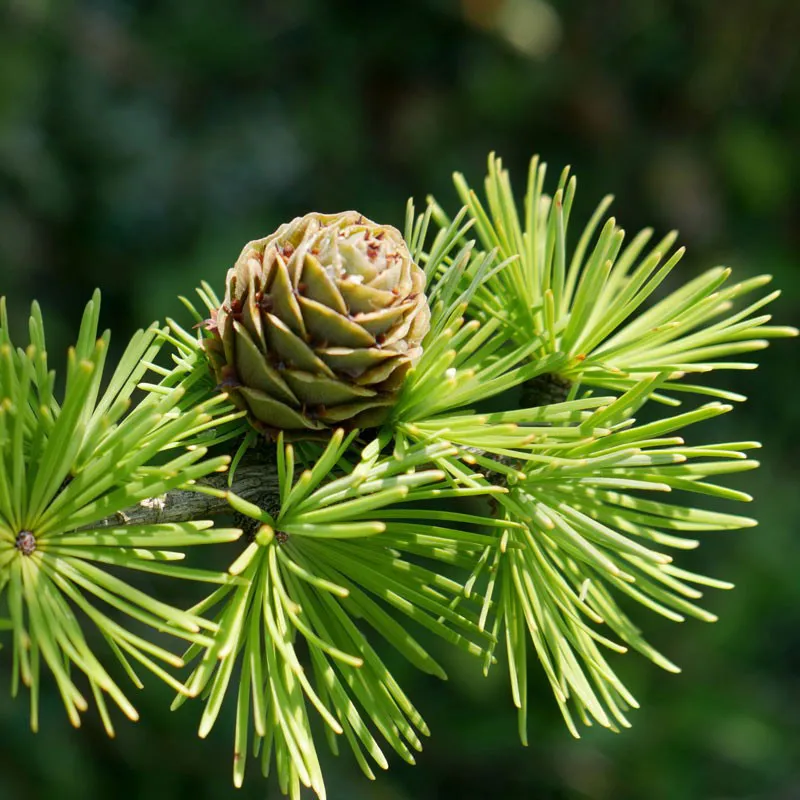
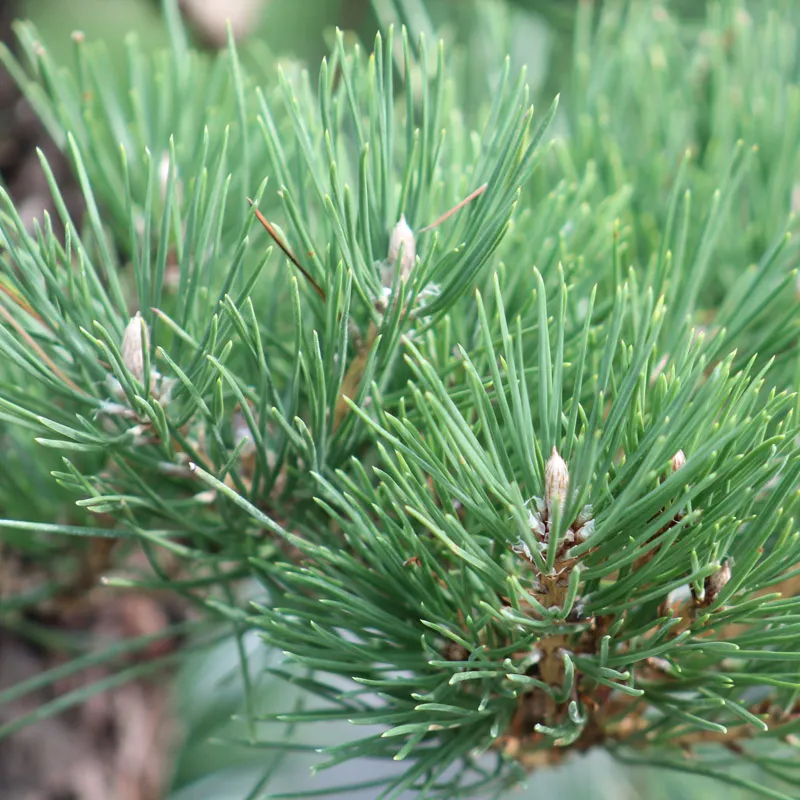
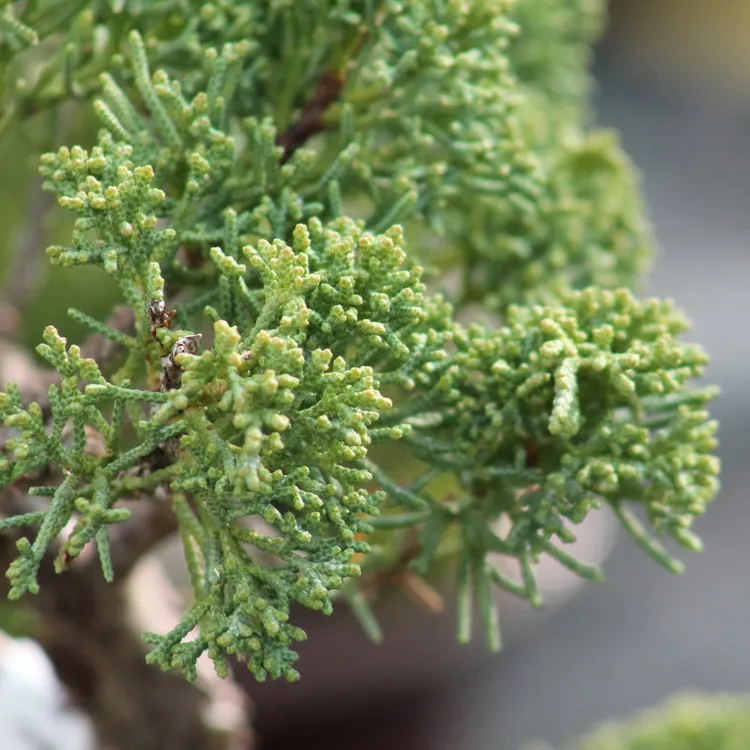
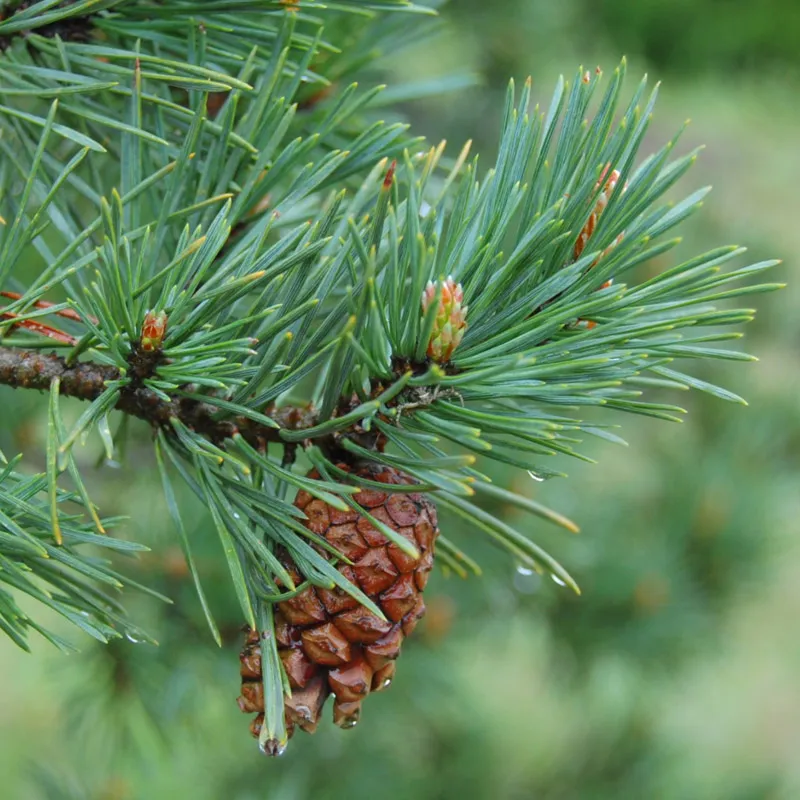
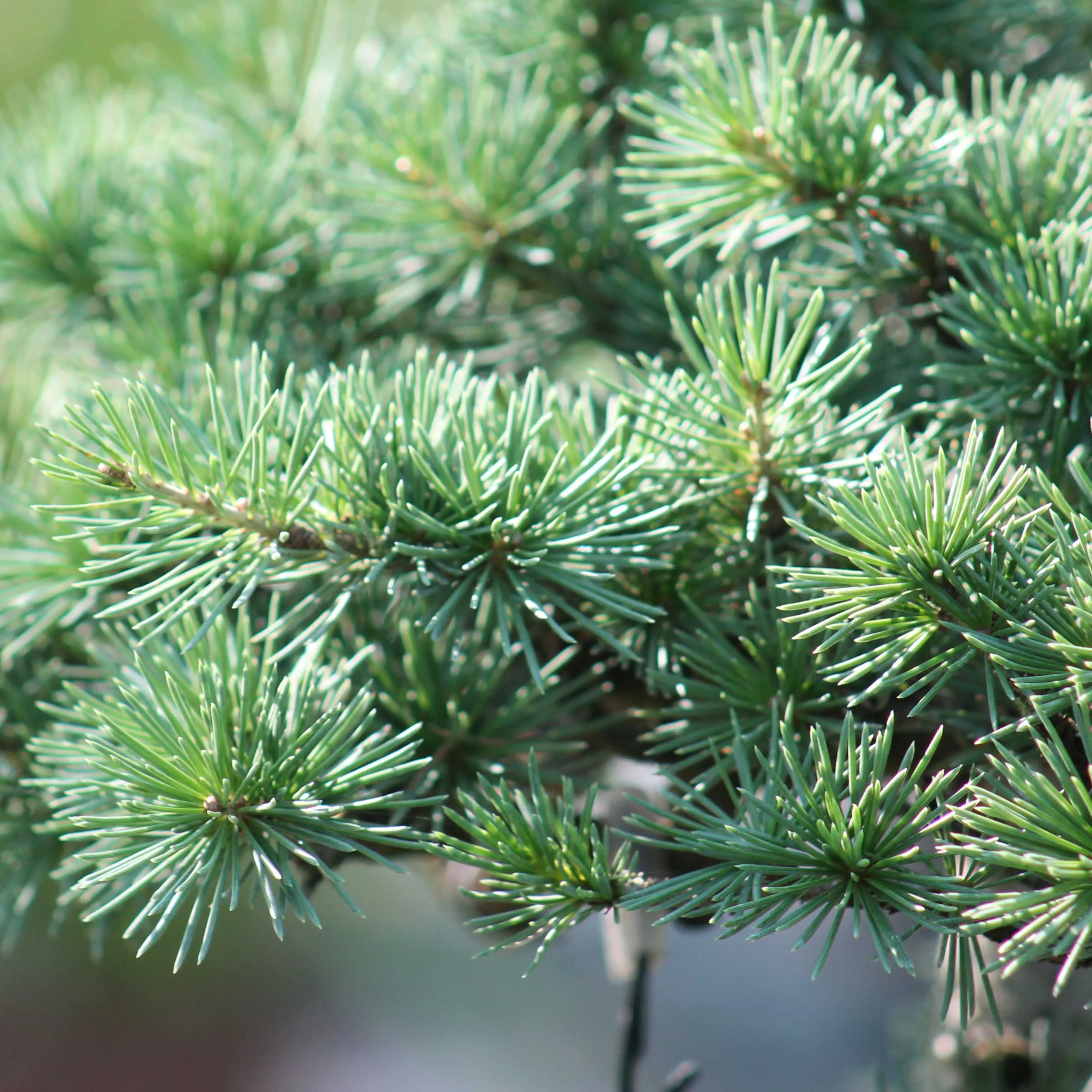
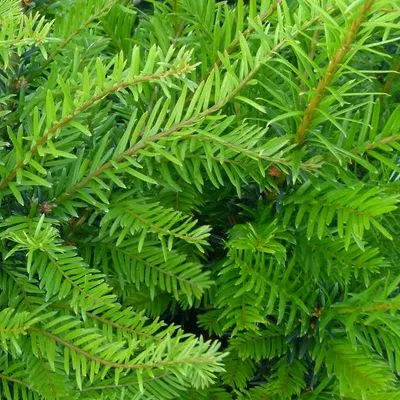
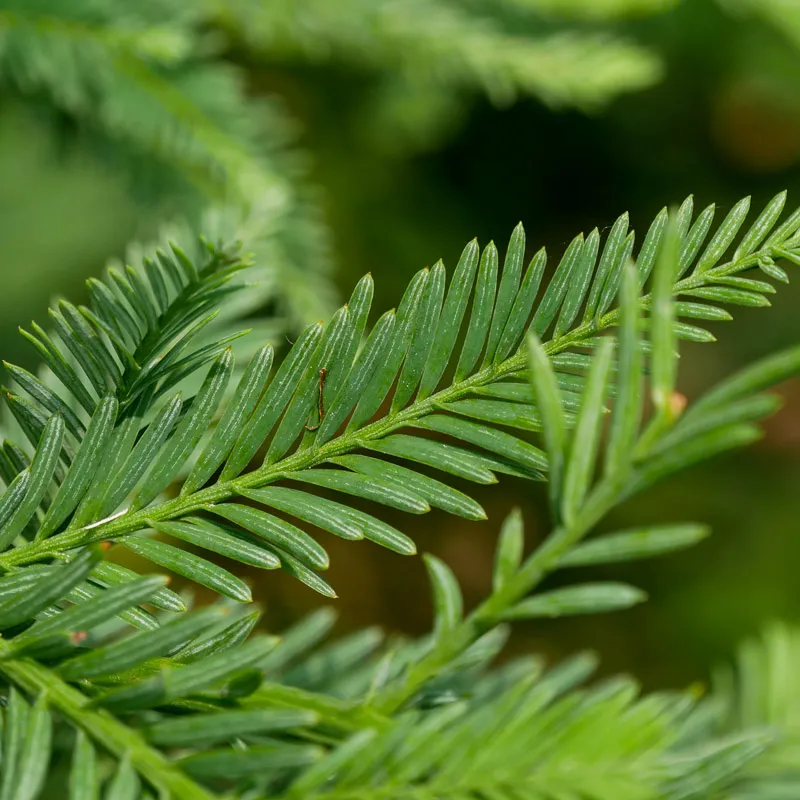
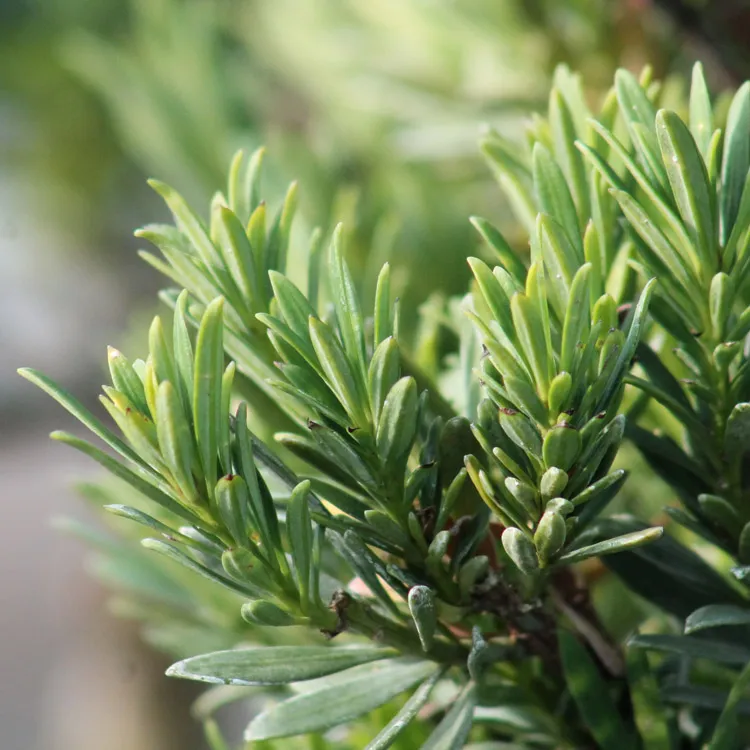
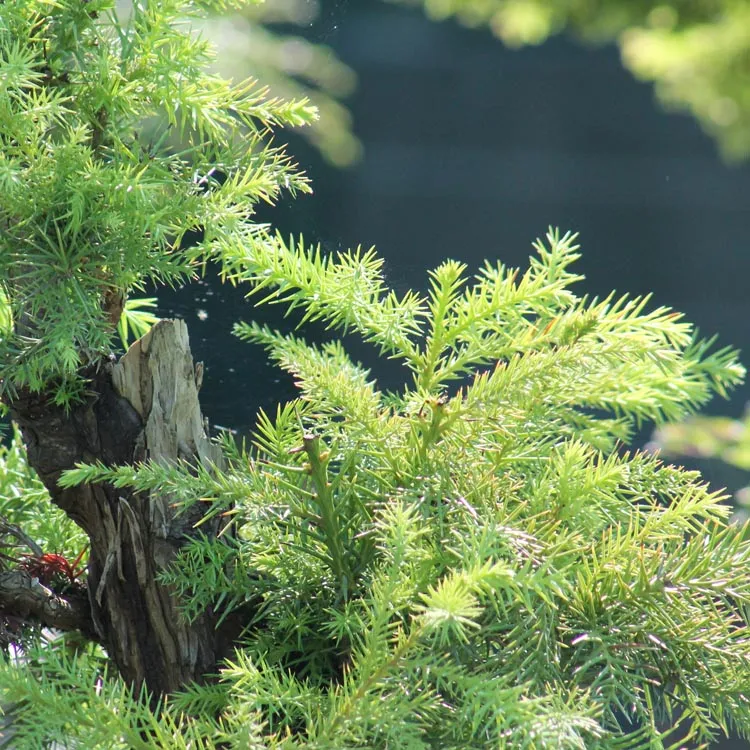
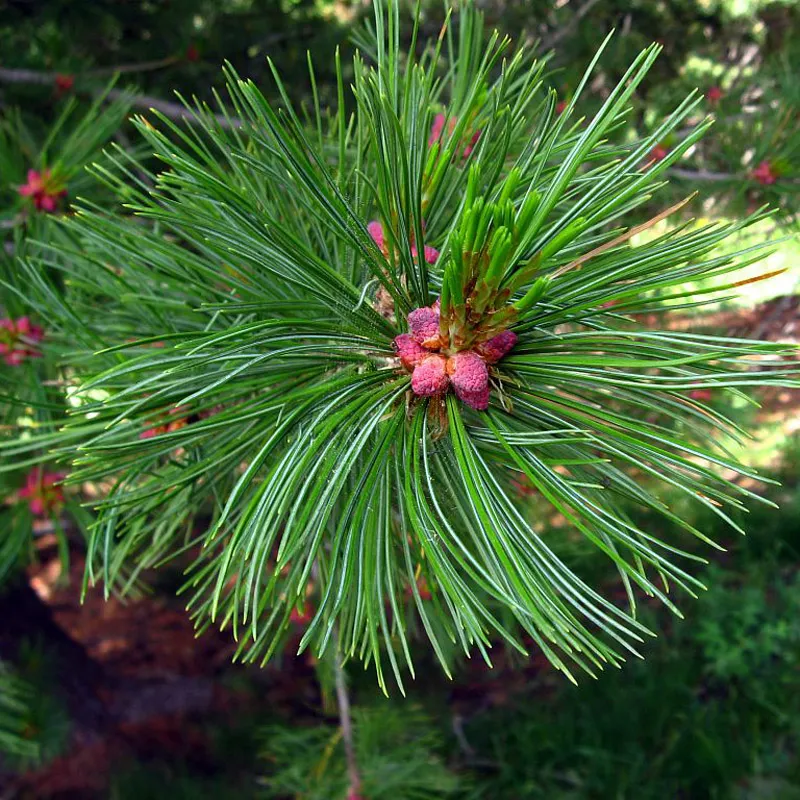
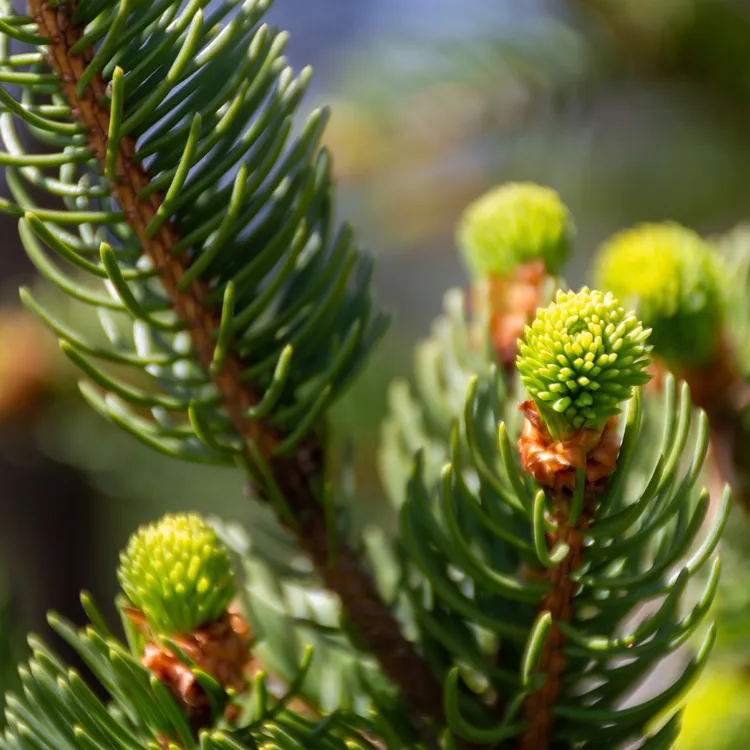
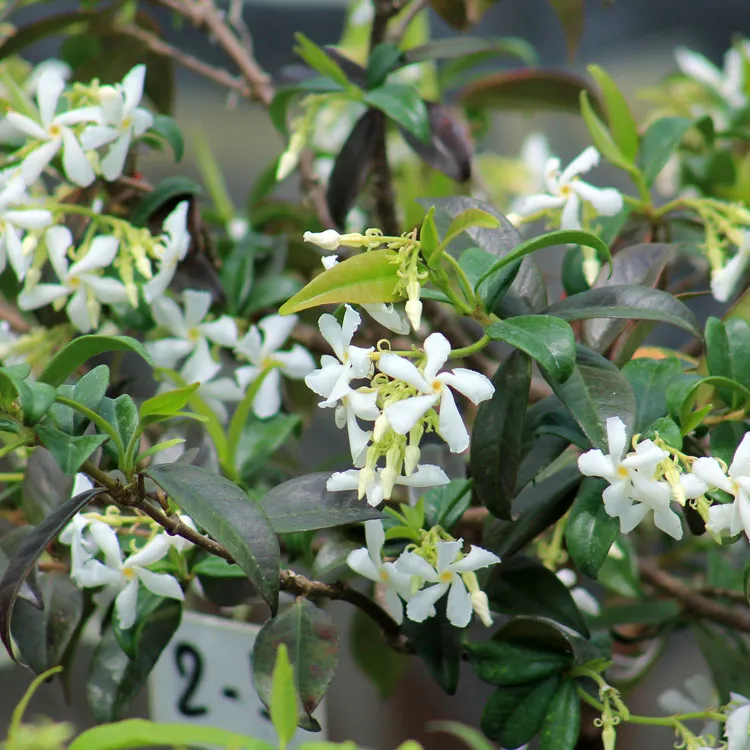
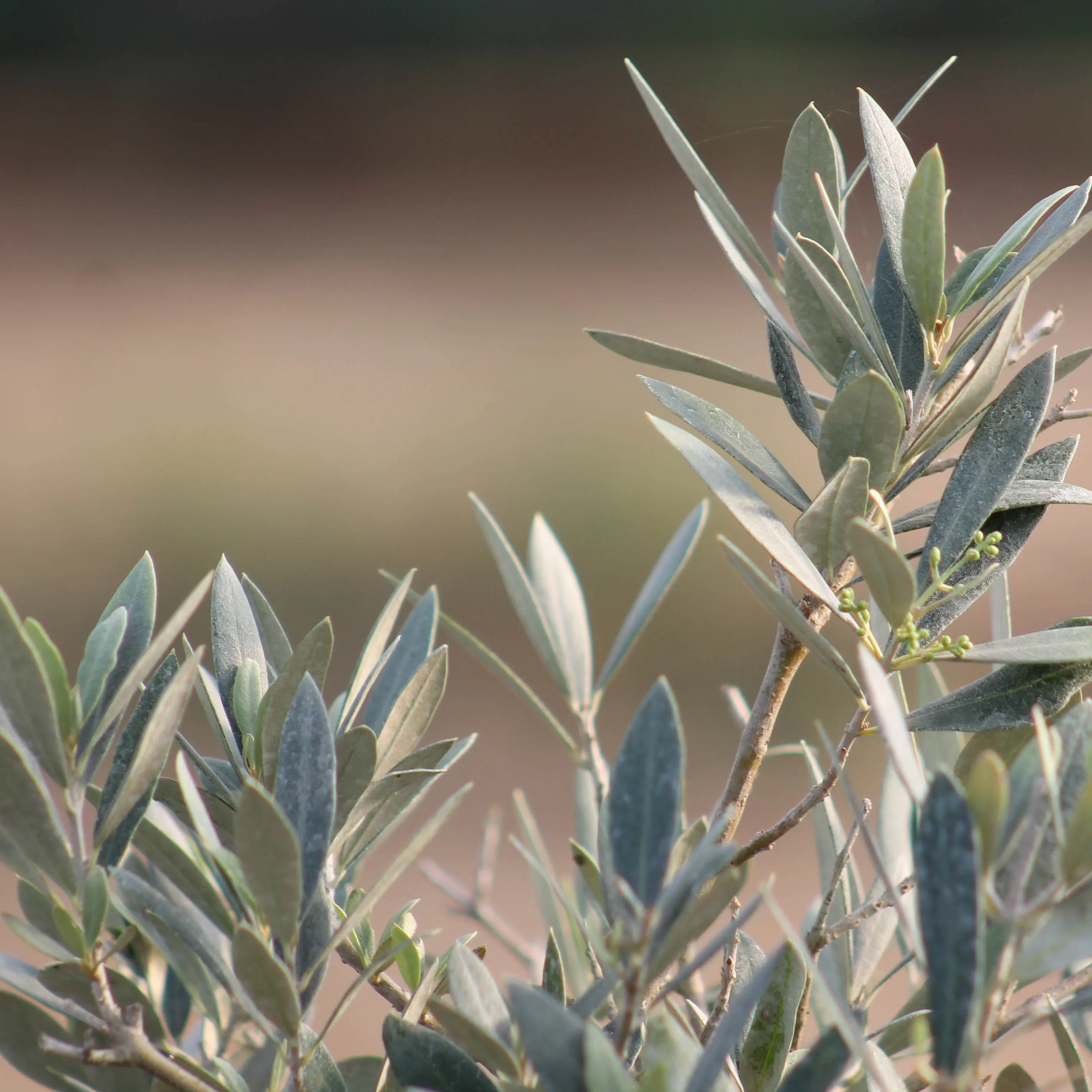
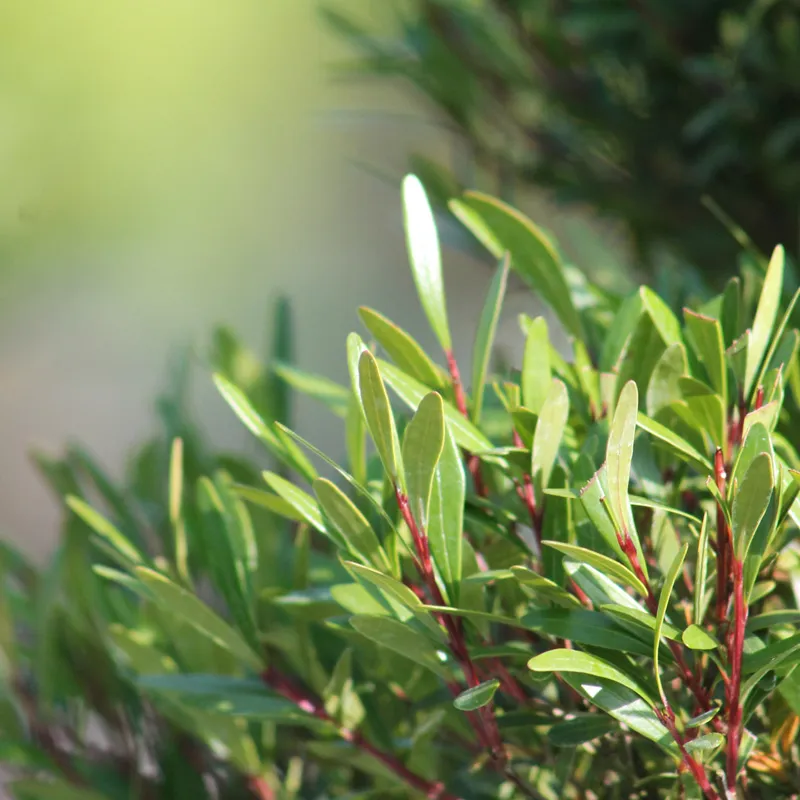
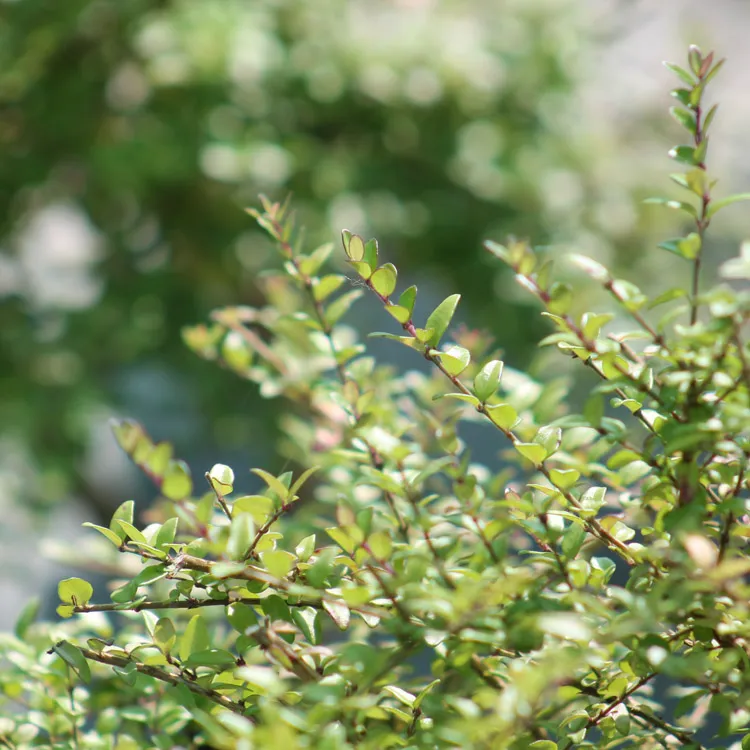
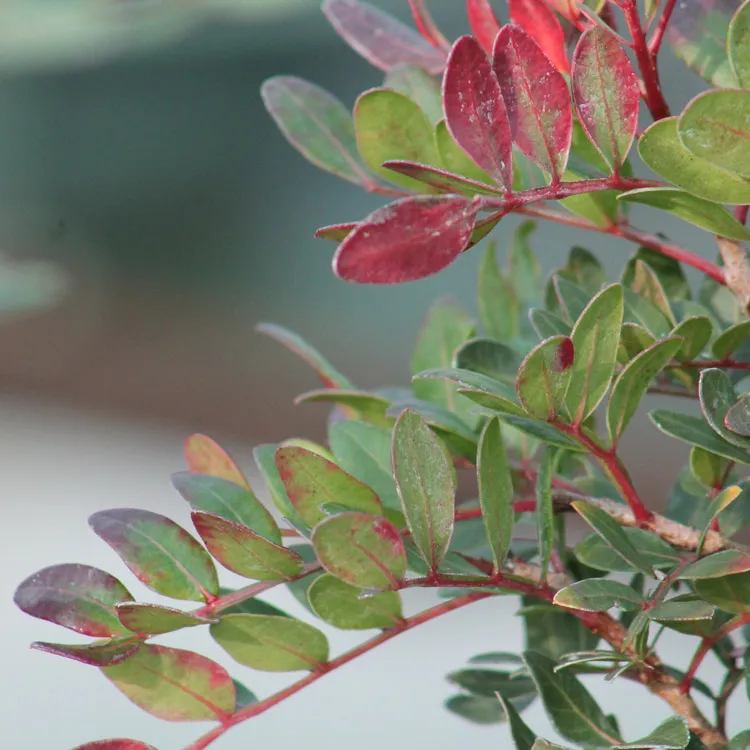
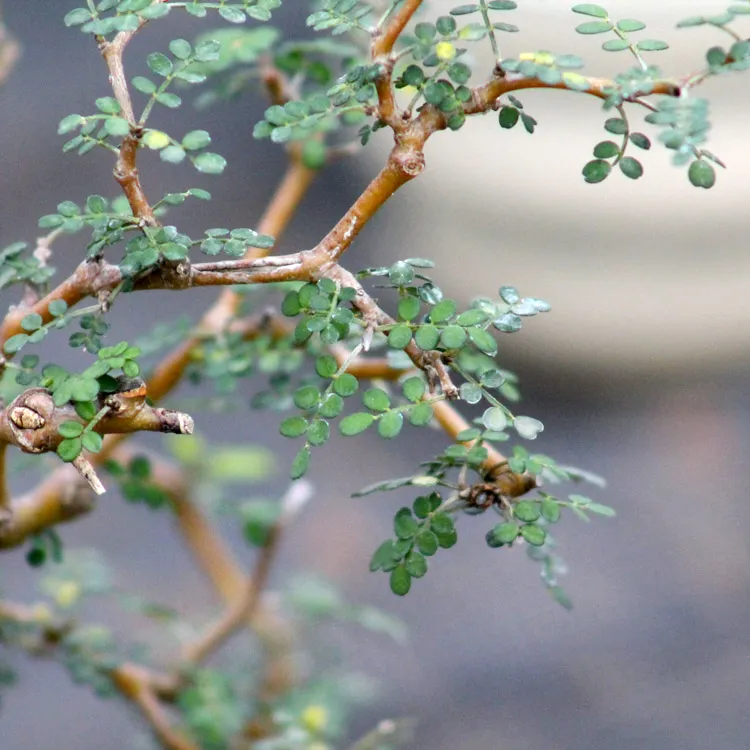
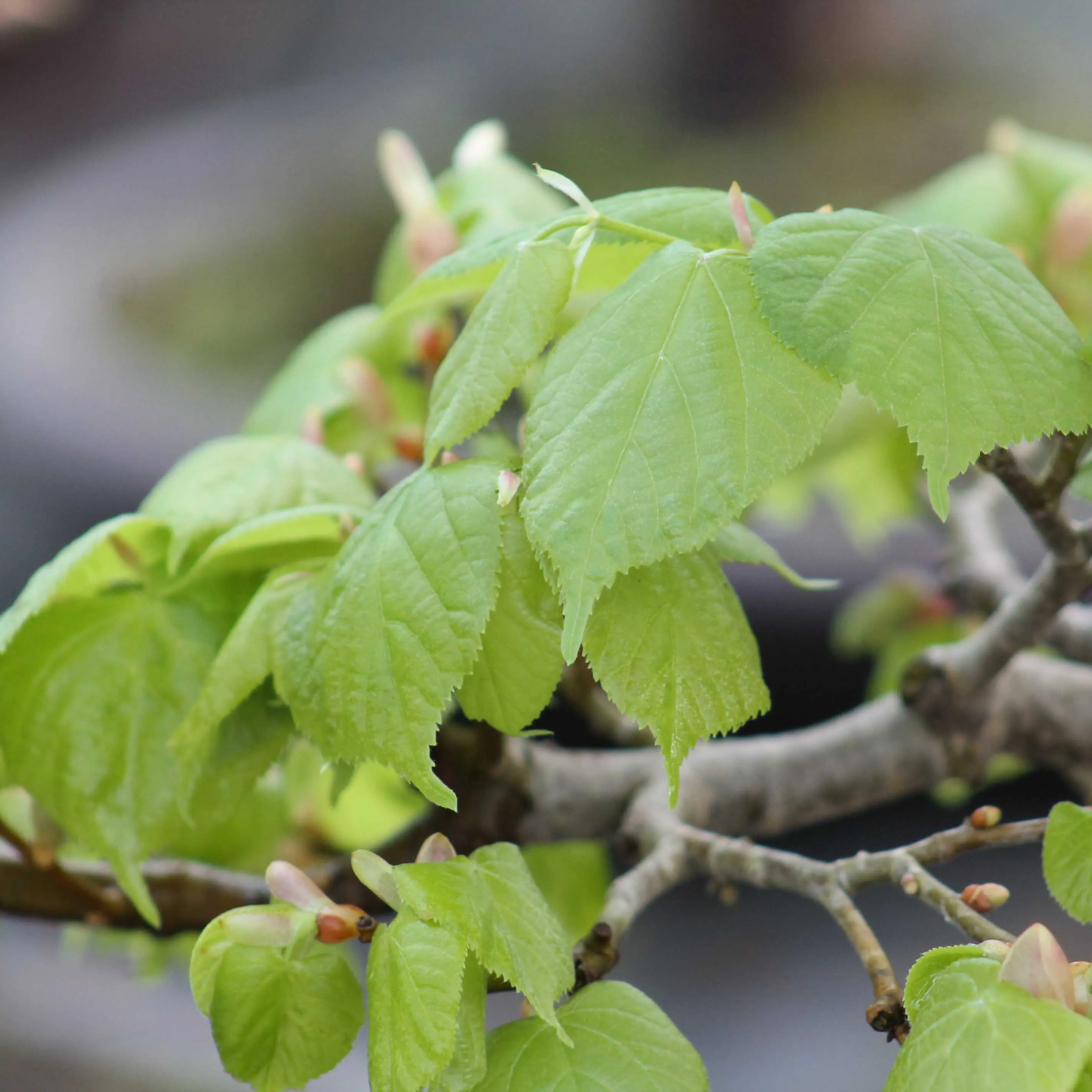
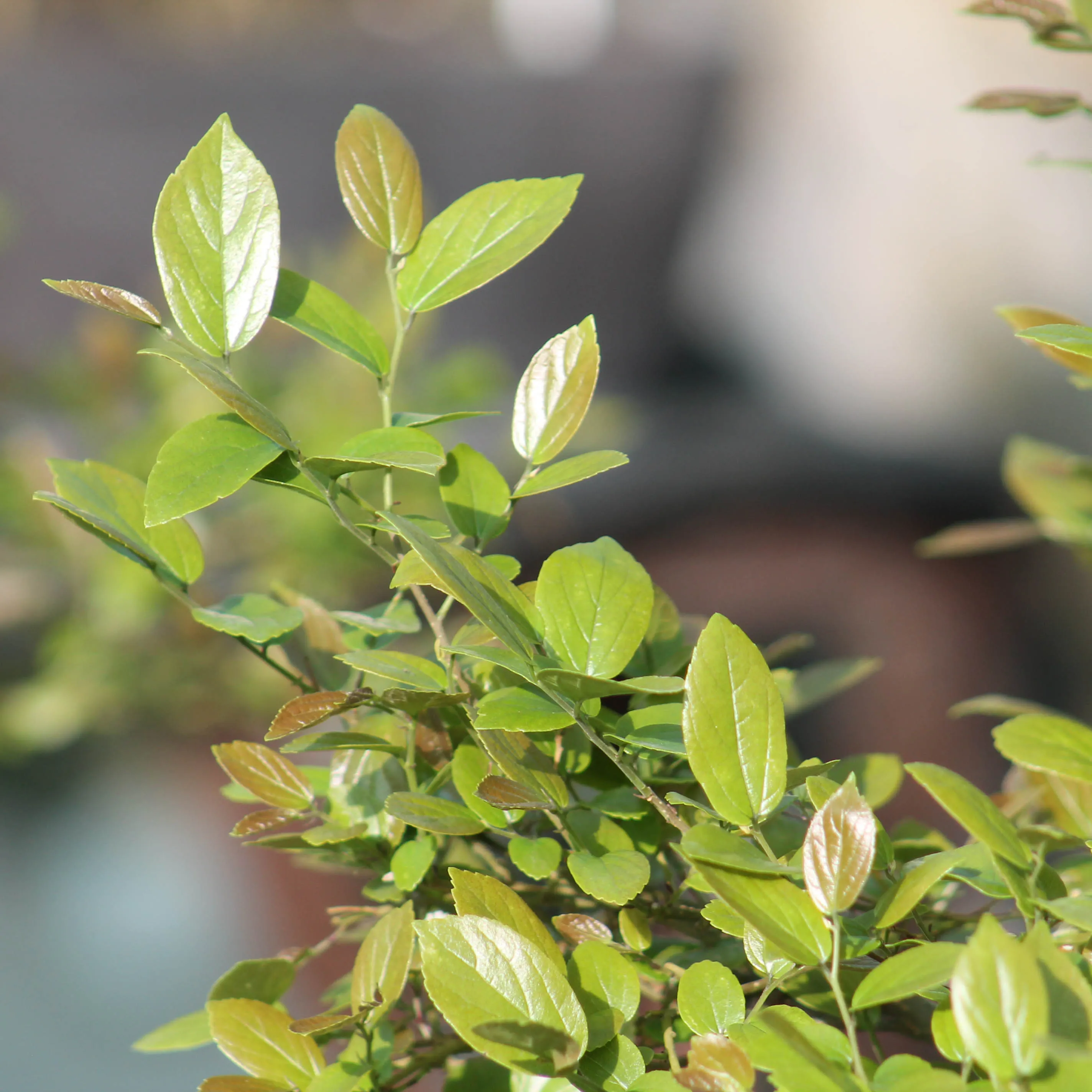
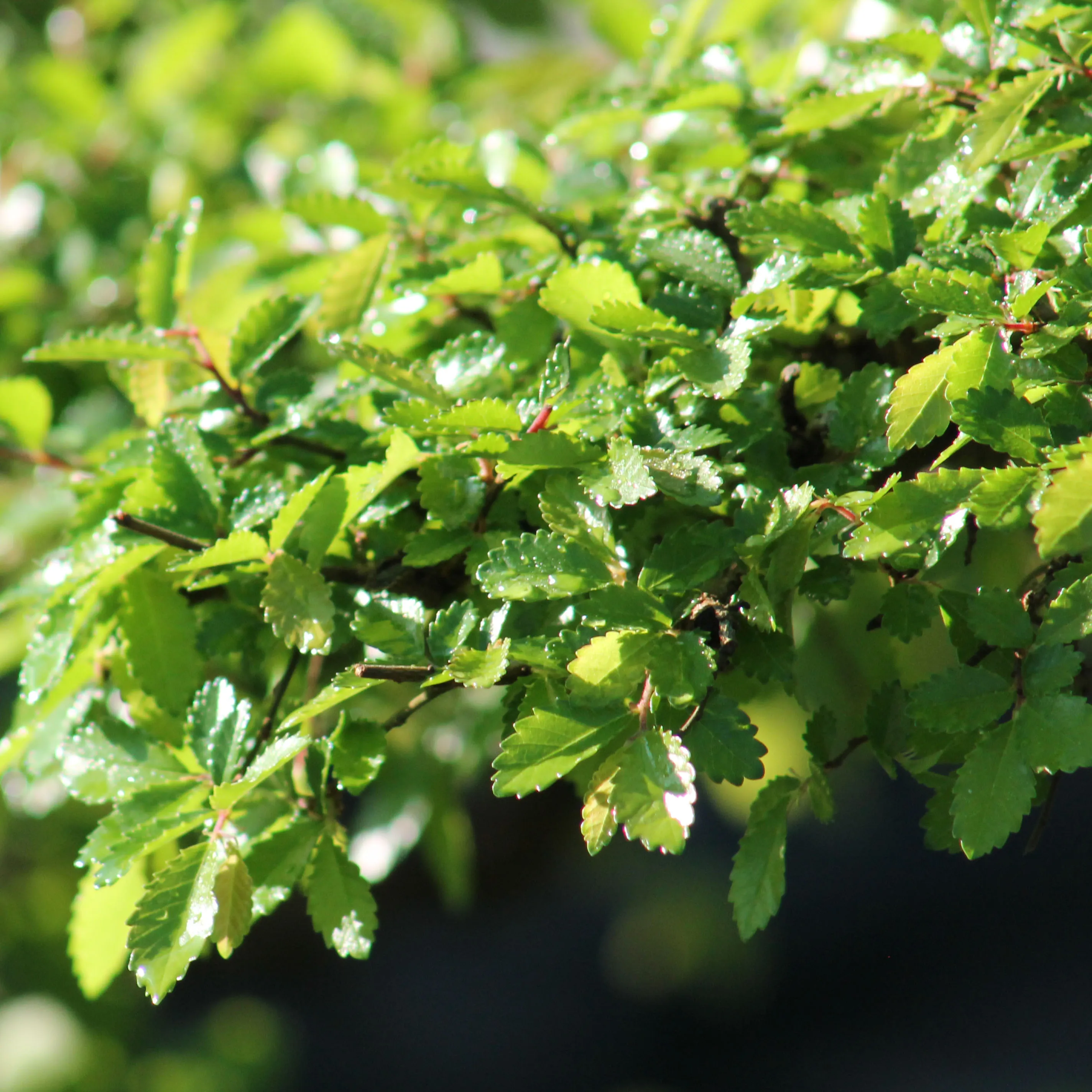
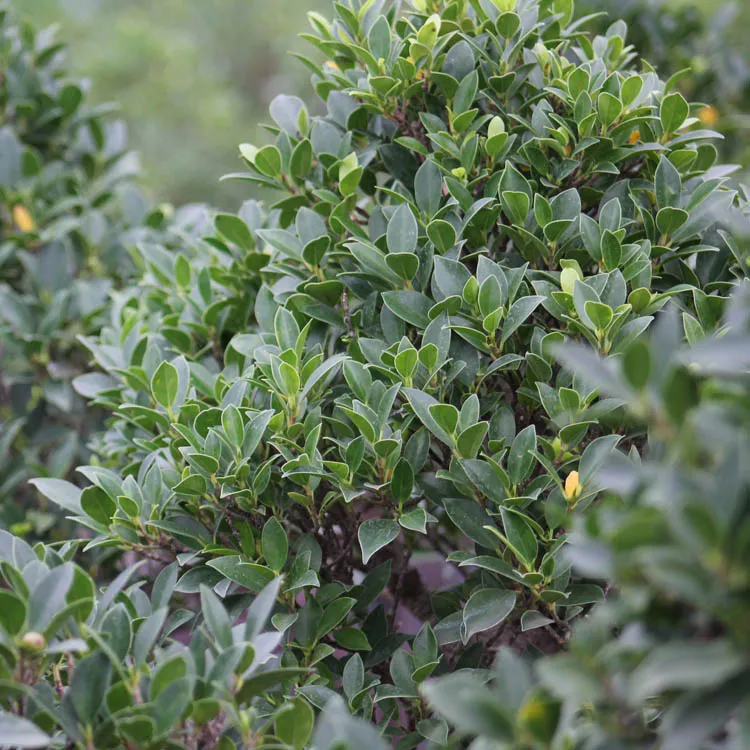
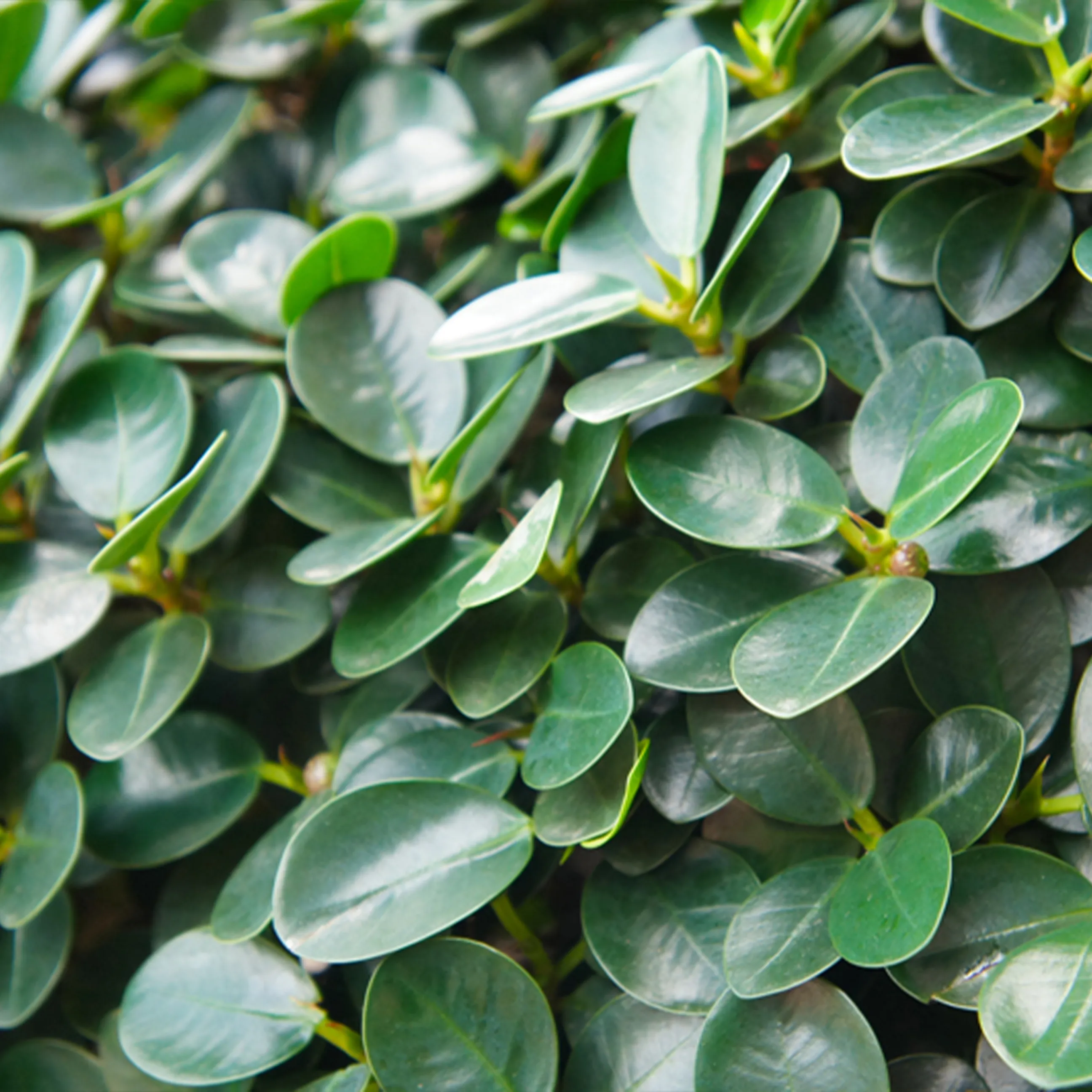
The Buddhist Pine Podocarpus is native to tropical and subtropical regions. A needle-leaved conifer belonging to the Podocarpaceae family, featuring strong, horizontal branches, it is highly popular—particularly in Japan’s Chiba Prefecture, where it serves as the official tree. It is a hardy tree that thrives in heat and sunlight.

  • Photos taken in August 2026
  • Plastic growing pot
Waist 67 cm
Location Outside
Age 20 years
Foliage Persistent
Height Entre 40 et 80 cm

Download

Cultivation Advice

Kept outdoors year-round, the Podocarpus is a bonsai that thrives in light and sunshine. Insufficient light causes the needles to grow longer. During heatwaves and scorching sun, choose a shaded spot or protect the tree with a shade cloth. In winter, when temperatures drop below freezing, protect the roots from frost by wrapping the pot in horticultural fleece or fiberglass insulation; alternatively, you can move it into a cold (unheated) greenhouse.
To keep your tree alive, it is crucial to keep the growing medium consistently moist. Water regularly, but allow the root ball to dry out slightly between waterings to avoid waterlogging. During hot weather, this means watering every day!

Best practice: Water the entire root ball thoroughly so the water drains through the holes at the bottom of the pot, or submerge the pot in water for a few minutes to ensure complete saturation.

We advise against placing a saucer or tray under the pot, as stagnant water can cause root rot (too much water leads to root suffocation).

In the nursery, we use an agricultural potting mix composed of black peat, light peat, aged bark, topsoil, horse manure, and pozzolana (volcanic rock). Repotting should be done every 2 or 3 years in late spring.

Caution: Do not prune the roots too heavily, as the Podocarpus has a slow-growing root system.

You can prune the Podocarpus at any time of year without issue. Trim back overly long branches and remove disproportionately large needles. Pinch back new shoots using your thumb and index finger during the spring (the active growing season). Wiring can also be performed at any time of year. Leave the wires in place for 8 to 10 weeks, depending on your tree's growth. Be careful not to trap any needles while doing this.

At the nursery, we use a blue NPK 12-12-17 fertilizer designed for tomatoes and flowers. You can start fertilizing in May by applying a handful to the growing medium; repeat the application every two months until autumn.