 Production of French Bonsai
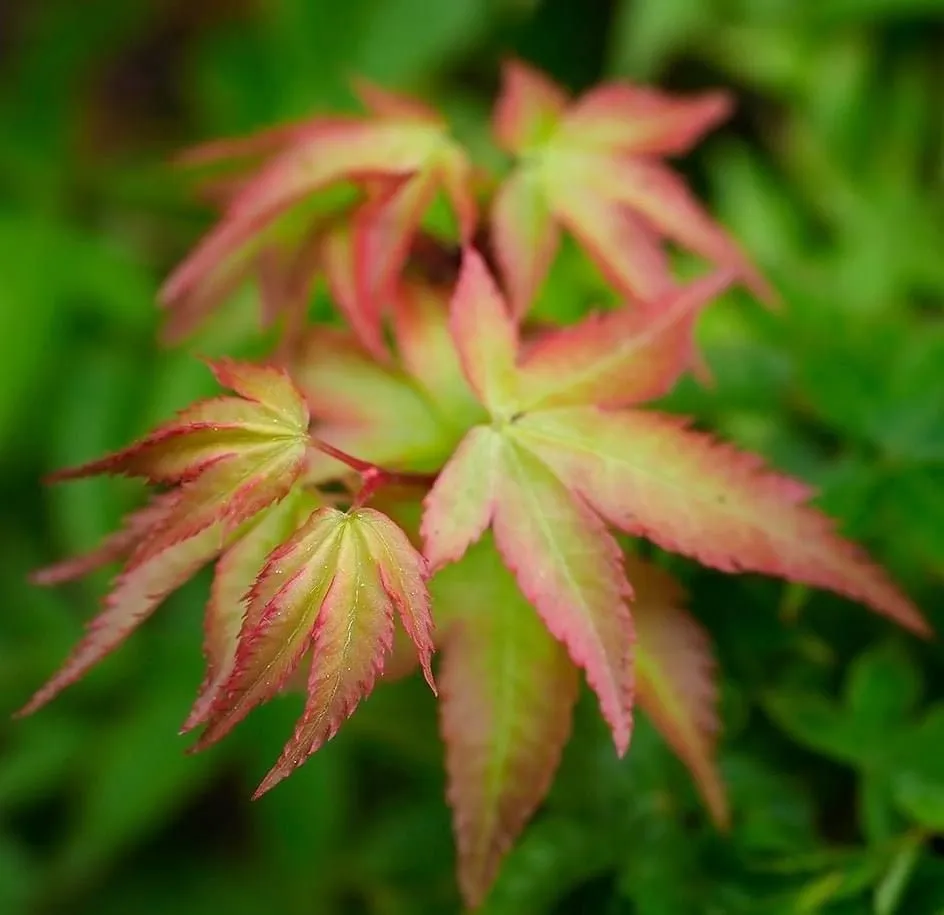
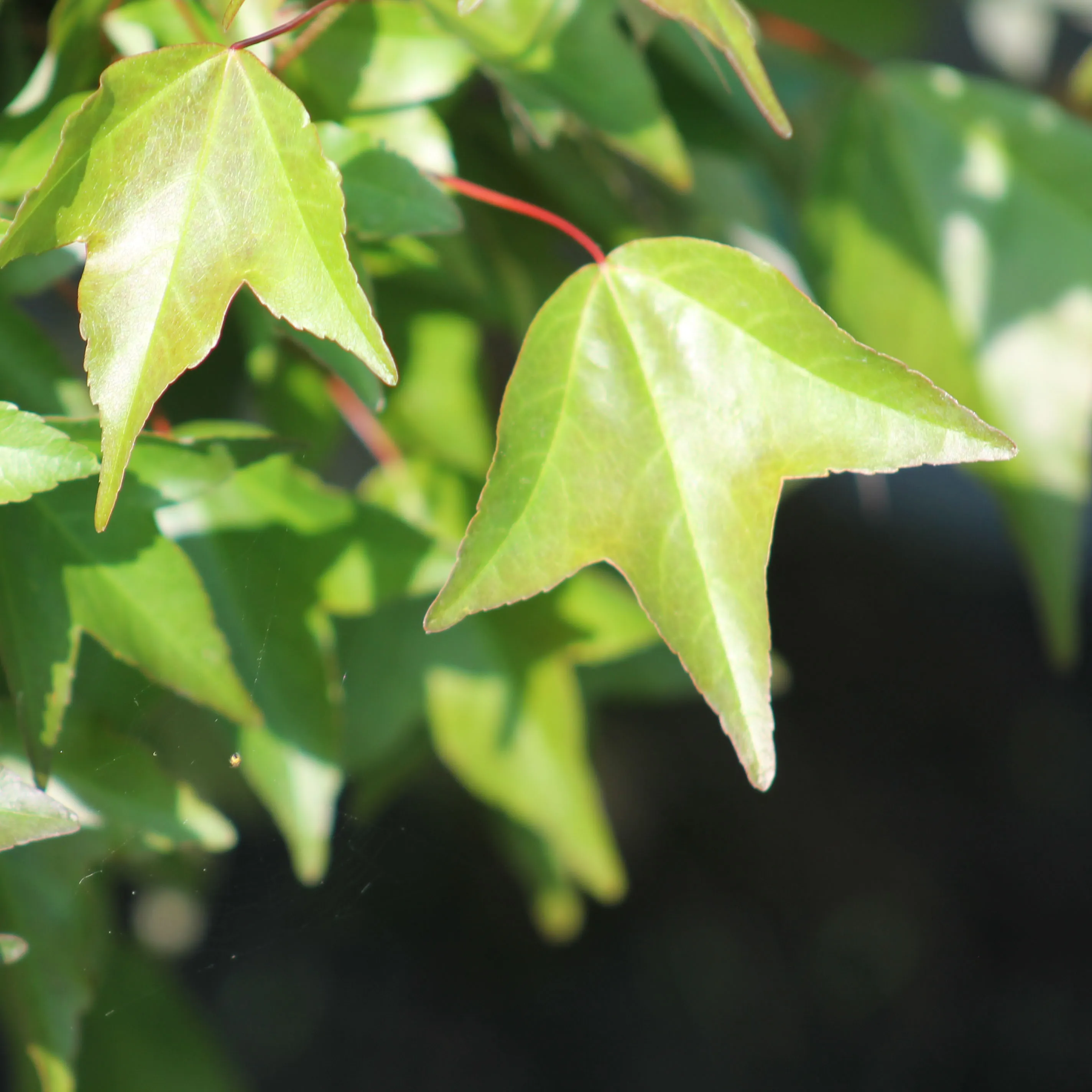
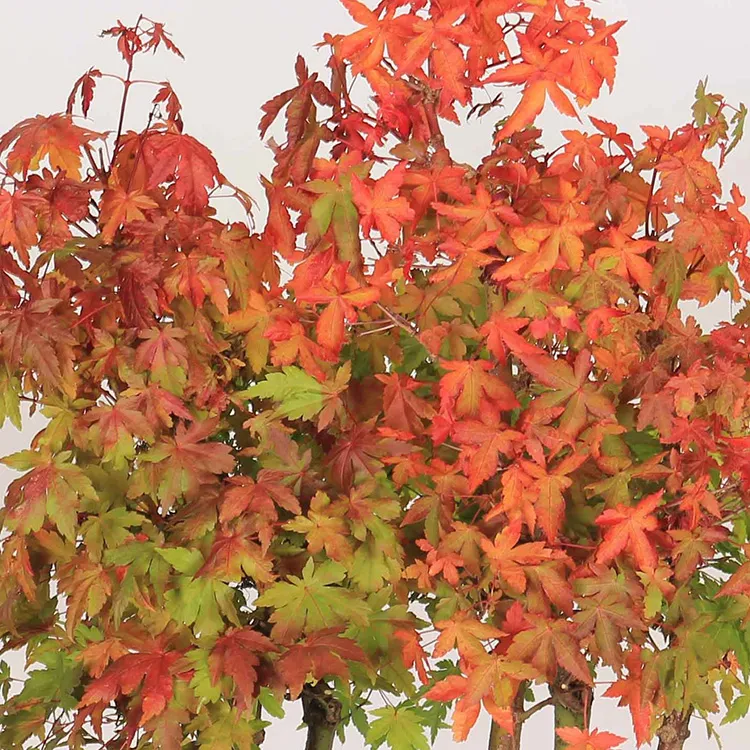
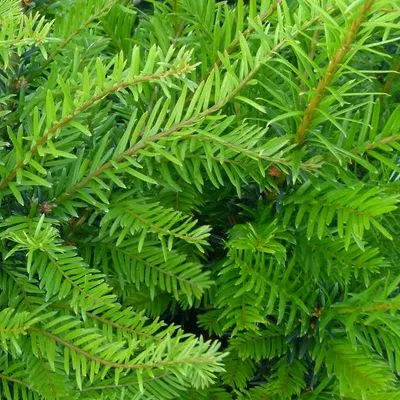
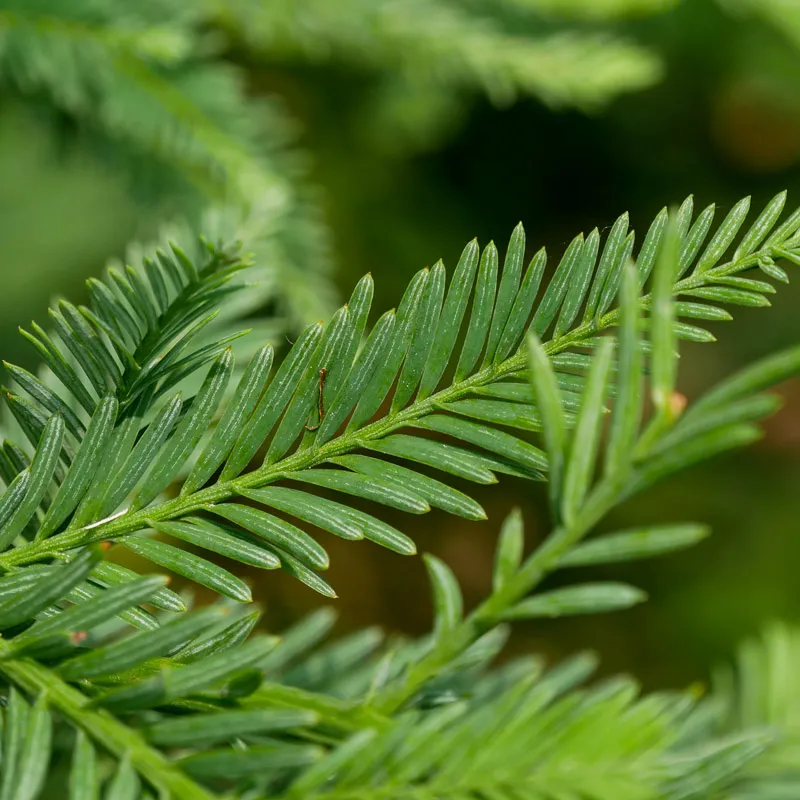
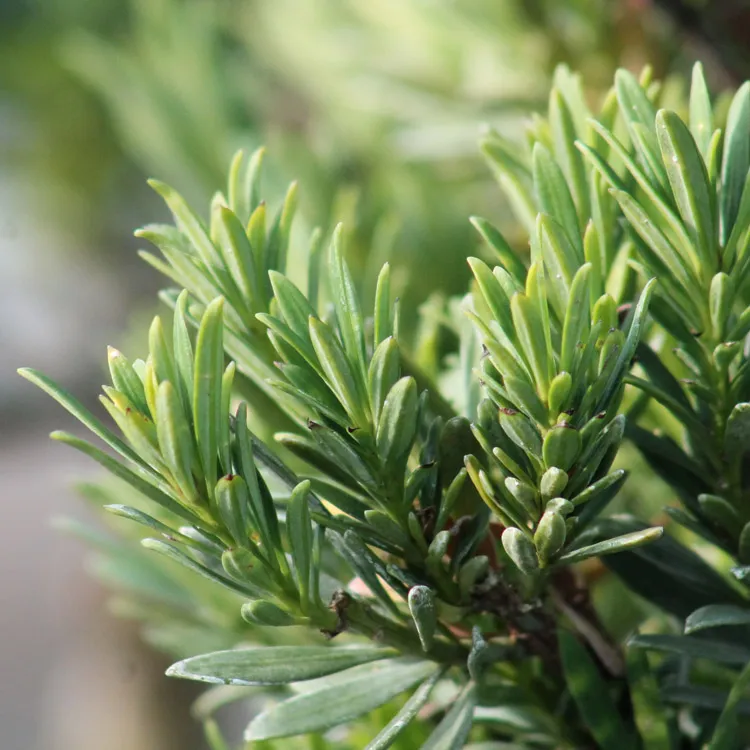
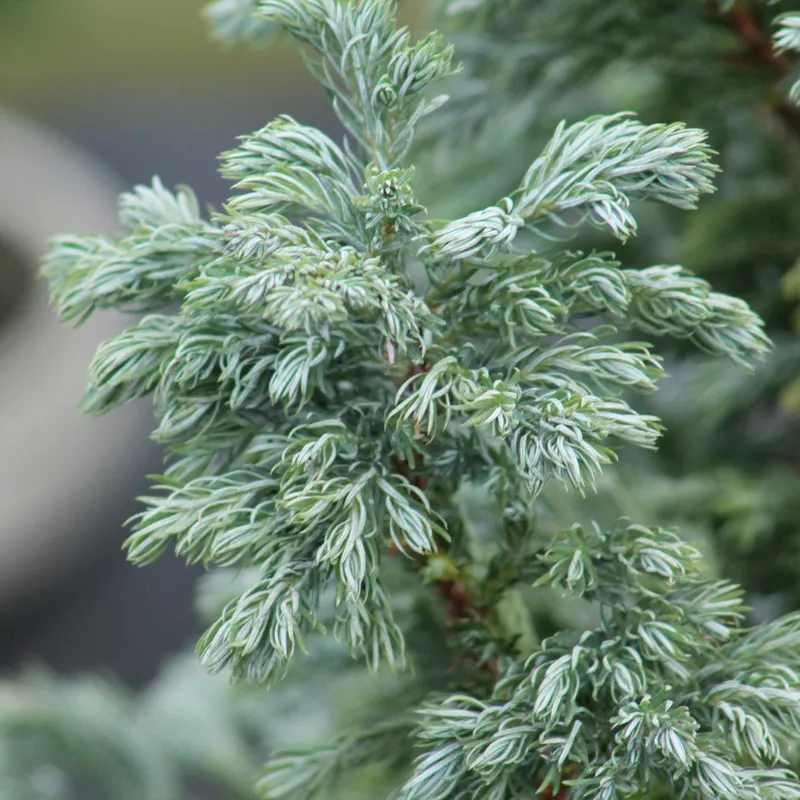
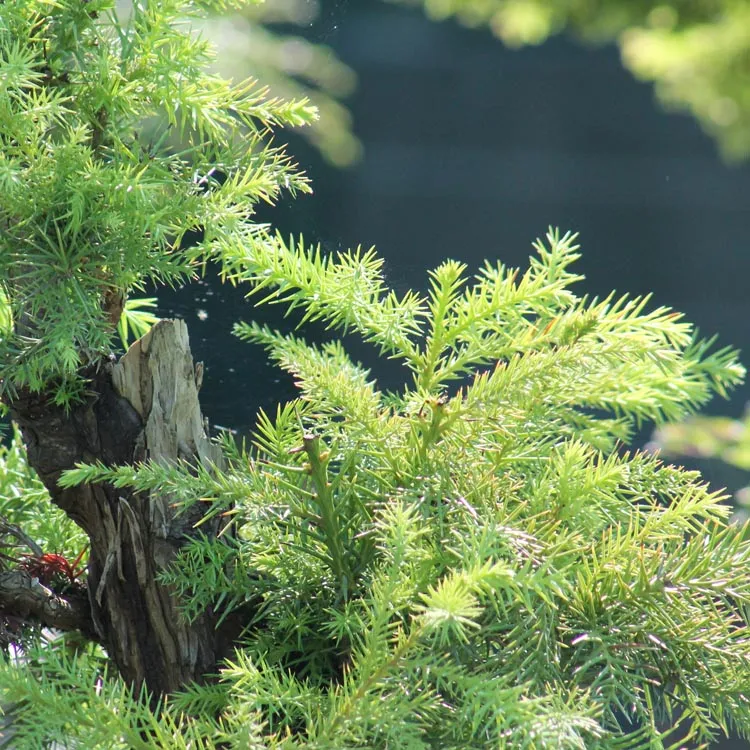
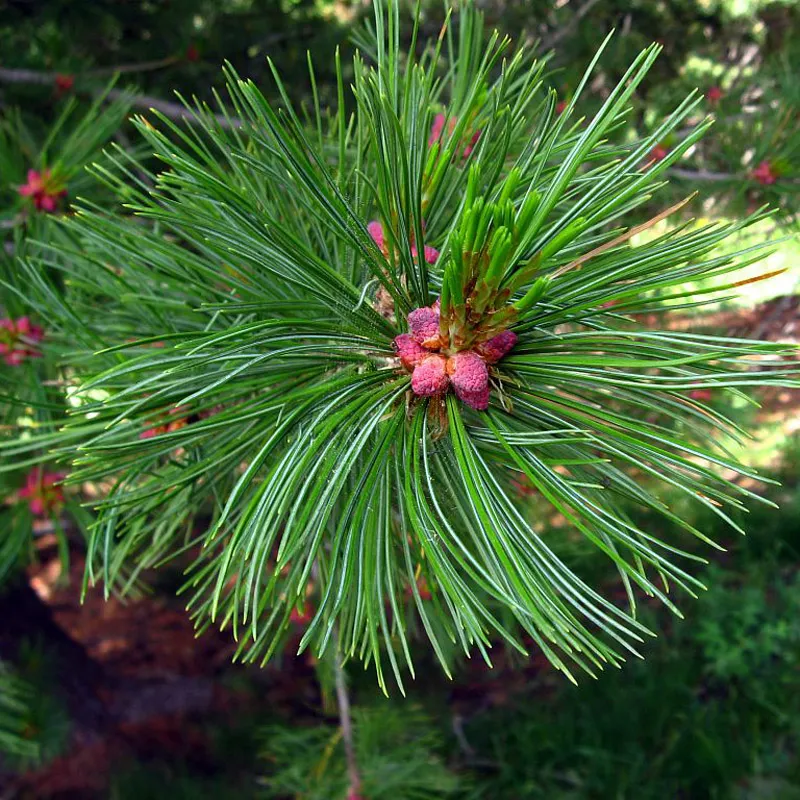
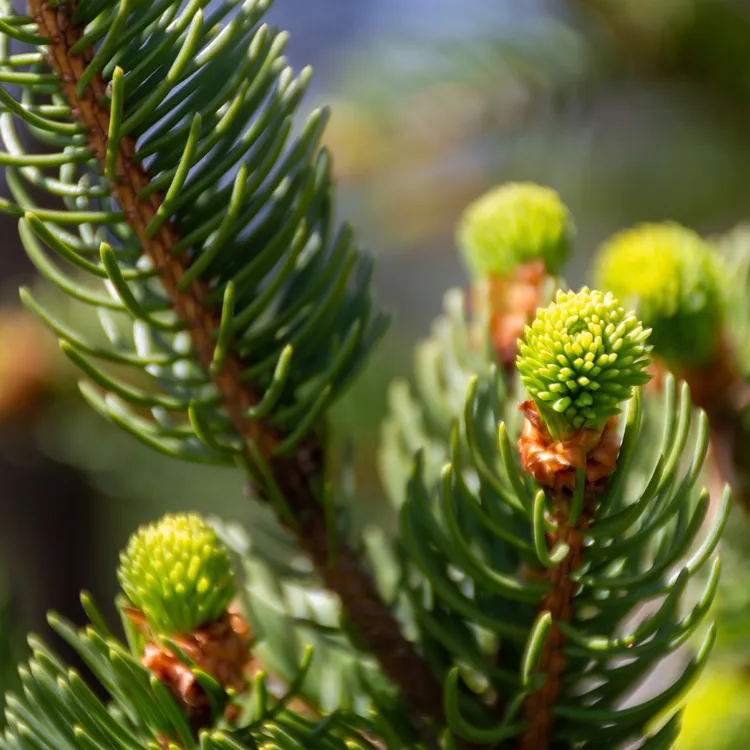
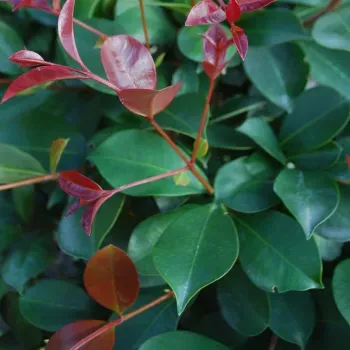
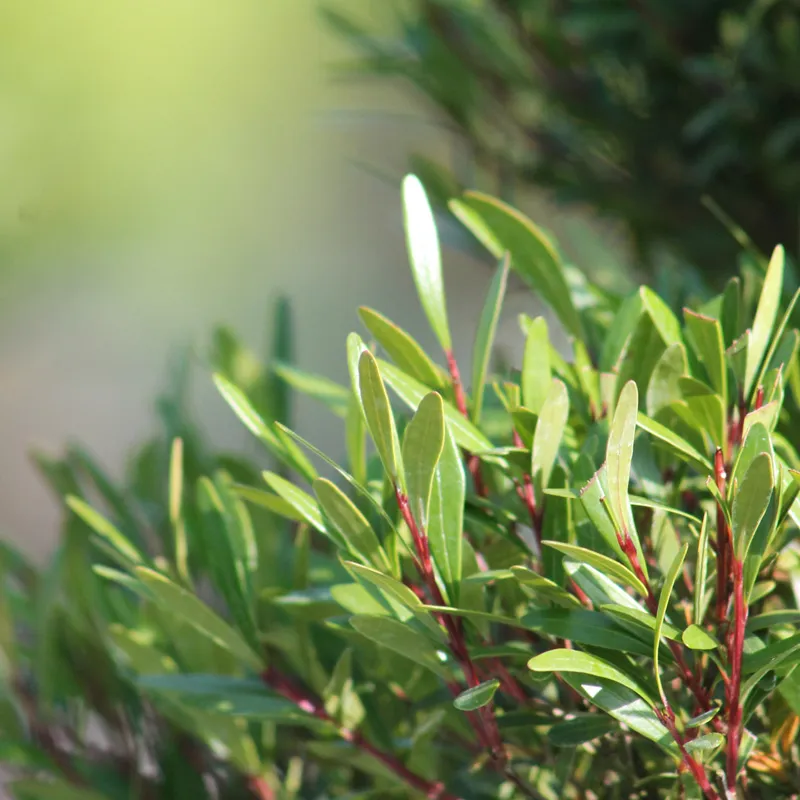
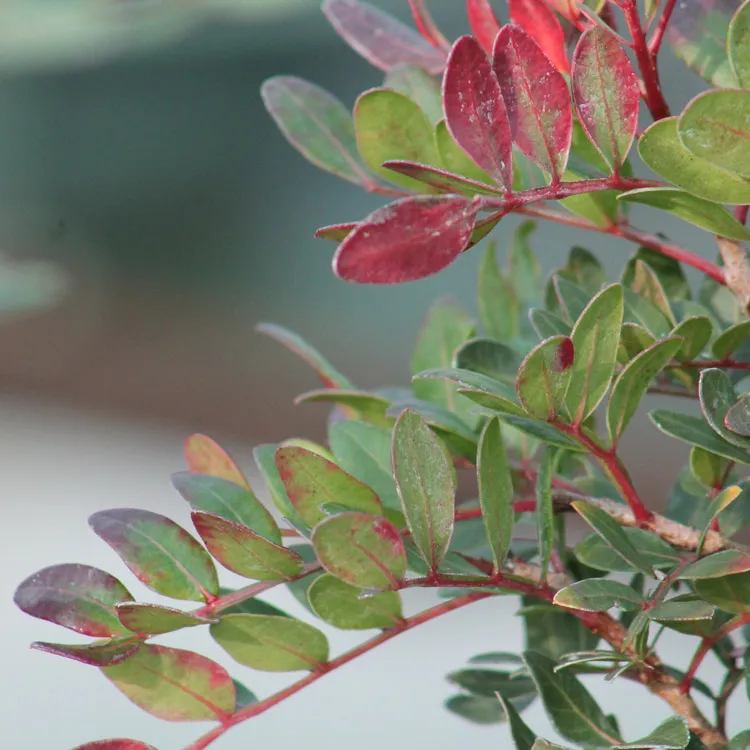
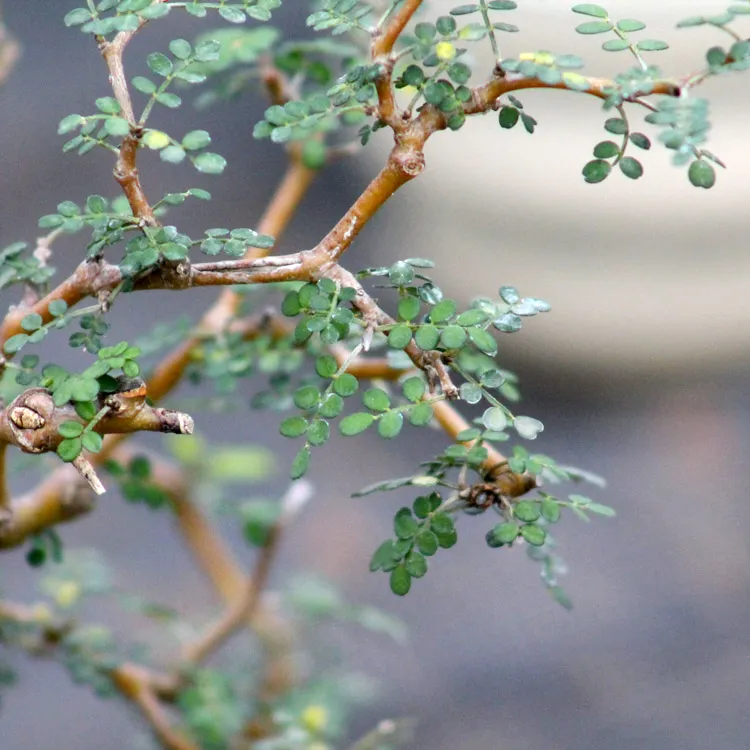
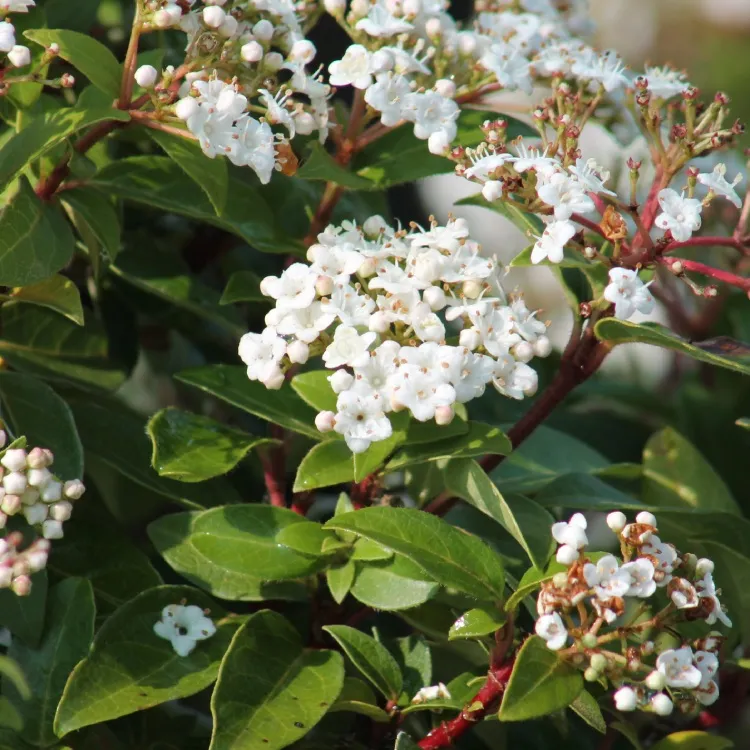
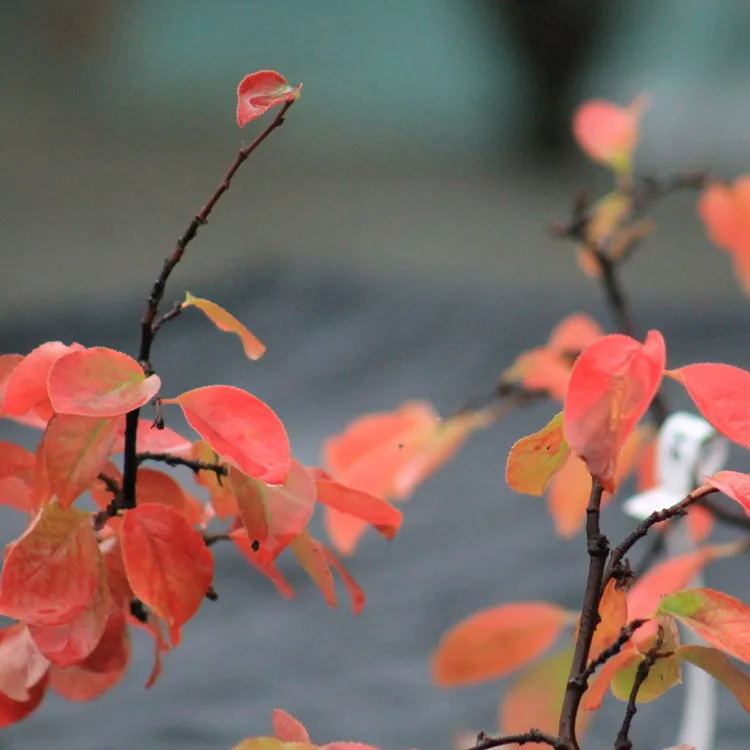
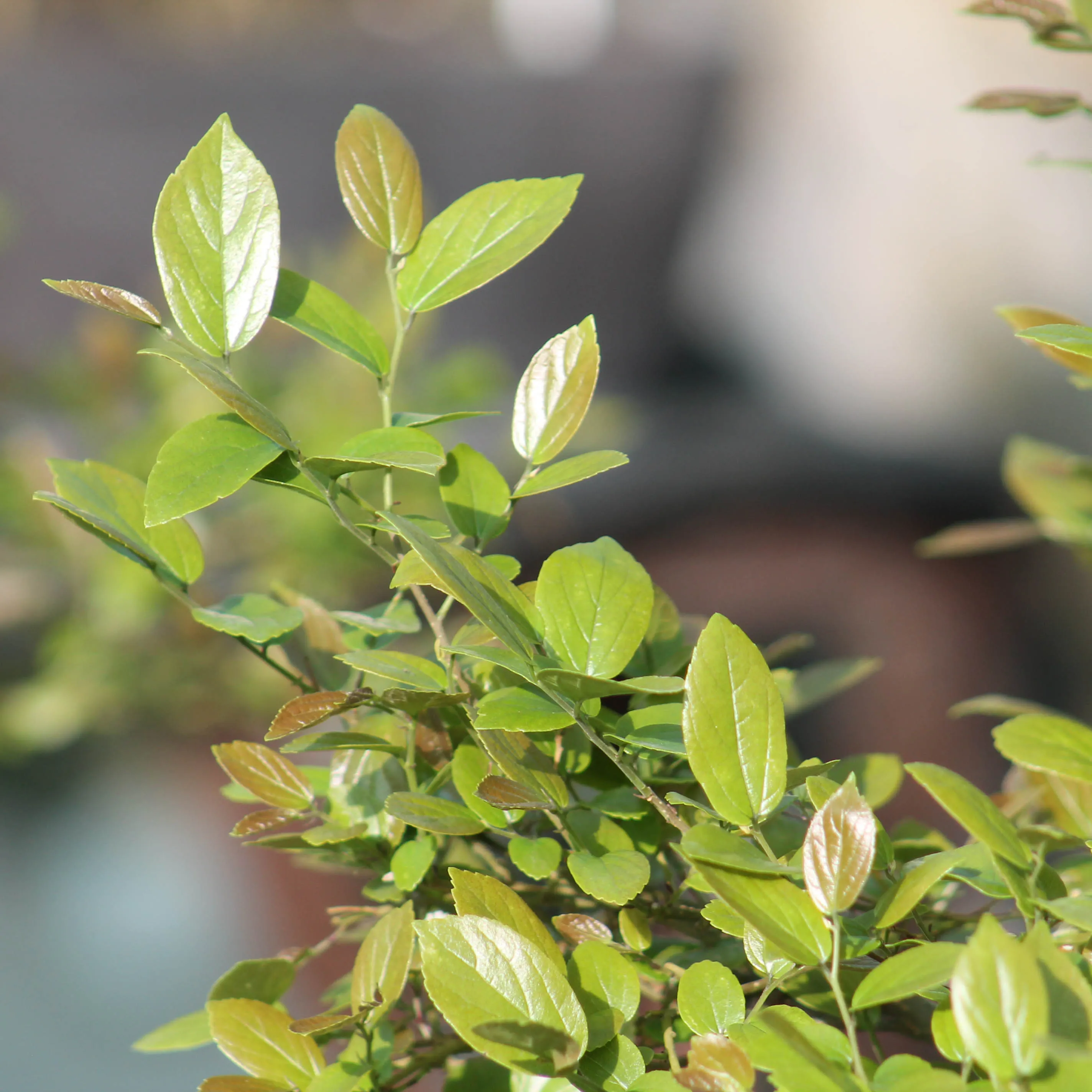
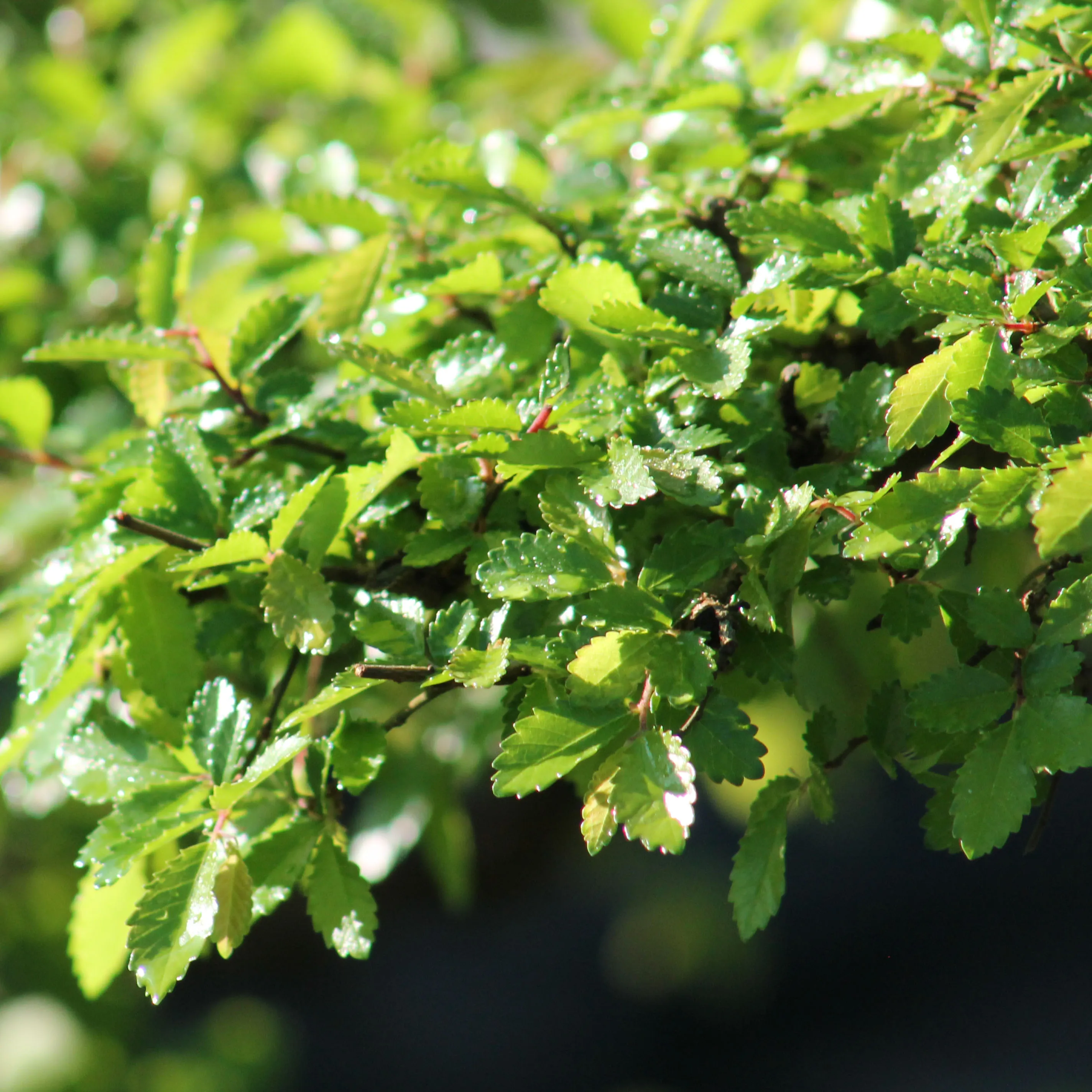
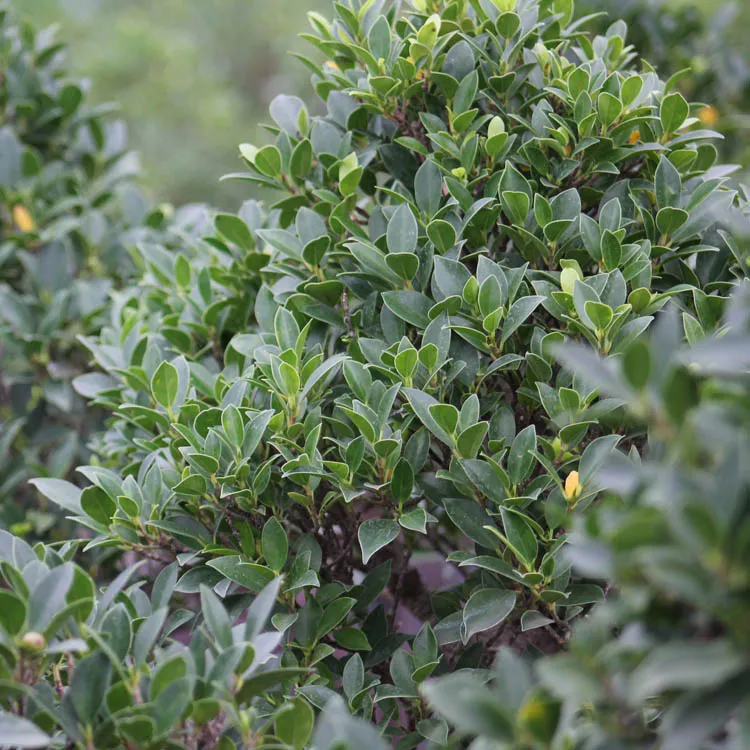
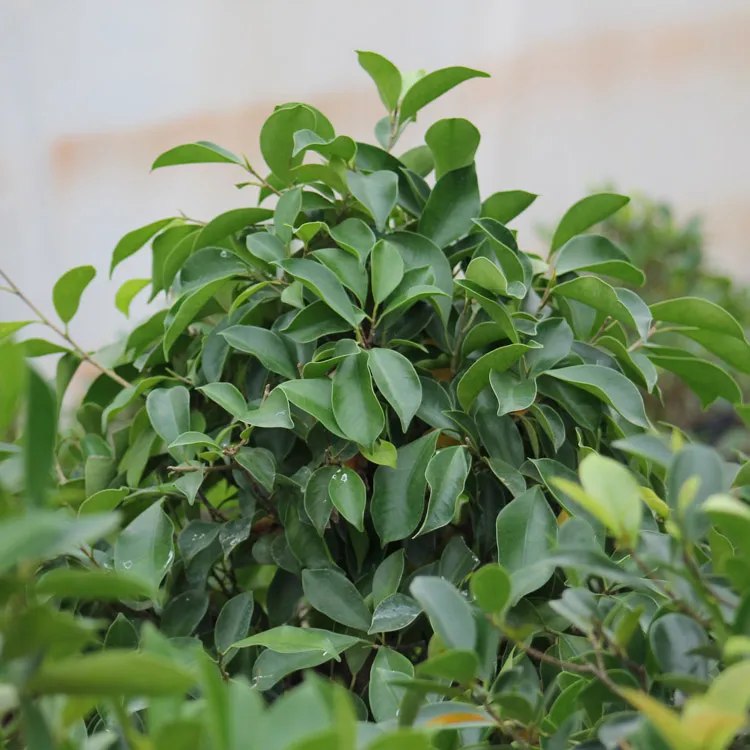
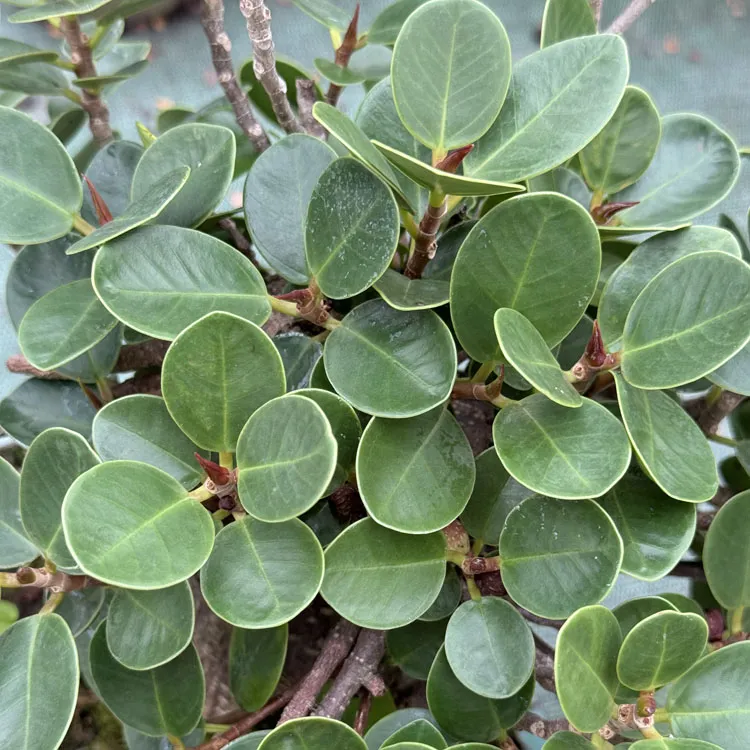
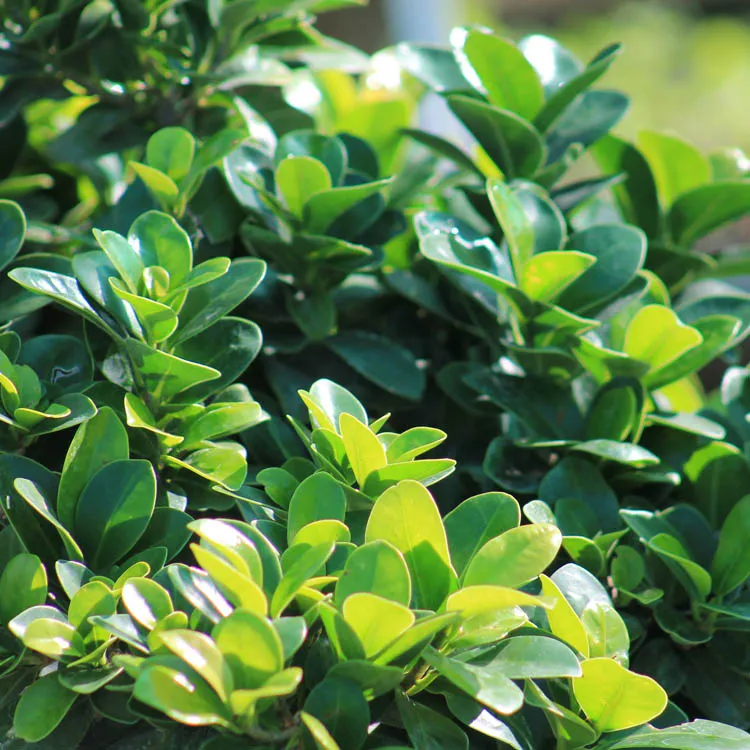
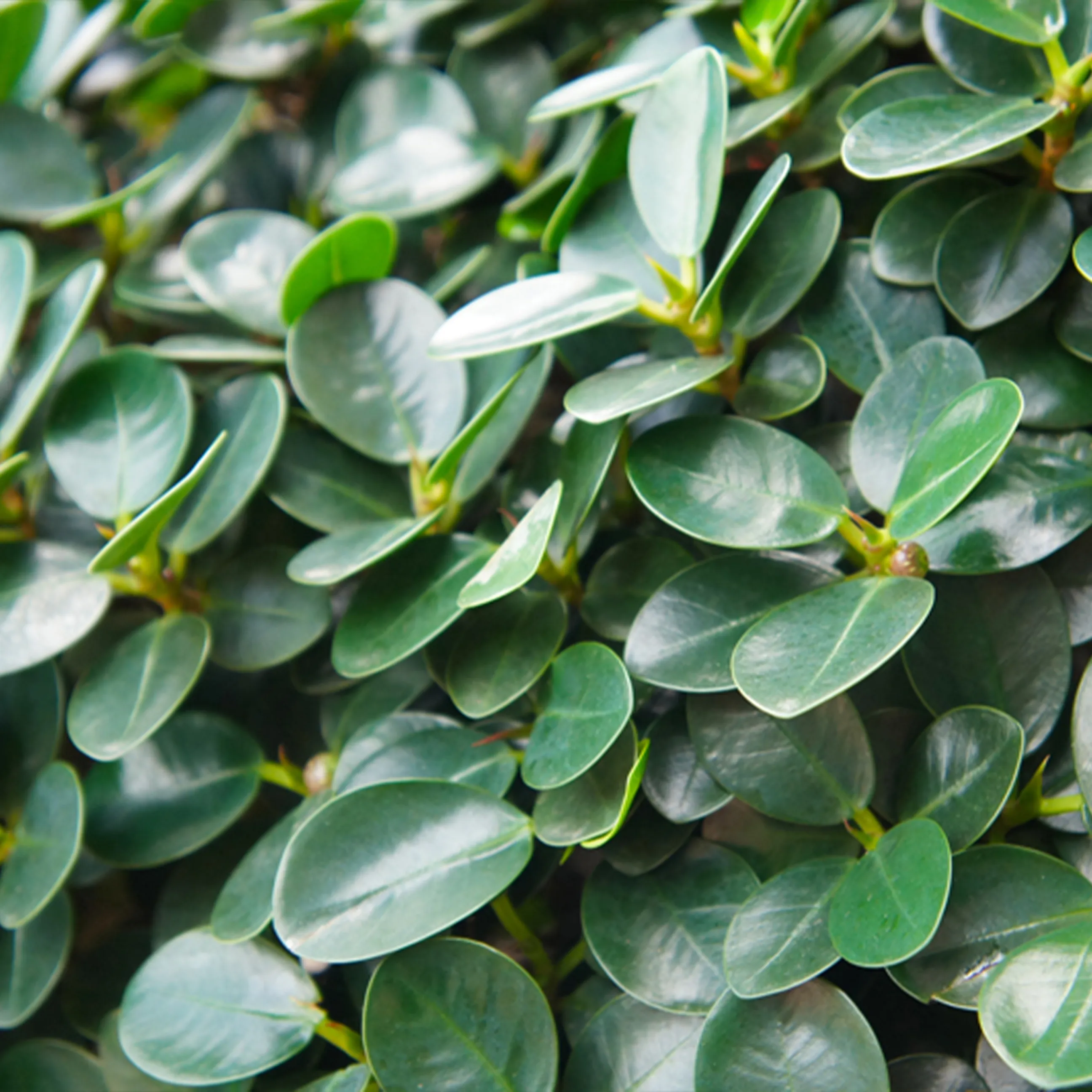
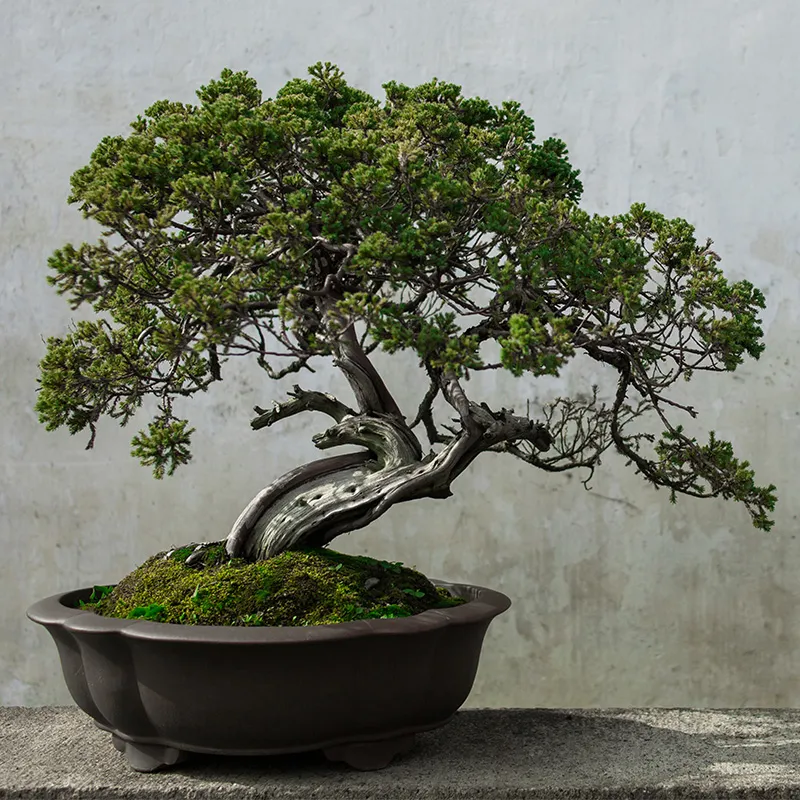


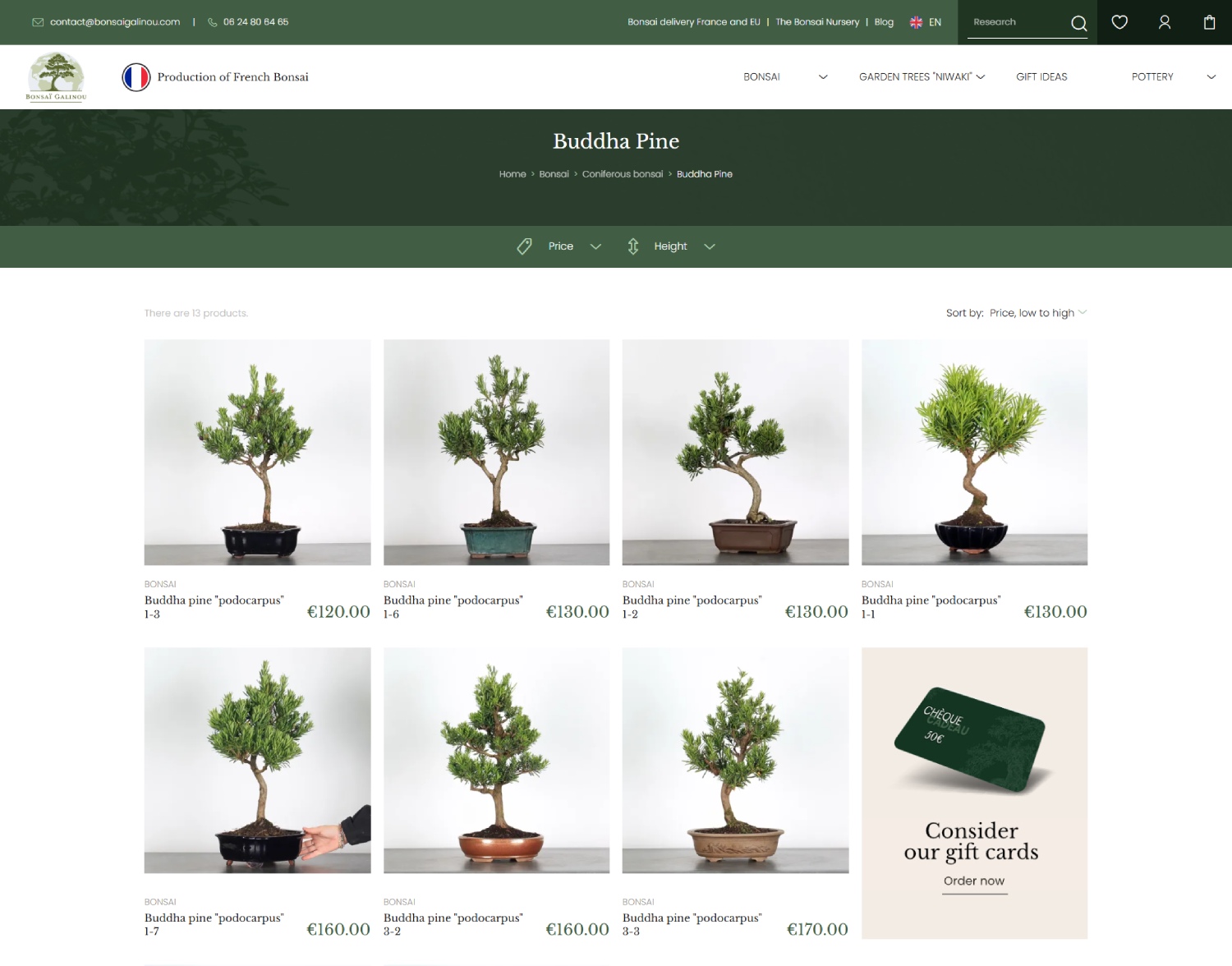
Podocarpus, a member of the Podocarpaceae family, holds a unique place in the world of bonsai. Although it is a conifer native to subtropical regions of Asia, Africa, and Oceania, it differs radically from pines and junipers in both appearance and cultivation requirements.
Often referred to as the “Buddhist Pine,” it is especially valued for its flat, evergreen foliage, which evokes the serenity of traditional Asian landscapes. In a bonsai collection, Podocarpus represents an excellent compromise: it offers the nobility of a conifer while remaining relatively easy to cultivate. It is equally suitable for a first experience with conifers and for advanced branch ramification work.
1. Botanical characteristics and advantages
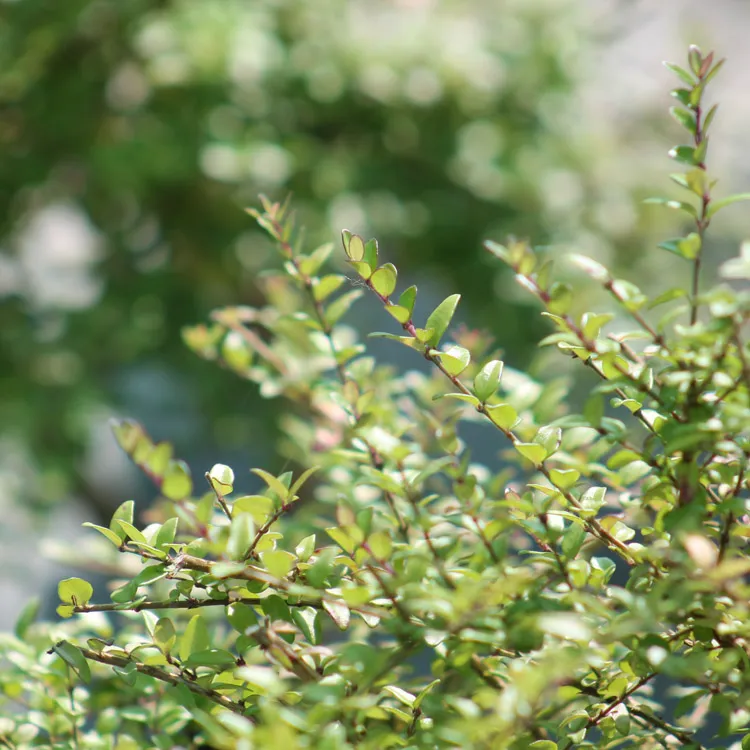
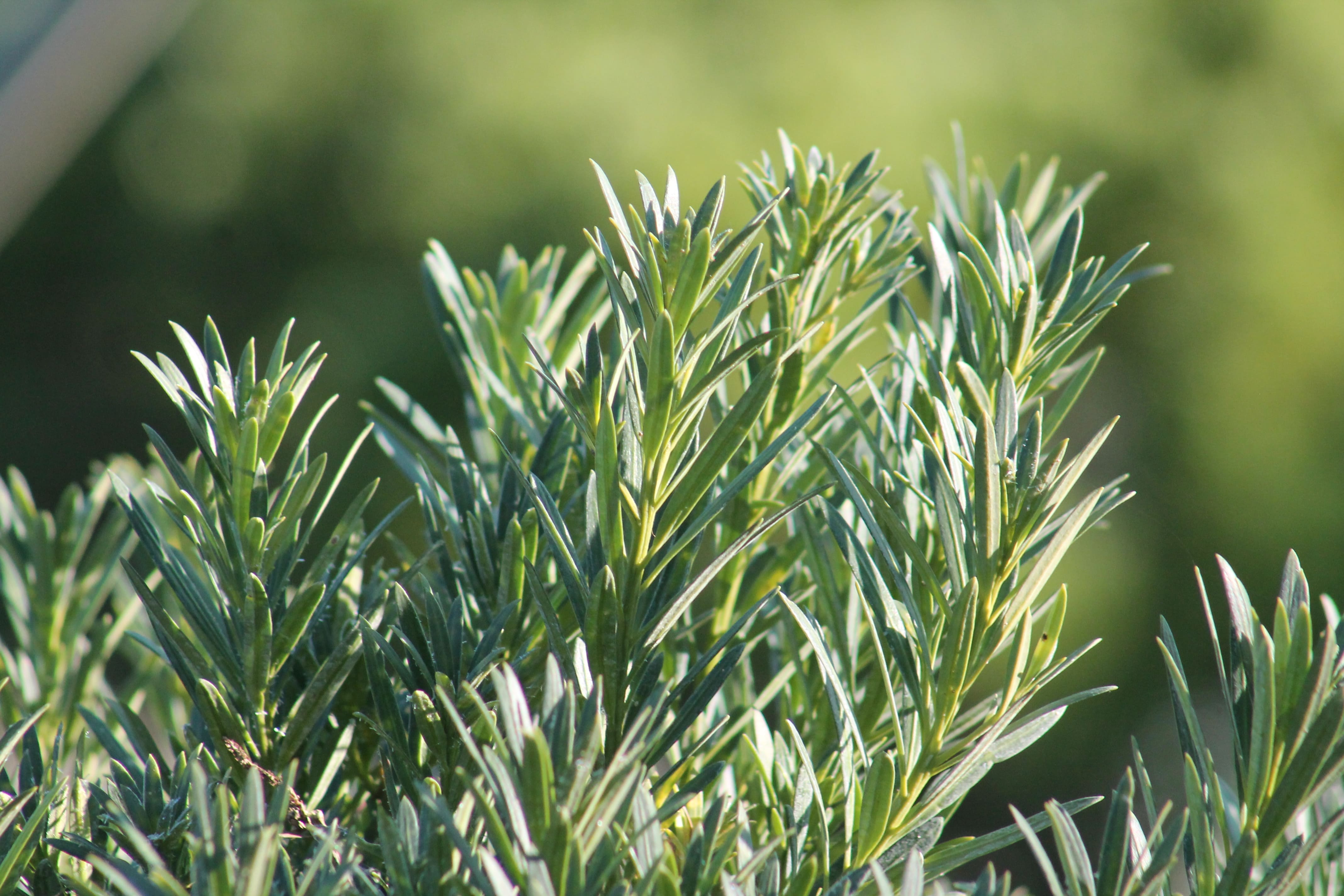
Unlike classic conifers, Podocarpus does not bear needles but linear, leathery leaves of a deep green color. This morphology gives it a softer, denser appearance.
Why include it in your collection?
- Responsiveness: It buds readily on young wood, making foliage densification easier.
- Aesthetics: Its bark flakes with age, quickly creating the look of an old tree.
- Tolerance to pruning and container cultivation
2. Placement and light management
Podocarpus bonsai thrive in bright conditions. Insufficient light is the main cause of unattractive internode elongation (the distance between two leaves) and a weakening of the tree’s immune system.
During the growing season :
Move it outdoors as soon as temperatures stabilize above 10 °C (50 °F). Partial shade is ideal to prevent leaf burn under intense sunlight.
In winter :
Although robust, Podocarpus does not tolerate prolonged frost. Ideally, place it in a cold greenhouse or a cool room (between 10 °C and 15 °C / 50–59 °F) to respect its dormancy without exposing it to freezing temperatures.
3. Mastering watering : the pillar of health
Podocarpus requires regular watering but demands close attention to avoid stagnant moisture.
Golden rule : Water thoroughly as soon as the surface of the substrate begins to dry. Water must drain immediately through the drainage holes.
Precaution : Never allow water to remain in a saucer. Excess water inevitably leads to yellowing foliage and root decline.
Winter care : Reduce watering frequency, but never let the root ball dry out completely. Its evergreen leaves continue to transpire even in winter.
4. Substrate and repotting
Choosing the right substrate is essential to prevent root suffocation.
Frequency of repotting : Every 2 to 4 years, depending on growth vigor. Spring, just before bud break, is the ideal time.
Recommended technical mix : For optimal drainage while retaining residual moisture, we recommend:
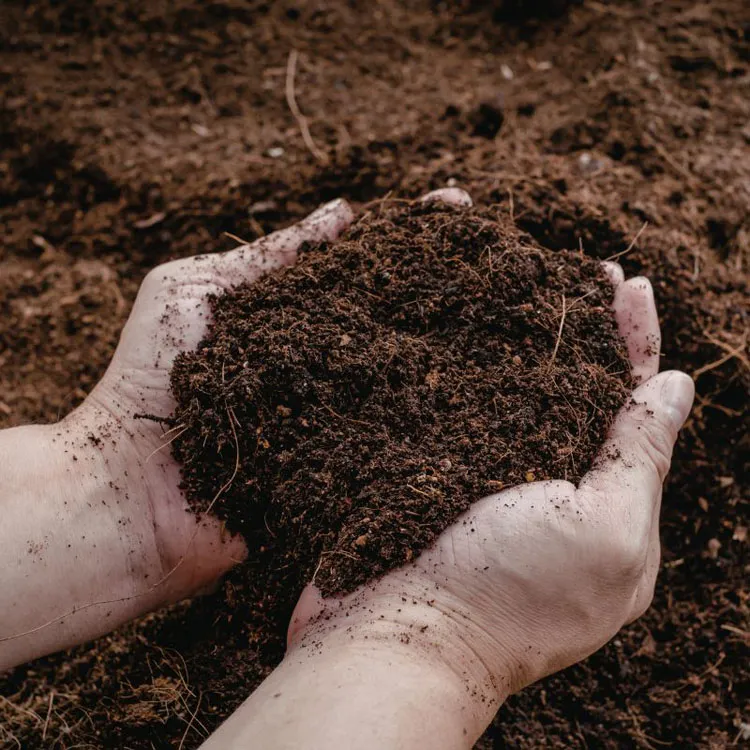
50% Akadama 30% lava rock (or pumice) 20% composted pine bark (or Kiryu for mineral content)
Here at the nursery, we use our own substrate. Check out our blog post about it.
Root pruning : Keep it moderate. On older specimens, be even more cautious to avoid unnecessary stress. After repotting, protect the tree from drafts and direct sunlight for three weeks.
5. Pruning, pinching, and shaping
The wood of Podocarpus is relatively flexible on young trees, allowing for a wide range of design possibilities.
Structural and maintenance pruning
Structural pruning is carried out in early spring. Remove crossing or vertical branches to clarify the silhouette. During the growing season, practice pinching by cutting new shoots back to two or three pairs of leaves. This encourages fine ramification and prevents inner branch dieback.
Wiring
Podocarpus can be wired almost year-round, except during periods of very strong spring growth when the wood swells rapidly. Use aluminum wire and inspect monthly to prevent it from biting into the soft bark, which would leave permanent scars.
6. Fertilization and vigor
Regular fertilization is essential to maintain the characteristic deep green color.
- Type : Slow-release fertilizer
- Schedule : From May to October, every month alternating chemical and organic fertilizers, or every two months if using only chemical fertilizers.
- Nitrogen caution : Excess nitrogen, especially in spring, can cause oversized leaves and disrupt the scale of the bonsai
At the nursery, we use universal blue chemical tomato fertilizer and organic fertilizer such as horse manure; feel free to read our blog post to understand how we operate.
Always adapt fertilization to the tree’s vigor. Never fertilize a sick tree.
7. Suitable bonsai styles
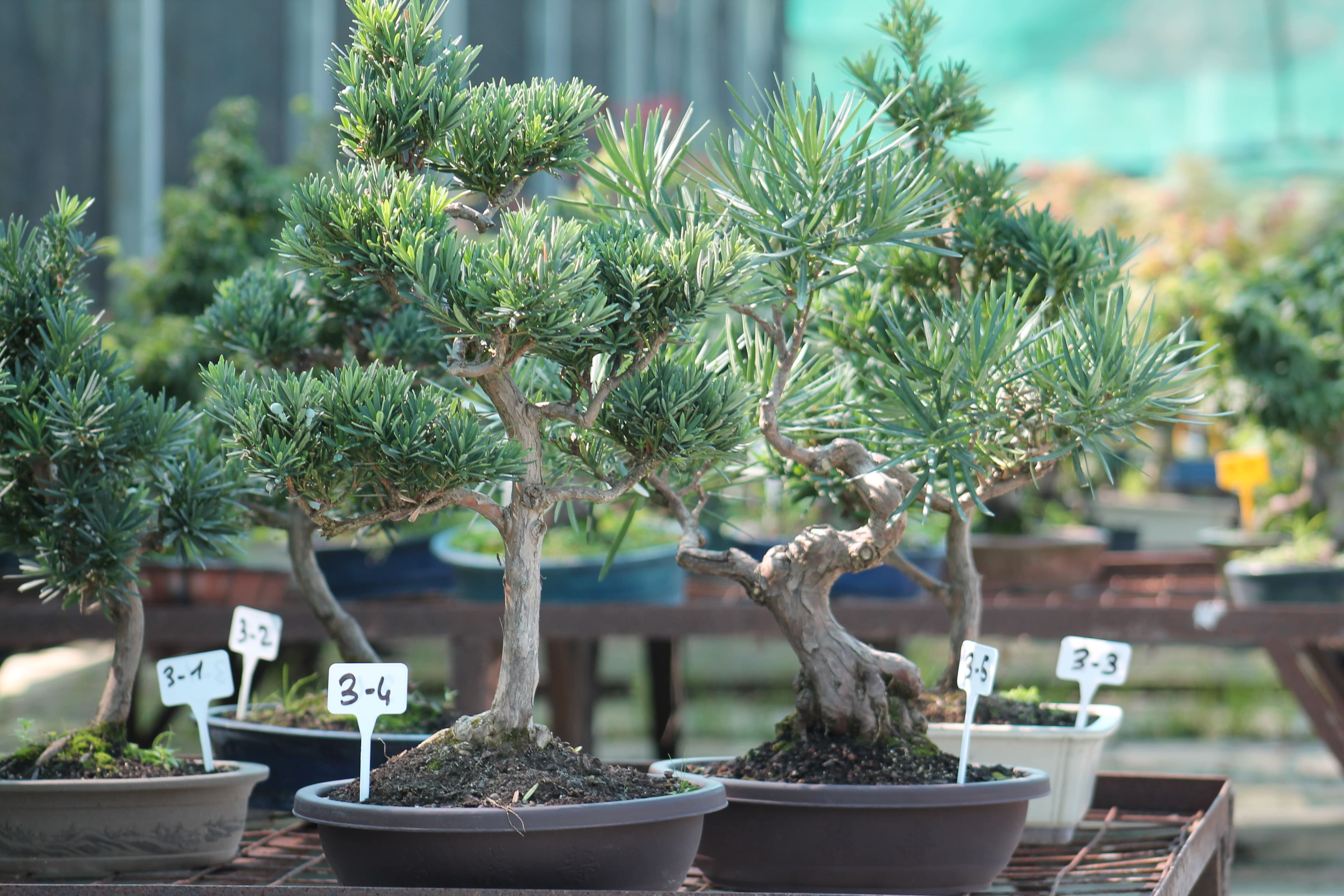
Thanks to its predictable growth and tolerance to pruning, Podocarpus lends itself to many styles:
- Moyogi (Informal upright): The most common style, highlighting its sinuous trunk
- Shakan (Slanting): Suggests a tree shaped by wind
- Yose-ue (Forest): Very elegant when using trees of varying sizes to create depth
8. Disease prevention
Podocarpus is a resilient tree. However, overly dry air can encourage scale insects or aphids on young shoots. Regular inspection of the undersides of leaves and good air circulation are usually sufficient preventive measures. If leaves yellow without falling, immediately check the roots—this is often a sign of compacted substrate or overwatering.
Conclusion
Podocarpus is far more than an alternative to traditional pines; it is a tree with character that offers an excellent learning platform. Its reliability makes it a valuable ally for beginners, while its ability to form dense foliage pads delights experienced collectors. By respecting these basic cultivation principles, you will enjoy an elegant and long-lasting bonsai.
Find our podocarpus trees for sale :