Production of French Bonsai
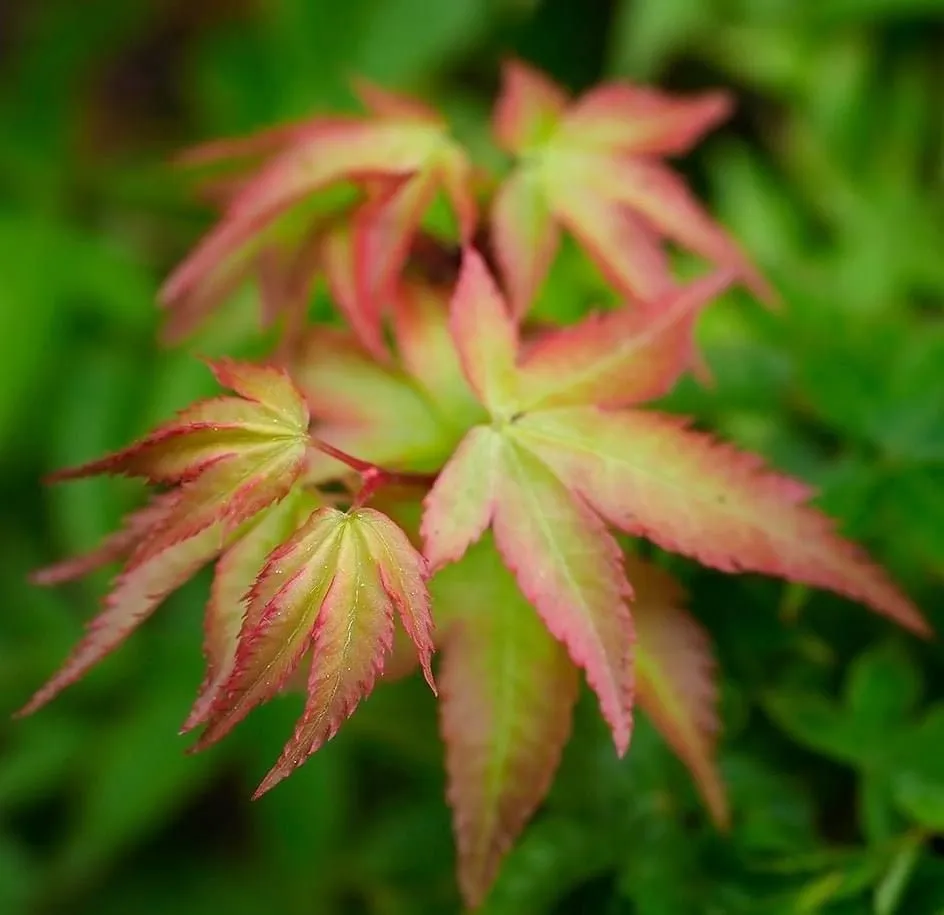
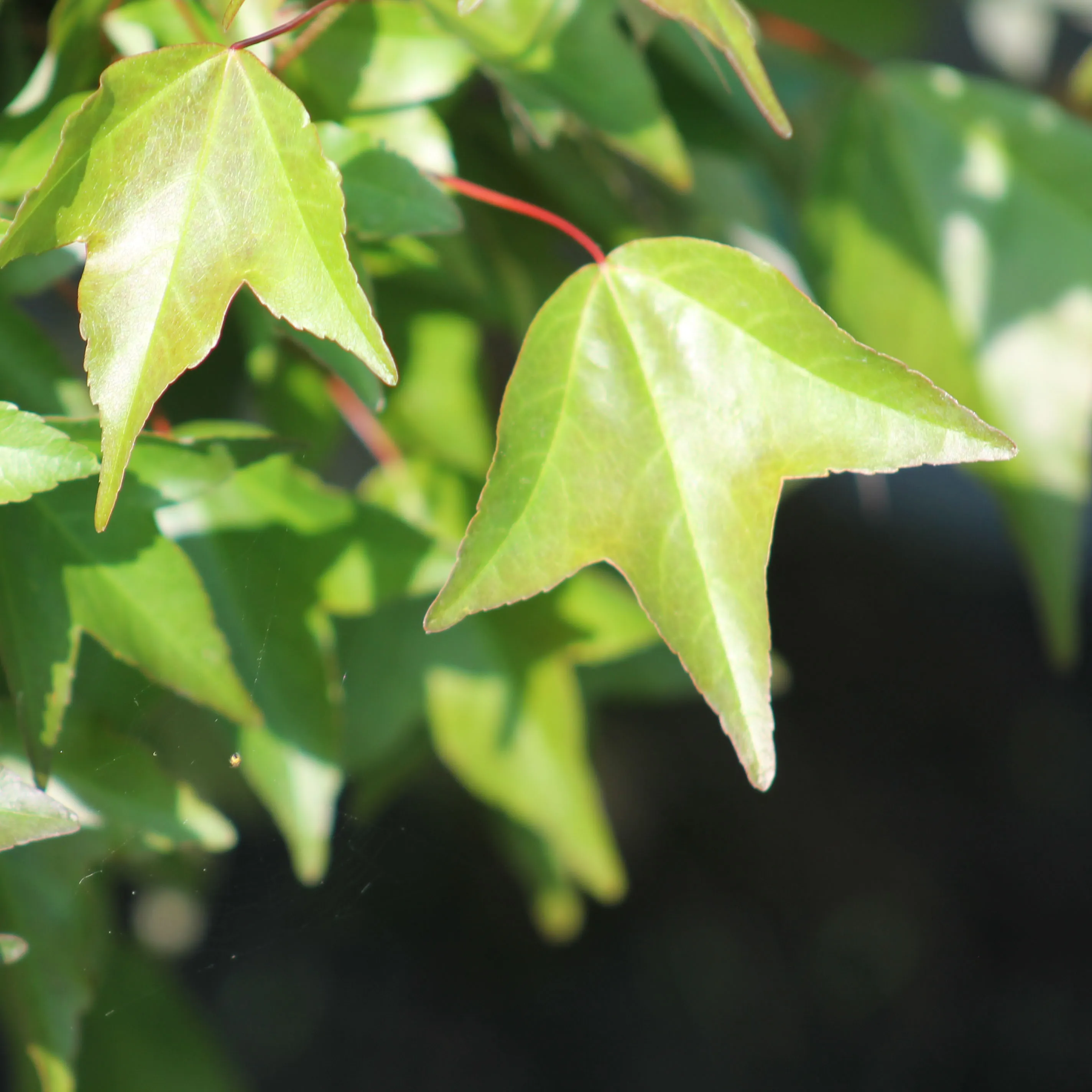
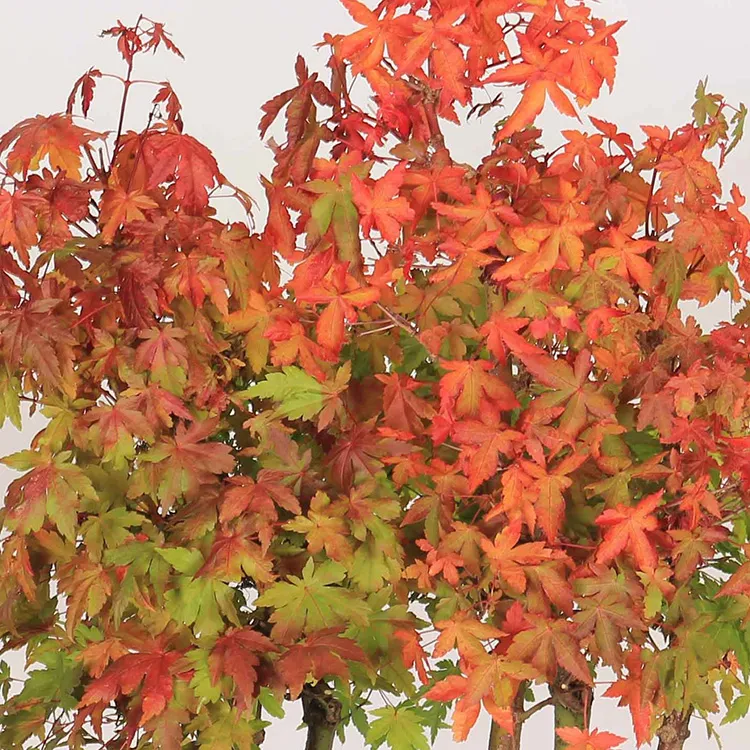
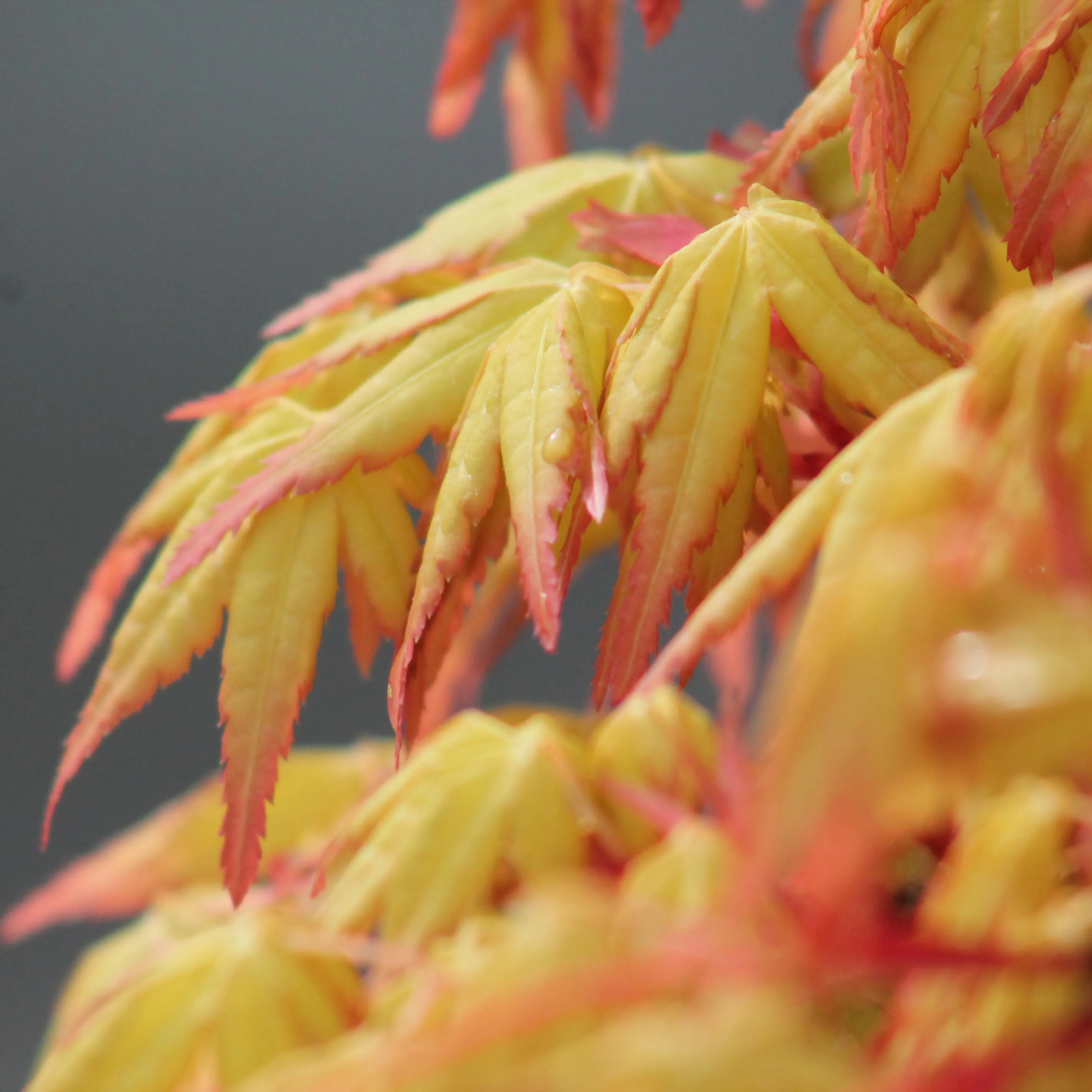
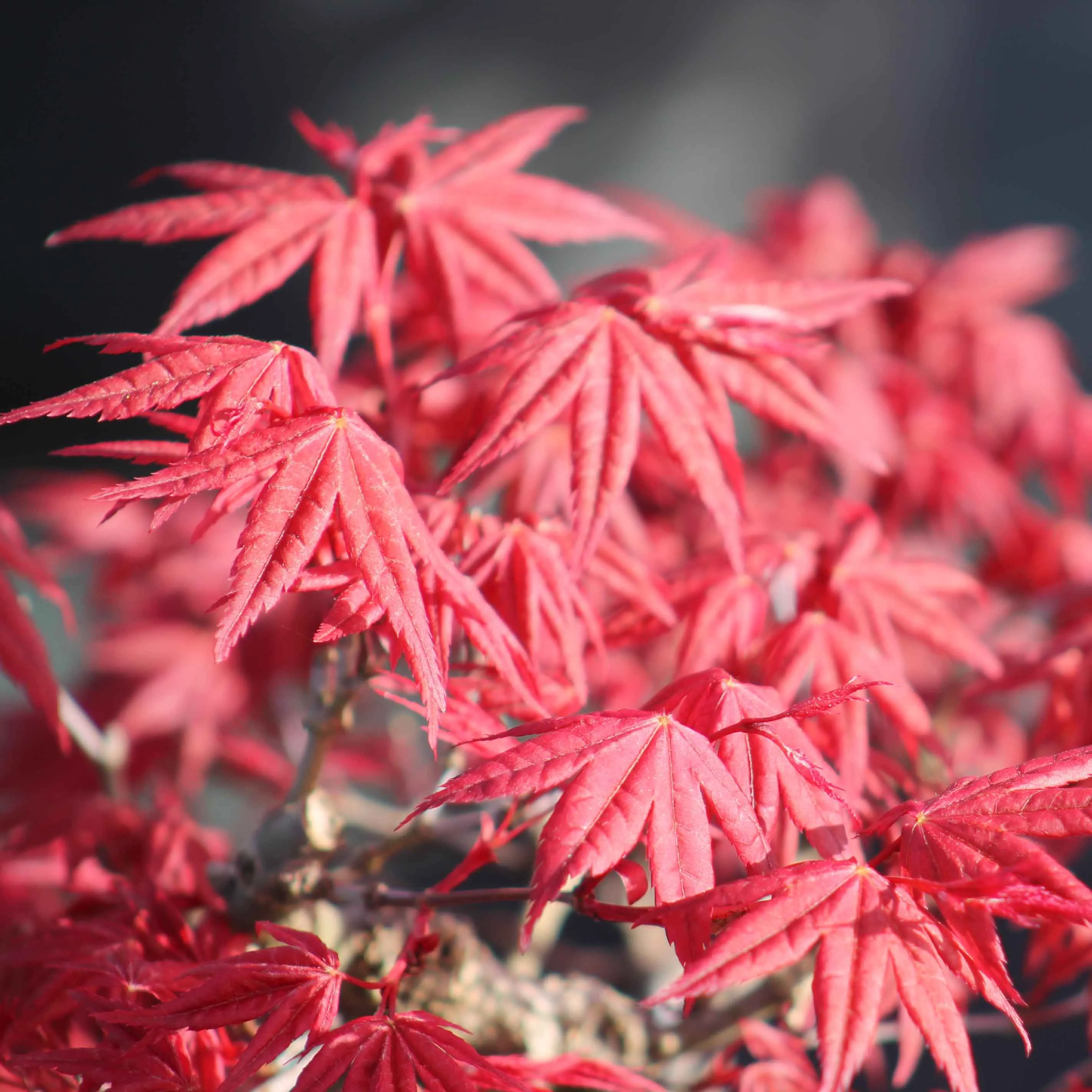
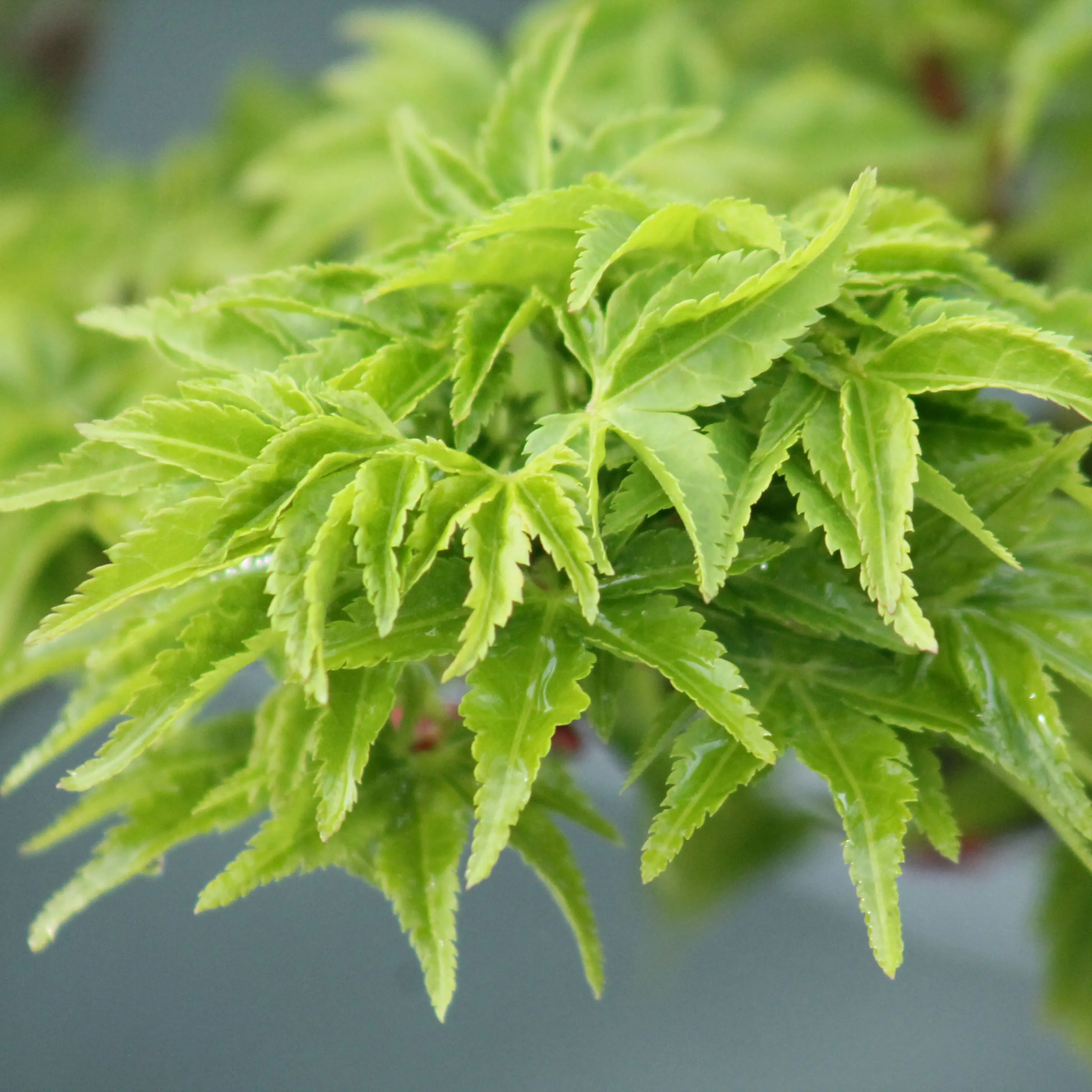
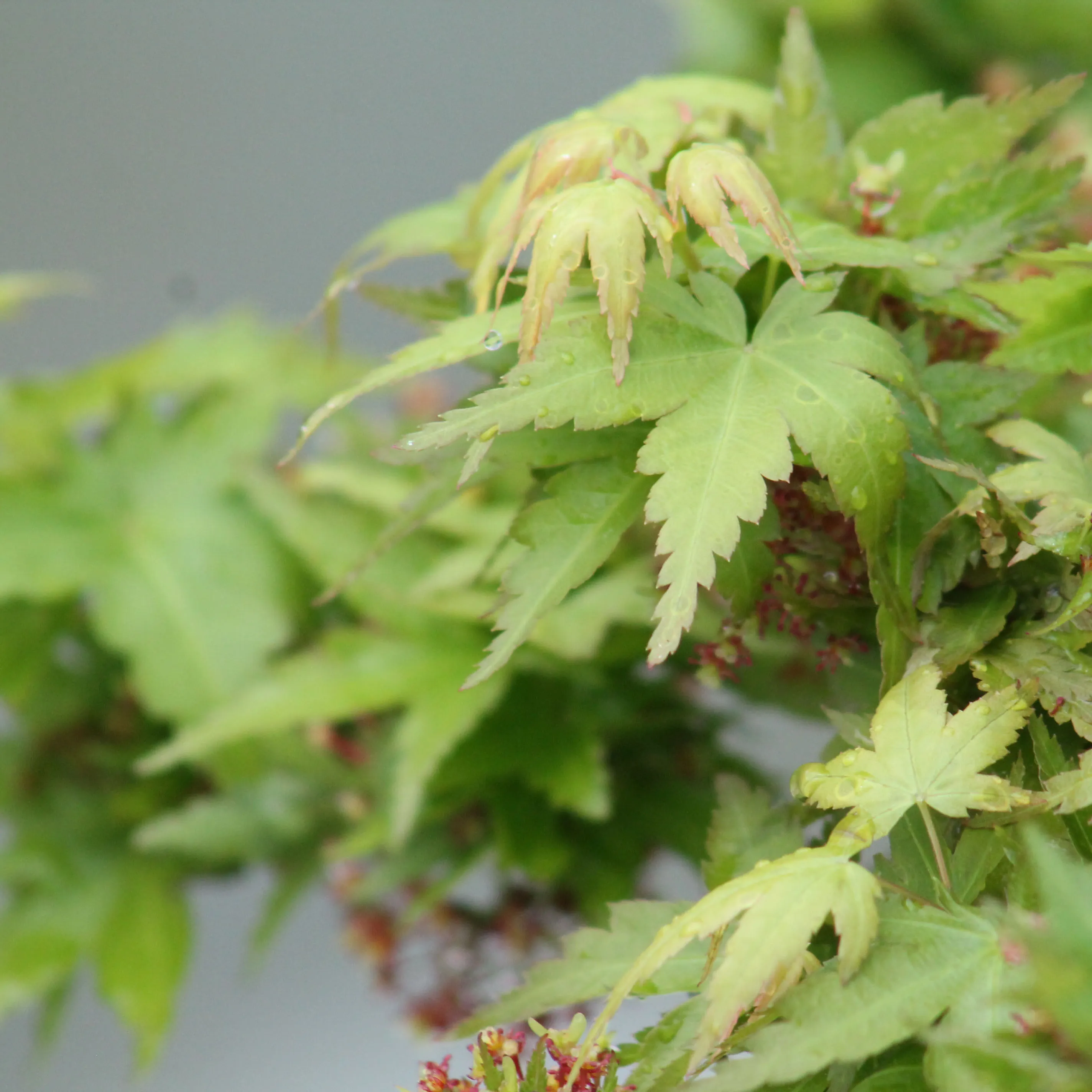
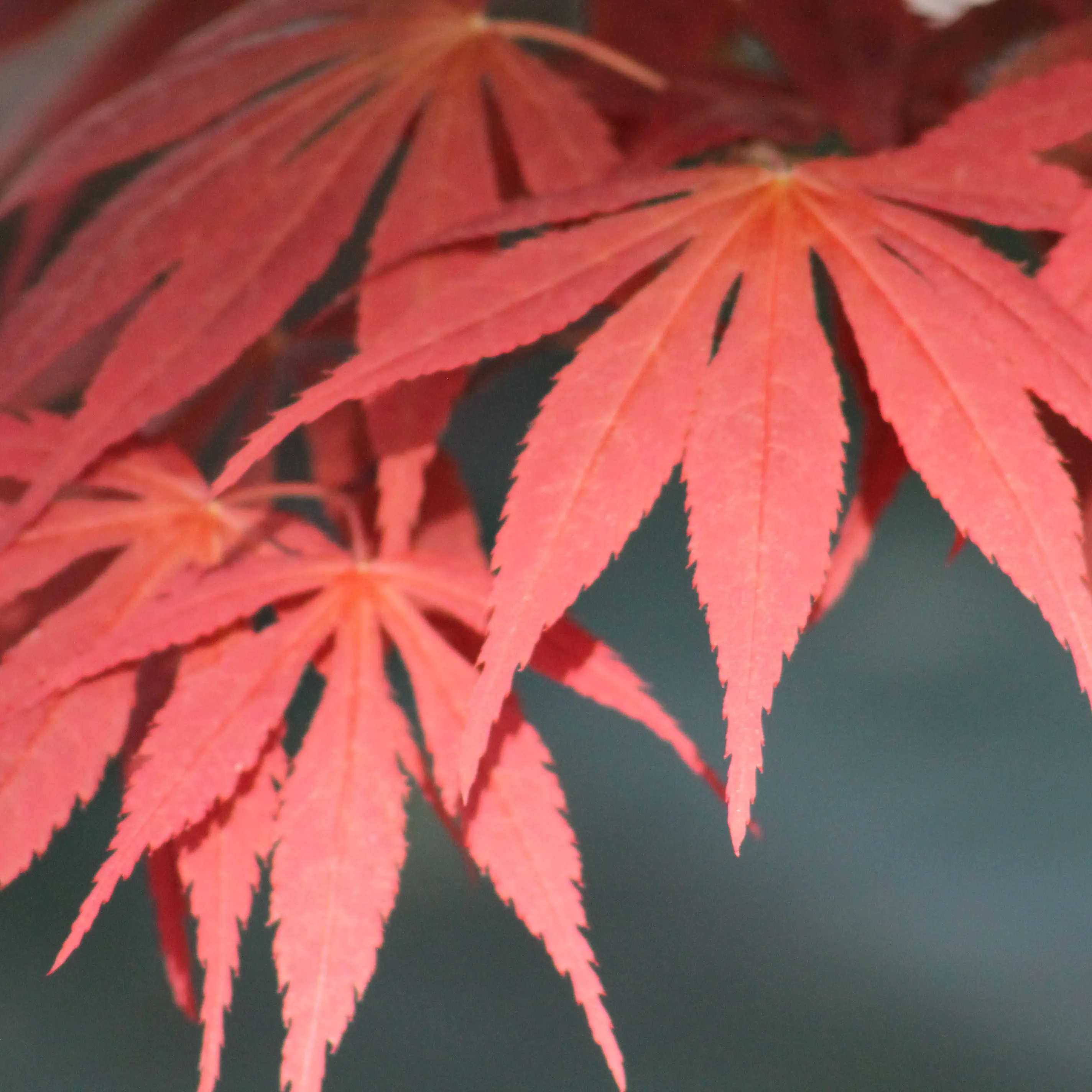
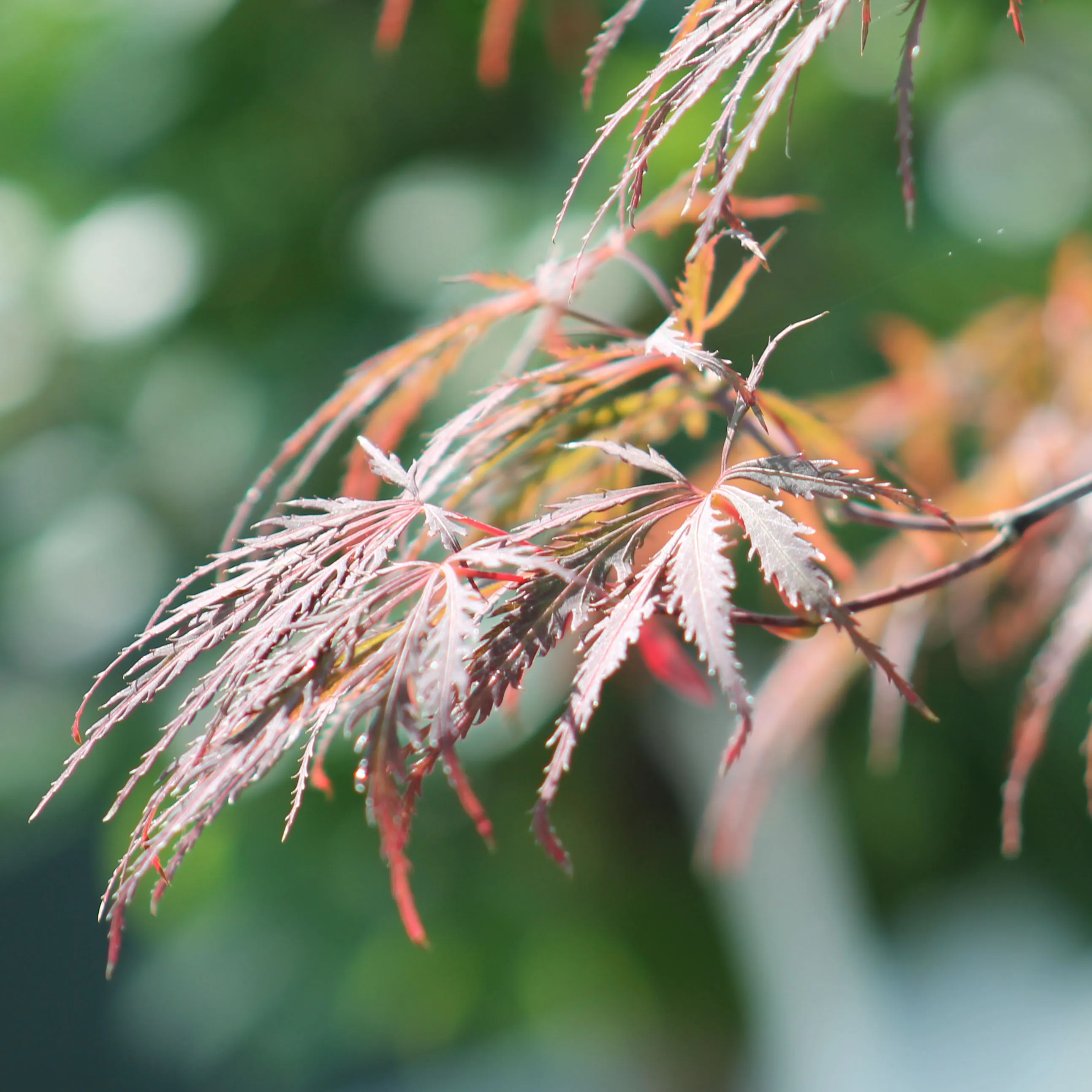
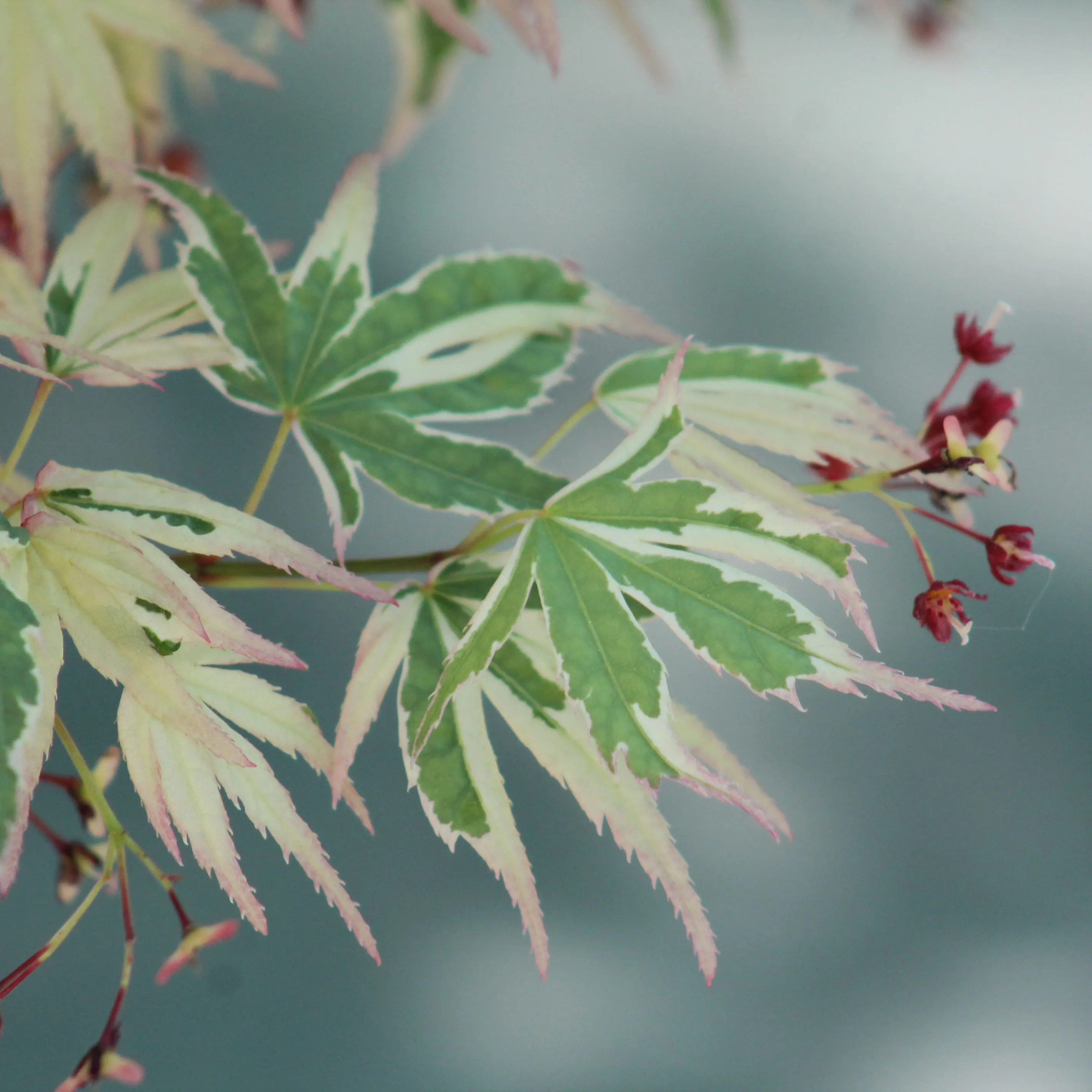
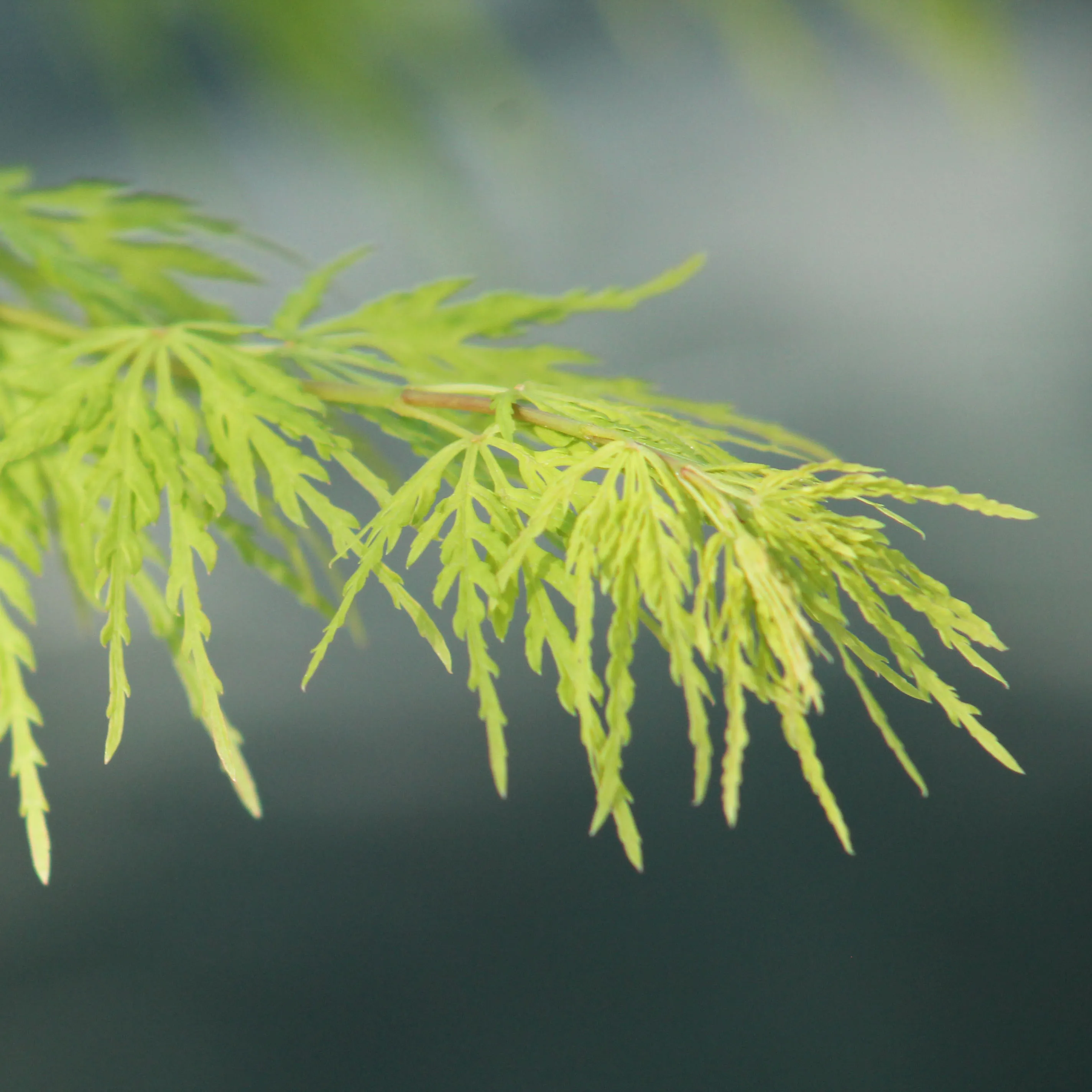
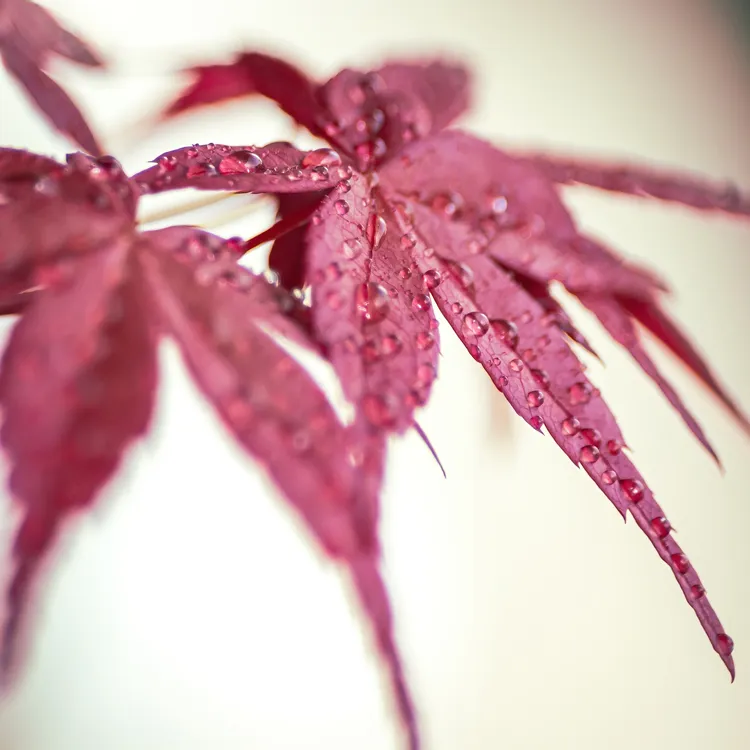
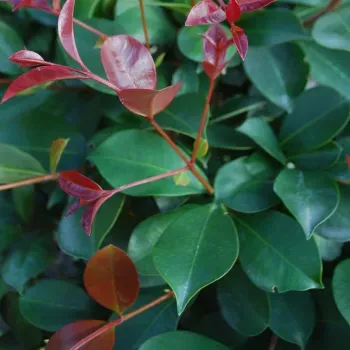






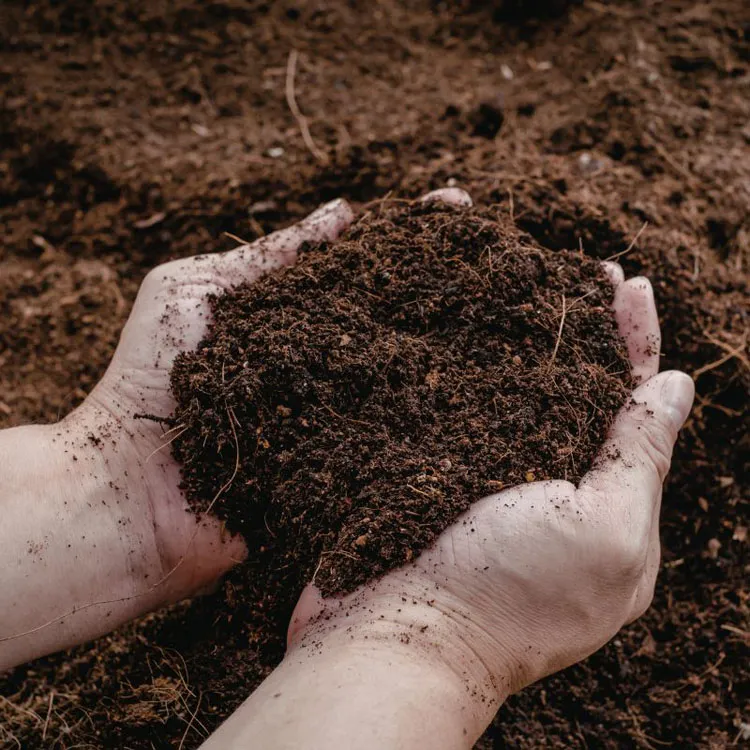
Place it outside all year round in alternating sun and shade, away from cold or drying winds. Sacred bamboo is suitable for all climates thanks to its hardiness. If the climate is too windy or too cold (below -12°C), protect it by wrapping the pot with wintering fabric or glass wool to protect its roots from frost.
Bloc lien header
 English
en
English
en

Bonsai
Nandina "bambou sacre" 2-11
Data sheet
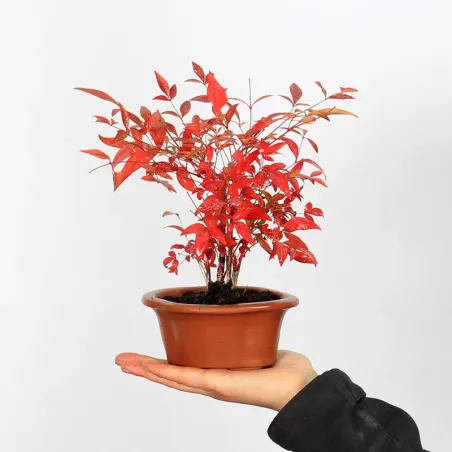
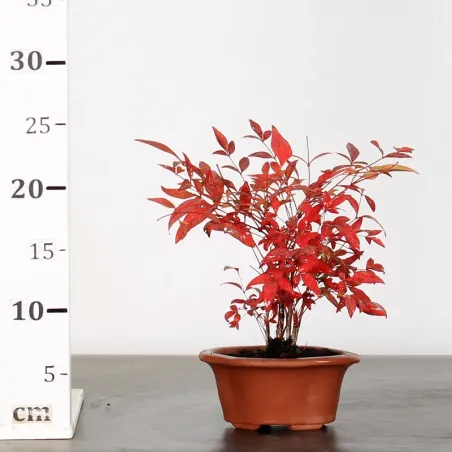
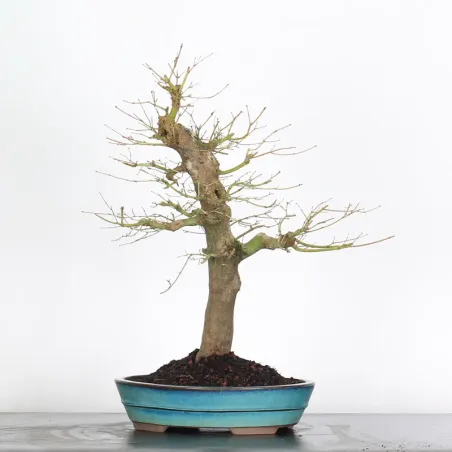
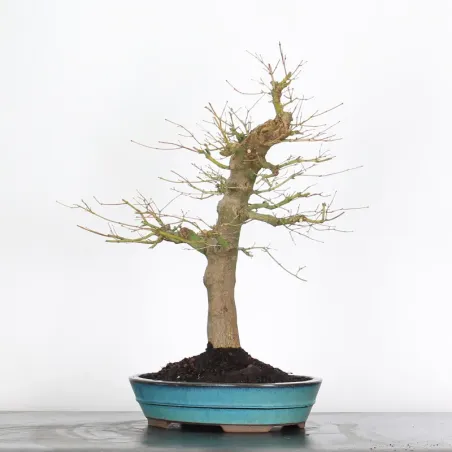
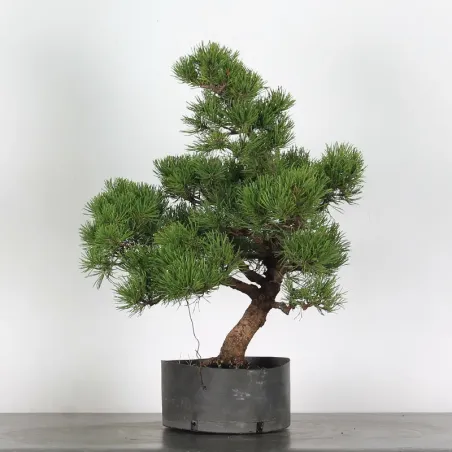
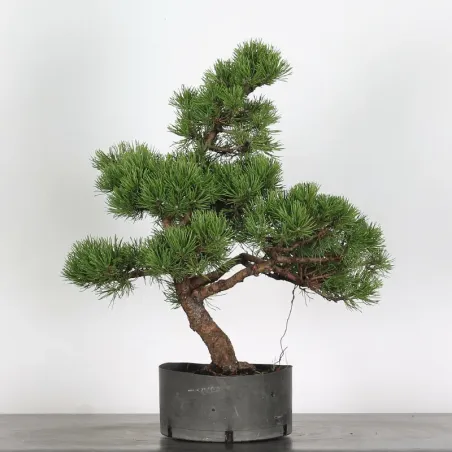
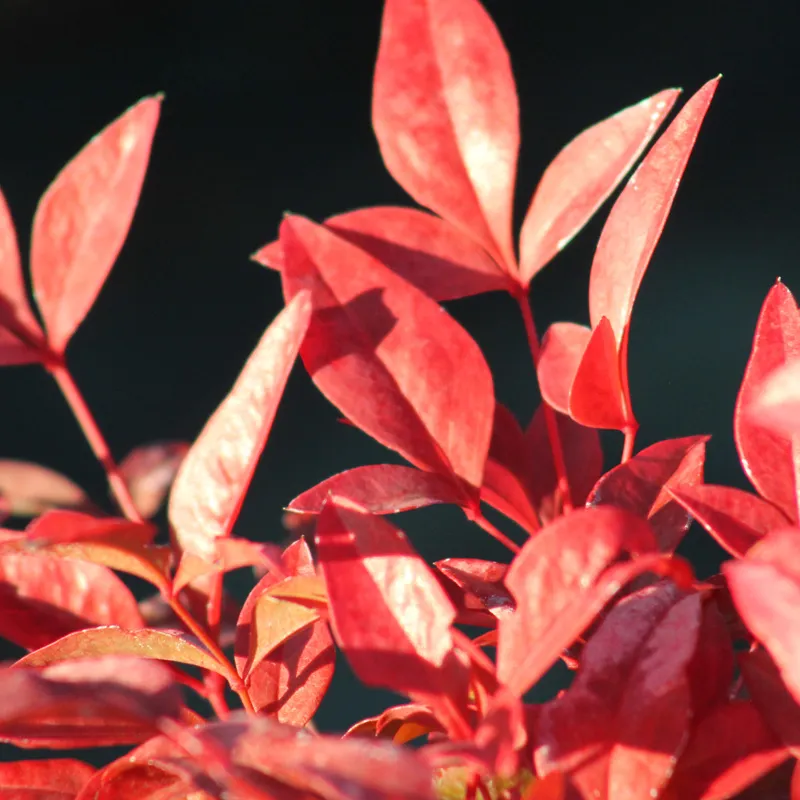
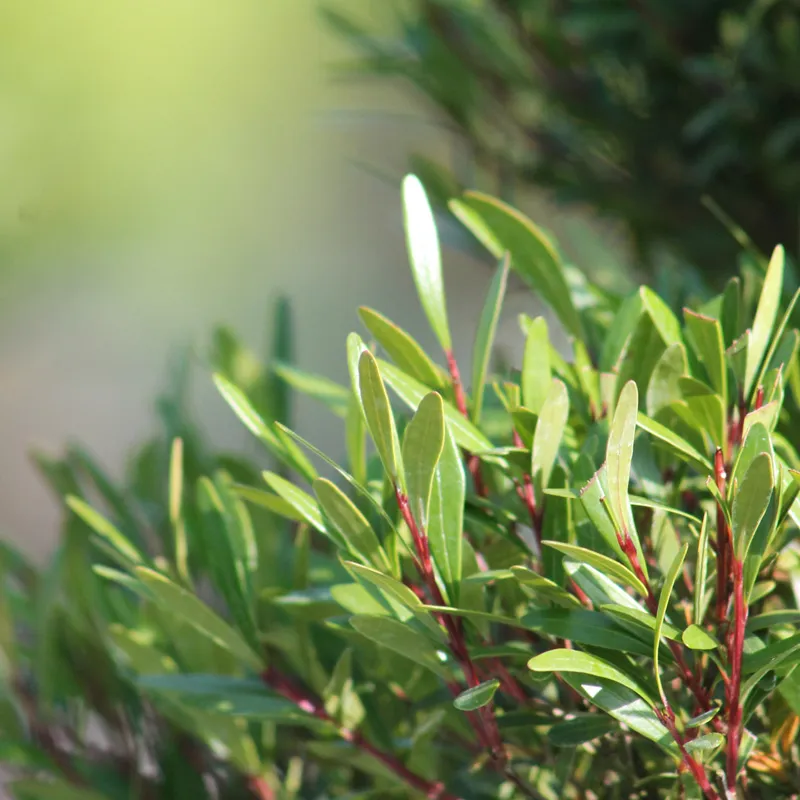
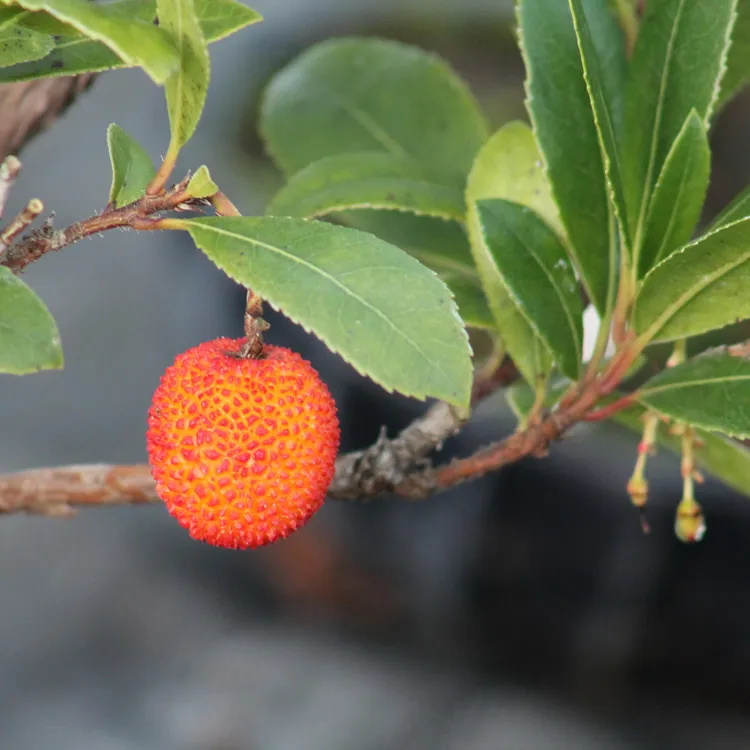
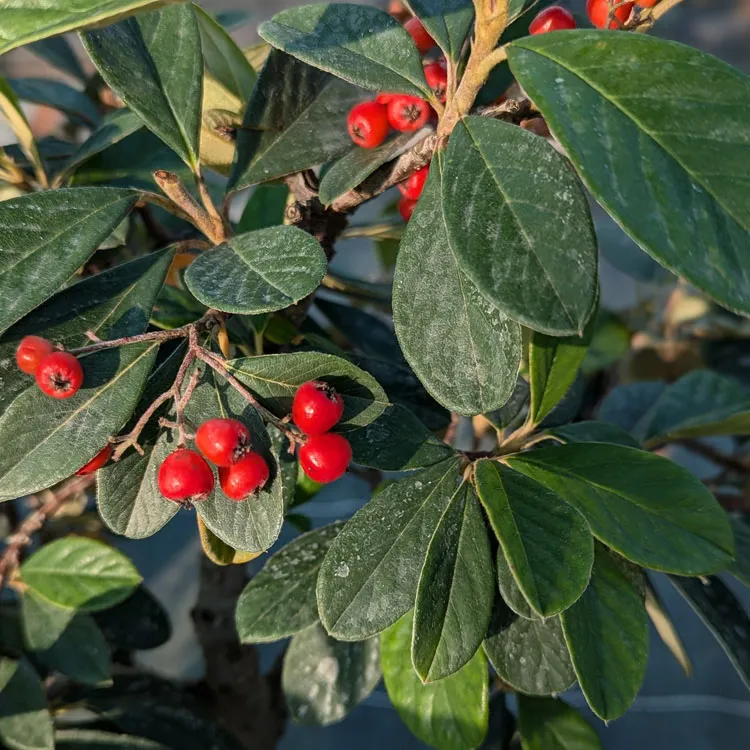
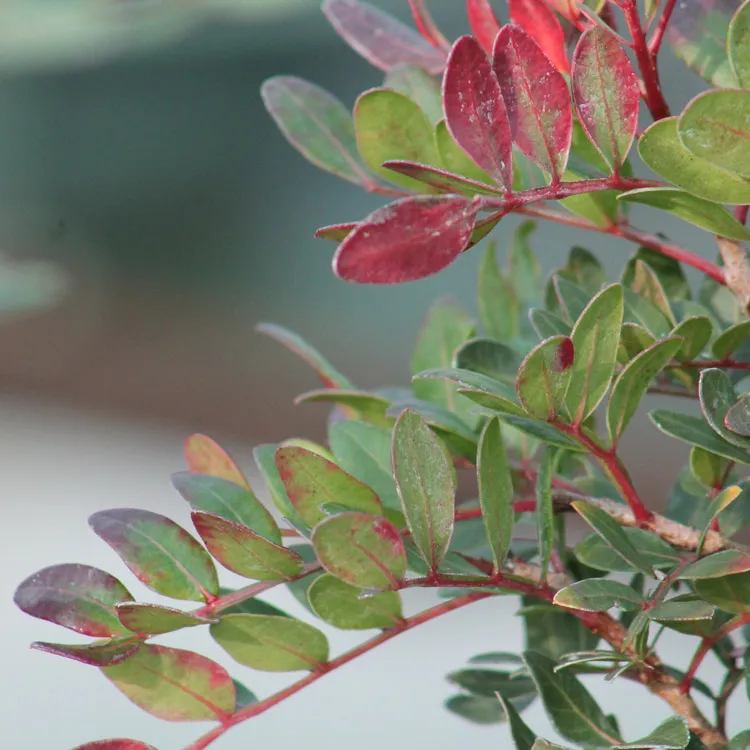
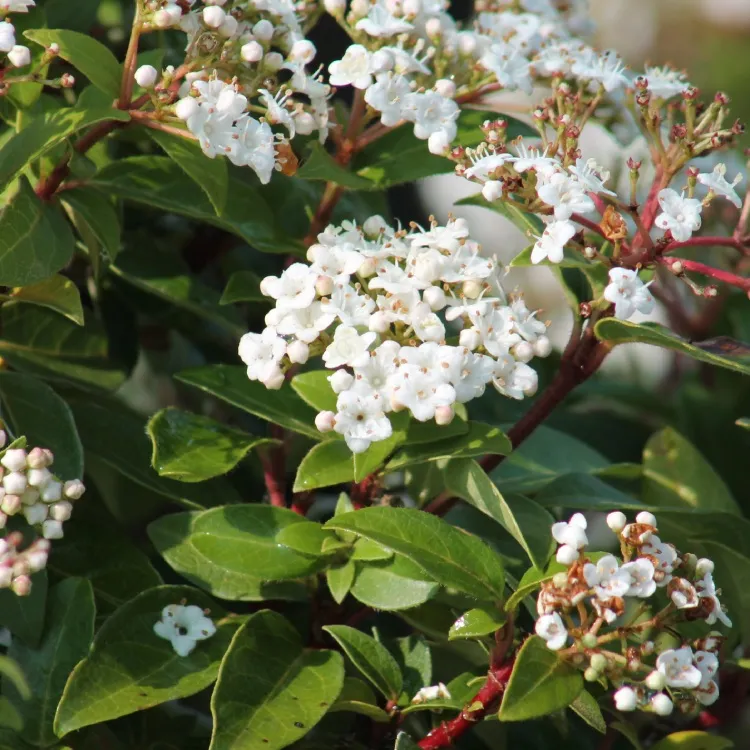
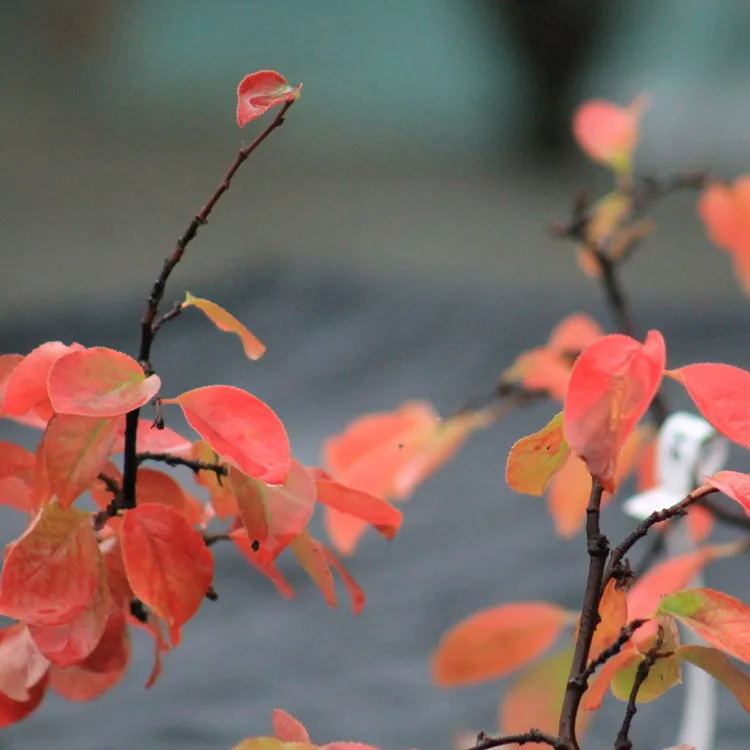
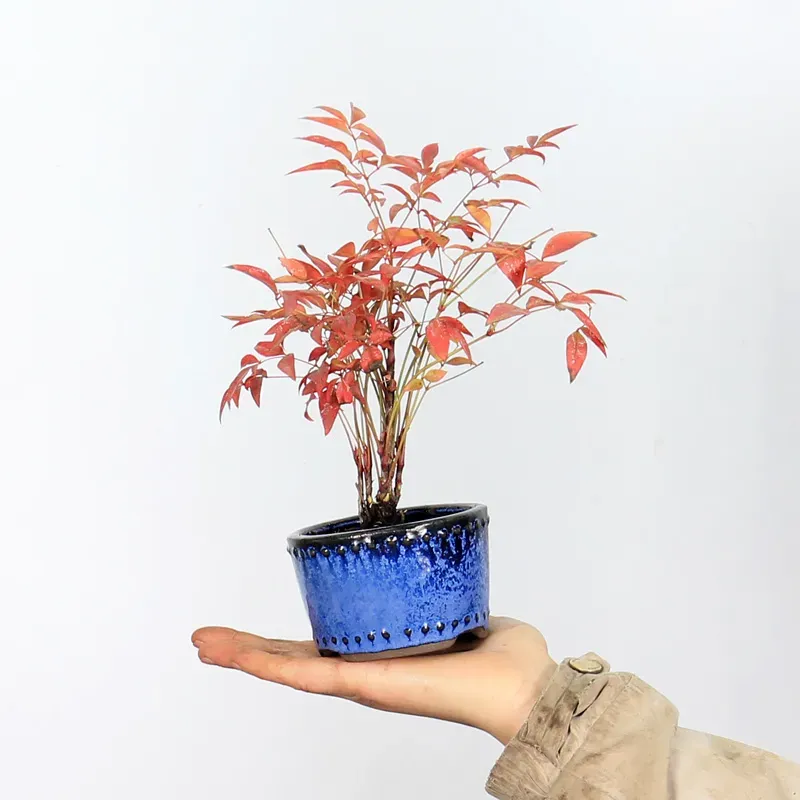
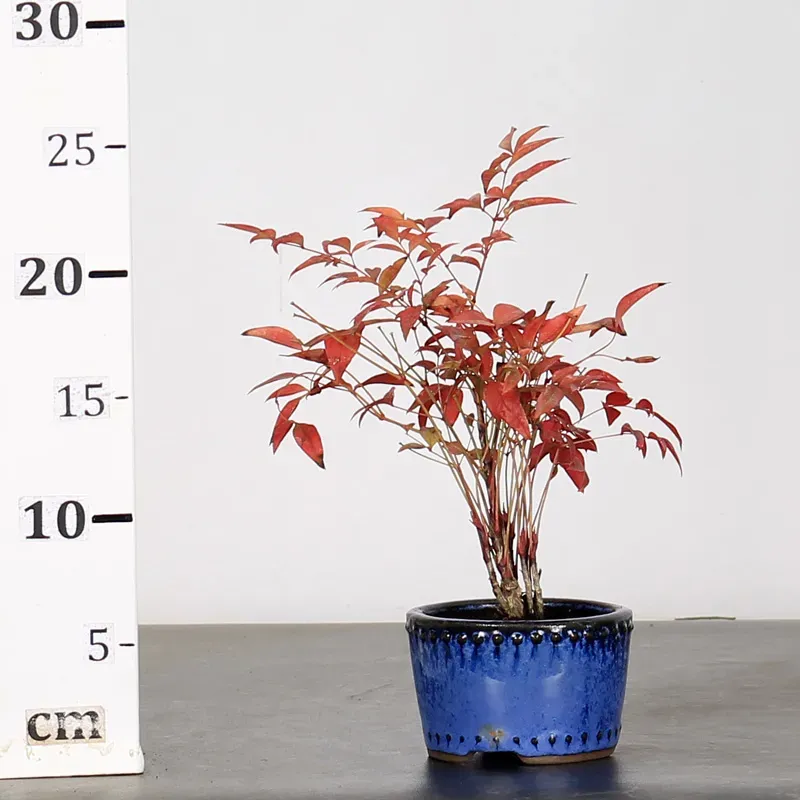
The Nandina bonsai, or sacred bamboo, is an upright tree with light, tall foliage. Its stiff stems resemble those of bamboo, and its leaves turn reddish in winter, dark green in summer, and purple again in autumn. This bonsai flowers in summer, but the blooms are inconspicuous. Its unremarkable white clusters, 20-30 cm long, give way in autumn to clusters of very decorative, drooping red berries.
Its name, Nandina, comes from a corruption of its Japanese name: nanten. The term "sacred bamboo" recalls the Eastern tradition of planting these shrubs around temples.
- Photos taken in February 2026
Waist
25 cm
Location
Outside
Age
5 years
Foliage
Persistent
Height
Entre 25 et 40 cm
Share
Cultivation Advice