Production of French Bonsai
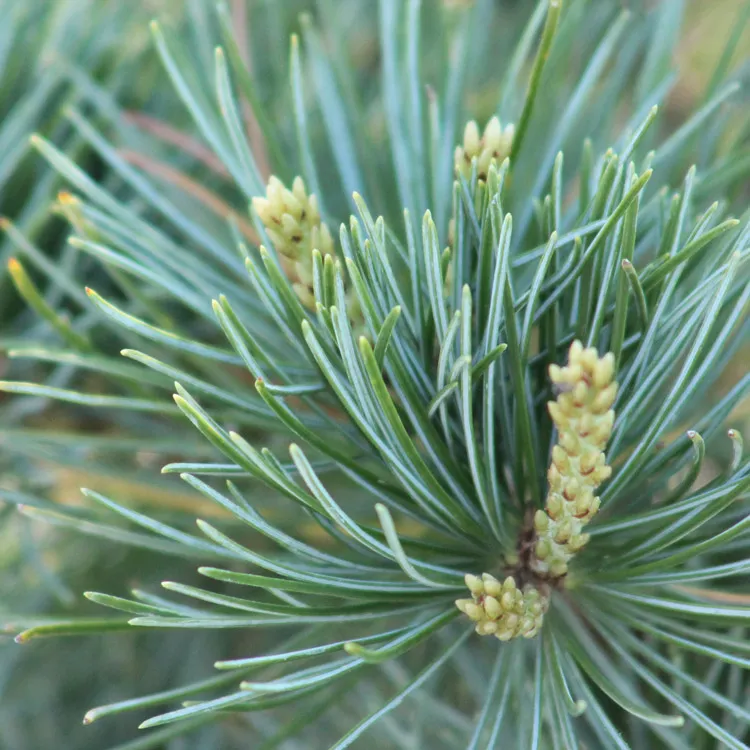
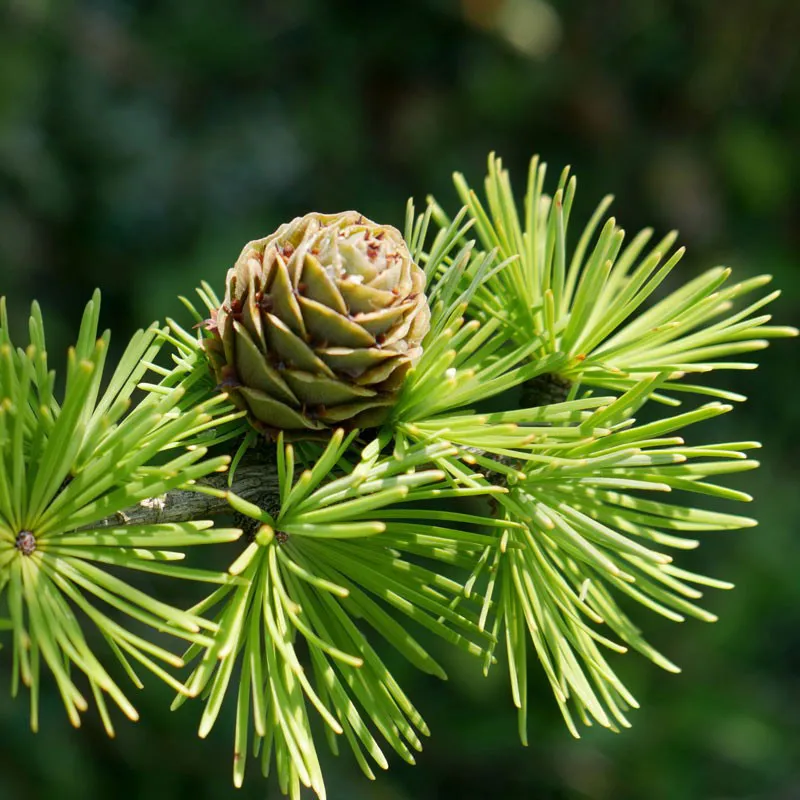
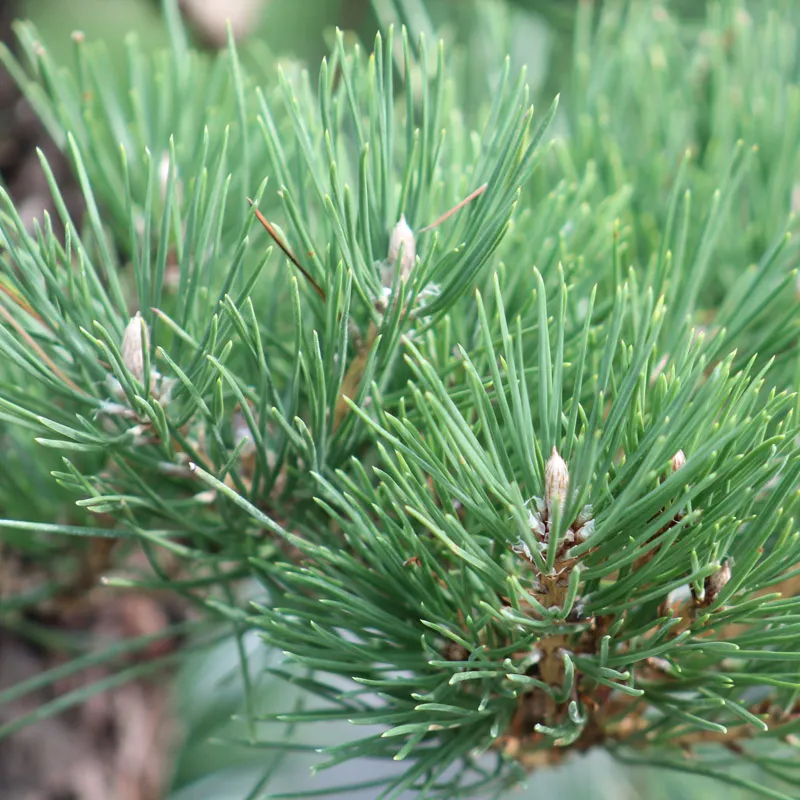
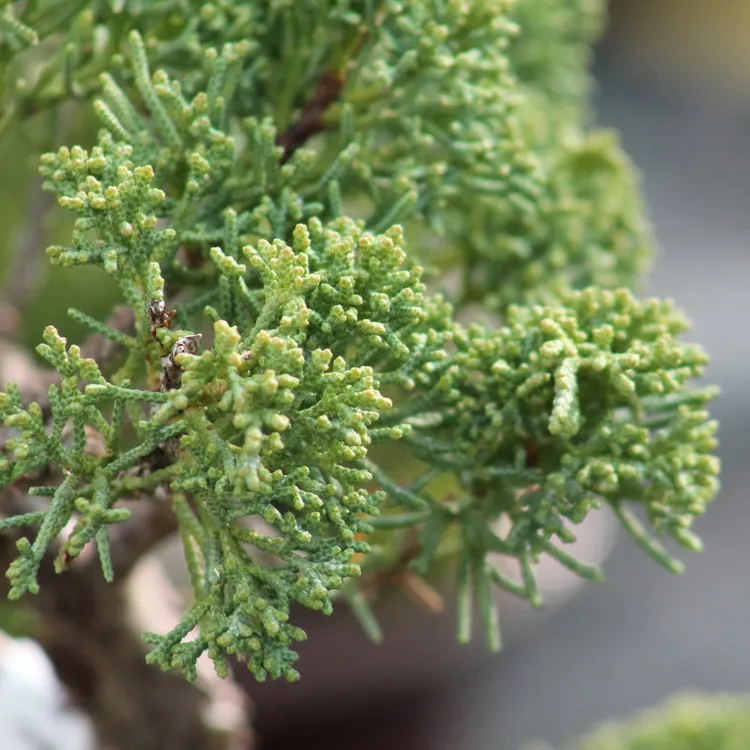
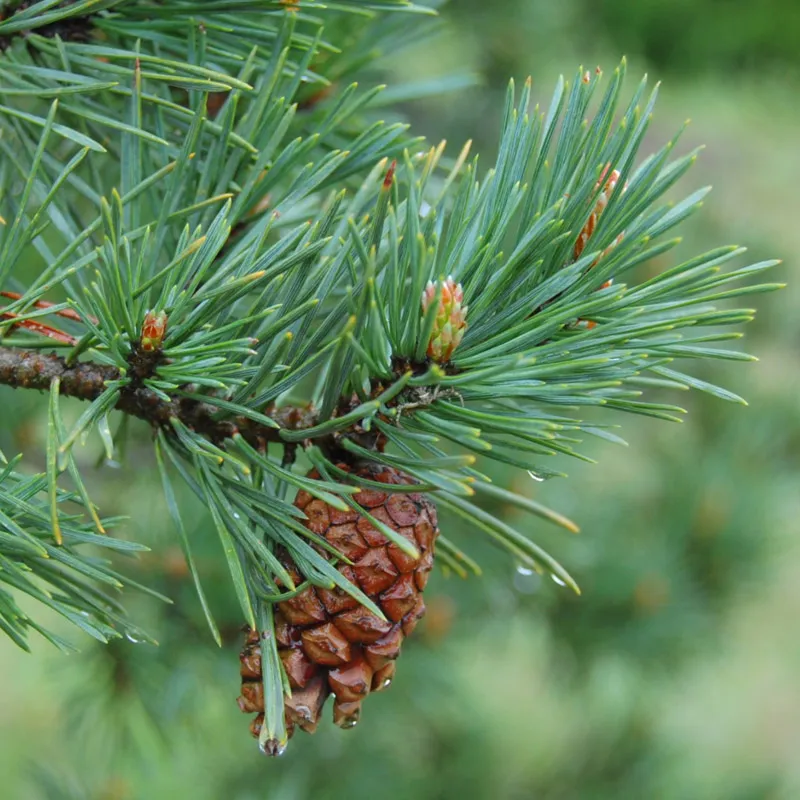
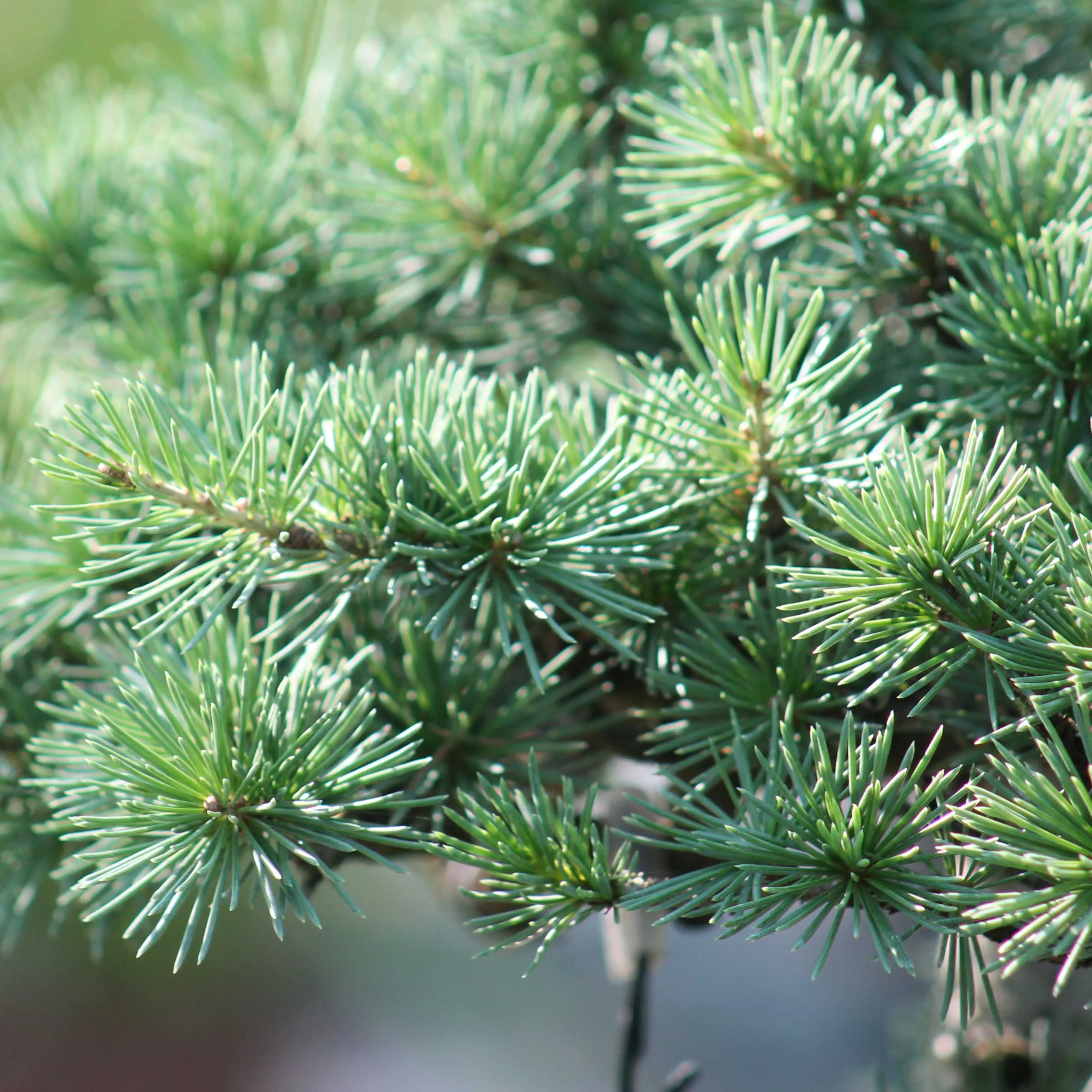
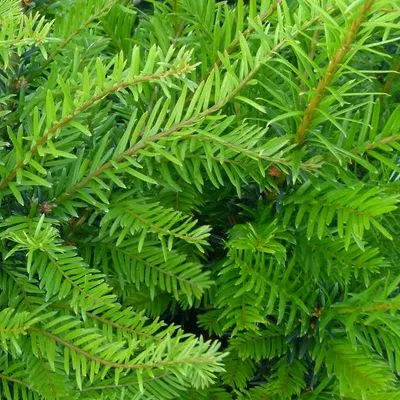
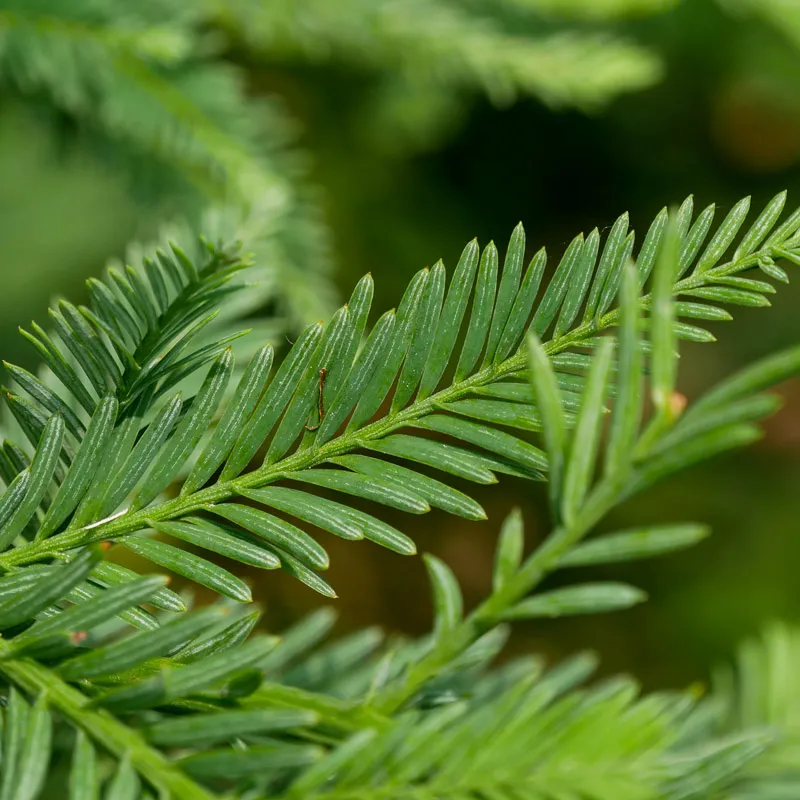
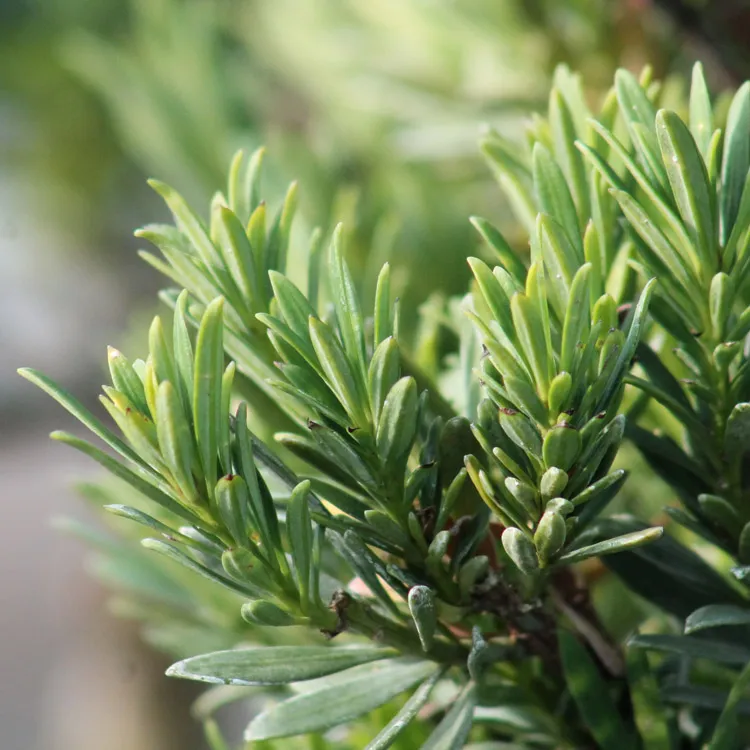
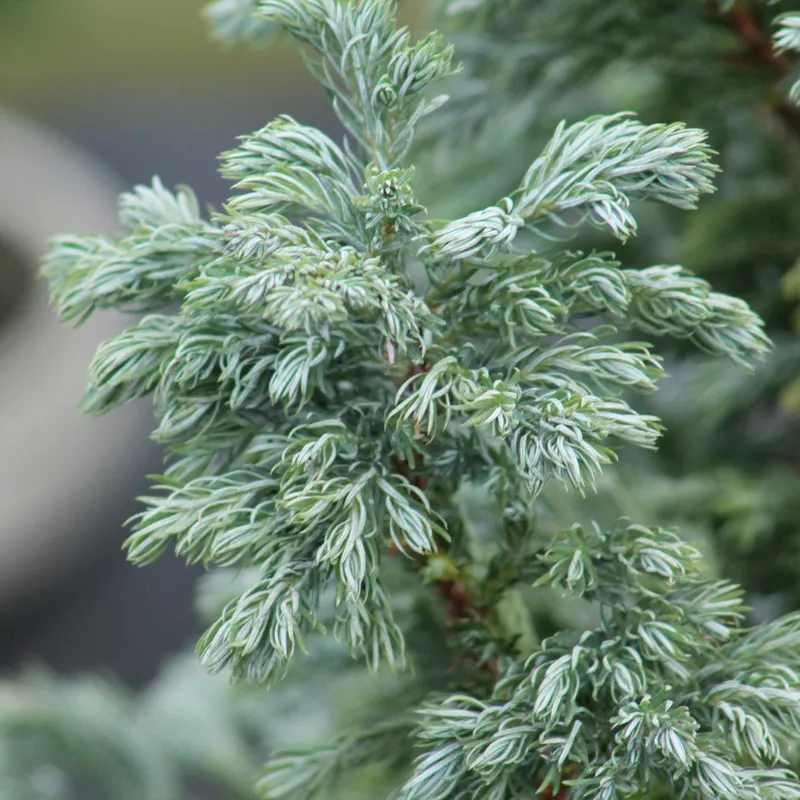
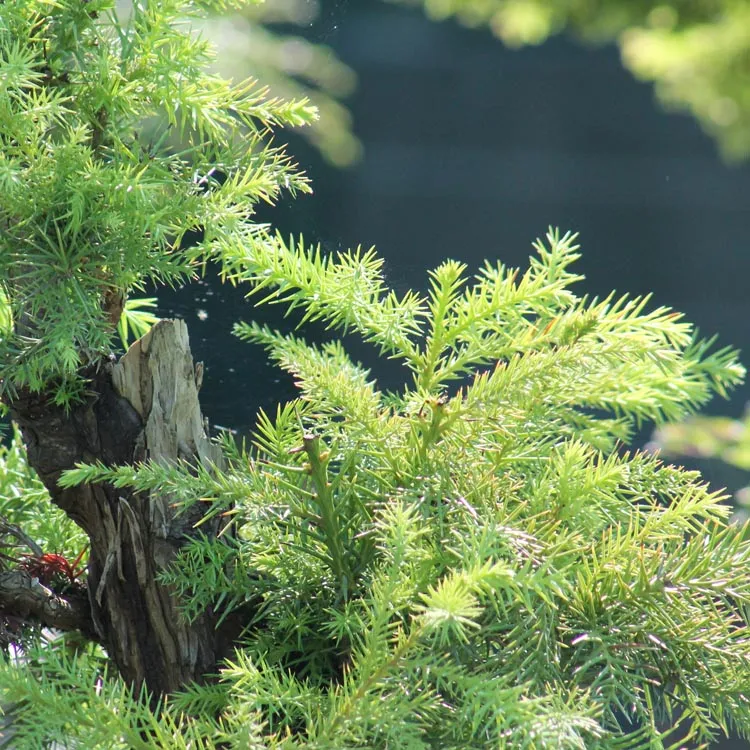
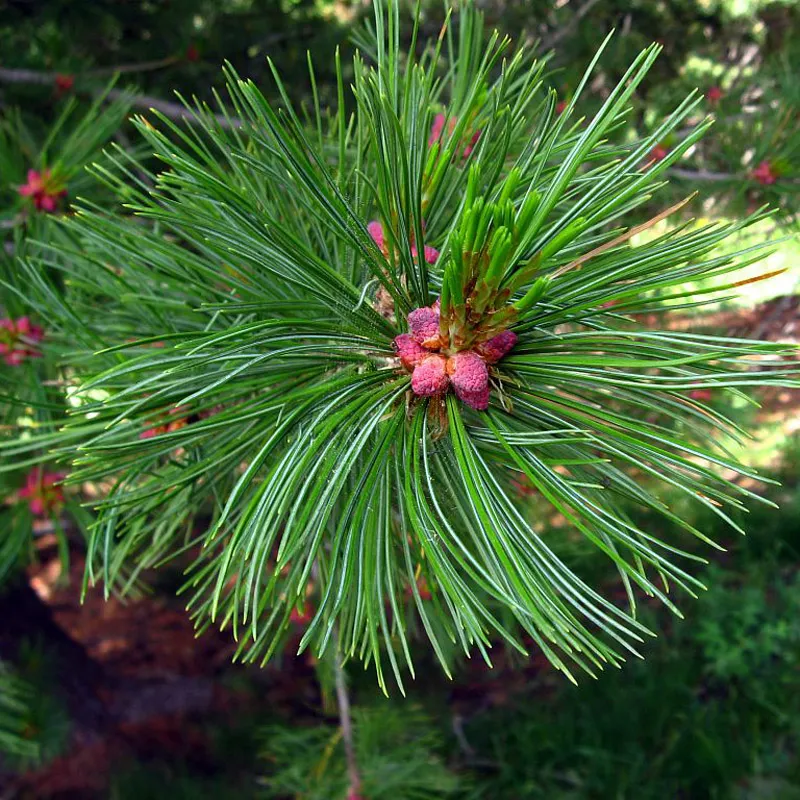
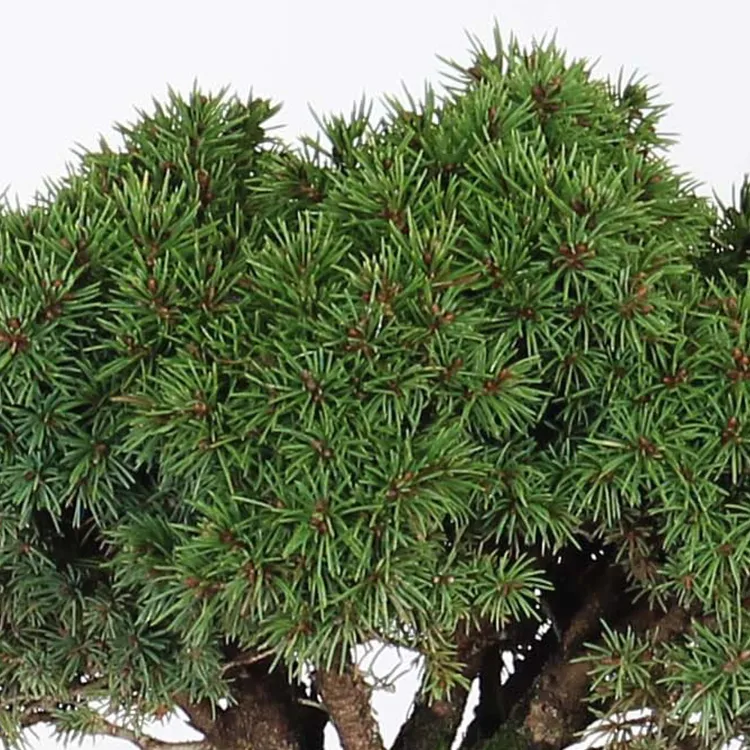
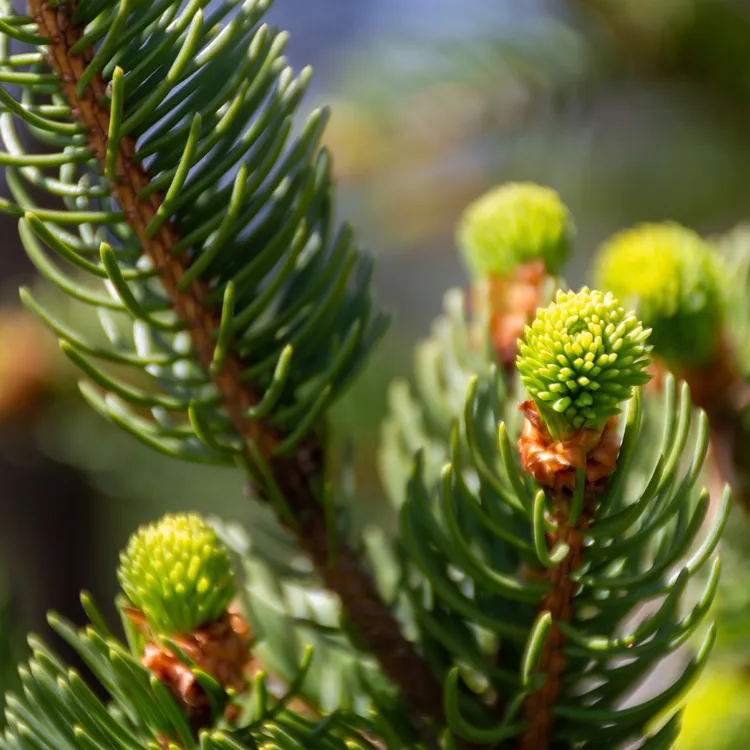
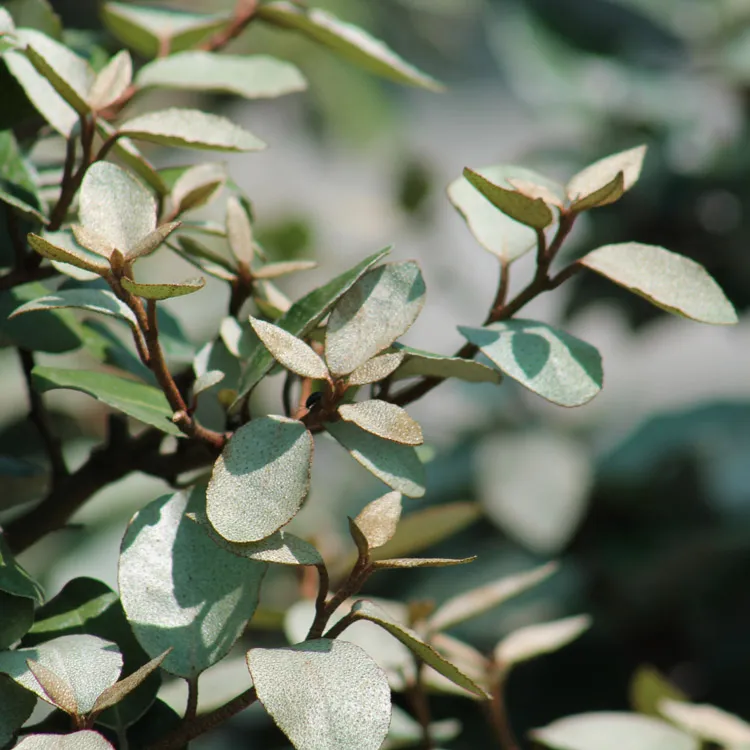
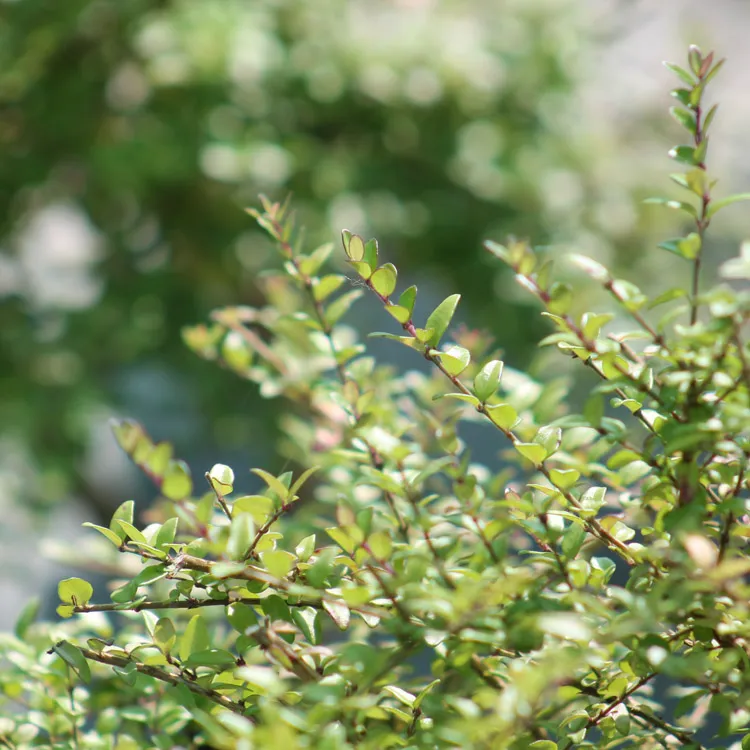
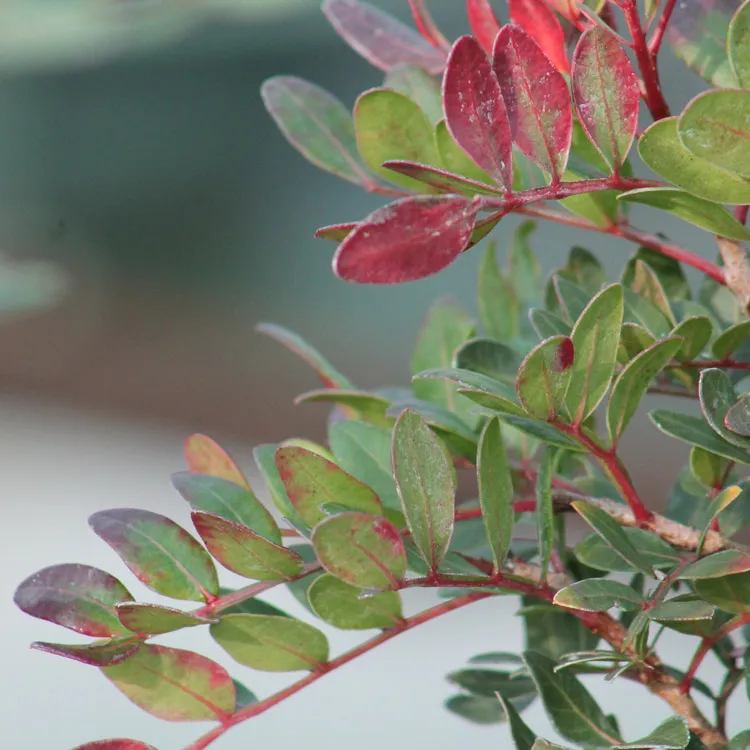
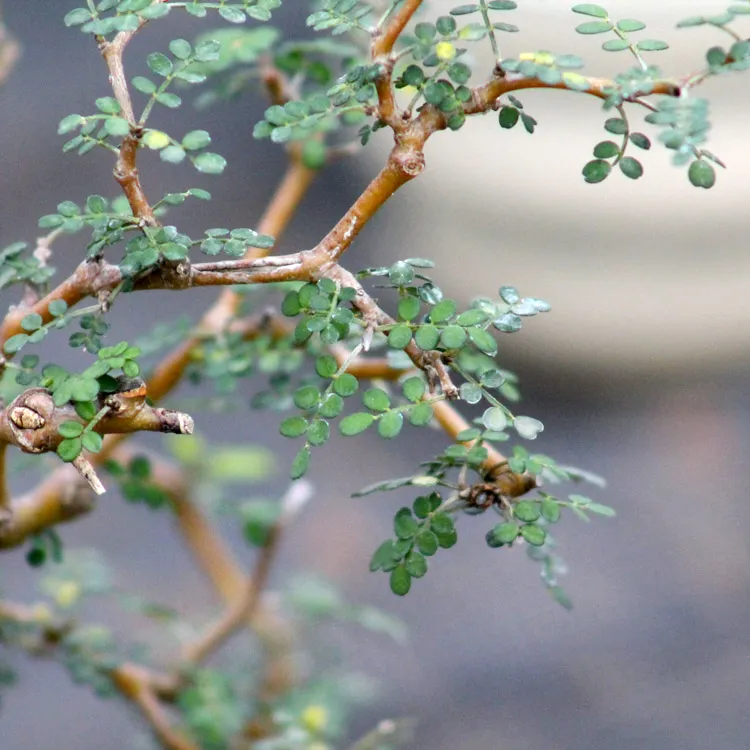
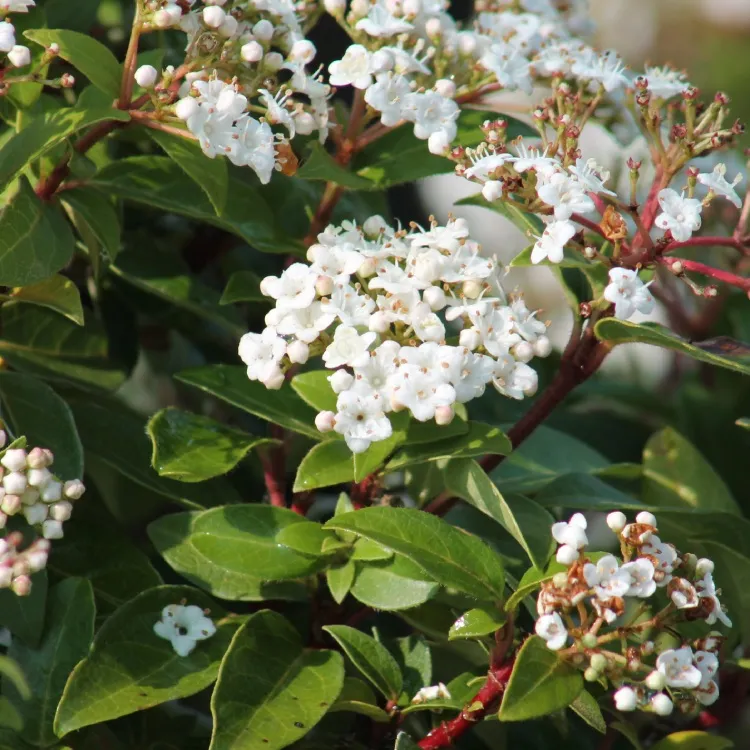
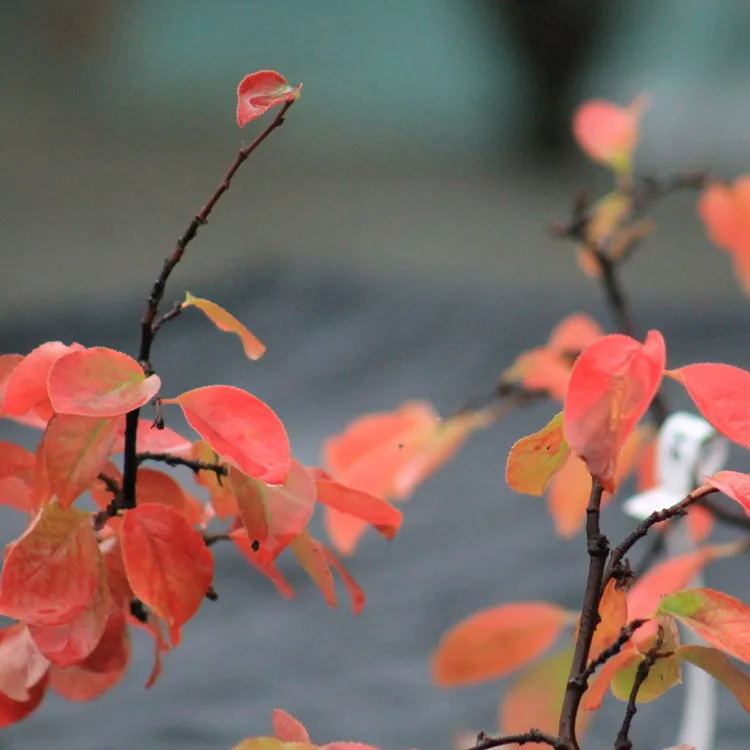
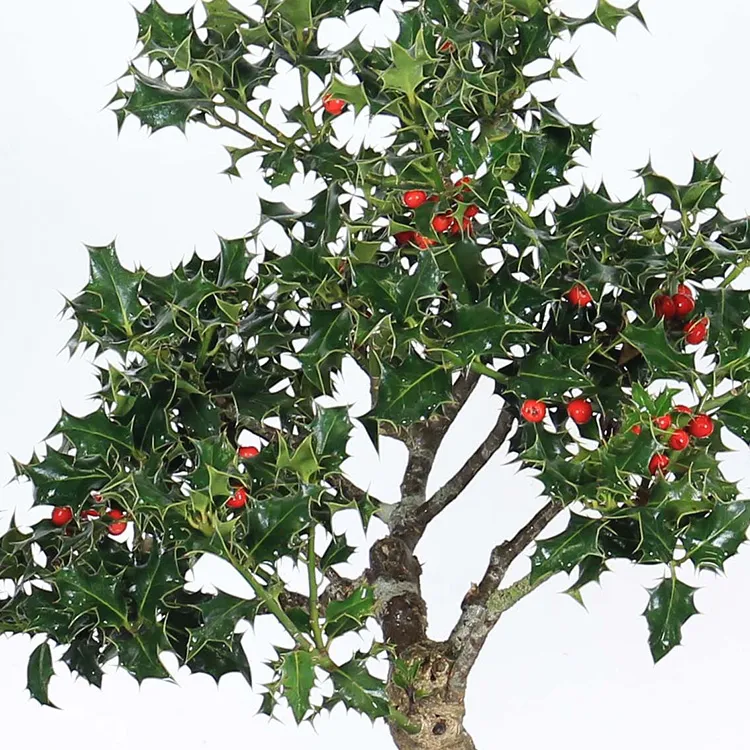
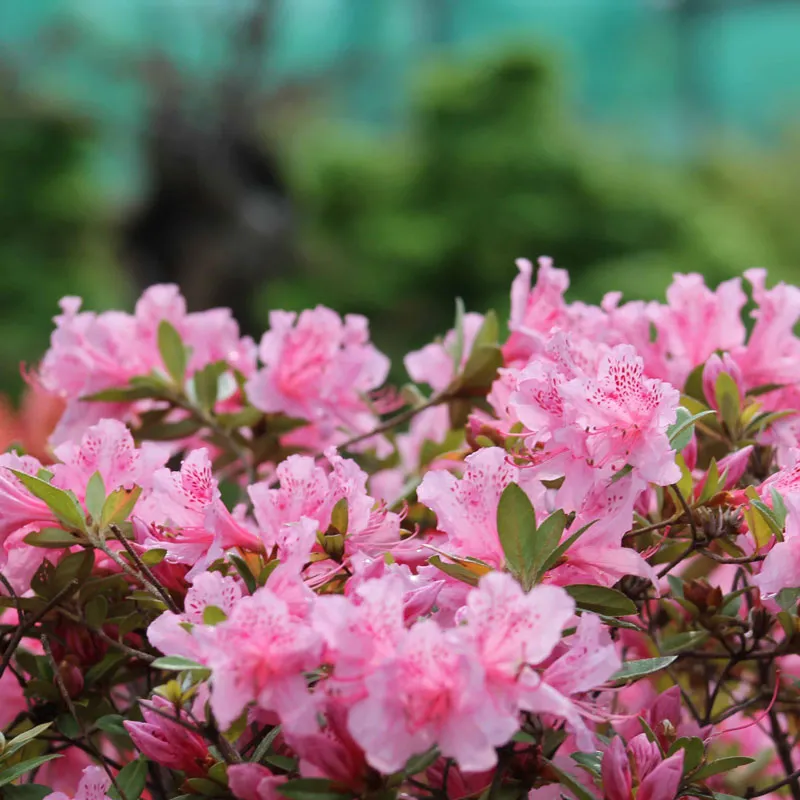
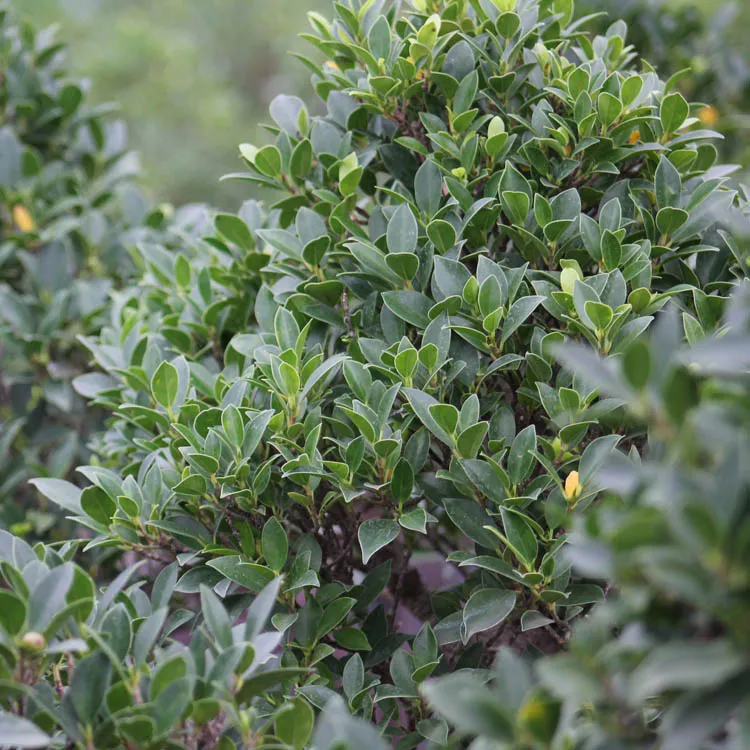
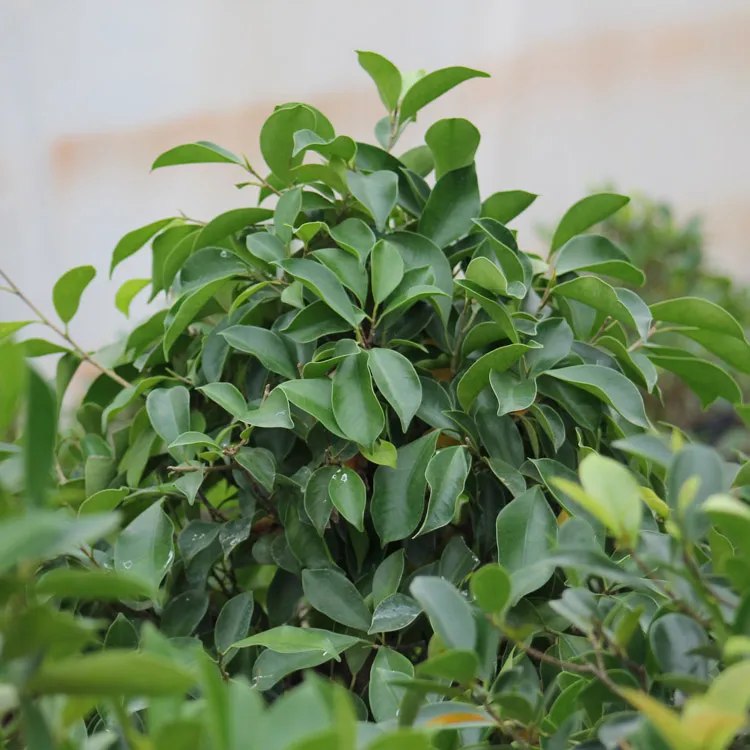
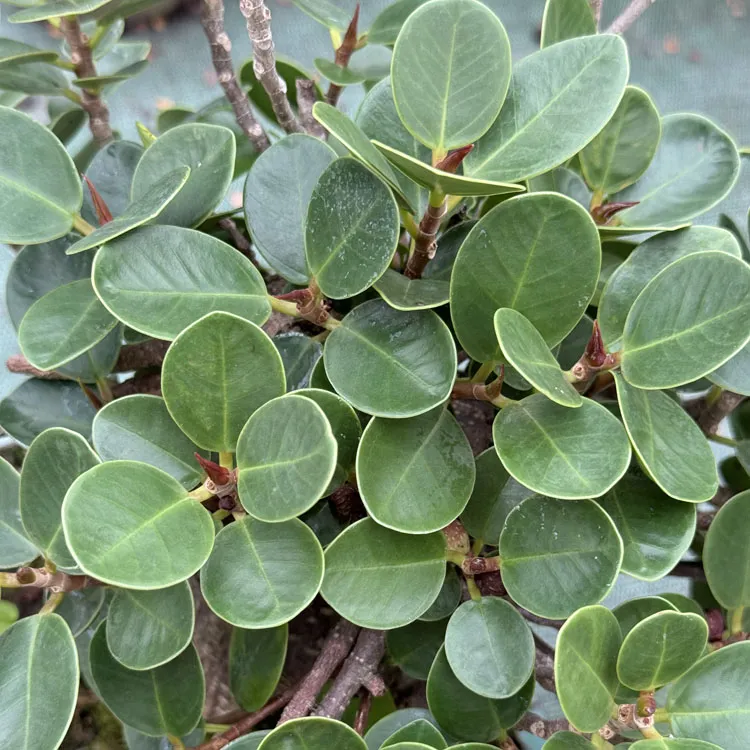
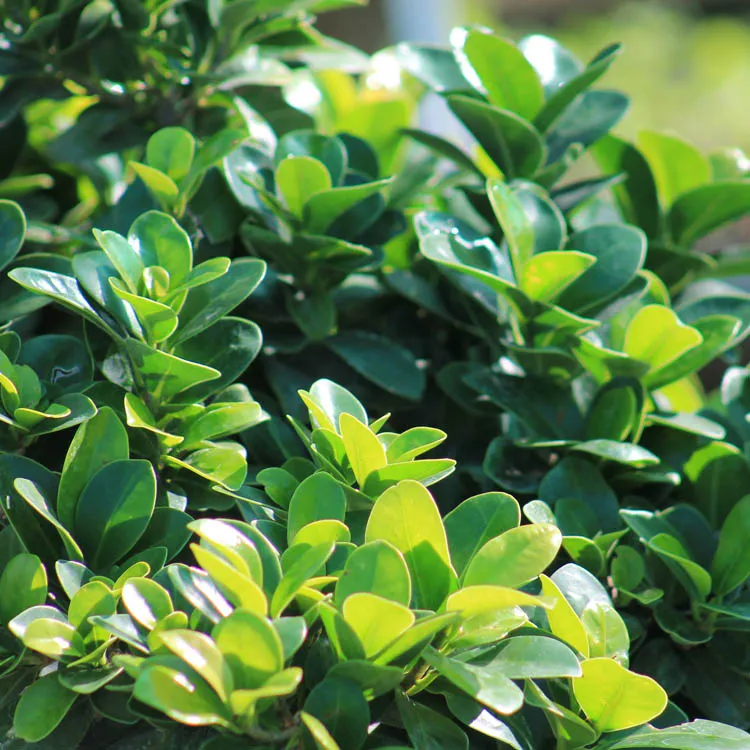
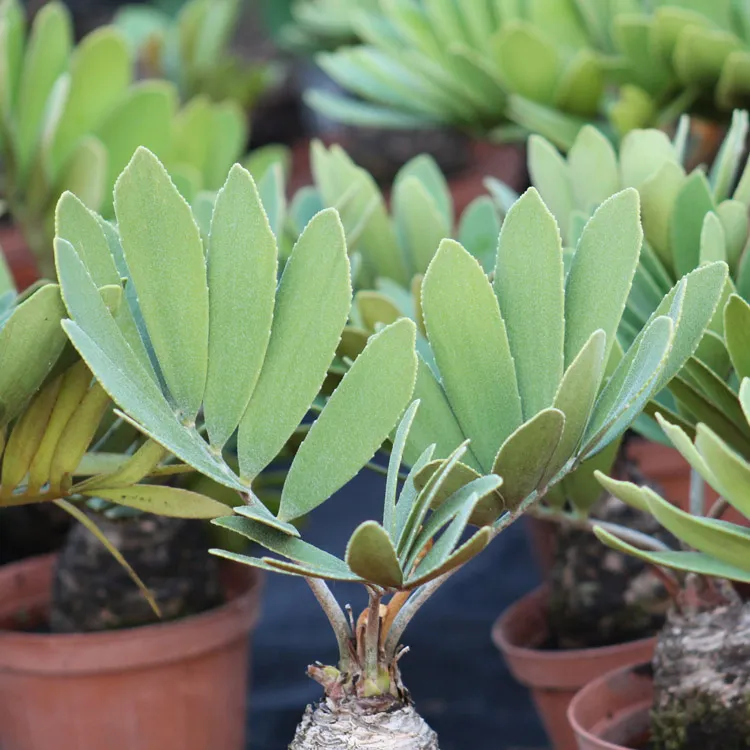
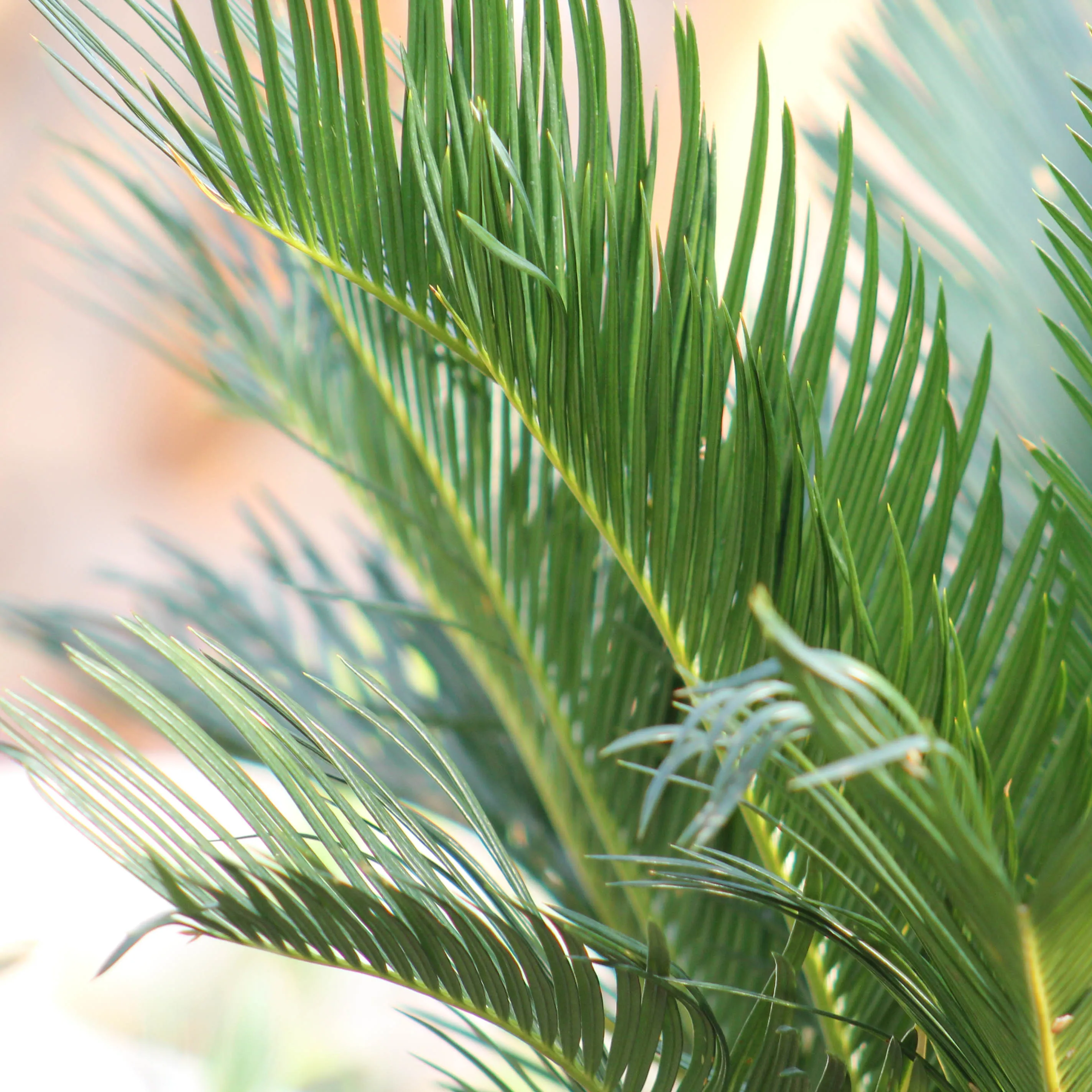
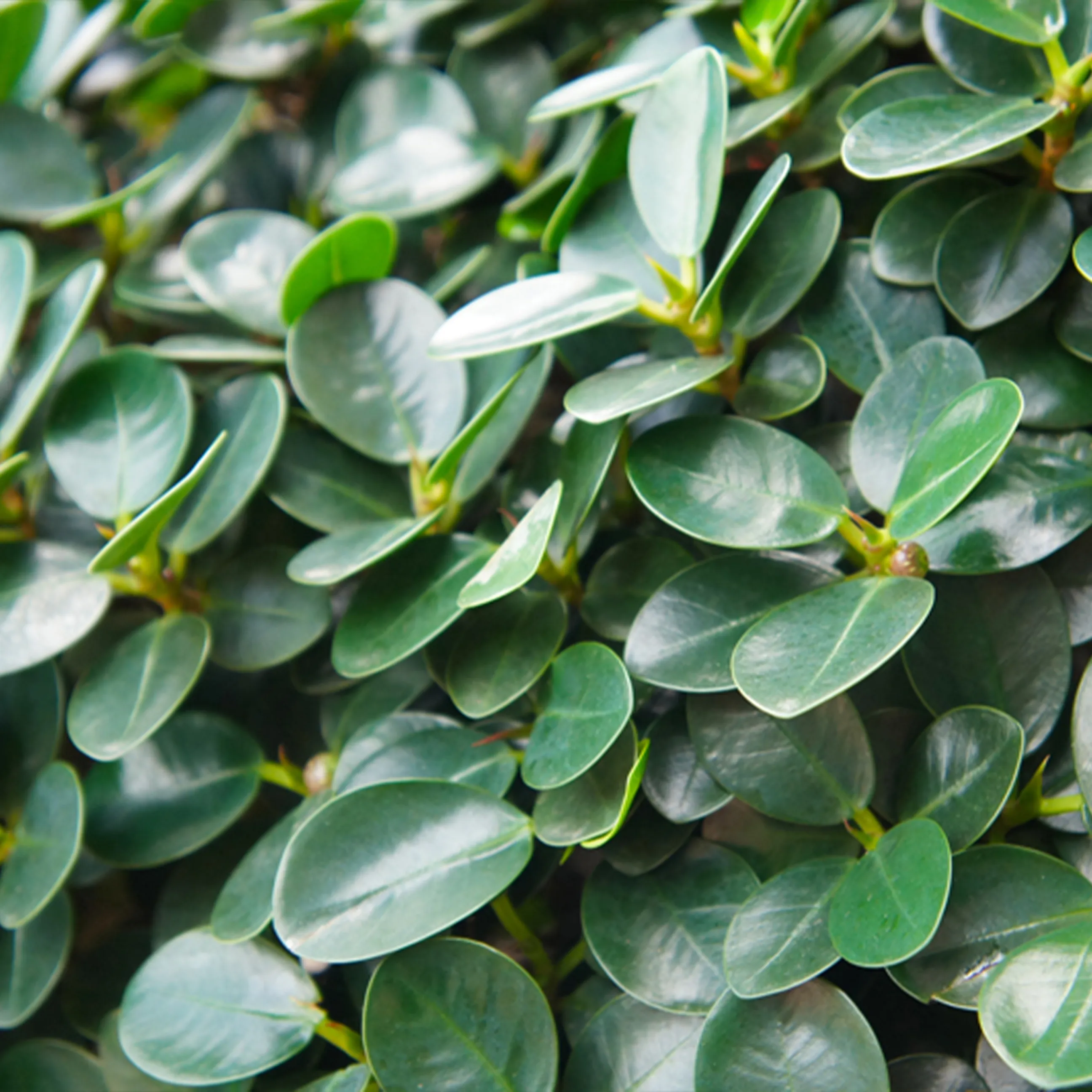
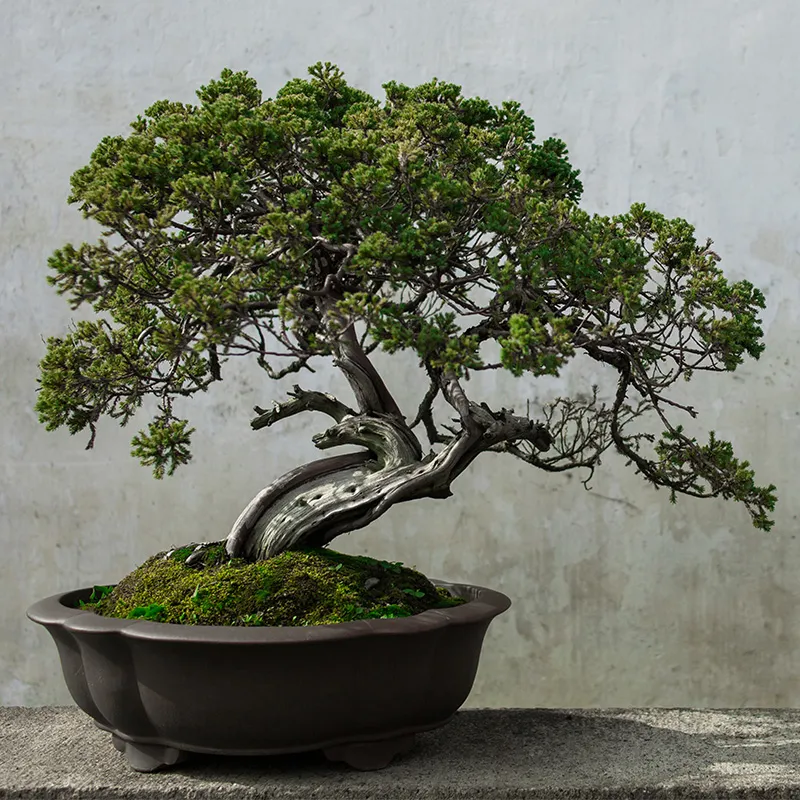
Kept outdoors year-round, the *Podocarpus* is a bonsai that thrives in light and sunshine. Insufficient light causes the needles to grow longer. During heatwaves and scorching sun, choose a shaded spot or protect the tree with a shade cloth. In winter, when temperatures drop below freezing, protect the roots from frost by wrapping the pot in horticultural fleece or fiberglass insulation; alternatively, you can move it into a cold (unheated) greenhouse.
Bloc lien header
 English
en
English
en

Bonsai
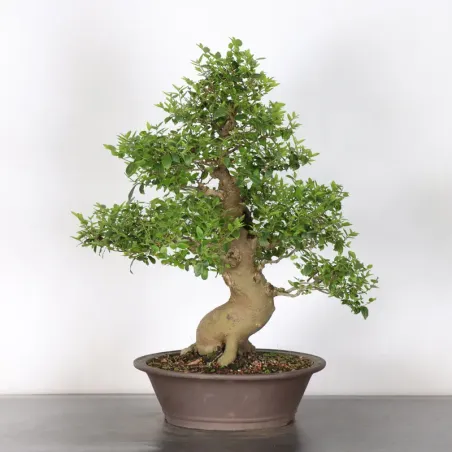
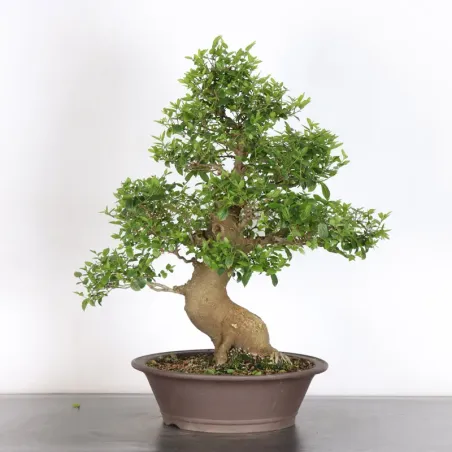
Buddha pine "podocarpus" 1-1
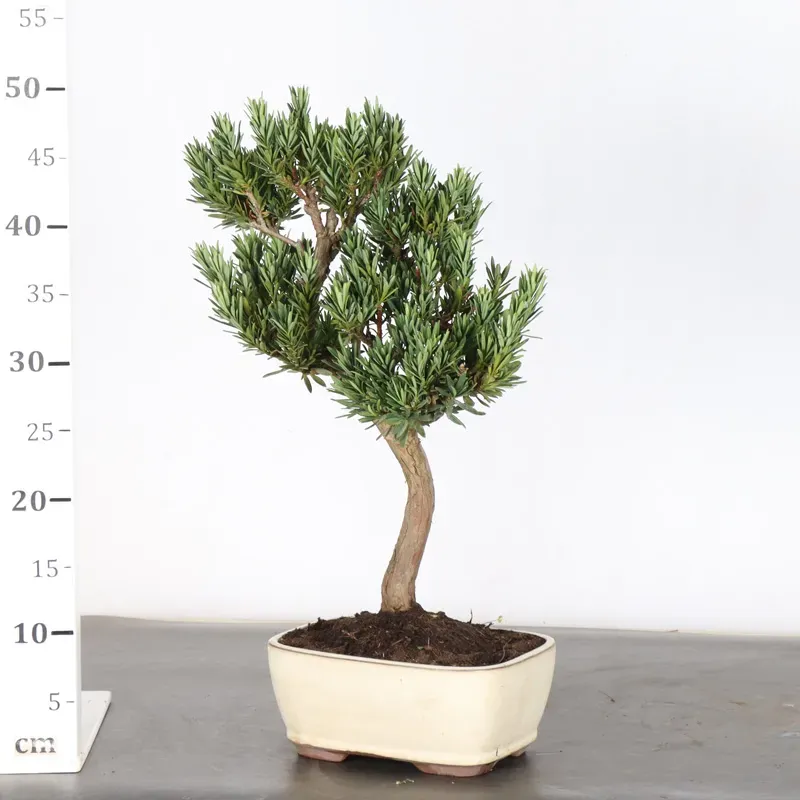
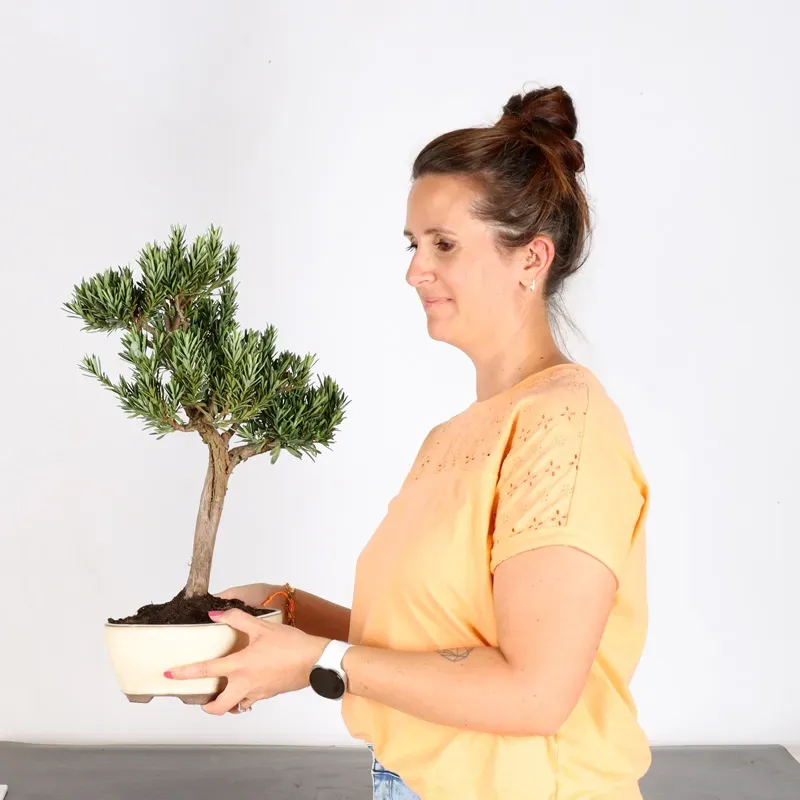
Data sheet
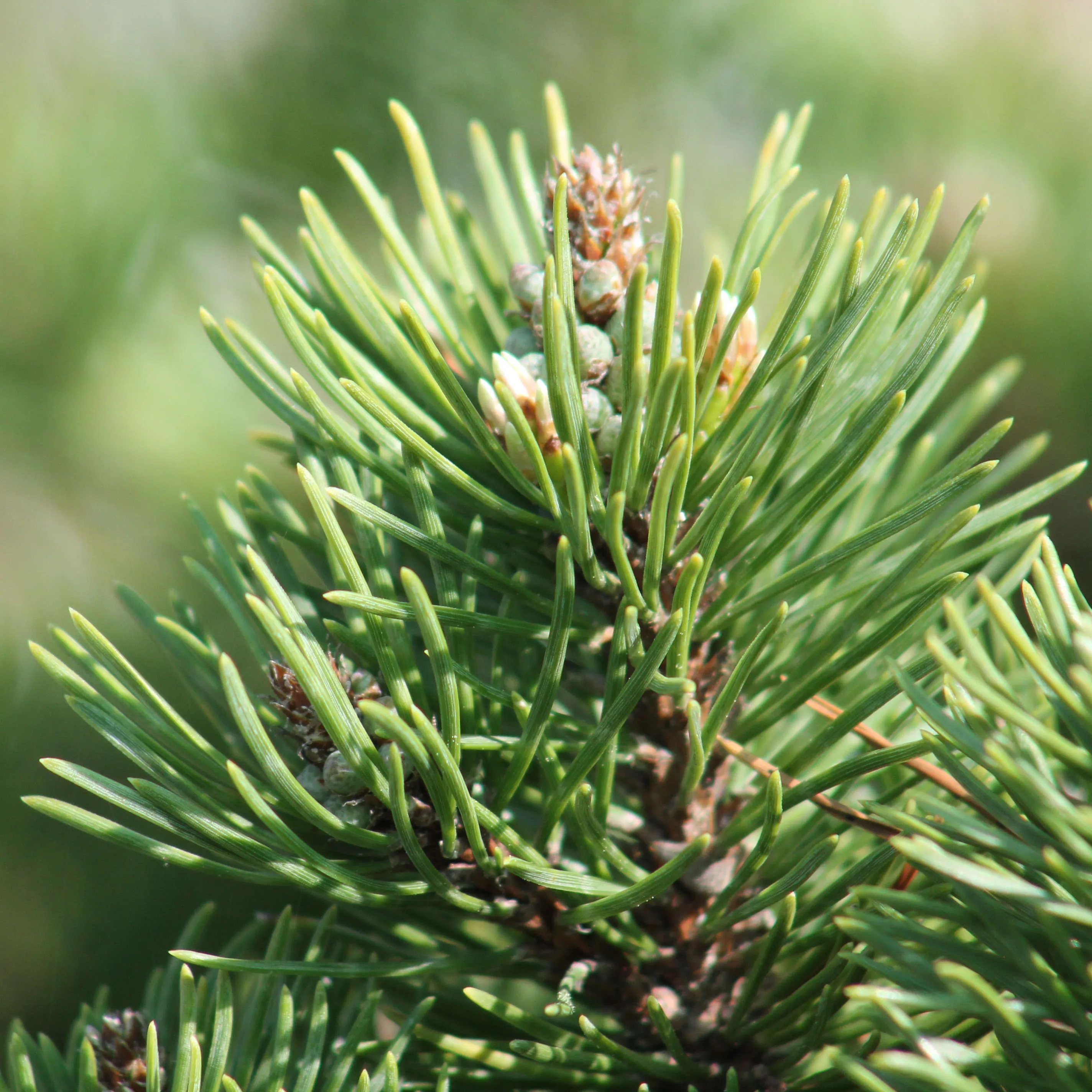
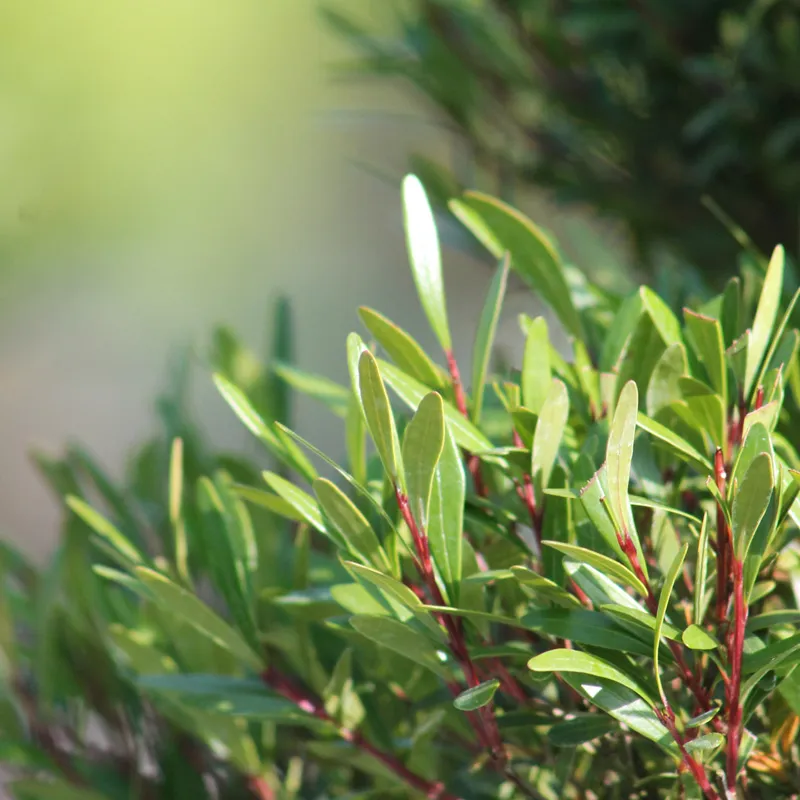
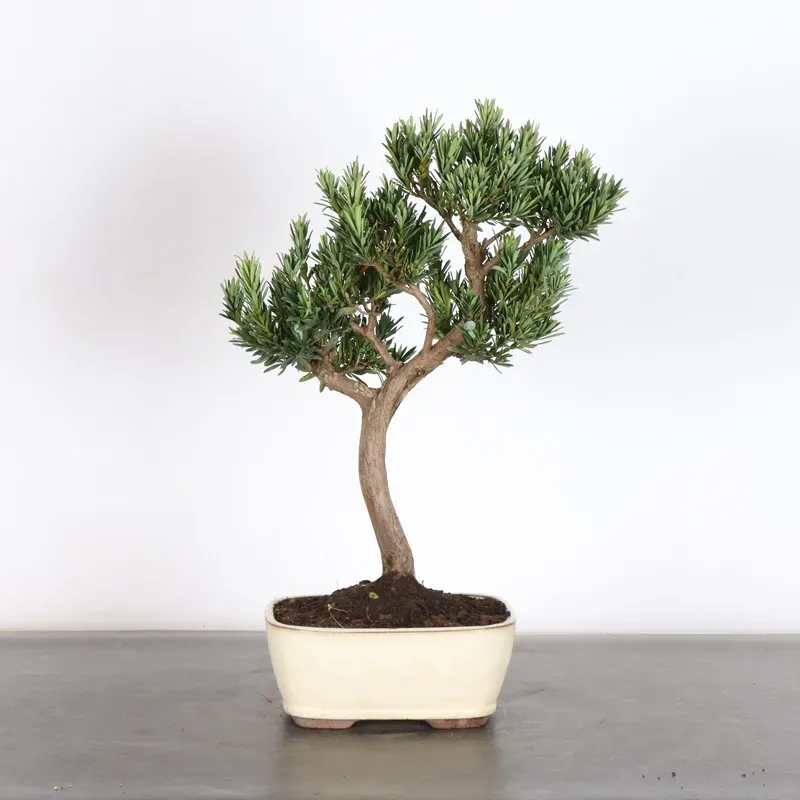
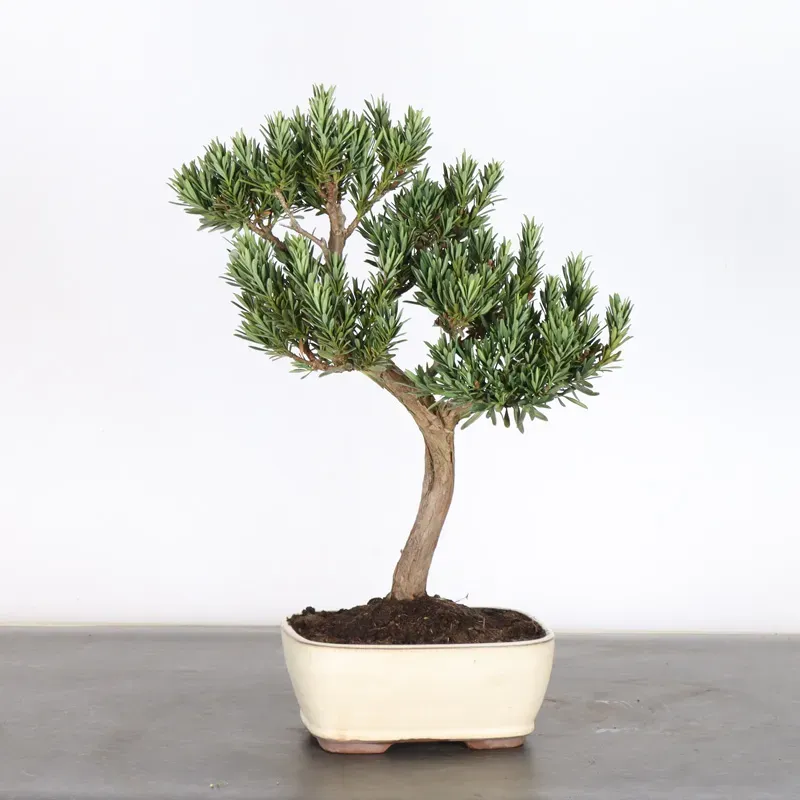
The Buddha Pine, Podocarpus, is native to tropical and subtropical regions. A needle-based conifer of the Podocarpae family, with horizontal and strong branches, it is very popular, especially in Japan in the province of Chiba, of which it is the emblem. It is a resilient tree that loves heat and sun.
- Photos taken in august 2026
Waist
50 cm
Location
Outside
Age
15 years
Foliage
Persistent
Height
Entre 40 et 80 cm
More information
Growing tips:
Location: Outdoors all year round, the Podocarpus is a bonsai that enjoys light and sun. If there is a lack of light, it leads to the appearance of longer hands. In the event of a heat wave and scorching sun, choose a shaded location or protect it with a shade cloth. In winter, during sub-zero temperatures, protect the roots from frost, you can wrap the pot with a winter veil or glass wool, possibility of bringing it indoors in a cold greenhouse but not heated!
Watering: Very important to keep your tree alive, so keep its substrate always moist. Water it regularly while allowing the root ball to dry out slightly between waterings to avoid excess water. In hot weather, it's every day !
To do it right: Don't hesitate to water the whole root ball up to the roots, the water will drain through the holes under the pot or bathe it in water (drenching) for a few minutes, to make sure you water it well.
We do not recommend putting a cup or container underneath your pot as the water will stagnate and can cause root rot. (Too much water = asphyxiation).
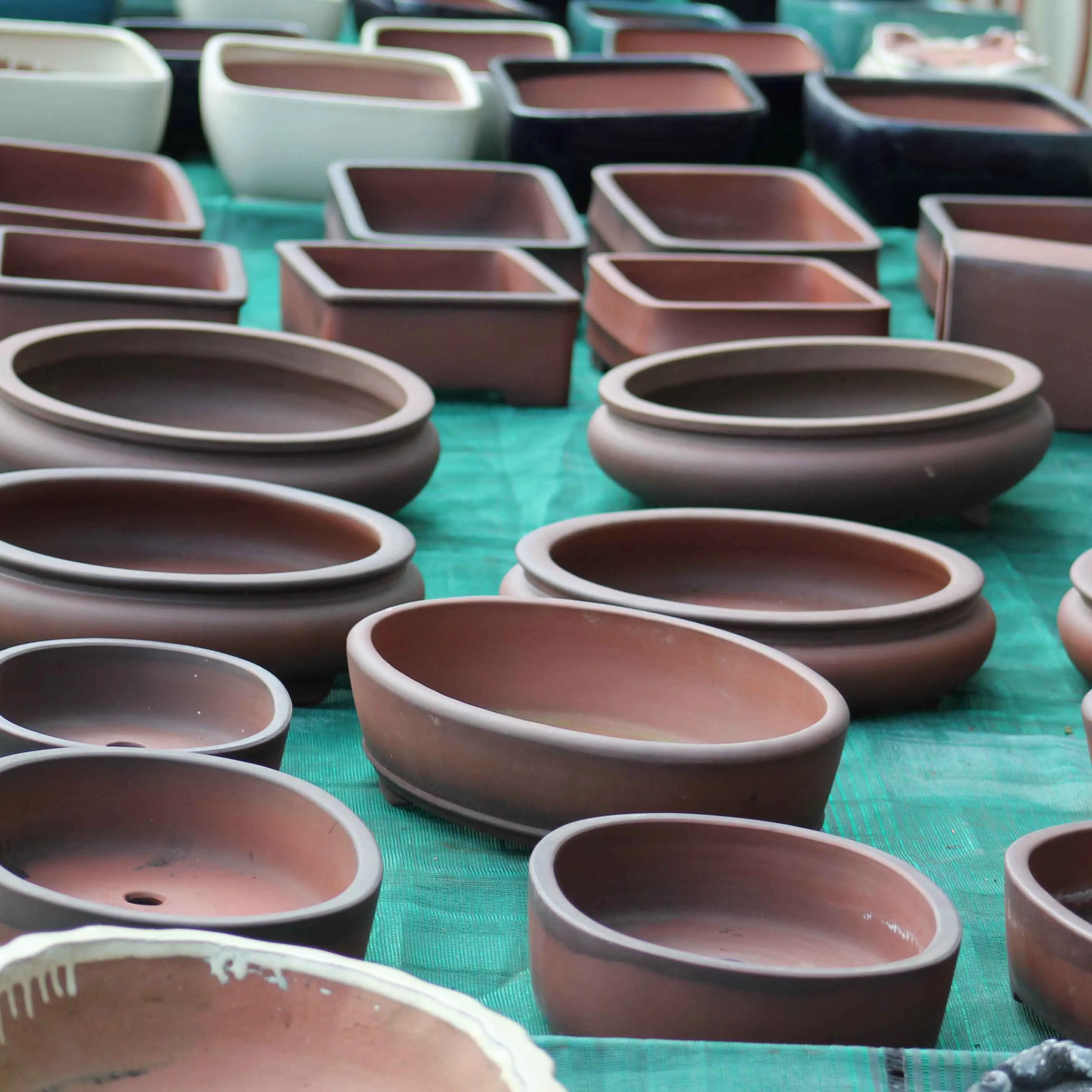
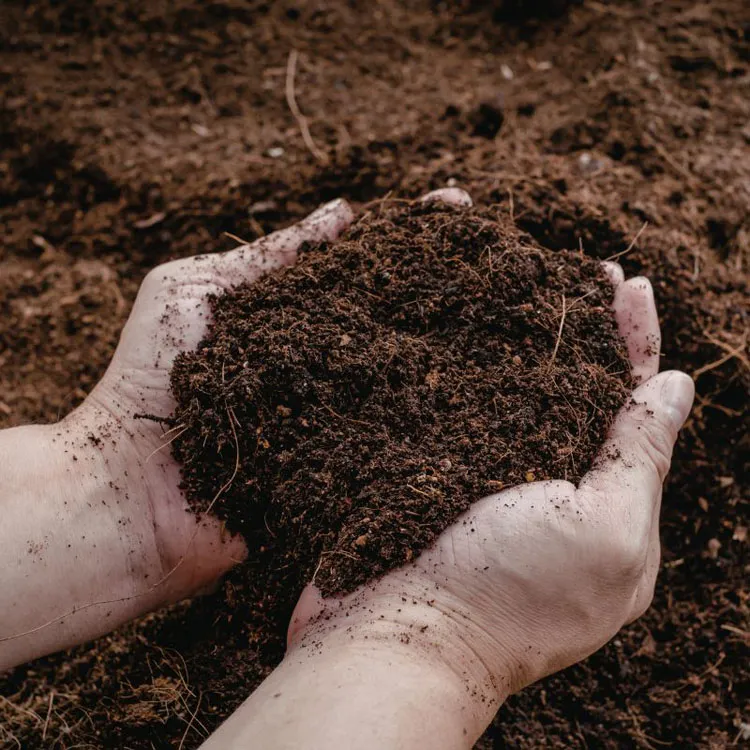
Substrate and repotting: In the nursery, we use agricultural potting soil which is composed of black peat, blond peat, eco-aged, topsoil, horse manure and pozzolana. Repotting should be done every 2 or 3 years at the end of spring
Caution : Do not prune the roots too strongly as Podocarpus has a slow-growing root system.
Waist: You can prune Podocarpus throughout the year without any problems. Prune branches that are too long and remove disproportionate needles. Pinch off the new shoots with your thumb and forefinger during the spring season (growing season). Tree ligation can also be done all year round. Leave the wires in place for 8 to 10 weeks depending on the development of your tree. Be careful not to jam the needles when performing this operation.
Fertilization: In the nursery, we use blue tomato/flower fertilizer NPK 12 12 17. You can start fertilizing from May by putting a handful on the substrate, put it every 2 months until autumn.
More information:
All our bonsai are unique. This is why they are referenced by numbers that do not indicate age, if you want to know it, do not hesitate to contact us
We ship throughout France and neighbouring countries that are part of the EU. We take care to pack each bonsai in custom-made wooden crates or reinforced cartons. Everything is well protected and secured to avoid any risk of breakage.
Depending on the size and weight of your order, shipping is carried out by specialized carriers: DPD (under 30kg) or GEODIS (+30kg).
Our priority is that the delivery goes smoothly. Do not hesitate to consult our delivery page to learn more about our methods.
Click ----> Bonsai Delivery France and EU - Galinou Bonsai Nursery
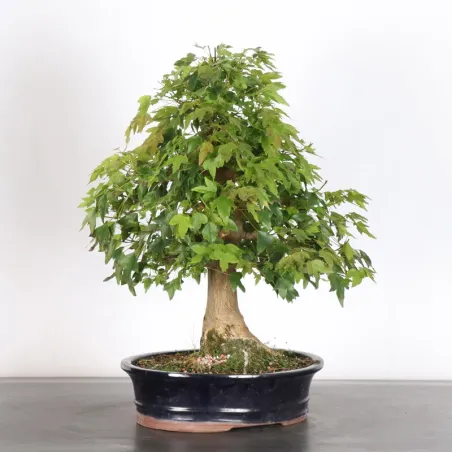
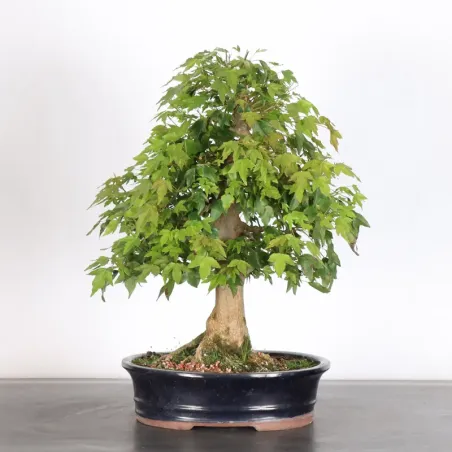
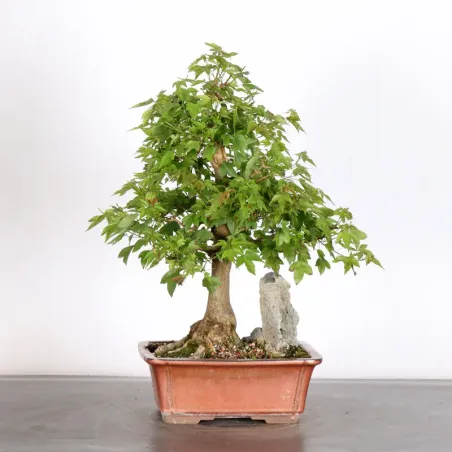
The bonsai tree you see in the picture is really the one you are going to receive. To find out the dimension, refer to the scale on the side. Each product is unique and we take care to take photos that give you the most accurate preview possible of what you will receive.
All bonsai are produced in our large nursery in Lot-et-Garonne. They are therefore perfectly adapted to the climate of France, which is not always the case with Japanese imports.
If needed: 06 24 80 64 65
Related articles on blog
Share
Cultivation Advice