Bonsai
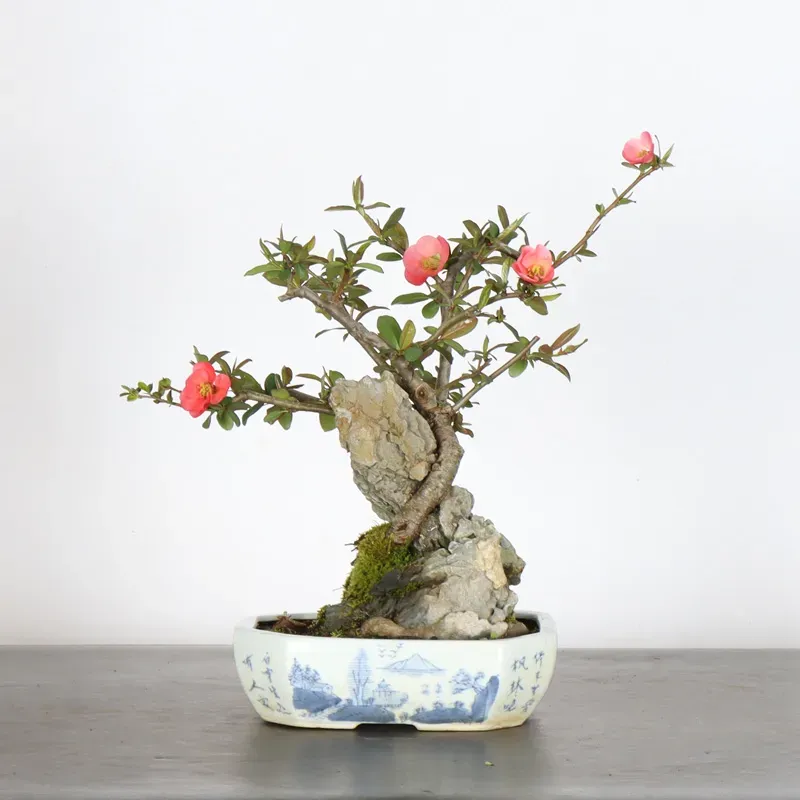
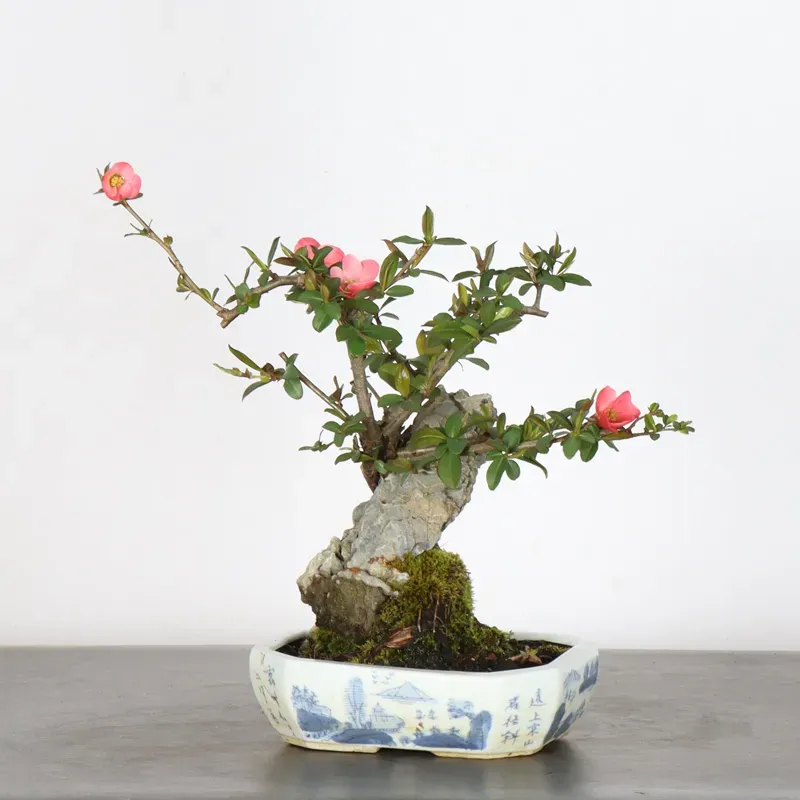
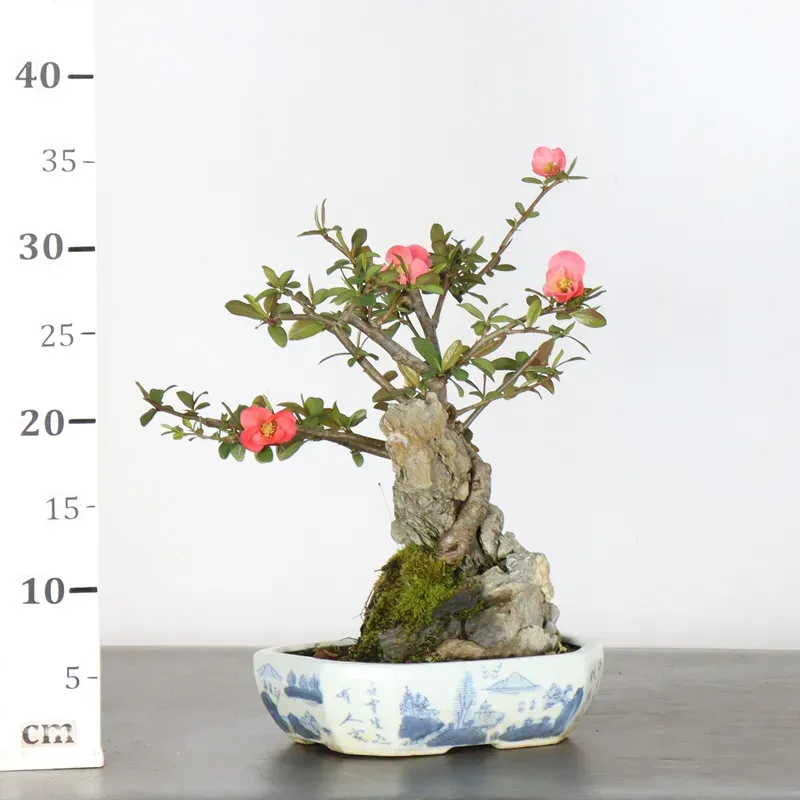
Japanese quince "chaenomeles japonica" on rock 1-11

  • New
€180.00 TTC
Data sheet

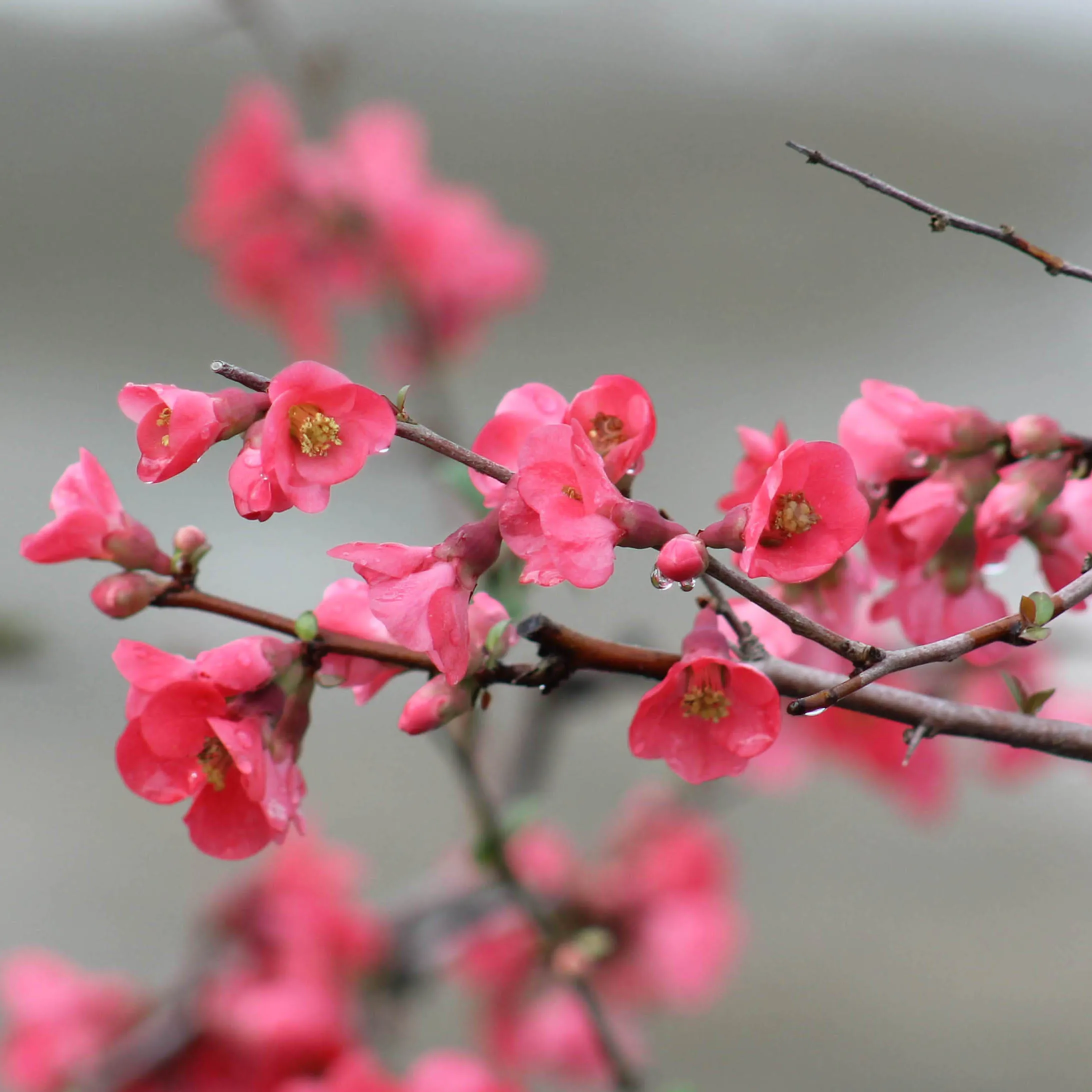
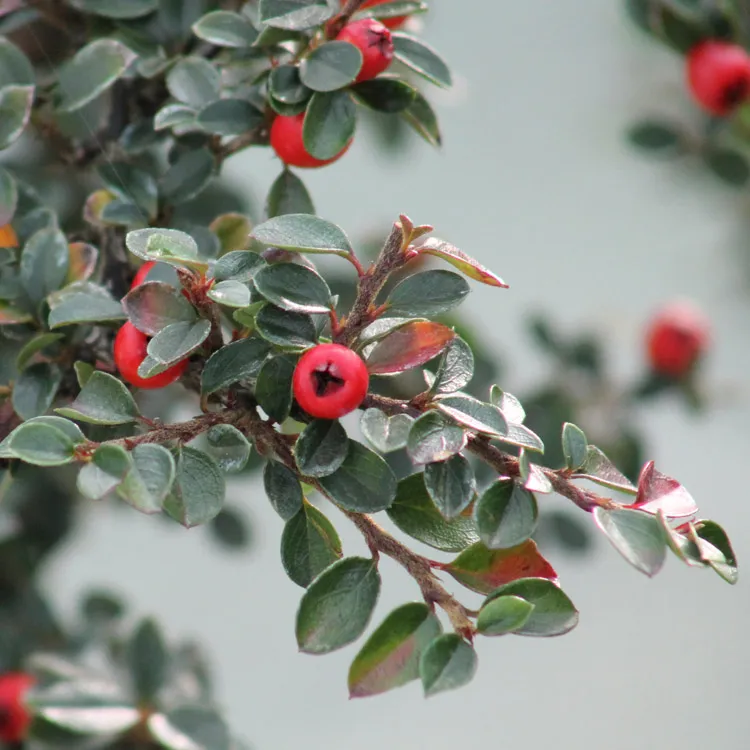
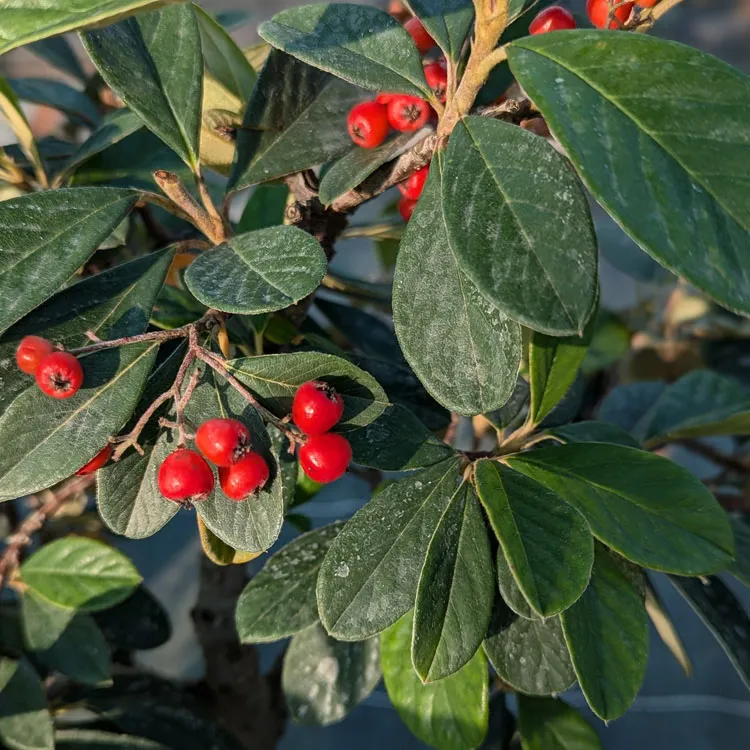
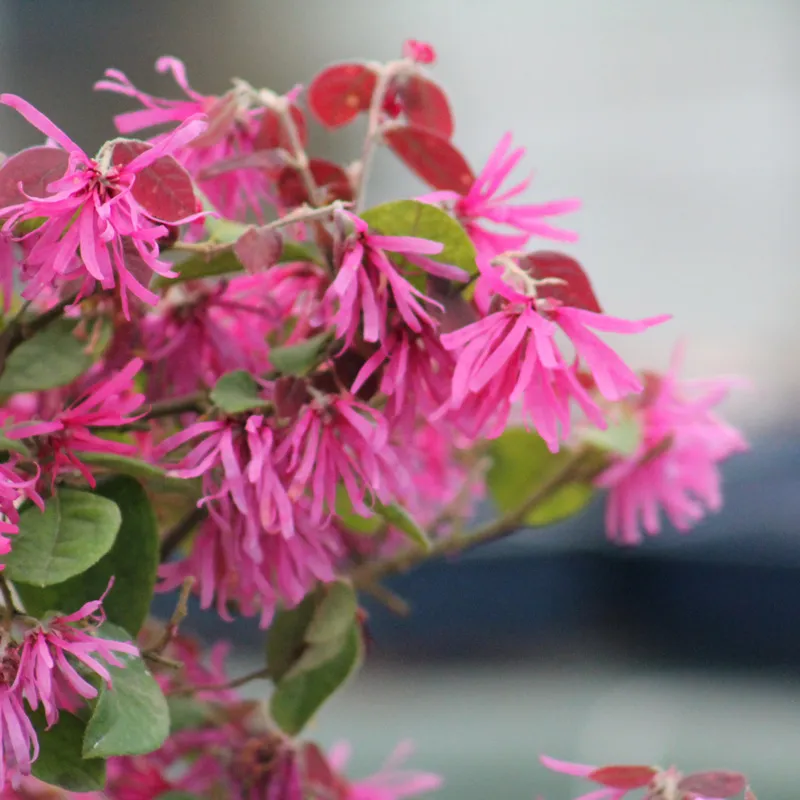
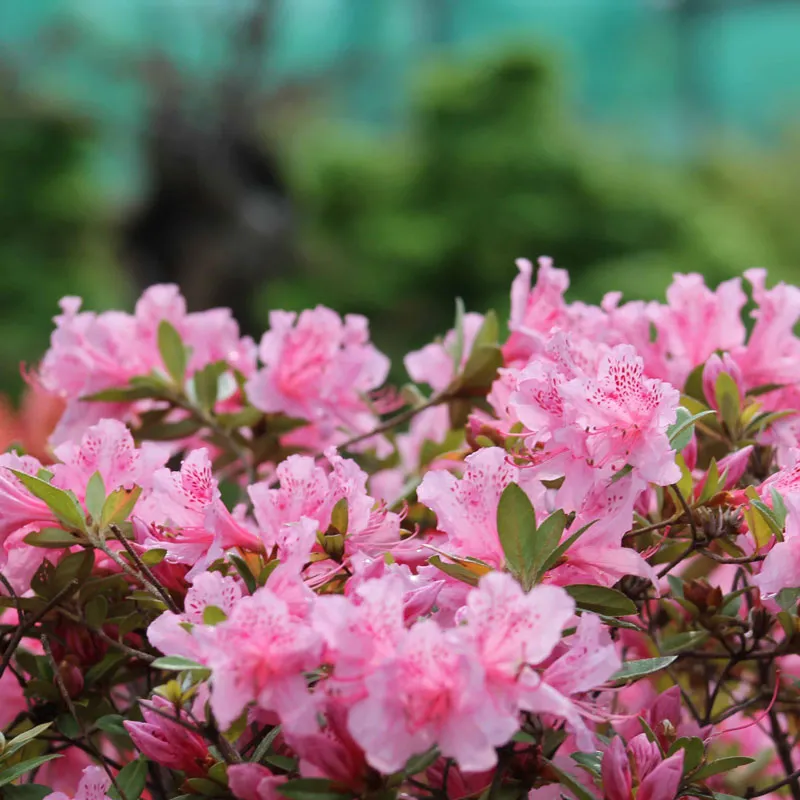
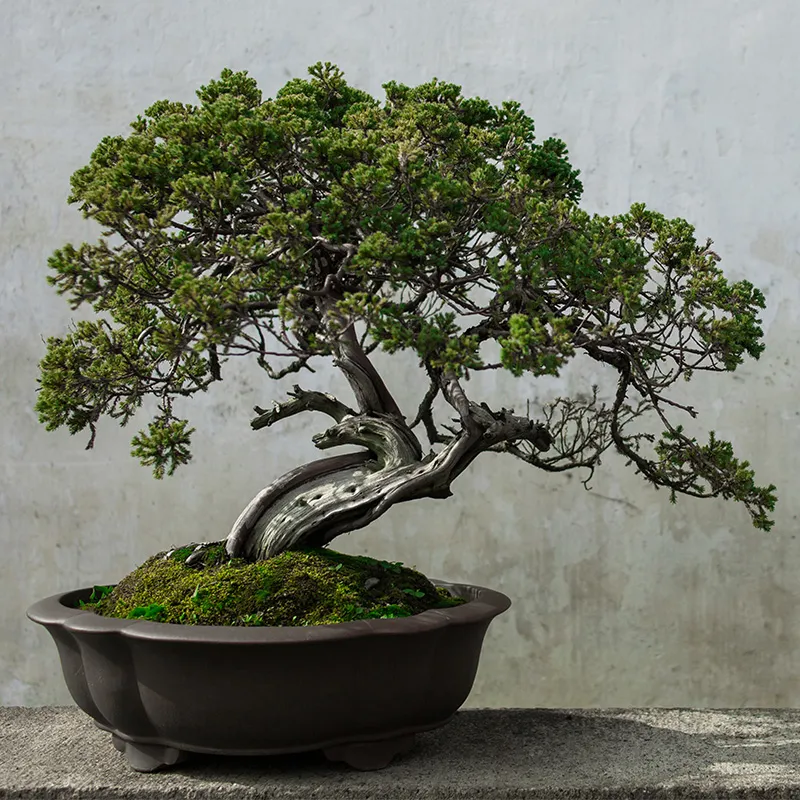
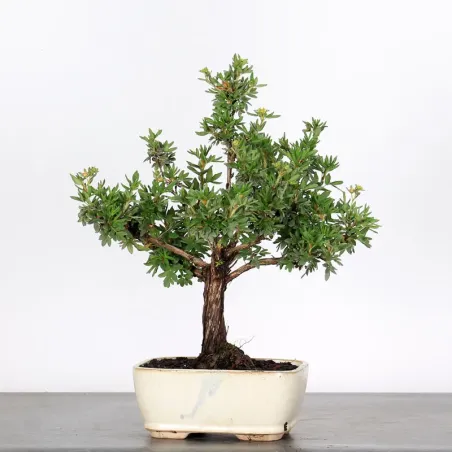
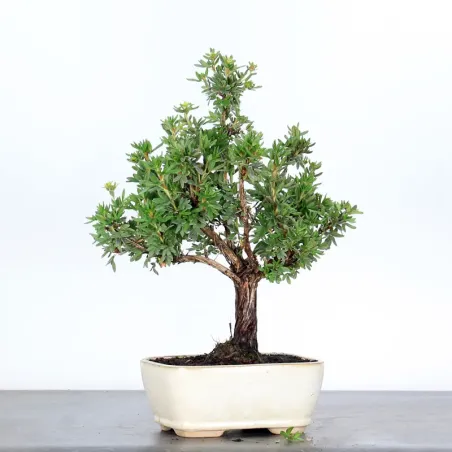
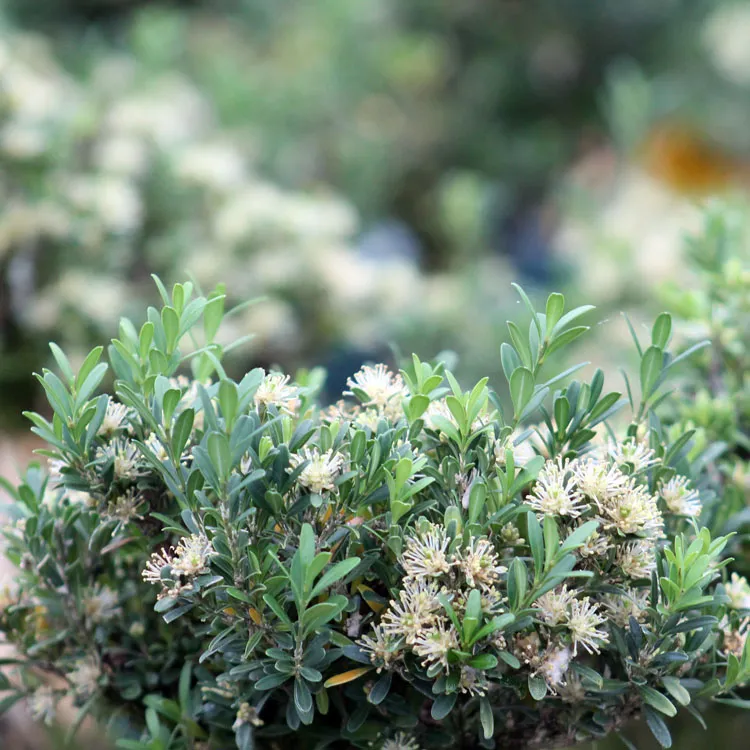
This Japanese quince "Chaenomeles japonica", arranged on a rock, creates an original and natural miniature landscape. The trunk and roots blend harmoniously with the stone, giving the impression that the tree has grown over time within the heart of the rock.

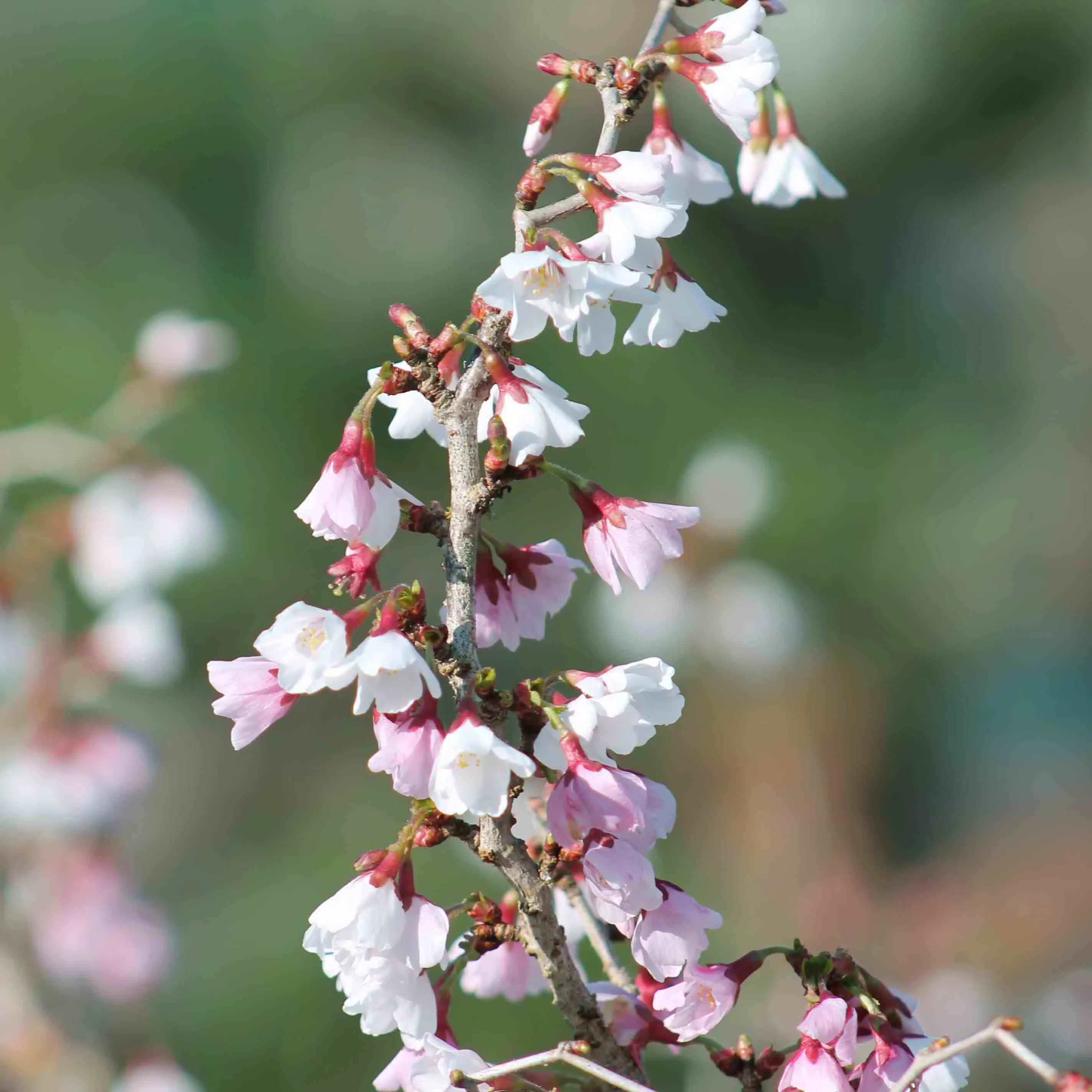
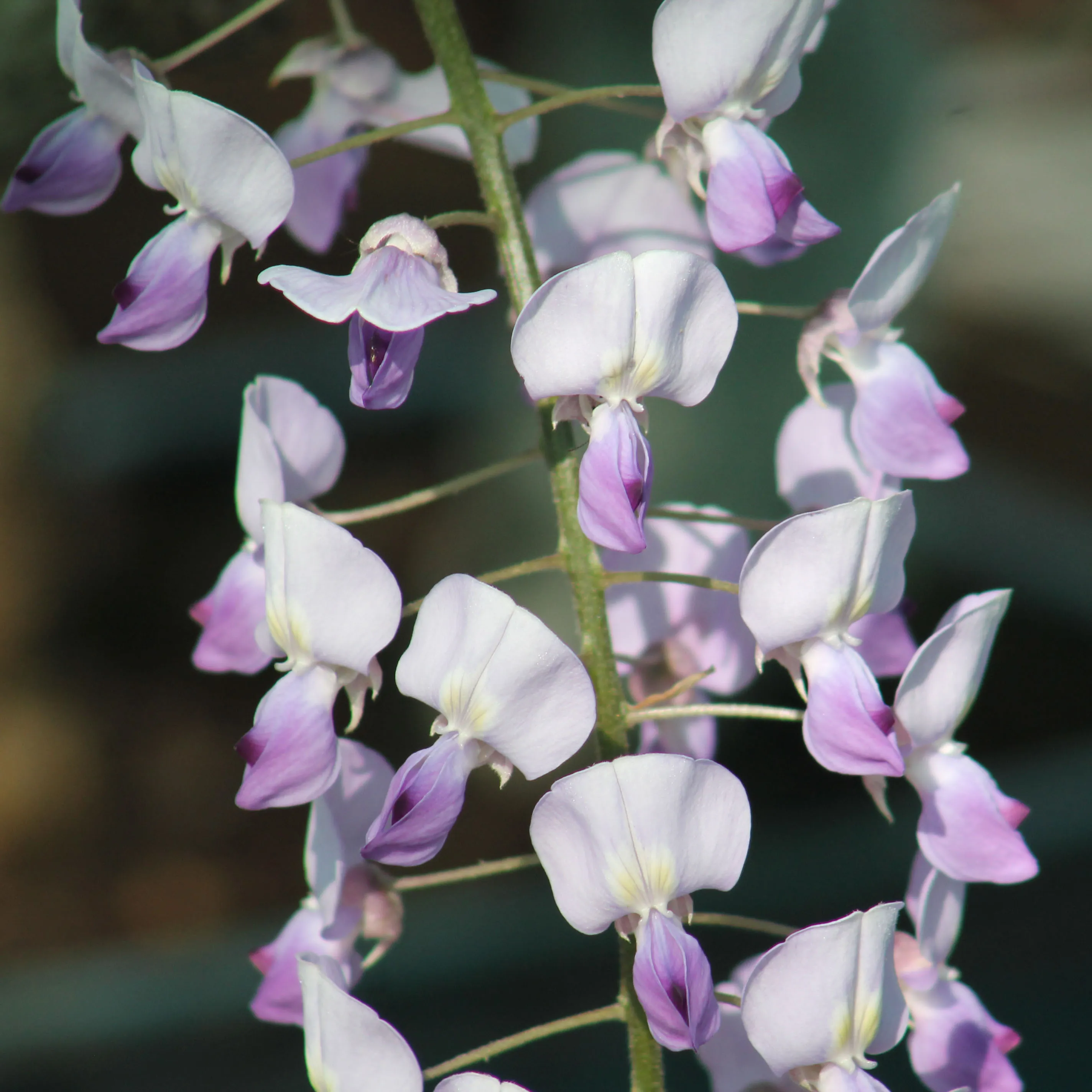
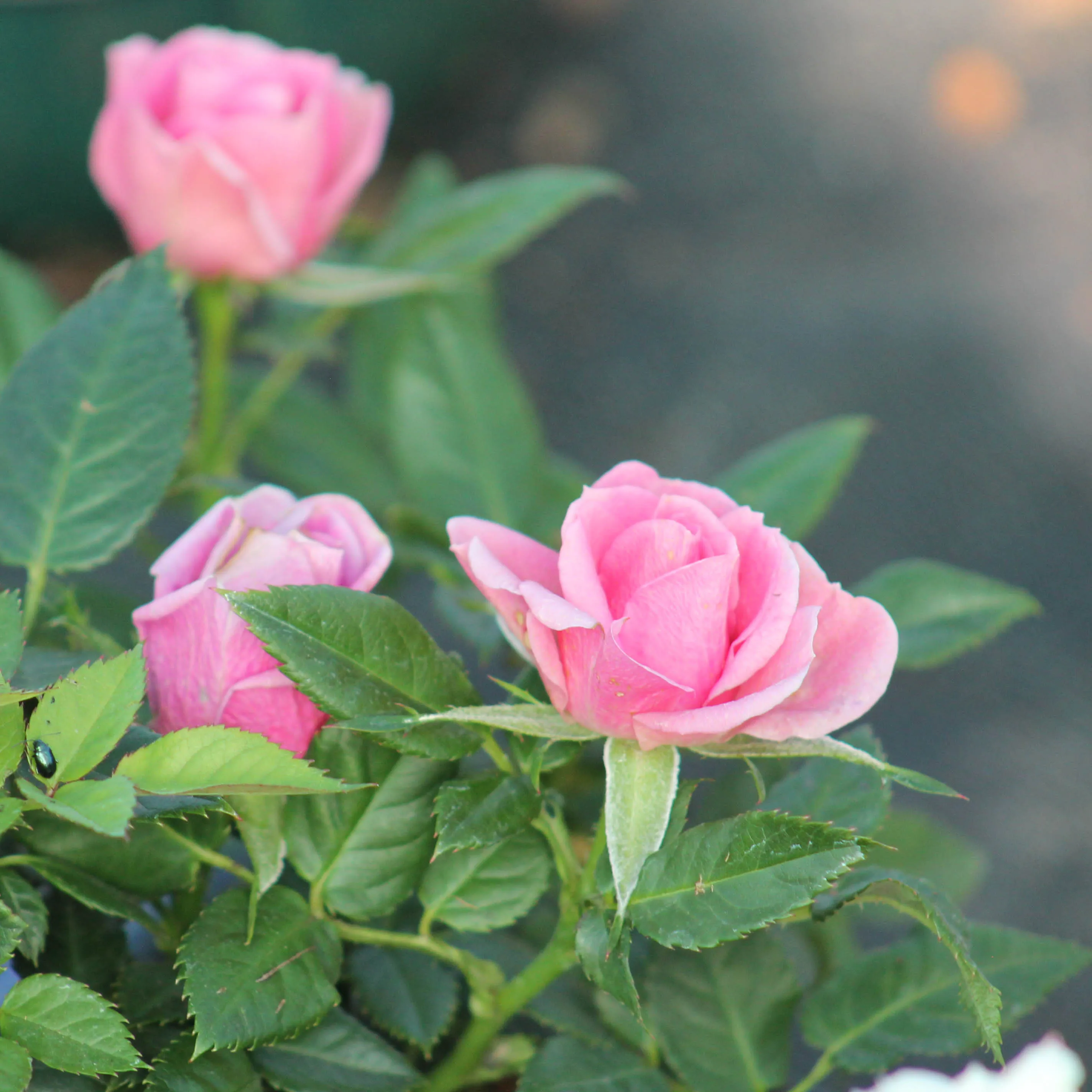
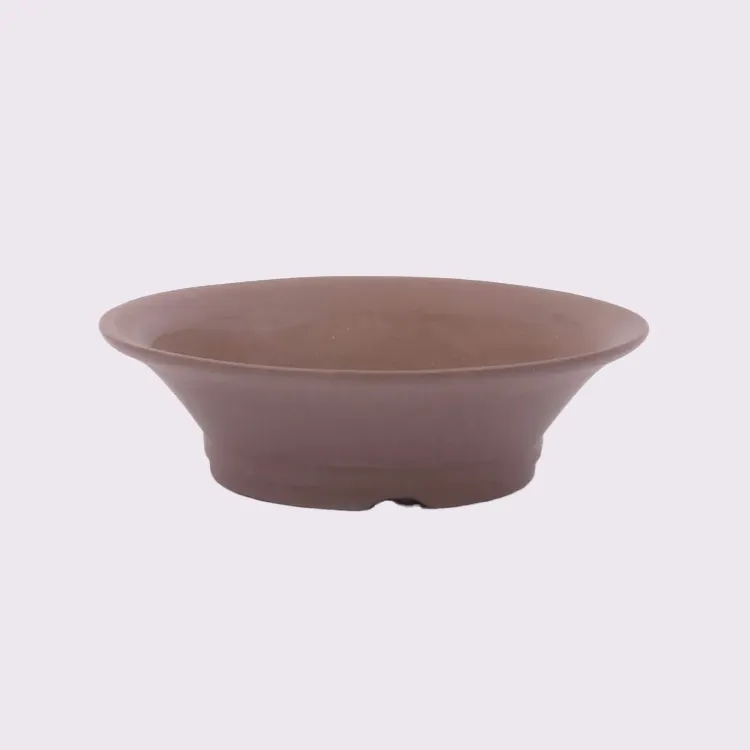
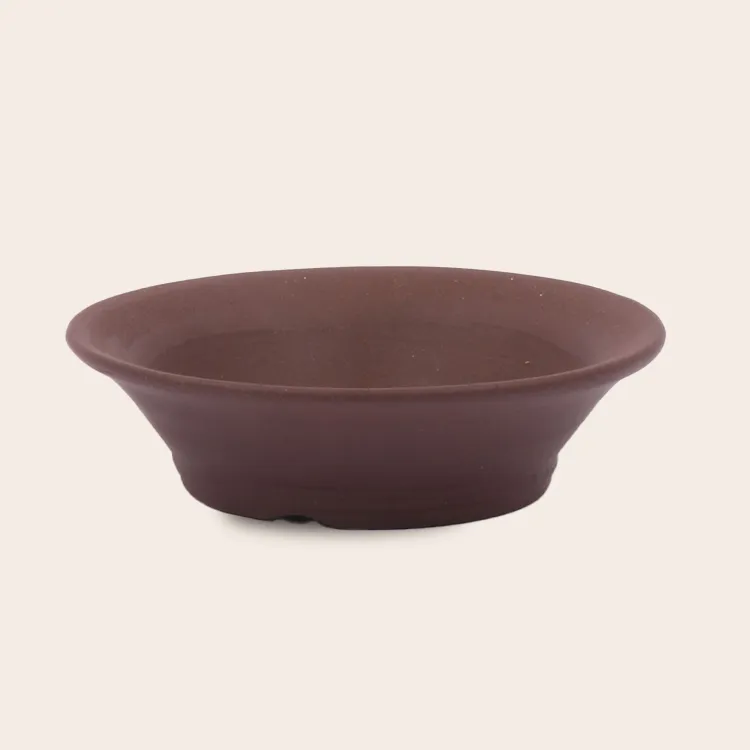
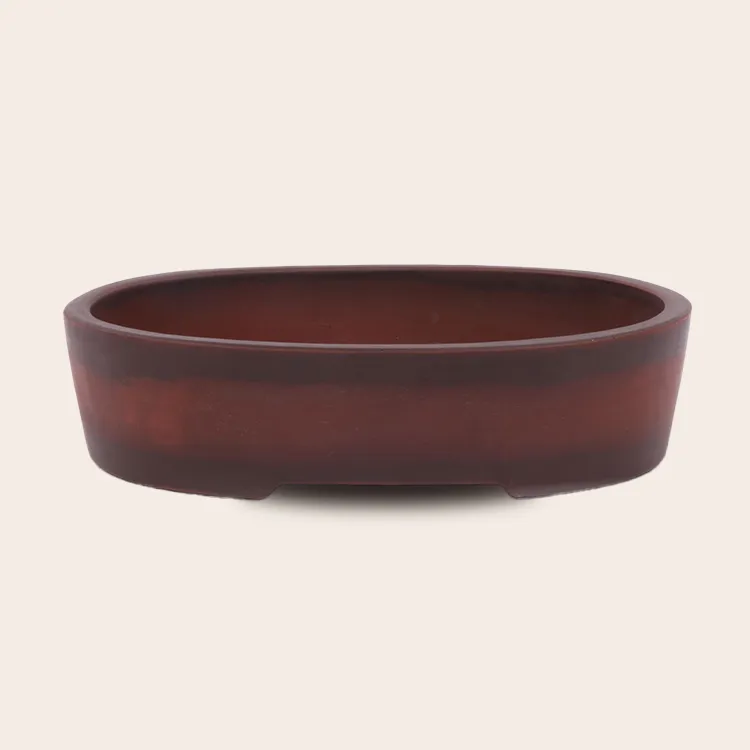
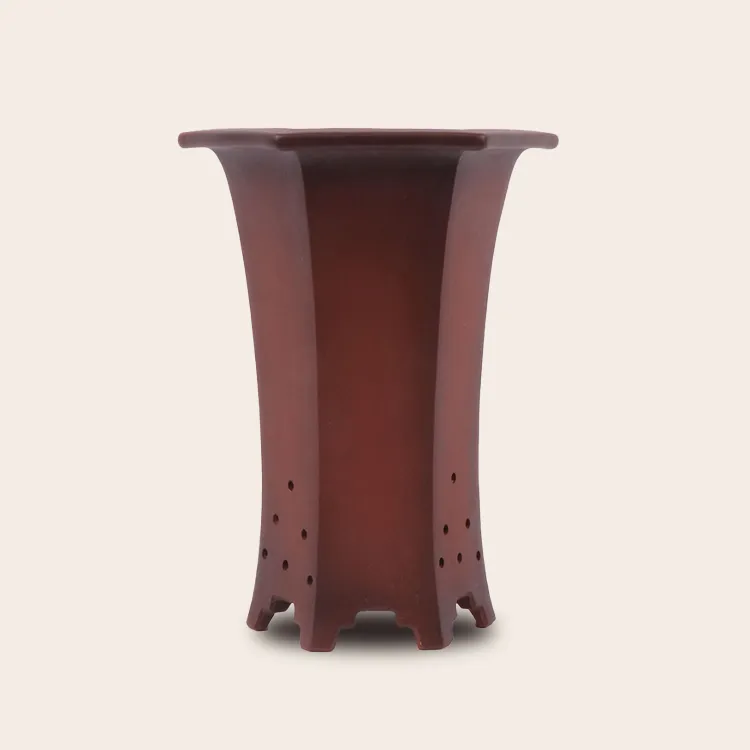
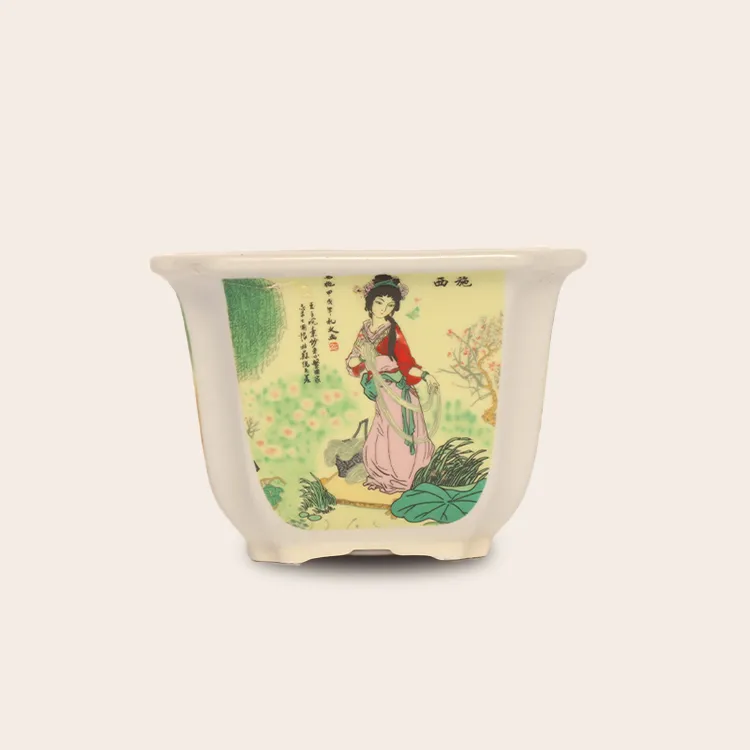
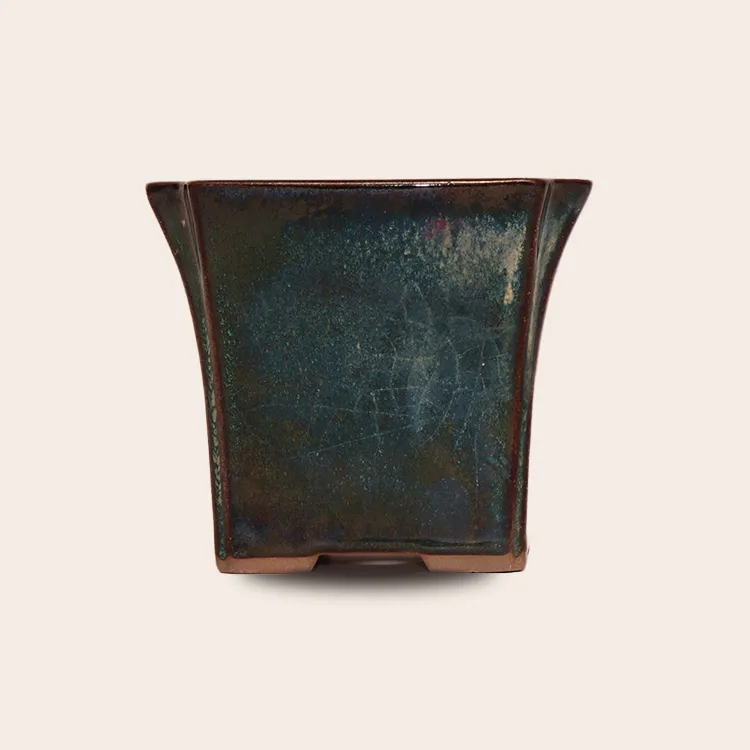
In spring, it is adorned with delicate coral-pink flowers that contrast with its glossy green foliage and the mineral texture of the stone. The entire piece is presented in a decorated ceramic pot, which emphasizes the traditional aesthetic of bonsai. An elegant composition that combines the strength of the rock with the delicacy of the blossoms.

  • Photos taken in March 2026
  • Valentine's favorite !
Waist 35 cm
Location Outside
Age 10 years
Foliage Deciduous
Height Entre 25 et 40 cm

Download

Share
Cultivation Advice

Outdoors all year round, it should be exposed, preferably, in a sunny spot and preferably in the summer with partial shade.

The Japanese quince tree needs a substrate that is always moist. Water it regularly while allowing the root ball to dry out slightly between waterings to avoid excess water. In spring/summer, watering will be done regularly, when it's hot, it's every day ! On the other hand, in winter, water according to the supervision of the soil. Thanks to the rain and cold, you won't necessarily need to water regularly since the substrate will remain moist.

Important: Don't hesitate to water the entire root ball up to the roots, the water will drain away through the holes under the pot or bathe the bonsai in water (drenching) for a few minutes, to make sure you water it well. We do not recommend putting a cup/container under the pot as the water will stagnate and can cause root rot. (Too much water = asphyxiation).
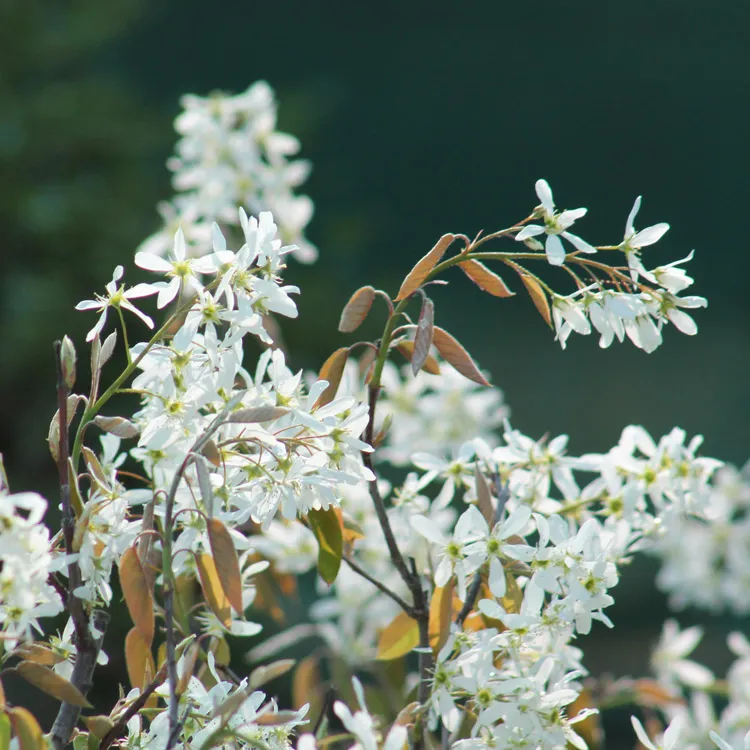
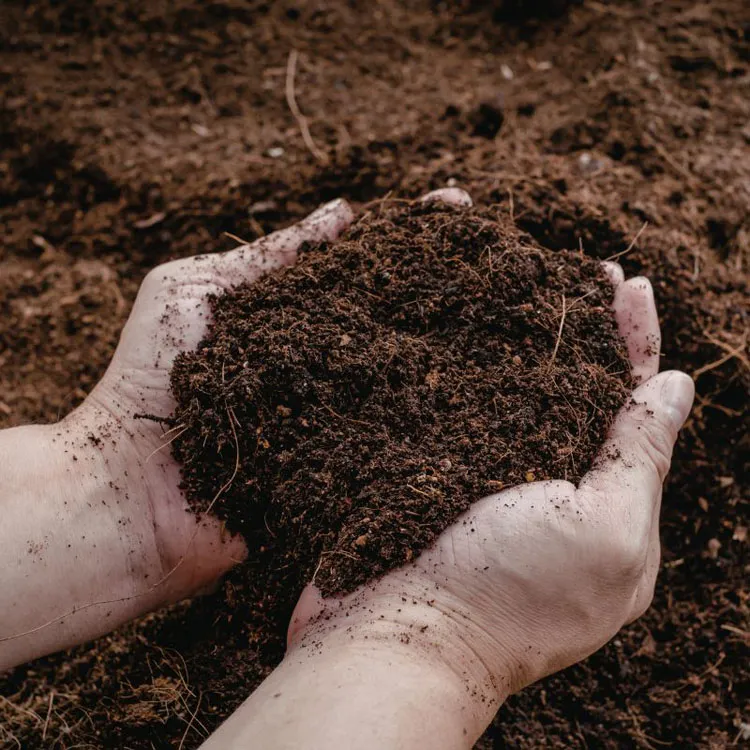
Every 2/3 years in the fall. In the nursery, we use agricultural soil composed of black peat, blond peat, eco-aged, topsoil, horse manure, pozzolana. The next time you repot, you can mix more draining substrate such as: akadama, pumice, kiryu... Just be careful not to disturb the root ball, don't destroy the whole root ball!

Many bonsai react noticeably when repotted at the wrong time or too drastically.
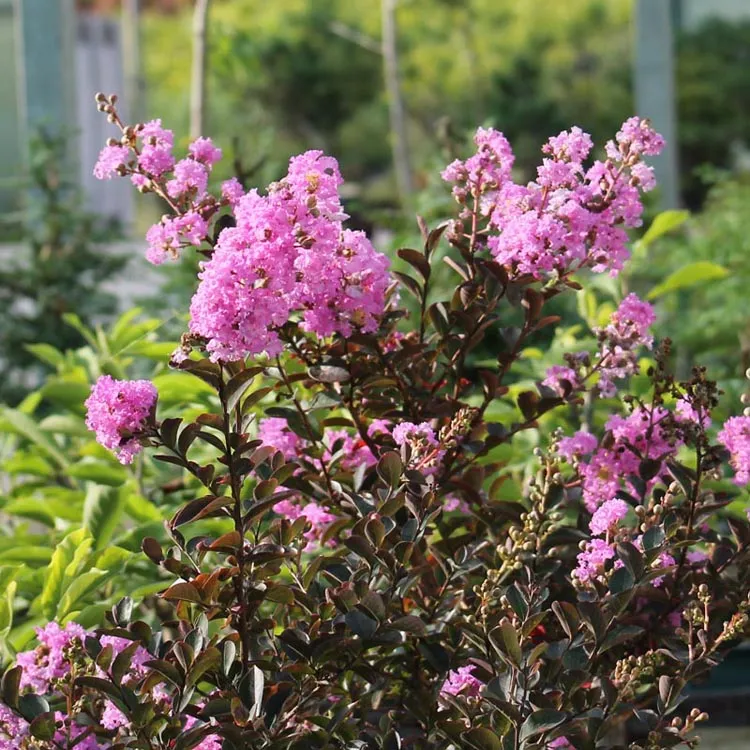
Pruning is done in the spring, just after flowering (in June), in order to remove dead branches and give it the desired structure. Its rapid growth requires regular pruning but never during flowering.

In the nursery, we use tomato/flower fertilizer NPK 12 12 17. It is a perfect fertilizer as a supplement to nutrients. Place a handful of fertilizer on the substrate (larger or smaller depending on the size of the pot). Fertilize from May to October, apply every 2 months.