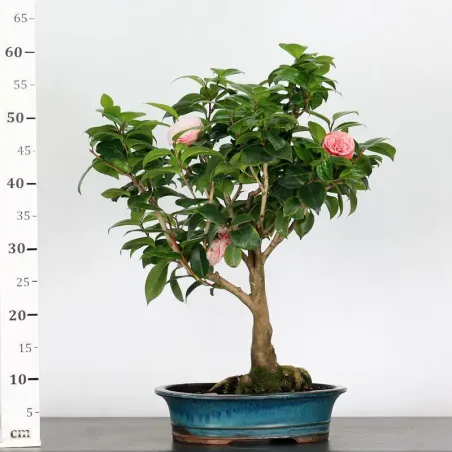
Bonsai

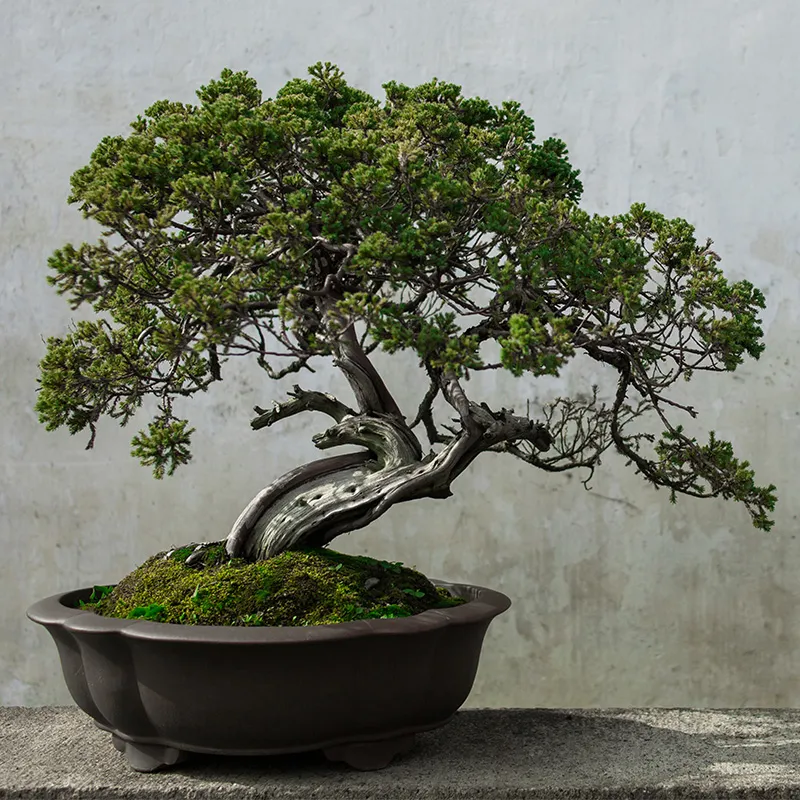
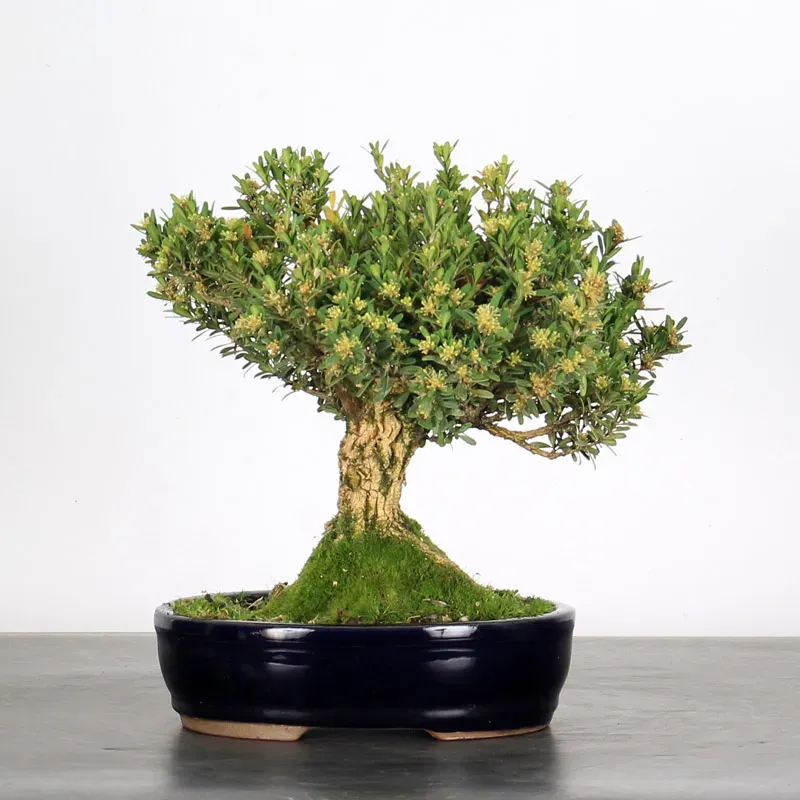
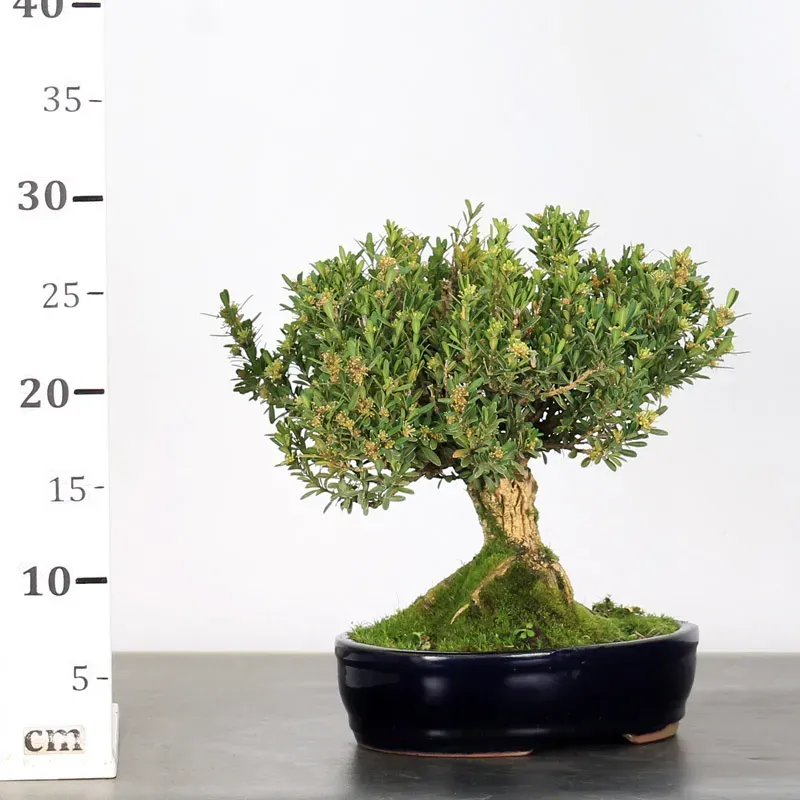
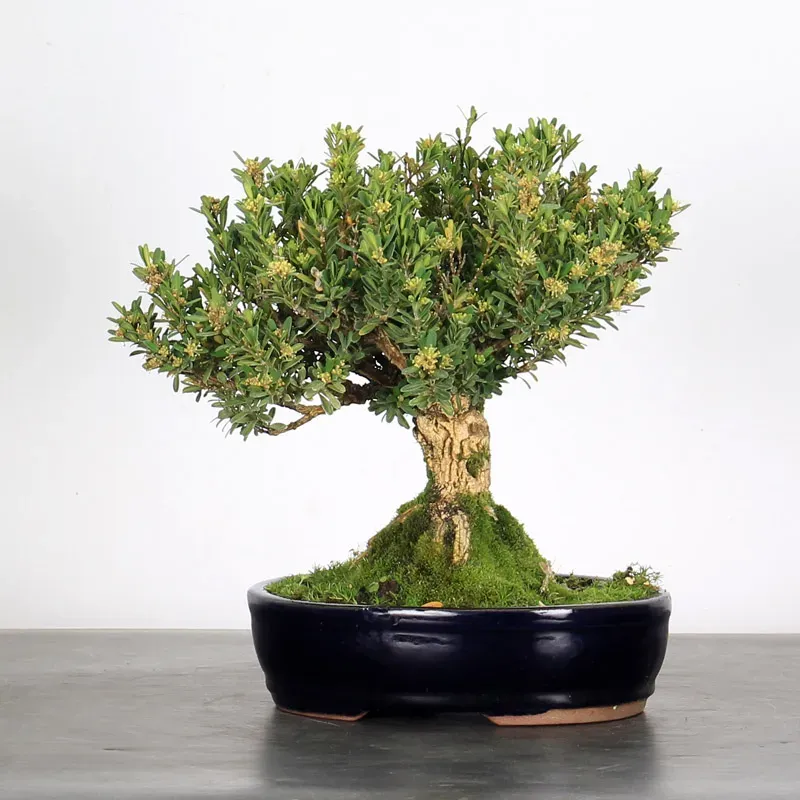
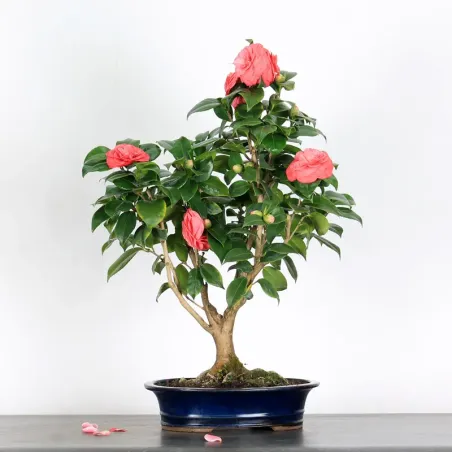
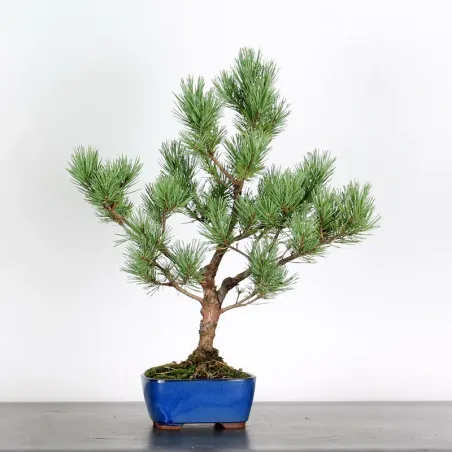
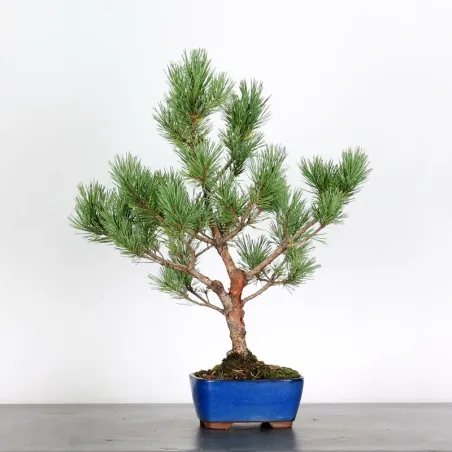
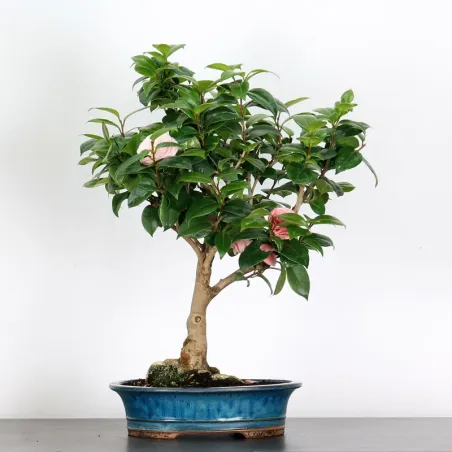
Bonsai boxwood "buxus" 1-3
  • New
€180.00 TTC
Data sheet

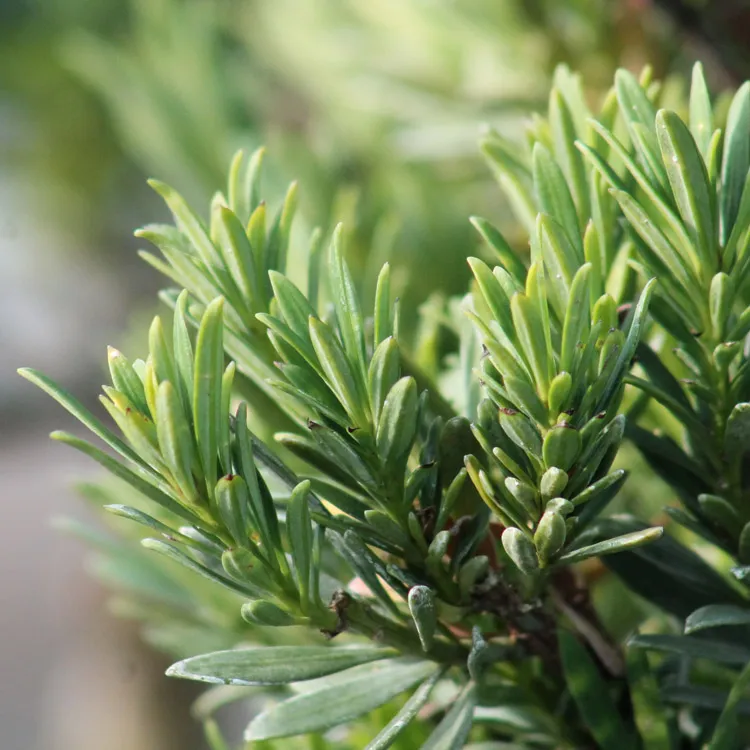
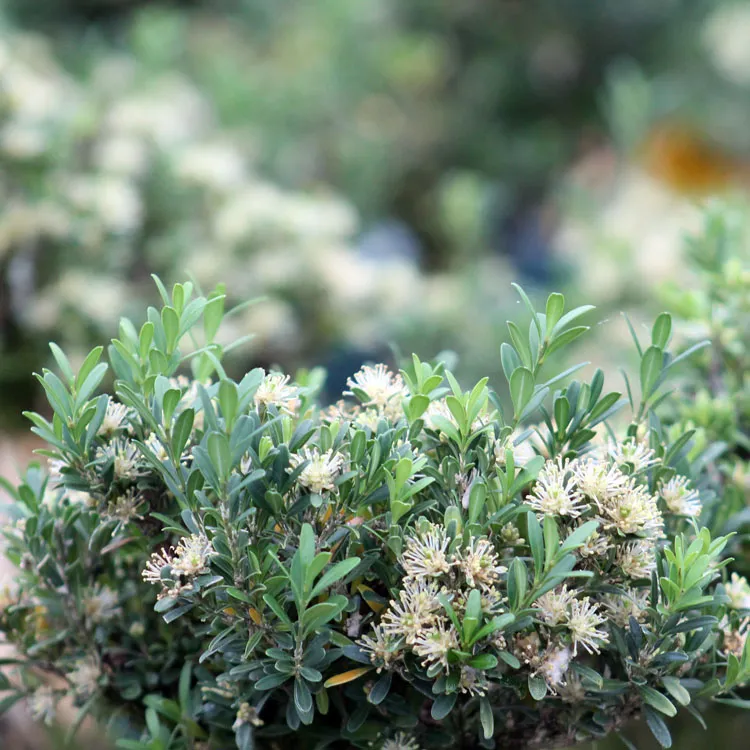
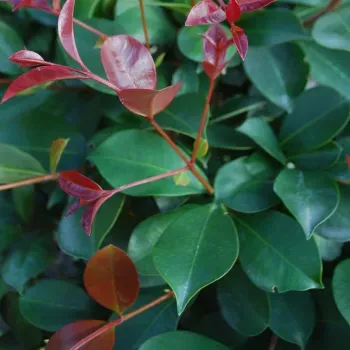
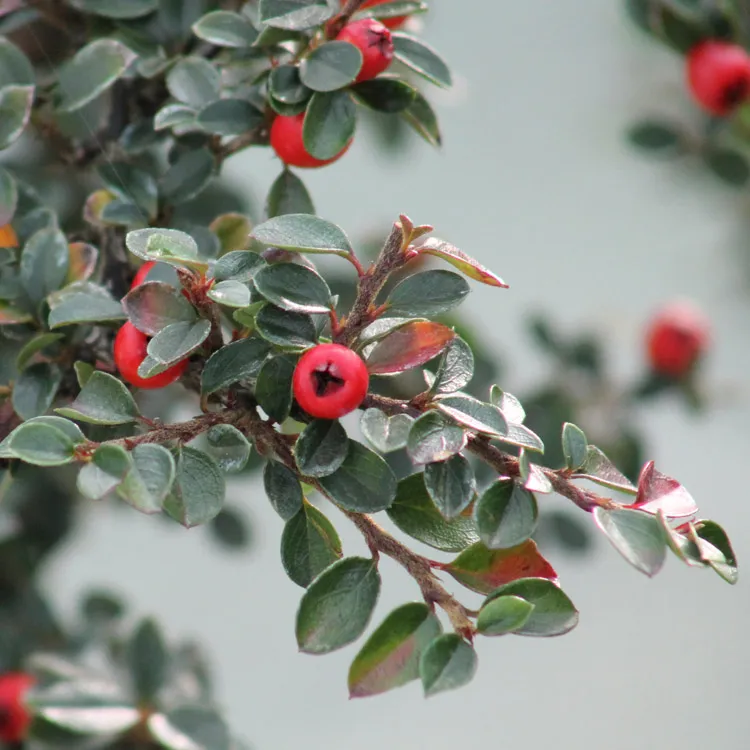
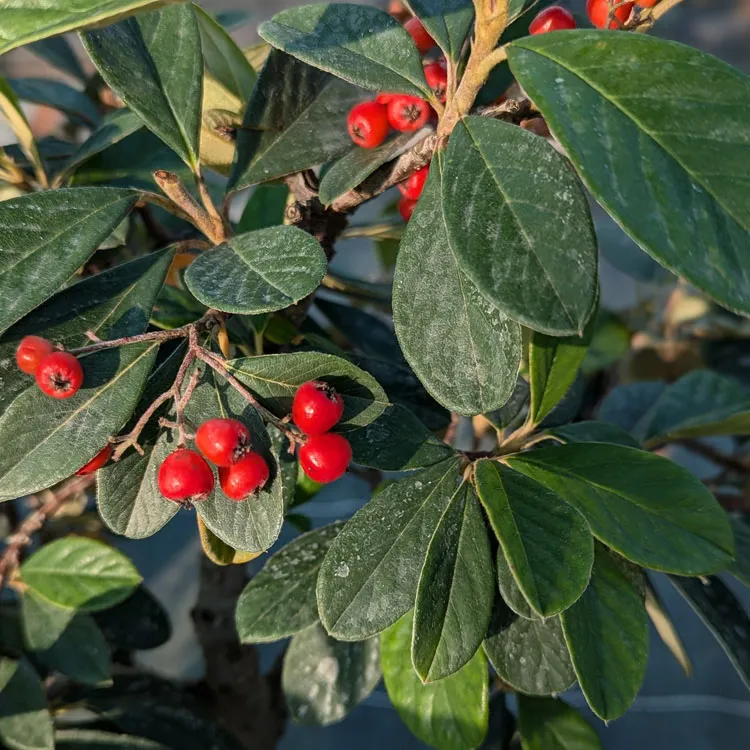
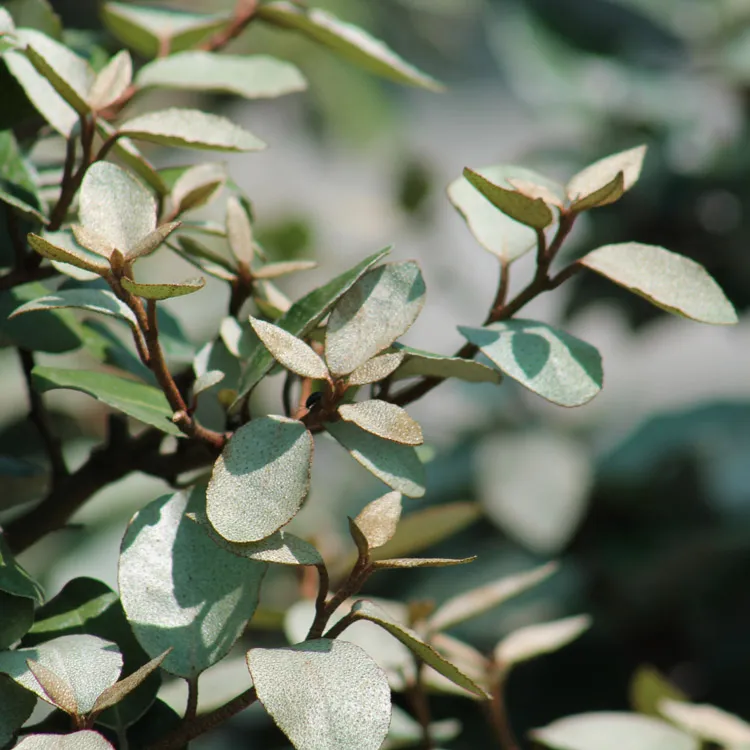
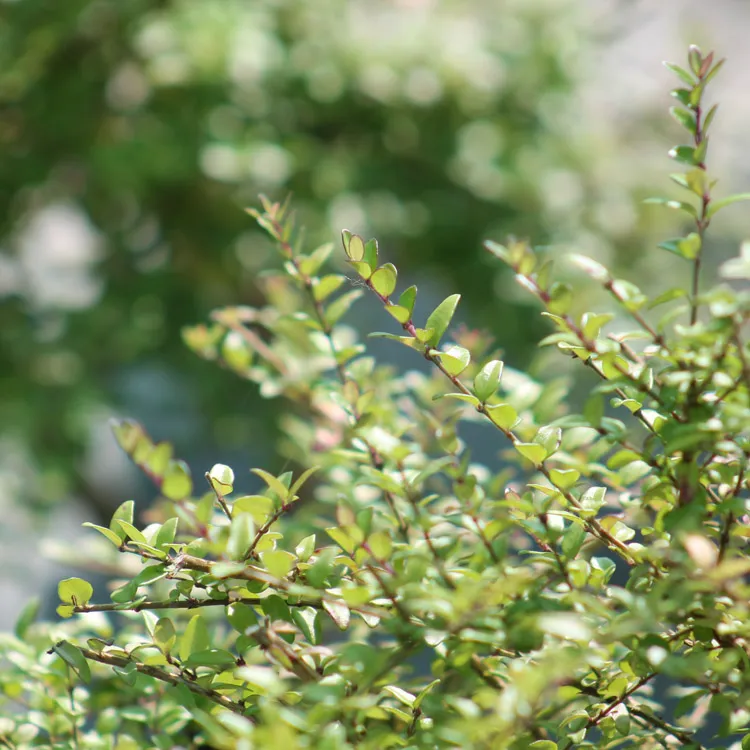
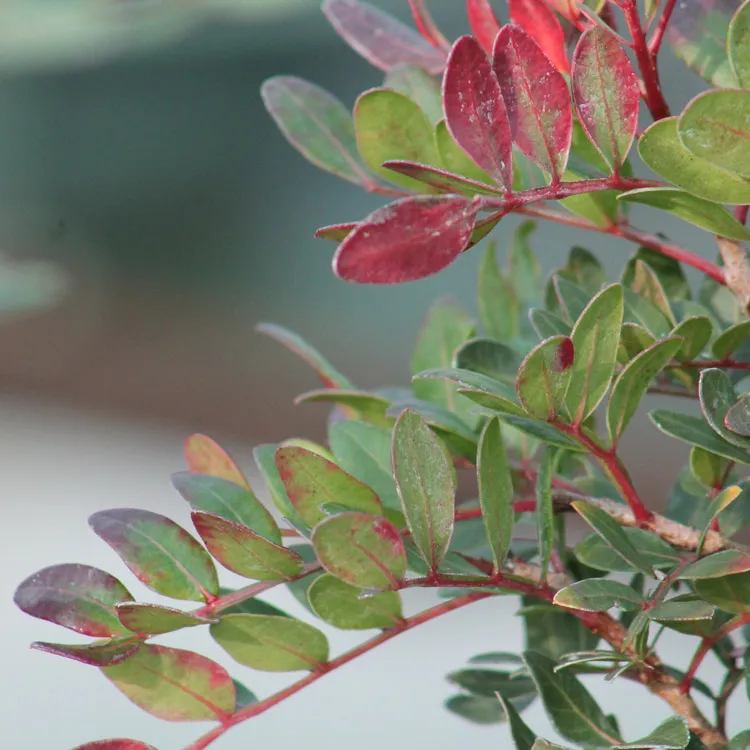
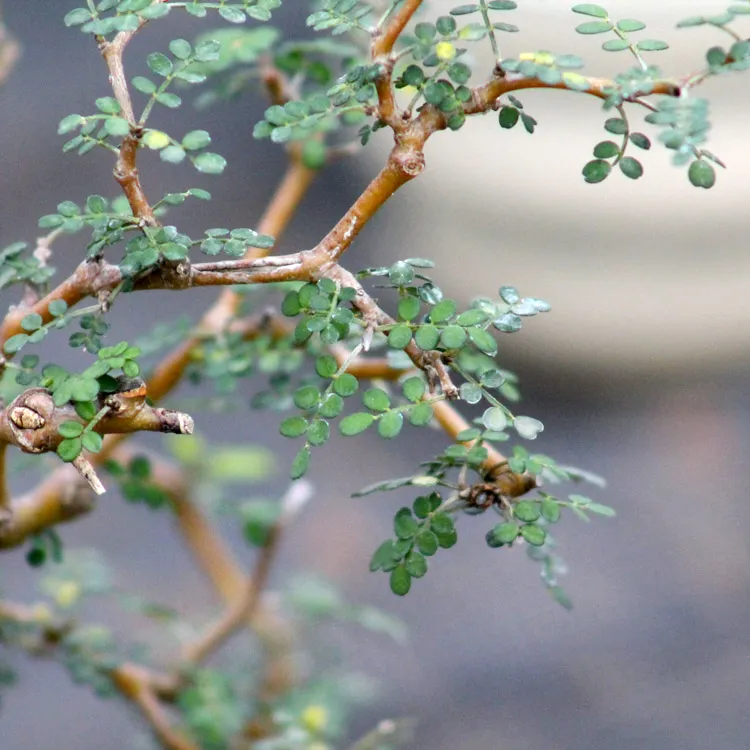
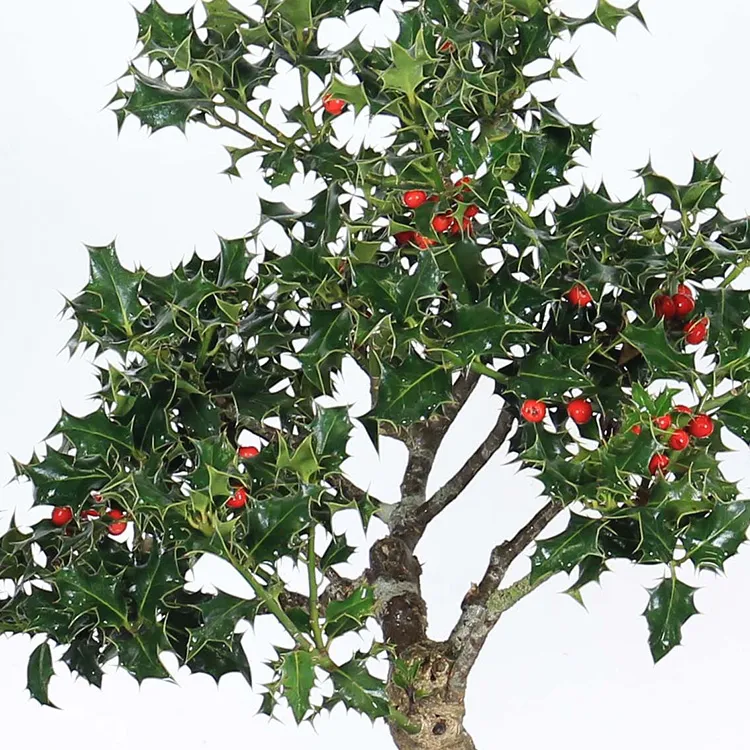
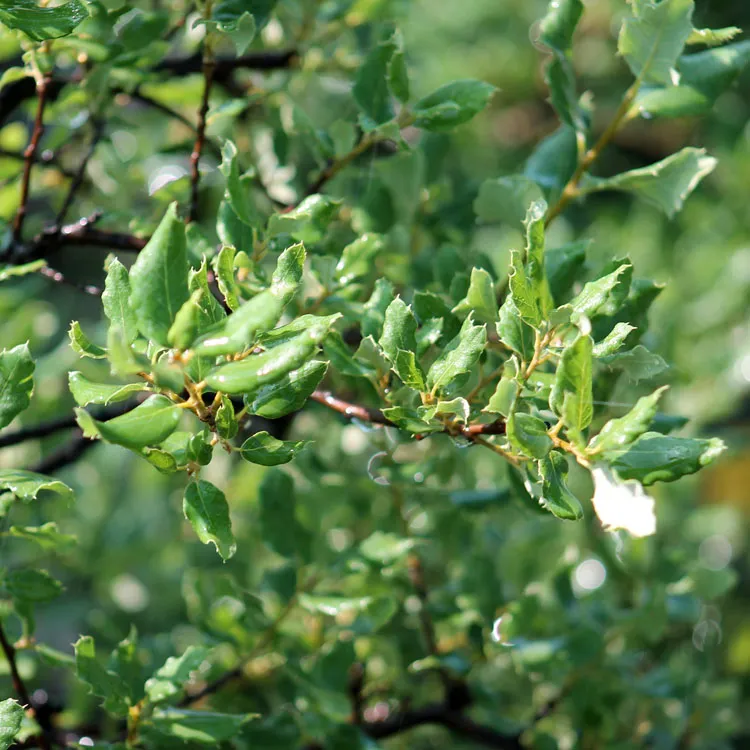
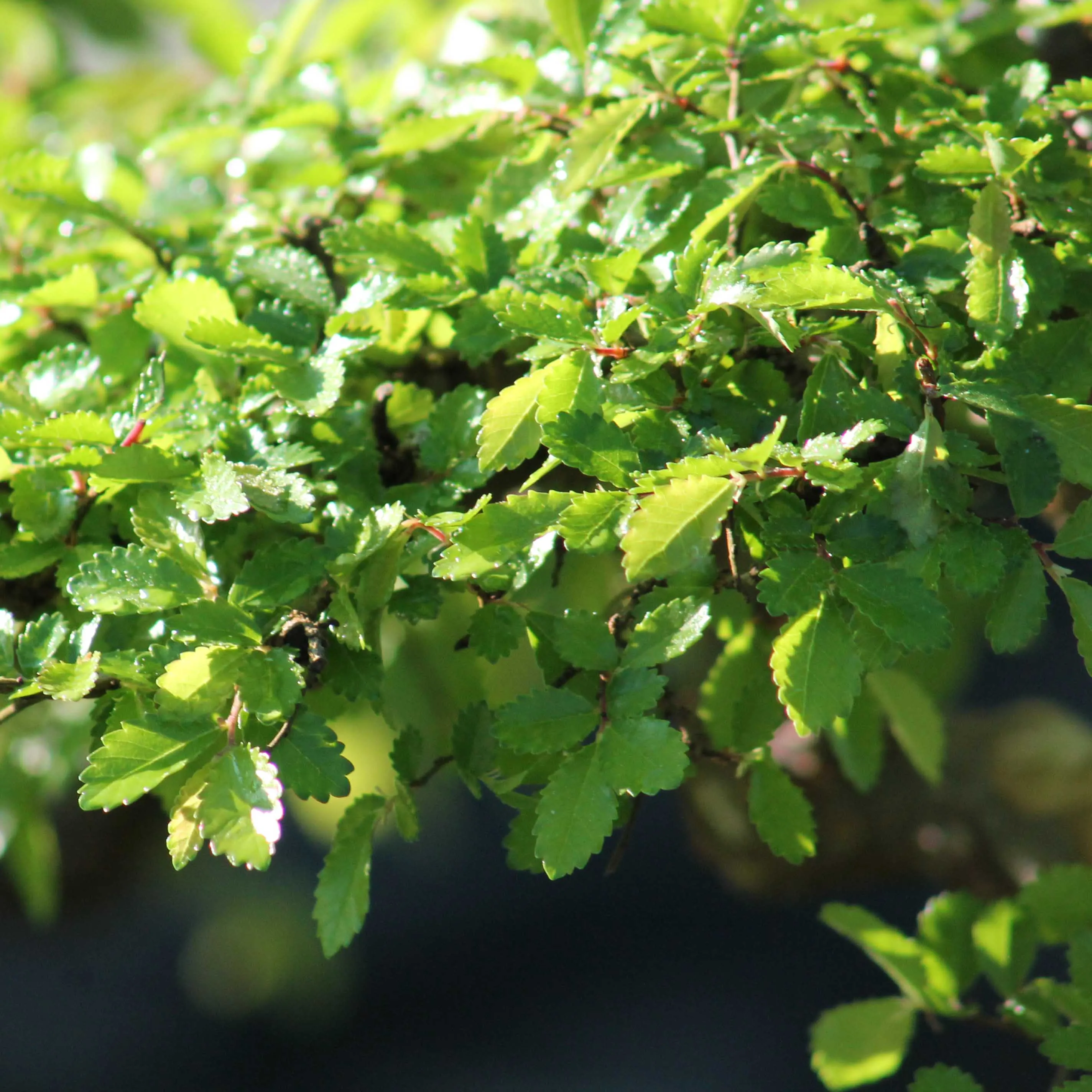
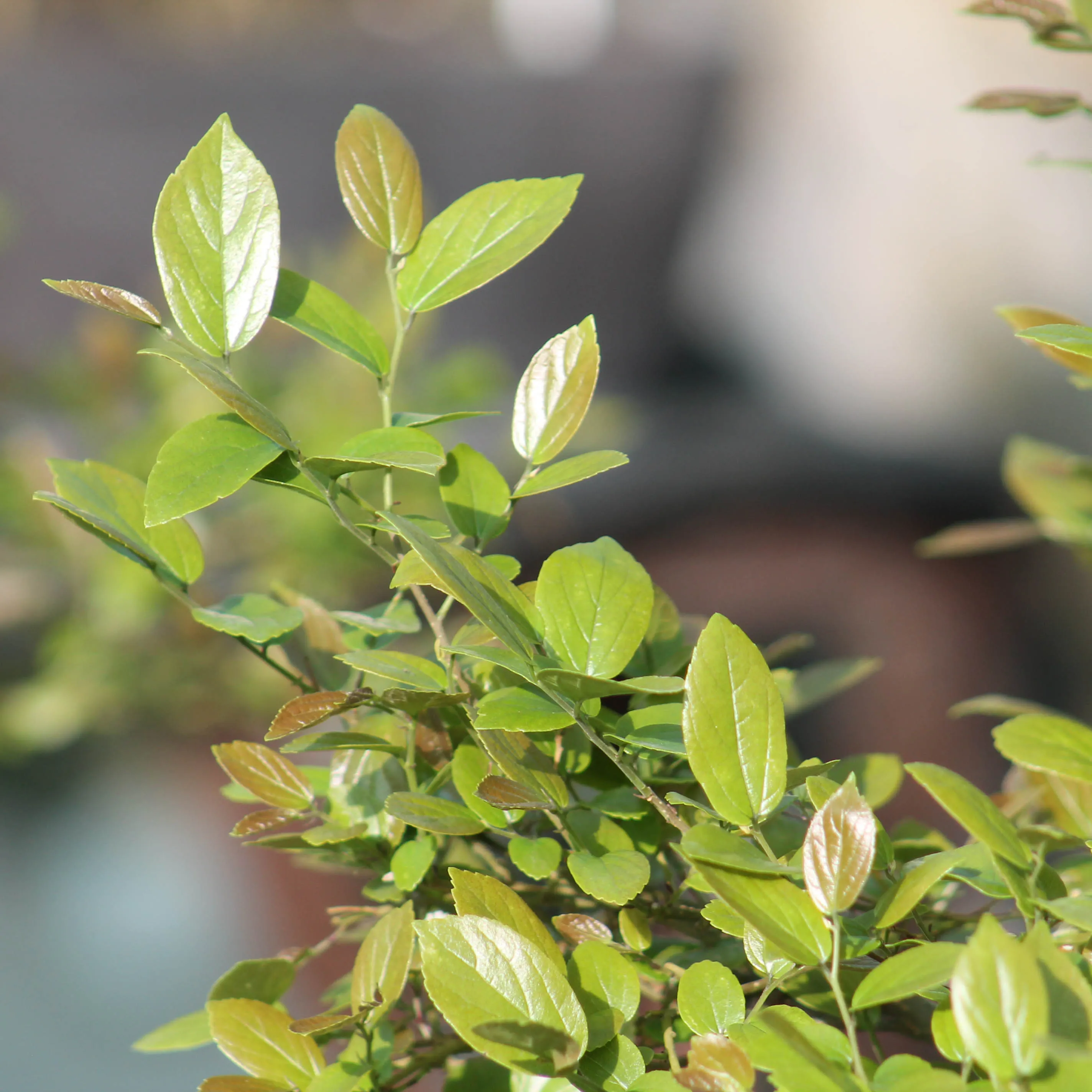
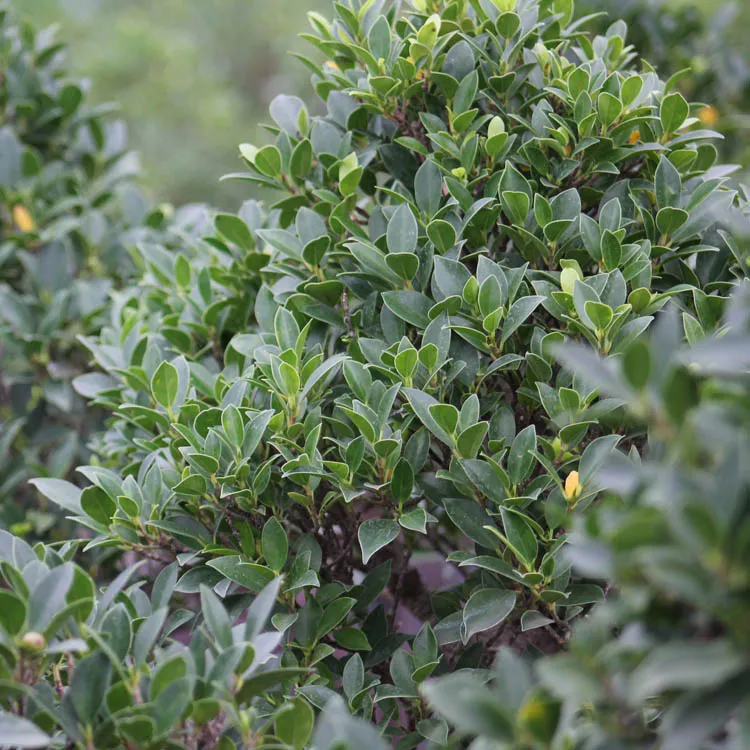
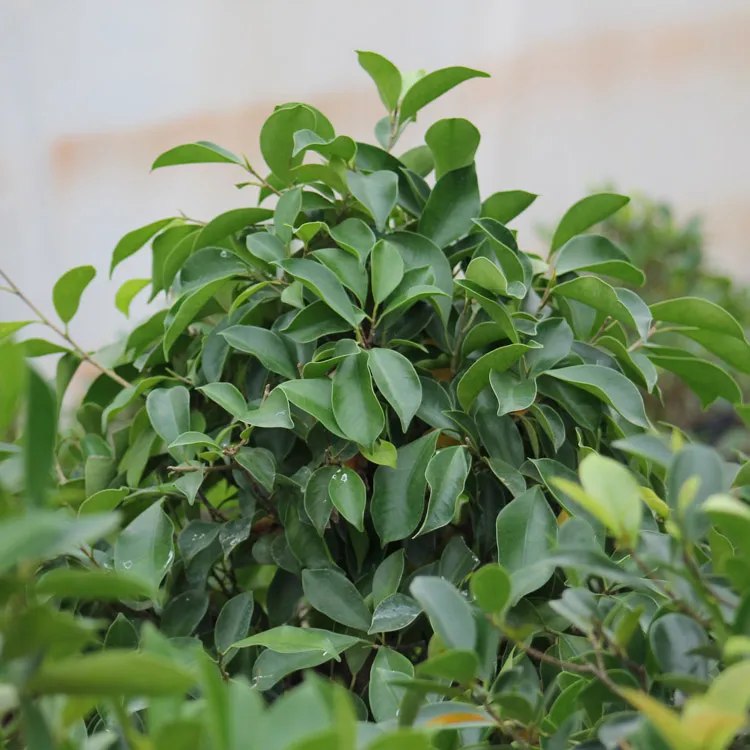
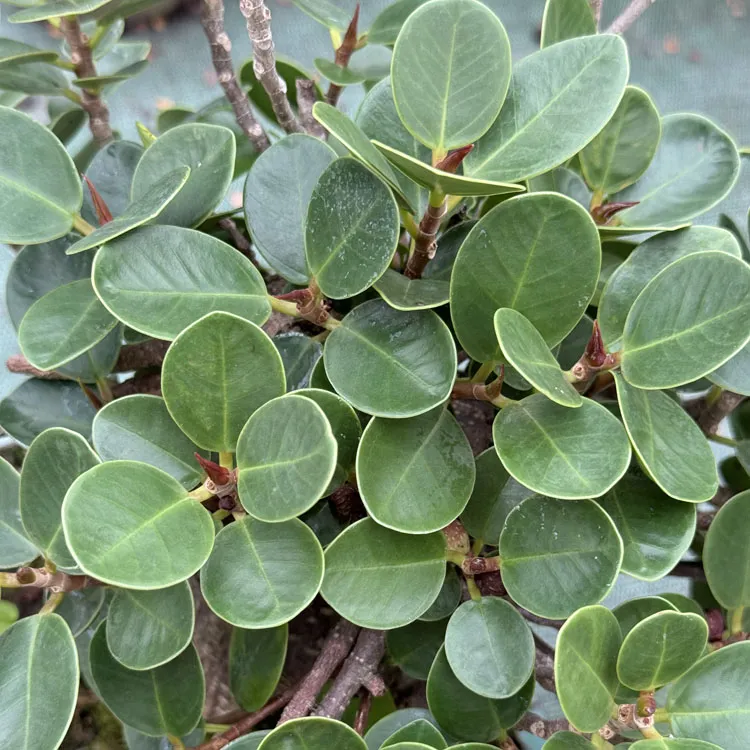
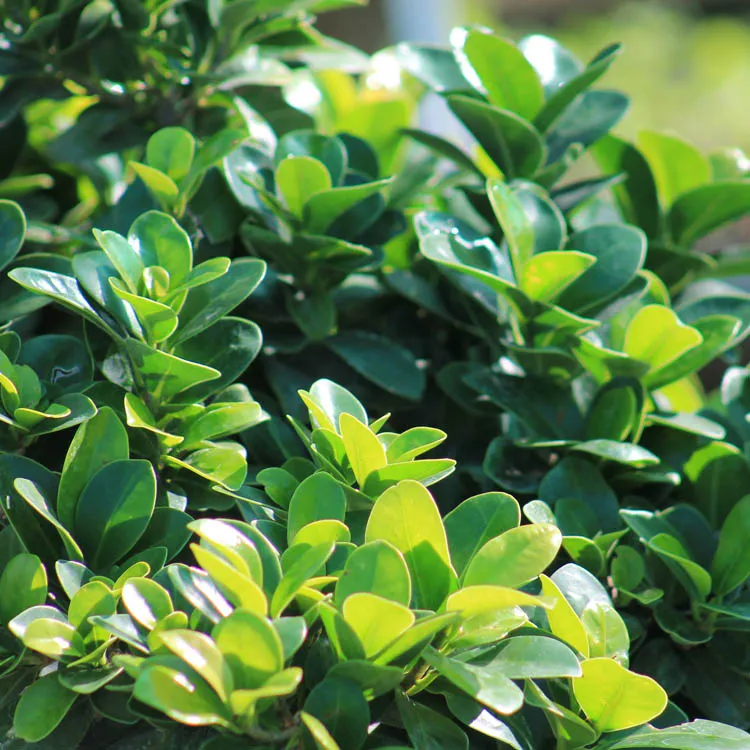
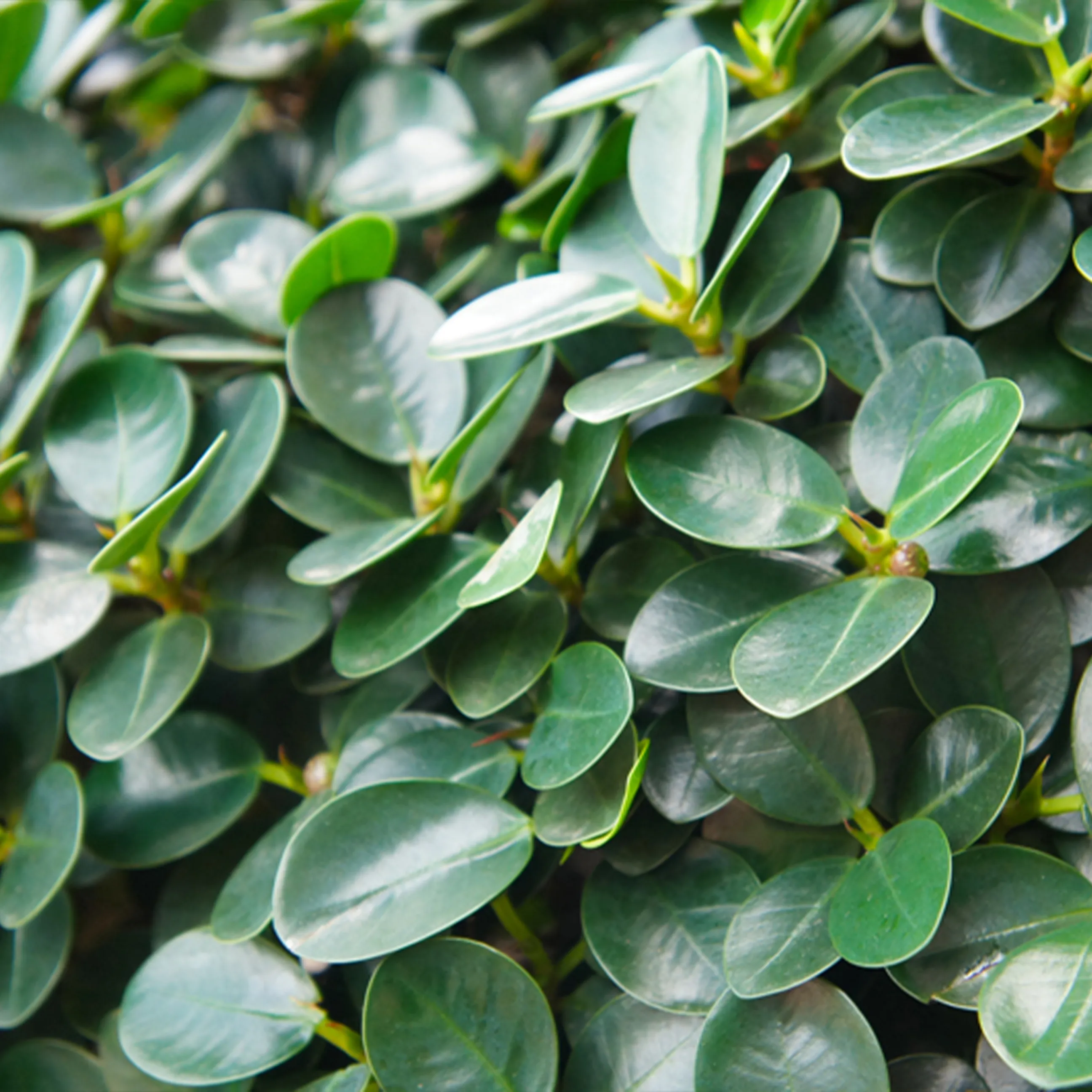
The boxwood bonsai "Buxus" is valued for its dense, evergreen foliage, made up of small dark green leaves that are ideal for miniaturization. It is a robust and long-lived species that tolerates repeated pruning well and allows for very structured, classical forms. Over time, its trunk can become gnarled and expressive, giving the bonsai an aged and elegant character.
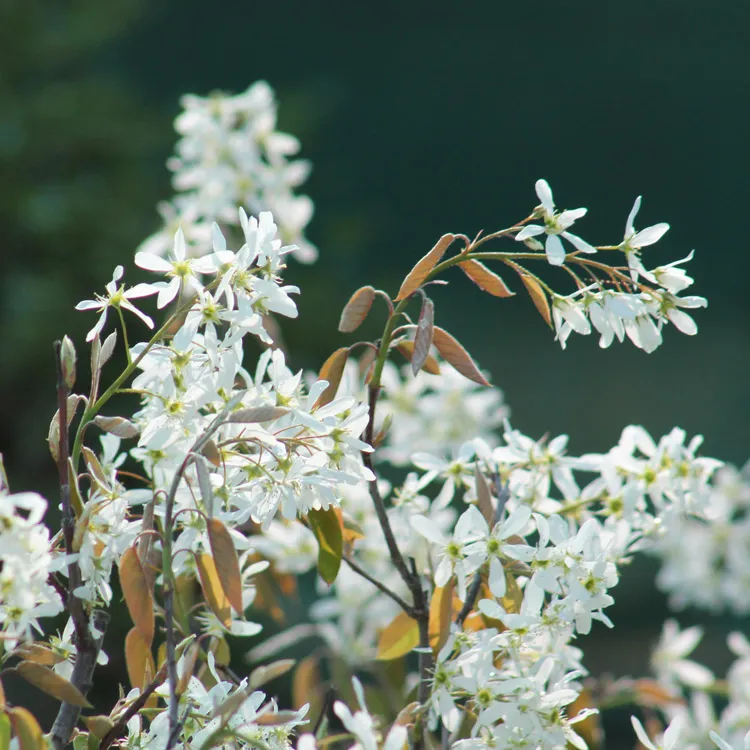
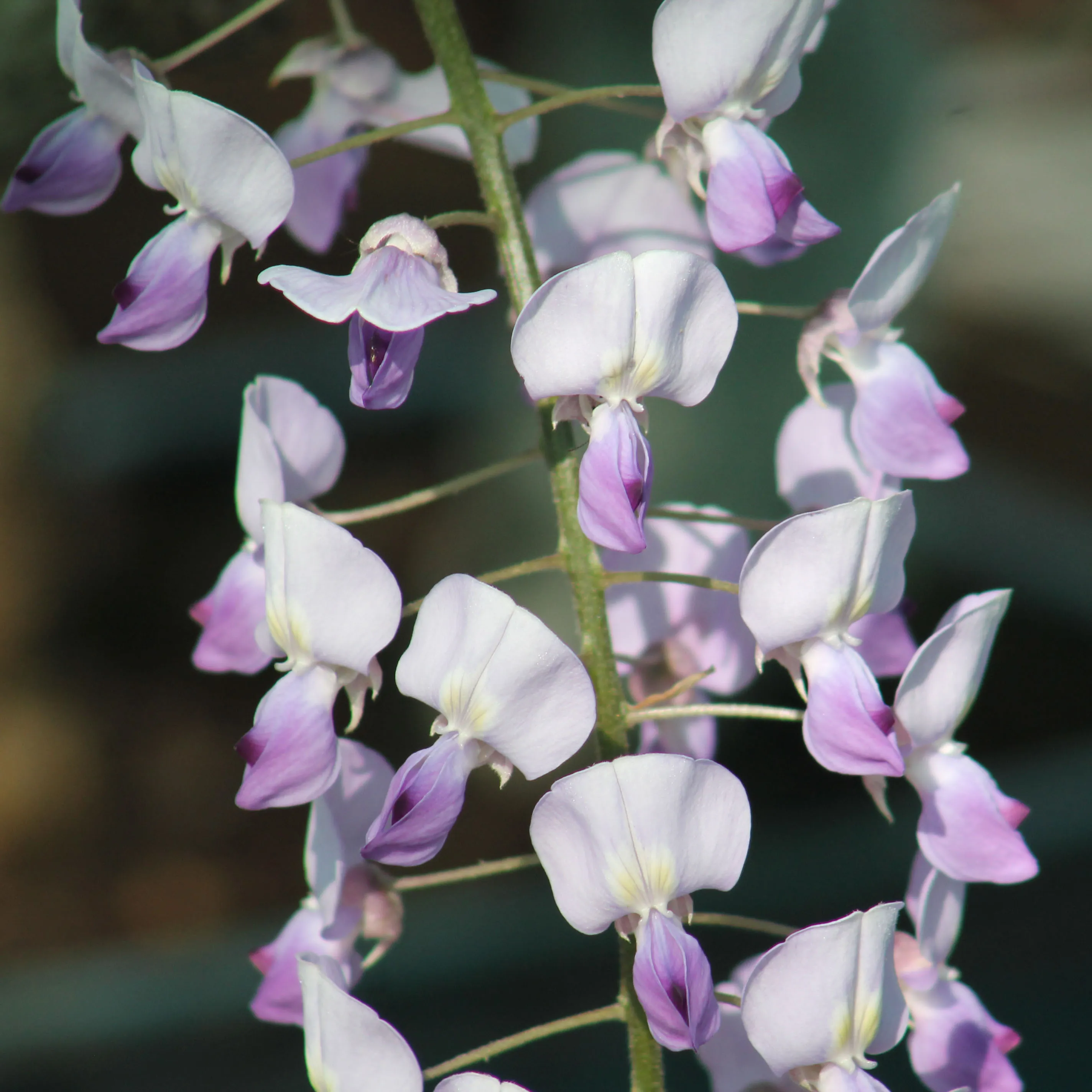
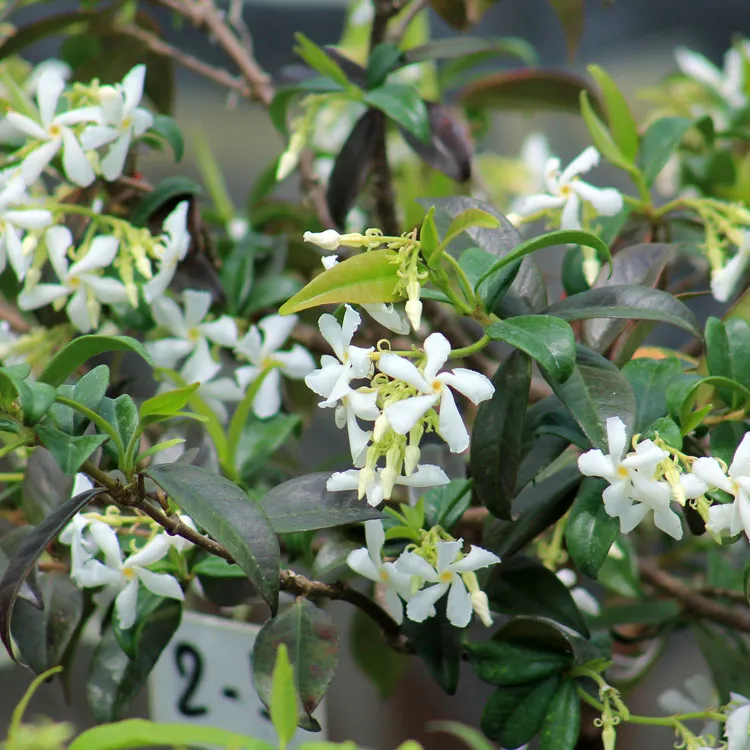
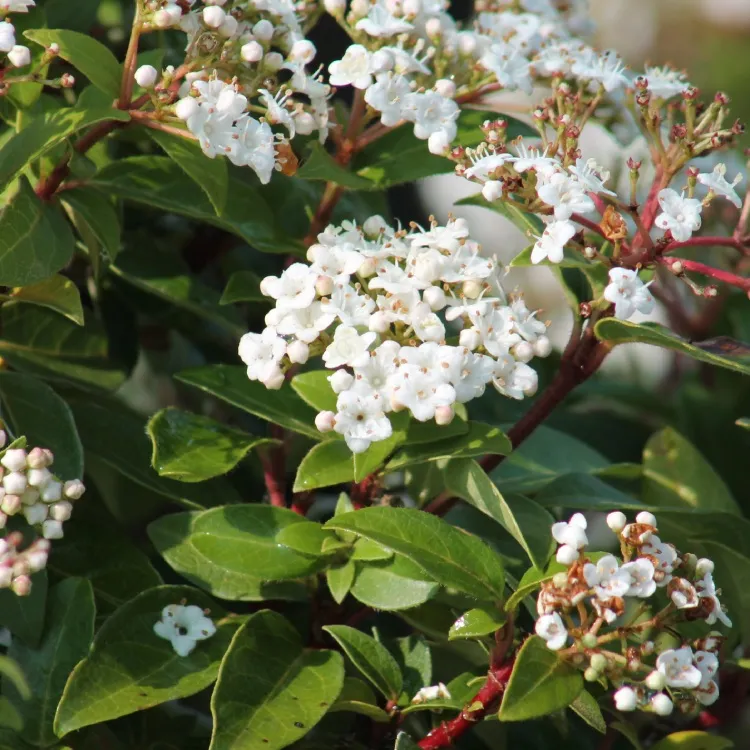
In spring, it produces small, discreet yellowish flowers, sometimes followed by green fruits (not edible).

  • Photos taken in February 2026
Waist 30 cm
Location Outside
Age 25 years
Foliage Persistent
Height Entre 25 et 40 cm
Share
Cultivation Advice
Outdoors year-round, boxwood should be placed in a sunny spot. During the warmer months, however, move it to partial shade, avoiding direct sunlight.

Water regularly, allowing the soil to dry slightly between waterings to prevent overwatering. Water regularly; during hot weather, water daily! In winter, water according to the soil's condition. Thanks to rain and cold weather, you may not need to water as frequently, as the soil will remain moist.

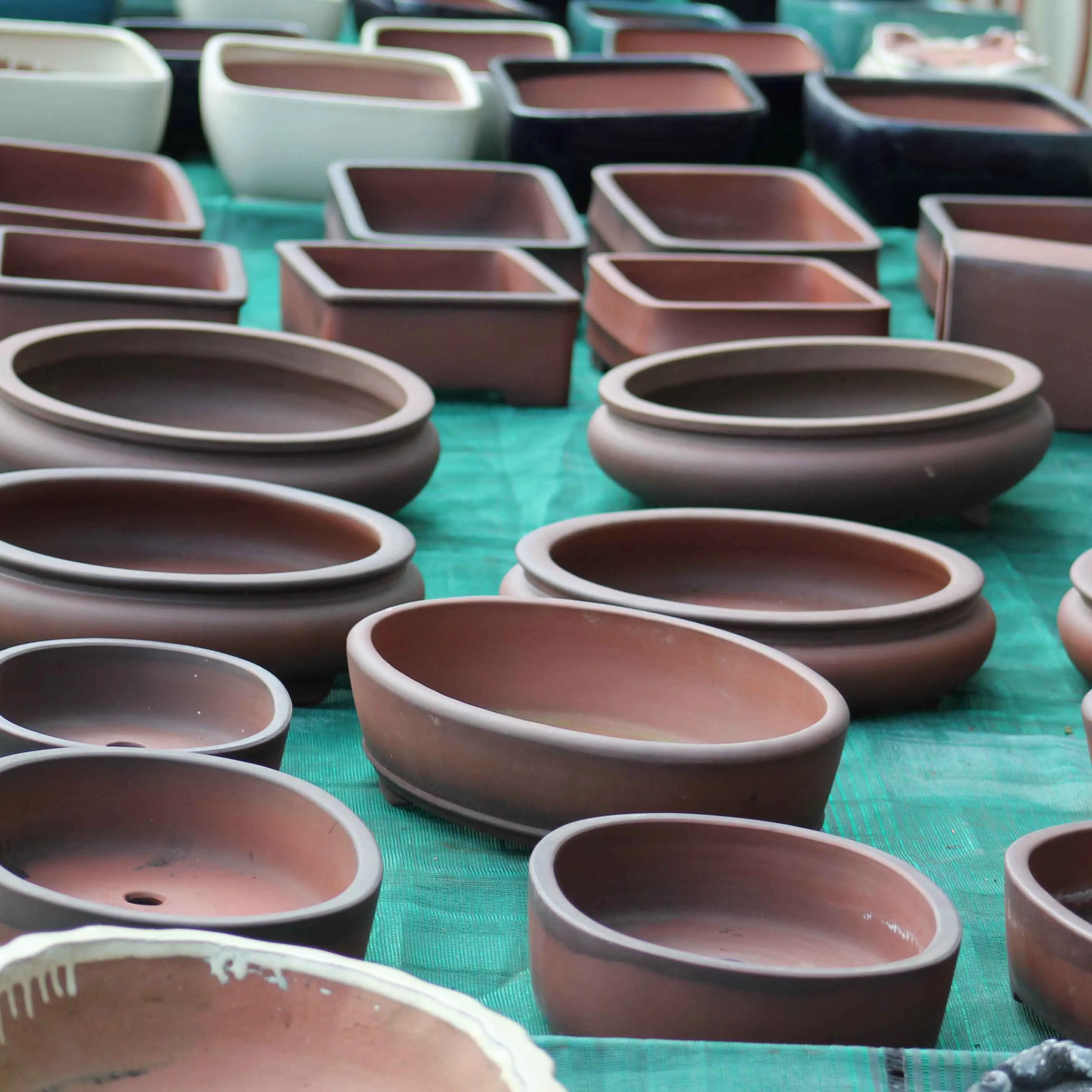
For best results: Don't hesitate to water the entire root ball, including the roots. The water will drain through the drainage holes in the bottom of the pot. Alternatively, soak the pot in water for a few minutes to ensure it is thoroughly watered. We advise against placing a saucer or container under your pot, as the water will stagnate and can cause root rot. (Too much water = asphyxiation).

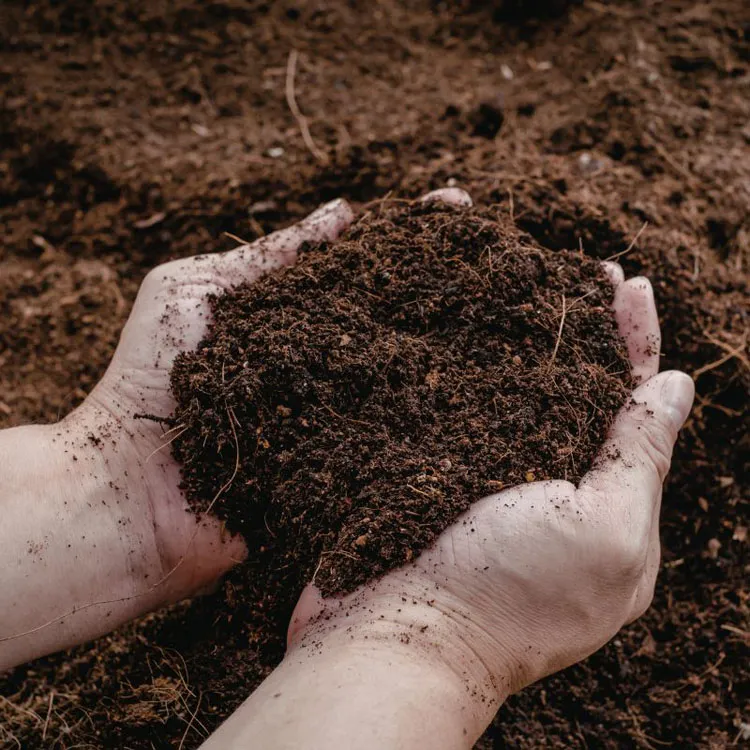
Repotting should be done every 3 years. Do it in late spring, once the plant has resumed growth. In our nursery, we use agricultural potting soil composed of black peat, blonde peat, aged peat, topsoil, horse manure, and pozzolana. For your next repotting, you can use a more free-draining substrate (30% kanuma, 70% pozzolana or pumice) to facilitate water drainage.

The structure is pruned in winter. In spring, let the boxwood grow freely. Maintain the desired shape during the growing season by pruning the shoots. Pruning is rather tedious because you have to cut between the very small leaves to prevent them from yellowing at the cut. Be careful, wiring is not recommended for this variety because the bark is very fragile and the marks are permanent. The root ball must be pruned quite severely because the species is vigorous. Finally, Chinese boxwood produces many suckers in the leaf axils and on the trunk. Therefore, these must be removed regularly to maintain vigor and avoid scarring.

Boxwood is a heavy feeder! In the nursery, we use a blue fertilizer for tomatoes/flowers with an NPK ratio of 12-12-17. Apply a handful (more or less depending on the pot size) to the potting mix every two months from spring to autumn.