

 Production of French Bonsai
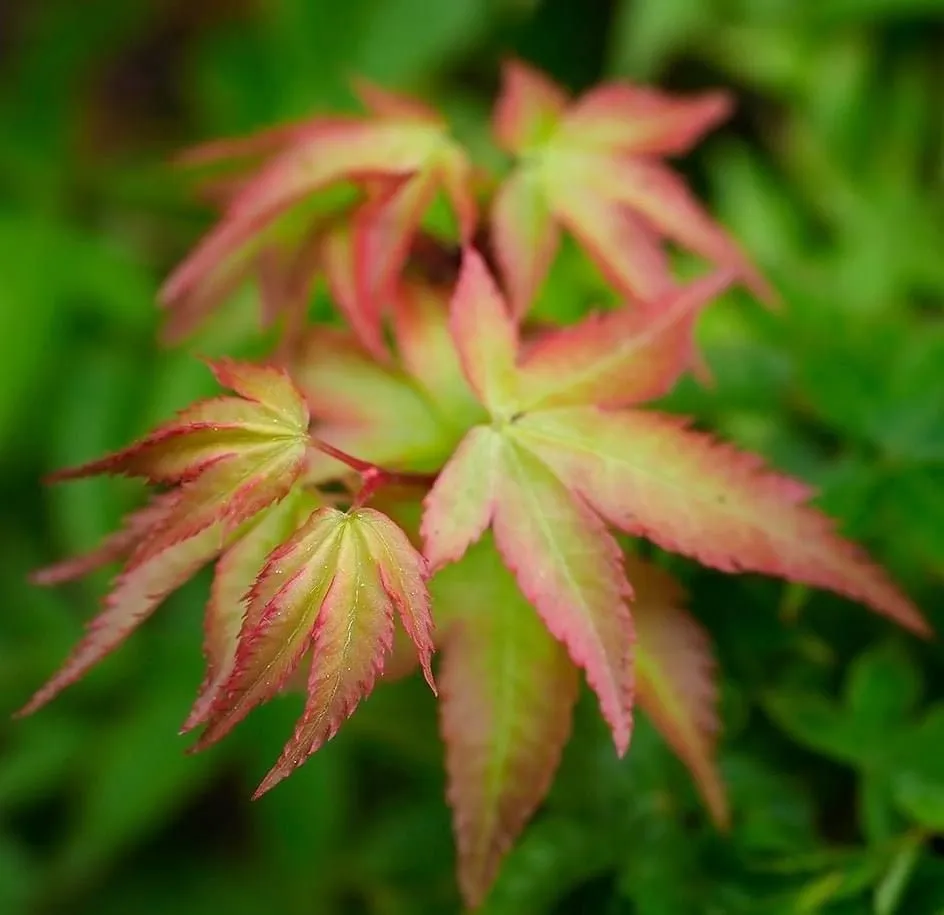
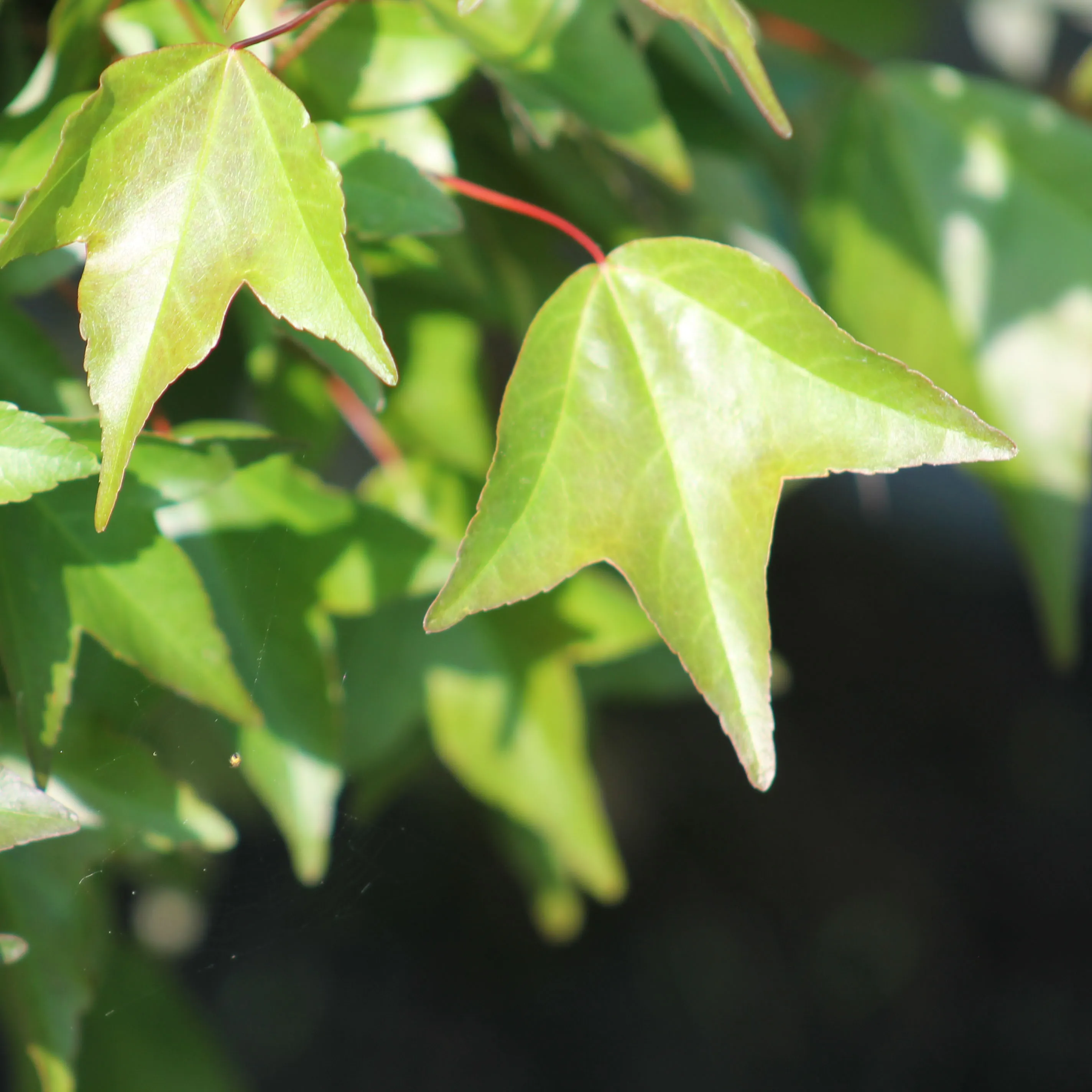
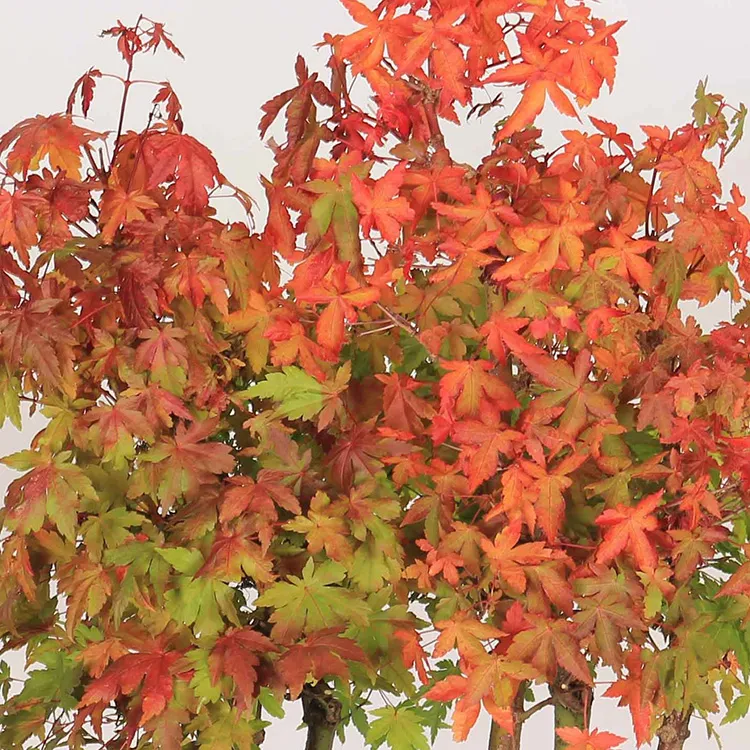
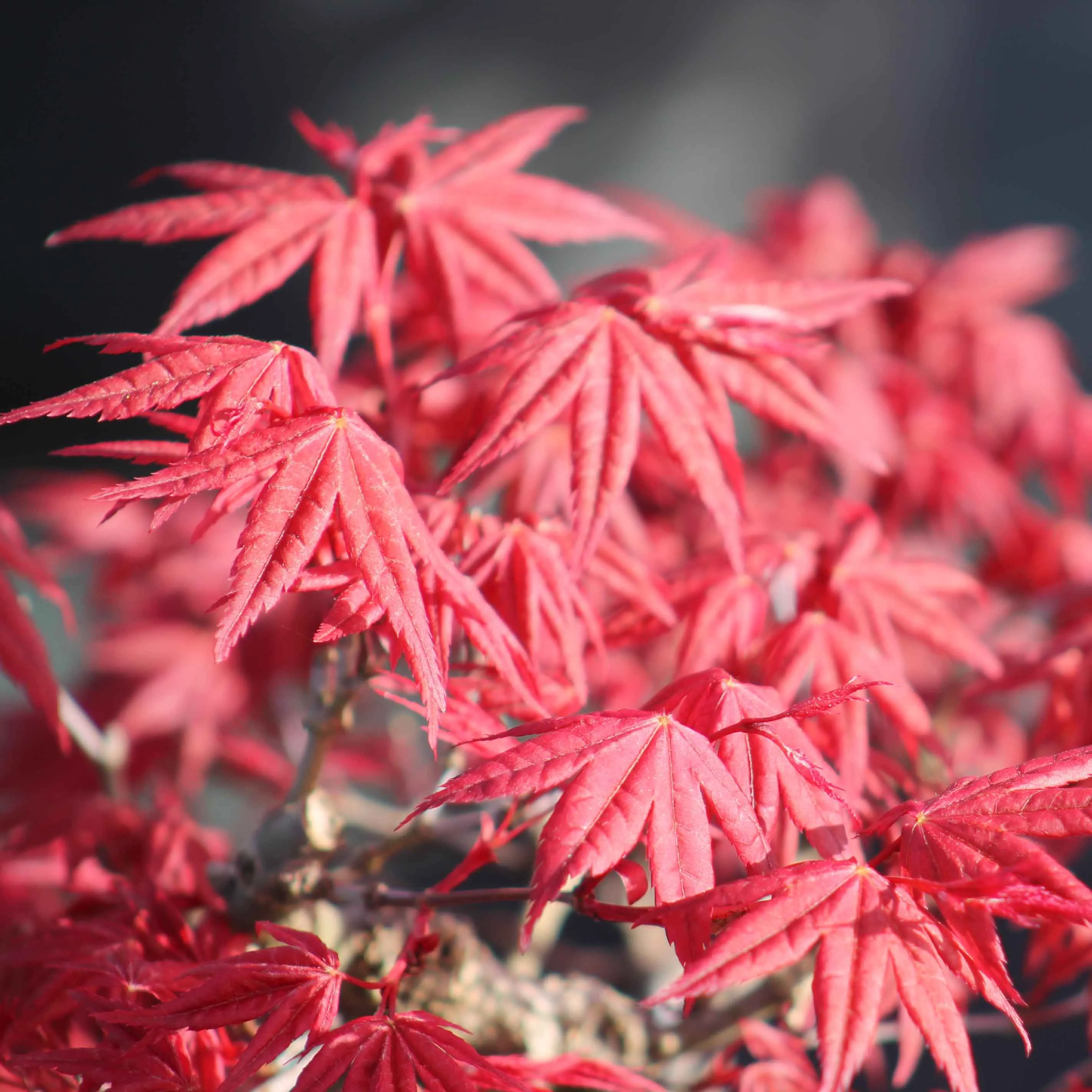
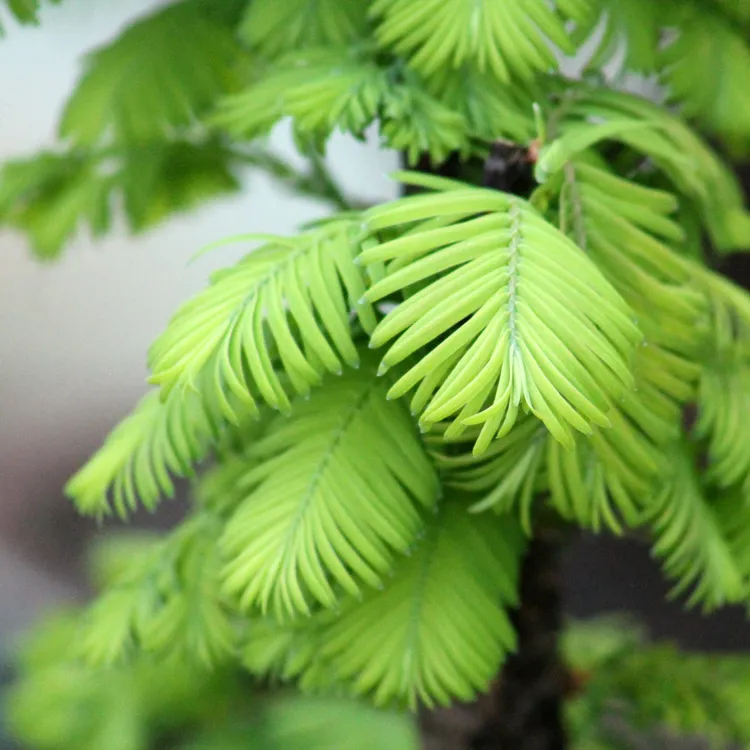
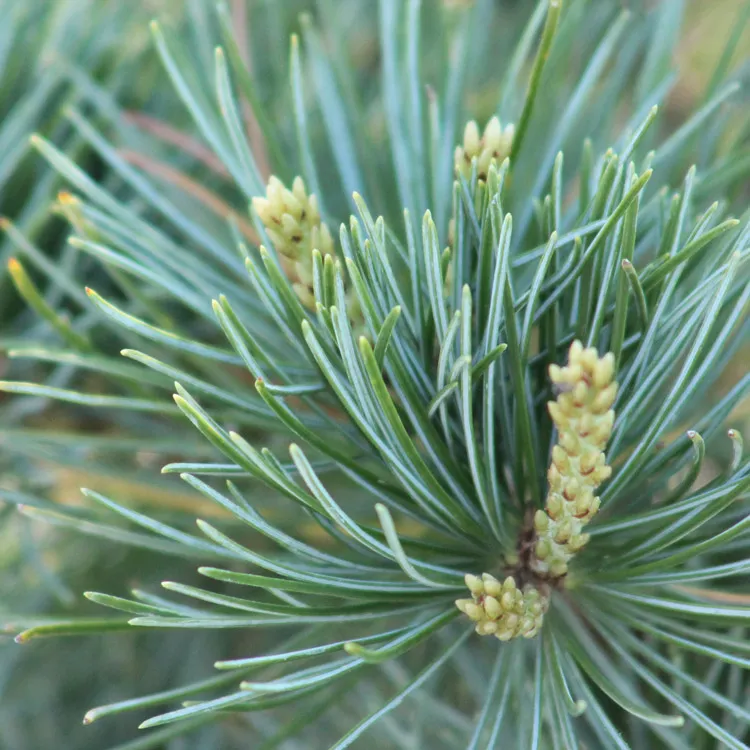
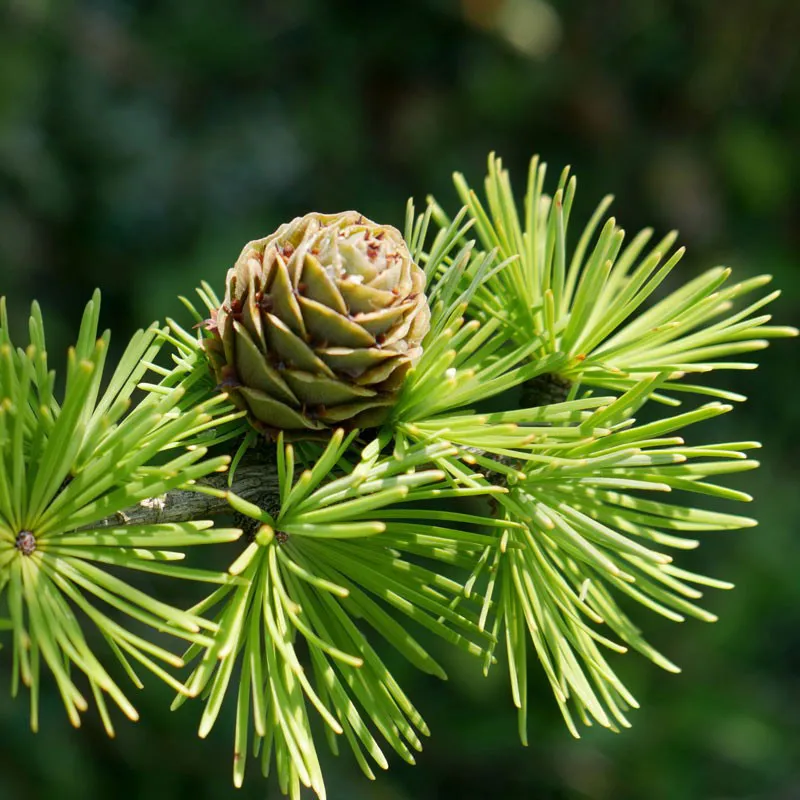
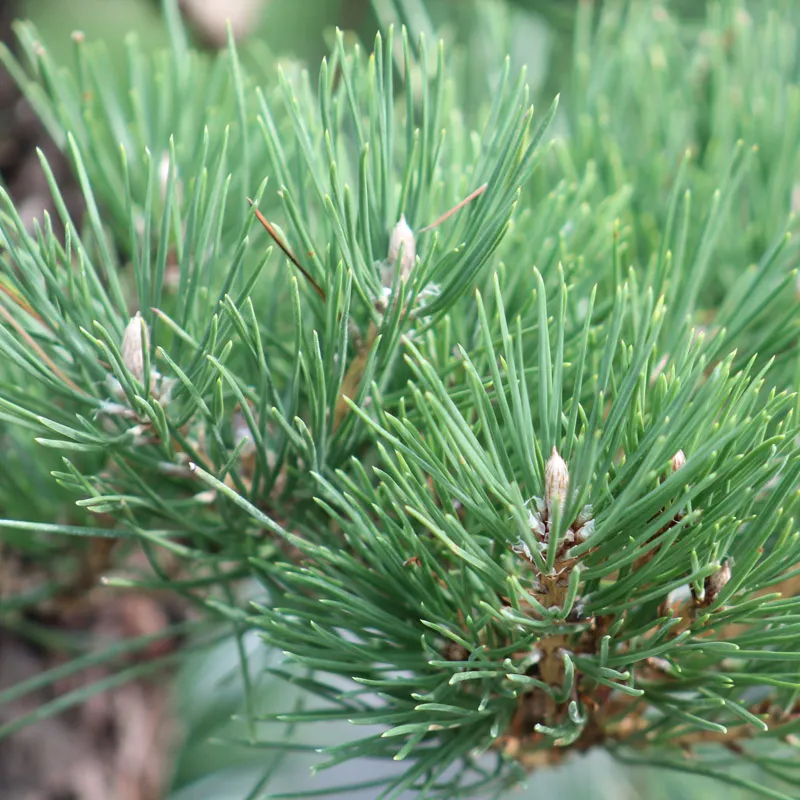
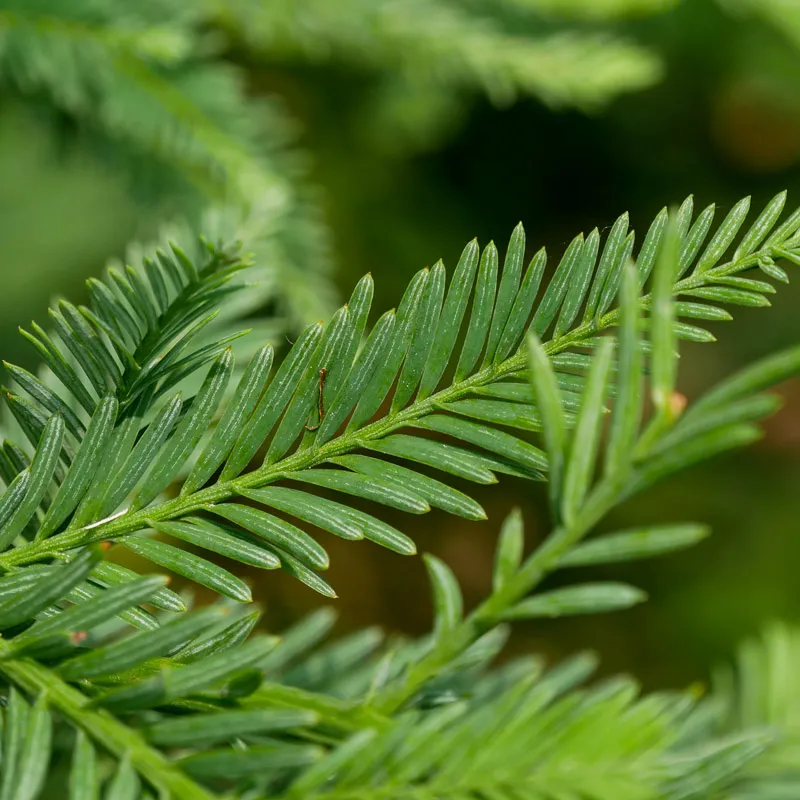
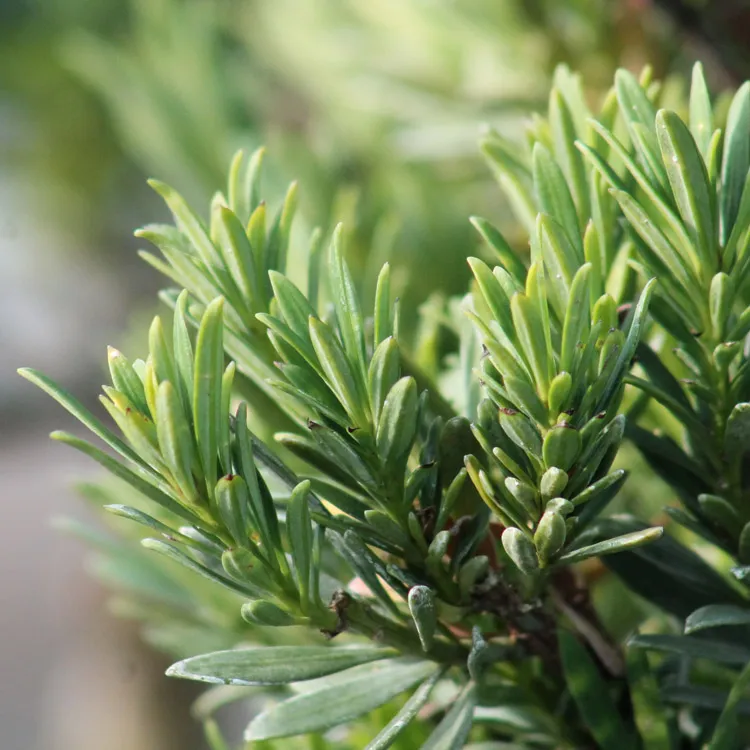
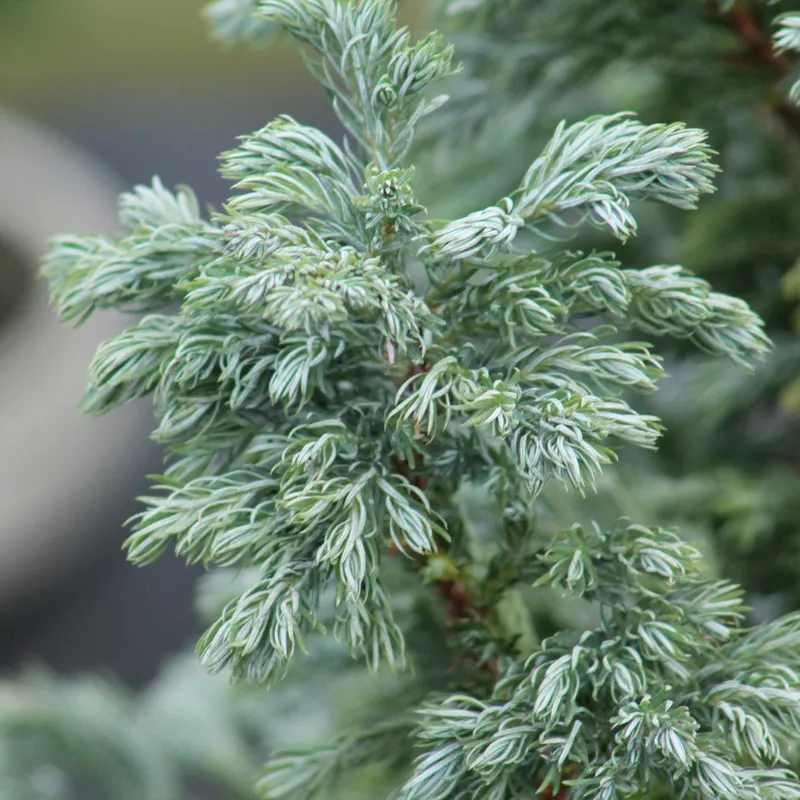
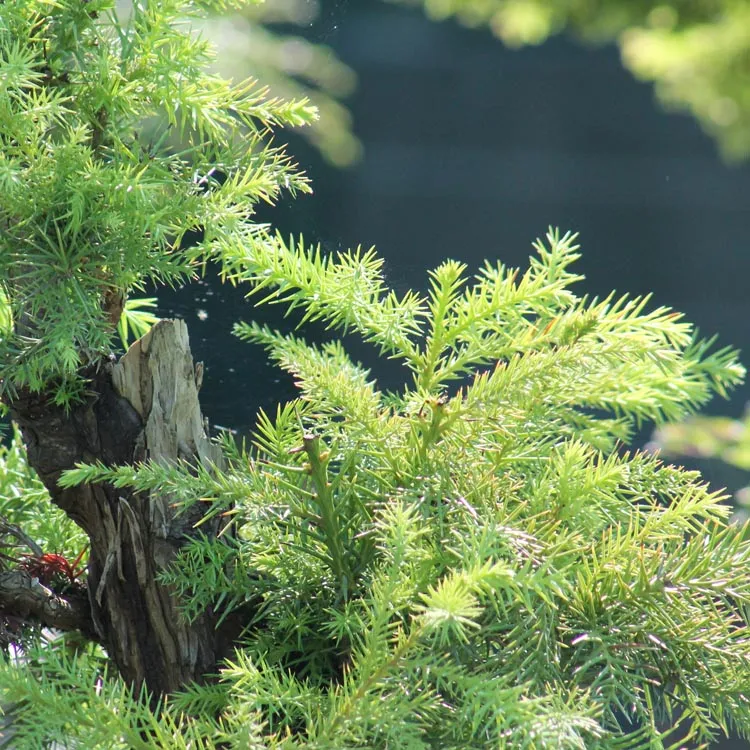
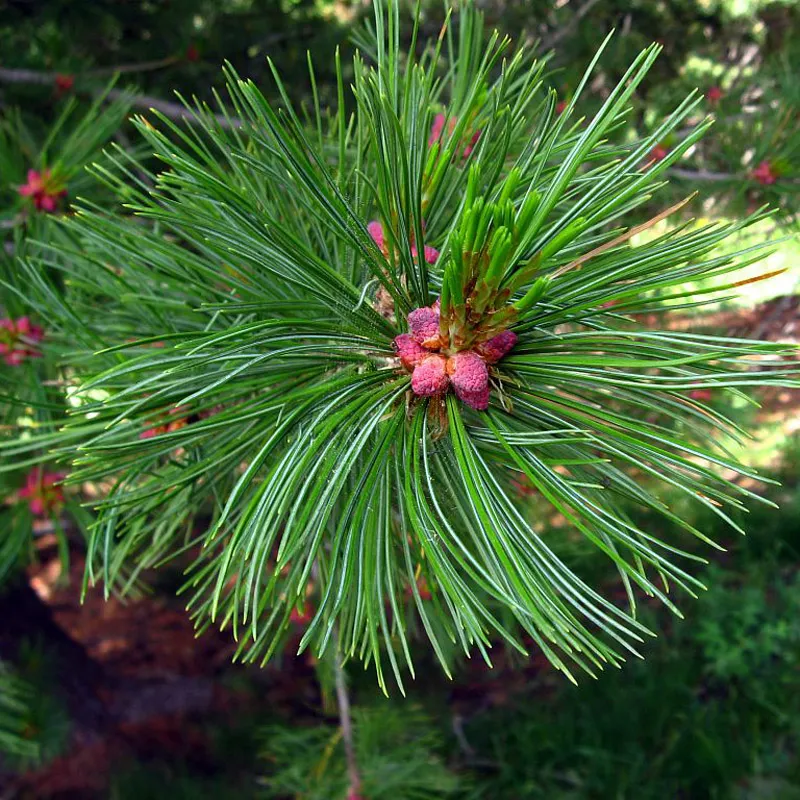
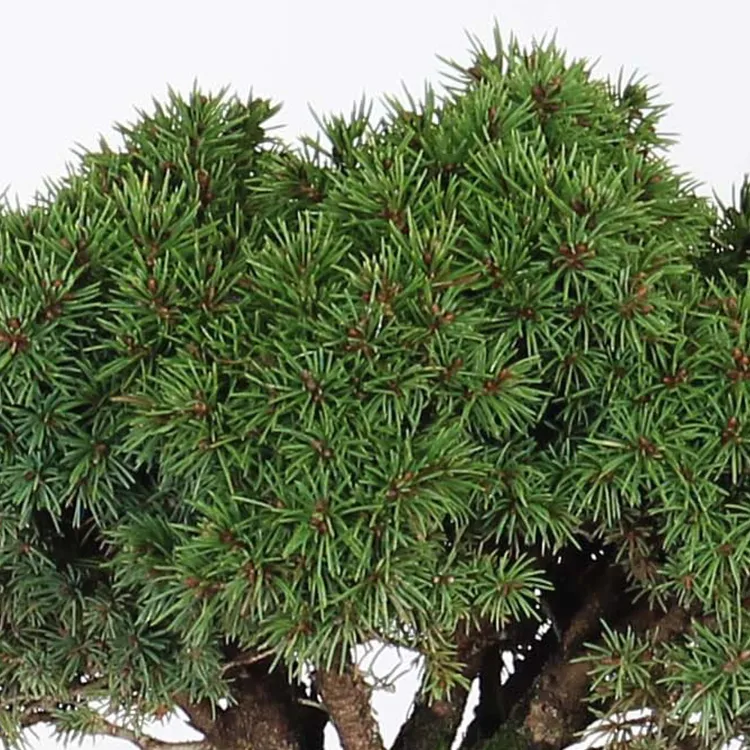
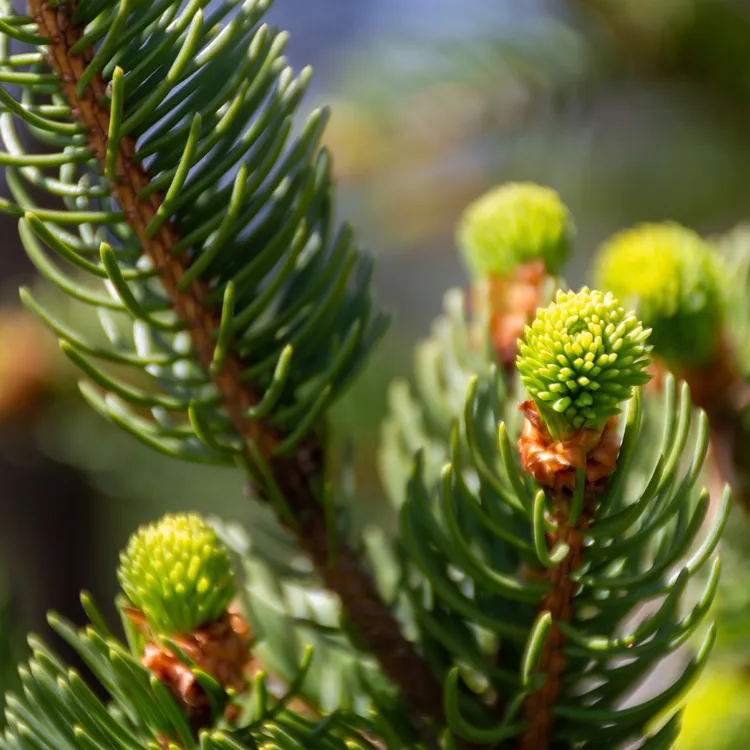
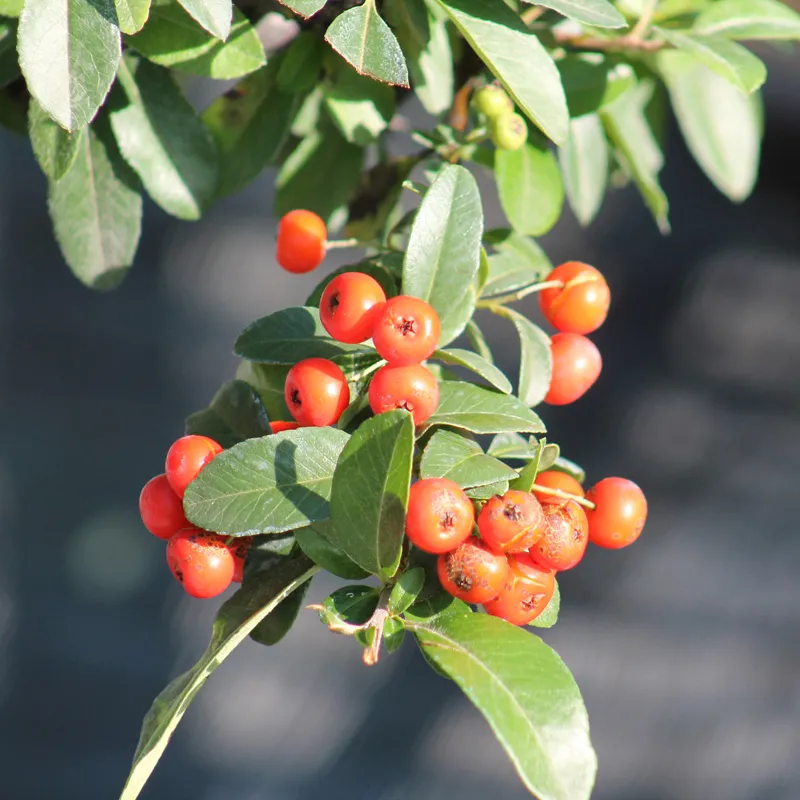
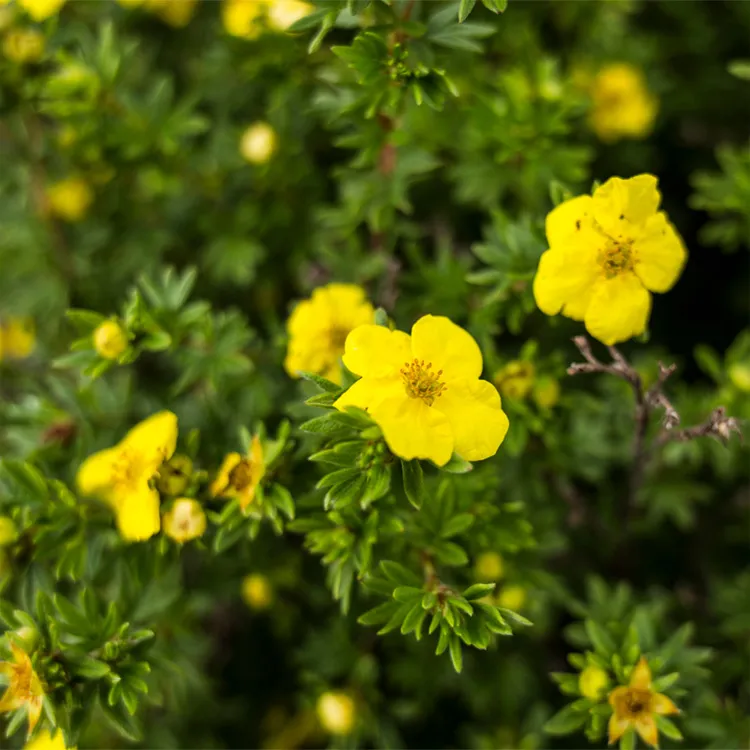
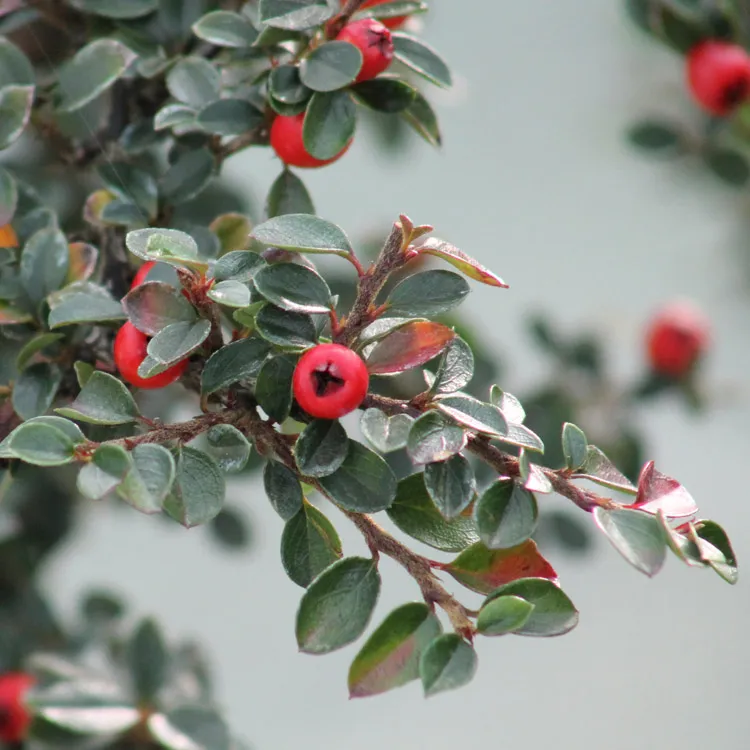
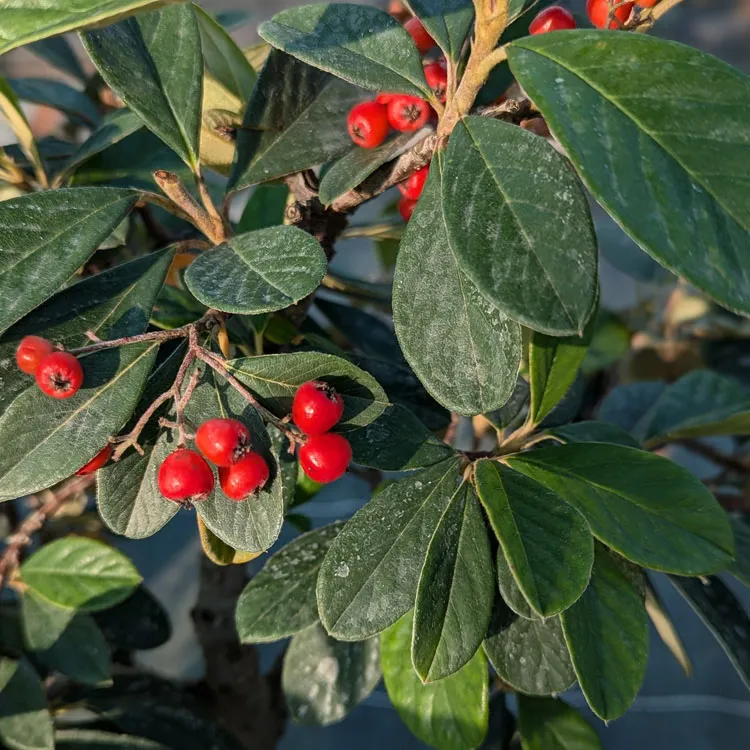
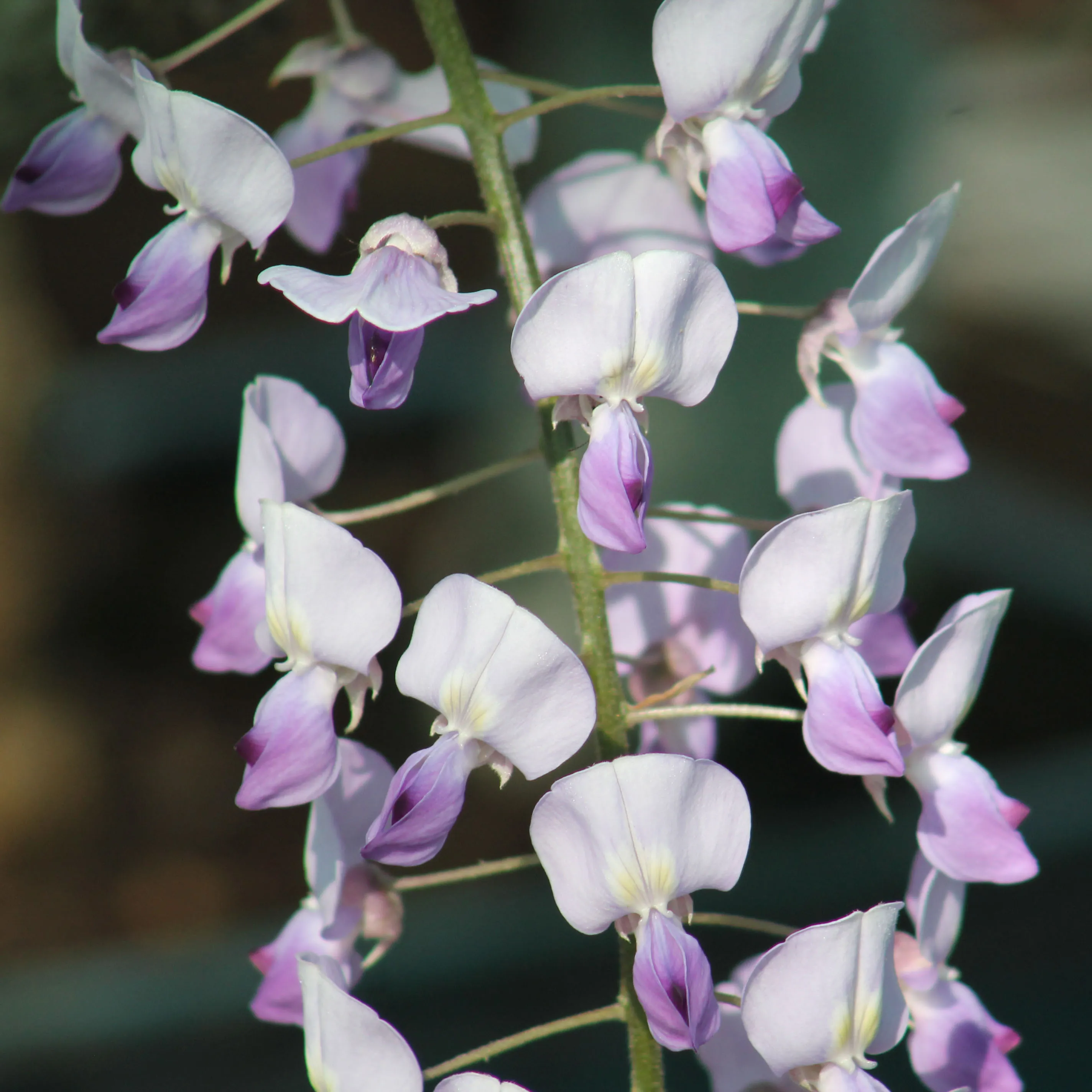
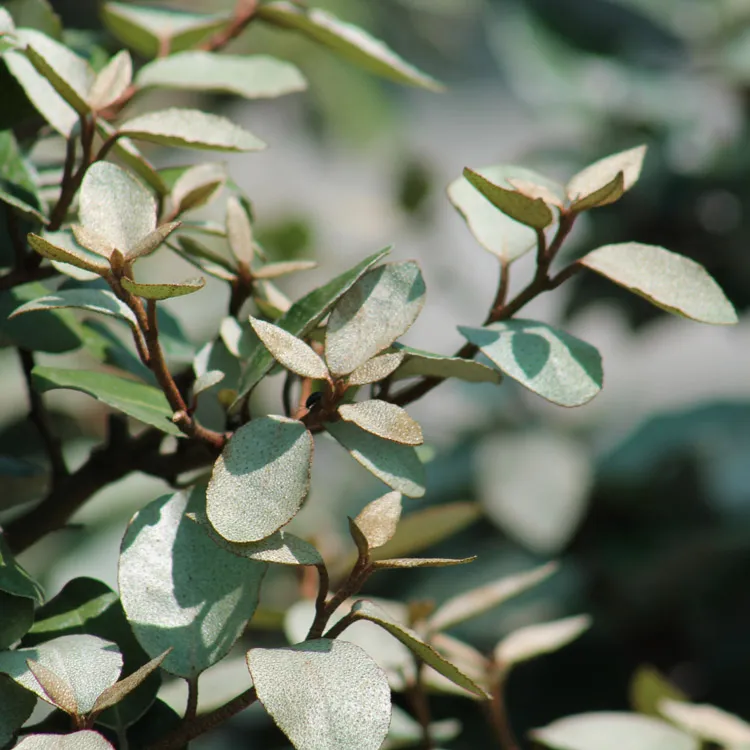
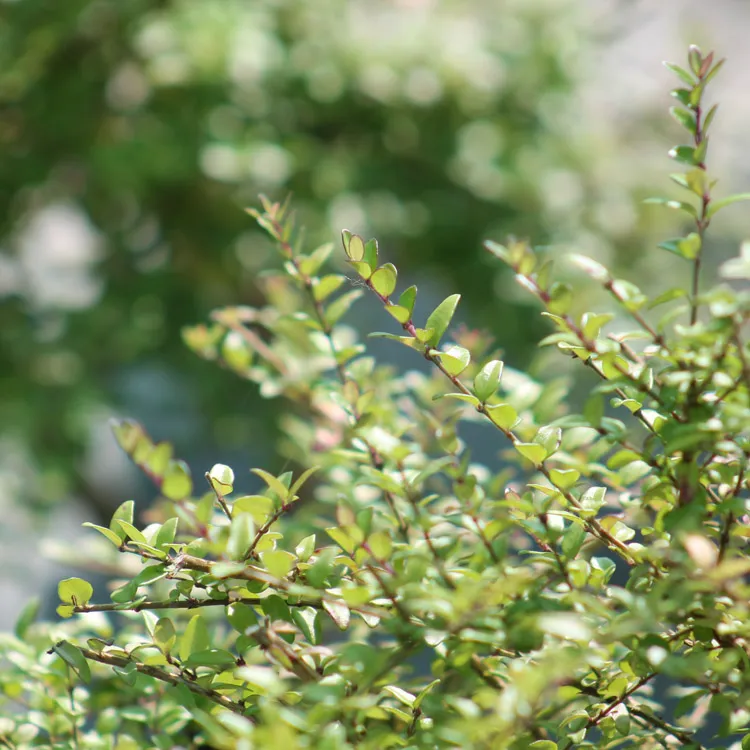
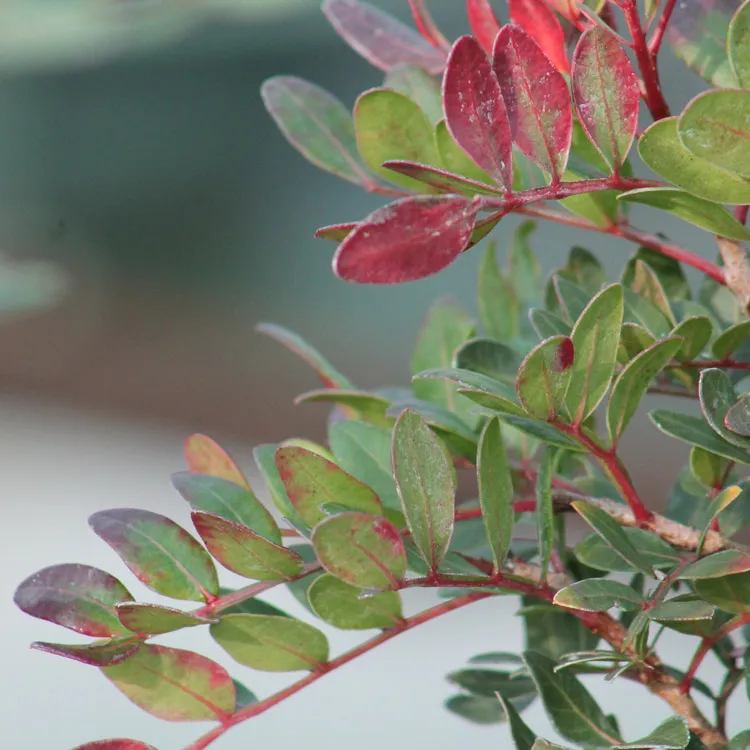
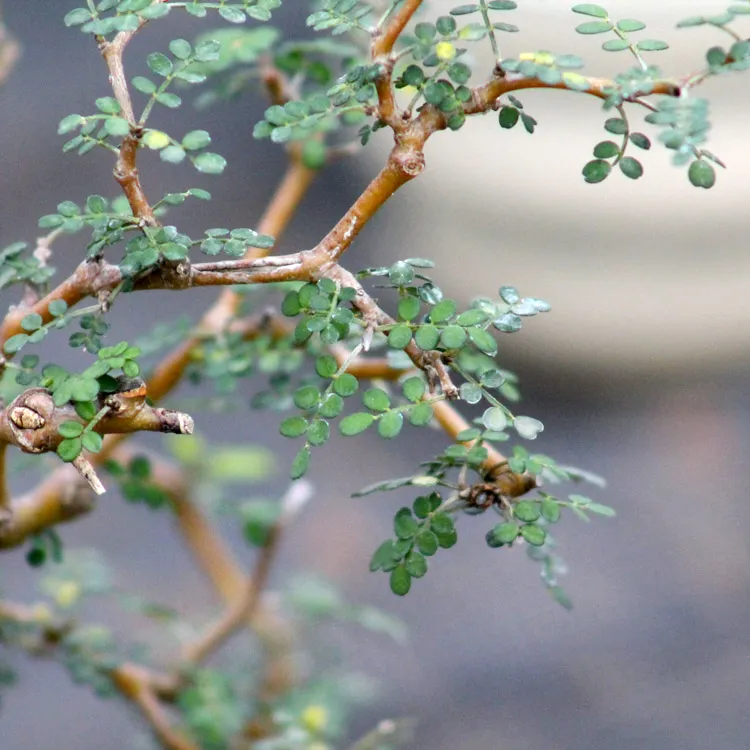
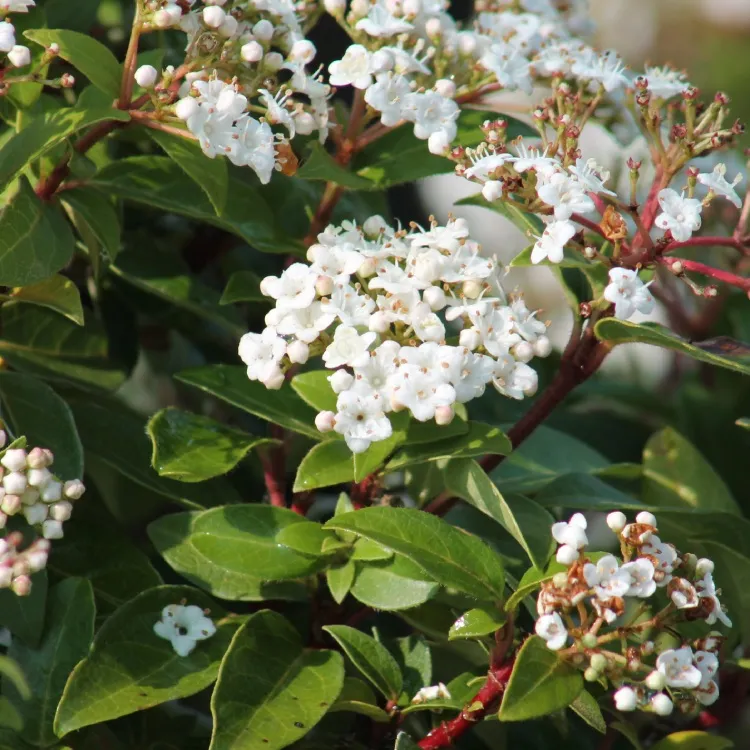
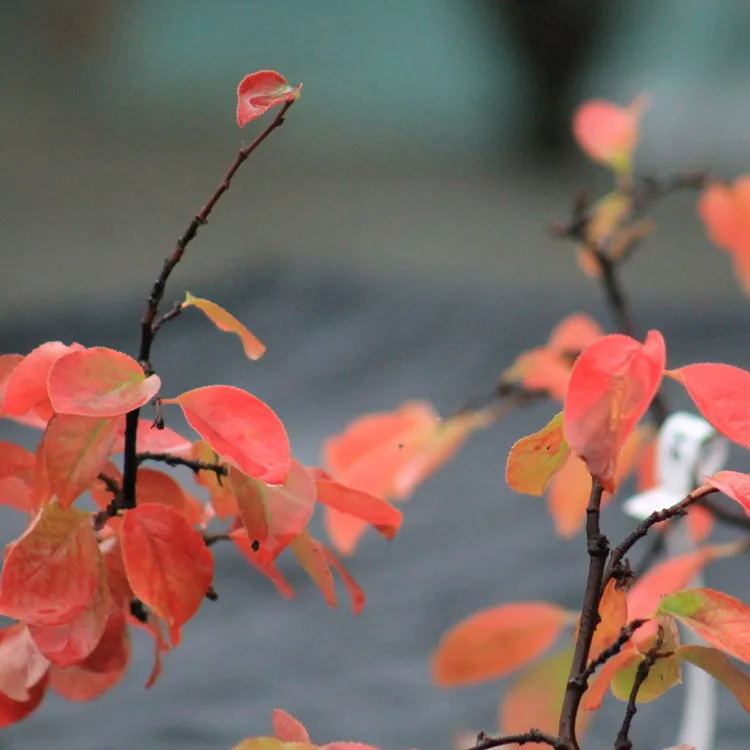
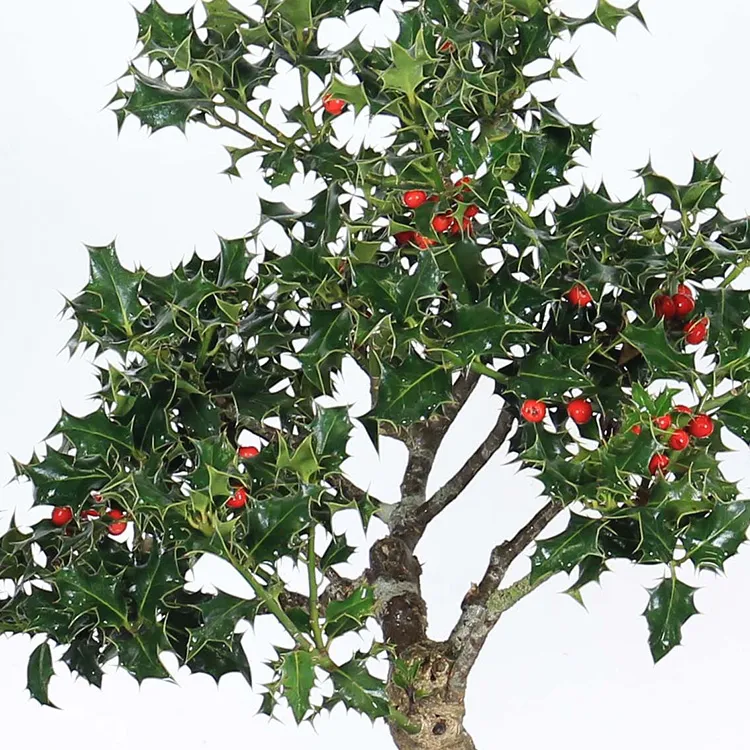
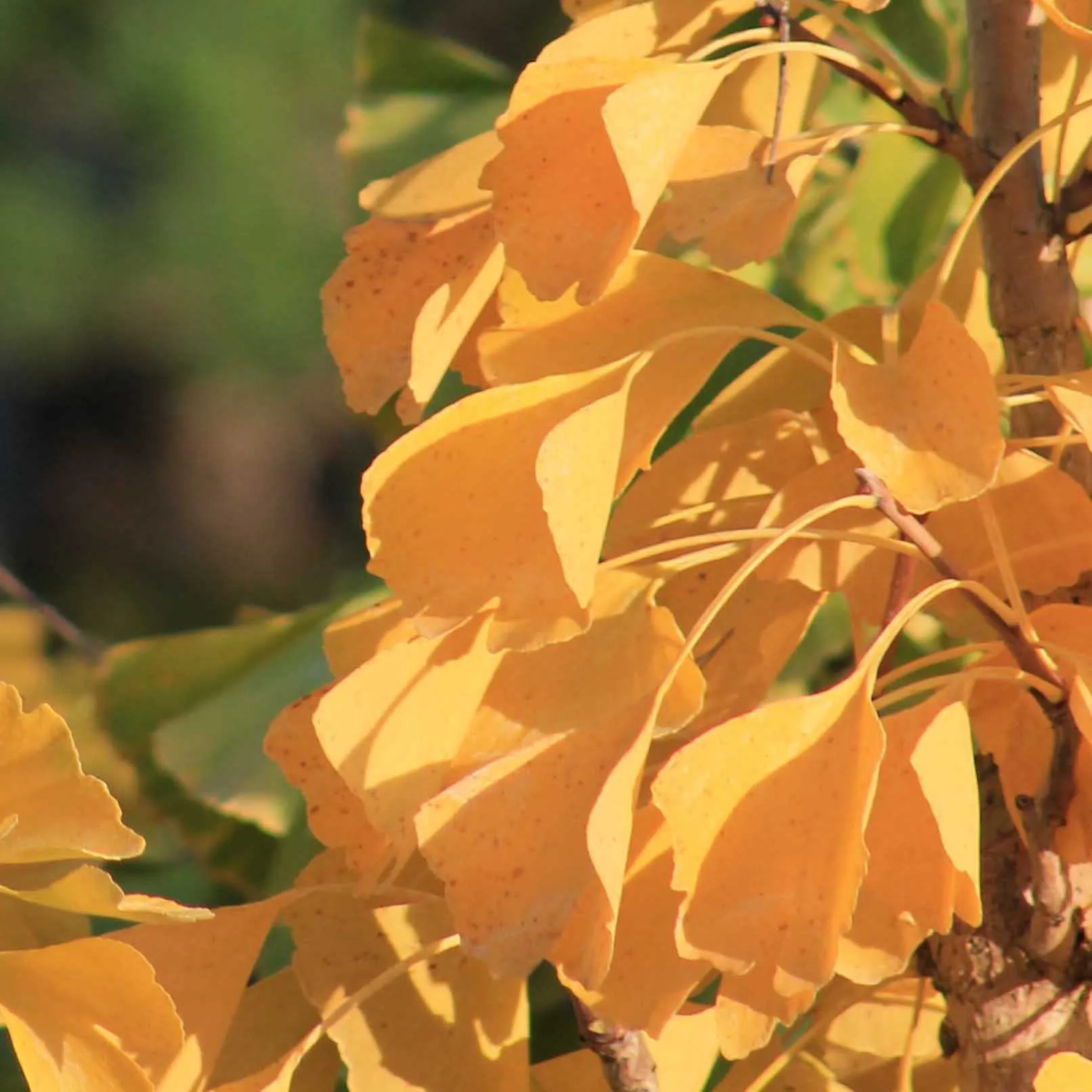
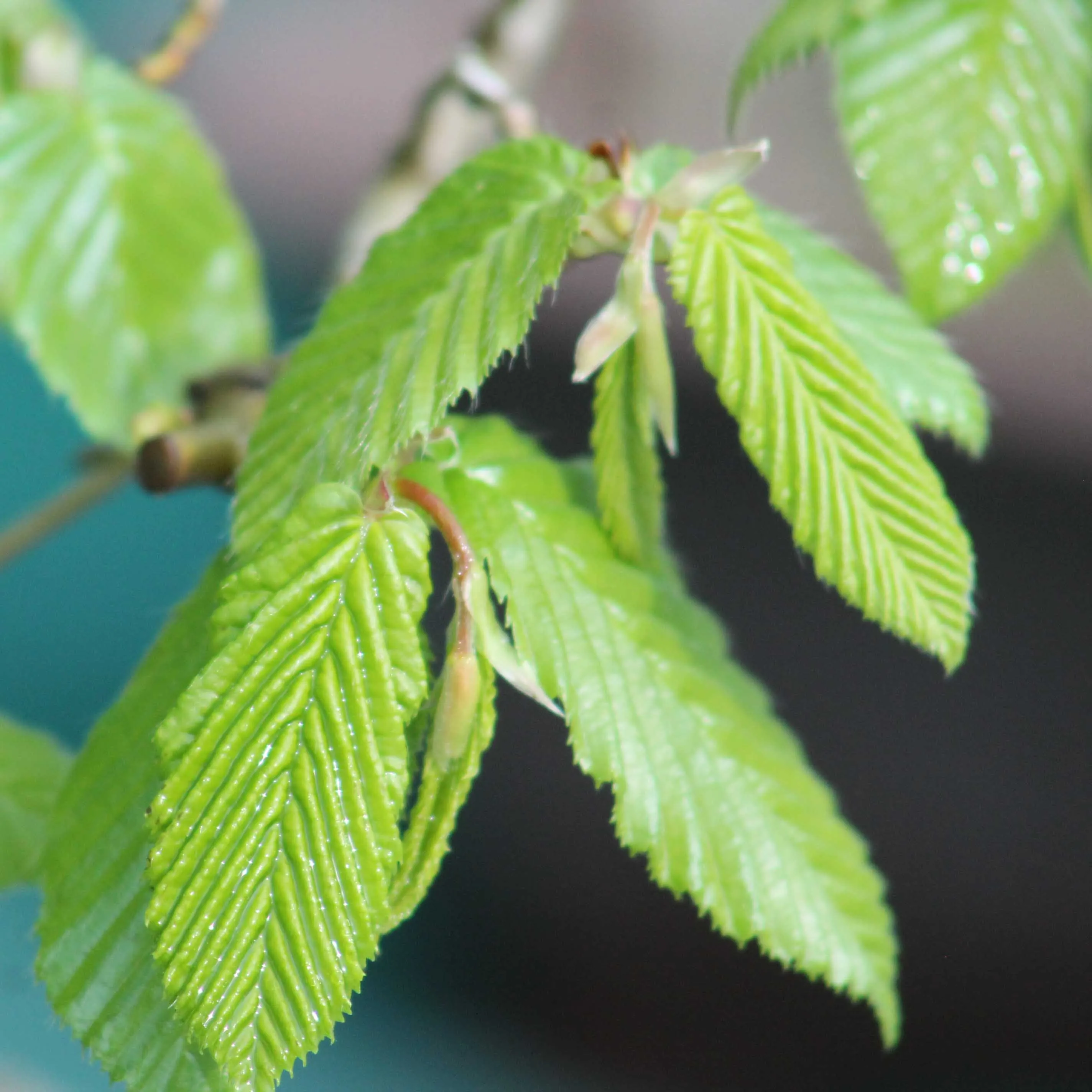
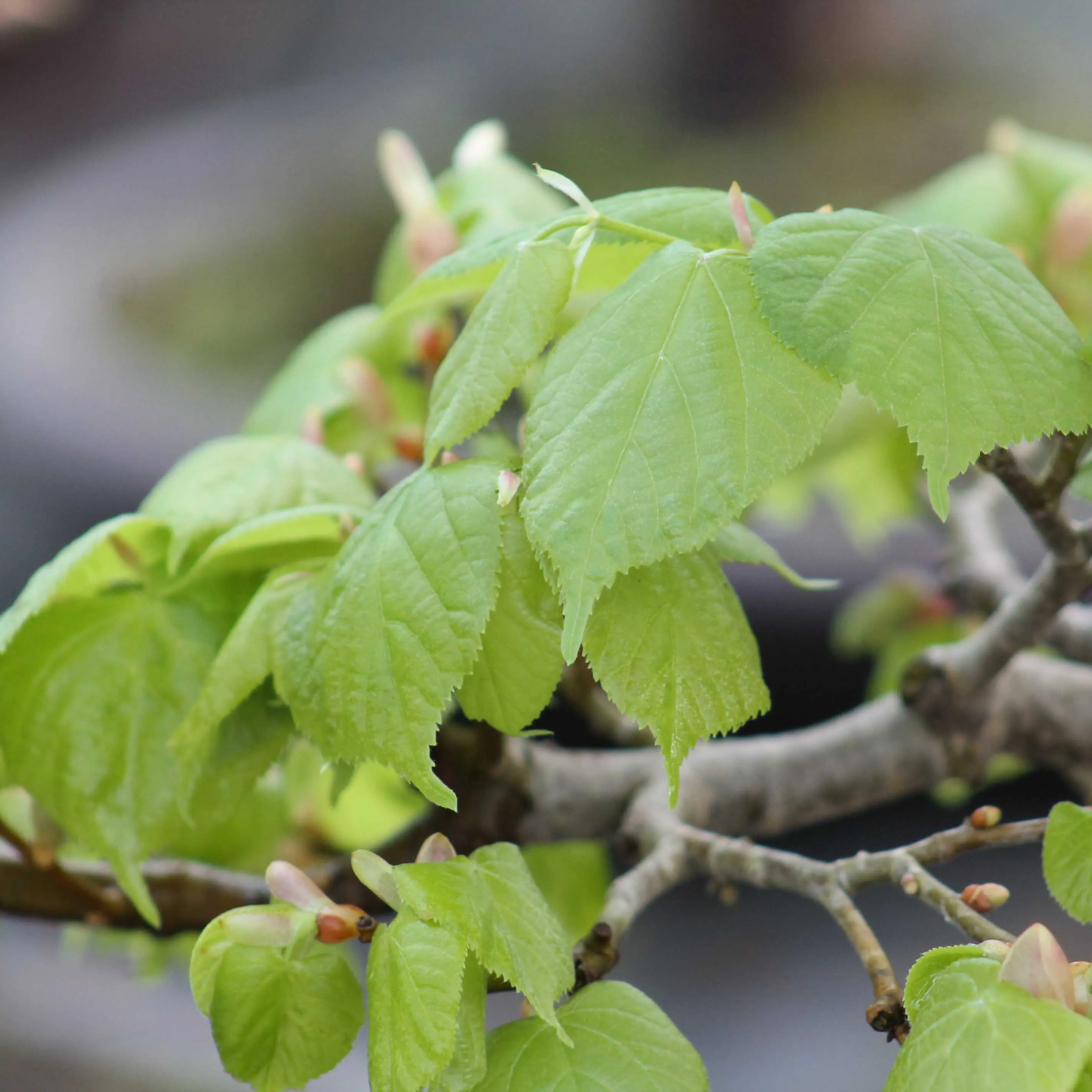
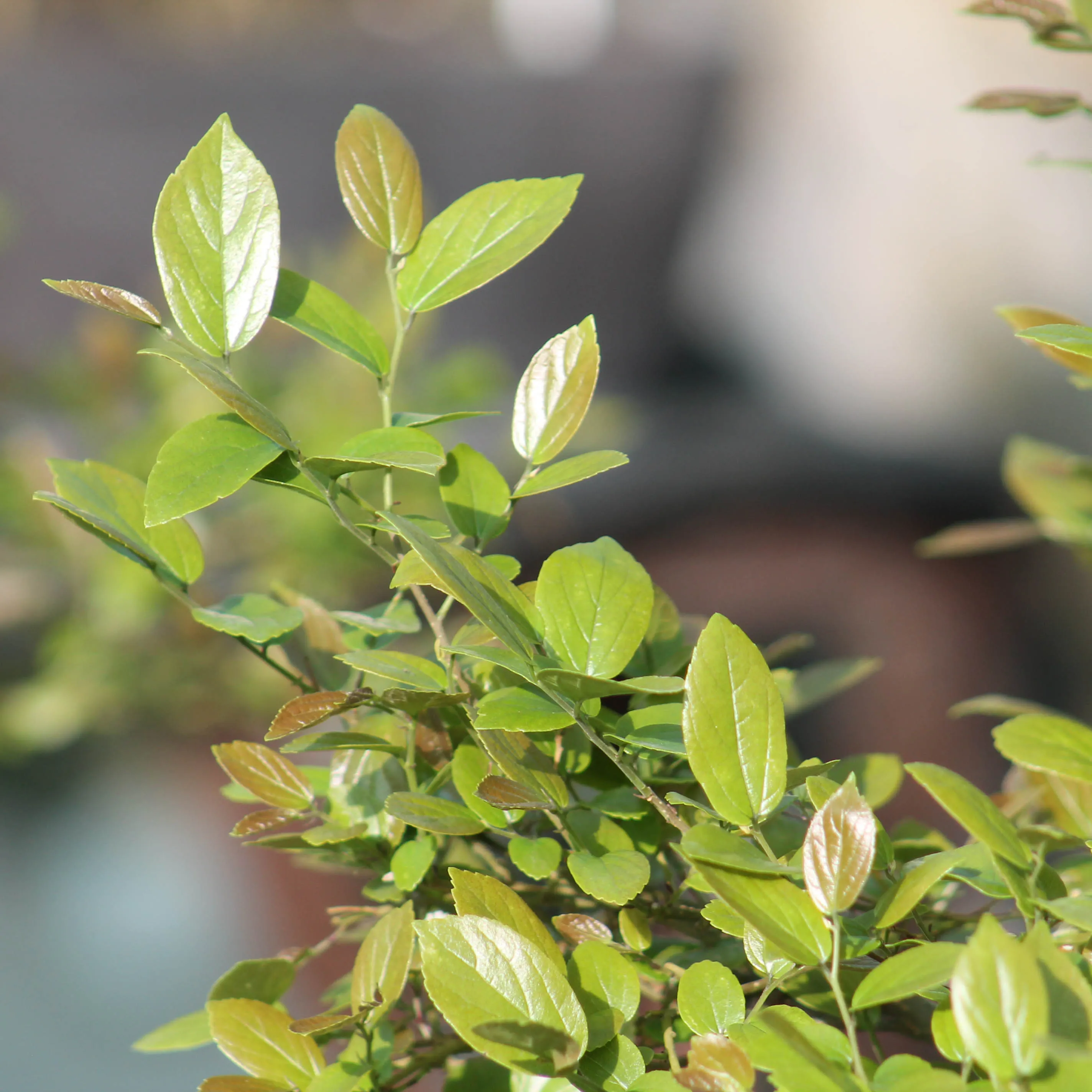
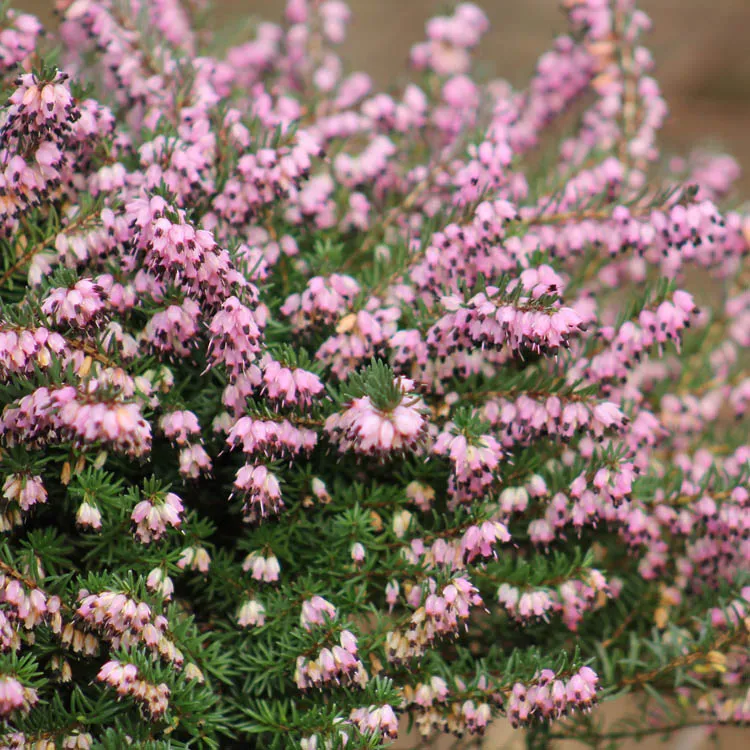
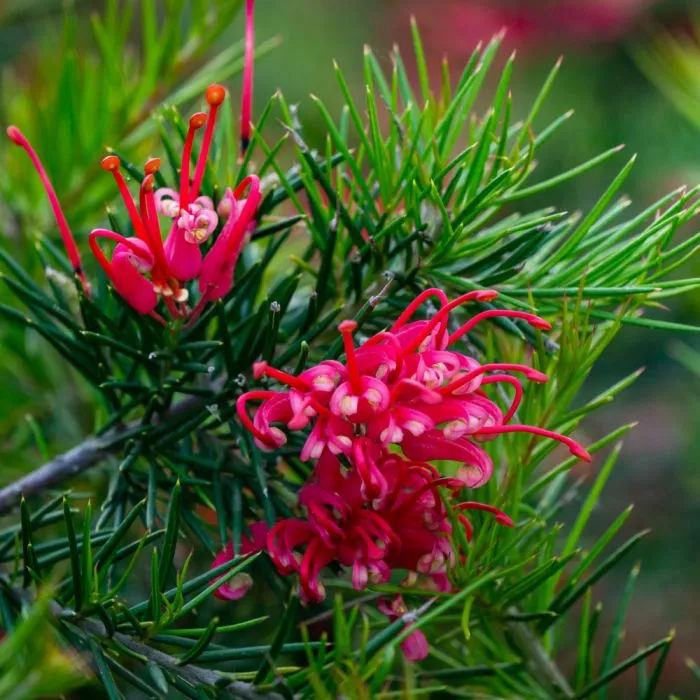
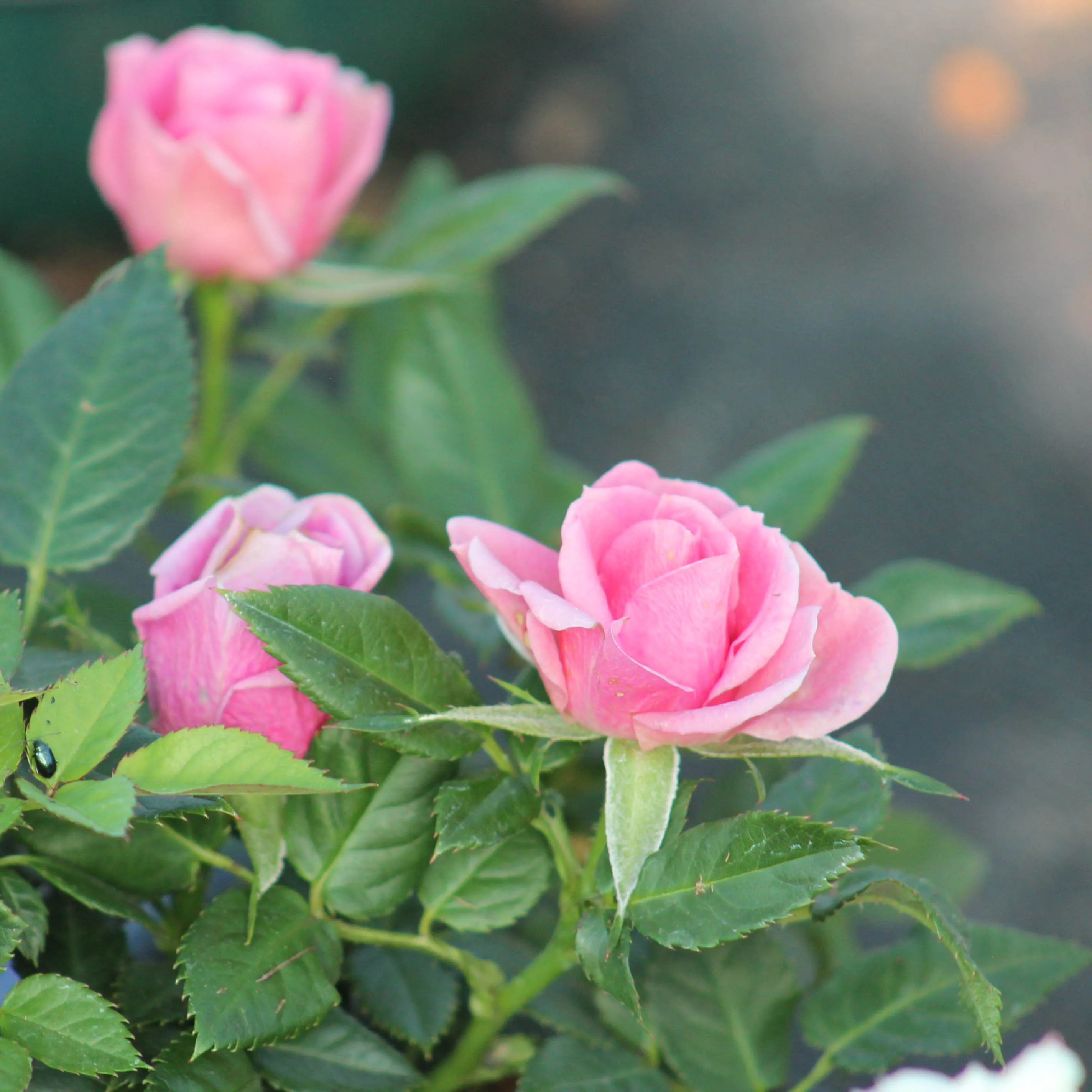
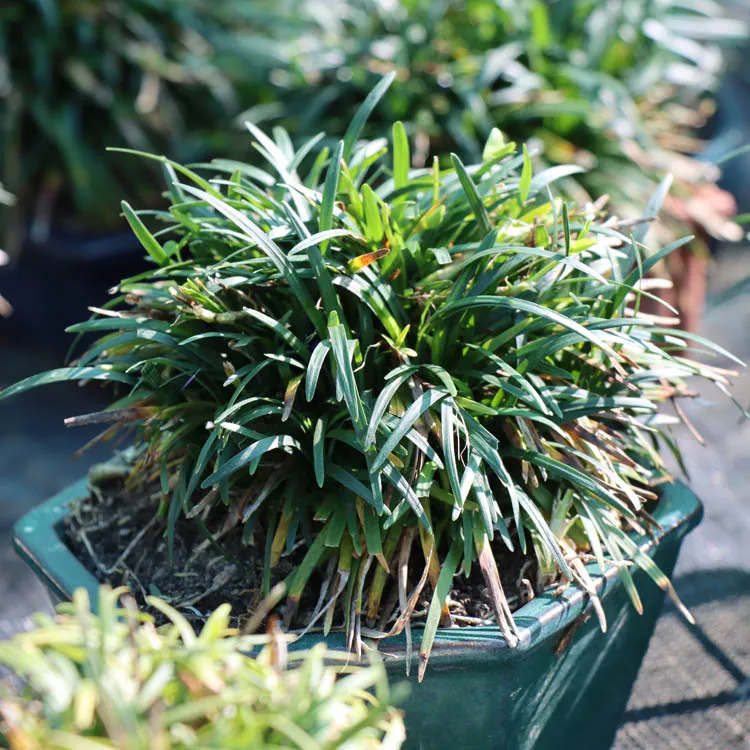
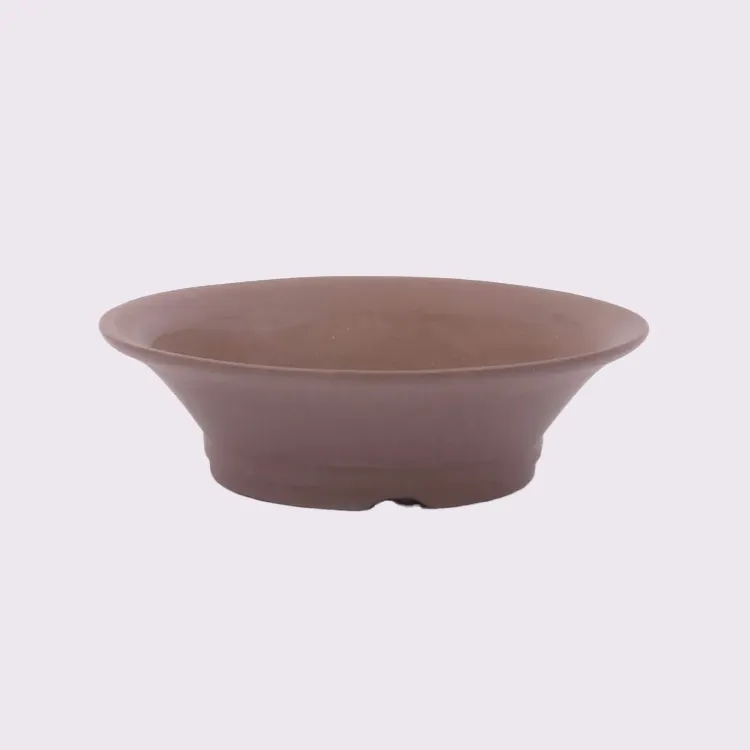
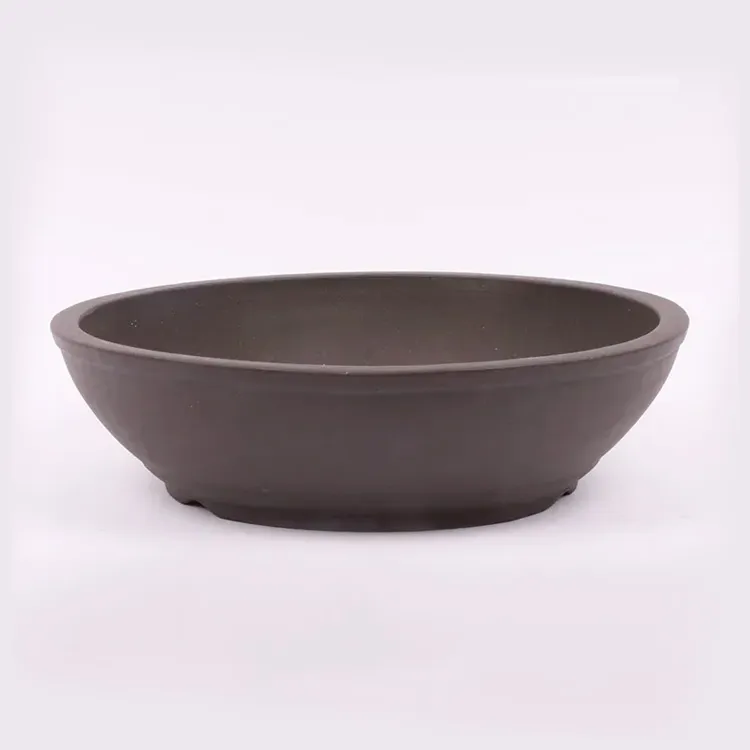
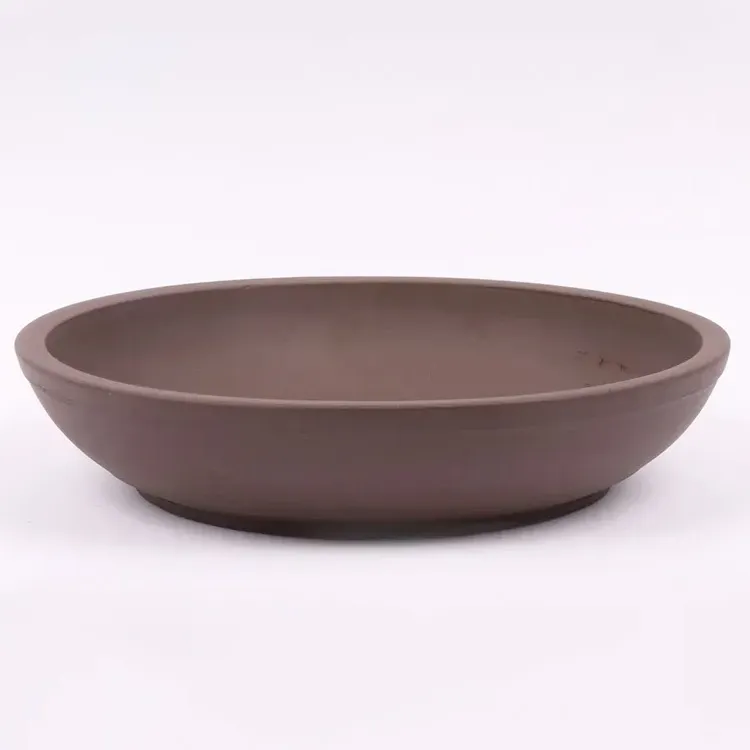
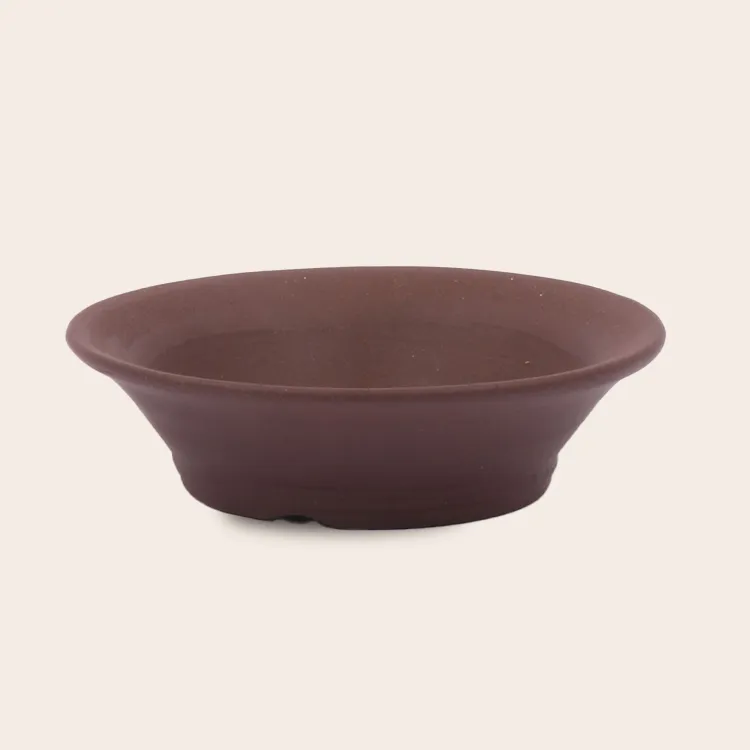
Bonsai is a rich Japanese art form with centuries of practice. It comes with its own specific vocabulary, often used verbatim around the world. This article offers as comprehensive a glossary as possible of Japanese words related to bonsai, as well as an overview of existing styles (shapes) and sizes. A reference guide for both beginners and seasoned enthusiasts.
1. General terms of bonsai
Bonsai (盆栽) : A tree cultivated in a pot. Literally, "planting in a tray."
Niwa : Garden.
Niwaki : A garden tree pruned according to principles similar to bonsai.
Yamadori (山採り) : A tree collected from the wild.
Toriki : A tree collected with roots prepared for cultivation in a pot.
Ara-ki : A raw, unformed tree.
Prebonsai : A young tree in the process of being trained.
Bunjin : A poetic term, related to literati aesthetics.
2. Parts of the tree
Nebari (根張り) : Apparent ravine base.
Tachiagari : Base of the trunk between the sun and the first branch.
Miki (幹) : Trunk.
Edas : Branches.
Sashi-eda : Main branch.
Ura-eda : Rear branch.
Kiki-eda : Lateral branches.
Tenjin : Top of the dead trunk.
Jin (神) : Dead wood on a branch.
Shari (舎利) : Vein of dead wood on the trunk.
Ha : Leaf.
Shin : Apex, top of the tree.
3. Cultivation and shaping techniques
Metsumi : pinching shoots.
Mekiri : bud pruning.
Kirime : hard pruning.
Uekae : repotting.
Nemawashi : root pruning.
Sharimiki : creating deadwood.
Safamiki : splitting the trunk.
Wiring/Harigane : tying with wire.
Oshitsuke : shaping by constraint.
Tori-eda : removing branches.
4. Japanese Aesthetics and Principles
Wabi-sabi : the beauty of imperfection and time.
Ma : space, visual breathing room.
Shizen : naturalness, absence of artificiality.
Kanso : simplicity.
Fukinsei : asymmetry.
Yohaku no bi : the beauty of emptiness.
5. Bonsai styles (traditional forms)
Straight and classic styles
Chokkan (直幹) : formal right.
Moyogi (模様木) : informal law.
Shakan (斜幹) : sloping trunk.
Dynamic Styles
Kengai (懸崖) : waterfall.
Han-kengai (半懸崖) : semi-cascade.
Fukinagashi (吹き流し) : beaten by the wind.
Natural and poetic styles
Bunjin-gi (文人木) : lettré style.
Hokidachi (箒立ち) : hall.
Shocking : double trunk.
Sankan / Gokan : triple or multiple trunk.
Forest styles and landscapes
Yose-ue (寄せ植え) : forest.
Ikadabuki (筏吹き) : tree trunk lying down.
Ishitsuki (石付き) : roots on rock.
Sekijoju (石上樹) : roots clinging to the rock.
Saikei : landscape miniature.
6. Bonsai sizes (classification)
Very small sizes
Keshitsubo : 1–3 cm.
Shito : 5–8 cm.
Mame (豆盆栽) : less than 10 cm.
Small sizes
Shohin (小品) : 10–20 cm.
Komono : 20–25 cm.
Medium sizes
Katade-mochi : 25–40 cm (can be carried in one hand).
Chumono / Chuhin : 40–60 cm.
Large sizes
Omono / Dai : 60–120 cm.
Hachi-ue : very large bonsai, often old.
7. Jars and presentation
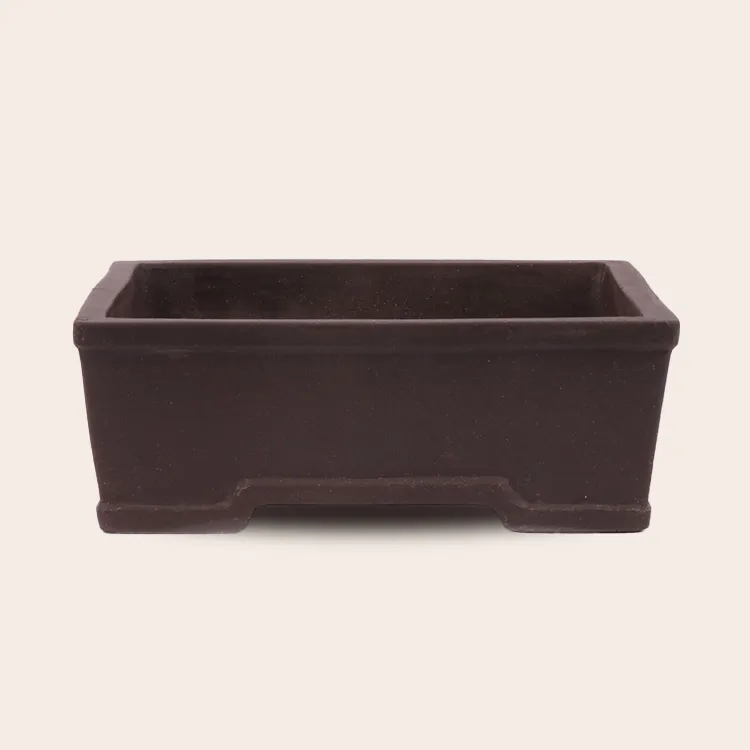
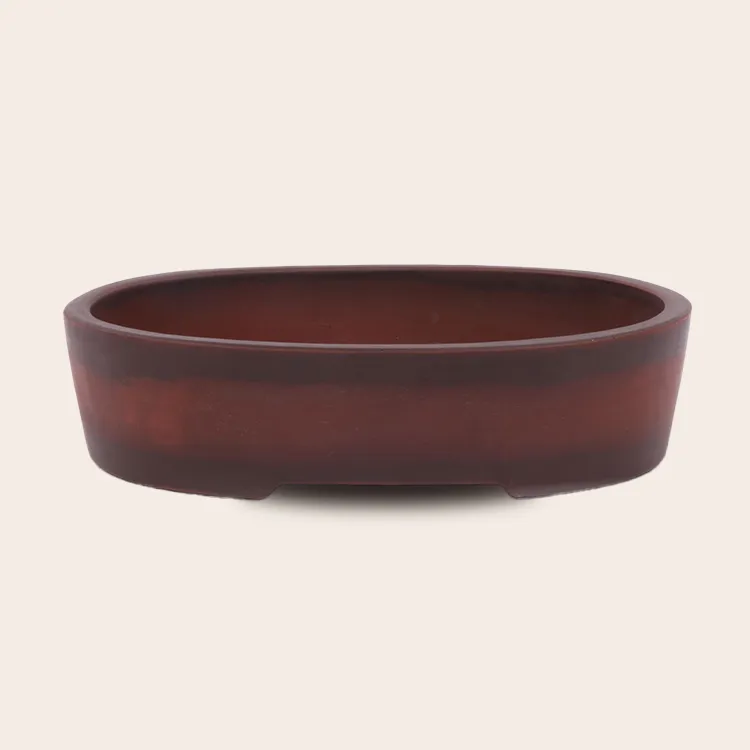
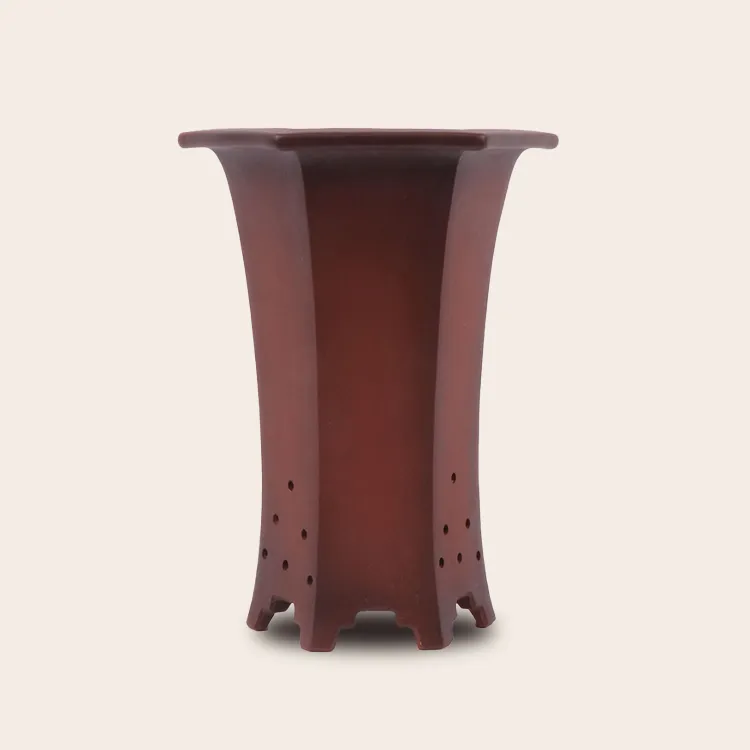
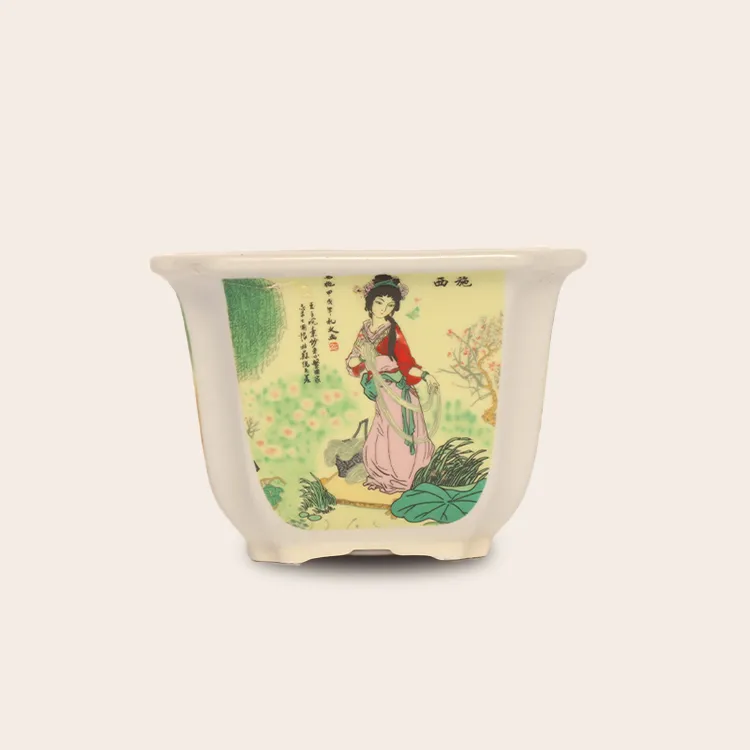
Utsuwa : pot.
Tokonoma :display alcove.
Daiza : wooden stand.
Suiban : shallow tray.
Kakejiku : decorative scroll.
Kusamono : companion plant.
Shitakusa : secondary grass.
Conclusion
The Japanese vocabulary of bonsai is inseparable from its philosophy. Each word carries an intention, an aesthetic, and a long-term vision. Mastering this lexicon allows you to delve deeper into the art of bonsai, beyond simply cultivating a potted tree.
This article can serve as a foundational reference, to be enriched through practice and by exploring different schools of thought.