

 Production of French Bonsai








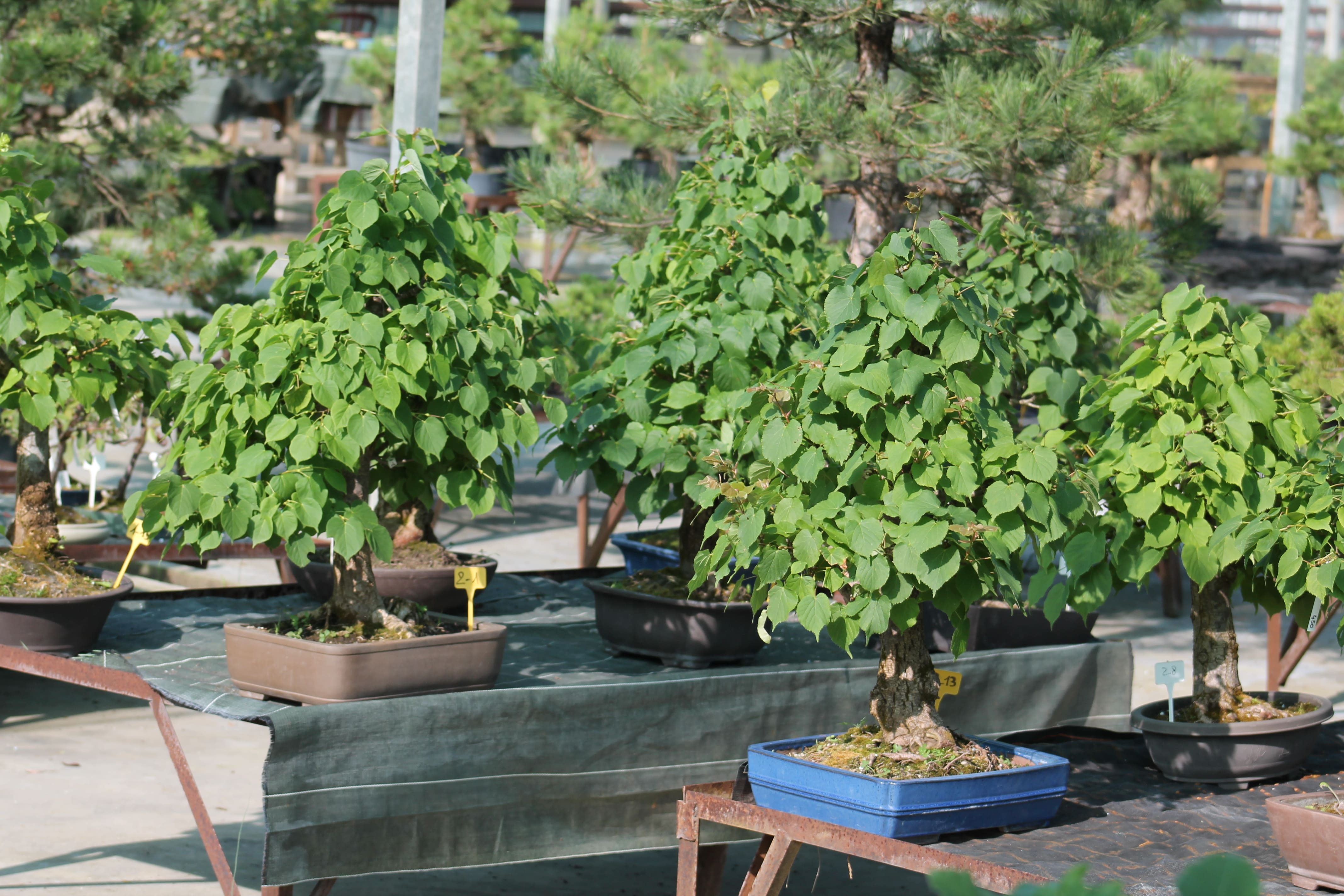
The linden is one of those trees everyone knows, even if they don't always pay it much mind. It can be found in the countryside, along roadsides, in parks, and in village squares, where some specimens have stood for generations.
In the wild, it can grow into a majestic tree, easily exceeding 20 meters in height and living for several hundred years. Yet, despite this impressive stature, the linden is remarkably well-suited to bonsai cultivation.
Vigorous, hardy, and a prolific grower, it boasts many assets: beautiful branching, bark that gains character with age, and foliage that changes with the seasons.
And—we have to admit—we have a soft spot for European species here at the nursery. They are perfectly adapted to our climate and allow us to create bonsai that resemble the trees we see all around us.
So, let’s explore the linden and its cultivation as a bonsai!
The linden tree, a tree truly native to our region
The linden tree belongs to the genus *Tilia* and the Malvaceae family.
There are dozens of linden species, distributed primarily across the temperate regions of the Northern Hemisphere.
In France, commonly found varieties include :
- the small-leaved linden (Tilia cordata);
- the large-leaved linden (Tilia platyphyllos);
- the common linden (Tilia × europaea or Tilia × vulgaris, depending on the classification).
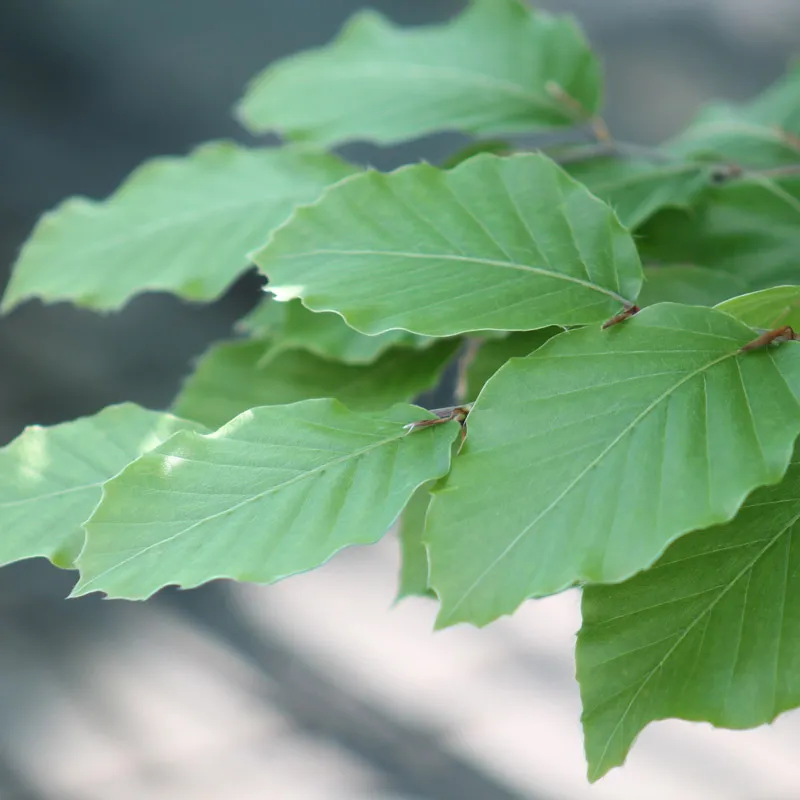
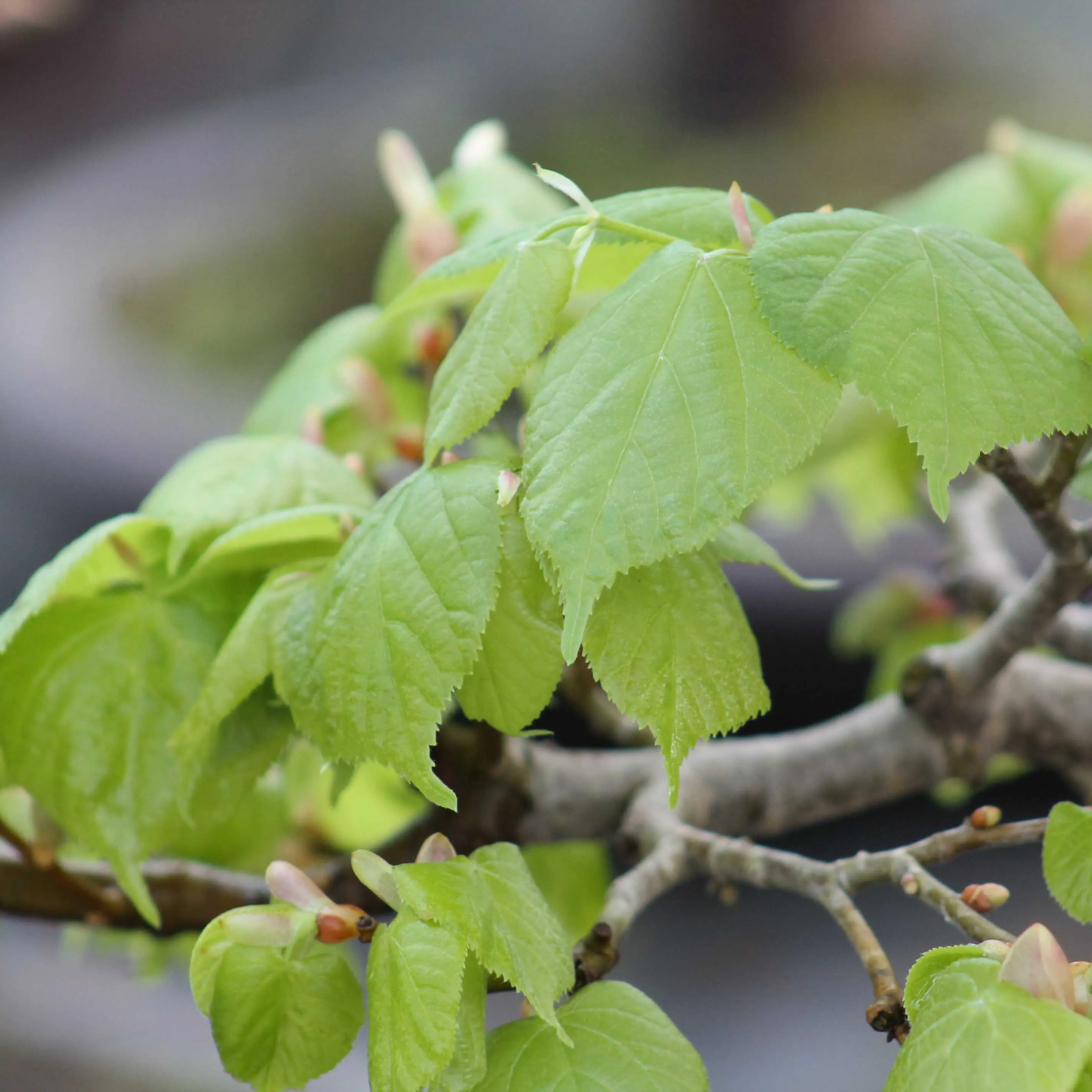
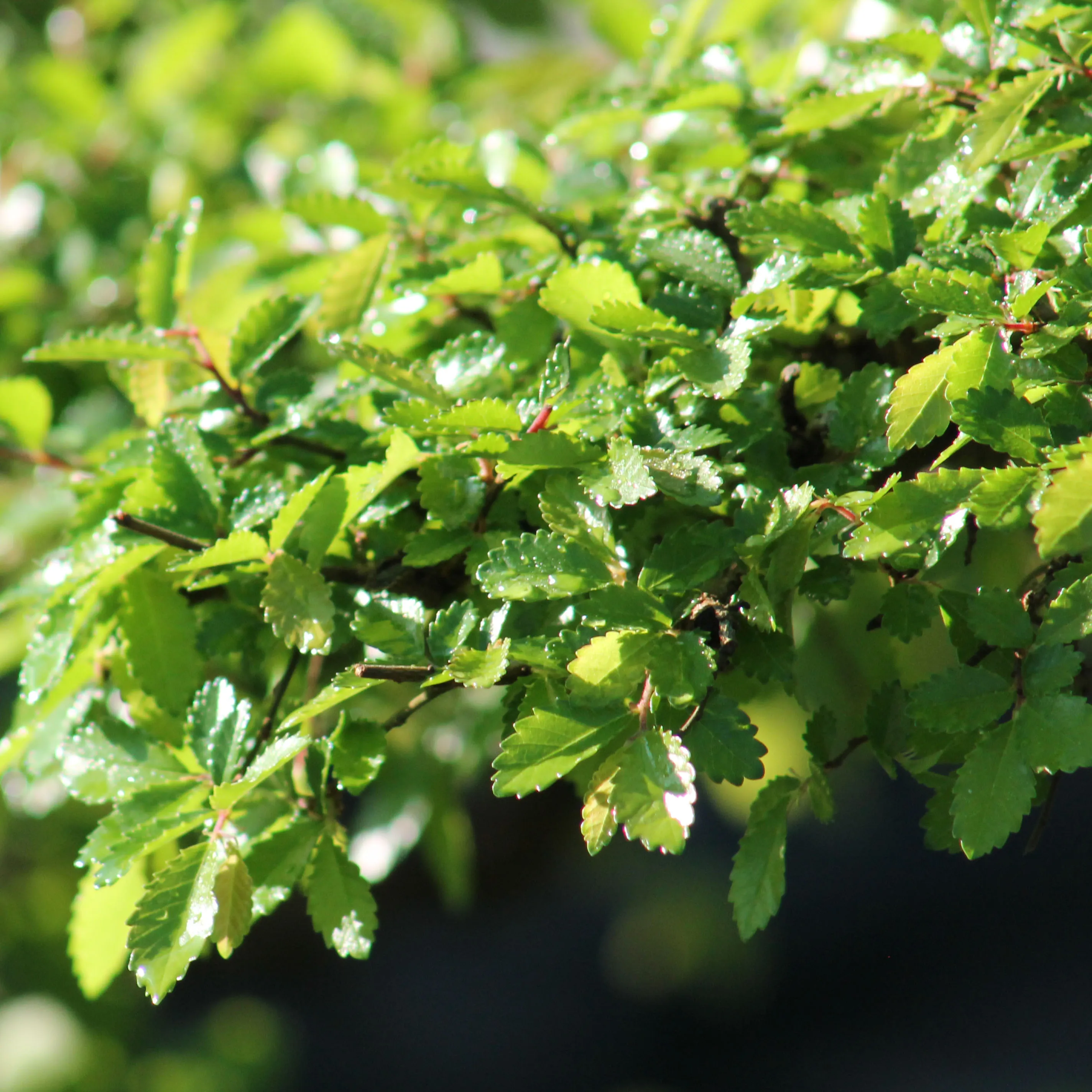
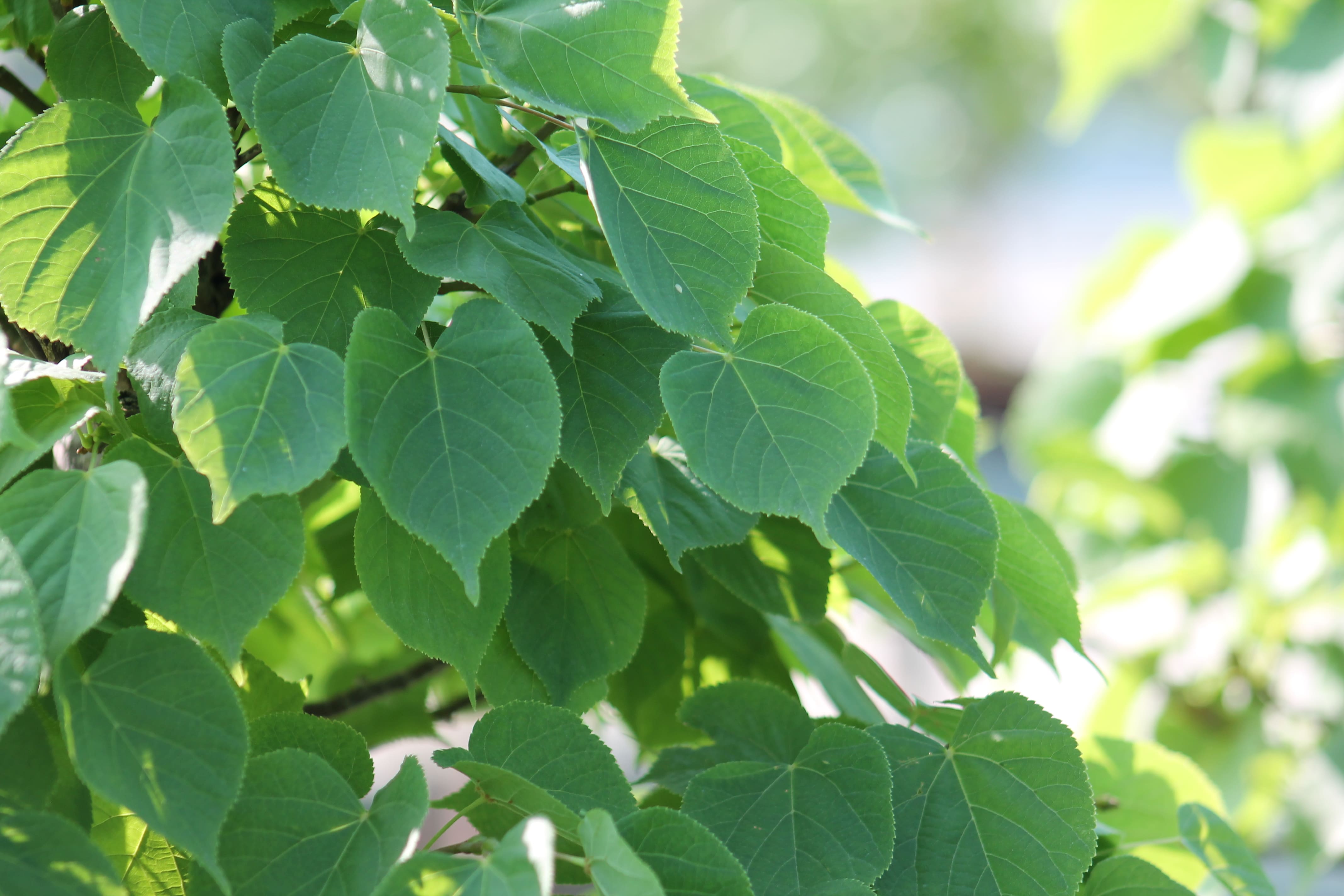
The linden is easily recognized by its heart-shaped leaves and highly fragrant summer blossoms, which are prized by bees and other pollinating insects.
It is also a tree known for its incredible longevity; some European linden trees are hundreds of years old.
This is a particularly appealing quality, given that in bonsai cultivation, our goal is precisely to nurture our trees for as long as possible!
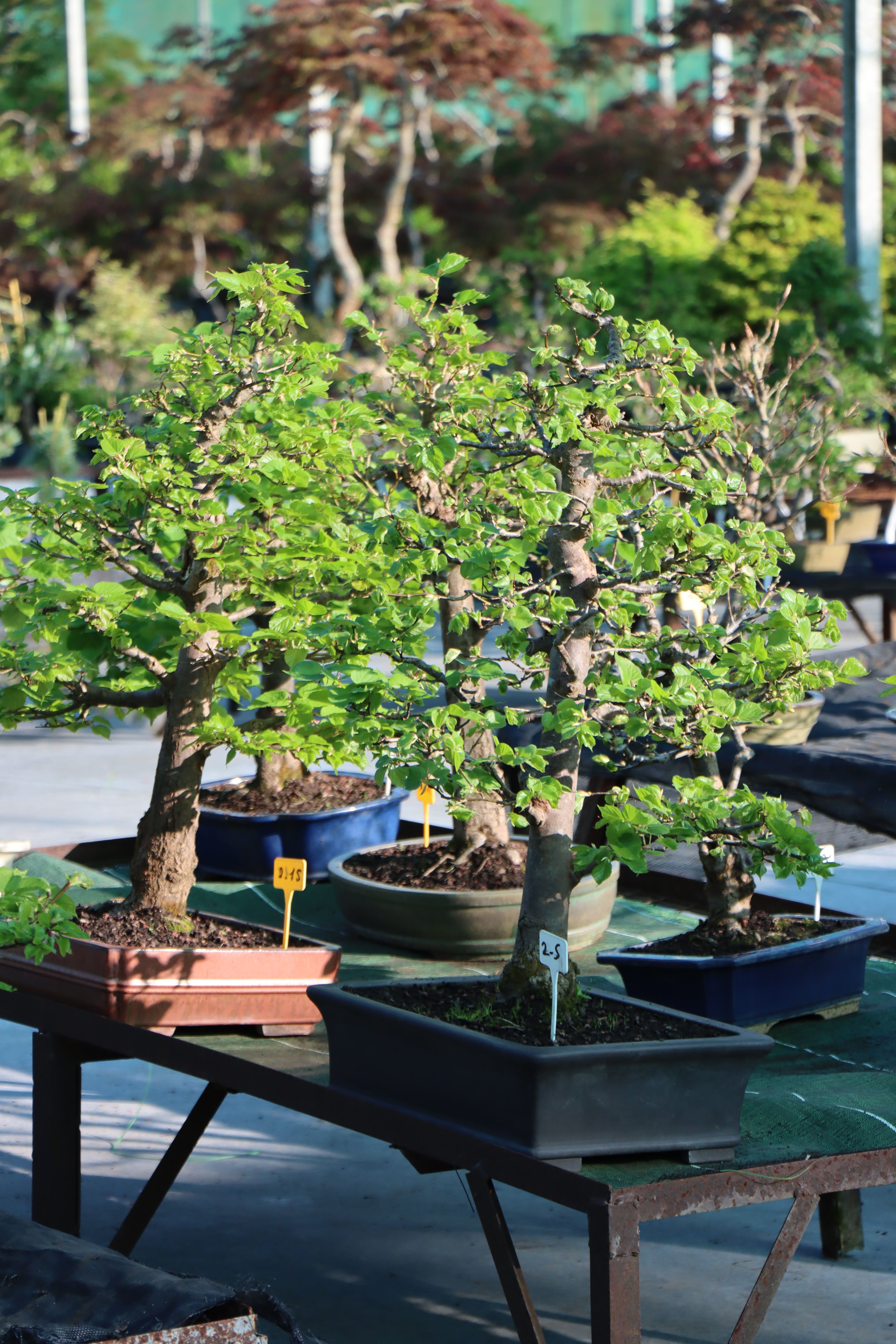
Why grow a linden tree as a bonsai?
At first glance, turning a tree that can grow over 20 meters tall into a bonsai might seem ambitious.
However, the linden tree possesses several characteristics that make it particularly well-suited to this art form.
It tolerates pruning very well and generally responds vigorously by producing new shoots. This ability allows you to gradually build the tree's structure and develop increasingly fine branching.
Its bark also changes over the years. Relatively smooth on young specimens, it gradually becomes textured and fissured, giving the bonsai a highly prized look of maturity.
Admittedly, the linden naturally has rather large leaves. But there is no need to worry: with proper cultivation, the right exposure, and regular work on the branching, their size can be gradually reduced.
You simply shouldn't expect a young linden to produce tiny leaves right away. In bonsai, some things take time—and that is precisely part of the appeal!
Did you know it ?
The linden tree has long been associated with European villages. It was once frequently planted in public squares, serving as a gathering place.
Some of these trees have now become true living monuments.
This is perhaps also what makes the linden particularly interesting for bonsai: even in miniature form, one can aim to give it the powerful, reassuring presence of an old village tree.
Is the linden a good bonsai for beginners ?
Yes, and that is actually one of its main advantages.
The linden is a relatively tolerant and, above all, very vigorous species.
It tolerates pruning well and has a strong ability to produce new shoots. Consequently, if a branch is poorly positioned or the tree's structure needs adjustment, it is often possible to correct its shape gradually.
It is an excellent species for learning to observe the growth of a deciduous tree and understanding the principles of branch pruning.
But take note: "robust" does not mean "indestructible"!
Like all bonsai, the linden relies heavily on proper watering. The limited volume of substrate dries out much faster than the soil around a linden planted in a garden.
This is the main area requiring vigilance, especially during the summer.
Where should a linden bonsai be placed ?
First key point: the linden (lime tree) is an outdoor bonsai.
It must be kept outdoors all year round.
Keeping it indoors for extended periods—even in front of a very bright window—is therefore not a good idea.
The linden needs to experience temperature fluctuations and the changing seasons. In autumn, it naturally sheds its leaves and enters a rest period before starting to grow again in the spring.
In spring
A bright, sunny spot is ideal.
Good light levels help produce more compact growth and encourage interesting branching.
In summer
The situation changes when temperatures soar.
In the Southwest, we frequently experience heatwaves with temperatures well above 35°C. Under these conditions, the scorching afternoon sun can quickly become too harsh for a bonsai.
A spot that gets morning sun but offers light shade during the hottest part of the day is preferable.
You will also need to monitor watering much more closely.
In autumn
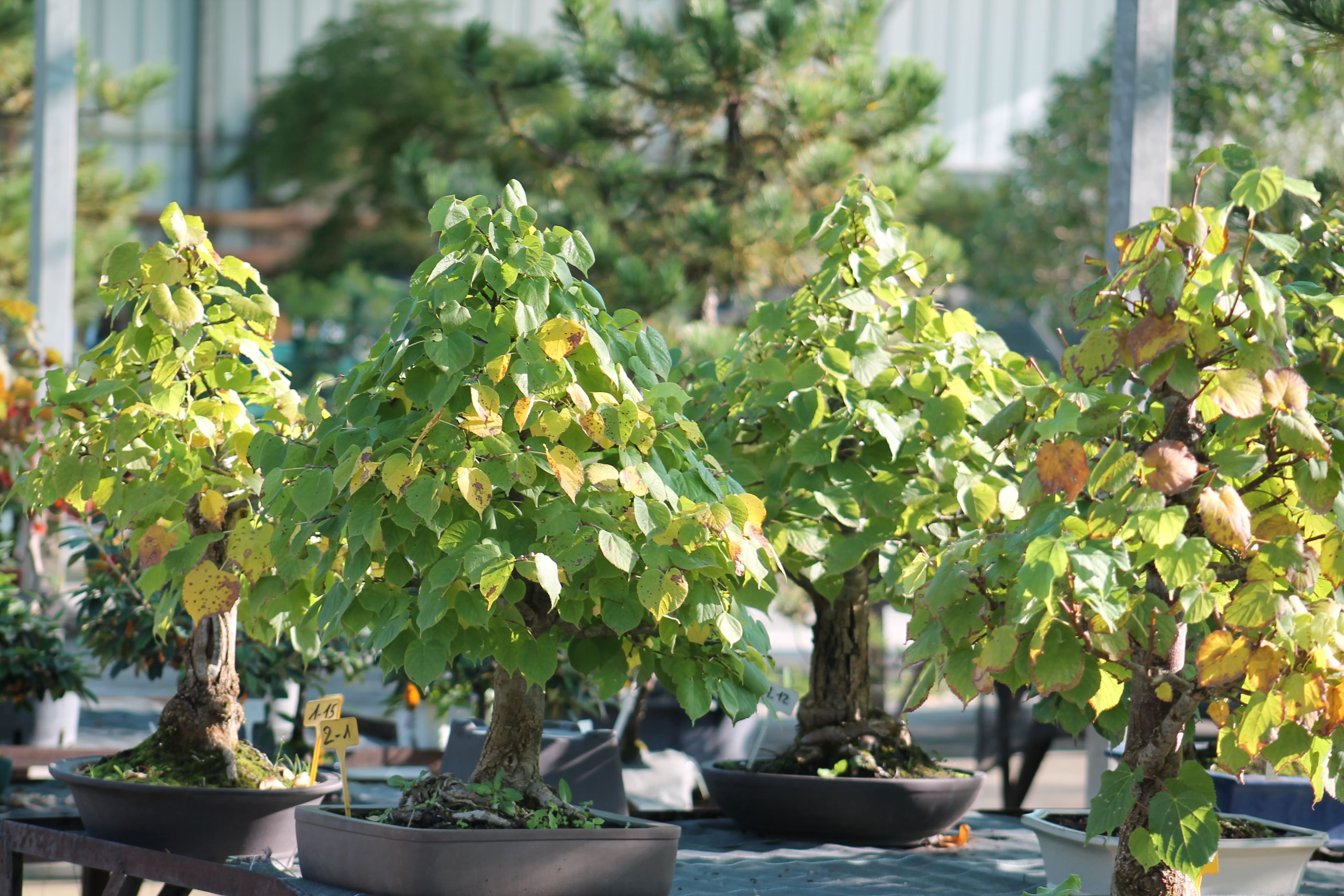
This is a beautiful time of year for the linden.
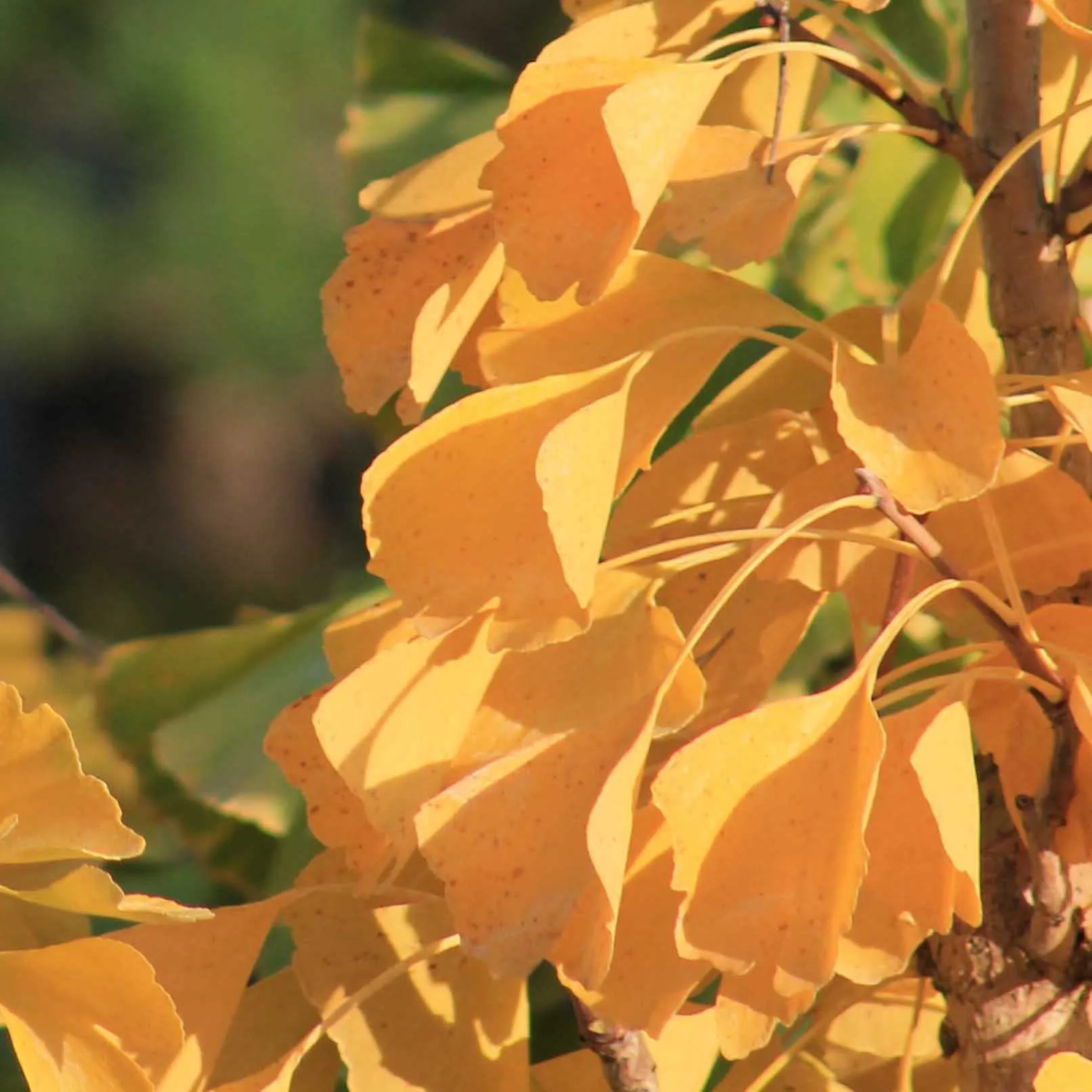
Its foliage gradually turns yellow before falling off.
This is certainly not a cultivation issue; your tree is simply preparing for its winter dormancy.
In winter
Once it has shed its leaves, the linden enters dormancy.
It remains outdoors.
Its excellent hardiness allows it to withstand freezing temperatures. However, when grown in a pot, its roots are more exposed to the cold than those of a tree planted in the ground.
During periods of severe frost or prolonged freezing weather where temperatures do not rise above freezing during the day, you should protect the pot and avoid locations exposed to cold winds.
How do you water a linden bonsai ?
This is probably the most important question.
And as is often the case when we are asked, "How often should I water my bonsai?", the answer is...
It depends!
We know that isn't necessarily the answer you want to hear, but unfortunately, there is no universal watering schedule for bonsai.
A linden tree might need water every two or three days at one point, yet require daily watering just a few weeks later.
It all depends on :
- temperature;
- wind;
- exposure;
- pot size;
- substrate;
- amount of foliage;
- and, of course, the season.
The best approach, therefore, is to observe the substrate.
When the surface begins to dry out, it is time to water.
Water the entire surface of the root ball generously until water flows out of the pot's drainage holes.
The goal is to moisten the entire substrate, not just the area immediately around the trunk.
Beware of high heat
In the height of summer, a bonsai can dry out extremely quickly.
During a heatwave, watering in the morning may not be enough to last until evening.
It is therefore essential to check your trees regularly.
The linden tree prefers a relatively moist substrate and will not tolerate its root ball drying out completely.
Overwatering is not the answer either
Conversely, keeping the substrate constantly waterlogged is not a good idea.
Roots need both water and oxygen.
That is why good drainage is essential.
The goal, then, is not to choose between "a lot" or "a little" water, but to water at the right time.
What substrate should be used for a linden bonsai ?
Linden trees thrive in a free-draining substrate that still retains enough moisture to meet their water needs.
The key is striking a balance : water must be able to circulate and drain properly, without the root ball drying out completely just minutes after watering.
There are many different approaches to bonsai substrates, and no single mix suits every situation.
Factors such as the climate, your watering habits, and the trees' location must also be taken into account.
At the nursery, we have used our own custom blend for many years, one tailored to our climate and cultivation methods. We do not exclusively grow our trees in 100% mineral substrates; what matters most is creating a mix that is suited to the specific tree and its growing conditions.
When should a linden bonsai be repotted ?
Linden trees are generally repotted in late winter or very early spring, just before active growth resumes.
Watch the buds : the ideal time is when they begin to swell but the leaves have not yet opened.
When repotting, you can trim back some of the roots to gradually renew the root system and keep it sized appropriately for the pot.
A young, rapidly growing tree may need repotting every two or three years.
A more mature tree can remain in its pot for a longer period.
Ultimately, the best indicators are the condition of the growing medium and the root system.
Nursery tip
Never repot simply "because it is spring."
If your tree is weak, has recently undergone significant stress, or shows signs of poor health, it is usually best to postpone the task.
Repotting is a major procedure; it should only be performed on a tree that is vigorous enough to recover properly.
How do you prune a linden bonsai ?
Good news : the linden tree tolerates pruning very well.
In fact, this is one of the reasons it makes a great bonsai subject.
Structural pruning
When the tree is dormant and leafless, its structure is clearly visible.
It is the ideal time to step back and observe :
- poorly placed branches;
- crossing branches;
- inward-growing branches;
- multiple shoots emerging from the same spot;
- branches that have become too thick or disproportionate.
The goal, of course, is not to cut everything off !
Every cut should have a purpose and contribute gradually to shaping the tree.
Maintenance pruning
During the growing season, the linden produces new shoots that need to be kept in check regularly.
You can allow the shoots to lengthen before shortening them, which encourages branching.
Over the years, this process results in much denser ramification.
It is this series of small interventions that gradually transforms a tree into a true bonsai.
Can you wire a linden bonsai ?
Yes, but the wiring requires close monitoring.
Young branches can be guided with wire to alter their position.
The problem ?
Linden trees grow quickly.
And when a branch thickens rapidly, the wire can start to scar the bark before you even notice.
So, check your wiring regularly during the growing season.
The wire must be removed as soon as it begins to cut into the bark.
With linden trees, much of the shaping can also be achieved through pruning; there is no need to try to form everything using wire.
How do you fertilize a linden bonsai ?
As the linden is a vigorous tree, it benefits from regular fertilization during its growing season.
Applications generally begin in the spring, once the tree has fully resumed active growth.
A balanced fertilizer will support its growth and the development of new branches.
Fertilization can continue throughout the growing season, provided the application is adjusted according to the tree's condition.
However, there is no point in fertilizing a weakened tree in the hope of giving it a "boost."
Fertilizeris not a medicine.
If your linden is having problems, start by identifying the cause, such as watering, sun exposure, root issues, or pests.
Can you defoliate a linden tree ?
Defoliation involves removing all or part of a tree's foliage to stimulate new growth and—among other goals—gradually improve branching and leaf refinement.
Linden trees can tolerate this technique when they are vigorous.
However, it is by no means an essential procedure, especially for beginners.
Complete defoliation requires a thorough understanding of the tree and should never be performed on a specimen that is weak, recently repotted, or has undergone significant stress.
To gradually reduce leaf size, good sun exposure, fine branching, and balanced cultivation already provide an excellent foundation.
Diseases and pests of the linden tree
The linden tree is quite hardy, but that doesn't mean it won't occasionally attract unwanted visitors.
Aphids
They are particularly fond of tender young shoots.
Regularly inspect the undersides of the leaves and the tips of the branches during spring.
Another clue : if you notice a lot of ants moving about on your tree, take a closer look. They are often attracted to the honeydew produced by aphids.
Spider mites
They can appear when conditions become very hot and dry.
The foliage then gradually takes on a dull or speckled appearance.
Powdery mildew
This fungus forms a characteristic whitish coating on the leaves.
Good air circulation around the tree and balanced growing conditions help limit its occurrence.
In any case, the earlier a problem is detected, the easier it is to manage.
So, make a habit of observing your bonsai. Spending just a few minutes regularly can often help you spot a problem before it becomes serious.
Why are the leaves on my linden tree turning yellow ?
Before you panic, check your calendar.
If it is autumn, everything is likely fine!
The linden is a deciduous tree. Its leaves naturally turn yellow before falling off for the winter.
However, if this happens in spring or summer, you will need to look for another explanation.
The yellowing could be due to :
- watering issues;
- heat stress;
- root stress;
- lack of light;
- nutrient deficiency;
- or sometimes a pest infestation.
Avoid rushing into multiple treatments right away.
First, observe the tree, its soil, its sun exposure, and how the problem develops.
Why does my linden bonsai have large leaves ?
This is a natural characteristic of the linden tree.
It is important to remember that, in the wild, this tree can reach an impressive size.
Consequently, its leaves do not simply become tiny just because it is planted in a bonsai pot.
Reducing their size is a gradual process achieved through good branching, sufficient light exposure, and skillful cultivation.
The more the tree develops branches and buds, the more the average leaf size can be reduced.
Be patient: trying to achieve tiny leaves too quickly can unnecessarily weaken a young tree that primarily needs to grow.
The Four Seasons of the Linden Bonsai
One of the charms of the linden tree is that it never looks quite the same.
In spring, the buds open to reveal tender, fresh green foliage.
In summer, the crown becomes much denser, giving the tree the appearance of a perfect miniature linden.
In autumn, the foliage shifts through various shades of yellow before falling.
Winter brings a complete change of atmosphere: stripped of its leaves, the linden reveals its full structure.
It is precisely at this time that one truly appreciates the work put into shaping its branching over the years.
A deciduous bonsai should be interesting both with… and without its leaves !
The linden : a bonsai that deserves to be better known
The linden tree may not be the first species that comes to mind when discussing bonsai; it is often overshadowed by Japanese maples, pines, or junipers.
And yet, it possesses a wealth of qualities.
It is hardy, vigorous, well-suited to our climate, and particularly rewarding to work with. It undergoes significant changes throughout the seasons and gains character as the years go by.
It also offers a wonderful way to practice the art of bonsai using a species naturally found in our own landscapes.
With a little patience, regular pruning, and—above all—proper growing conditions, a simple linden can gradually take on the appearance of a majestic old tree... yet one that fits inside a pot.
And that, ultimately, is the true magic of bonsai.