

 Production of French Bonsai
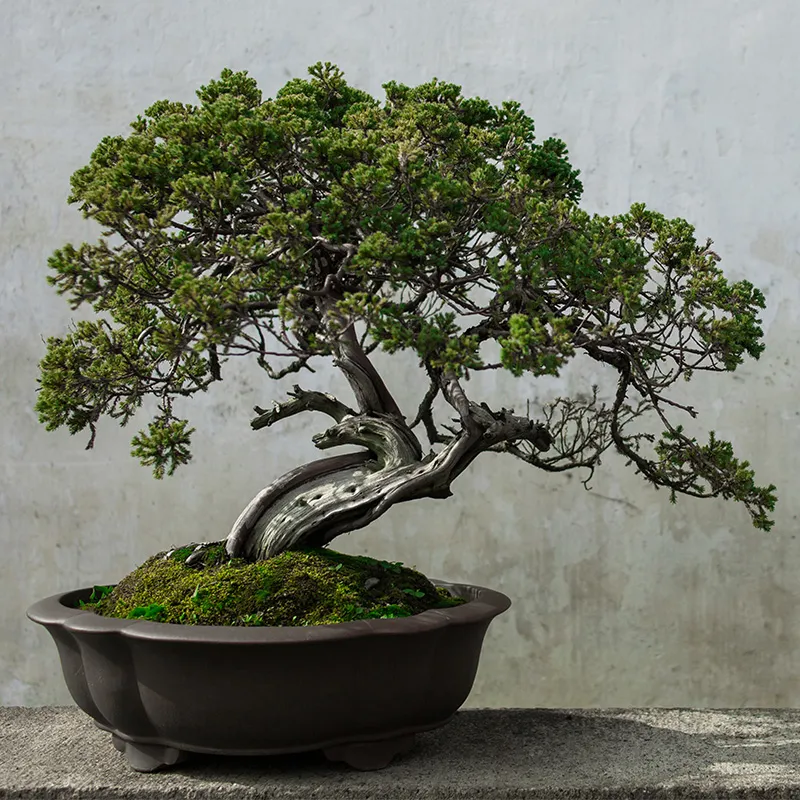



Japanese White Pine (Pinus pentaphylla) in Bonsai
Cultivation, Care, and Specifics of Specimens Grafted onto Black Pine
The Japanese white pine, also known as Pinus pentaphylla, is one of the most prized conifers in bonsai. Elegant, luminous, and refined, it embodies classic Japanese aesthetics on its own. Its cultivation, however, requires method, patience, and an understanding of its particularities—especially when grafted onto black pine, as is the case for most specimens grown in Europe.
This article provides a comprehensive guide to understanding, cultivating, and caring for Japanese white pine in bonsai, taking into account the realities of French horticulture.
1. Introduction to the Japanese White Pine
The Japanese white pine originates from the mountainous regions of Japan. It naturally grows at medium to high altitudes, in climates marked by cold winters and relatively mild summers.
Main Characteristics :
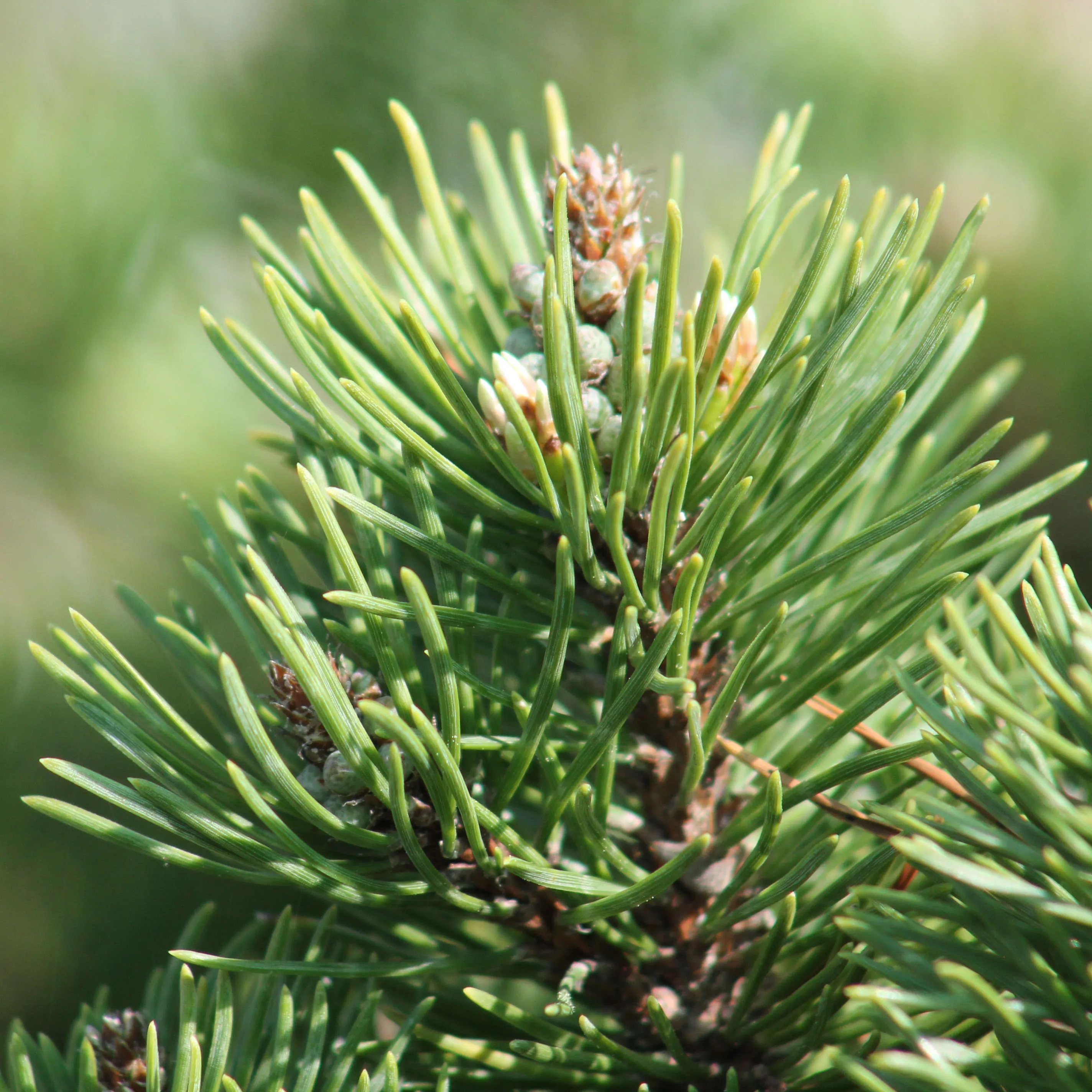
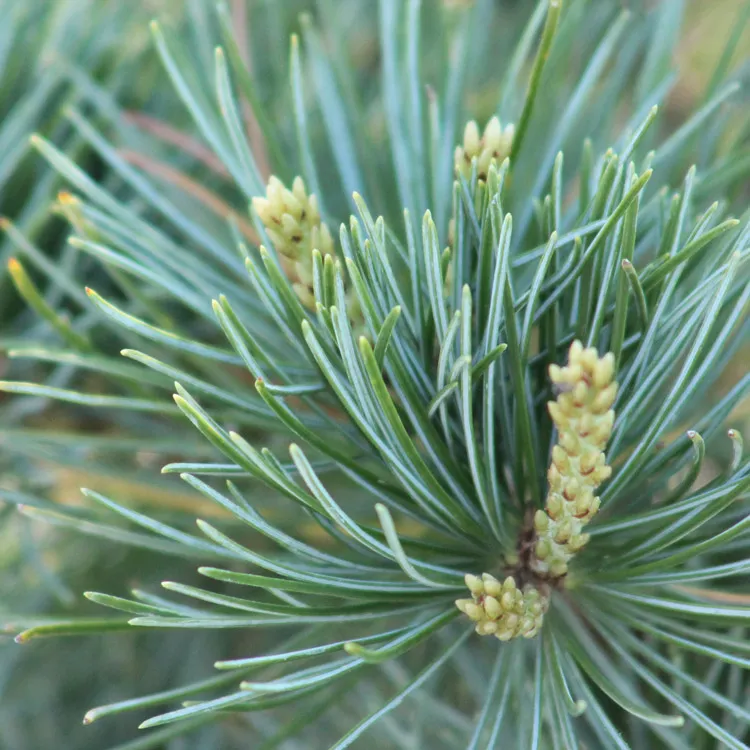
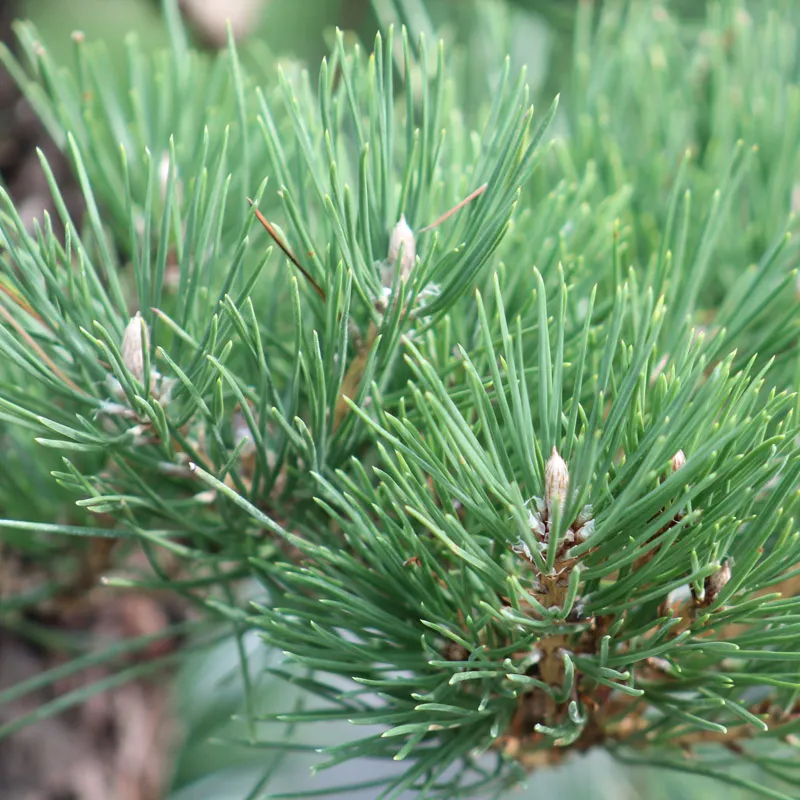
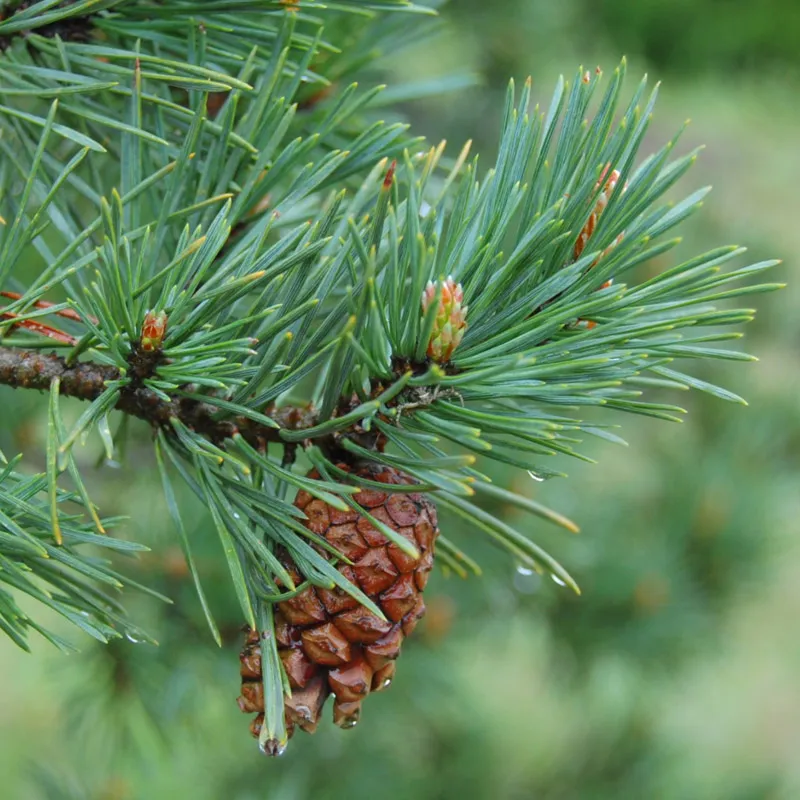
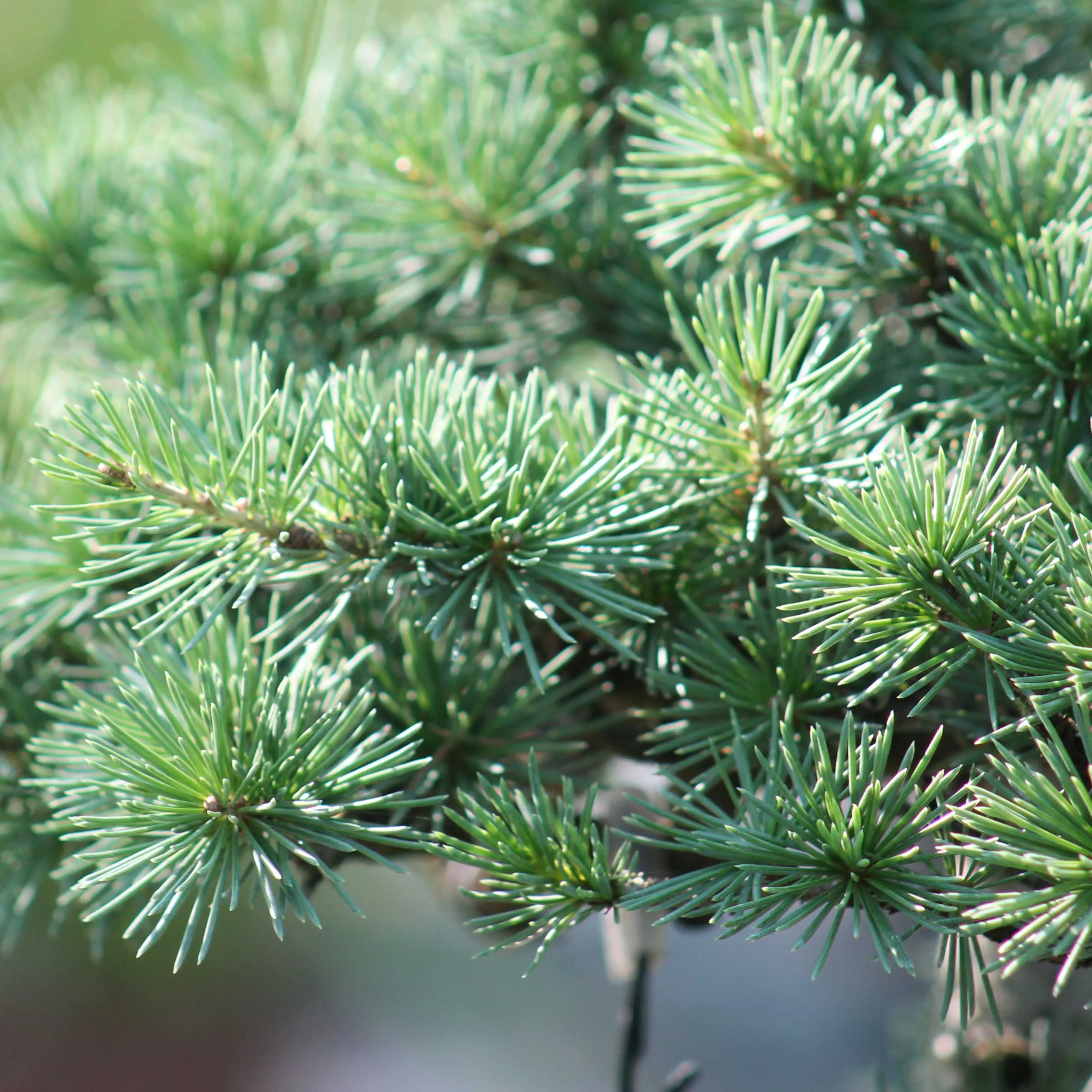
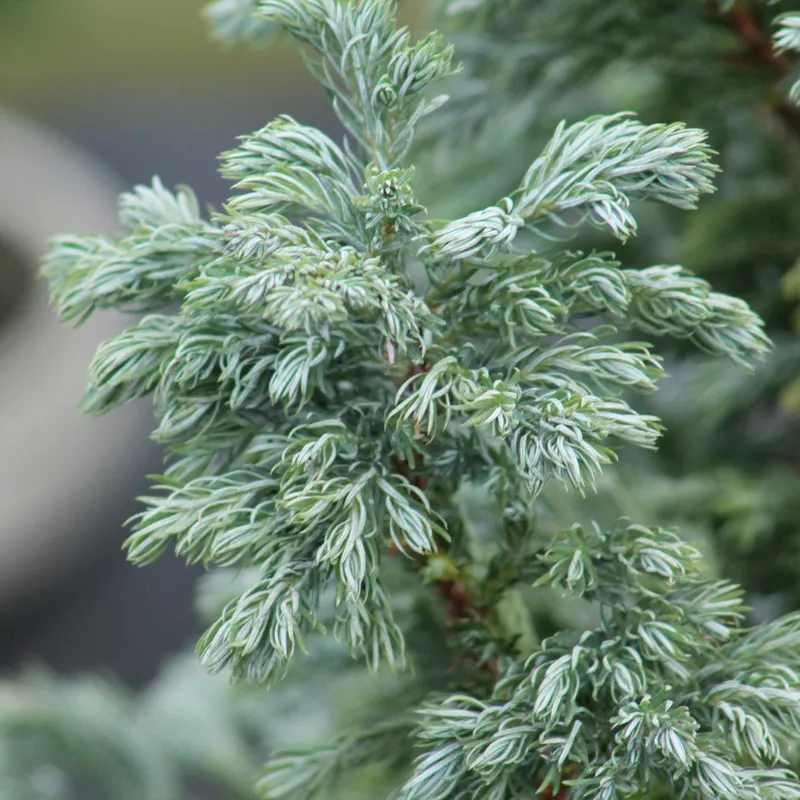
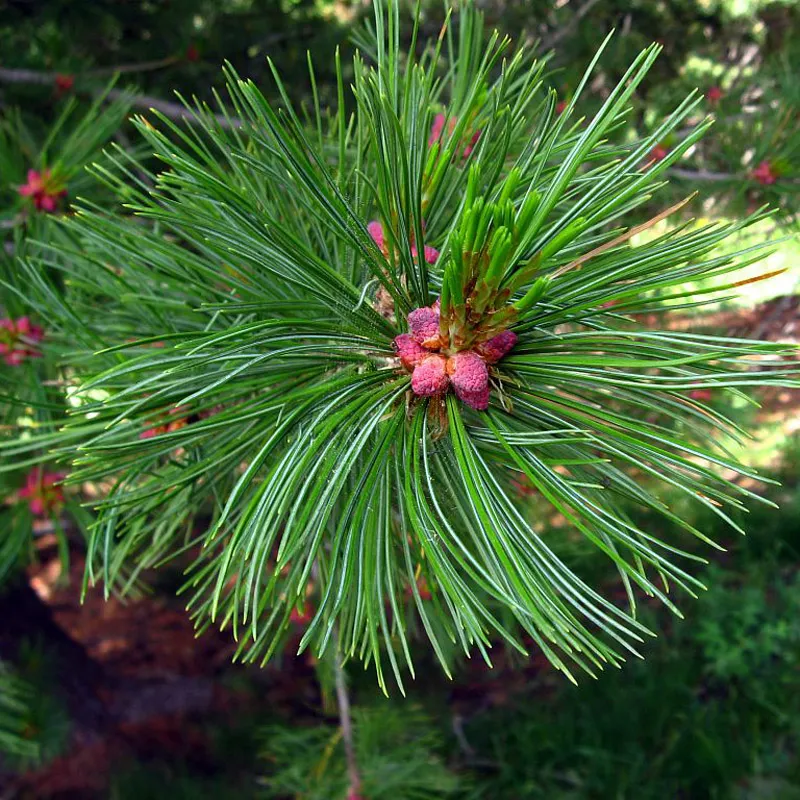
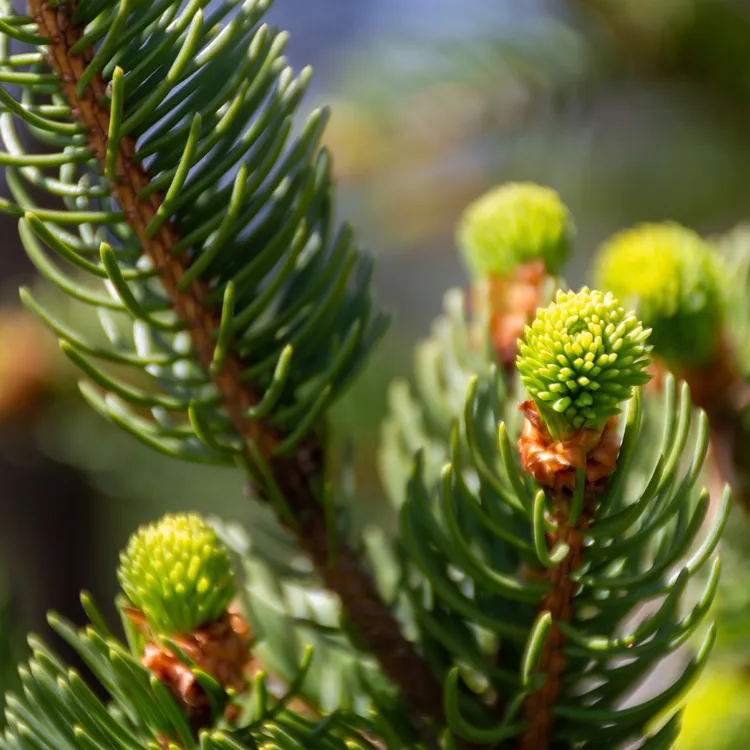
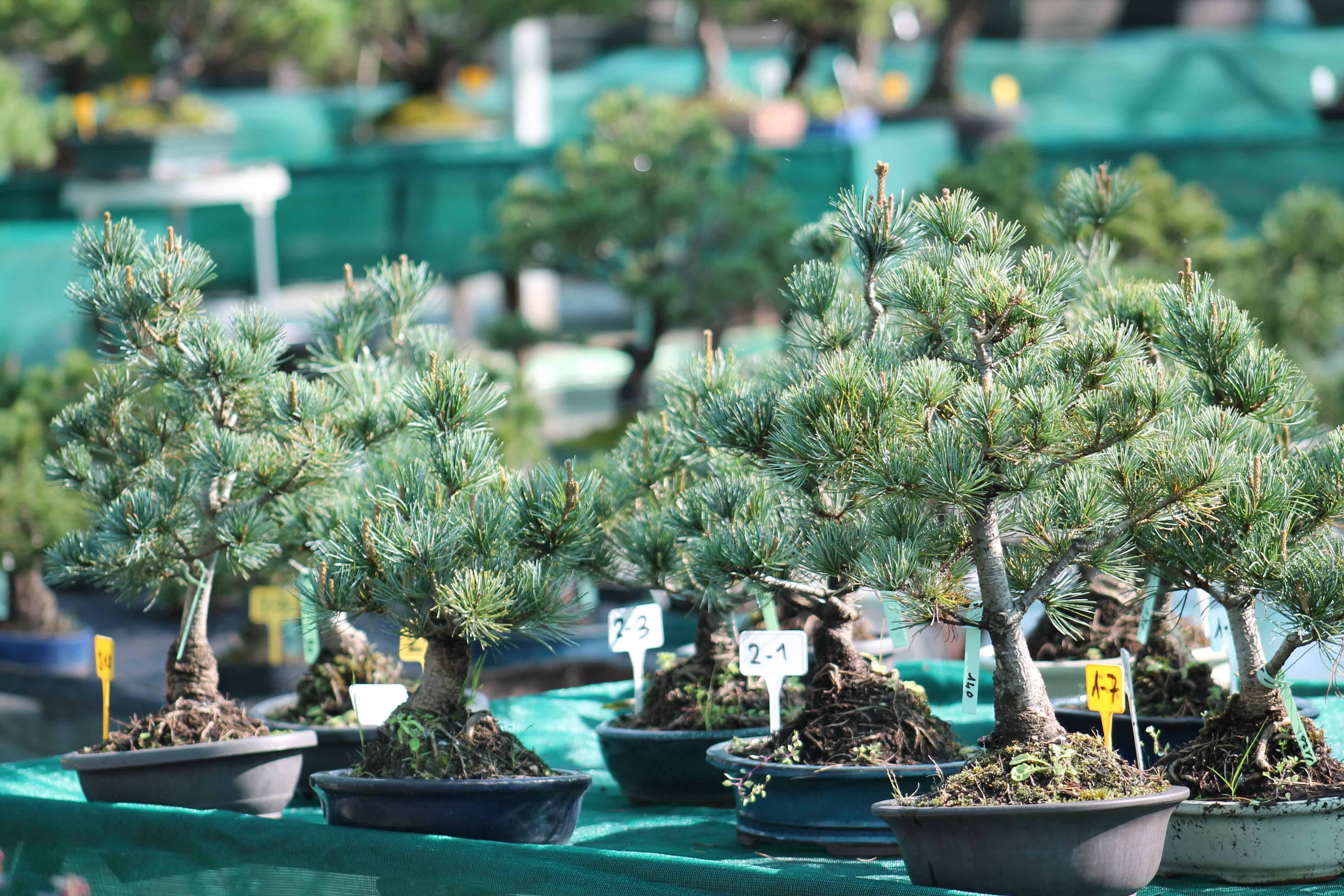
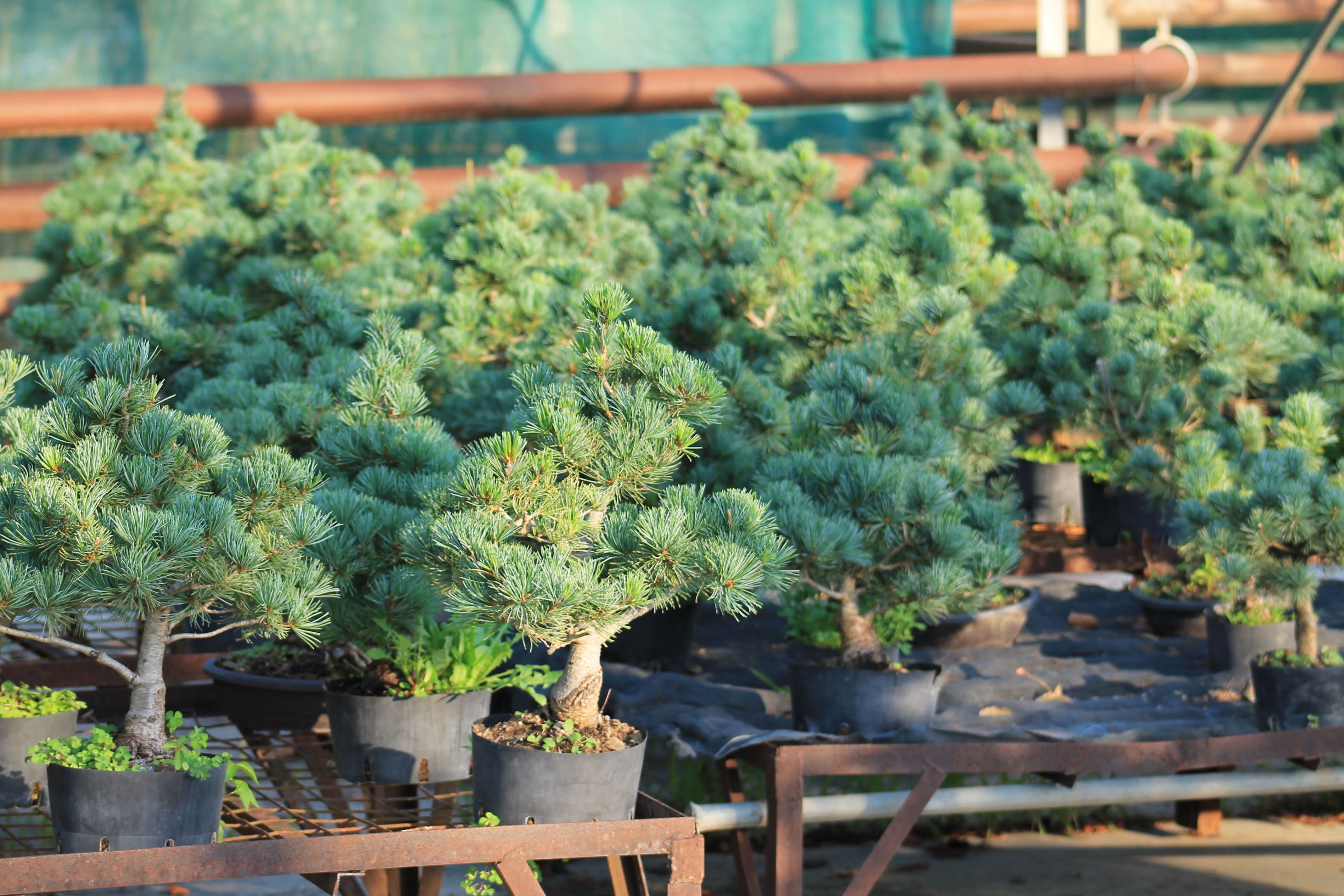
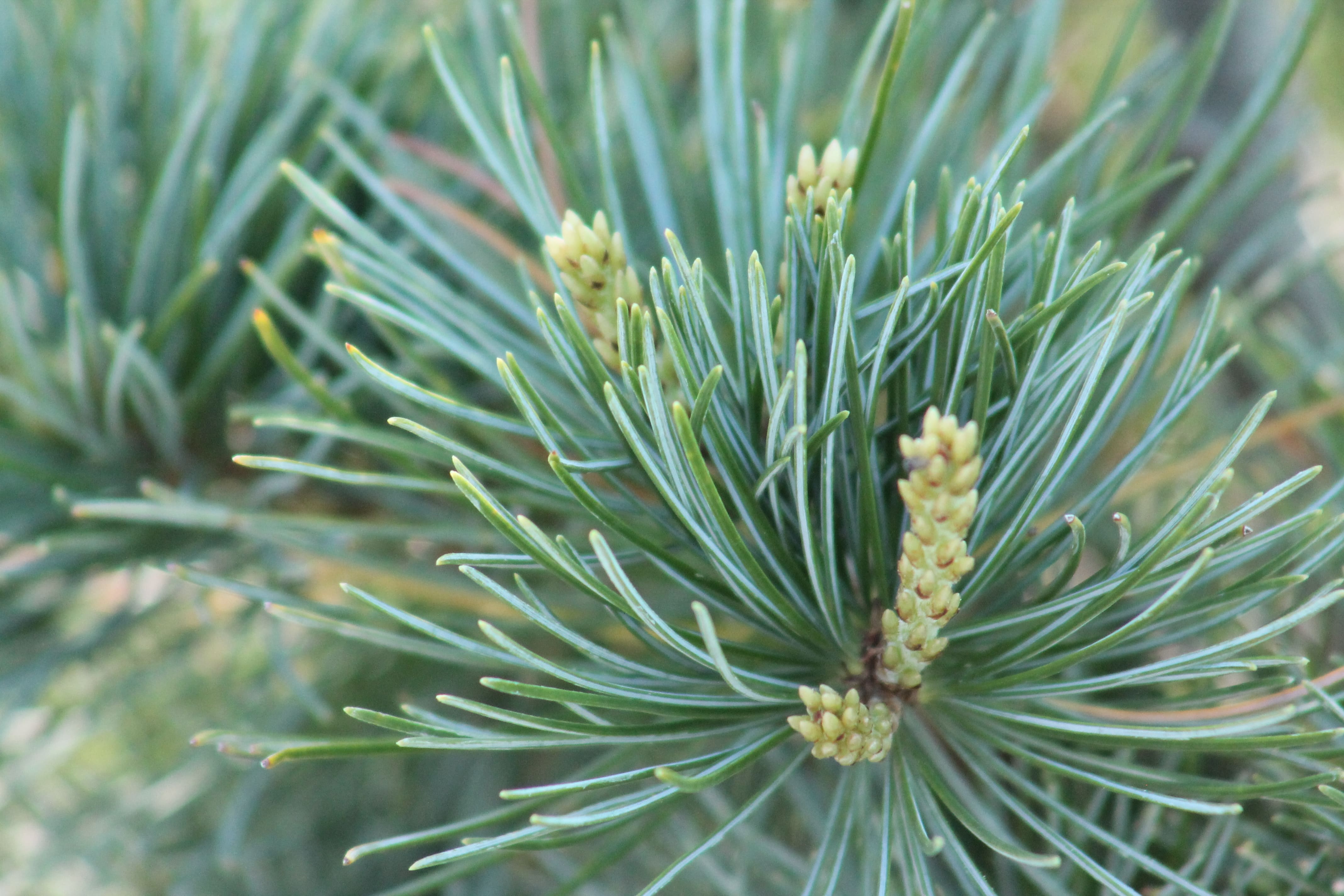
- Fine, flexible needles grouped in fives
- Blue-green to silvery-gray color
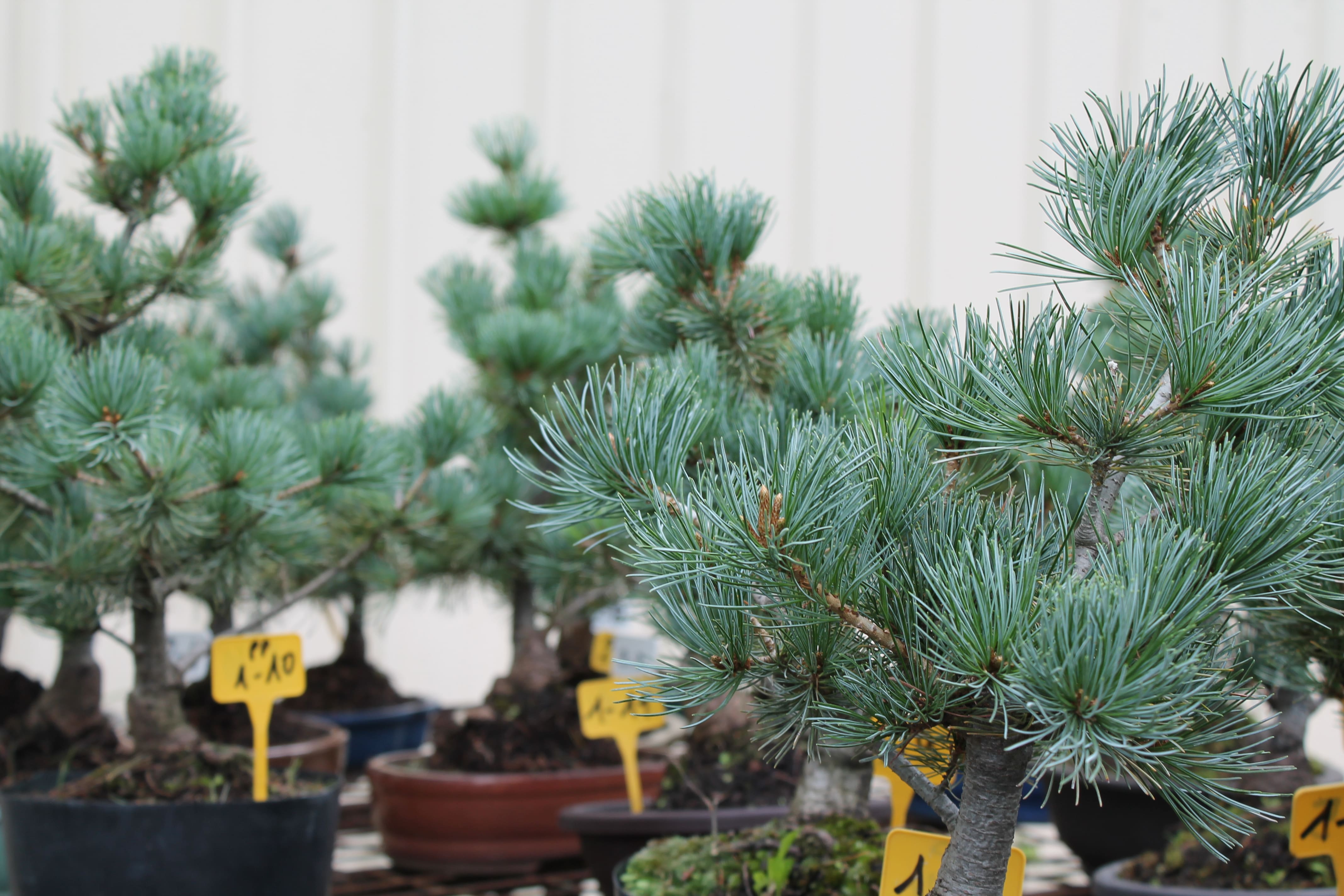
- Light-colored bark that cracks with age
- Naturally slow growth
- Elegant and highly graphic silhouette
These features make it particularly sought-after for classic bonsai styles: formal upright, informal upright, literati, or semi-cascade.
2. Why Are Japanese White Pines Grafted onto Black Pine ?
Japanese white pine is known for its weak root vigor, making it delicate to cultivate on its own roots, especially outside its native habitat.
To address this weakness, nurseries almost always graft Japanese white pine onto Pinus thunbergii (Japanese black pine).
Advantages of grafting
- Stronger, more resilient root system
- Better tolerance to watering mistakes
- Improved adaptation to European climates
- More reliable recovery after repotting
- More consistent growth
Visually, the graft is usually discreet, but it strongly influences cultivation, especially regarding vigor and management practices.
3. Ideal Exposure
Japanese white pine is an outdoor tree that should be grown outside year-round.
Recommended Exposure
- Full sun to bright partial shade
- Morning sun is ideal
- Protection from scorching summer sun, especially in hot climates
- Good air circulation
Insufficient light causes needle elongation and reduced density.
4. Watering: Precision and Consistency
Watering is a key factor in cultivating Japanese white pine.
Basic Principles
- Water only when the substrate begins to dry on the surface
- Water thoroughly until it drains through the pot’s holes
- Avoid excessive automatic watering
- Never leave the pot waterlogged for long periods
During summer, vigilance is critical; in hot weather, daily watering may be necessary.
5. Substrate and Repotting
Recommended substrate
A highly draining substrate is essential :
- Akadama
- Pumice
- Scoria (pouzzolane)
Mixtures vary depending on climate and pot size, but the goal is maximum root aeration.
Repotting
Ideal period : late winter / early spring
- Every 3 to 5 years depending on vigor
- Moderate root pruning
- Special attention to the graft union
Even grafted onto black pine, Japanese white pine does not appreciate overly frequent or severe repotting.
6. Appropriate Fertilization
Japanese white pine is less nutrient-demanding than black pine.
Recommendations
- Slow-release fertilizer
- Spring and autumn application
- Lighter fertilization than black pine
- Reduce or pause in summer during high heat
Excess fertilizer causes overly long needles and loss of refinement.
7. Pruning, Pinching, and Candle Management
Unlike black pine, white pine is not worked with strict decanting techniques (removal of new shoots (candles) on certain branches).
Pruning and pinching
- No complete candle removal
- Selective candle management in spring
- Gentle reduction of vigor
- Balance strong and weak areas
Needles
- Thinning in autumn
- Improves light penetration and air circulation
- Encourages back-budding
Management of Japanese white pine is based on gradual, refined care, never on harsh force.
8. Wintering and Cold Resistance
Japanese white pine is hardy, but in pots, certain precautions are necessary.
Winter care
- Tolerates moderate frost
- Protect the pot during prolonged freezing
- Avoid cold, drying winds
- Do not bring indoors
A protected outdoor wintering is ideal.
9. Pests and Health Vigilance
Overall robust, especially when grafted onto black pine, Japanese white pine can still be sensitive to :
- Scale insects
- Aphids
- Mites in dry conditions
Good air circulation, proper exposure, and a balanced tree remain the best prevention.
10. An Exceptional Bonsai for Patient Enthusiasts
Japanese white pine in bonsai is a long-term tree. It does not seek rapid performance but rewards the patient construction of a harmonious and mature silhouette.
Grafted onto black pine, it becomes more accessible to European enthusiasts while retaining :
- Its refinement
- Its luminosity
- Its unique elegance
It is a characterful bonsai, ideal for those wishing to deepen their practice and develop a lasting relationship with their tree.
Conclusion
Cultivating Japanese white pine as a bonsai requires a measured approach that respects the tree’s natural rhythm. Thanks to grafting onto black pine, it becomes more reliable and resilient without losing its nobility.
An exceptional tree, for precise and serene cultivation.
FAQ
Is Japanese white pine suitable for beginners ?
It requires some rigor, but when grafted onto black pine, it becomes more tolerant and stable. Suitable for a motivated enthusiast who follows basic cultivation principles (exposure, watering, patience). Not a fast bonsai, but highly instructive.
Why is my white pine grafted onto black pine ?
Japanese white pine naturally has a weak root system. Grafting onto black pine provides greater vigor, better adaptation to European climates, and safer pot cultivation. This is a standard practice, even in Japan.
Can Japanese white pine be grown indoors ?
No. It is an outdoor tree that requires sun, temperature variations, and winter rest. Indoor cultivation gradually weakens the tree.
How often should a white pine bonsai be watered ?
There is no fixed schedule. Water when the substrate begins to dry on the surface, and water thoroughly until drainage occurs. Excess water is more harmful than occasional slight dryness.
Should a white pine be decandled like a black pine ?
No. Management is based on selective candle trimming, balancing vigor, and needle thinning. Interventions should be gradual.
When should Japanese white pine be repotted ?
Ideally late winter or early spring, before growth resumes. Repotting should be moderate, especially near the graft union.
My white pine is slightly yellowing, is this normal ?
Slight yellowing can be normal depending on the season or needle age. Rapid or widespread yellowing may indicate overwatering, compact substrate, or insufficient light.
Does Japanese white pine tolerate frost ?
Yes, it is hardy. In pots, protect the pot during severe frosts, avoid drying cold winds, and do not bring indoors.
How does it differ visually from black pine ?
Japanese white pine has finer, more flexible needles, a blue-green to silvery-gray color, and a softer, more elegant silhouette than black pine.
Is it a slow-growing bonsai ?
Yes. Japanese white pine grows slowly. Its development rewards patience with fine detail and mature aesthetics.