

 Production of French Bonsai
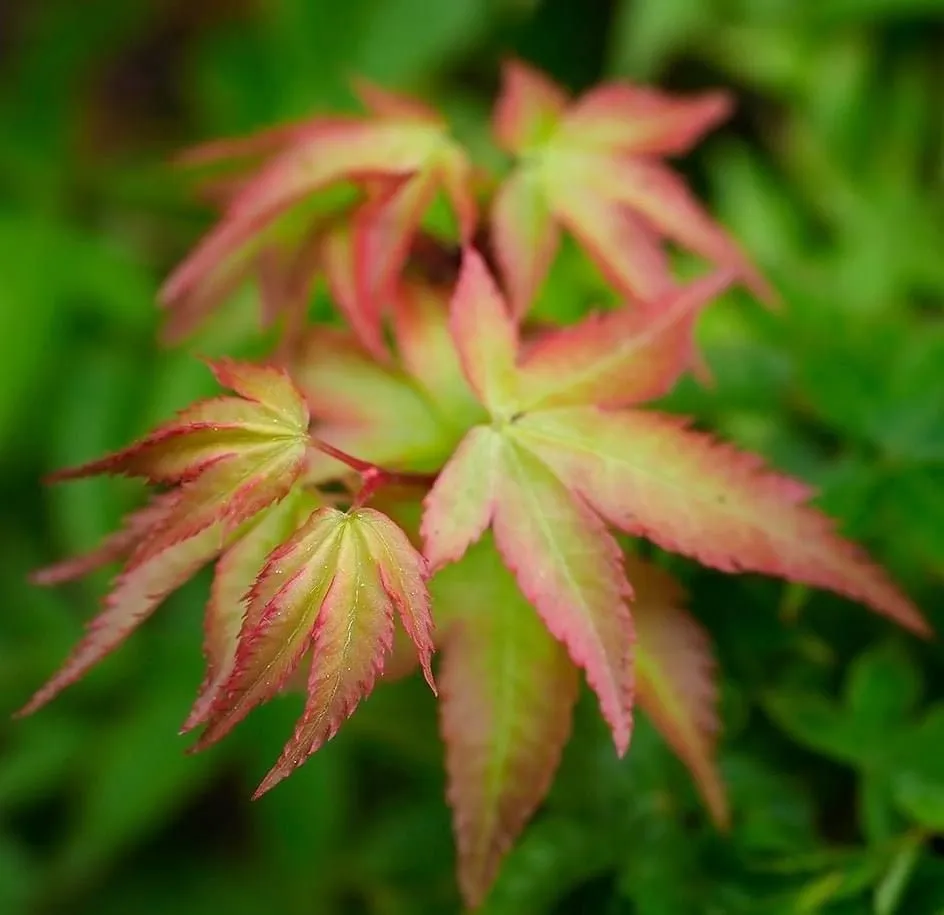
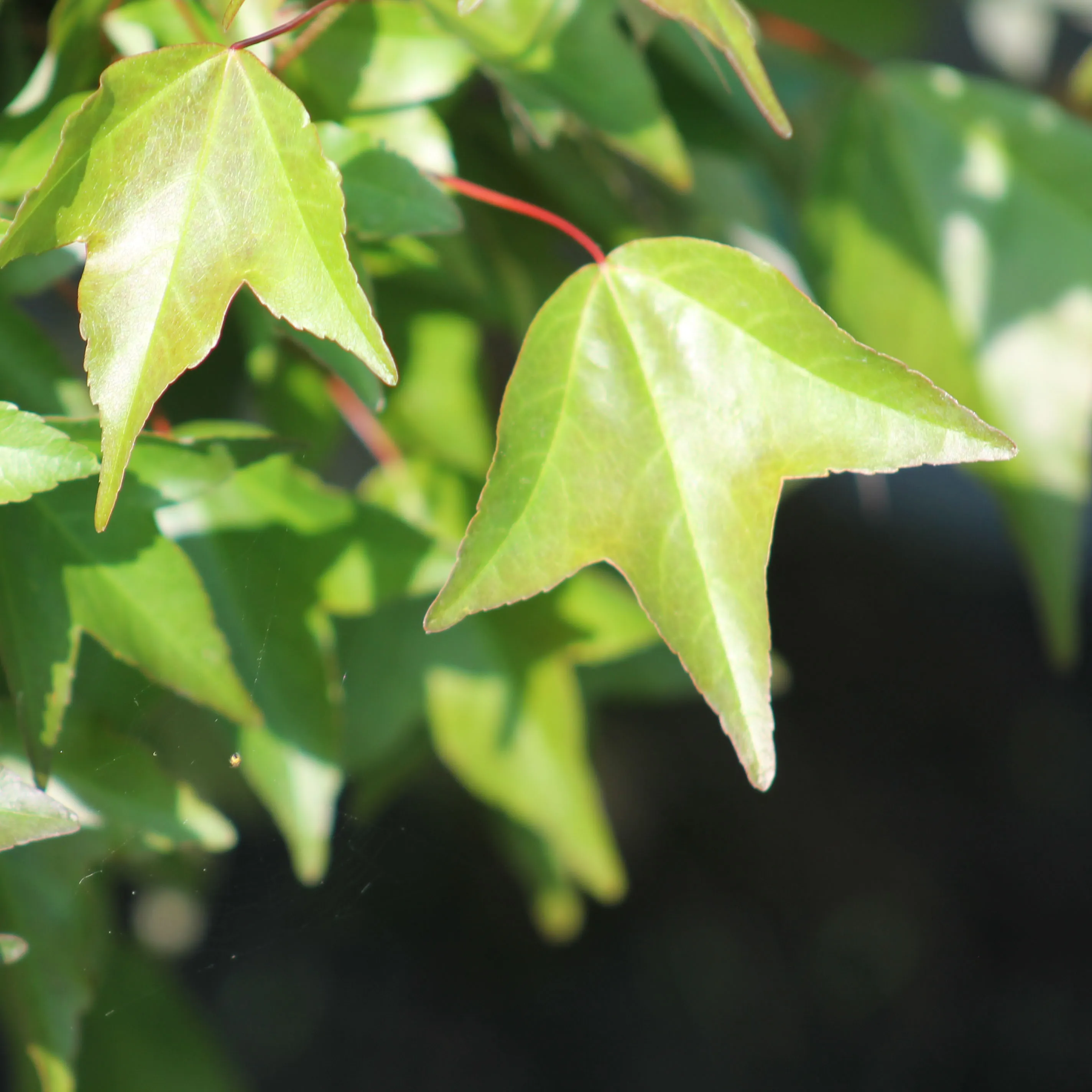
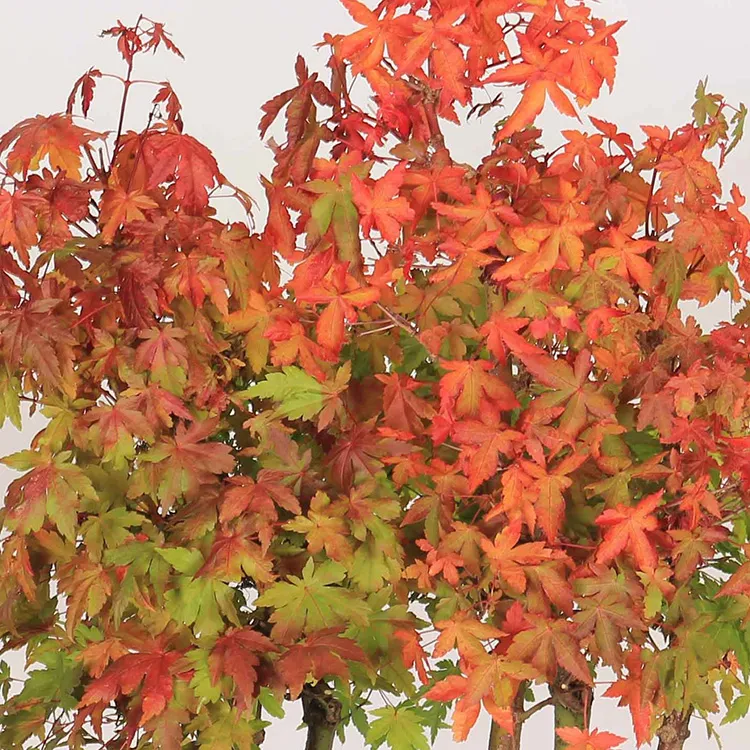
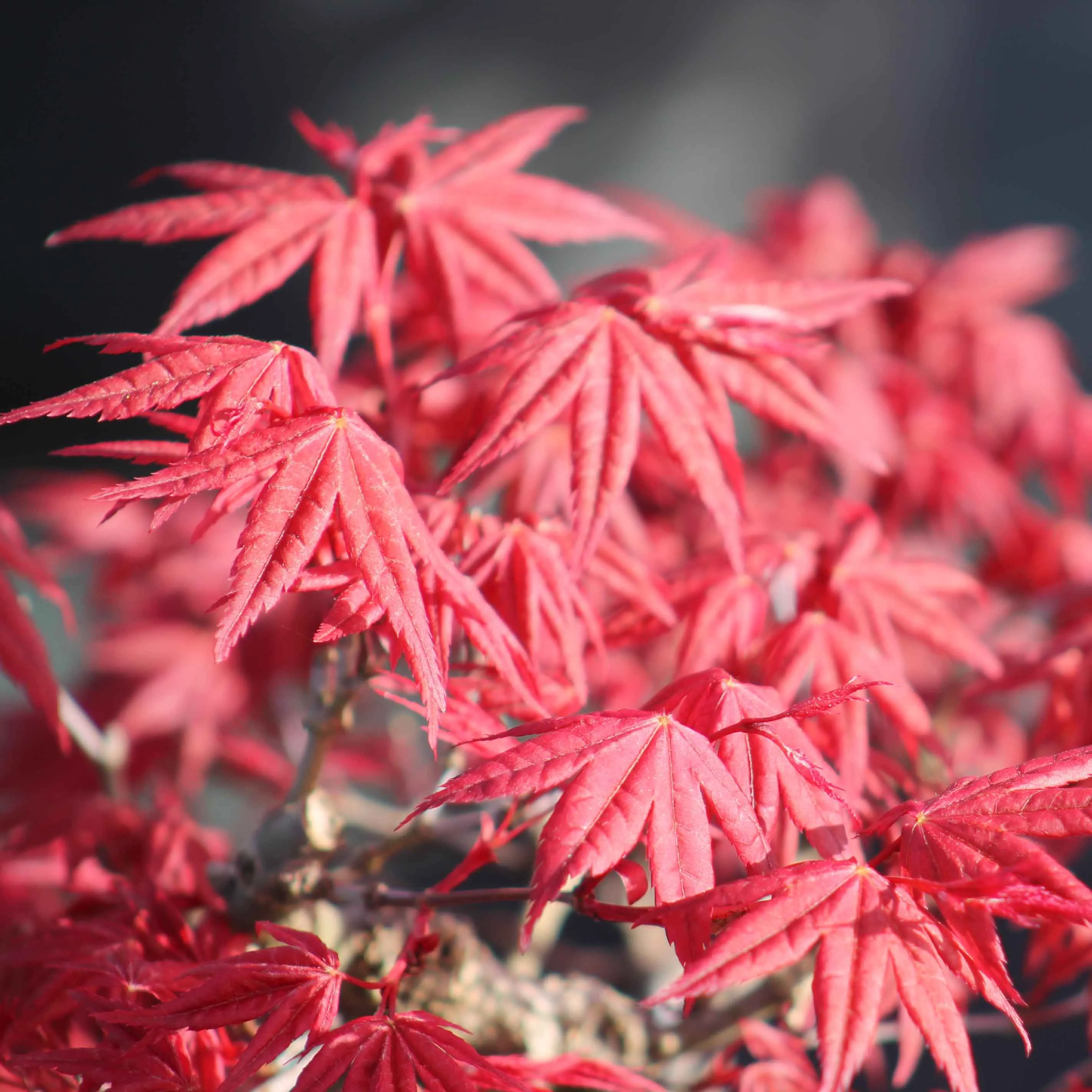
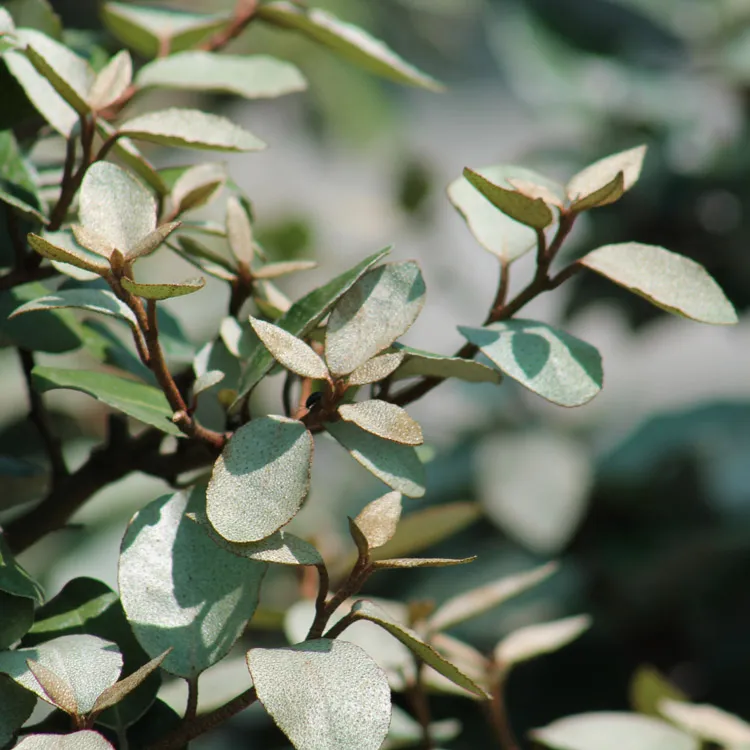
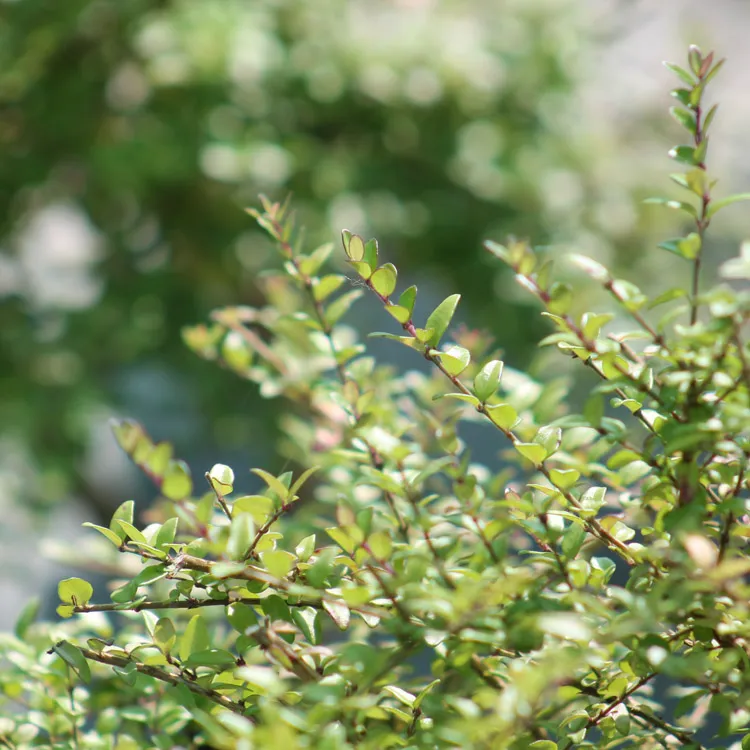
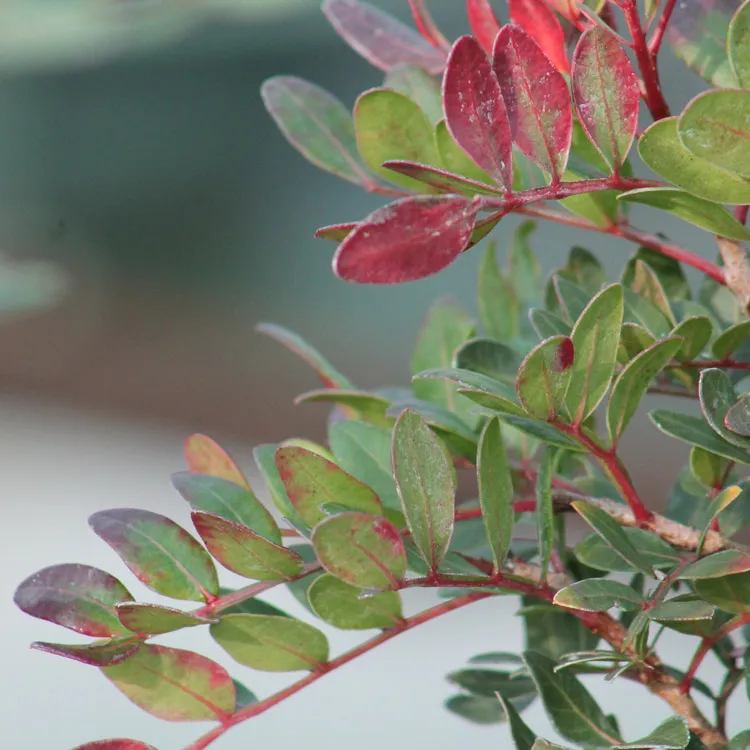
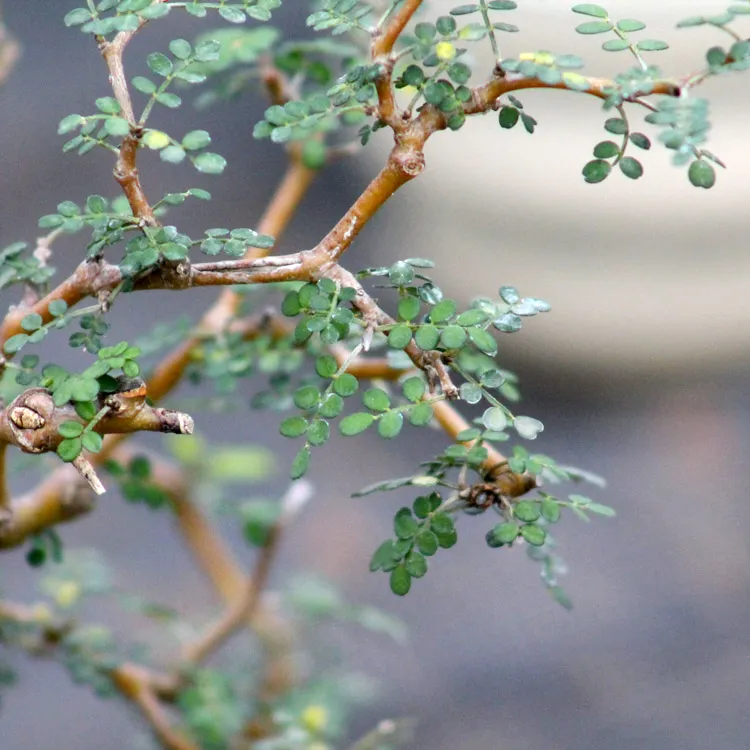
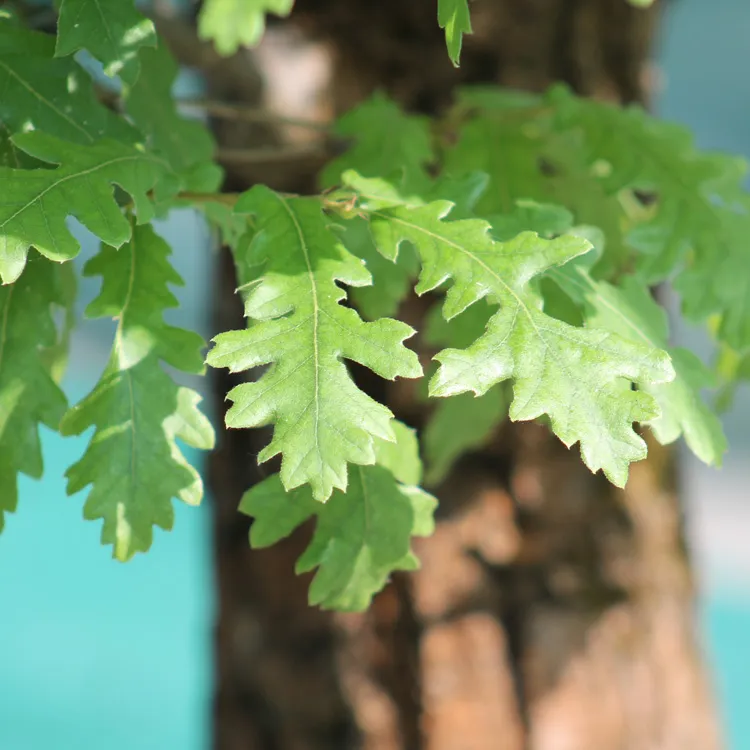
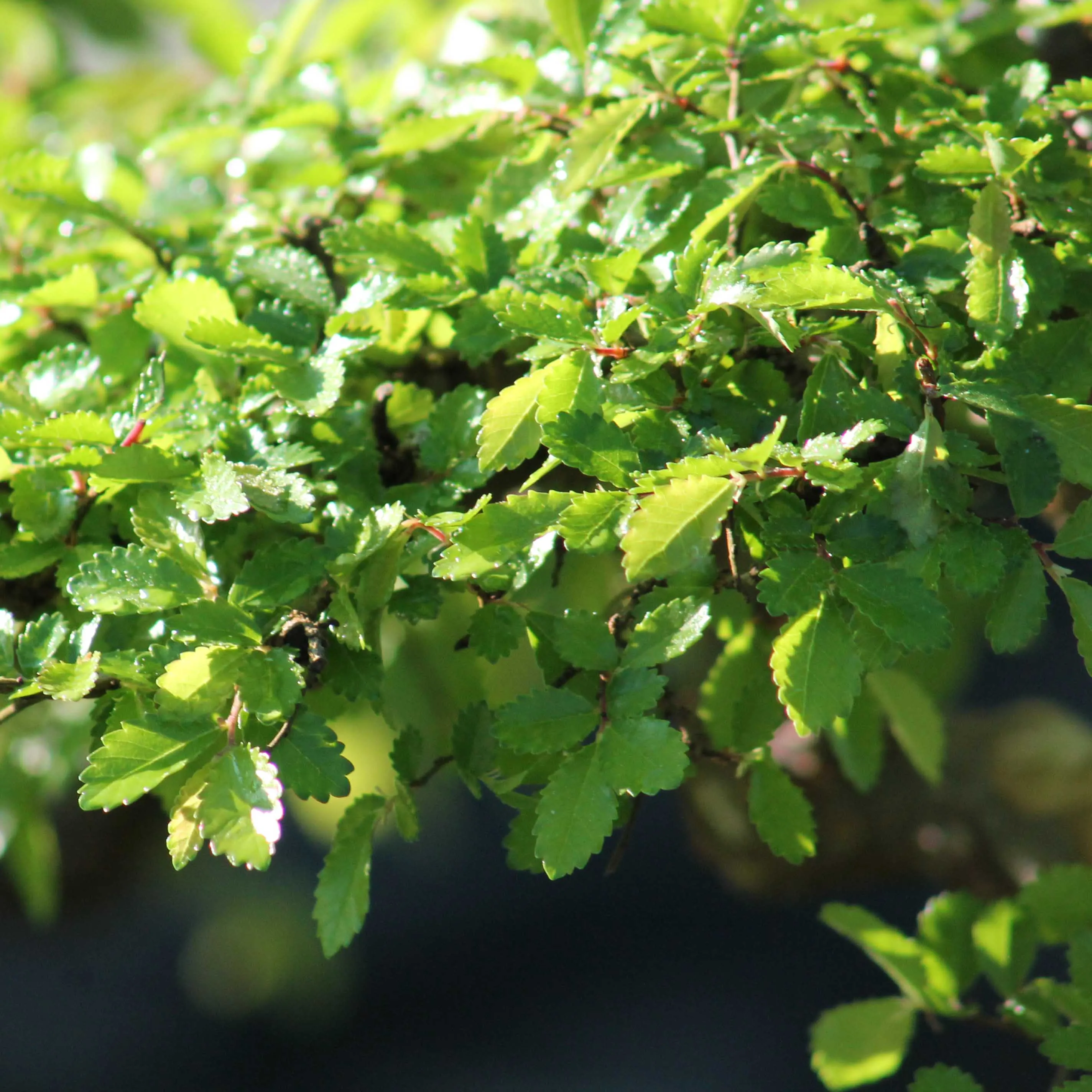
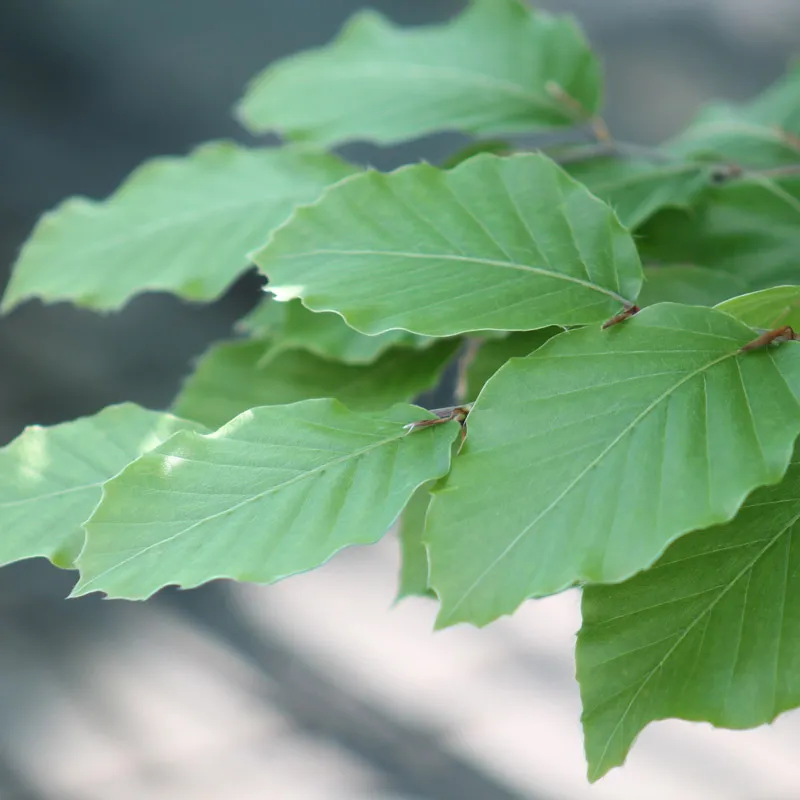
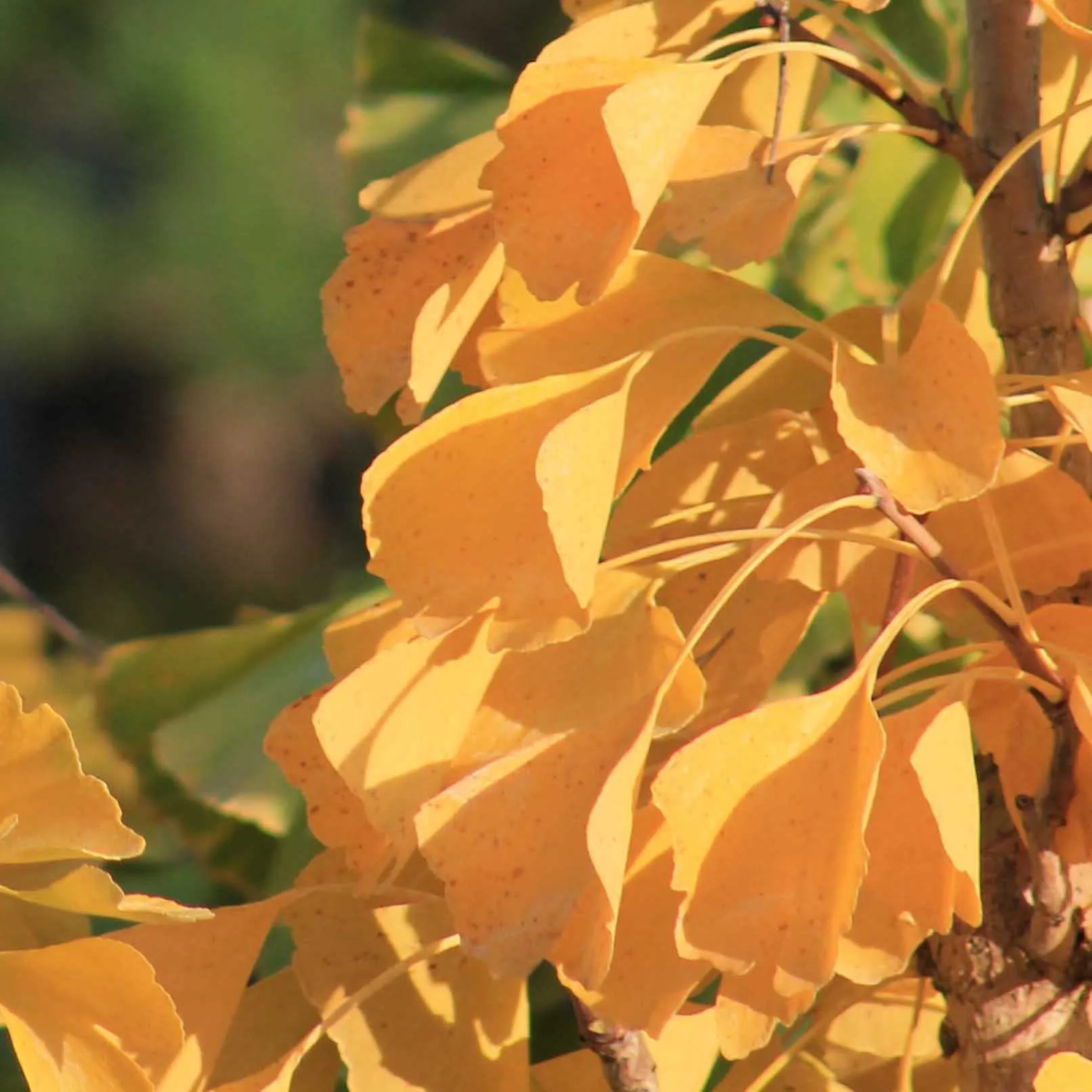
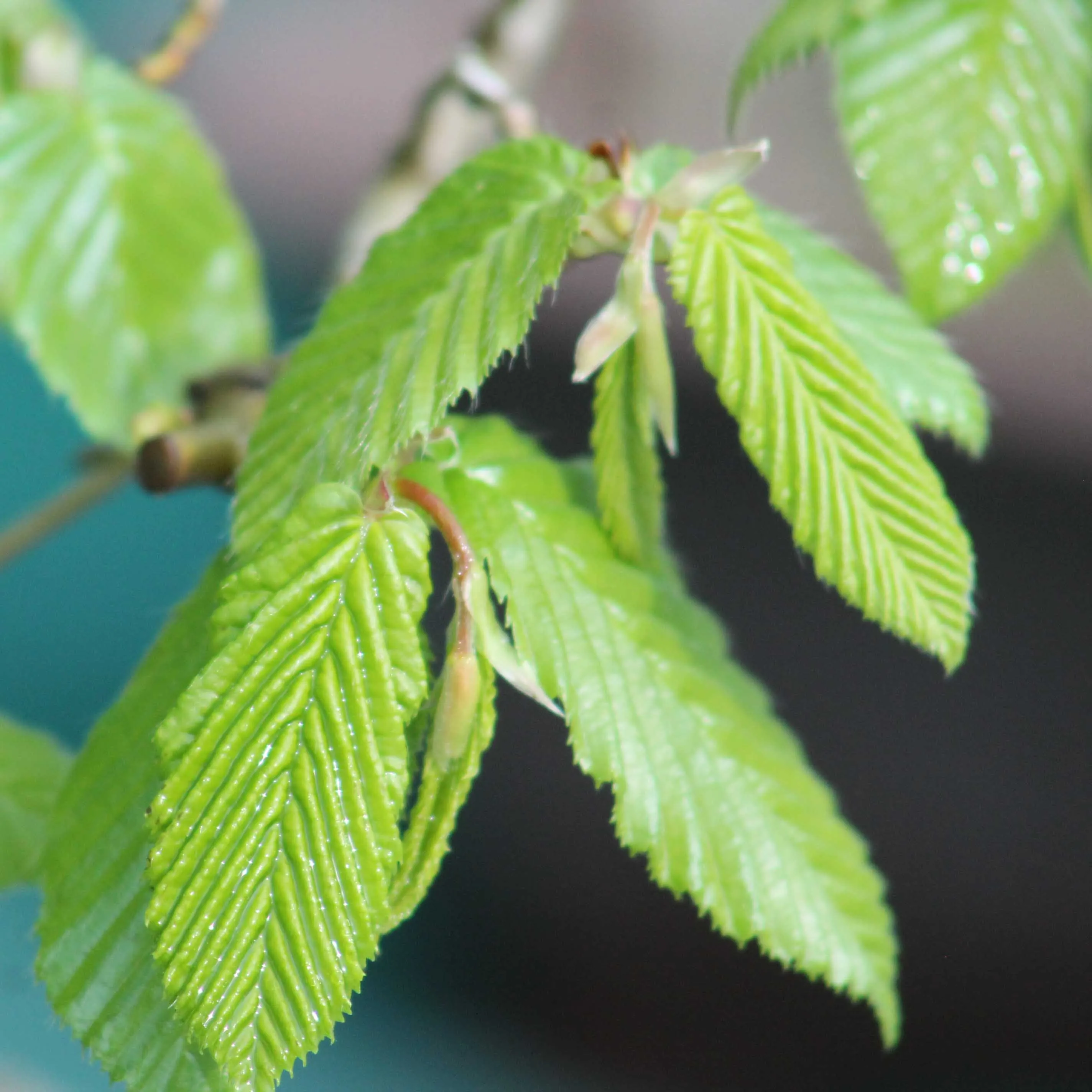
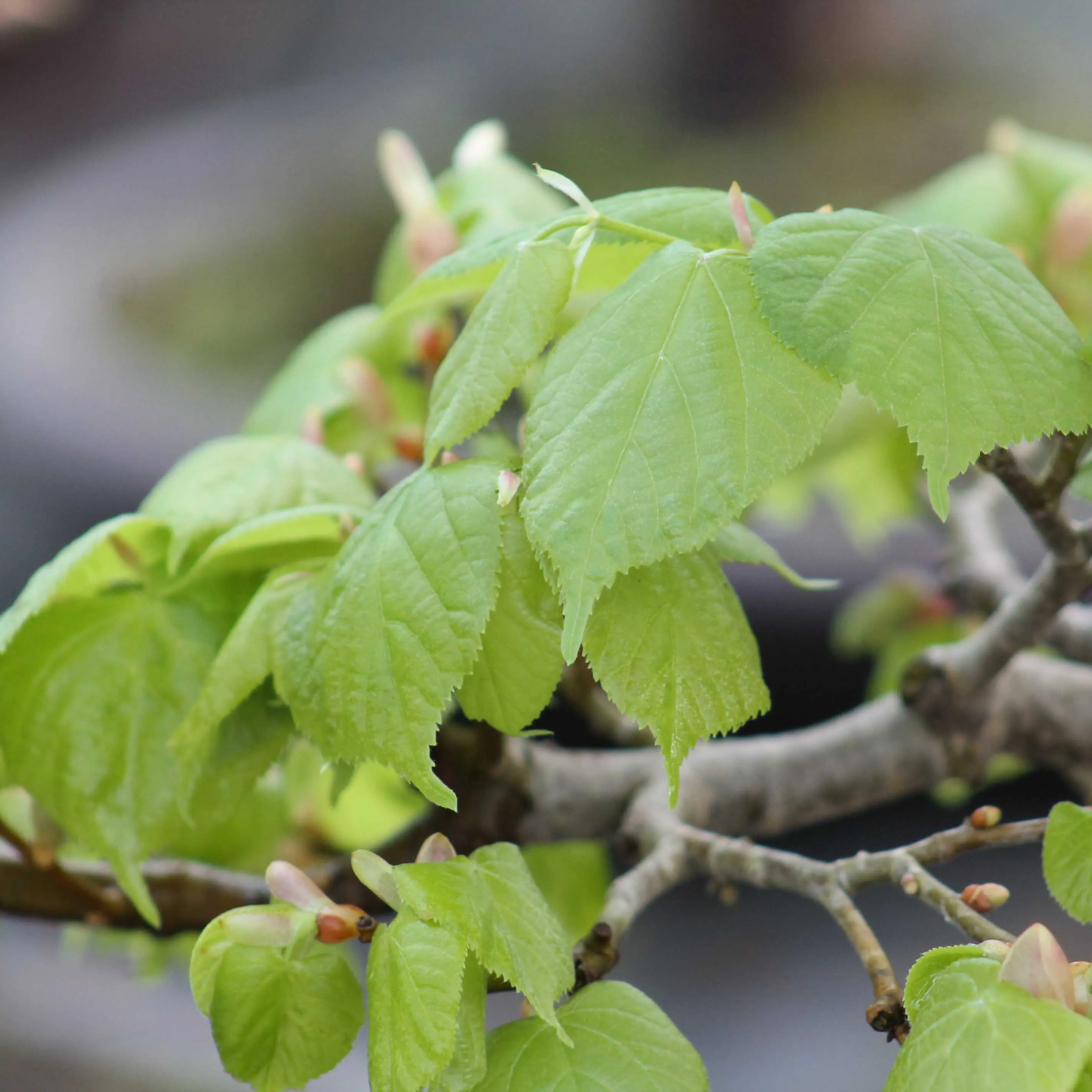
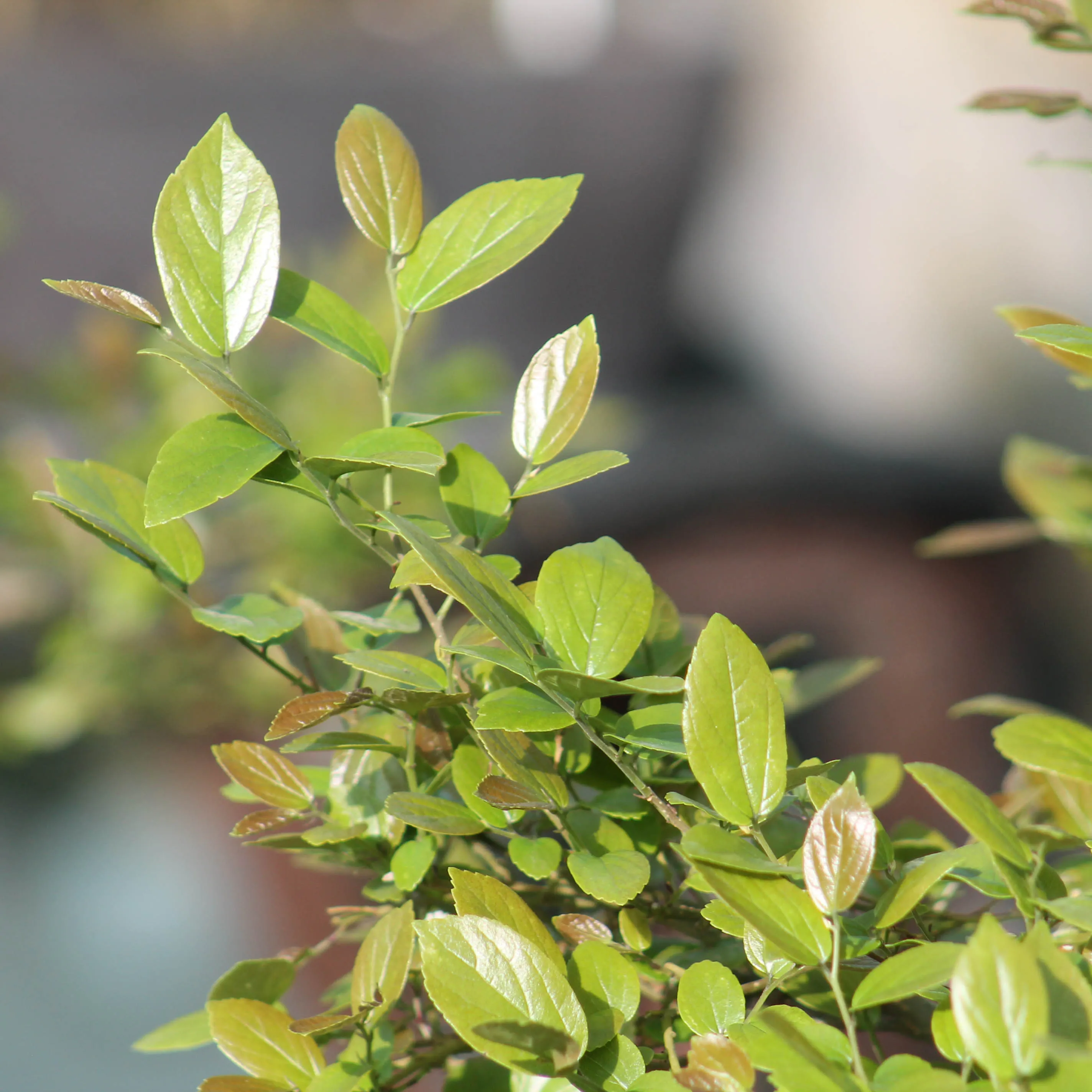
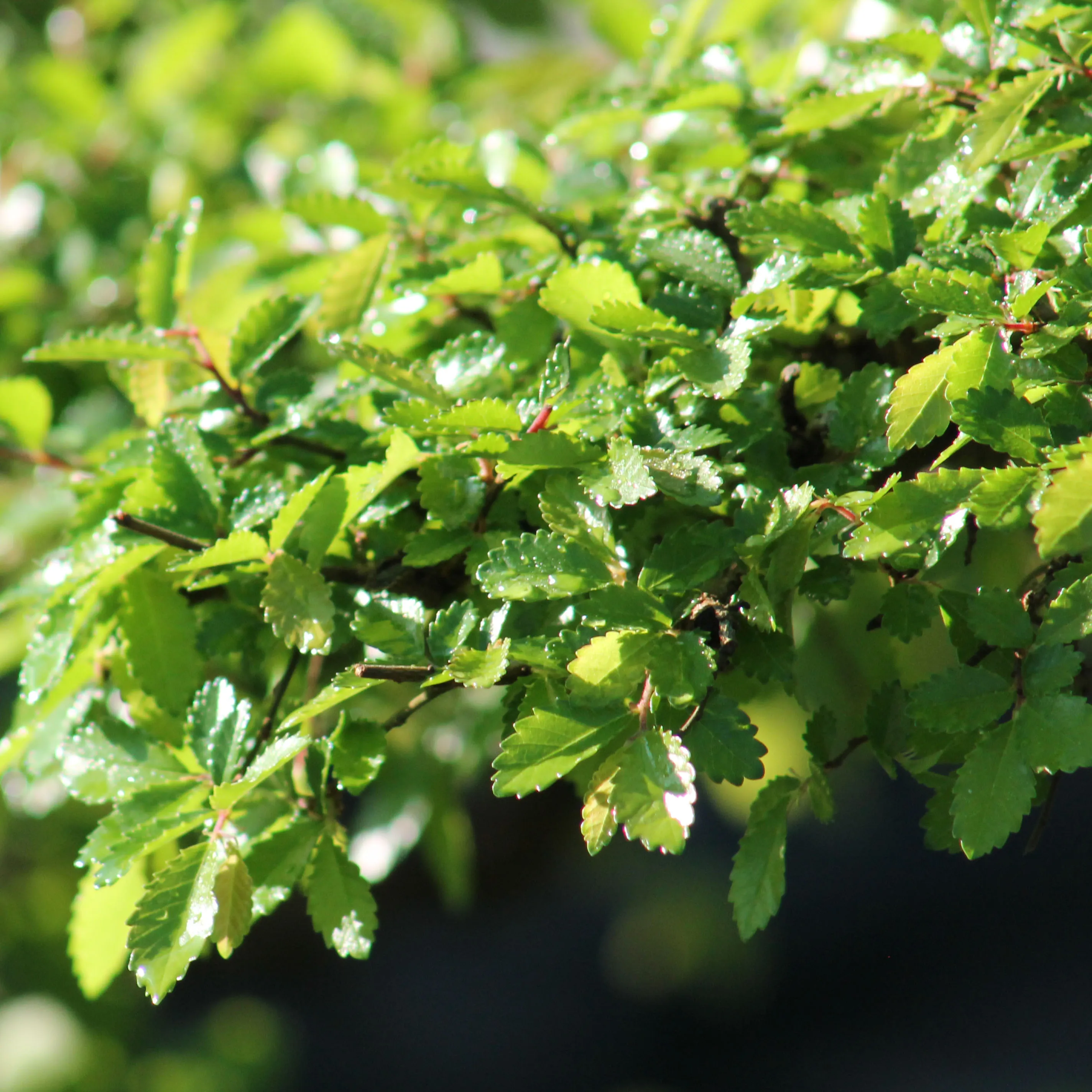
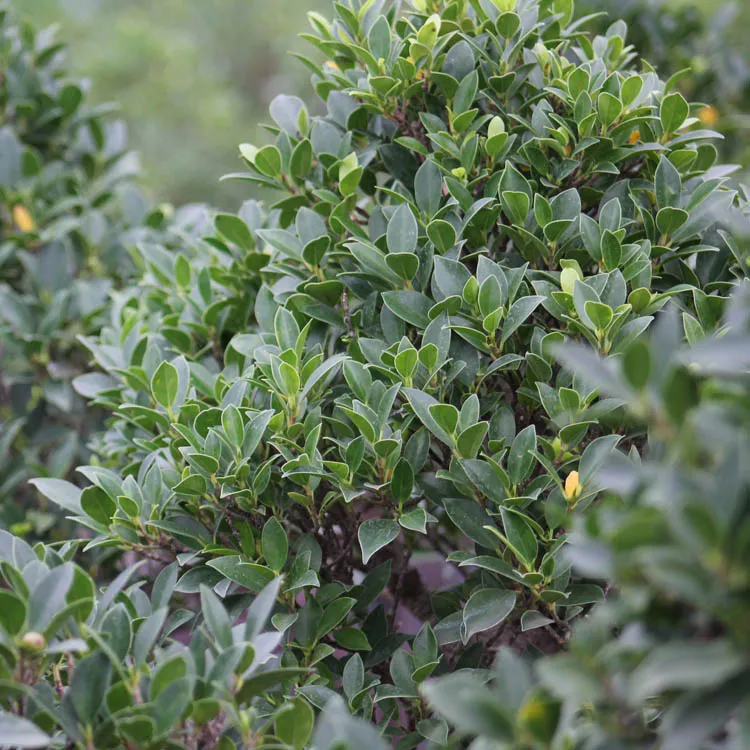
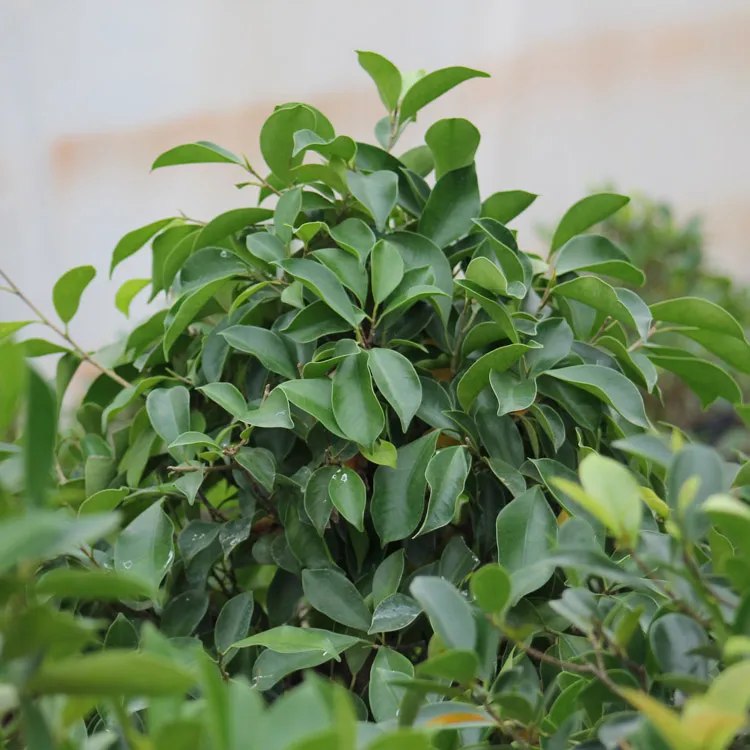
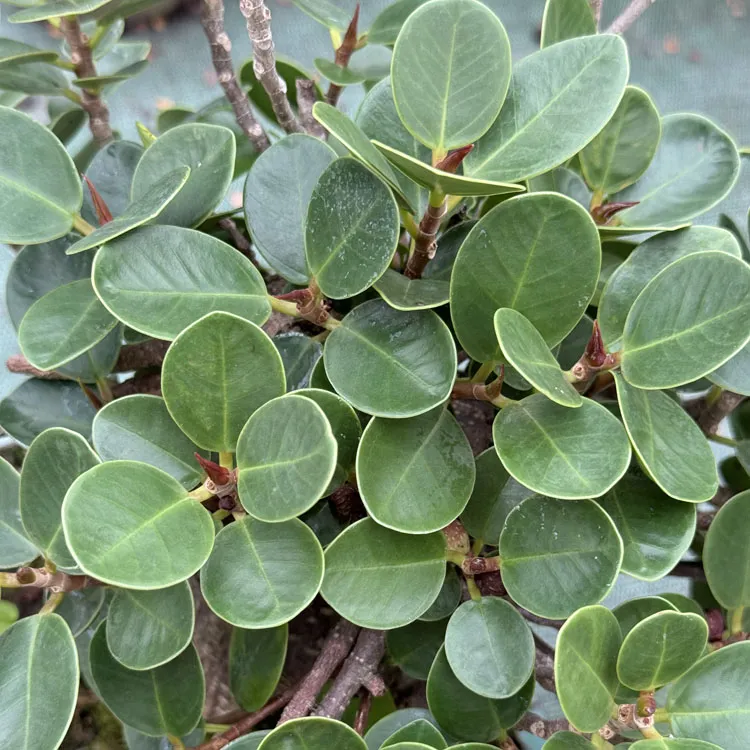
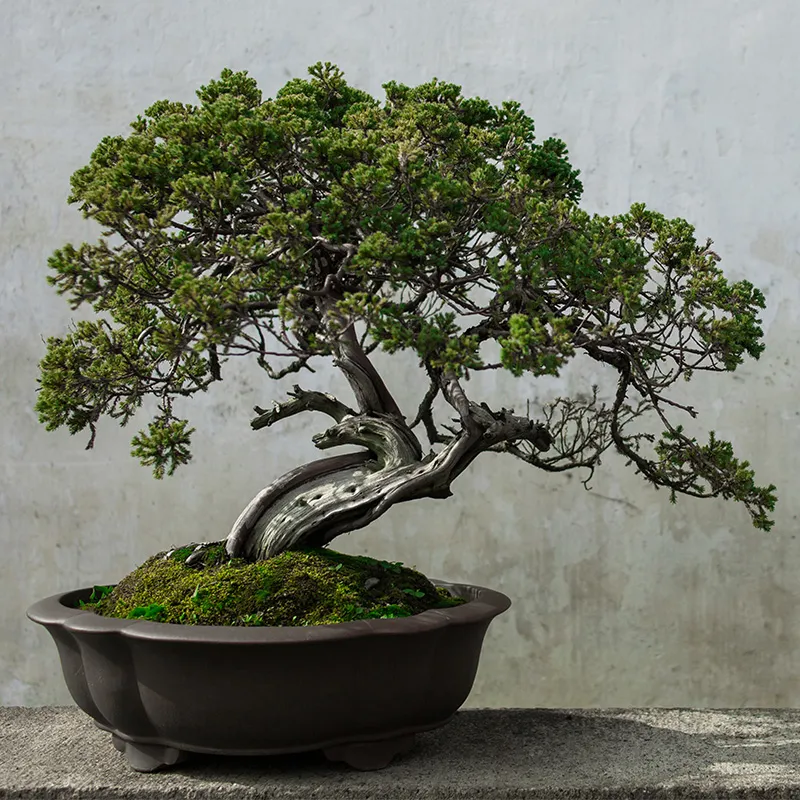

Less well-known than the maple, elm, or juniper, the hackberry Celtis is one of those species rarely encountered in bonsai collections—which is a bit of a shame!
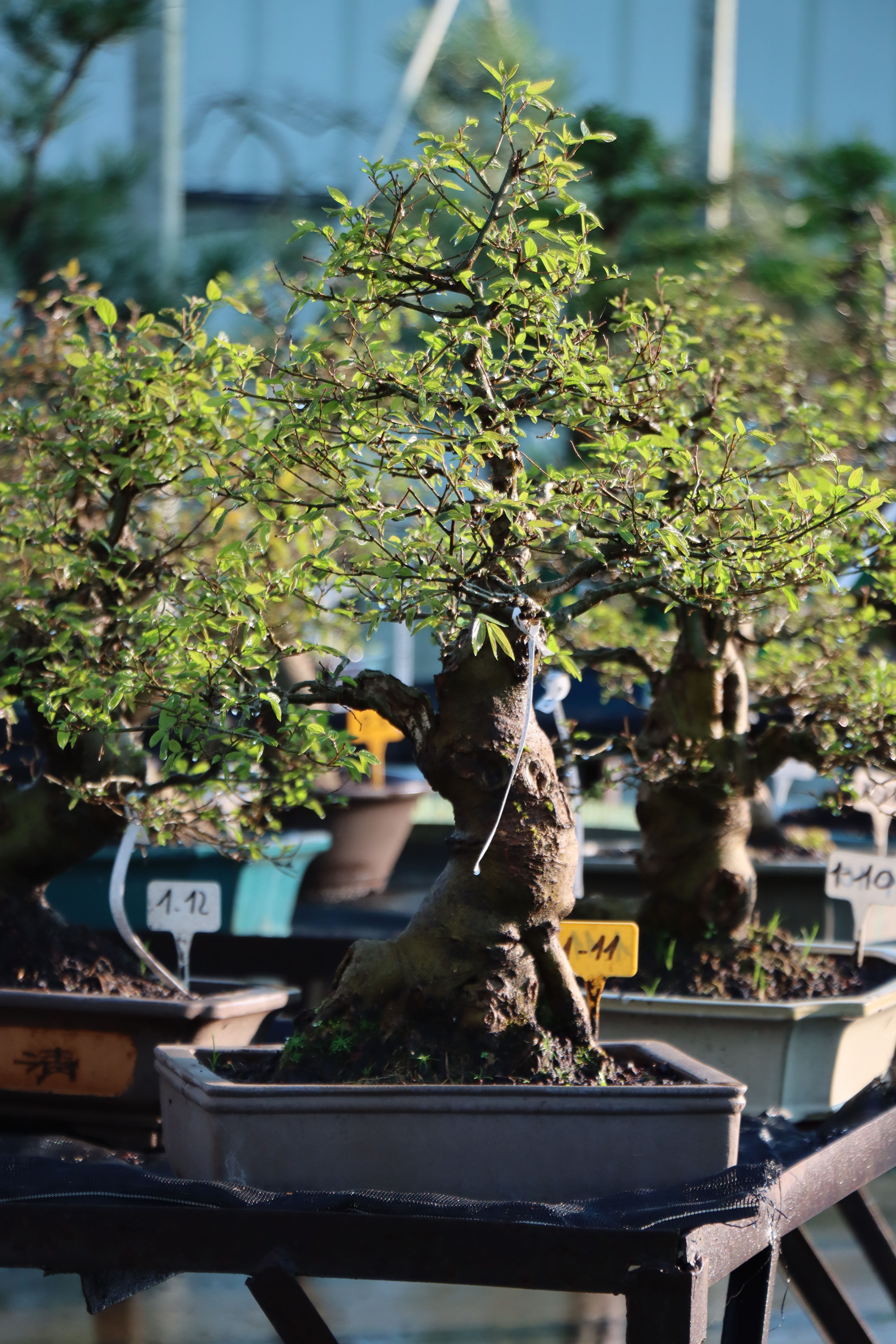
The Celtis possesses many qualities: it is vigorous, responds very well to pruning, branches easily, and tolerates heat quite well. Over the years, its trunk and bark develop character, giving it the appearance of a genuine, miniature old tree.
It is also a particularly rewarding species to work with, as it develops quite rapidly. With a healthy Celtis, the results of pruning and ramification work can be seen within just a few seasons.
In short, while it may still be an unsung hero in the bonsai world, the hackberry is certainly a species worth exploring!
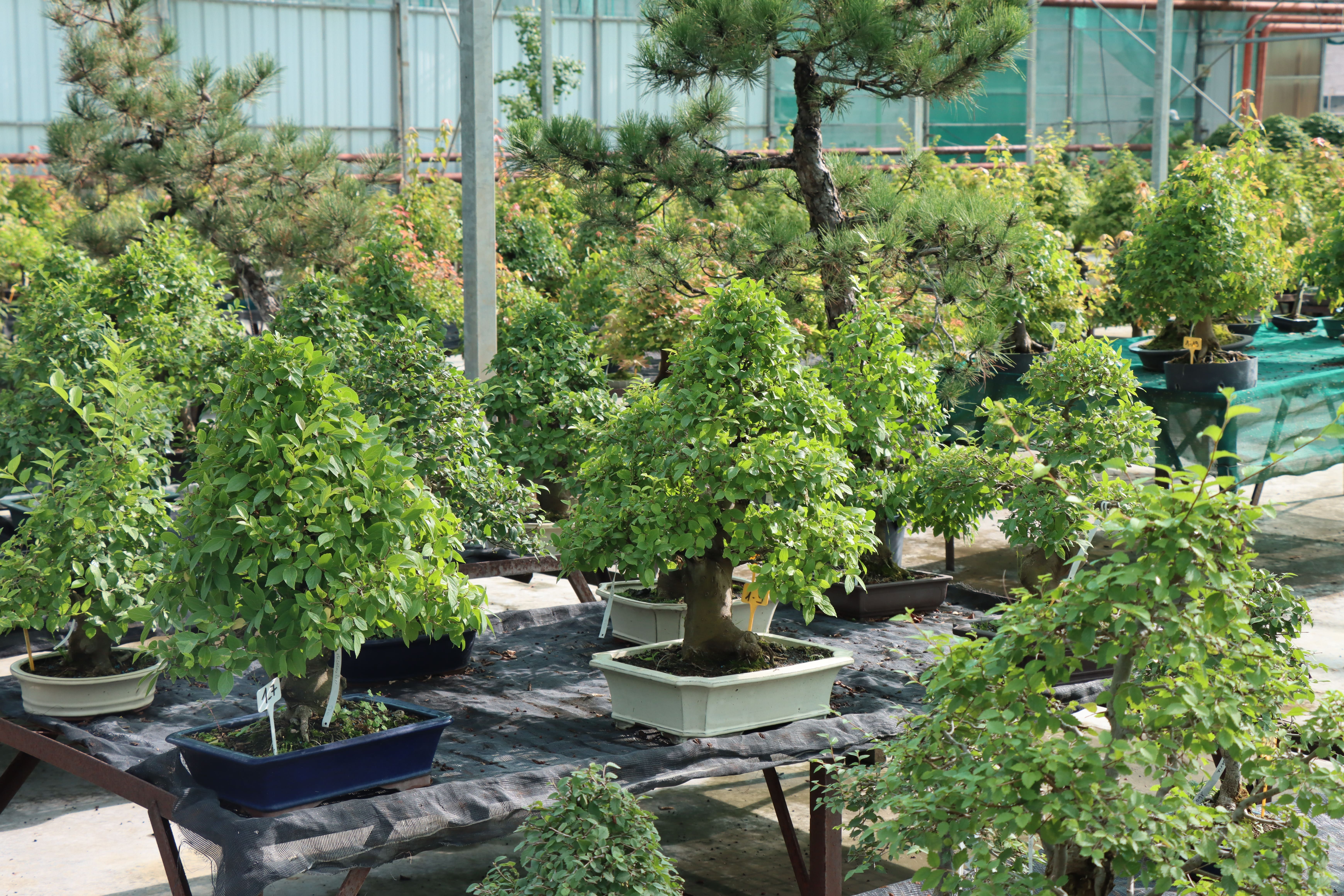
Celtis or hackberry: which tree are we talking about ?
Celtis is simply the botanical name for the genus to which hackberry trees belong.
There are numerous species found worldwide, primarily in temperate and warm regions.
In our area, the best-known variety is undoubtedly the European hackberry (Celtis australis). If you have ever strolled through the south of France, you have likely encountered one without necessarily knowing its name.
It is a large tree found in parks, along streets, and throughout Mediterranean landscapes. Once mature, it can form a broad crown and provide generous shade.
In the world of bonsai, Celtis sinensis or the Chinese hackberry is also common; it is prized particularly for its foliage and its ability to develop fine branching.
While cultivation requirements vary slightly depending on the species particularly regarding cold hardiness Celtis trees share a quality that is especially valuable for bonsai : they are vigorous growers.
A deciduous tree that responds well to training.
That is likely what makes the hackberry Celtis such a pleasure to cultivate.
Once it is well-established and healthy, it really grows!
In bonsai, this vigor is far from a drawback; in fact, it is precisely what allows you to shape the tree.
A shoot elongates; you let it develop sufficiently, then cut it back. New branches emerge, which you then work on in turn. Season after season, the silhouette becomes more refined.
The Celtis also has a strong ability to produce new shoots from older wood. This is very handy when a branch is poorly positioned or when you want to rebuild part of the tree.
It is therefore more forgiving of certain mistakes than a species that struggles to back-bud.
This makes it an interesting bonsai choice for someone ready to move beyond merely keeping their trees healthy and start actively shaping them.
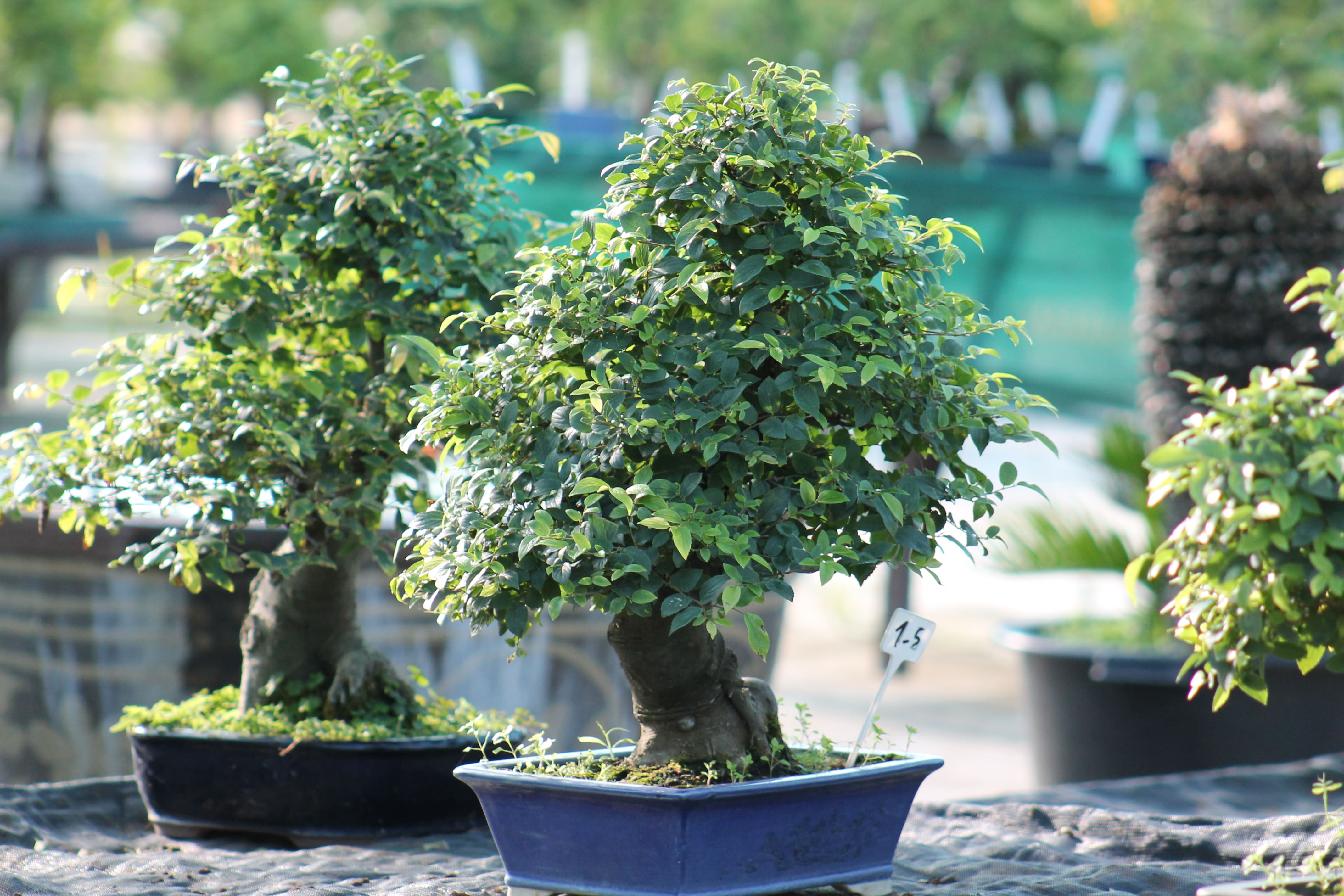
A tree that changes significantly with age.
A young Celtis can sometimes appear quite plain.
A relatively smooth trunk, numerous shoots, abundant foliage... It does not necessarily immediately display the spectacular character of an old pine or a refined juniper.
But it needs time.
As it ages, the trunk thickens, the bark develops, and the branching becomes increasingly fine.
It is precisely this evolution that makes it interesting.
One does not necessarily choose a Celtis solely for what it is today, but also for what it can become in five, ten, or twenty years.
Sun and heat : the Celtis isn't the most cold-sensitive plant !
In this respect, the hackberry stands out quite clearly from certain other deciduous species.
It thrives in the light and generally tolerates full sun well.
It is no coincidence that Celtis australis is known as the "Provence hackberry": it is naturally abundant in the Mediterranean climate.
In spring, a bright location encourages vigorous growth and compact foliage.
In summer, it generally withstands heat better than a beech or certain maples.
This makes it a particularly attractive species for regions with hot summers.
Being drought-resistant in the wild does not mean it requires no watering as a bonsai.
This is a fairly common point of confusion regarding trees naturally adapted to hot climates.
In the wild, a hackberry (Celtis) possesses an extensive root system. Its roots can explore a vast volume of soil and reach deep down to find moisture.
In a bonsai pot, however, it is a completely different story.
Its roots have access to only a few liters of growing medium sometimes far less.
Consequently, a Celtis planted in a small pot and exposed to full sun can dry out very quickly on a summer day.
Even though the species tolerates heat well, watering remains essential.
During the hottest periods, check the soil daily. When the surface begins to dry out, water the entire root ball thoroughly until water flows out of the drainage holes.
During a heatwave, a second check at the end of the day may be necessary.
Nursery tip: never decide on a watering schedule in advance. A bonsai might need water every day in July but much less just a few weeks later. You need to look at the soil, not the calendar.
A crop that must follow the seasons
The Celtis is, first and foremost, an outdoor tree.
It grows during spring and summer, gradually slows down as autumn arrives, and then enters dormancy for the winter.
As it is deciduous, its foliage turns yellow and falls off naturally when temperatures drop.
So, there is no need to worry if your hackberry tree ends up completely bare; this is perfectly normal.
In fact, this is a particularly interesting time to observe it.
Without leaves, the entire structure is revealed. It becomes much easier to appreciate the tree's qualities as well as its minor flaws !
Crossing branches, too many shoots emerging from the same spot, or twigs growing inward winter offers a completely different perspective on the bonsai.
Regarding cold weather, however, the specific species must be taken into account, as not all Celtis varieties share the exact same hardiness.
In any case, the roots of a potted tree remain more exposed to frost than those of a tree planted in the ground. Therefore, protecting the pot is advisable during periods of severe, prolonged cold.
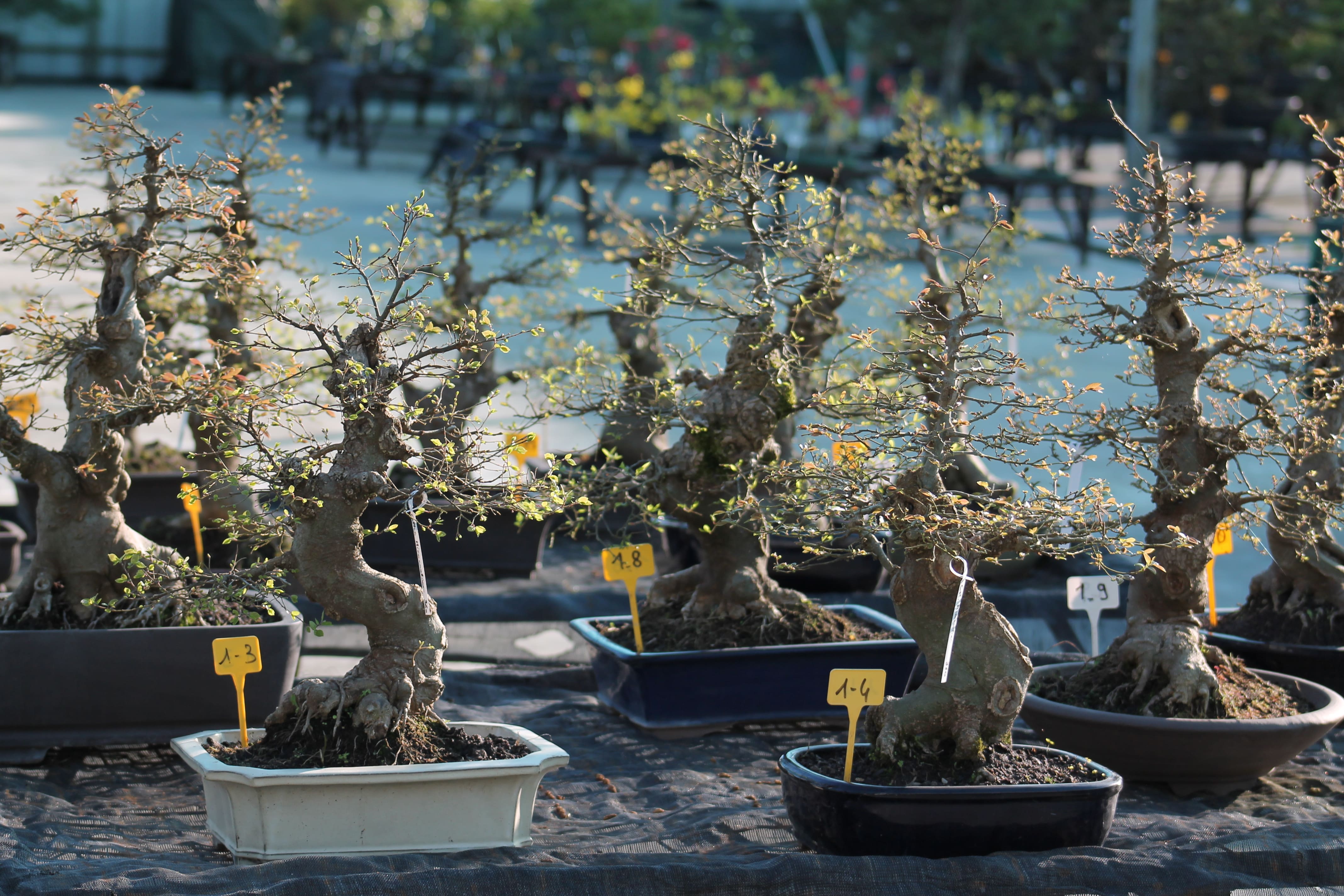
Pruning a Celtis : let it grow before reaching for the shears.
Because the Celtis grows rapidly, one might easily be tempted to spend all one's time pruning it to maintain a perfectly defined silhouette.
That is not necessarily the best approach.
To develop a branch, the tree needs to grow.
Allowing a shoot to elongate builds vigor and encourages thickening. You can then cut it back and select the new branching.
The work involved obviously depends on the stage of your bonsai's development.
With a young tree still under development, you would allow for much more unrestricted growth.
With a mature Celtis, the work requires greater precision to maintain fine ramification and a balanced silhouette.
And the size of the structure ?
When the tree has shed its leaves, take the opportunity to step back and observe it.
Before making any cuts, view your tree from several angles.
Are some branches too thick compared to the rest? Do two branches emerge from the exact same spot ? Does a branch cut right across the tree's silhouette?
The Celtis is generally vigorous enough to allow for relatively easy structural correction, but that is no reason to prune without a plan.
In bonsai, a branch removed in three seconds can represent years of growth !
Ligature : yes, but keep an eye on it.
Young Celtis branches can be shaped using training wire.
This technique works well, particularly when you want to add movement to a branch that is still pliable.
However, the tree can grow rapidly.
The wire must therefore be checked regularly to prevent it from cutting into the bark.
A significant amount of shaping for the hackberry can also be achieved through pruning; it is not essential to rely solely on wiring.
Often, combining the two techniques yields a much more natural result.
And what is happening underground ?
Because we tend to focus on the trunk and branches, we sometimes forget that a large part of a bonsai's health depends on what happens in the pot.
The Celtis develops a vigorous root system.
Consequently, the pot can become fully colonized relatively quickly in young, actively growing trees.
However, this does not mean that repotting is required every spring.
As long as water still penetrates the substrate properly, the tree is growing normally, and the roots have not completely filled the pot, there is no rush.
When repotting does become necessary, it is usually done in the spring, just as the buds begin to swell and before the new foliage fully develops.
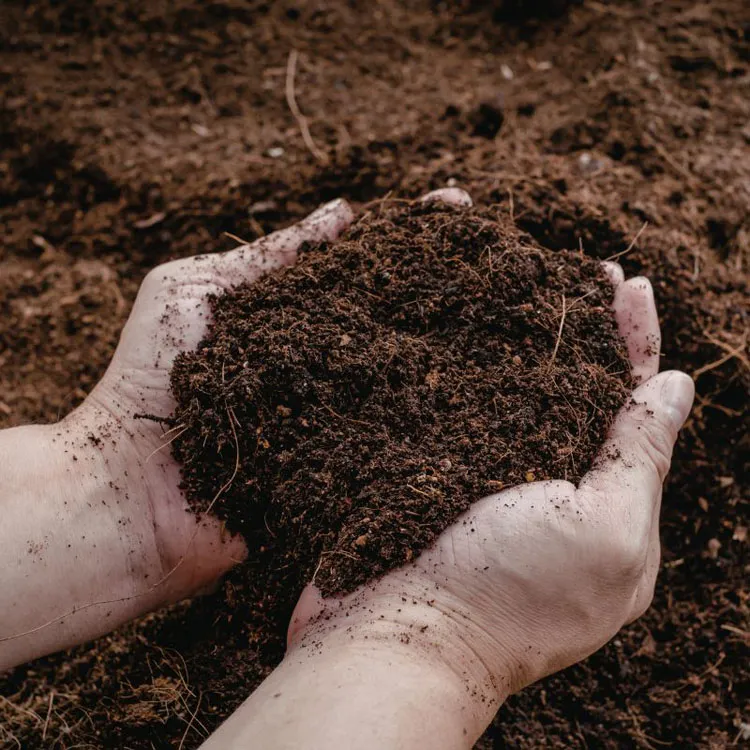
The substrate should allow for good air and water circulation around the roots while retaining enough moisture to prevent the tree from drying out too quickly in the summer.
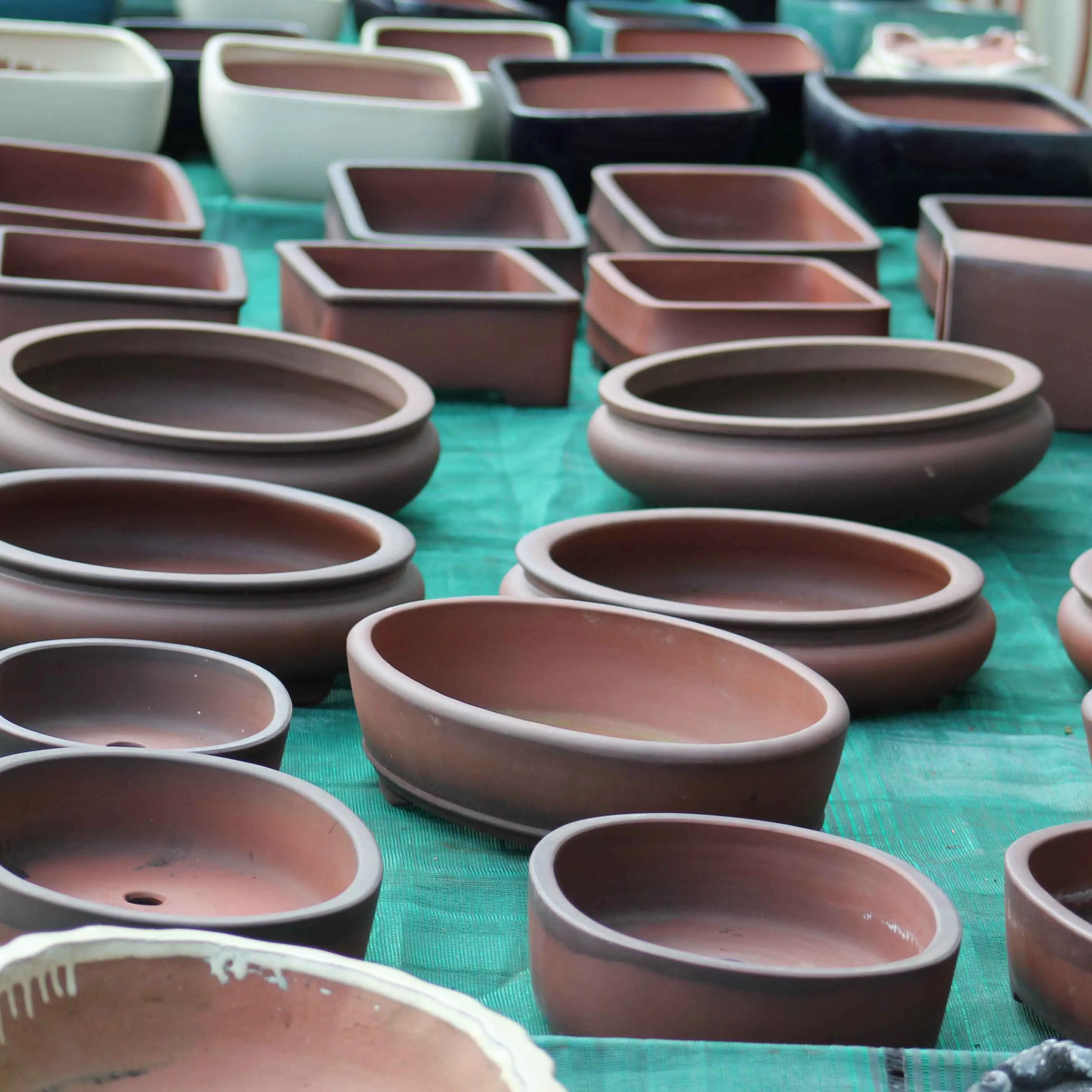
At the nursery, we use our own mix, tailored to our climate and watering habits. There is no single "perfect" substrate that works for every bonsai in every region.
A mix must also be suited to your own cultivation methods.
Does a Celtis need a lot of fertilizer ?
As the Celtis is a vigorous tree, it responds well to fertilization during its growing season.
However, it all depends on what you aim to achieve.
For a young tree that you want to thicken and develop, proper fertilization will support its growth.
For a much more mature bonsai with an established silhouette, the goal is balance avoiding excessively long shoots and large gaps between nodes.
Fertilizer is therefore a cultivation tool, not merely something to be applied to your bonsai automatically.
Above all, do not use extra fertilizer in an attempt to save a struggling tree.
Watering or root issues will never be resolved by adding a handful of fertilizer.
An eye on the foliage
The hackberry tree is generally hardy, though its foliage can still attract a few visitors.
In spring, tender young shoots may particularly attract aphids.
Scale insects can also appear, and you should keep an eye out for spider mites during especially hot, dry spells.
Rather than treating your trees as a matter of routine, make a habit of observing them.
Check the new growth, turn over a few leaves, and watch for unusual color changes.
A problem spotted early is almost always much easier to manage.
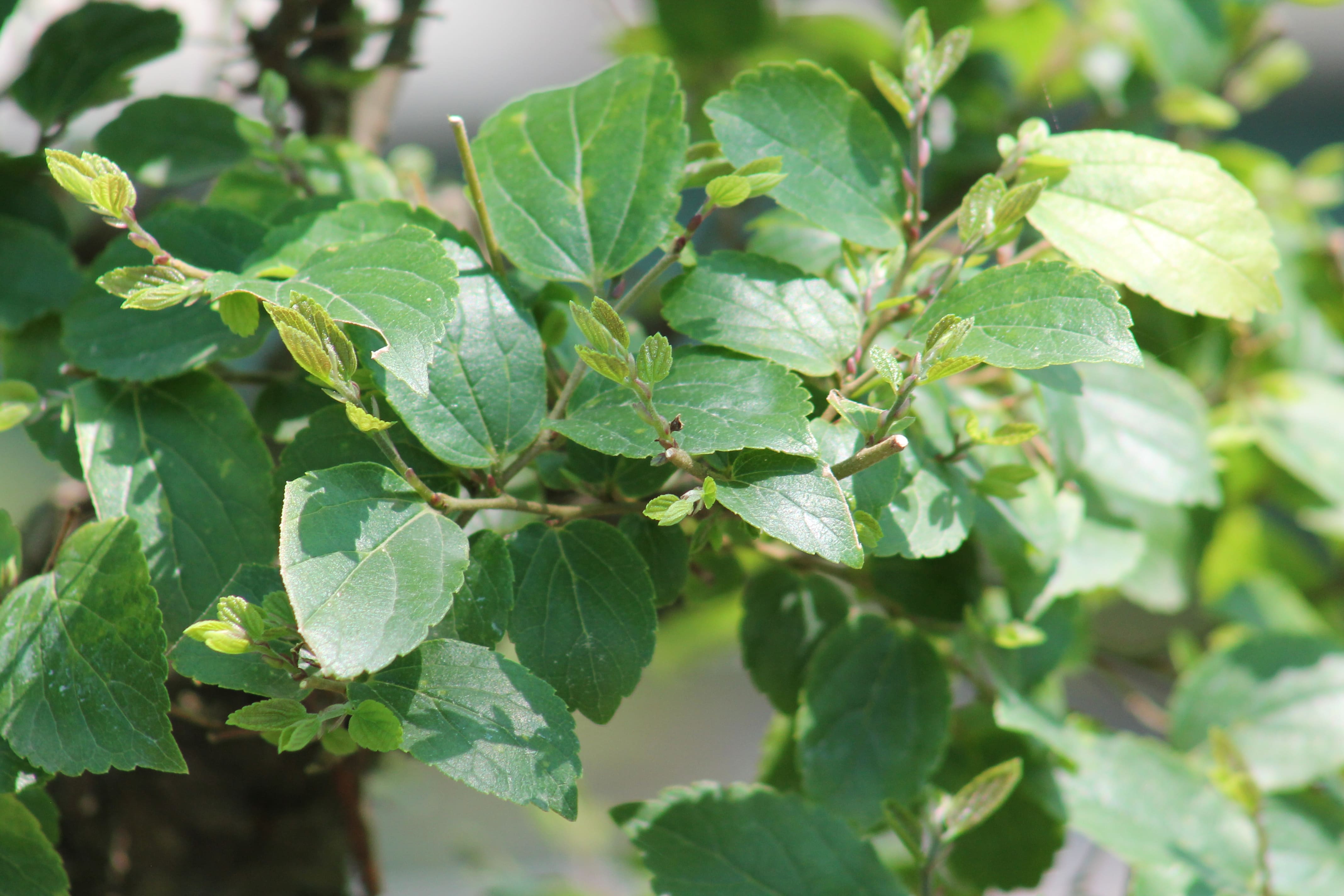
My Celtis has yellow leaves: should I be worried ?
Not necessarily.
In autumn, it is simply part of its natural cycle.
However, if the leaves start turning yellow or dropping heavily during the active growing season, you need to look for what has changed.
Always start with the simplest causes: has the soil dried out completely? Or is it constantly waterlogged? Has the tree recently been exposed to several days of intense heat? Has it been moved lately?
We sometimes look for a complex disease when the problem actually stems from a spell of dryness a few days earlier.
The Celtis throughout the year
That is also what we love about deciduous bonsai: they are never truly the same.
In spring, the Celtis wakes up and rapidly produces new shoots. It is a very dynamic period when the tree can evolve almost from week to week.
In summer, its crown becomes dense and lush green. Pruning helps control its vigor and allows for the gradual development of its branching structure.
Then comes autumn. The foliage changes color before falling, and the tree gently begins its dormant period.
Finally, winter fully reveals the trunk and branches.
Sometimes, this is the season when a deciduous tree is most fascinating to behold. Nothing obscures its structure, and all the work done over the years becomes visible.
So, why take an interest in the hackberry as a bonsai ?
Because it makes for a nice change from the usual classics.
The Celtis may not enjoy the same popularity as the Japanese maple or the juniper, but it possesses a wealth of qualities that make it excellent for bonsai.
Its vigor allows for relatively rapid development and styling. It responds well to pruning, produces fine ramification, and thrives in bright locations.
It is also a particularly appealing choice for those living in regions with hot summers provided, of course, that watering is never neglected.
And for enthusiasts who enjoy working with tree species found in our own landscapes, the Celtis australis (European hackberry) holds a special charm.
Over time, a tree that initially seemed quite plain can develop a powerful trunk, beautiful ramification, and that look of an ancient tree so highly prized in the world of bonsai.
Perhaps that is a good reason to make a little room for a Celtis alongside your maples!