

 Production of French Bonsai
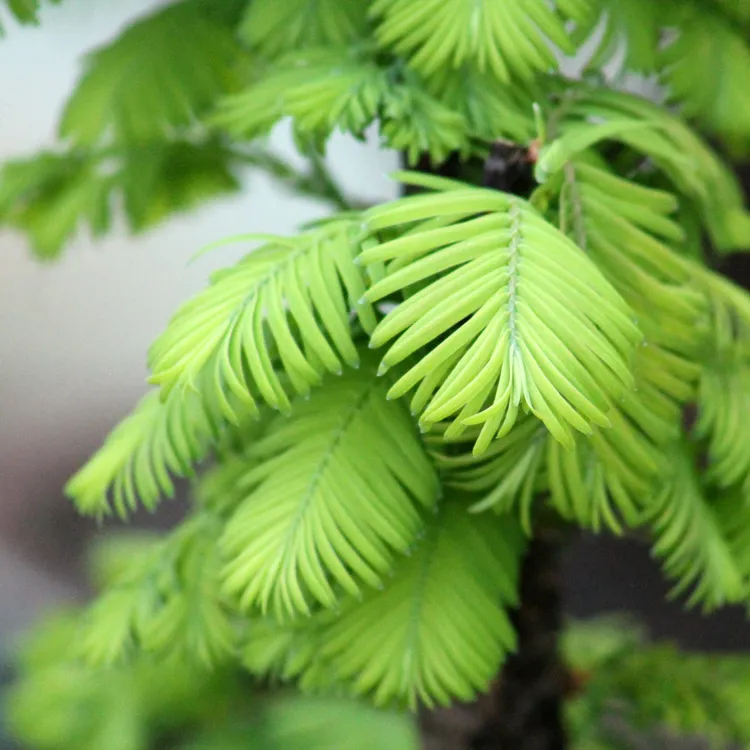
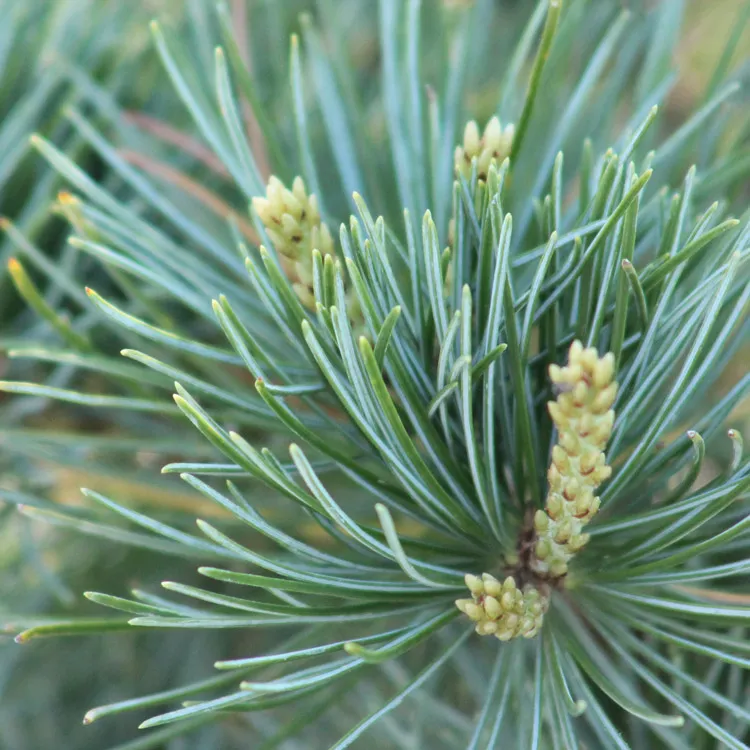
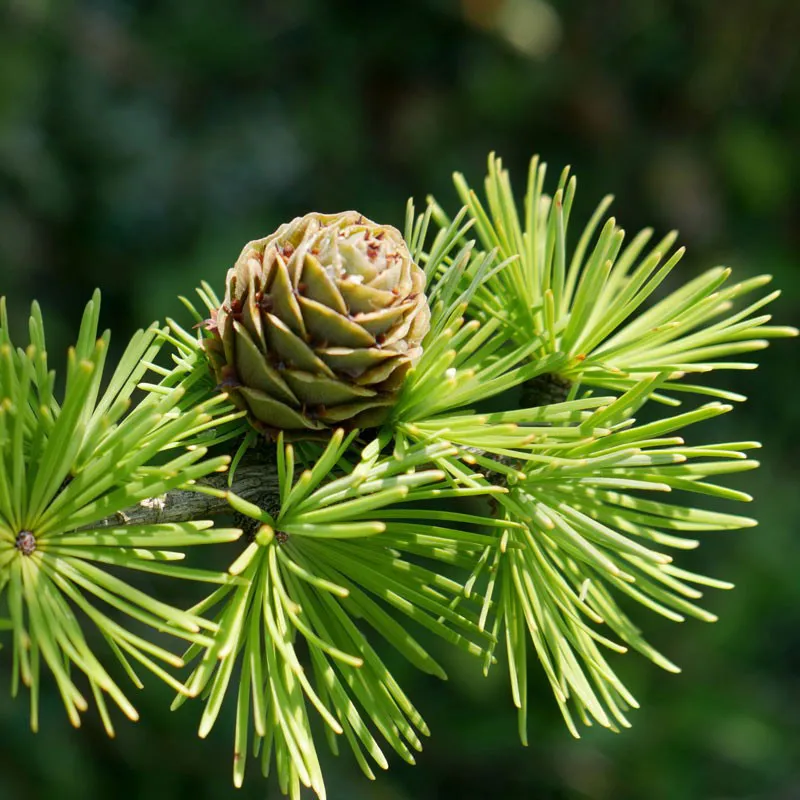
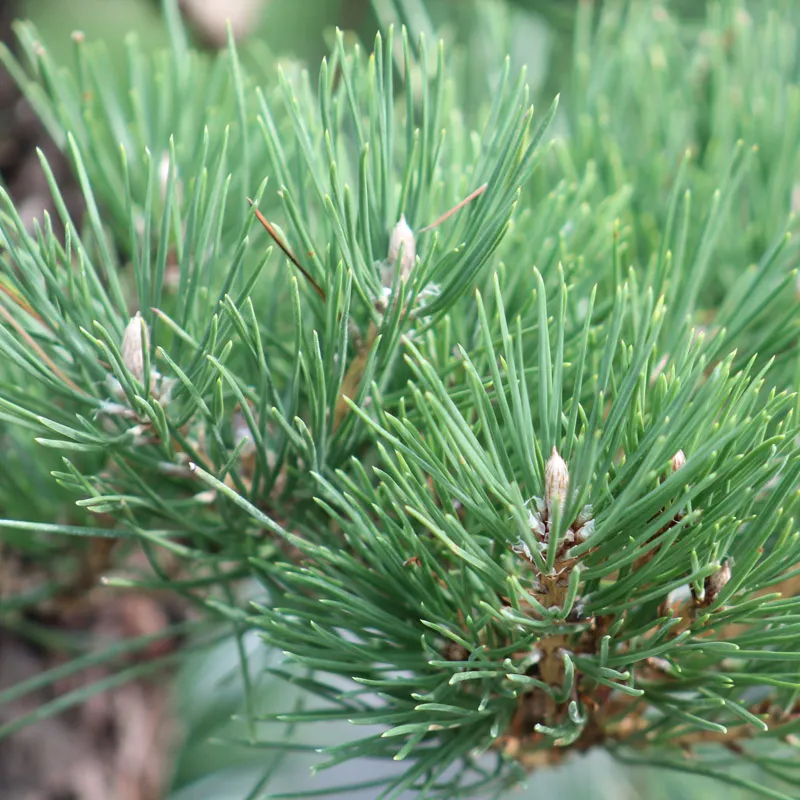
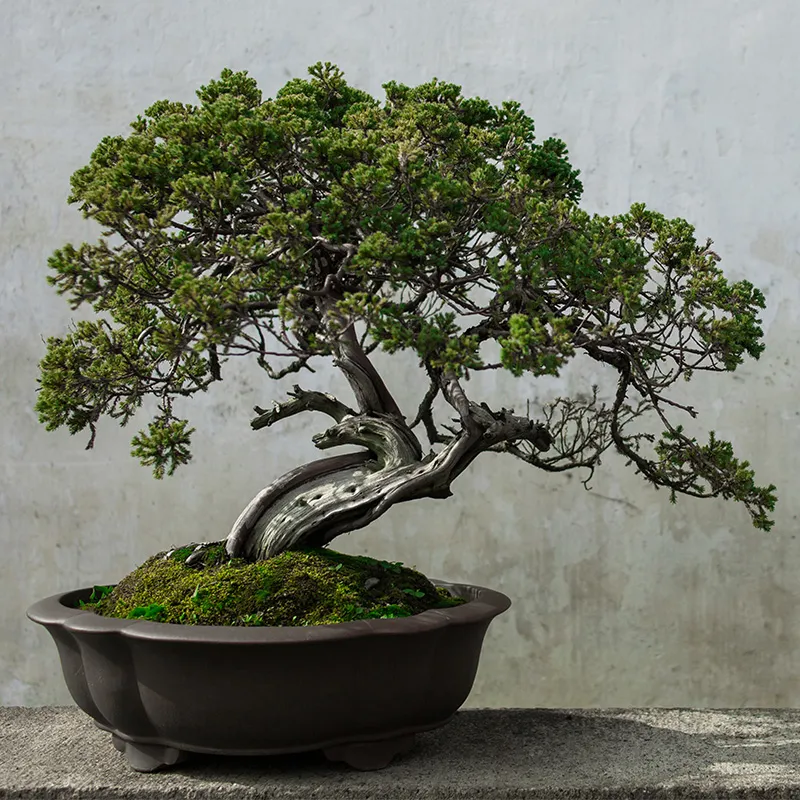







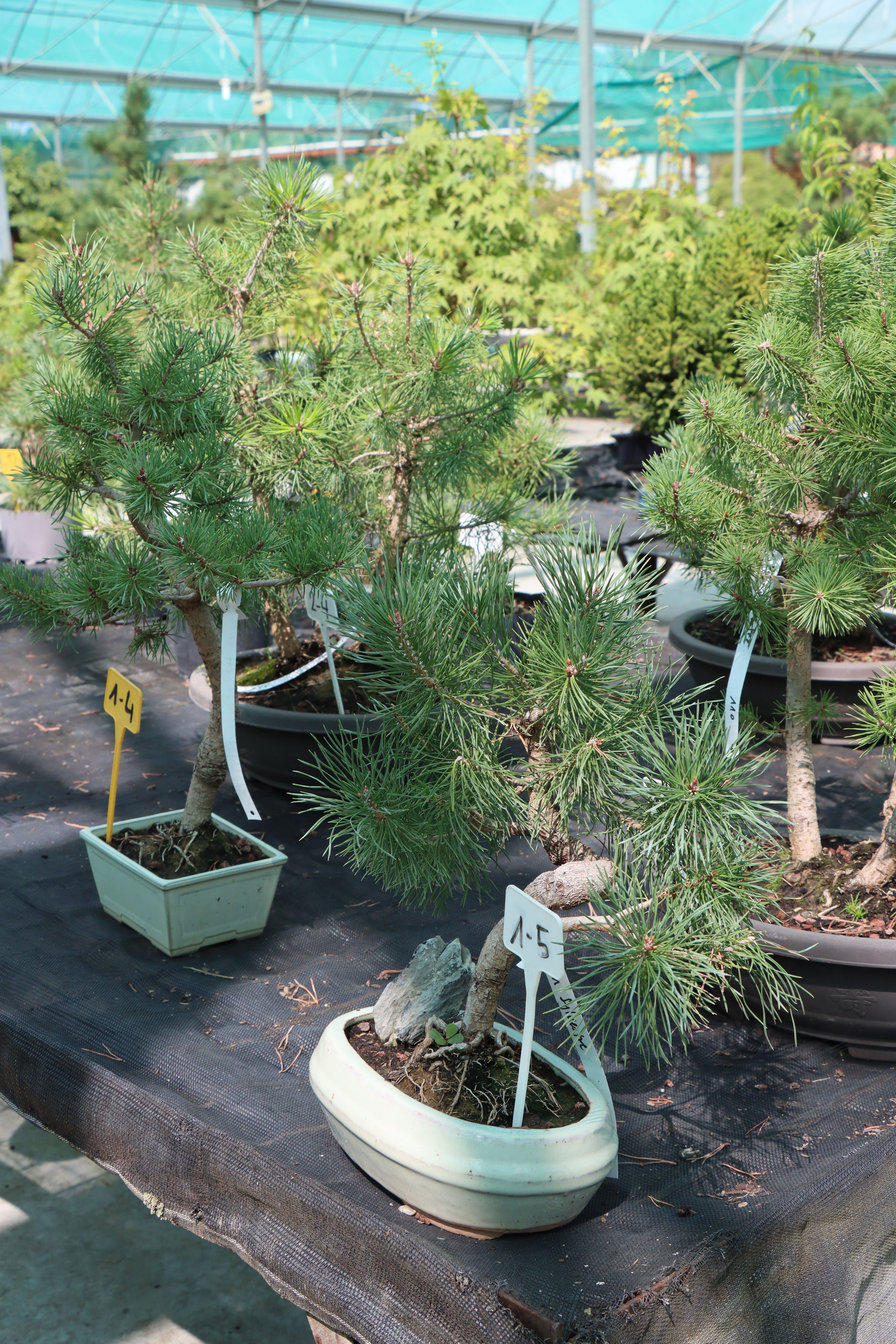
The Scots pine (Pinus sylvestris) is certainly one of the most interesting European pines for bonsai cultivation. Hardy, vigorous, and capable of developing beautiful bark over the years, it possesses all the qualities sought after in a conifer.
It is also a species found naturally across much of Europe. Unlike the Japanese pines traditionally associated with bonsai, the Scots pine is therefore perfectly suited to our climates.
With its relatively fine needles, pliable wood that lends itself well to shaping, and an appearance that becomes increasingly distinctive with age, it allows for the creation of bonsai with great character.
Scots pine, Pinus sylvestris
Pinus sylvestris, or Scots pine, is an evergreen conifer native to a vast area stretching across Europe and into Asia.
In the wild, it can grow into an imposing tree, but in harsh environments—such as mountains, poor soils, or rocky, wind-swept areas—it may take on much more gnarled, twisted forms. These silhouettes are particularly well-suited to the aesthetic sought in bonsai cultivation.
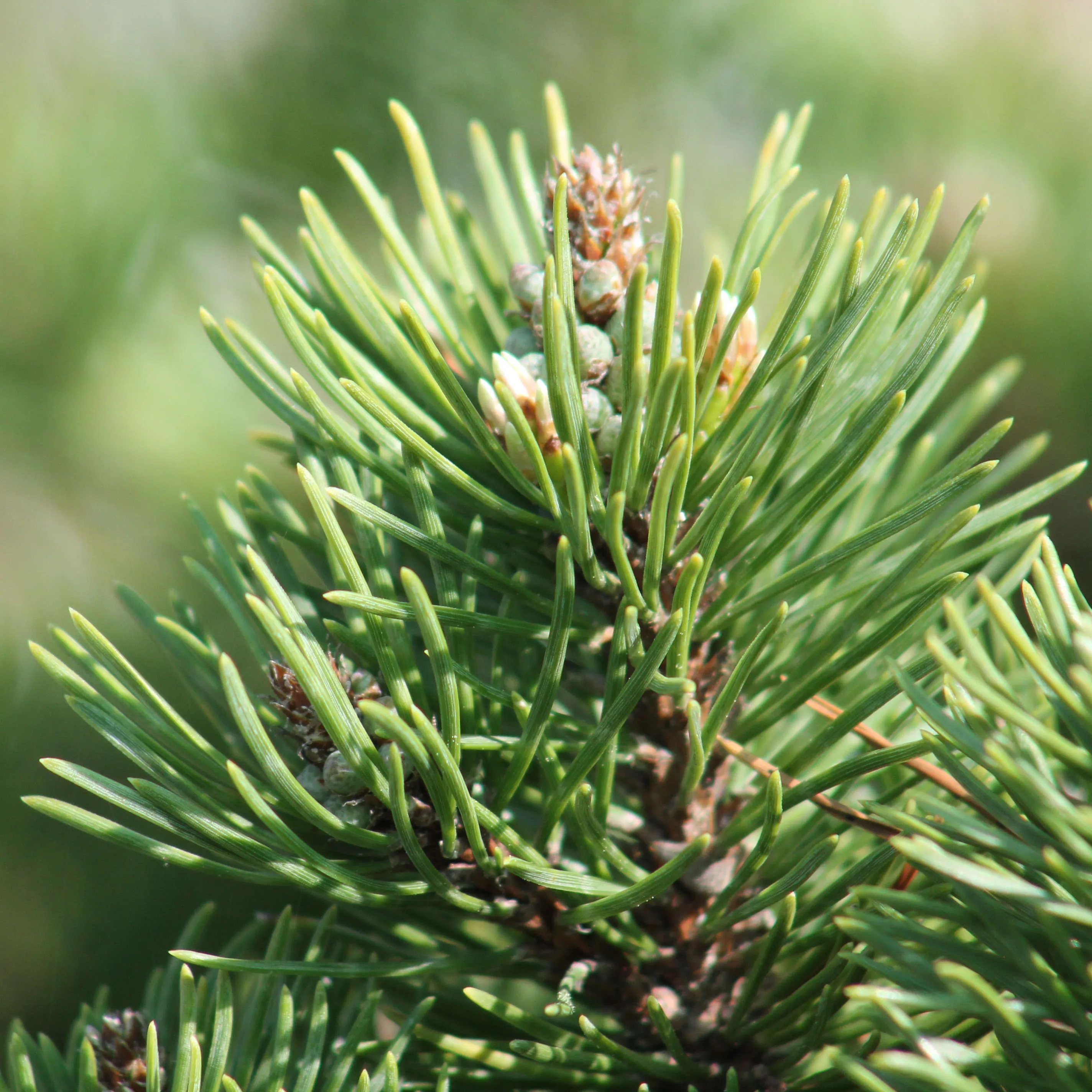
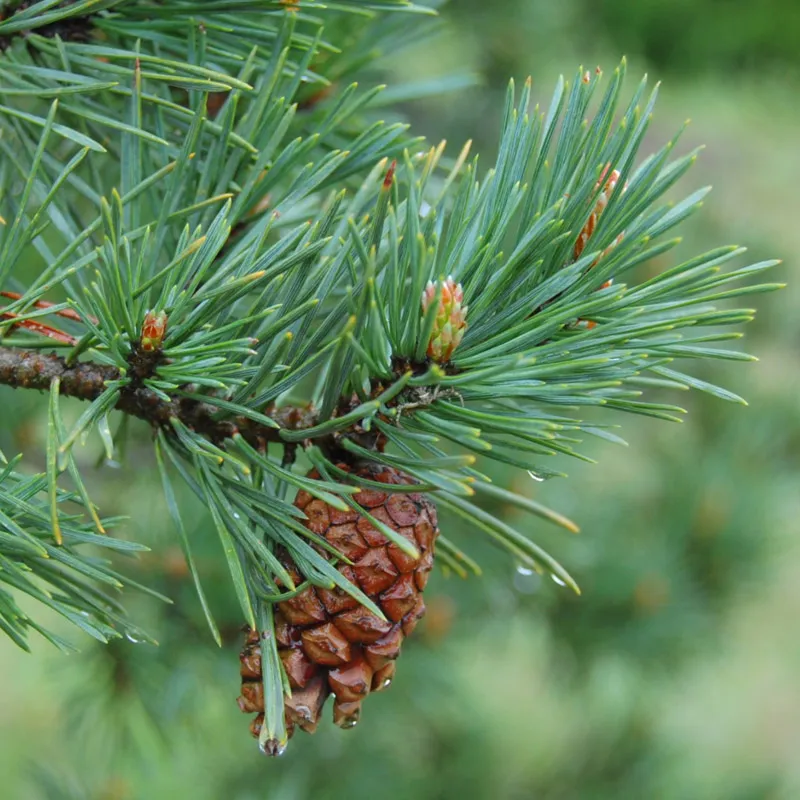
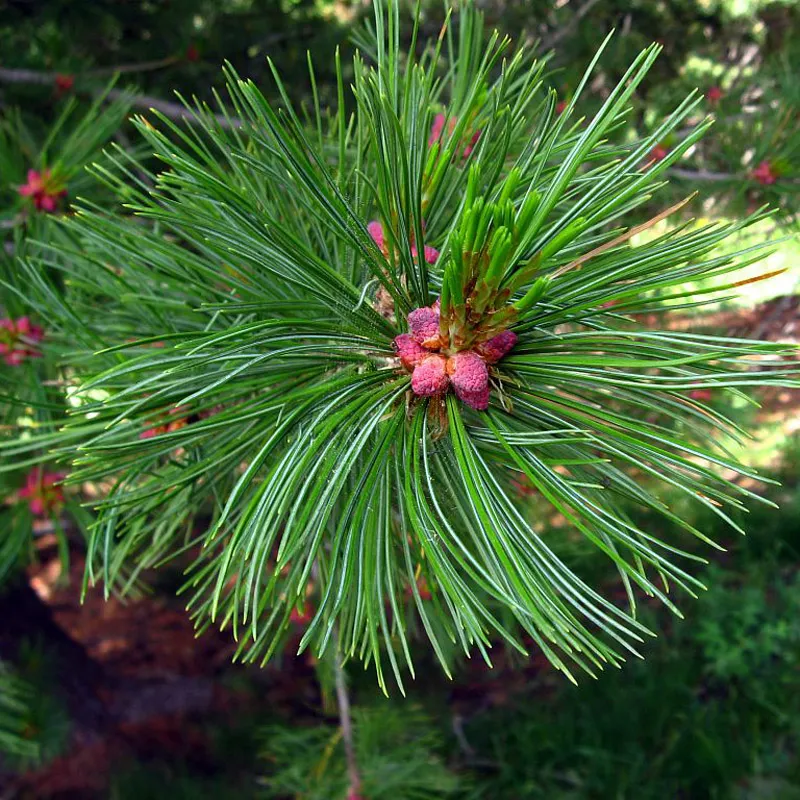
Like the Mugo pine, it is a two-needle pine, meaning its needles grow in pairs. They are relatively short, slightly twisted, and range in color from green to grey-green.
Its bark is another of its key attractions. As the tree ages, the bark becomes scaly and gradually takes on orange to reddish-brown hues, which are especially striking on the upper trunk and branches.

Why choose a Scots pine bonsai?
The Scots pine possesses several qualities that make it particularly appealing for bonsai cultivation.
First and foremost, it is very hardy and withstands our winters perfectly. It also thrives in full sun and can tolerate relatively harsh conditions.
However, its greatest asset is undoubtedly its ability to evolve through styling and training. Over the years, it is possible to achieve more compact foliage, shorter needles, and increasingly fine branching.
Its branches also remain quite pliable when young, allowing them to be shaped using wiring or guy-wiring to create natural forms and add movement to the tree.
It is, therefore, an excellent species for those wishing to work with a European pine over the long term.
How do you care for a Scots pine bonsai?
Full sun exposure
The Scots pine is primarily an outdoor bonsai. It must remain outside all year round and receive as much sunlight as possible.
A bright location promotes vigorous growth, more compact needles, and—above all—bud development within the inner parts of the tree.
Therefore, avoid keeping it in the shade for extended periods. The denser the foliage, the more important it is for light to penetrate to the inner branches.
In winter, the Scots pine is highly resistant to cold and frost. Special protection is generally not required in our climates, except perhaps for a recently repotted tree or during exceptionally cold, prolonged spells.

How do you water a Scots pine?
Like most pines, the Scots pine does not like having its roots constantly sitting in moisture.
Water thoroughly when necessary to ensure the entire root ball is moistened, then allow the substrate to begin drying out before watering again.
Therefore, you should not follow a fixed schedule. Watering depends on the season, temperature, wind, pot size, and the substrate used.
In summer, a tree in full sun may naturally require a lot of water. Conversely, in spring and autumn—when temperatures are cooler and rainfall is frequent—it is crucial to prevent the root ball from remaining permanently waterlogged.
A well-draining substrate is therefore particularly important for this species.
How do you prune a Scots pine?
Scots pine is not pruned in exactly the same way as a broadleaf tree. You must respect its growth habits and, above all, retain enough foliage to maintain the branches' vigor.
Major structural pruning can be carried out during the dormant season, generally from autumn to late winter.
Before removing a branch, take the time to observe the tree and consider its future structure. A branch that is still too thin or short can be kept for another year or more to allow it to thicken before being worked on.
Also, avoid removing too much foliage at once. For a tree requiring extensive work, it is better to spread the interventions over several years.

The Scots pine candles
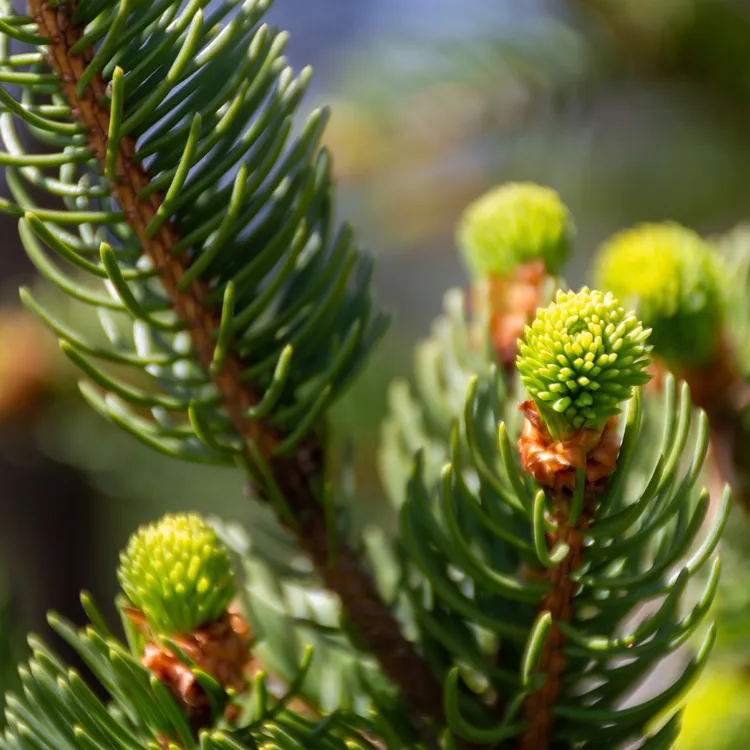
In spring, the buds of the Scots pine elongate to form what are known as "candles."
The Scots pine produces only one main flush of growth per year. Therefore, one should not automatically apply the techniques used on the Japanese black pine—specifically the complete removal of candles intended to trigger a second flush of growth.
On a well-established Scots pine, one might intervene on the most vigorous candles to balance the tree's energy across its various parts.
The goal is not to systematically remove all new growth, but to maintain a balance between strong and weak areas.
For a young tree still under development, it is often preferable to allow more growth so that it gains vigor and the branches develop.
How can you make a Scots pine denser?
Achieving good density requires, above all, time, vigor, and plenty of light.
To encourage buds to form closer to the trunk, the interior of the tree must receive sufficient sunlight. Excessively dense outer foliage eventually shades the inner branches, which can cause them to weaken.
Shaping therefore plays a key role: by lowering certain branches and opening up the foliage pads, more light can penetrate the tree.
When new buds appear further back, do not attempt to work on them immediately. Allow them to gain sufficient strength before using them to rebuild or shorten a branch.
This is a gradual process, sometimes spanning several years.
Wiring and shaping
The Scots pine is particularly well-suited to wiring.
Its young branches are relatively pliable and can be positioned to create movement and shape the future foliage pads. Guy wires can also be very useful for larger branches.
The autumn and winter months—when the tree is dormant—are an ideal time for structural work.
However, monitor the wires regularly; as a branch thickens, the wire can quickly begin to scar the bark.
When should a Scots pine be repotted?
As with our other pines, we recommend repotting the Scots pine in late winter or very early spring, when the buds begin to swell but before the "candles" (new shoots) elongate significantly.
Repotting a pine requires a measured approach.
Unlike some deciduous trees, the goal is not to completely bare the roots or remove all the old soil. Pine root systems rely on a symbiotic relationship with mycorrhizae—beneficial fungi present in the root ball.
Therefore, when repotting, we retain a portion of the original root ball and its mycorrhizae.
Work focuses primarily on the outer edges and underside of the root ball—trimming overly long roots if necessary—without aggressively disturbing the core of the root system.
As a general rule, avoid removing more than about one-third of the roots during a single repotting session; a pine with a severely compromised root system can take a long time to recover.
After repotting, the tree must be securely anchored in its pot so that new roots can develop without being disturbed by movement.

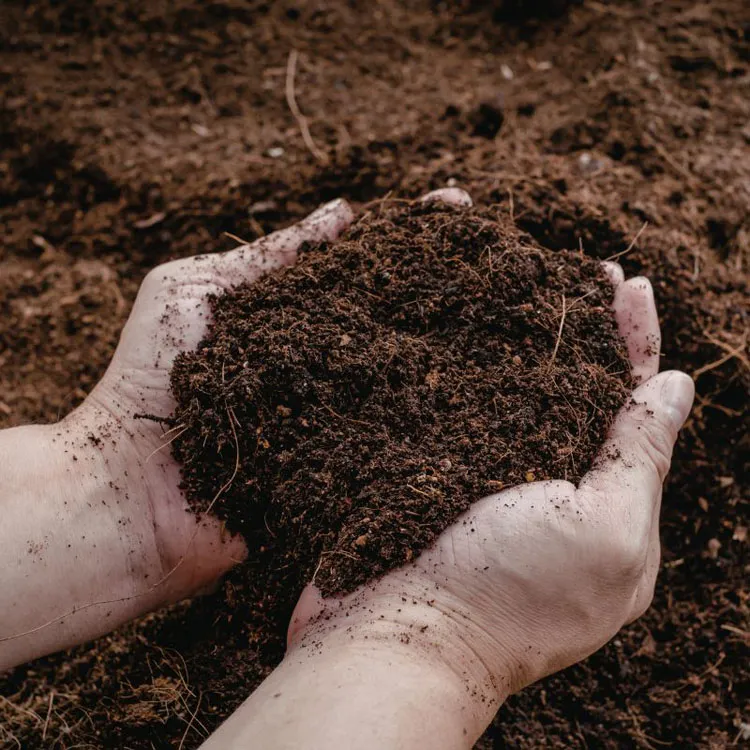
Which substrate should be used?
Scots pine thrives in a substrate that retains enough moisture between waterings while allowing excess water to drain away quickly.
The key is ensuring good aeration and drainage for the root ball.
There is no single, essential substrate for growing Scots pine; the mix should primarily be tailored to your climate and watering habits.
At the nursery, we grow our pines in our own substrate blend, adapted to our climate and cultivation methods.
Fertilization
Fertilization depends primarily on the desired objective.
A young Scots pine or pre-bonsai that you want to thicken and develop can be fertilized more generously during the growing season.
For a bonsai that is already fully formed, the aim is rather to control vigor in order to maintain compact foliage.
At the nursery, we fertilize regularly during the growing season, alternating between organic and chemical fertilizers.
As always, fertilizer should support a healthy tree; applying extra fertilizer to a weak tree can never compensate for poor growing conditions.
A European pine perfectly suited to bonsai
Ultimately, the Scots pine possesses everything one could want in a good bonsai species: great hardiness, beautiful bark that develops with age, needles capable of becoming relatively compact, and branches that lend themselves very well to styling.
However, it requires patience. Creating a beautiful pine rarely happens in just one or two seasons. One must know when to let it grow, observe the tree's reaction, and then intervene gradually.
It is precisely this work over the years that allows the Scots pine to fully develop its character and results in bonsai with a natural, mature appearance.