 Production of French Bonsai
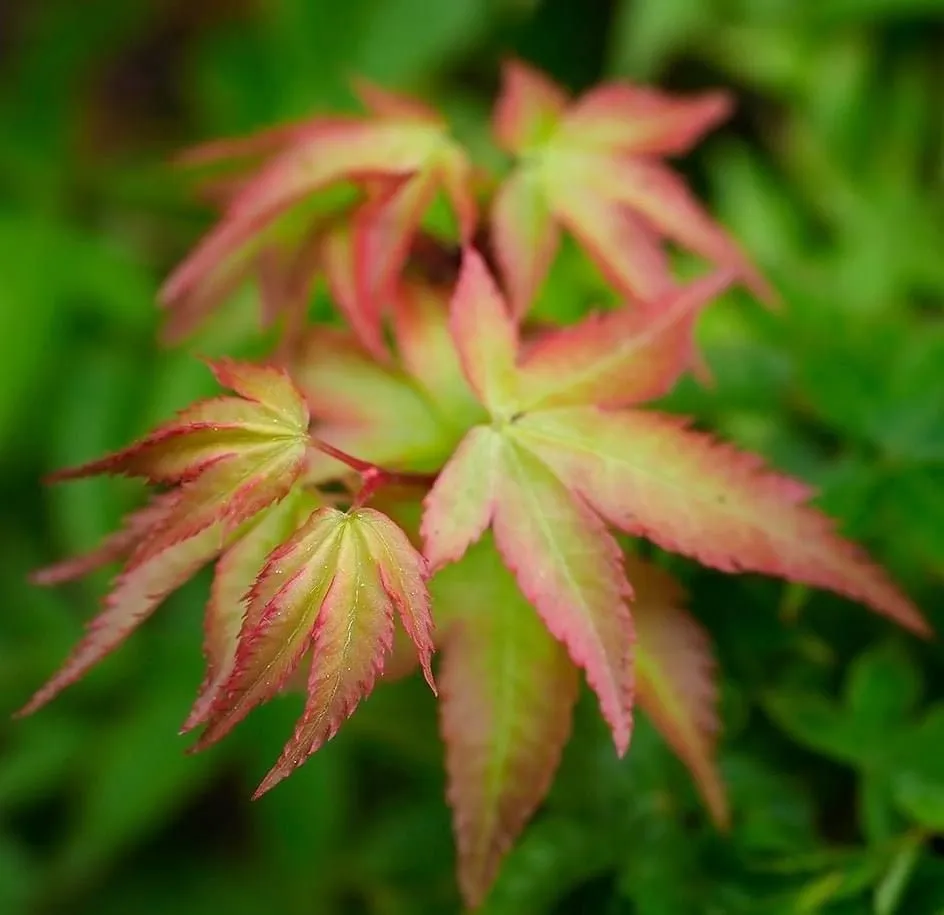
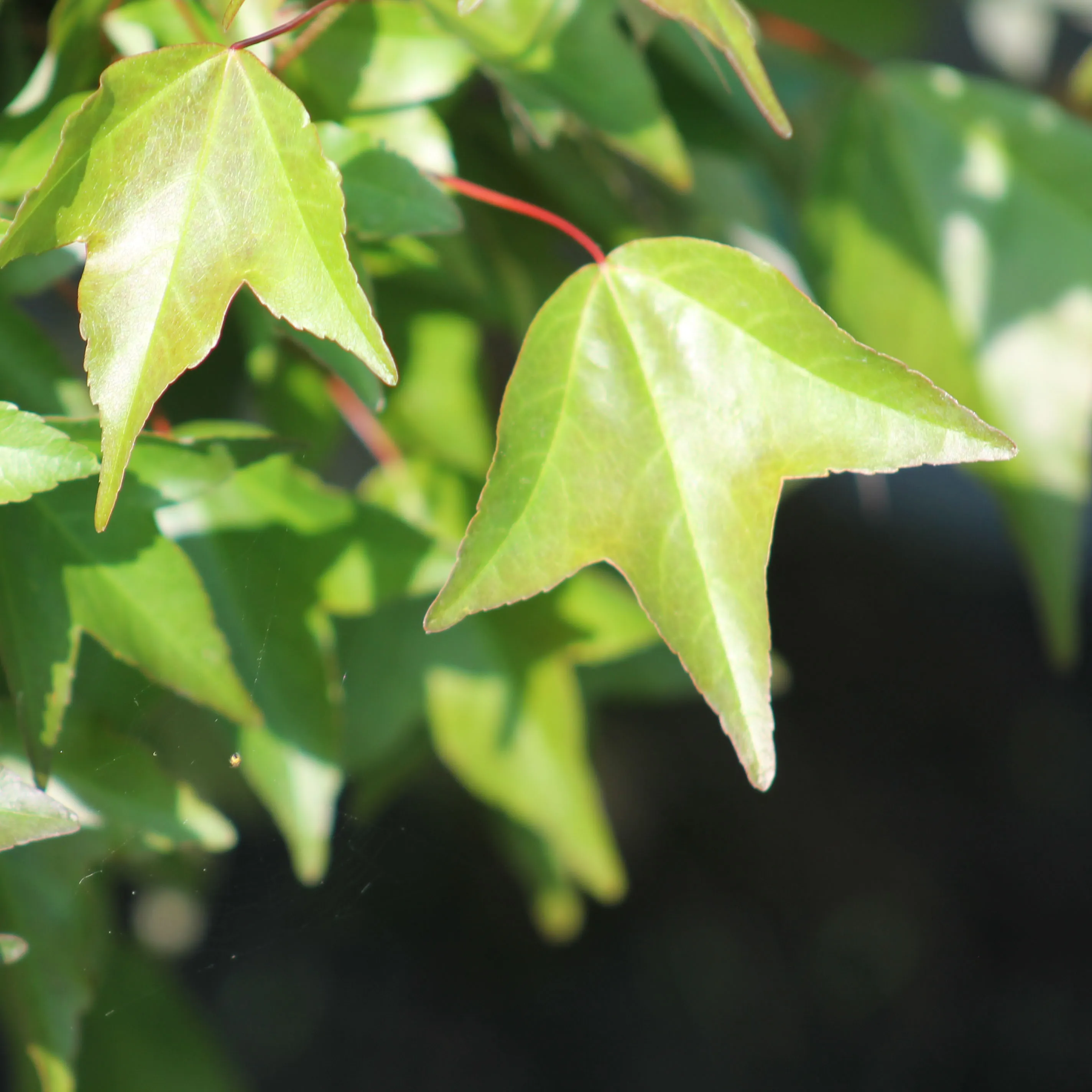
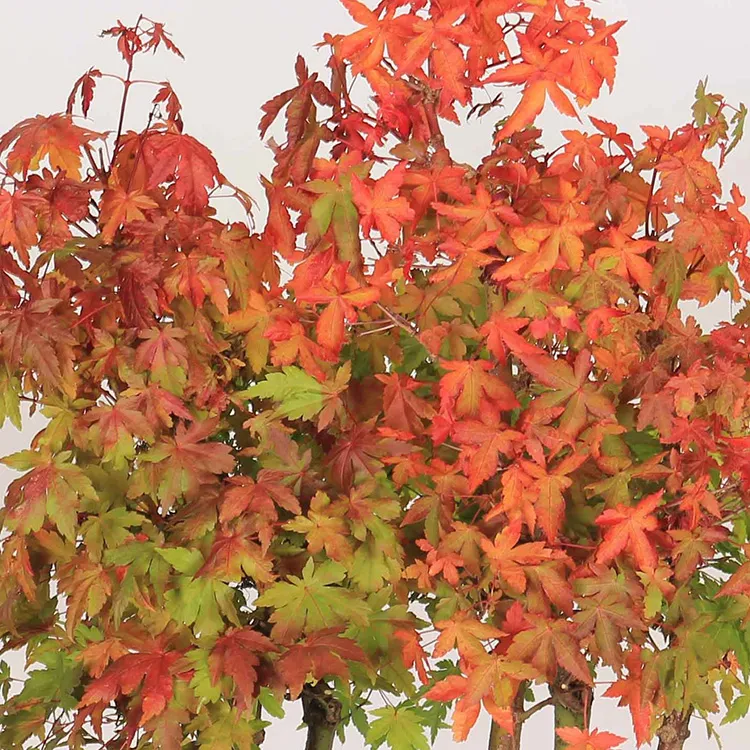
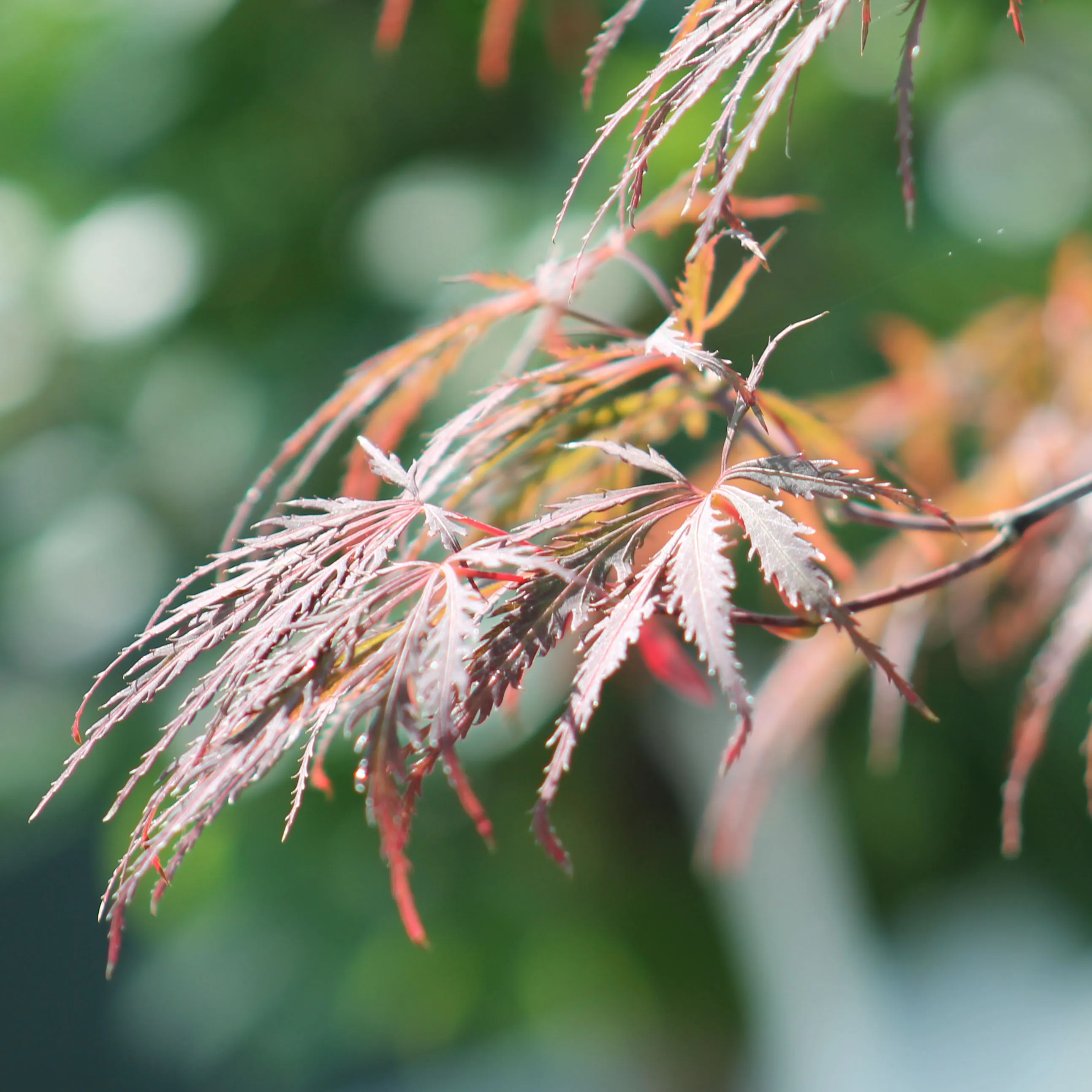
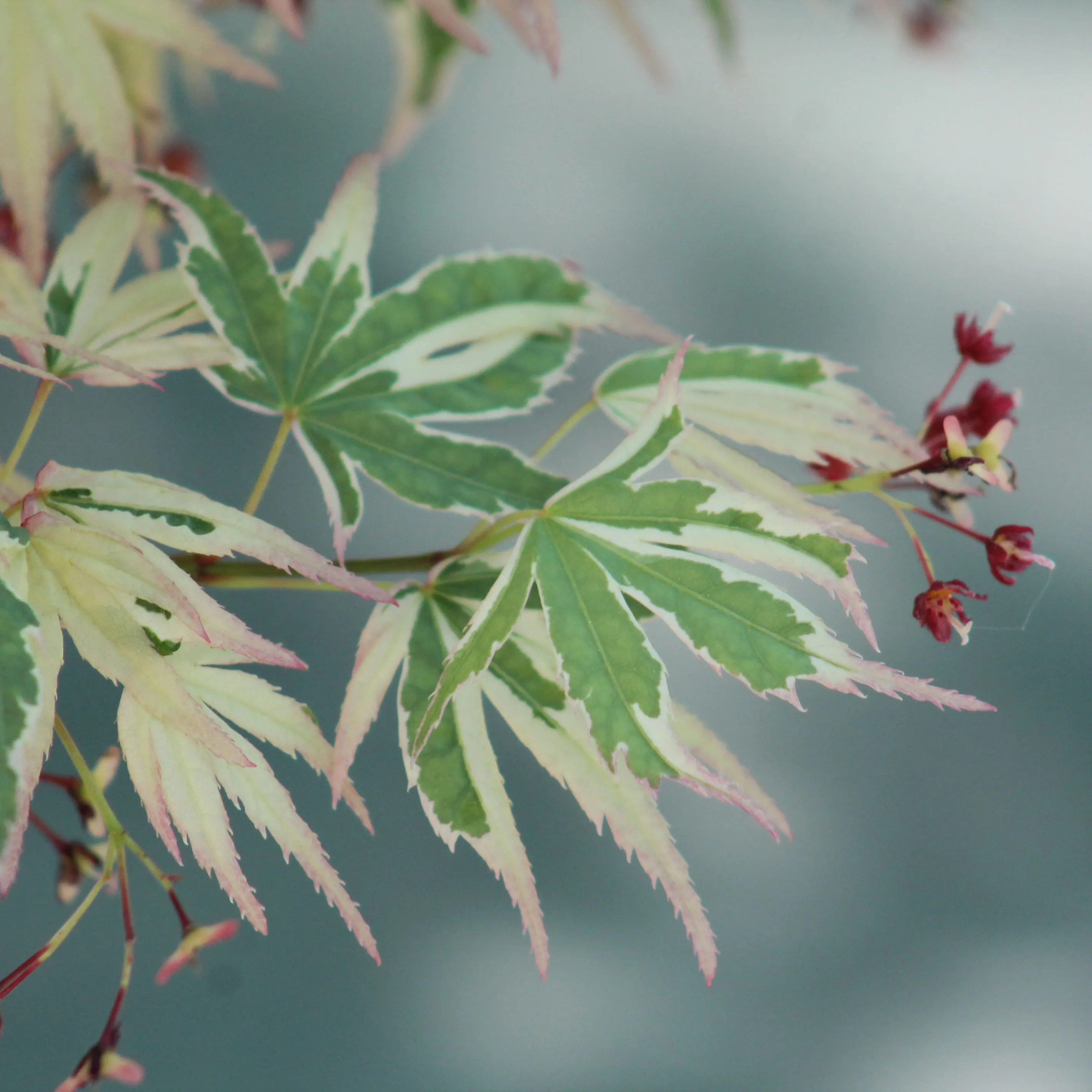
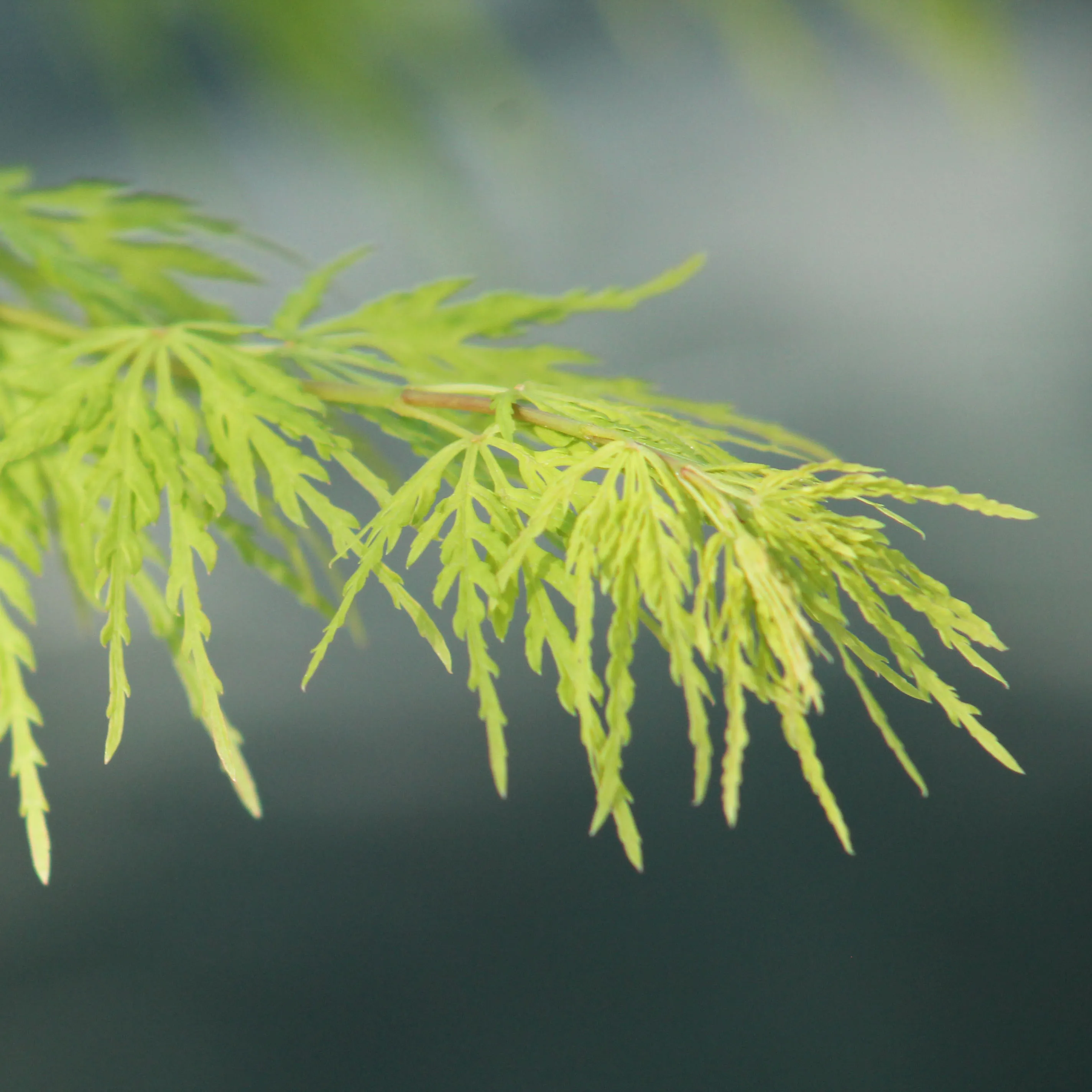
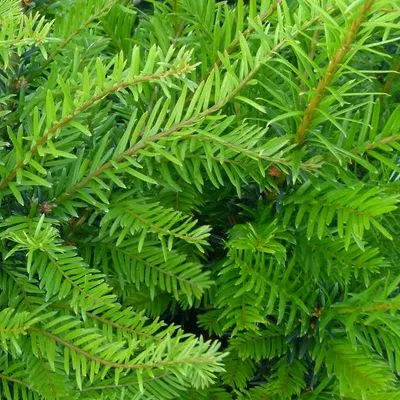
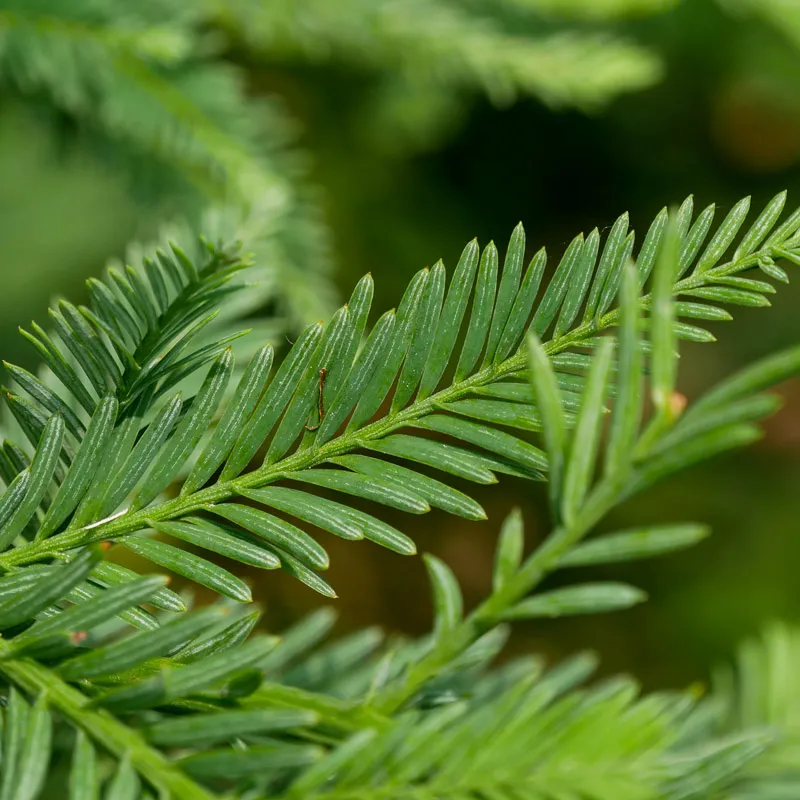
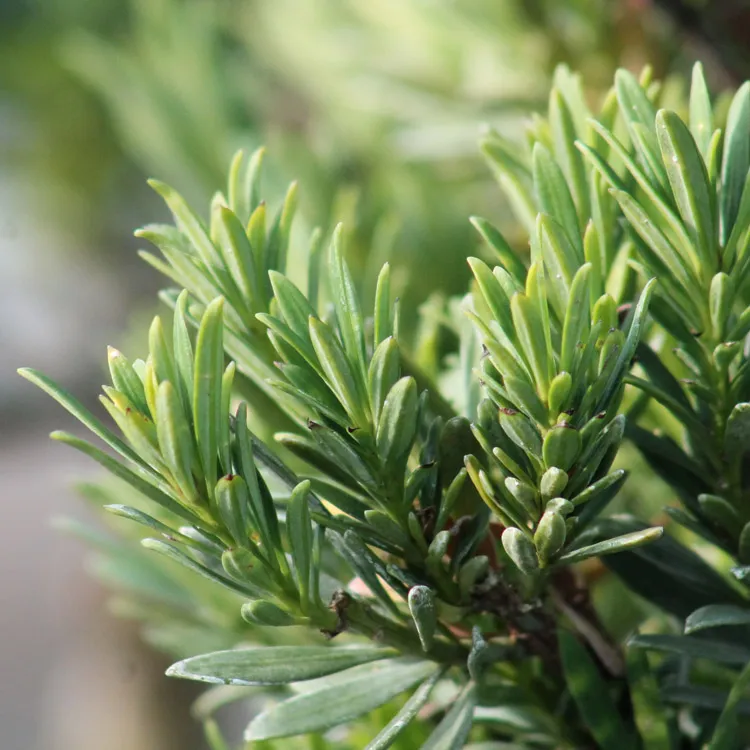
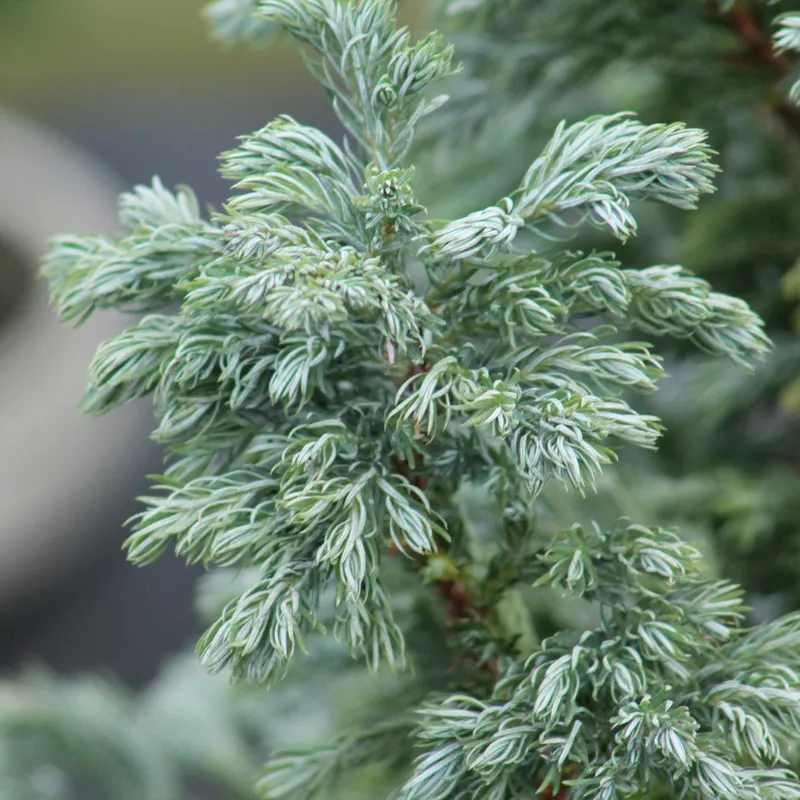
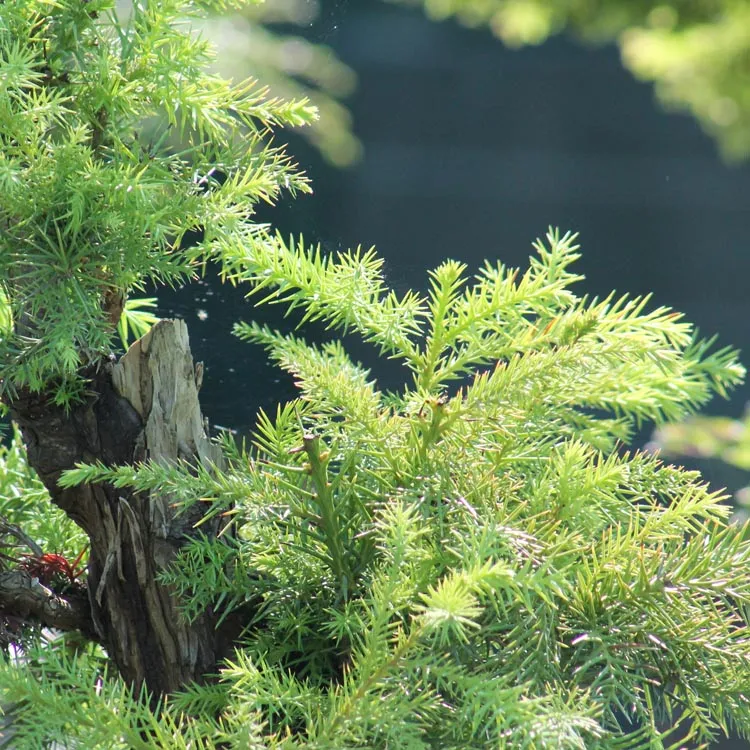
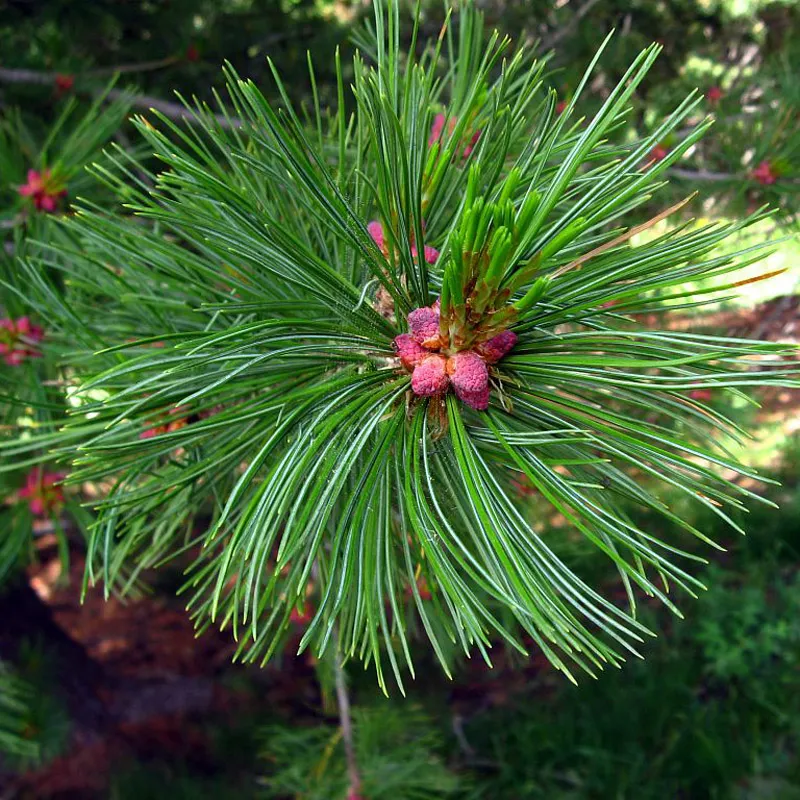
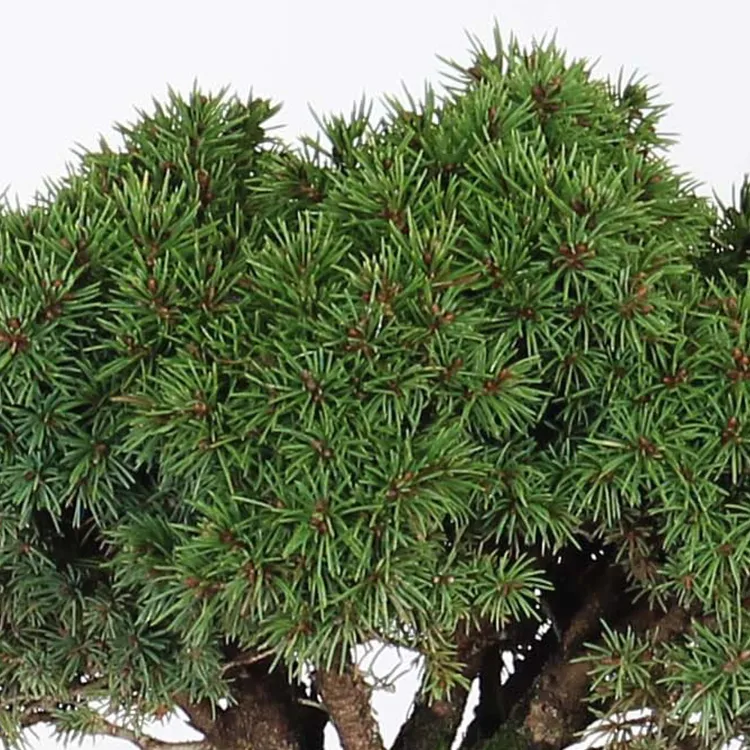
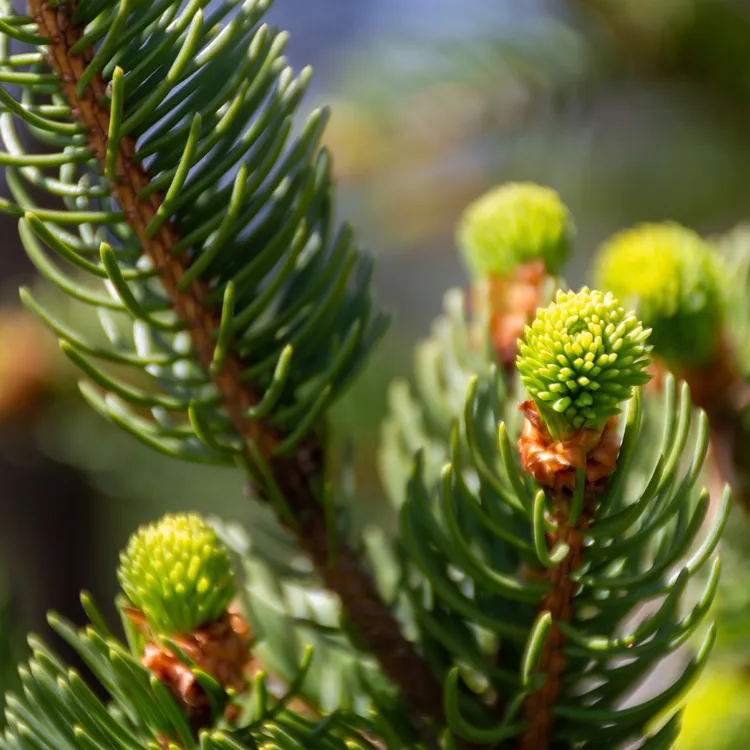
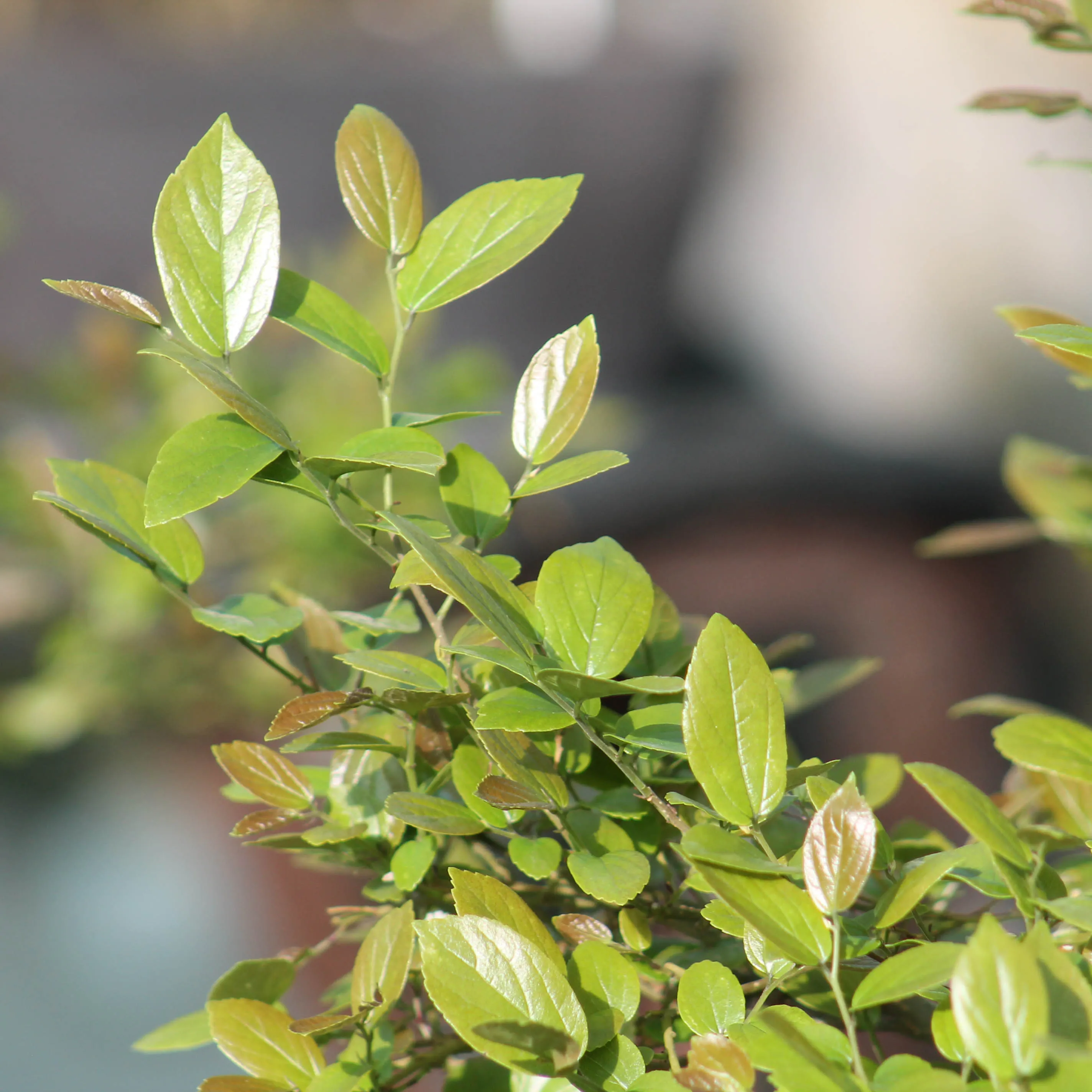
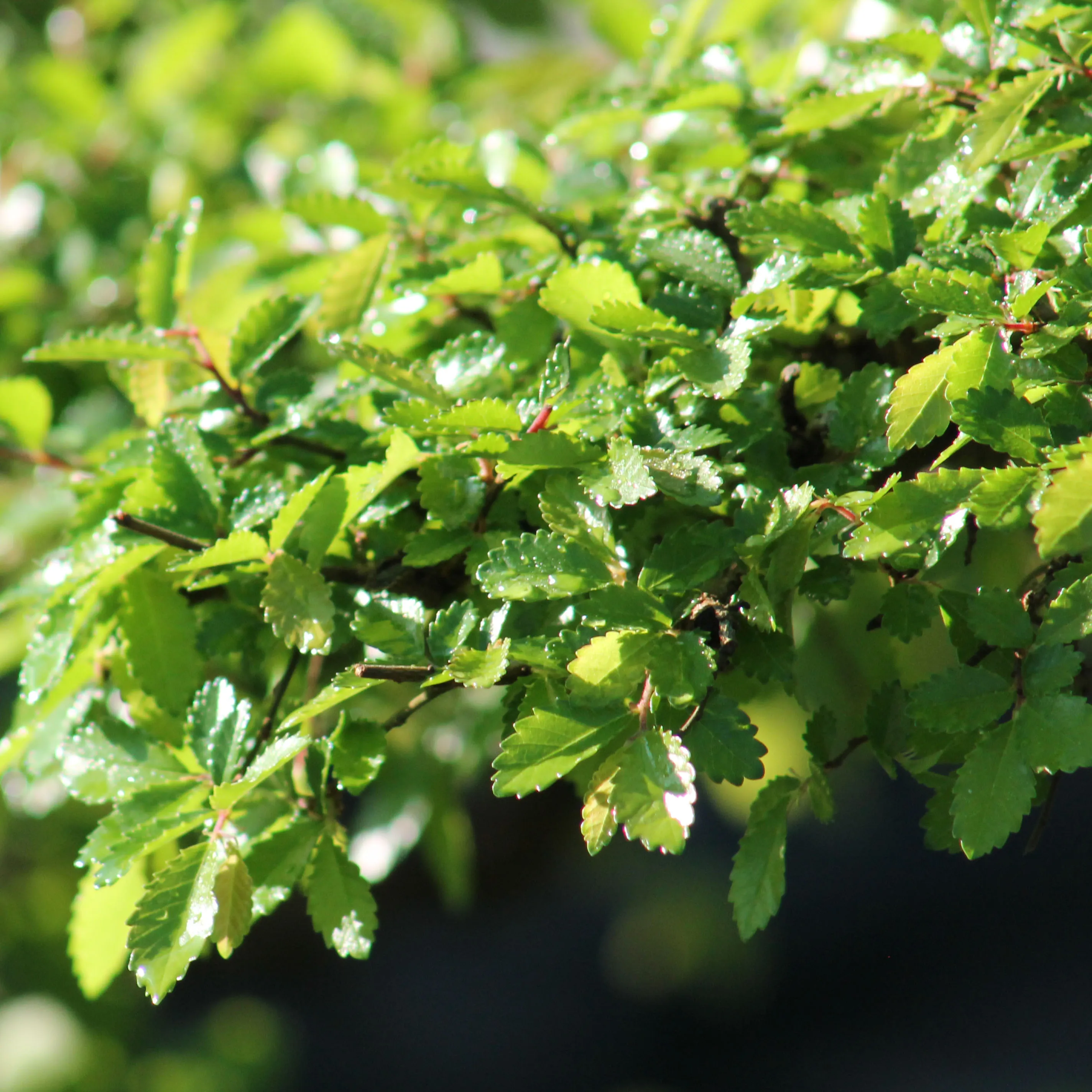
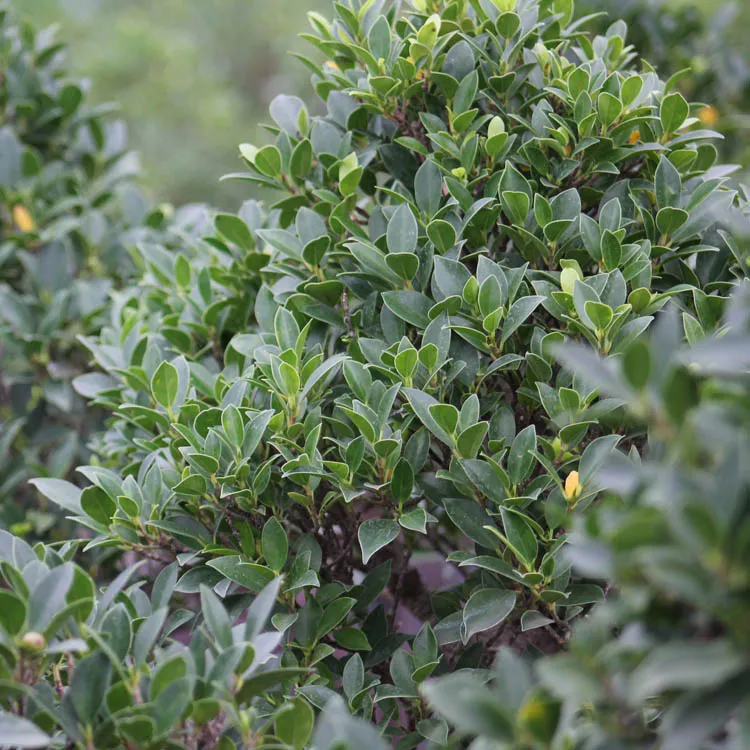
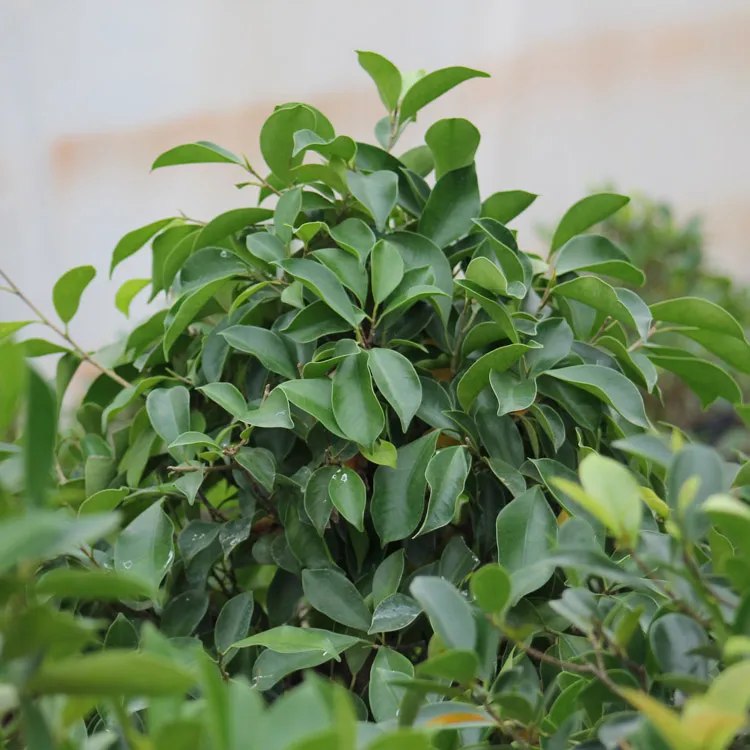
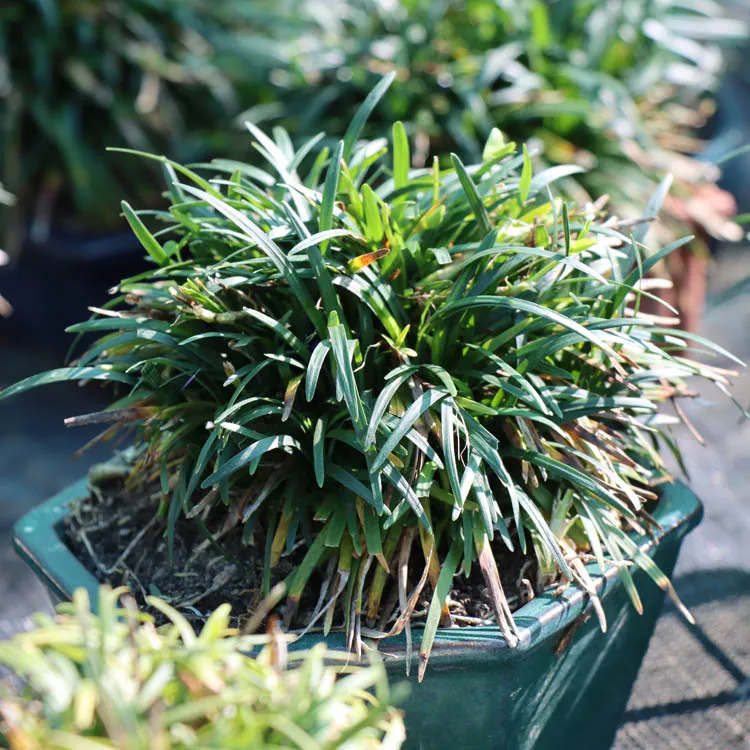
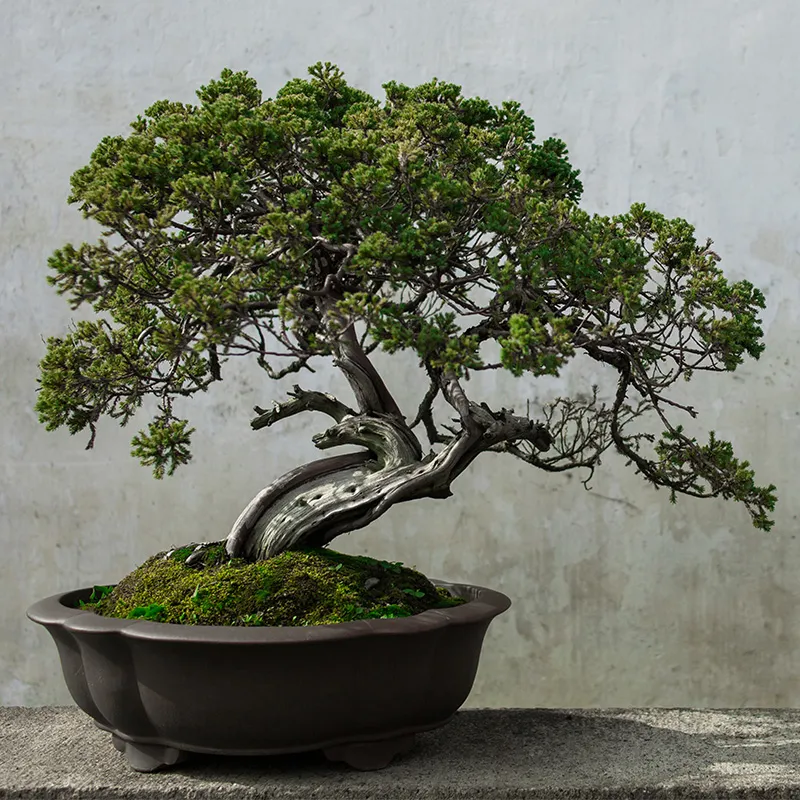

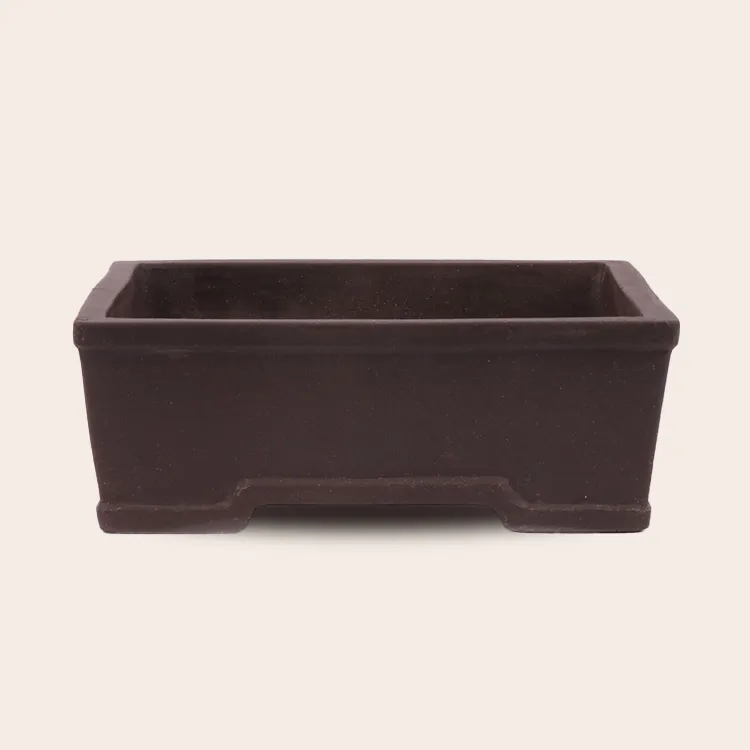
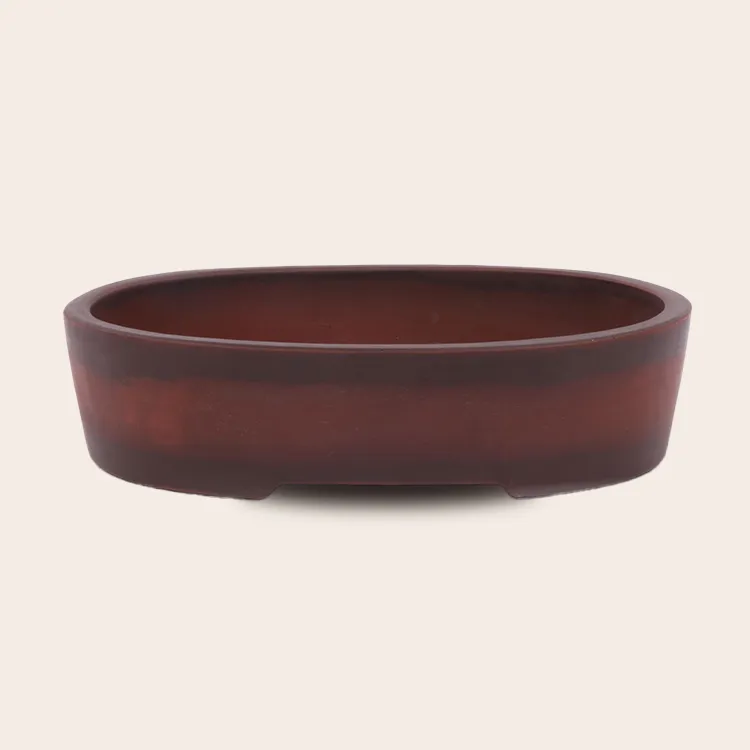
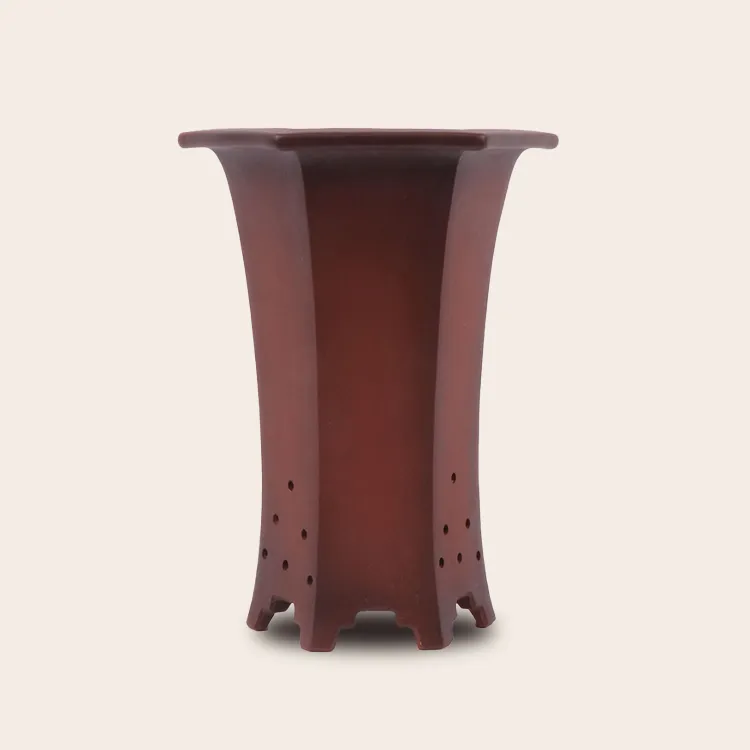
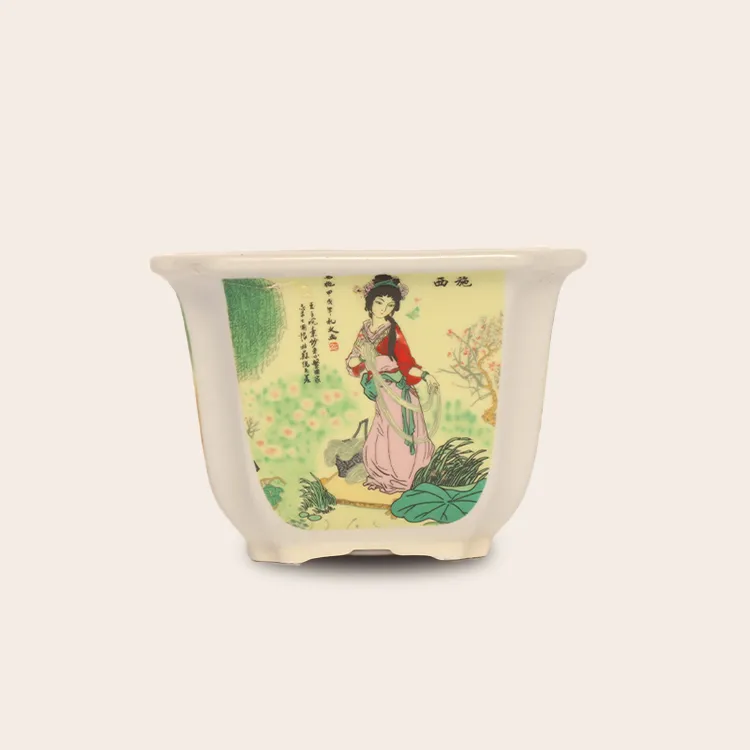
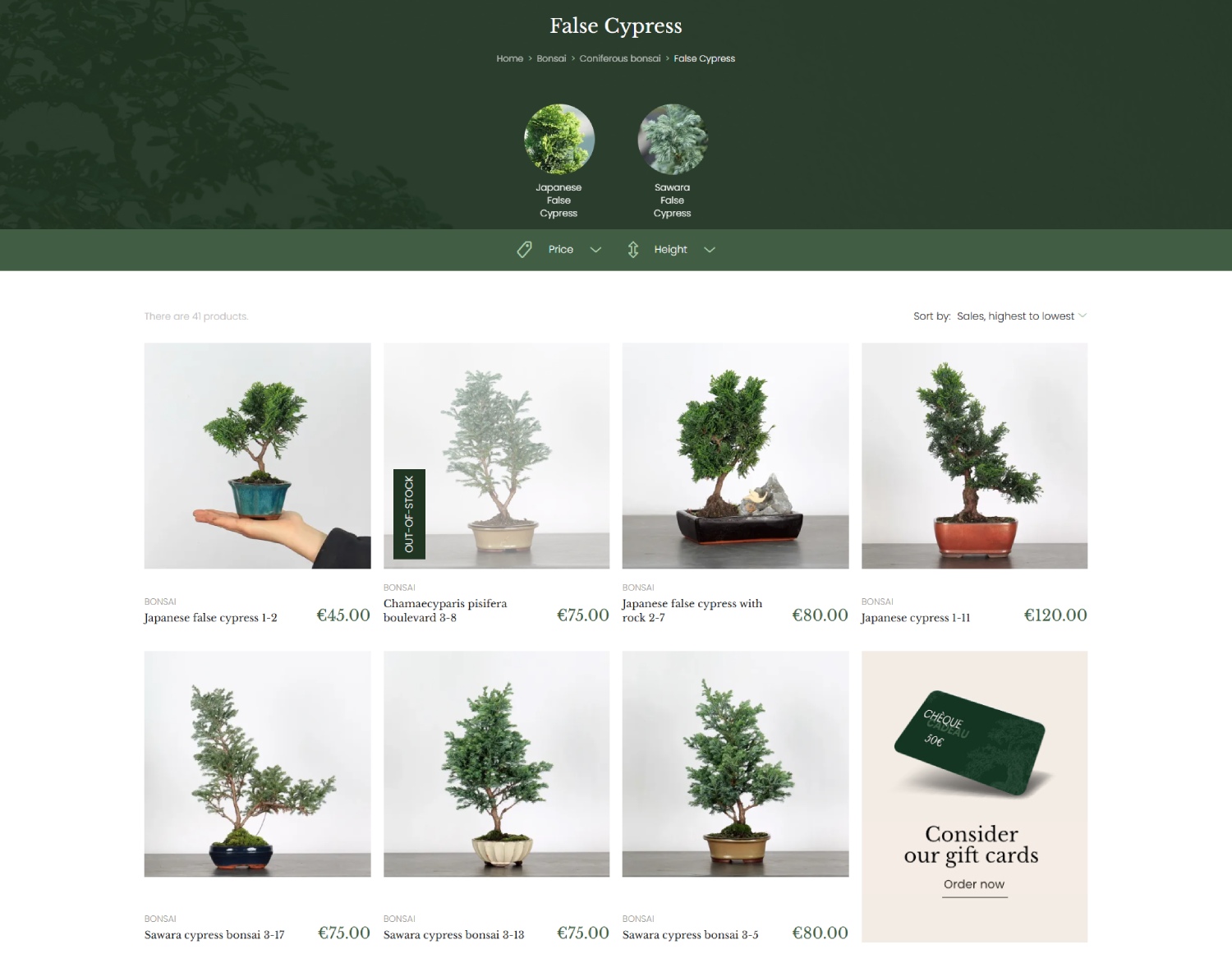
The False Cypress, or Chamaecyparis, is an elegant conifer highly valued in bonsai for its fine foliage, dense growth, and naturally graphic habit. When properly trained, it allows the creation of refined bonsai with a strong Japanese aesthetic. In this article, we offer a complete, technical, and accessible guide dedicated to growing false cypress as bonsai, with a particular focus on the two varieties cultivated in our nursery: Chamaecyparis obtusa "Nana Gracilis" and Chamaecyparis pisifera "Boulevard".
1. General Overview of Chamaecyparis
The genus Chamaecyparis belongs to the Cupressaceae family. Native mainly to Japan and North America, it includes evergreen conifers with relatively slow growth, particularly well suited to bonsai cultivation.
Advantages of false cypress as bonsai
- Fine, well-structured foliage
- Good tolerance to pruning
- Naturally compact habit in certain varieties
- Excellent longevity in pots
- Very good cold resistance
Chamaecyparis is especially appreciated for formal upright, informal upright, literati, and forest styles.
2. Varieties Cultivated as Bonsai in Our Nursery
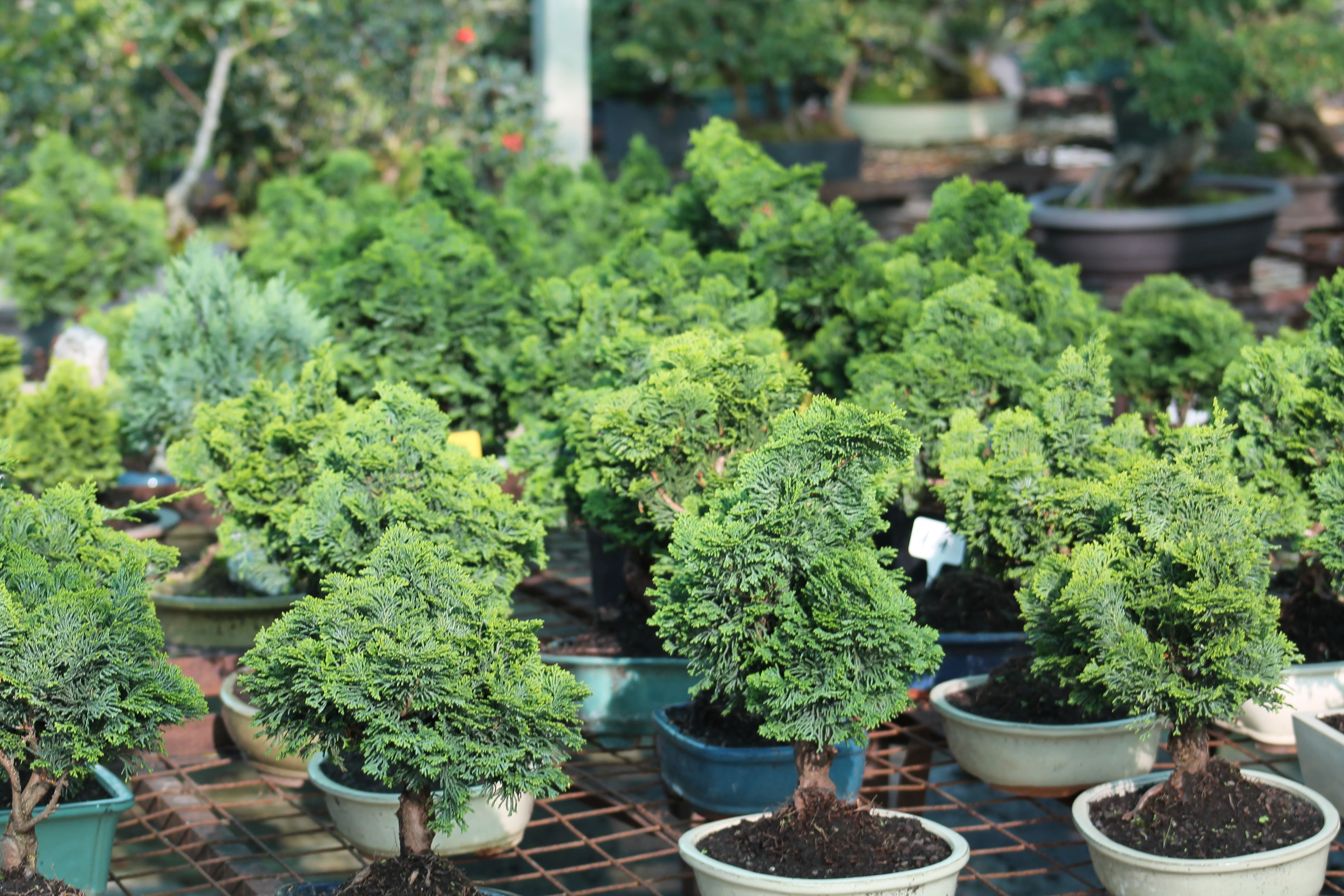
Japanese False Cypress – Chamaecyparis obtusa "Nana Gracilis"
A dwarf variety of the Japanese Hinoki cypress, "Nana Gracilis" is particularly sought after for bonsai.
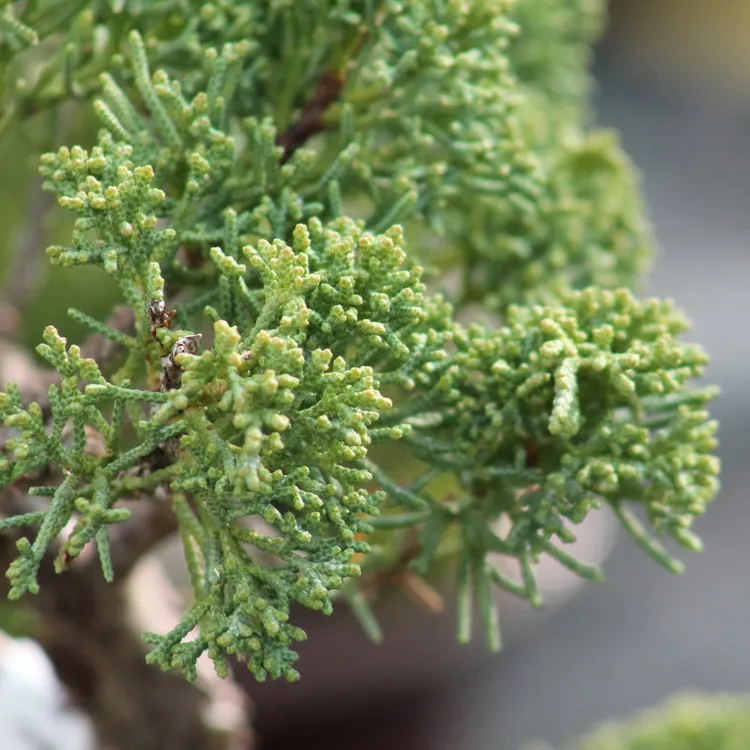
Characteristics : Dark green foliage, very dense and scale-like – Slow and regular growth – Naturally compact and structured appearance.
Bonsai Interest : Its naturally tight foliage makes it possible to quickly form well-defined pads. It is particularly suitable for enthusiasts seeking a structured bonsai with minimal heavy intervention.
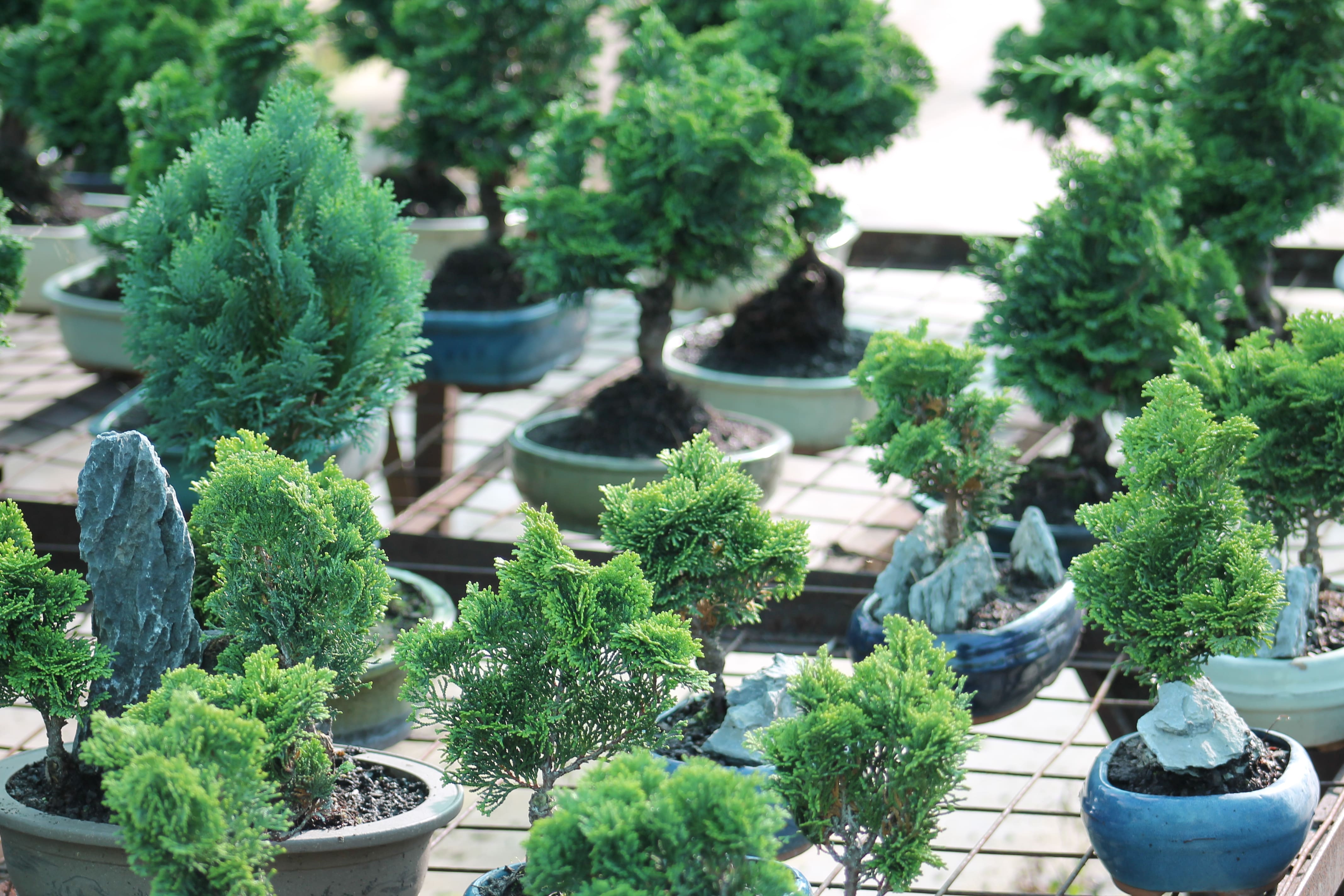
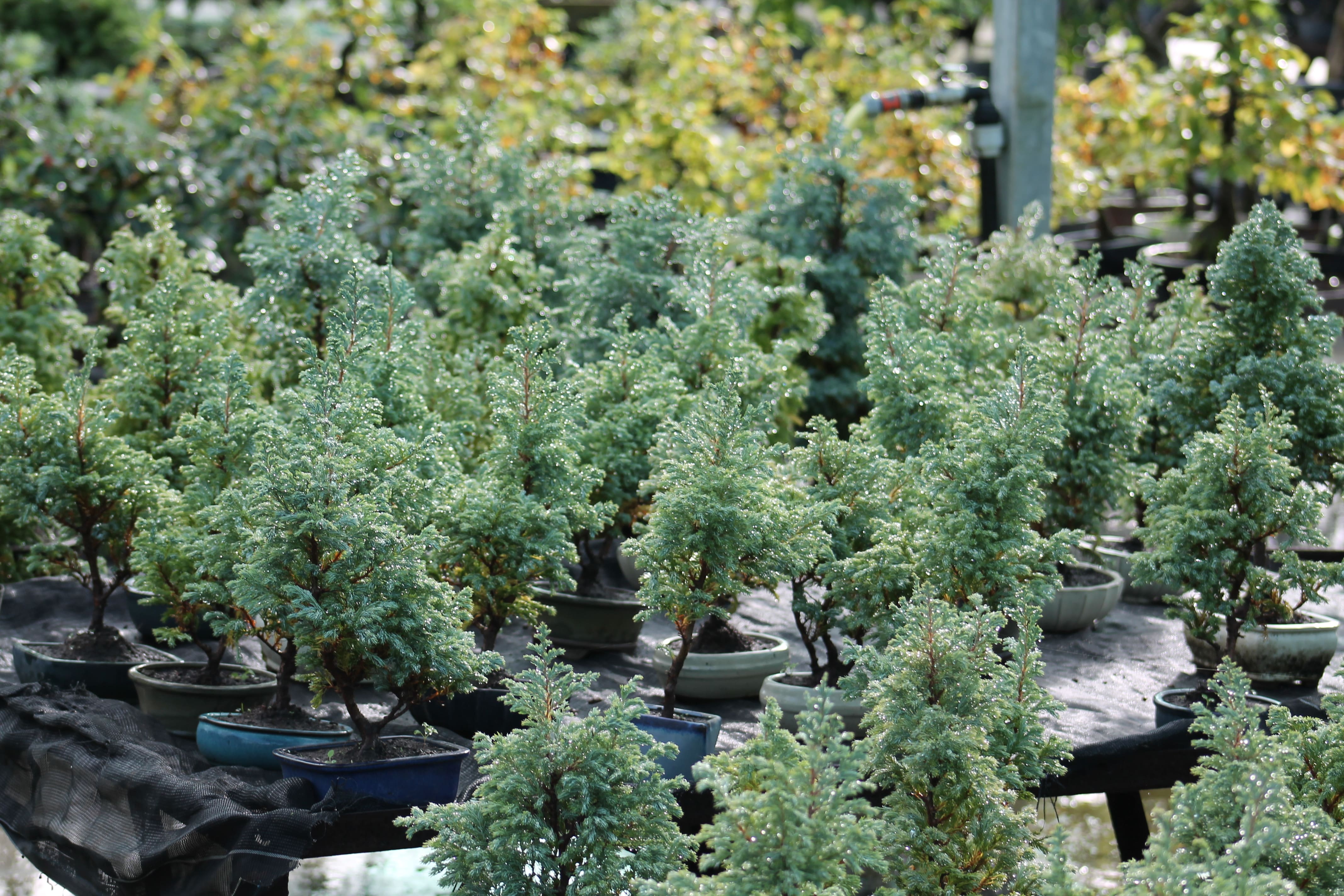
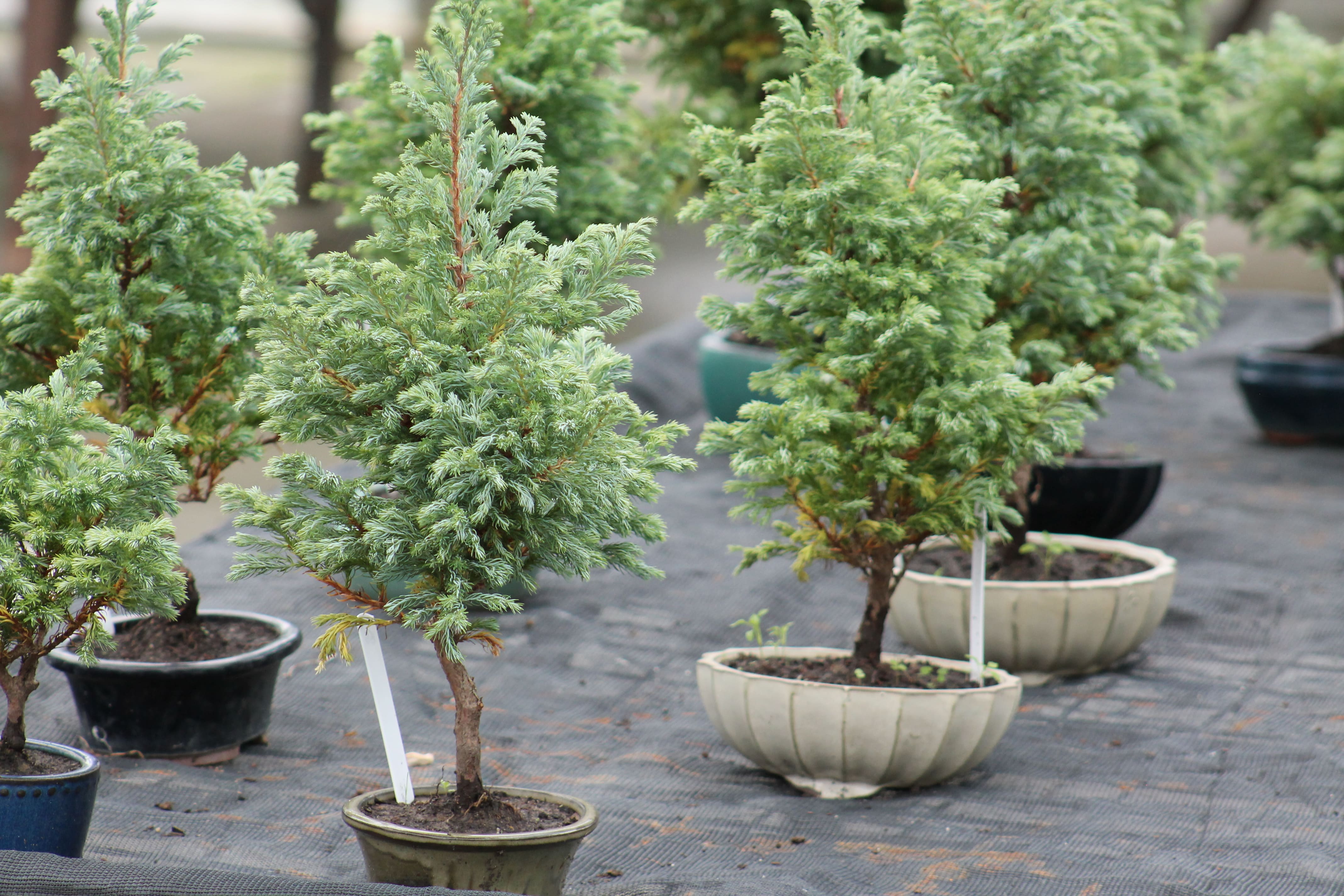
Le faux cyprès du Sawara ou Chamaecyparis pisifera "Boulevard"
The "Boulevard" variety stands out for its bluish to silvery foliage, which is highly decorative.
Characteristics : Soft juvenile foliage, longer than that of ‘Nana Gracilis’ – Very luminous blue coloration, especially in spring – Slightly faster growth.
Bonsai Interest : Highly appreciated for contemporary bonsai or more graphic compositions. However, it requires more regular pruning to maintain a balanced silhouette.
3. Exposure and Placement
False cypress is an outdoor conifer that requires good light to maintain dense, healthy foliage.
Ideal Exposure :
- Full sun to partial shade
- Protection from scorching summer sun, especially for ‘Boulevard’
- Good air circulation
- Excellent cold resistance (down to -10 to -15°C depending on conditions)
In winter, it can remain outdoors without issue. Pot protection is recommended during prolonged severe frosts, especially for trees in small containers.
4. Watering: A Key Point
Watering is a crucial aspect of growing Chamaecyparis as bonsai.
Key Principles : Substrate should always remain slightly moist - Never allow standing water - Water thoroughly when the substrate begins to dry on the surface
In summer, daily monitoring is essential, particularly for ‘Boulevard’, which is more sensitive to water stress.
Prolonged water stress leads to irreversible browning of the foliage.
5. Substrate and Repotting
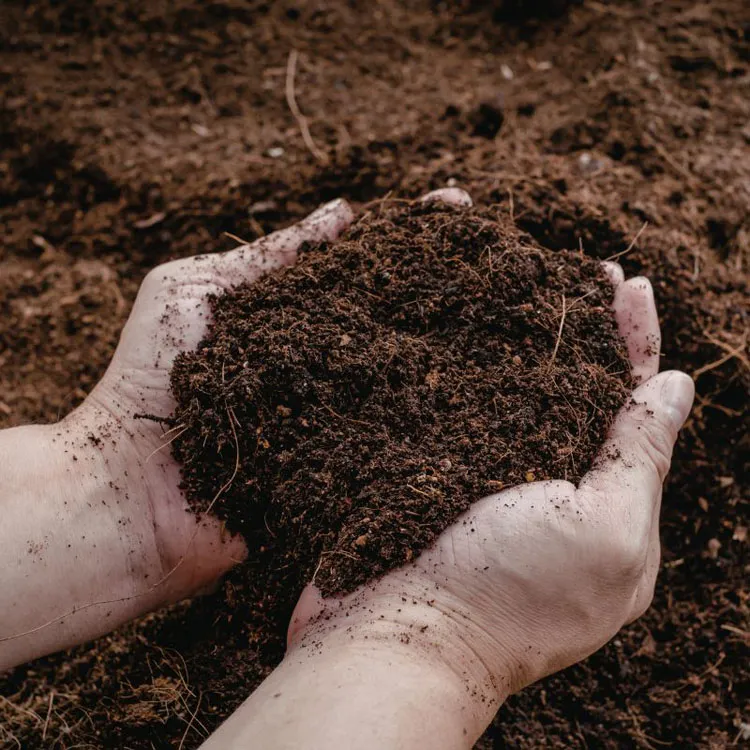
Recommended Substrate
A well-draining and aerated substrate is essential to prevent root suffocation :
- 50% akadama
- 30% pumice
- 20% lava rock (pozzolana)
This mix ensures good drainage, adequate water retention, and proper root aeration.
Here at the nursery, we use our own substrate. Check out our blog post about it.
Repotting
- Every 3 to 5 years, depending on vigor
- Ideal period: early spring, before growth resumes
- Moderate root pruning, especially on older trees
False cypress does not tolerate overly aggressive or frequent repotting.
6. Pruning and formatting
Maintenance pruning
Pruning is mainly done by hand pinching.
- Never prune into old wood
- Pinch or cut only young green shoots
- Prefer regular light interventions rather than heavy pruning
- Work gradually to densify foliage pads
Scissors should be used sparingly, only to correct poorly placed shoots.
Wiring
Wiring possible year-round, preferably in autumn or winter
- Be cautious of the thin bark
- Use aluminum wire
- Monitor frequently to avoid wire marks
The wood is flexible on young branches but becomes brittle with age; always work gradually.
7. Fertilization
False cypress benefits from gentle, regular fertilization.
- Organic or chemical solid fertilizer recommended
- From May to October, every month alternating chemical and organic fertilizers, or every two months if using only chemical fertilizers.
- Reduce or stop during periods of extreme summer heat
At the nursery, we use universal blue chemical tomato fertilizer and organic fertilizer such as horse manure; feel free to read our blog post to understand how we operate.
Excessive nitrogen leads to overly loose foliage, which is less desirable in bonsai.
8. Diseases and Pests
Chamaecyparis is generally robust, but a few points require attention:
- Spider mites during dry periods
- Root rot in cases of excess water
- Browning of foliage caused by water stress or intense sun
Good air circulation and controlled watering are the best preventive measures. Regular observation allows for quick intervention and helps avoid losses.
9. Suitable Styles
False cypress adapts well to several classic bonsai styles :
- Formal upright (Chokkan)
- Informal upright (Moyogi)
- Slanting (Shakan)
- Forest (Yose-ue), especially with "Nana Gracilis"
Its naturally conical habit makes it easier to create very harmonious tre
10. In Summary
False cypress is an excellent choice for bonsai cultivation, suitable for both knowledgeable amateurs and experienced enthusiasts. The "Nana Gracilis" and "Boulevard" varieties offer distinct forms and textures, ideal for designing bonsai with varied and balanced structures.
With attentive care, controlled watering, and pruning that respects its natural rhythm, false cypress becomes a bonsai full of character, capable of evolving beautifully over many years.
Discover our false cypress trees on the website :