Production of French Bonsai
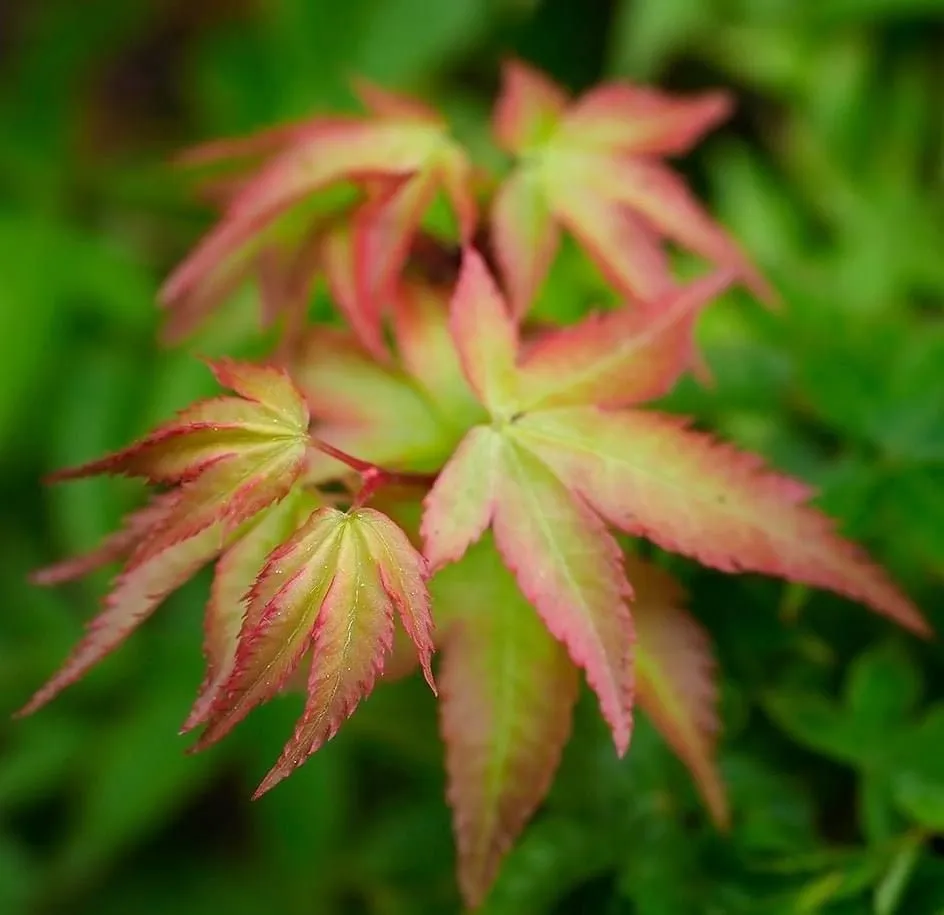
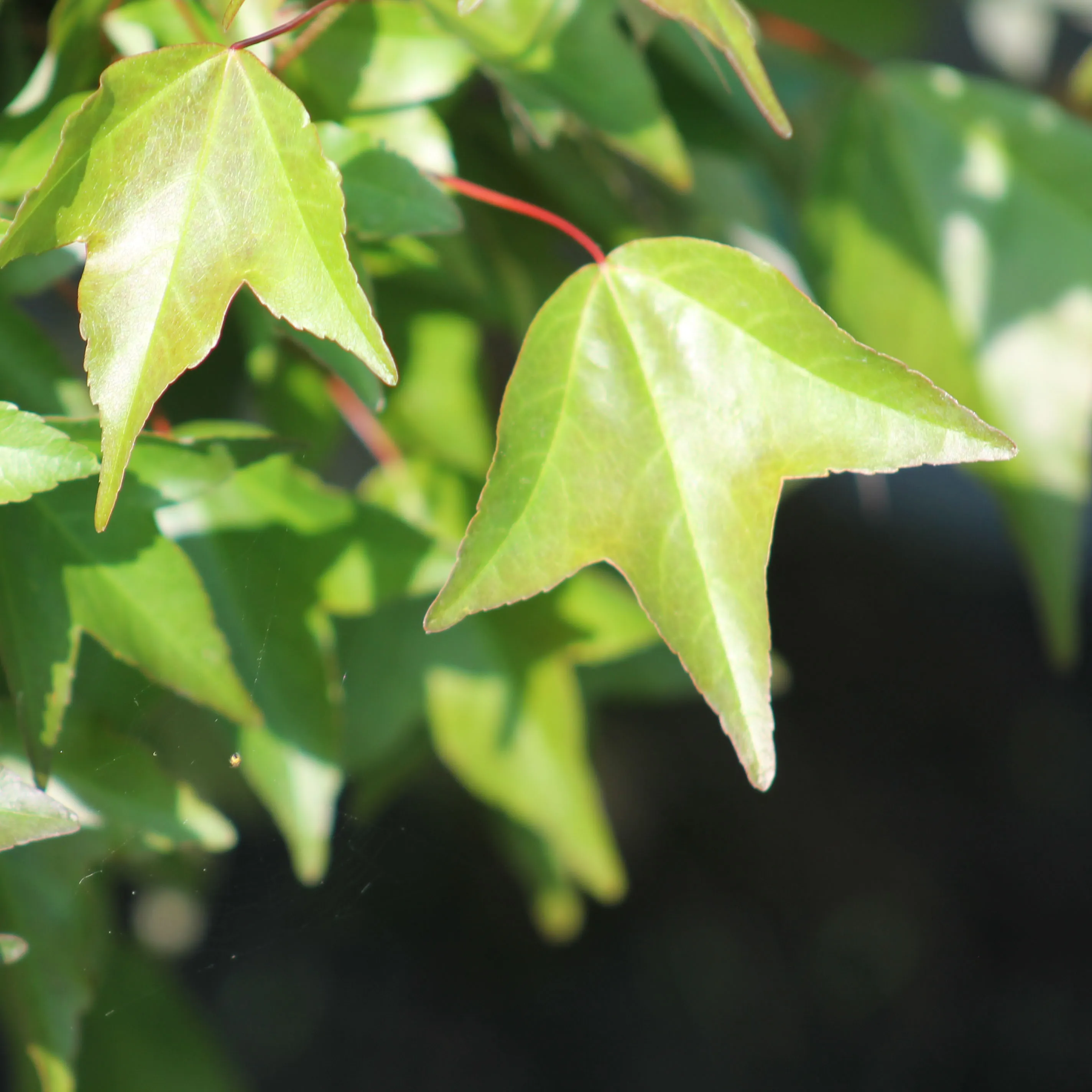
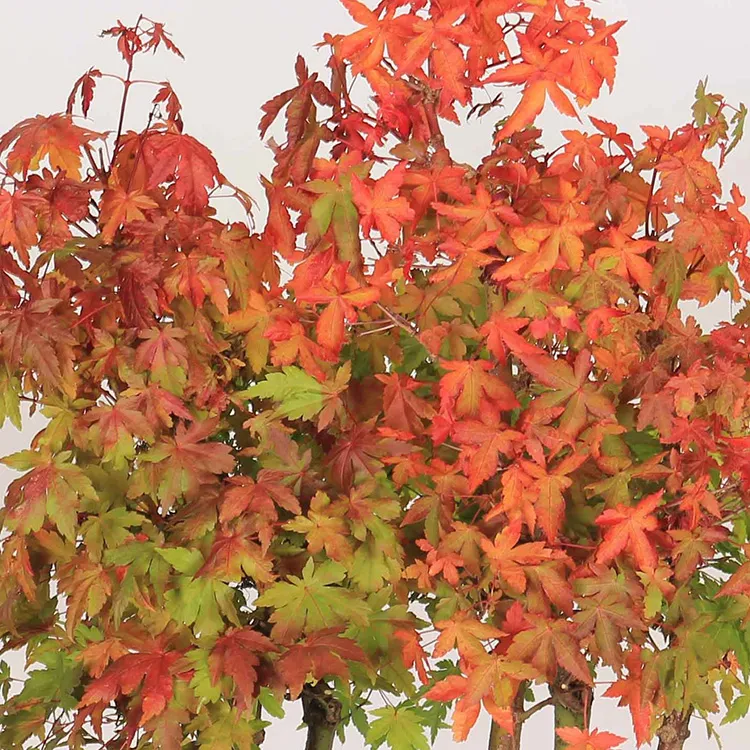
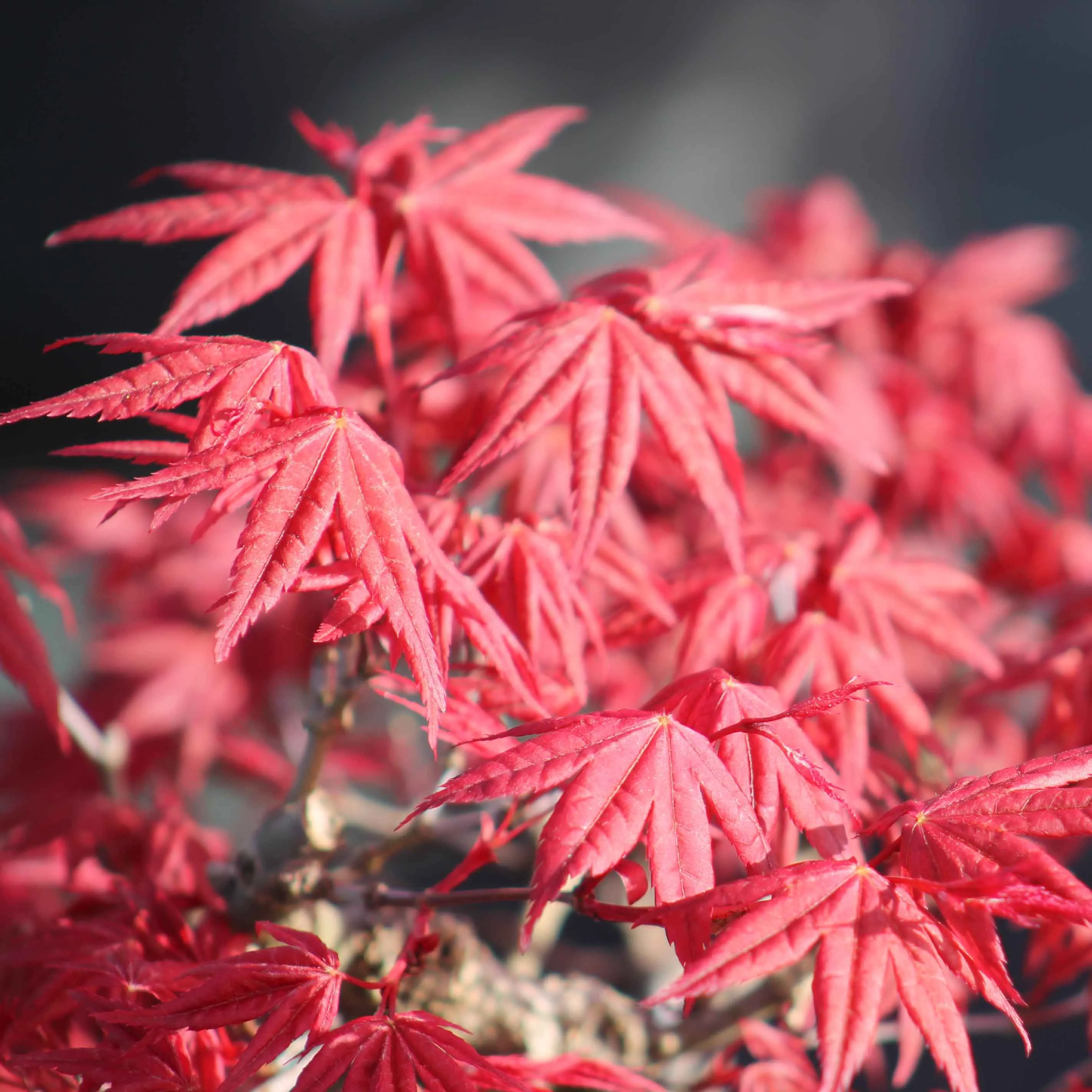
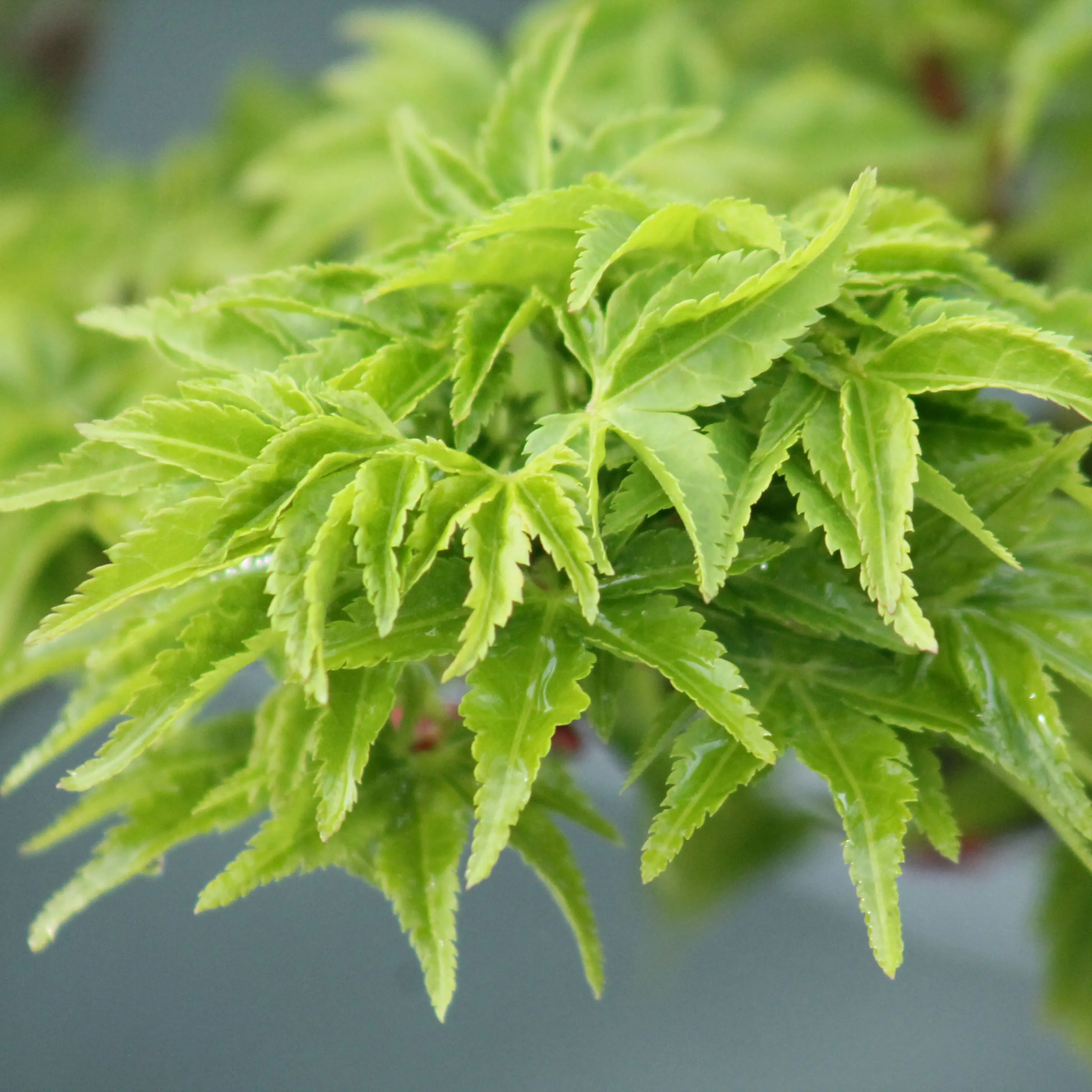
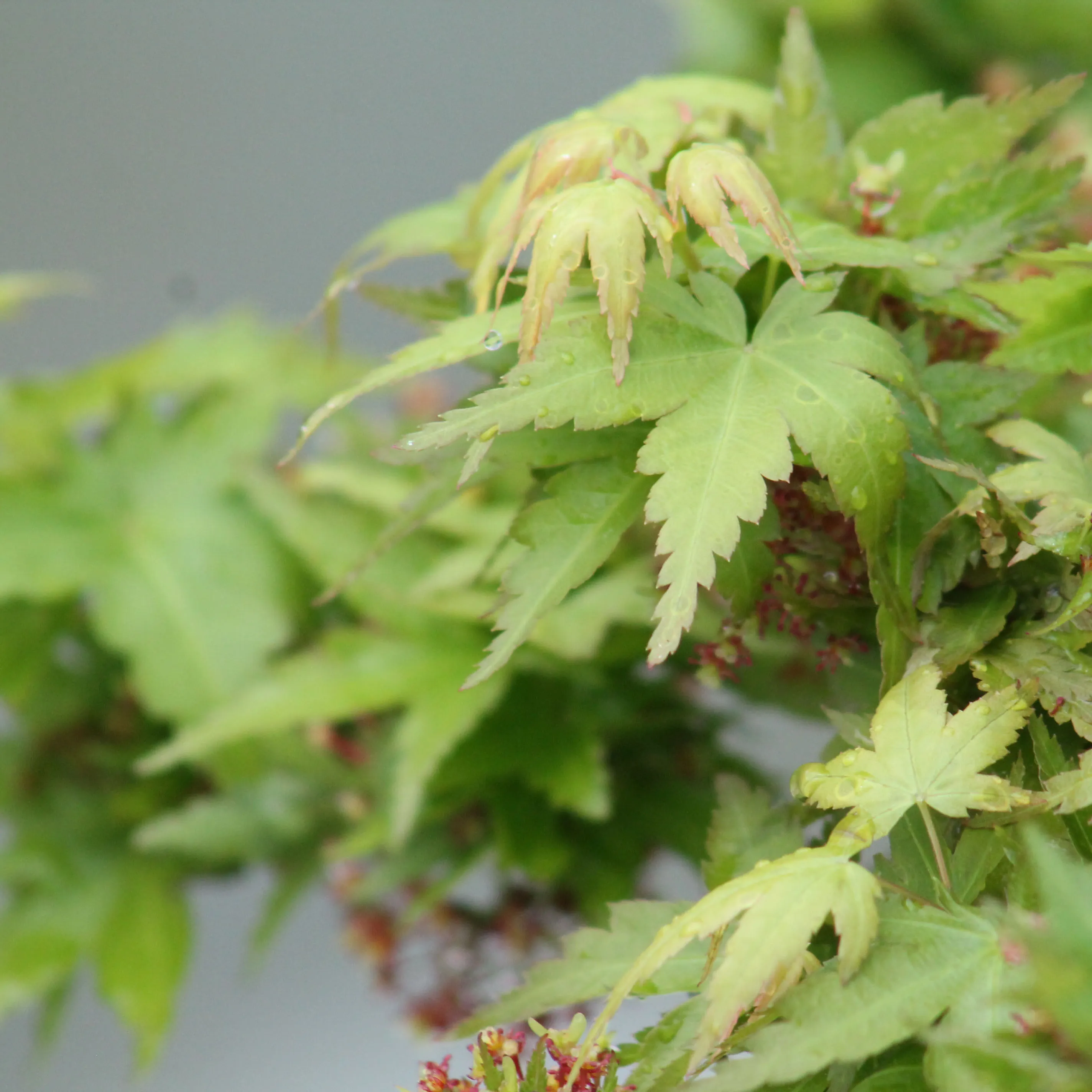
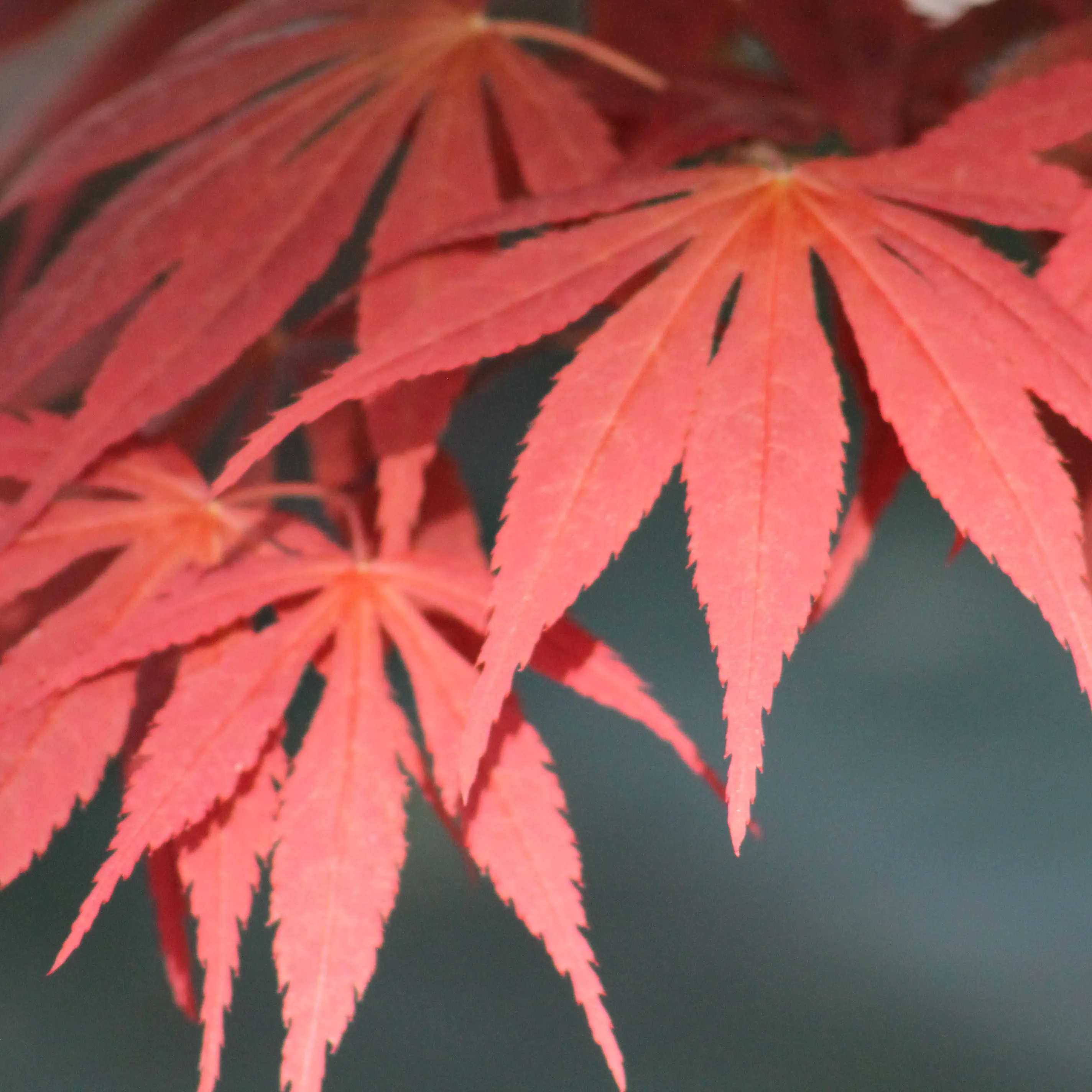
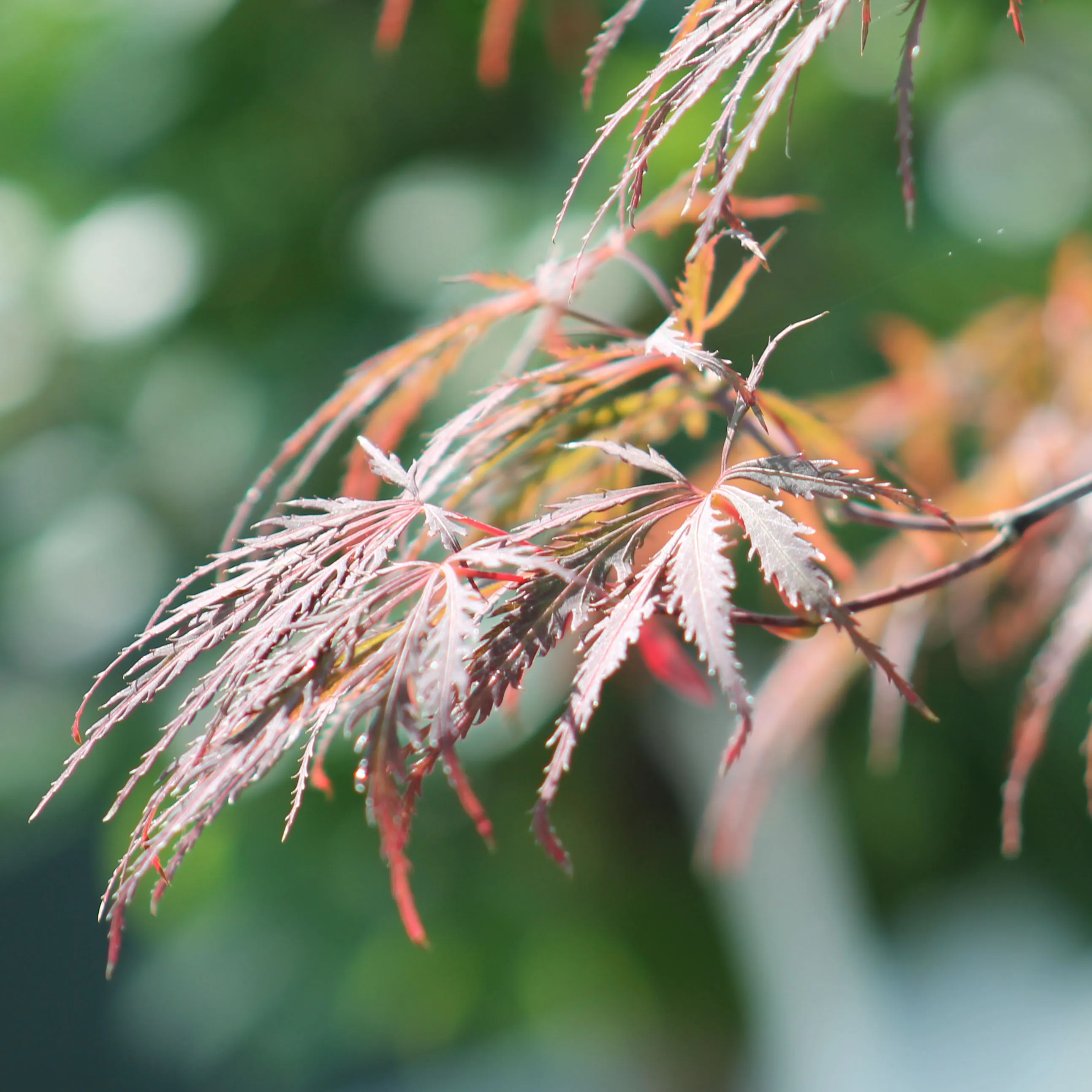
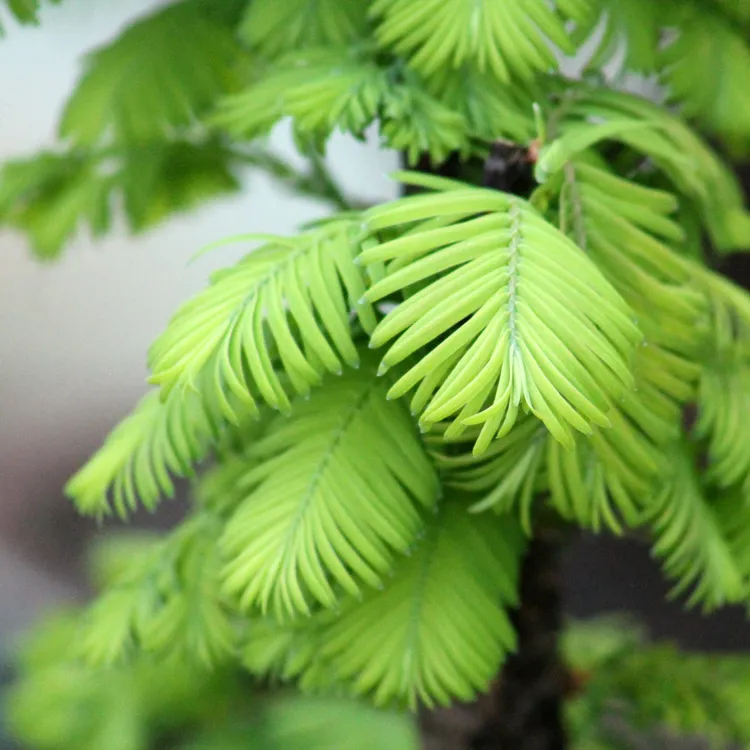
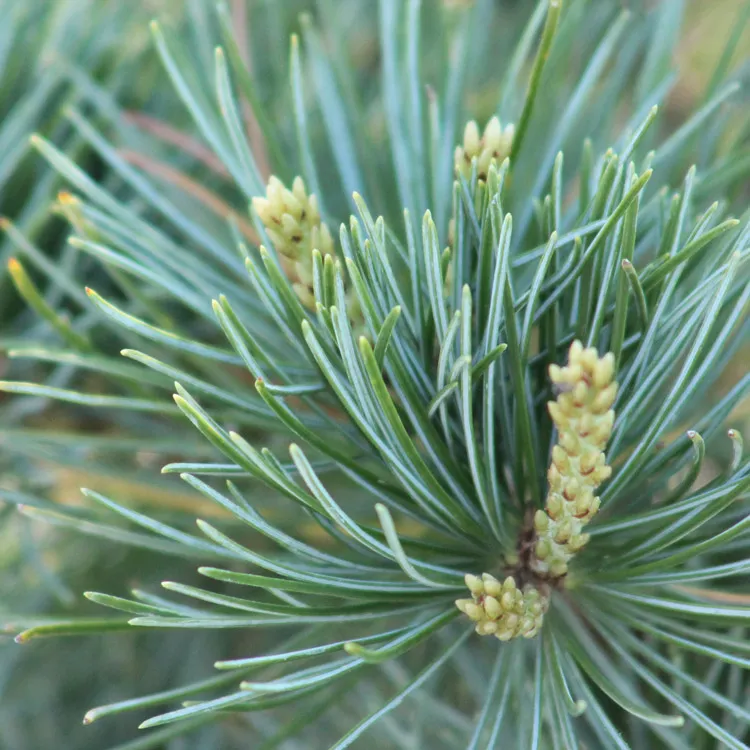
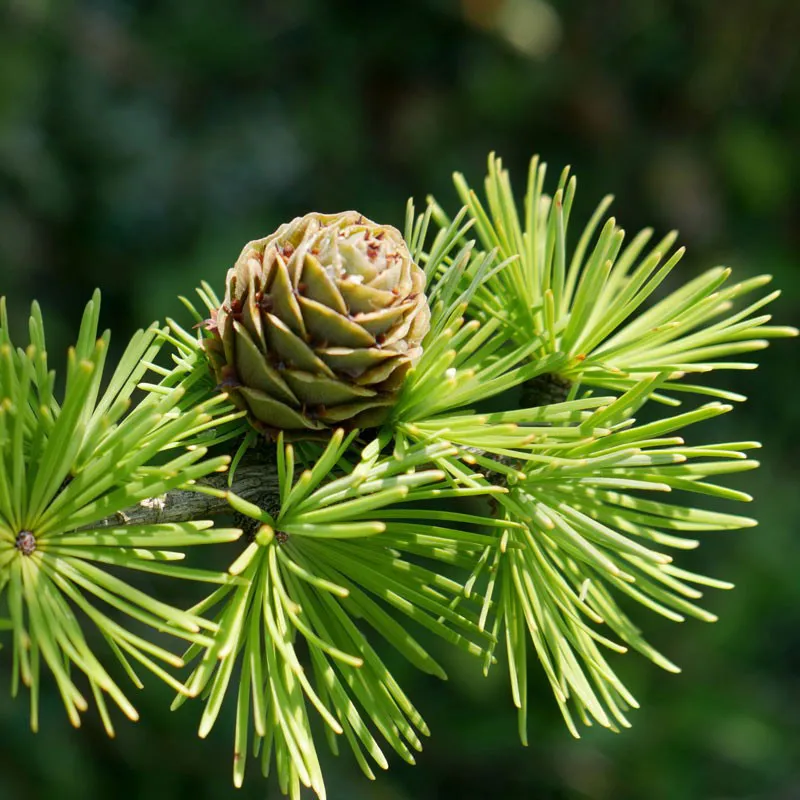
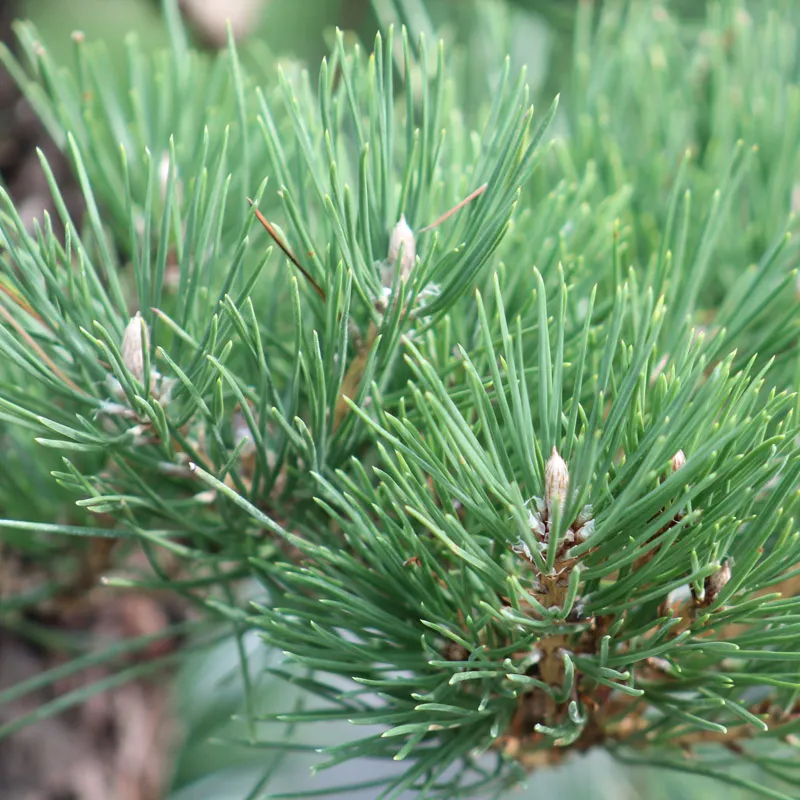
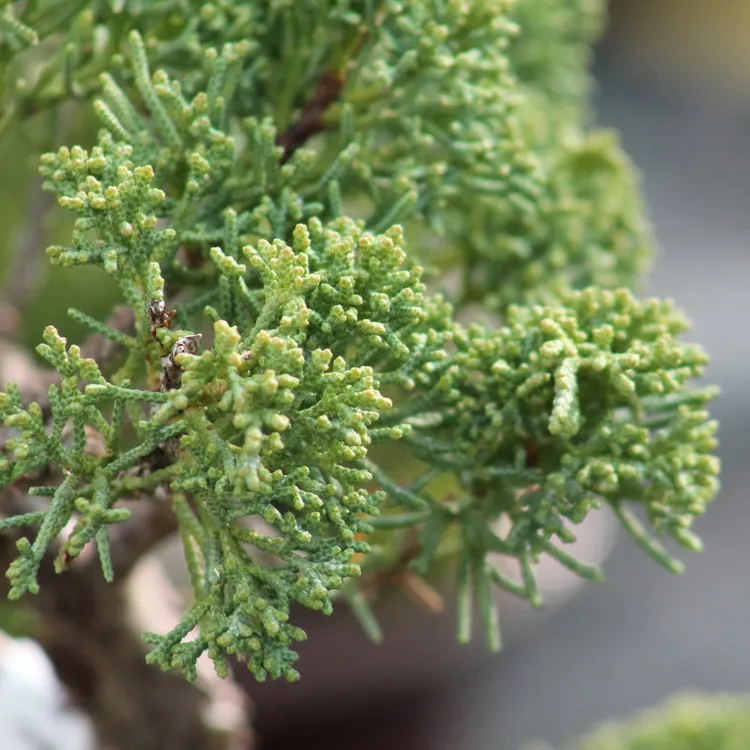
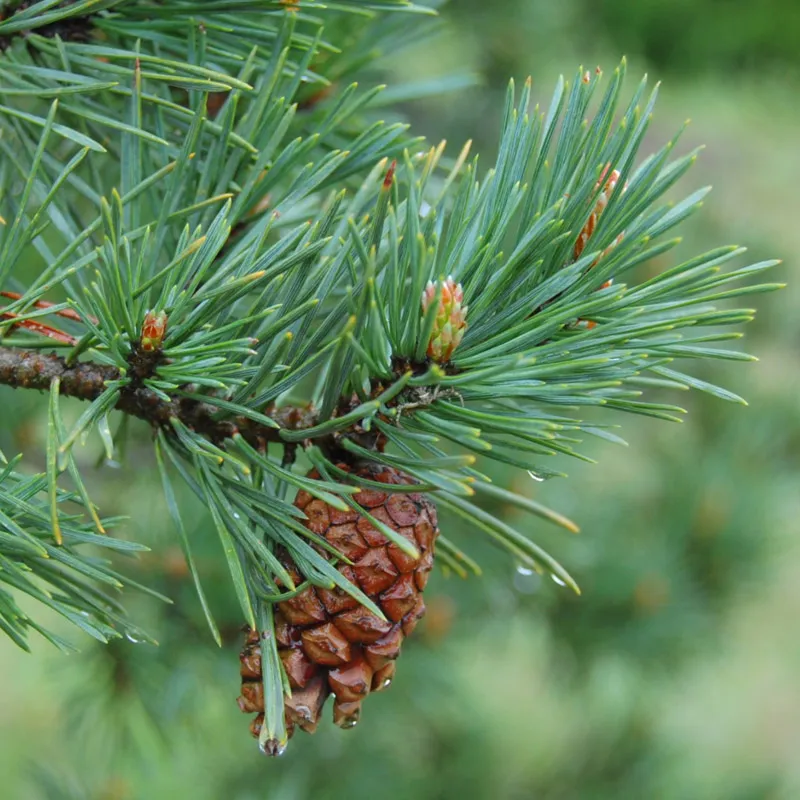
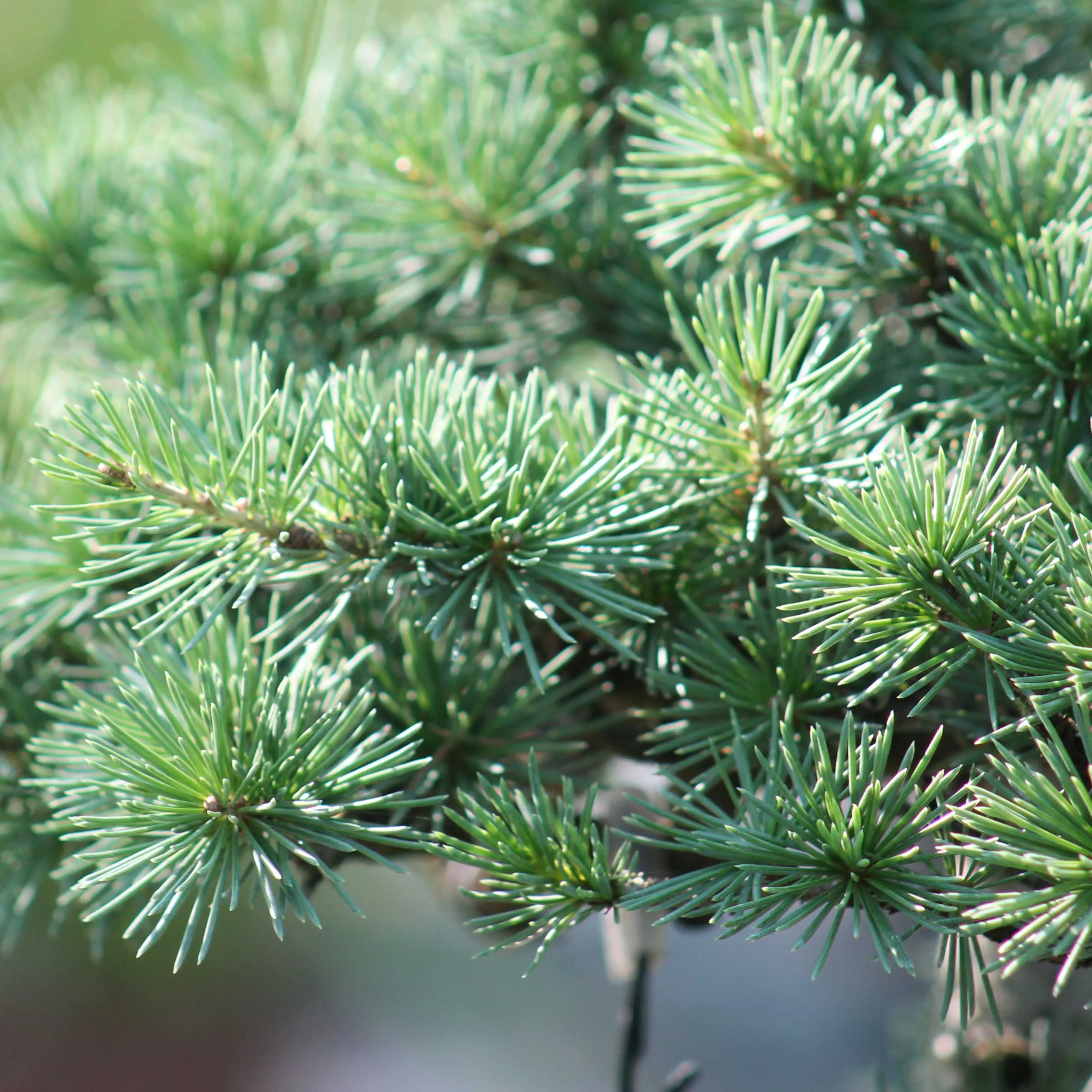
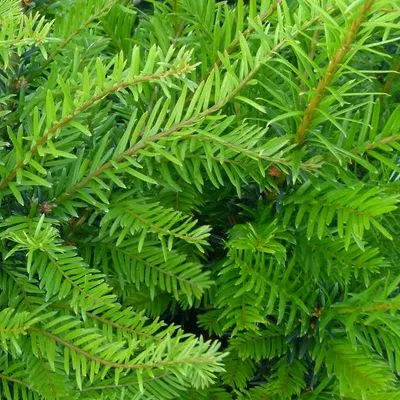
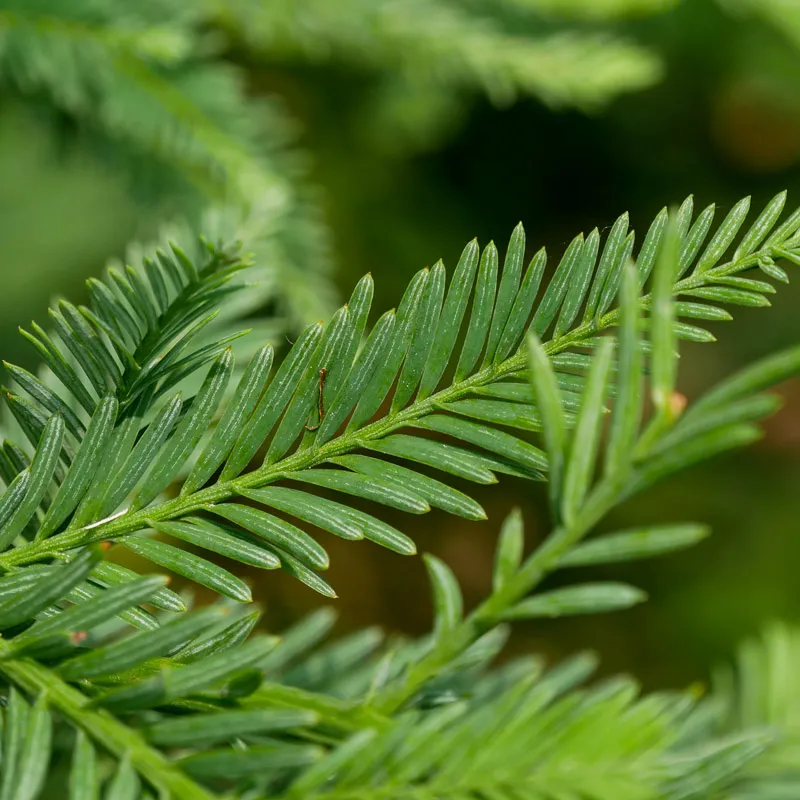
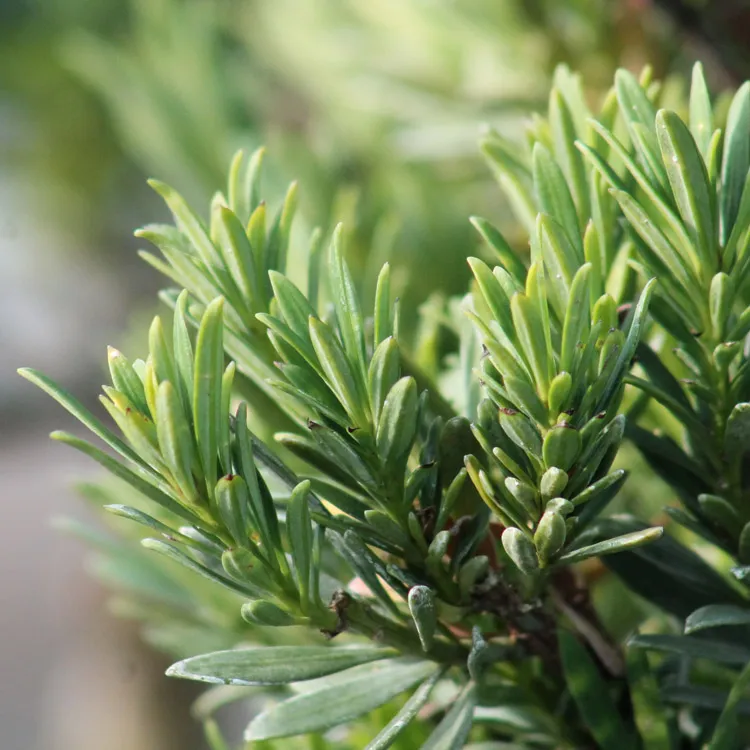
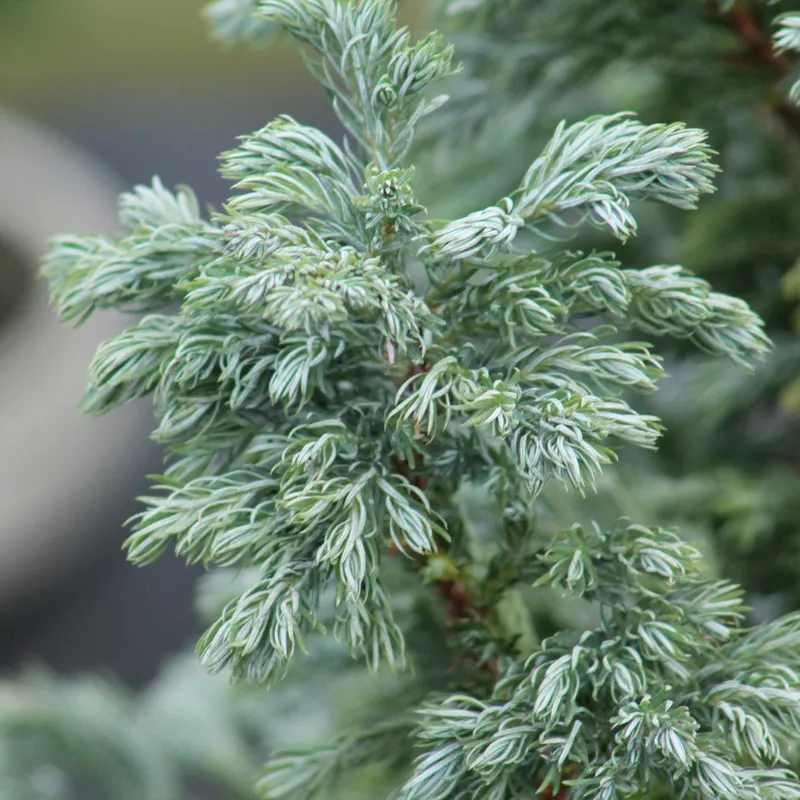
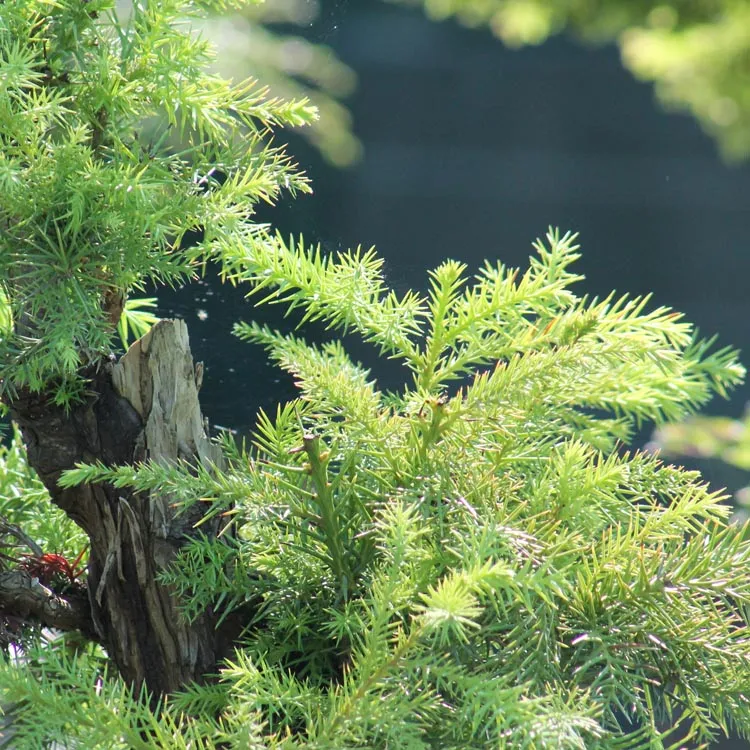
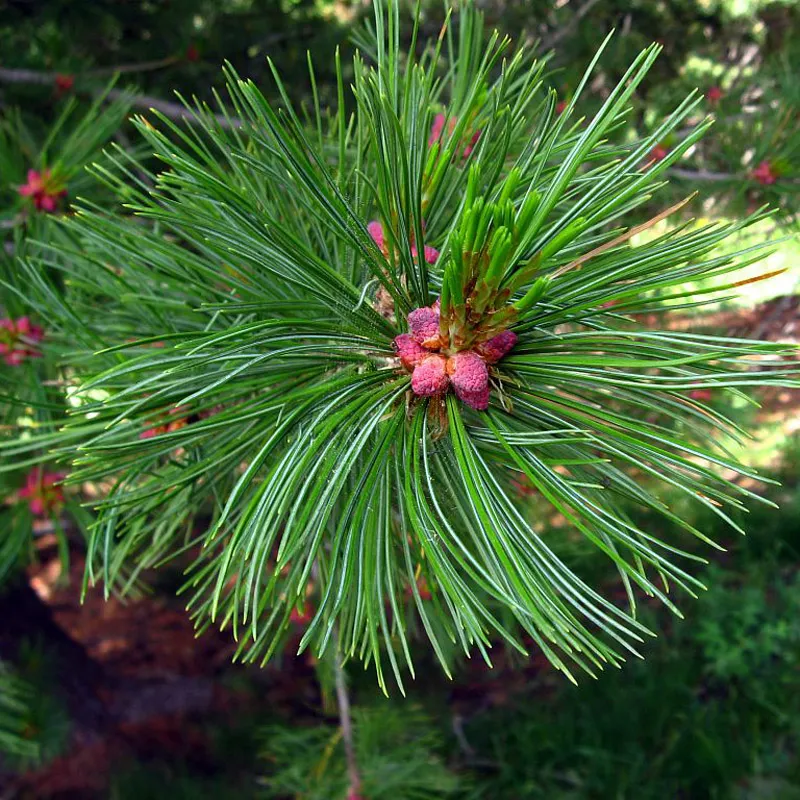
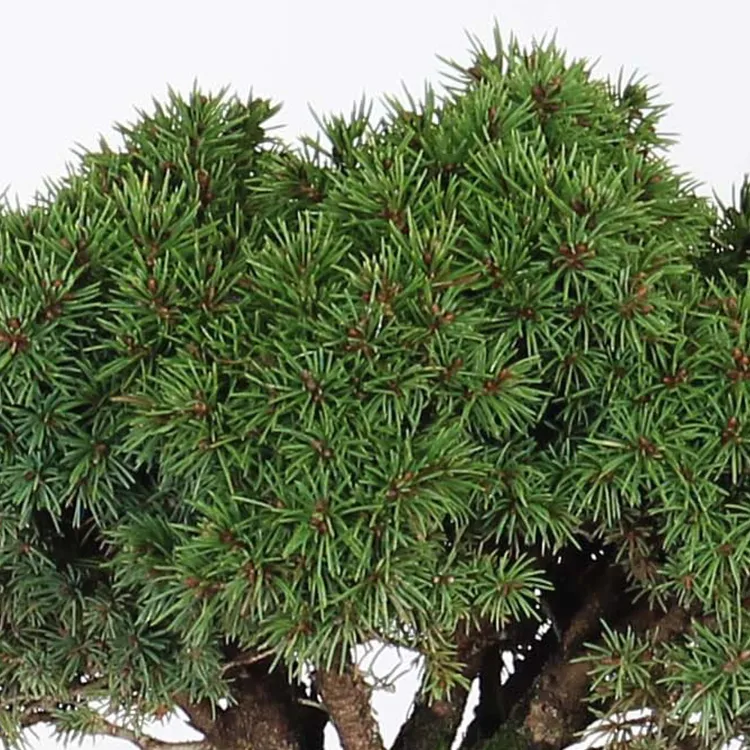
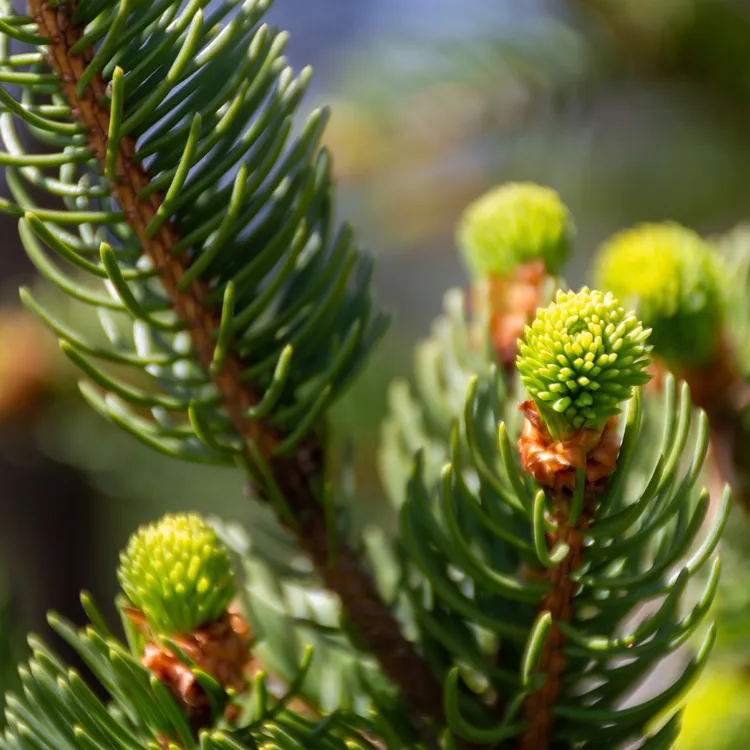
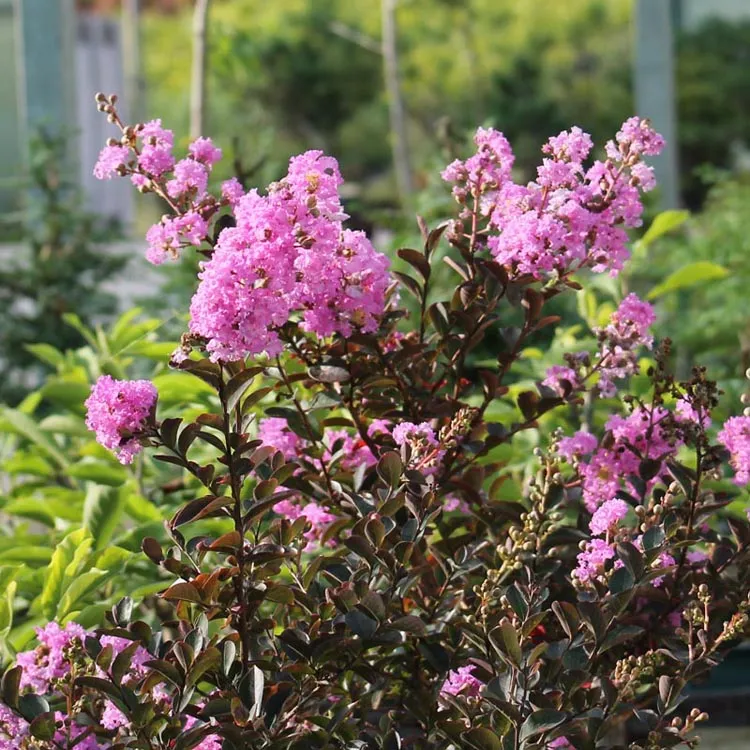
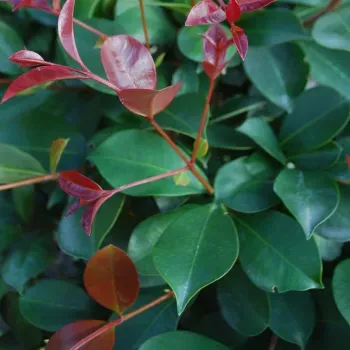
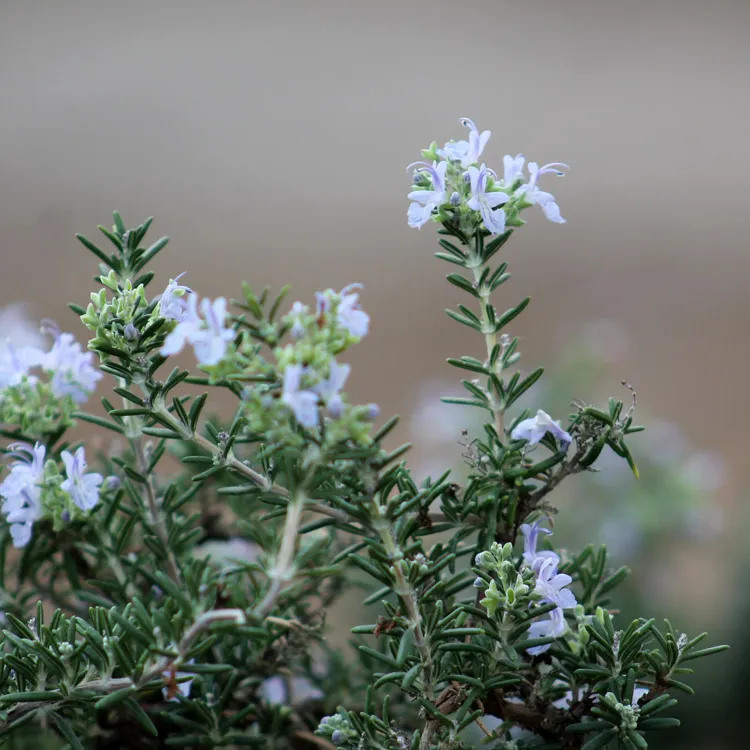
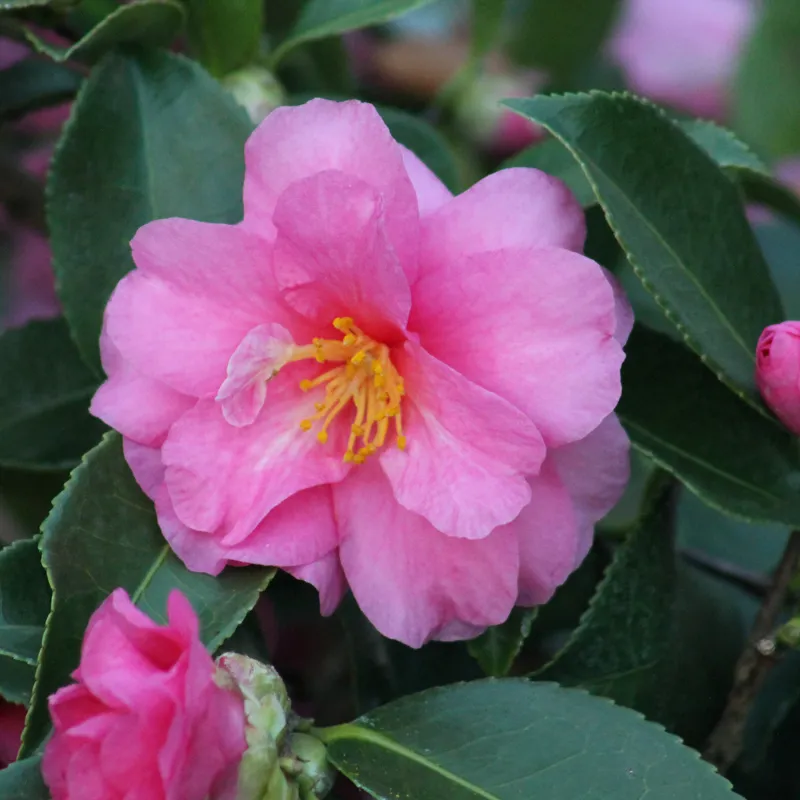
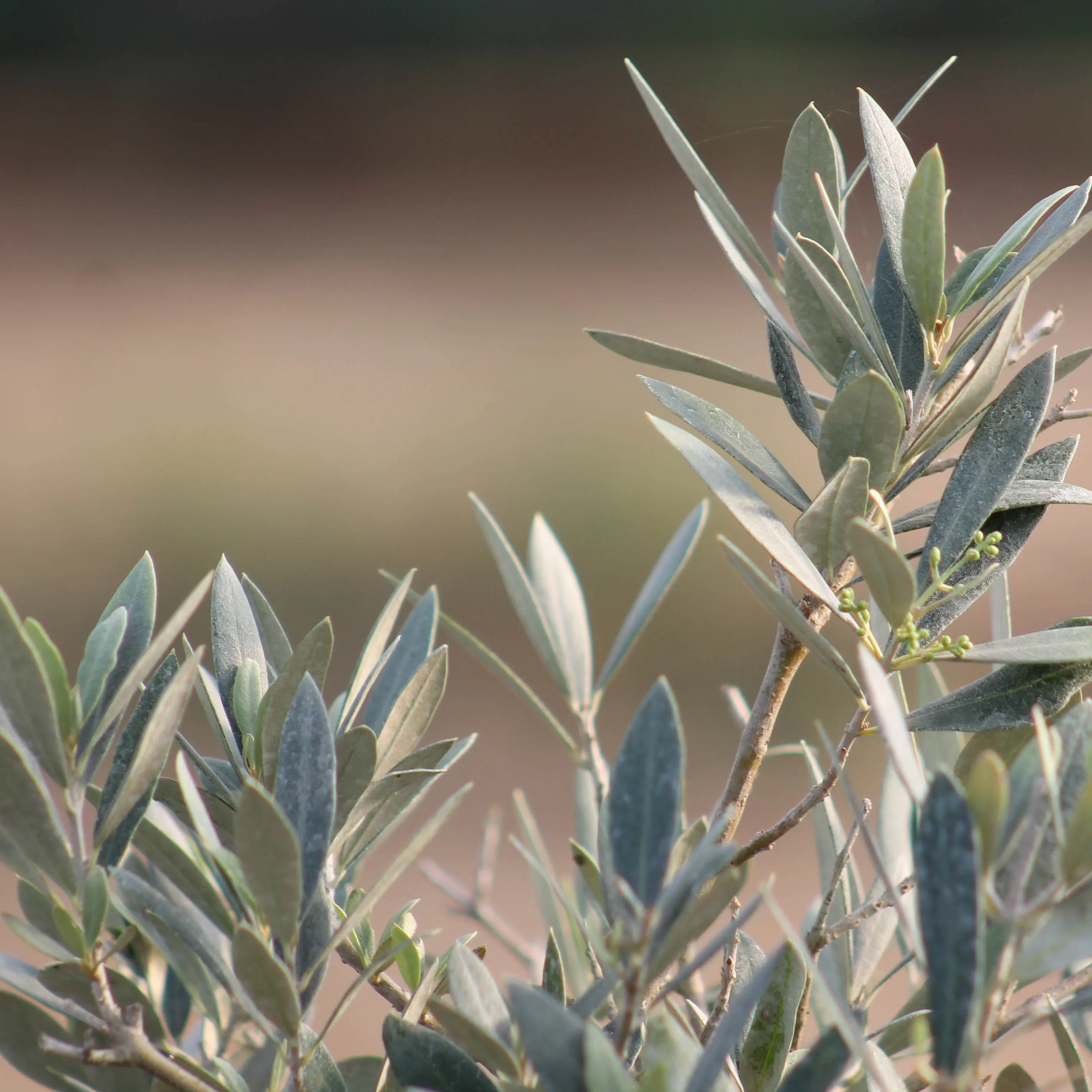
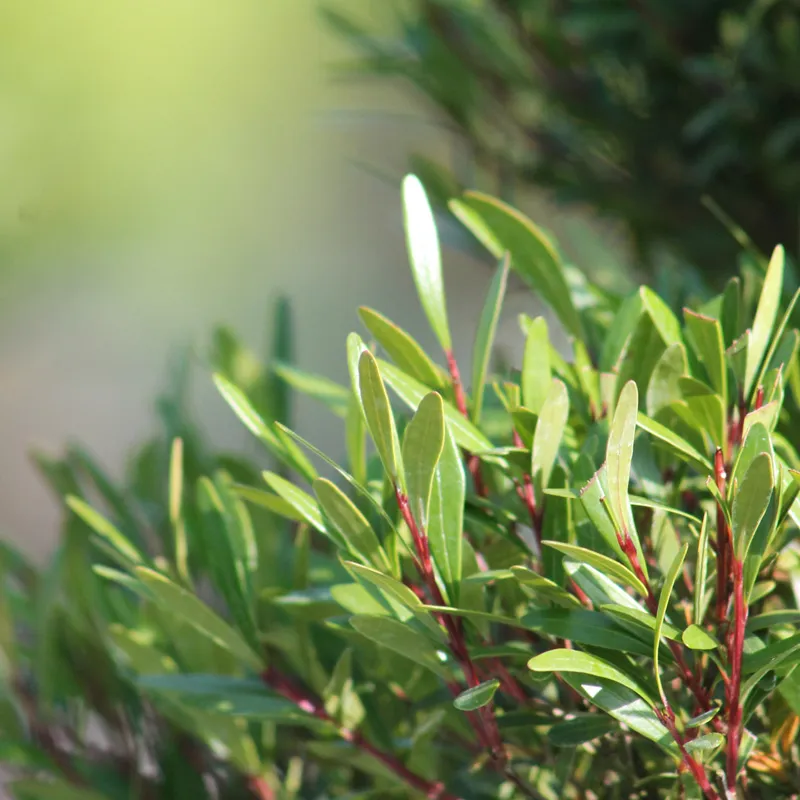
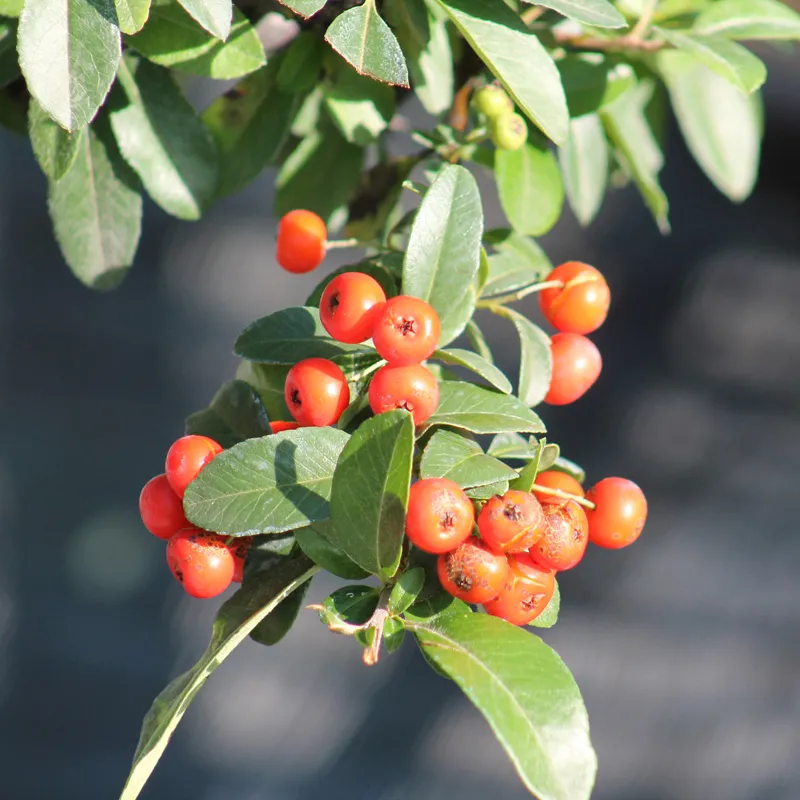
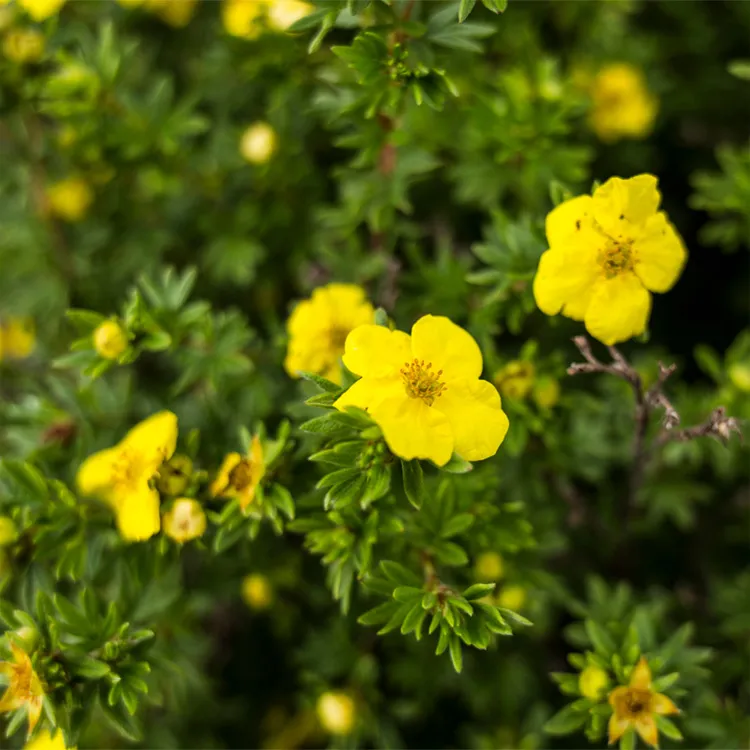
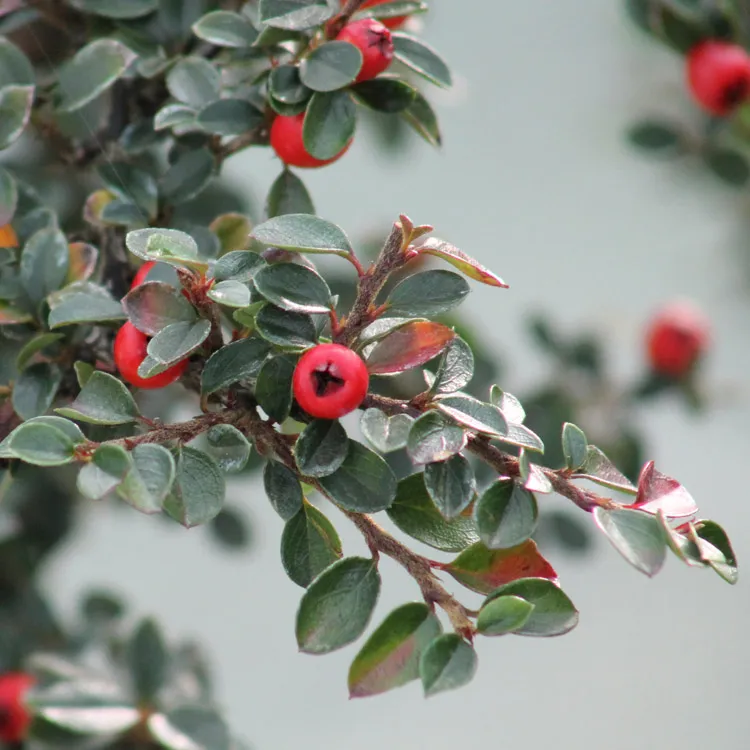
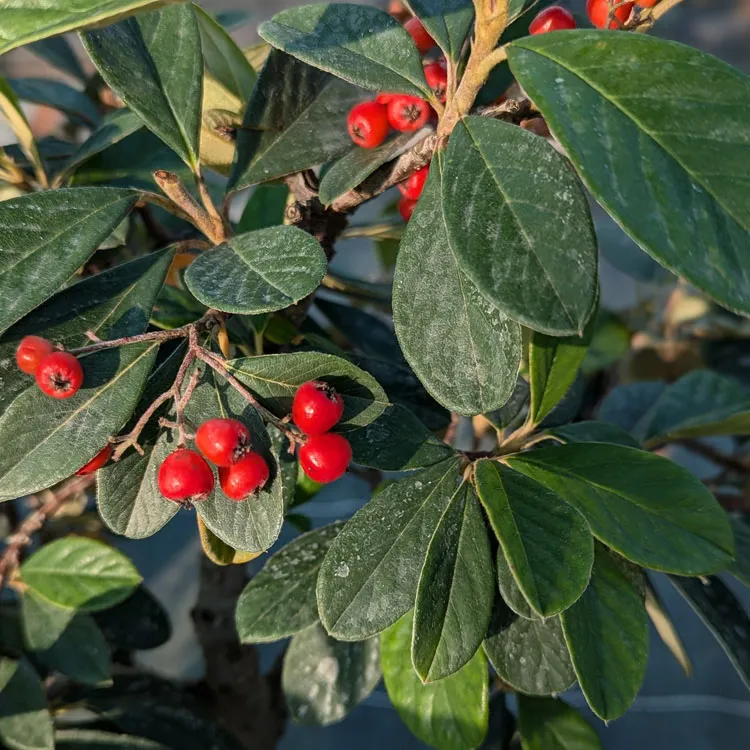
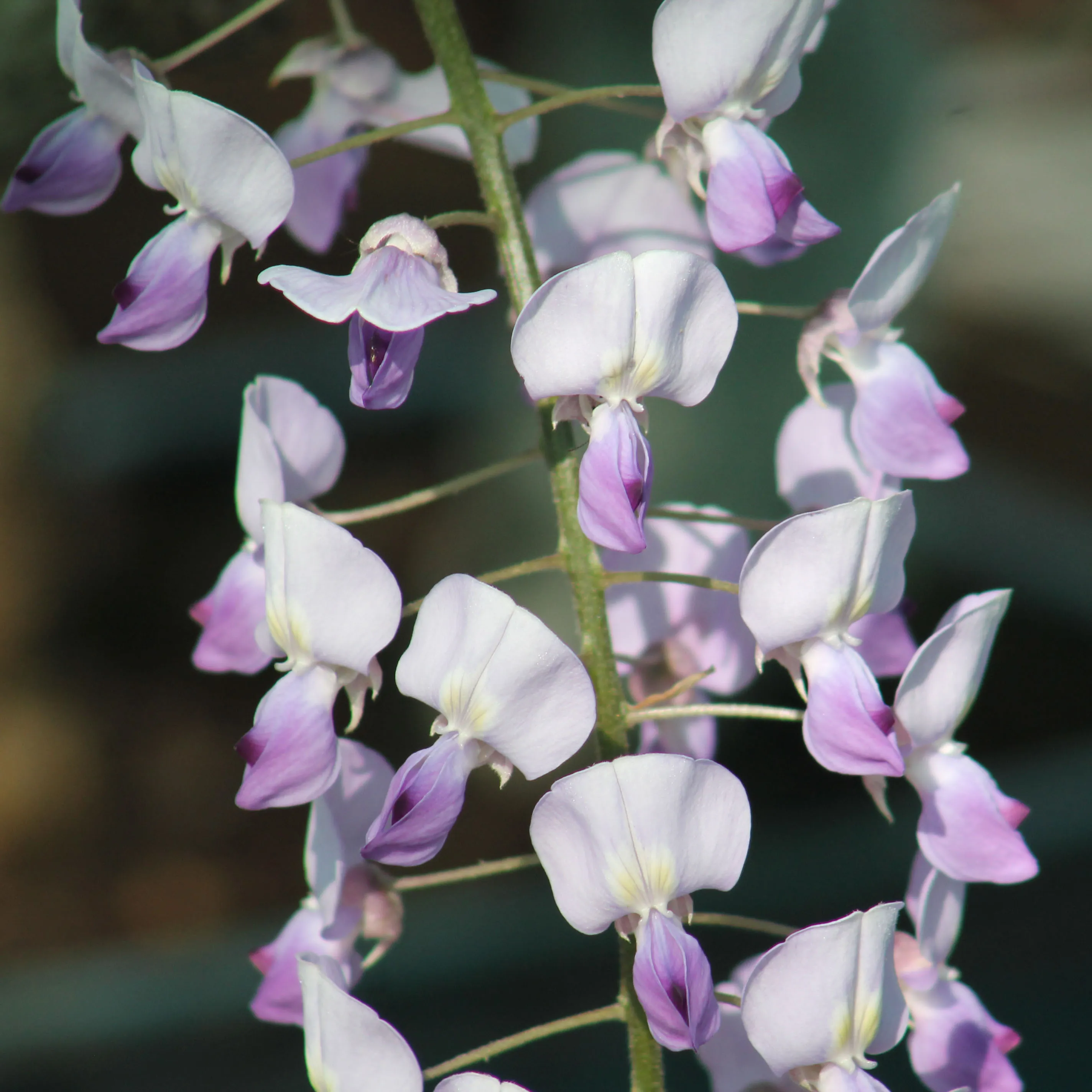
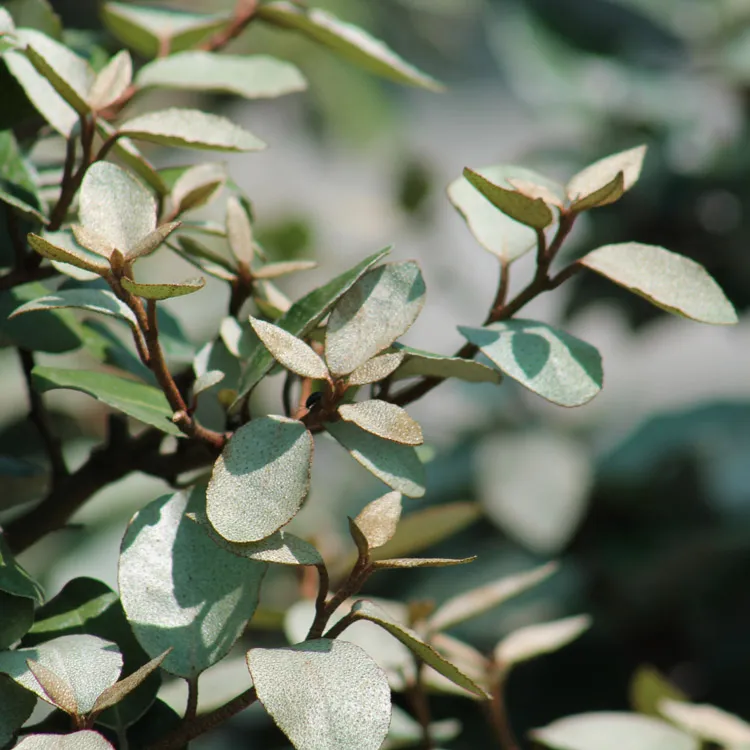
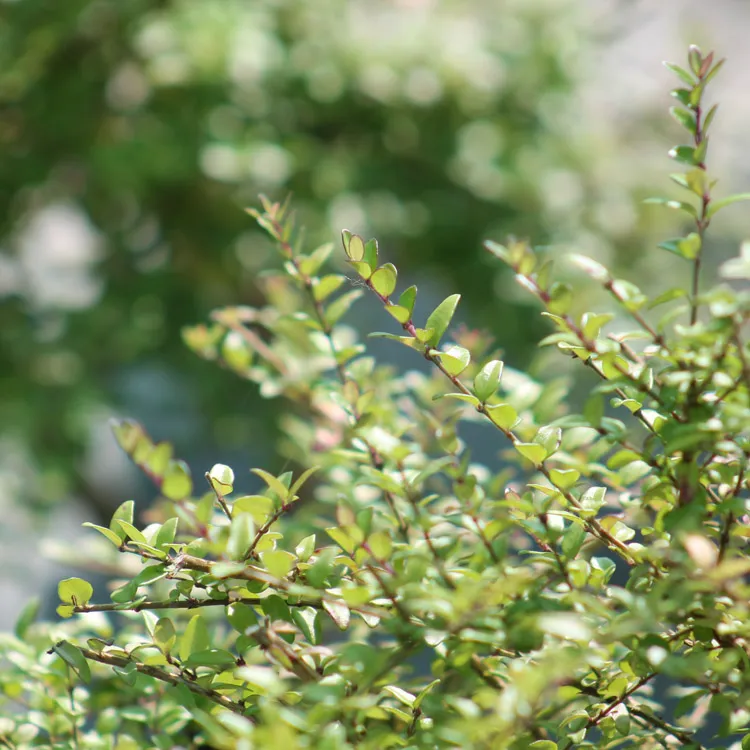
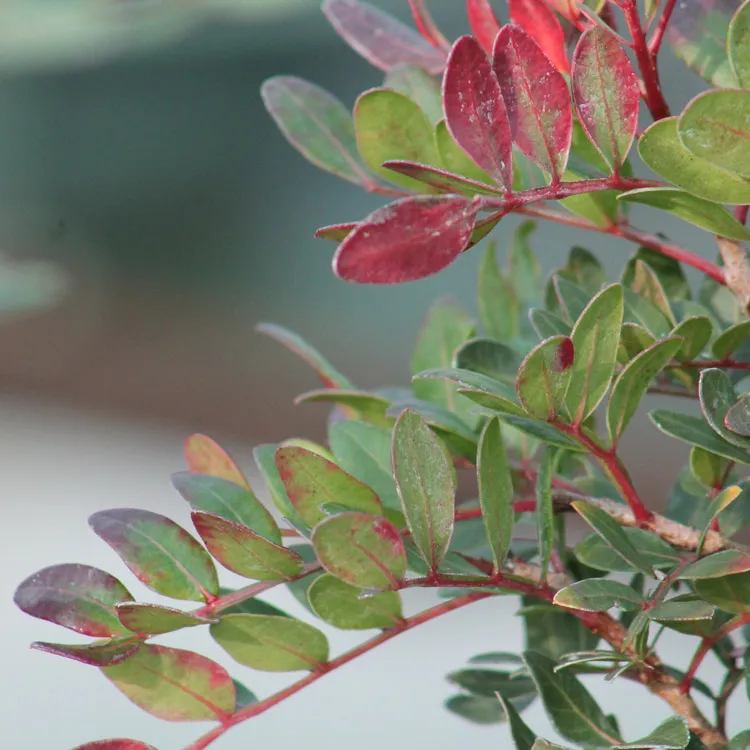
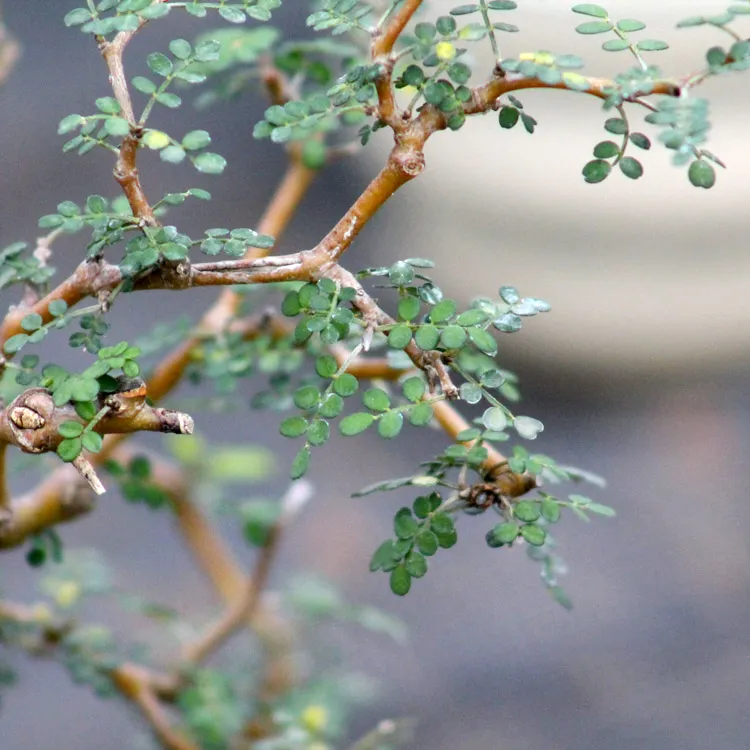
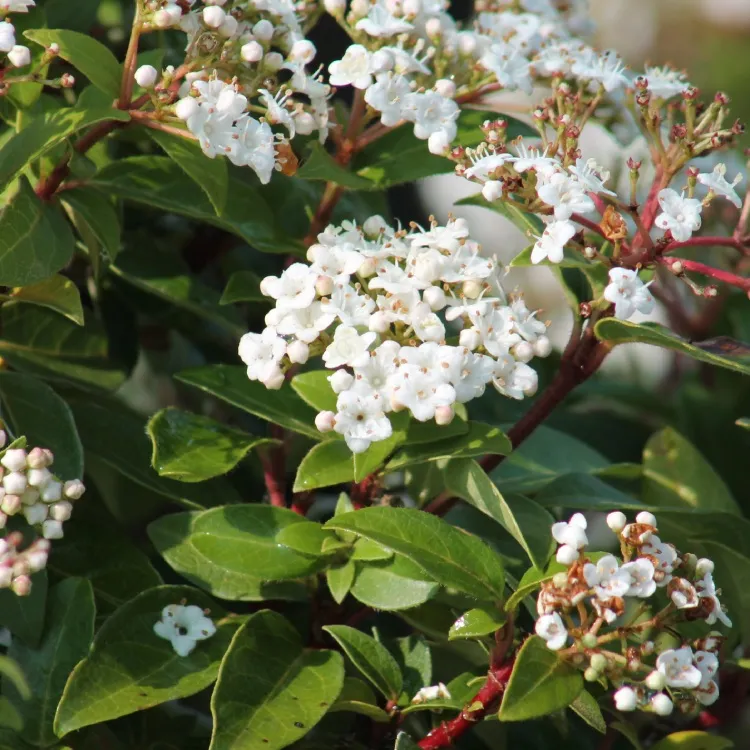
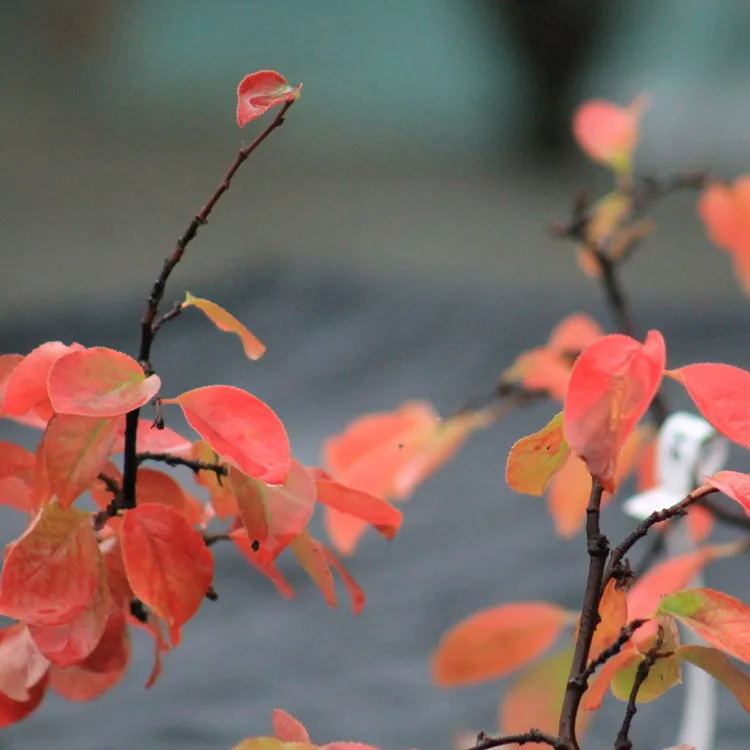
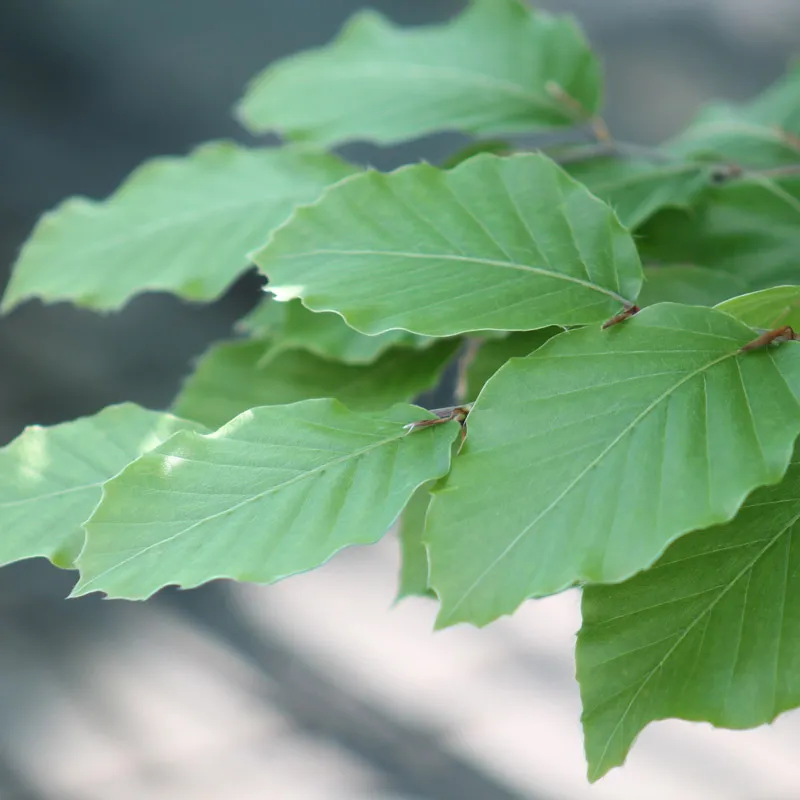
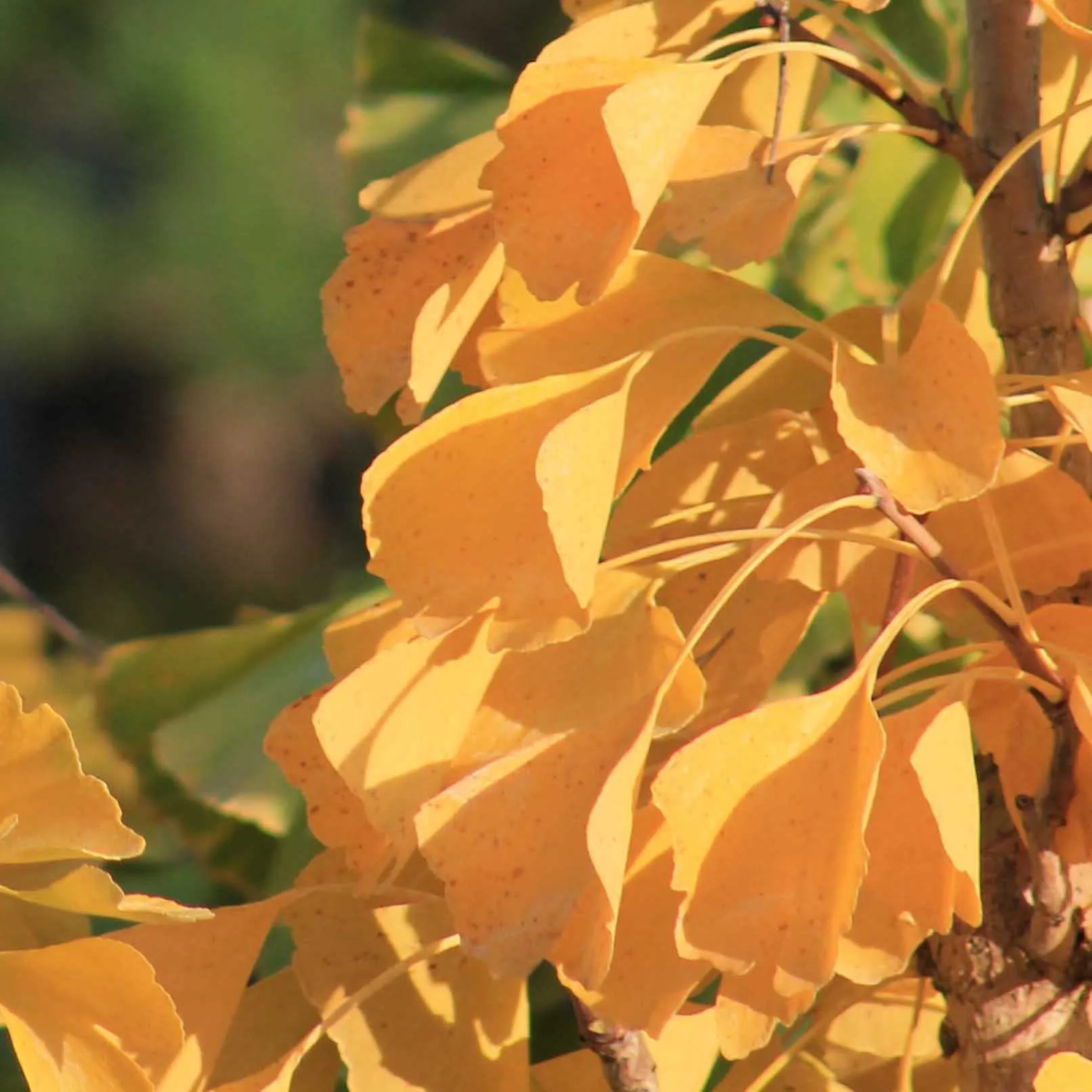
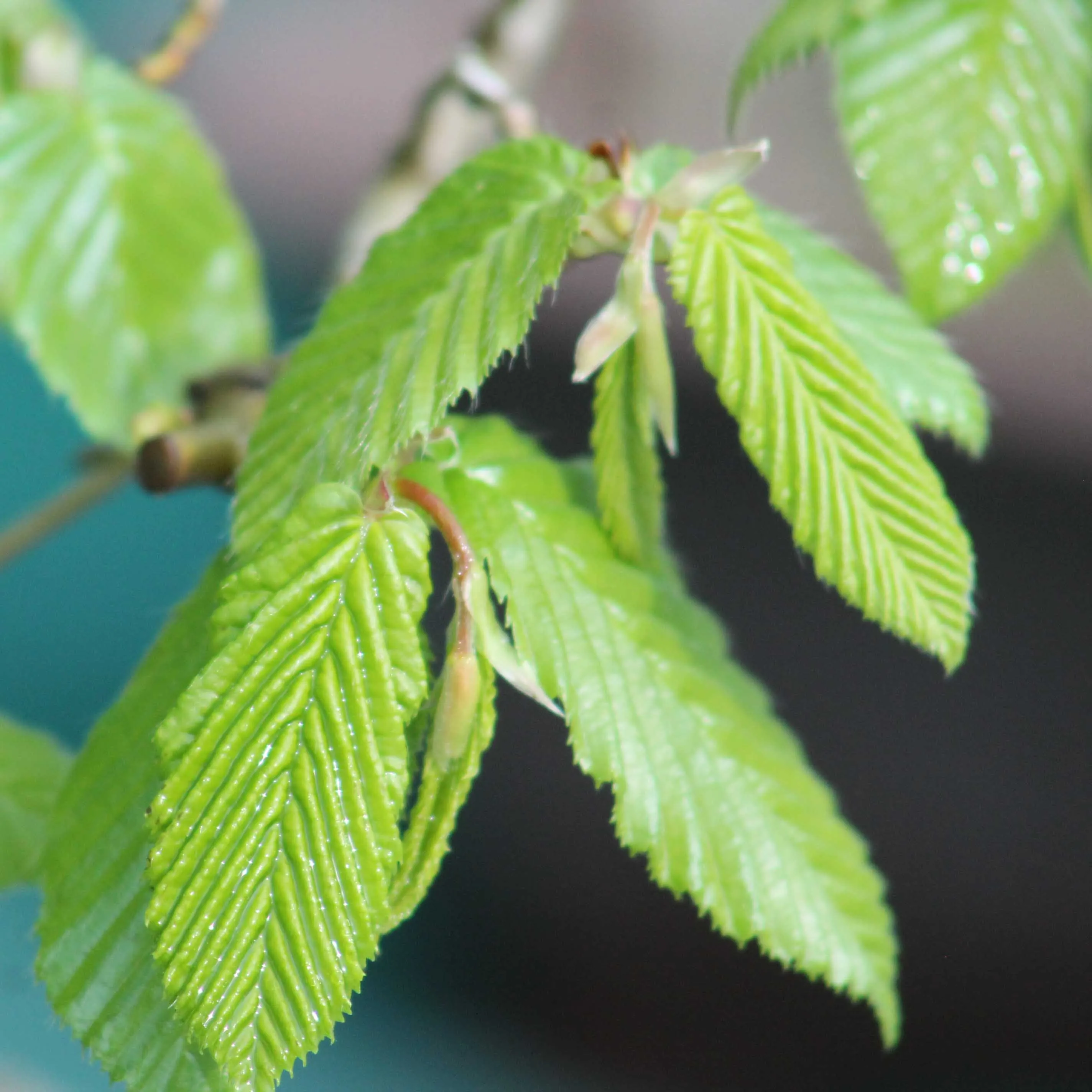
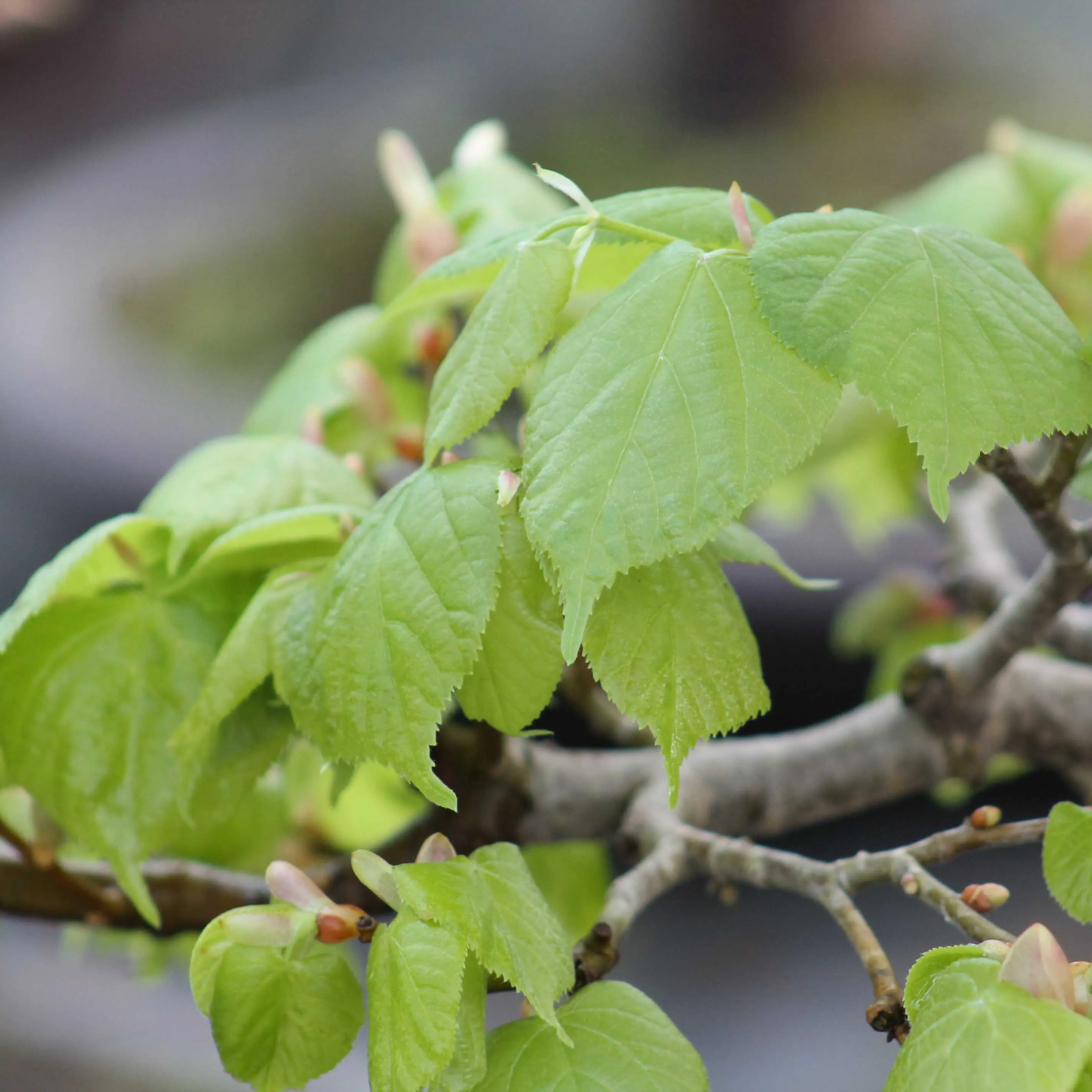
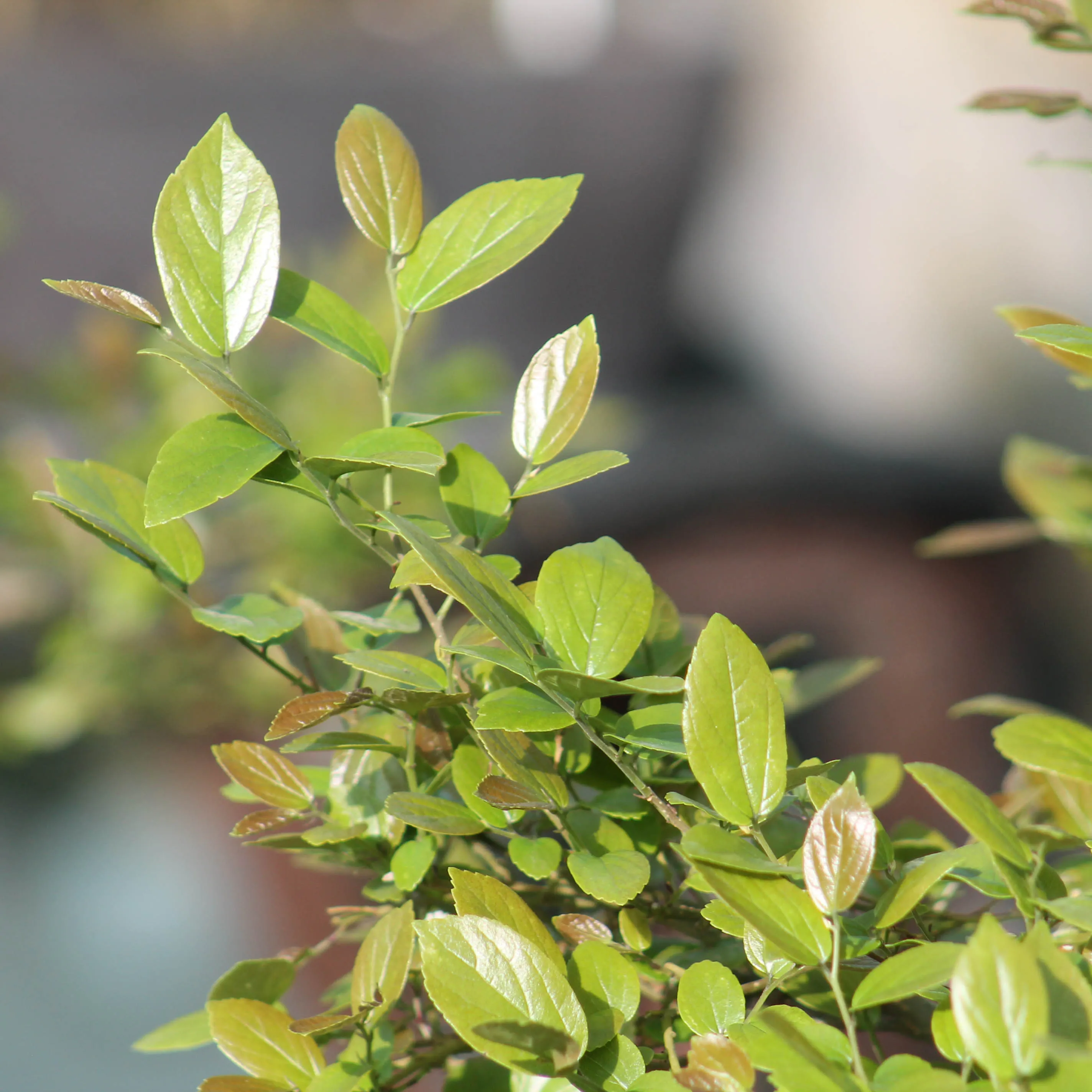
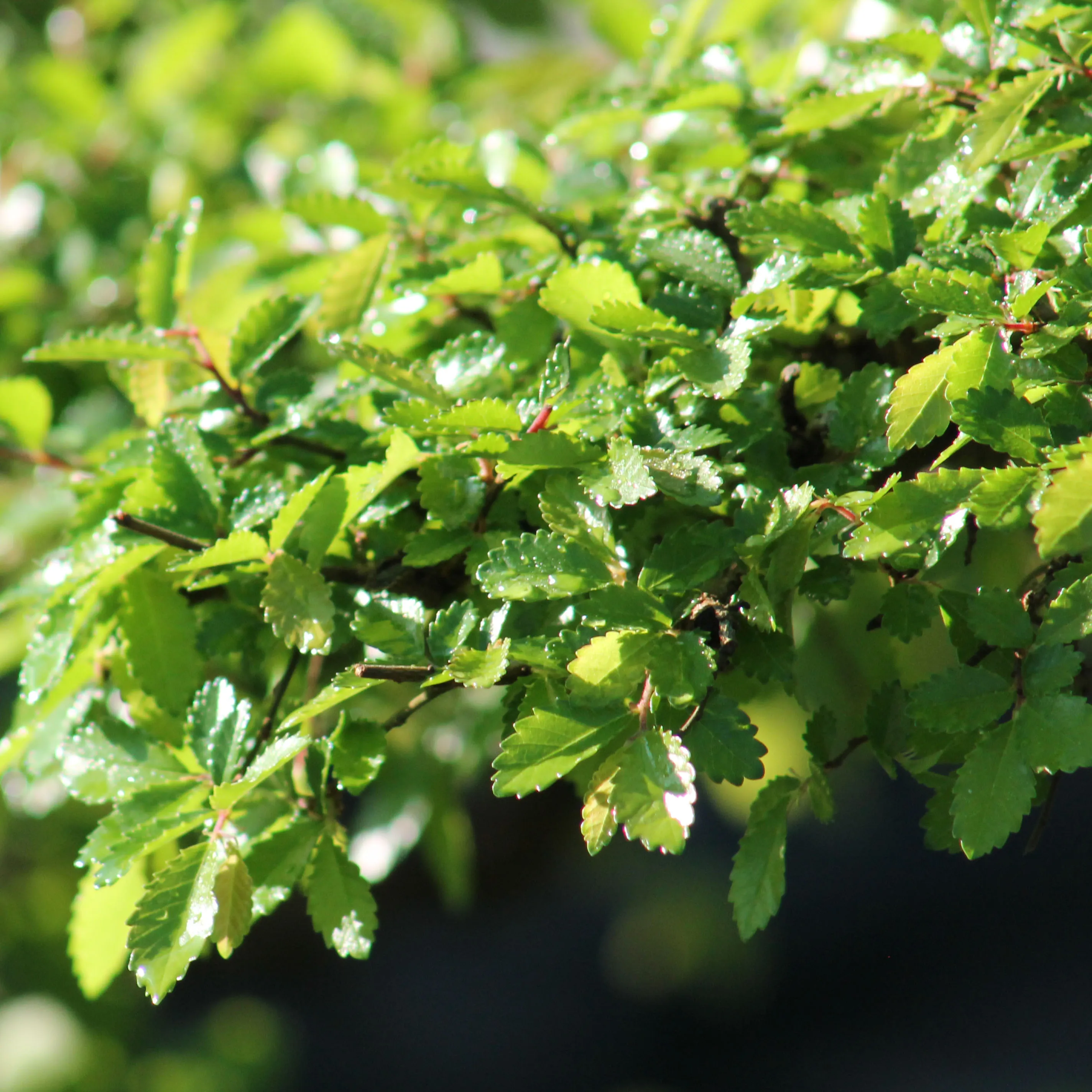
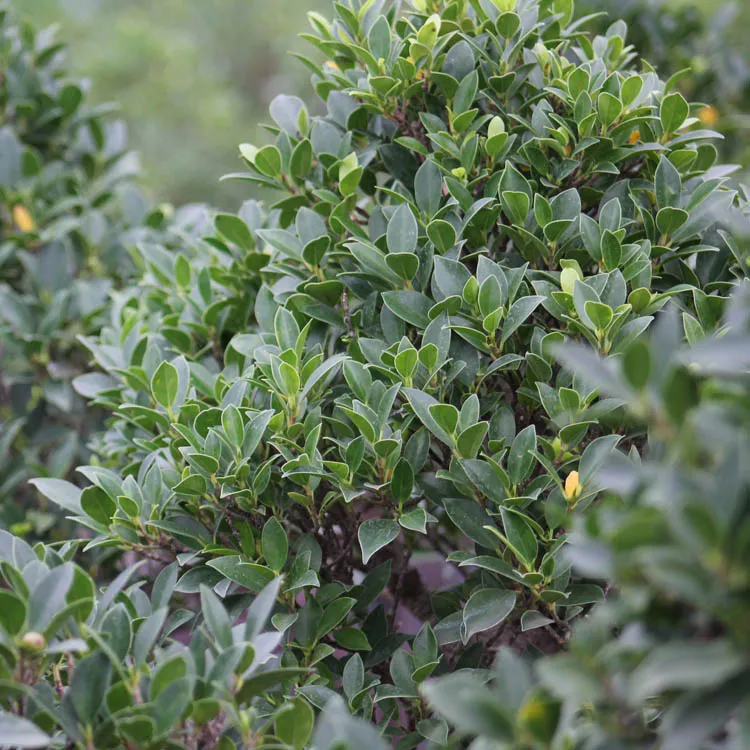
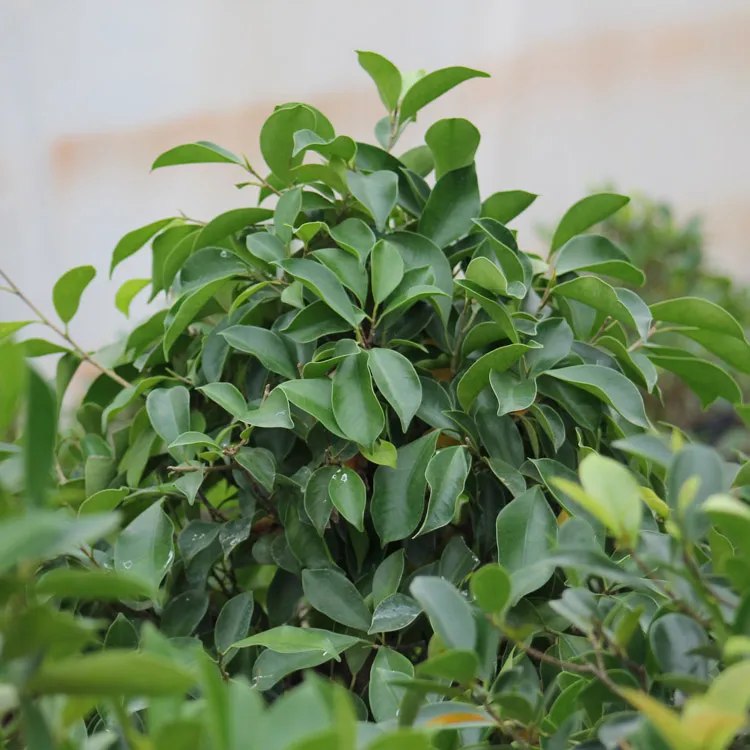
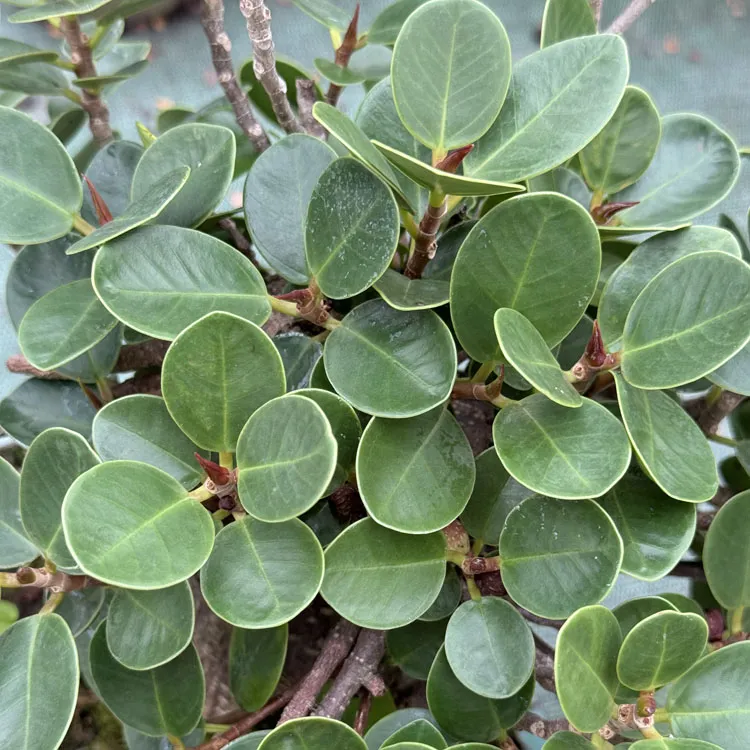
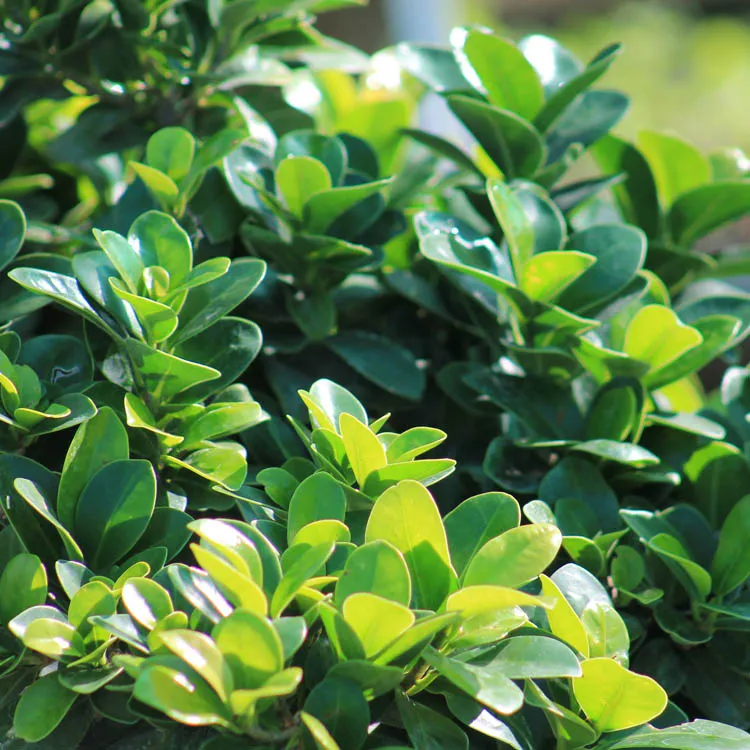
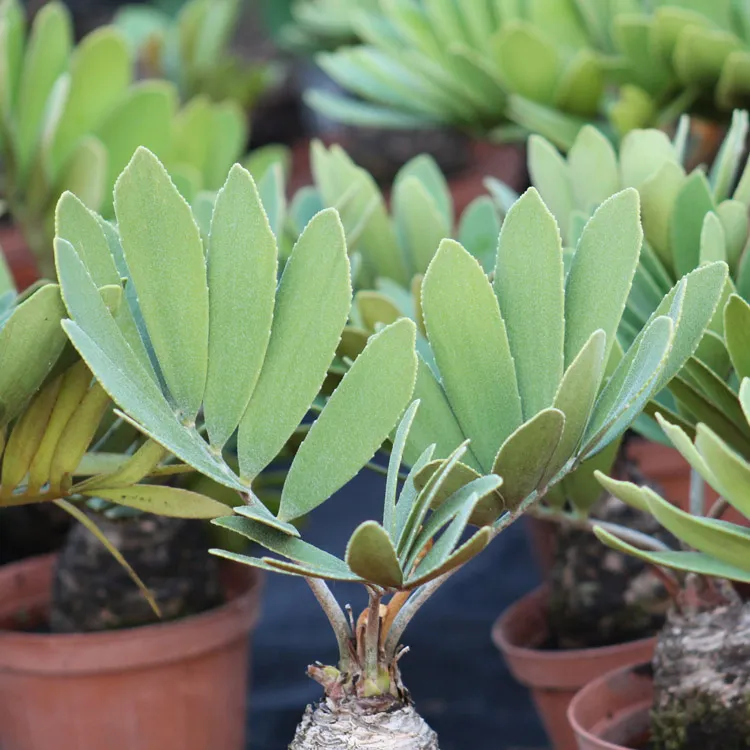
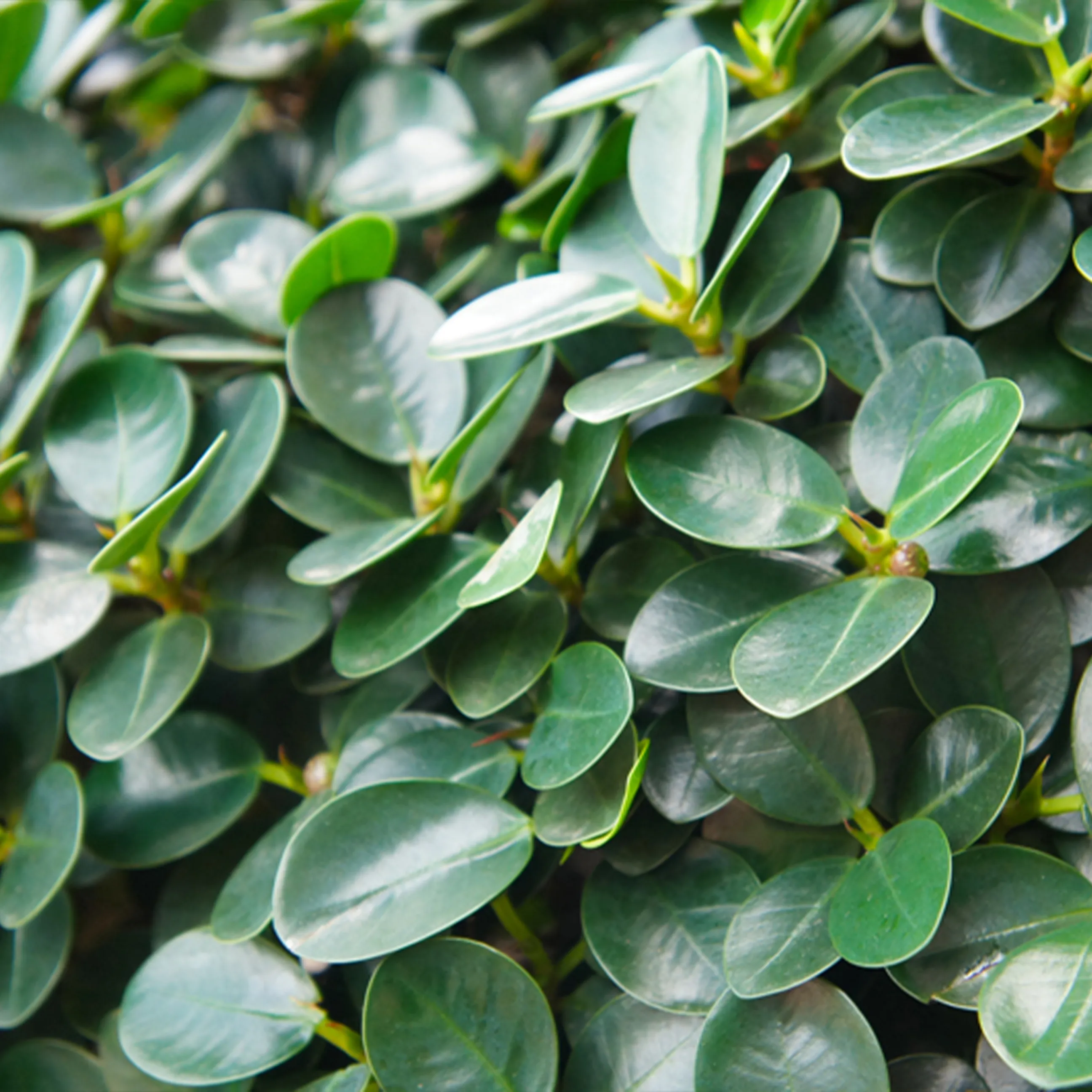
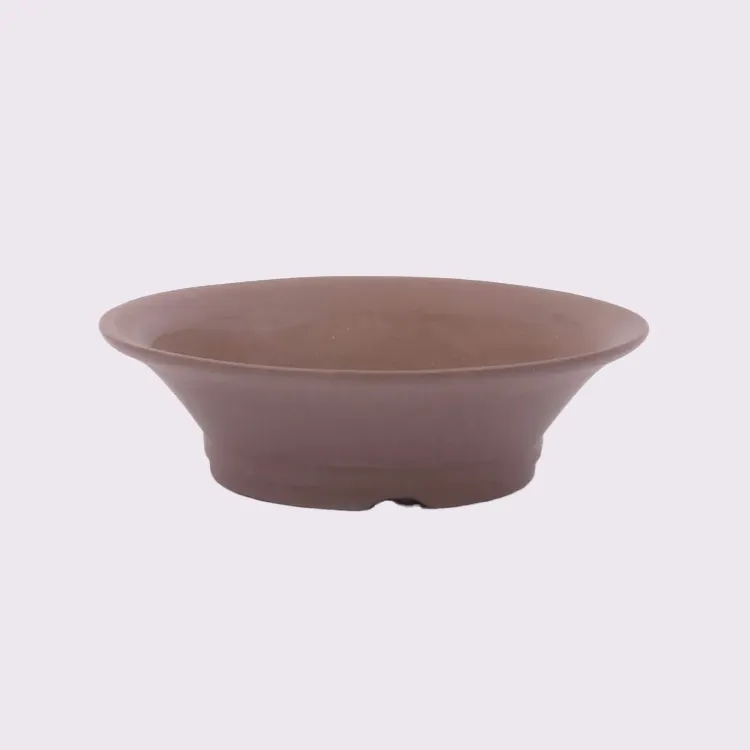
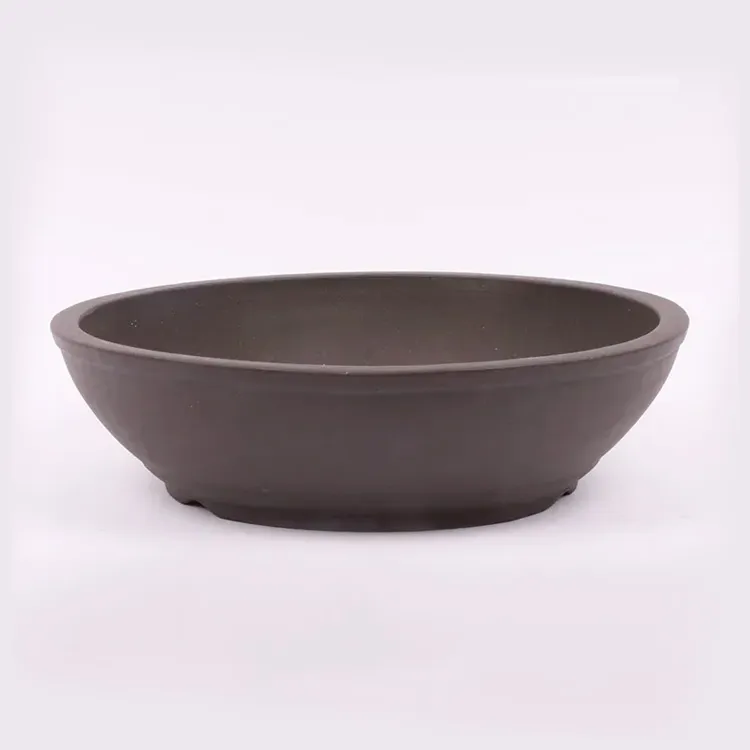
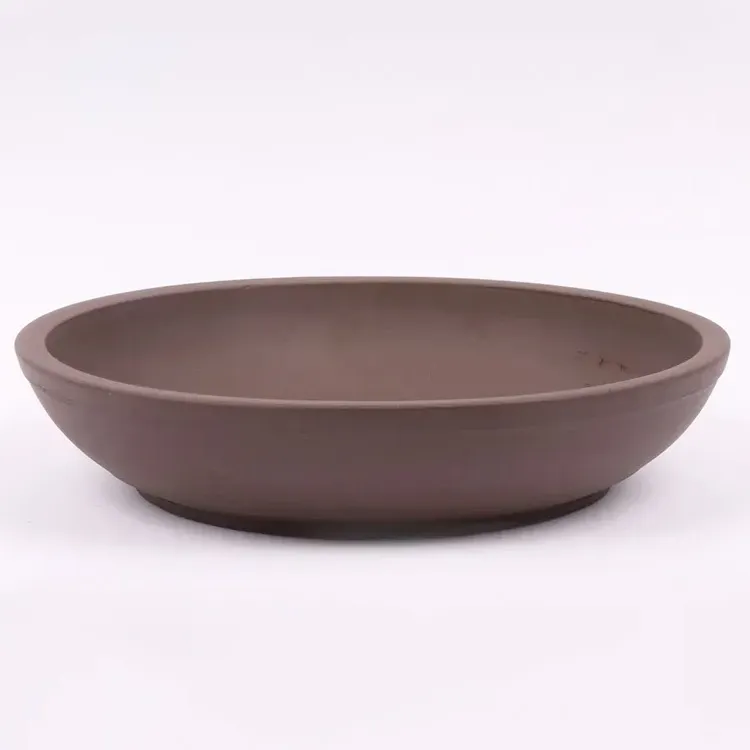
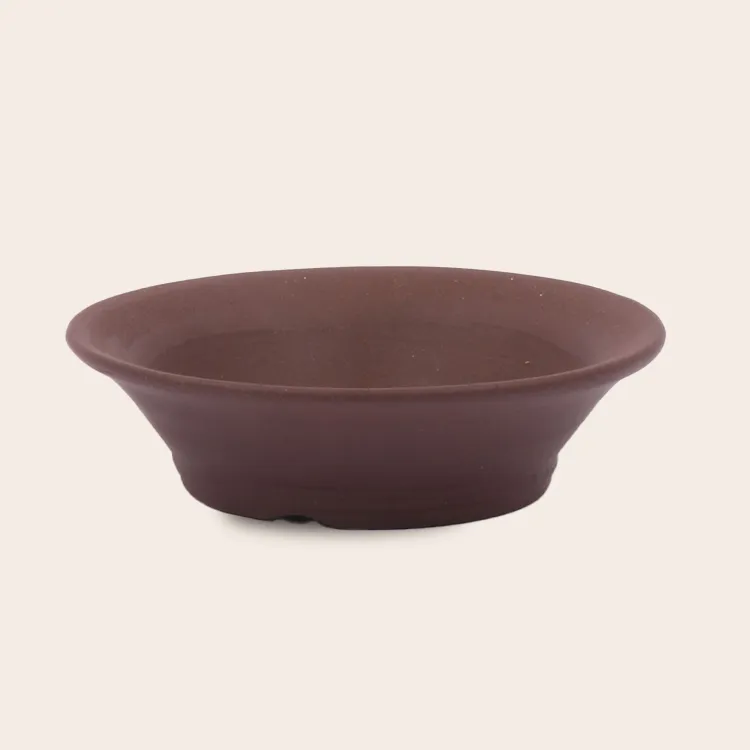
Choose an outdoor location from spring to fall and indoors in winter. Make sure it gets plenty of sunlight. In case of a heat wave and scorching sun, place it well in the shade so as not to damage it. In winter, place it in a bright room (not too heated), conservatory or cold greenhouse (between 15°C and 26°C). Indeed, zamia comes from warm and humid areas such as tropical or subtropical savannahs. Avoid exposing it to a temperature below 10°C.
Bloc lien header
 English
en
English
en
Bonsai
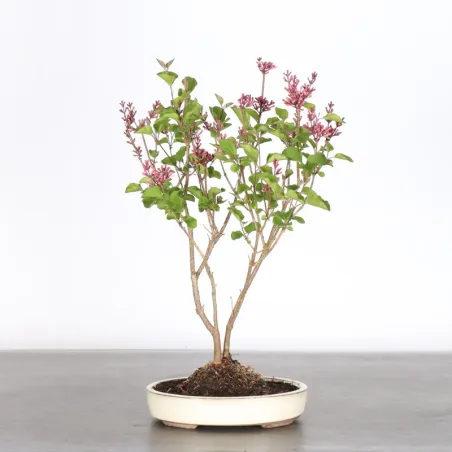
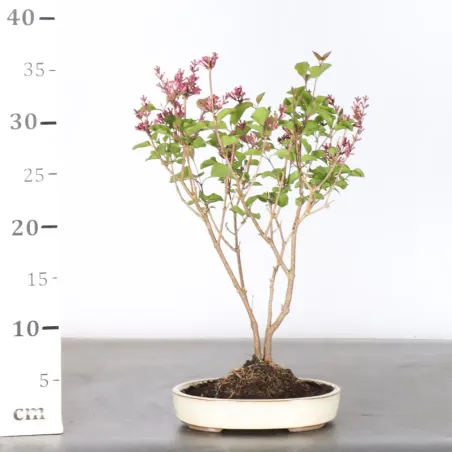
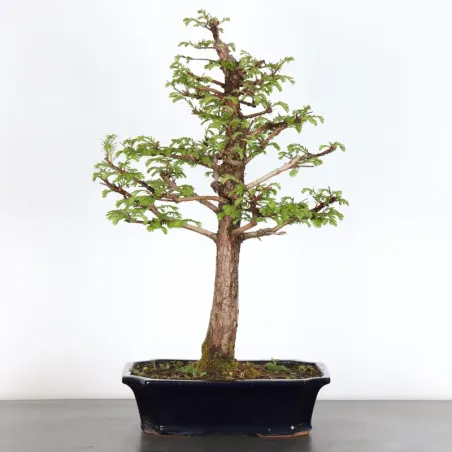
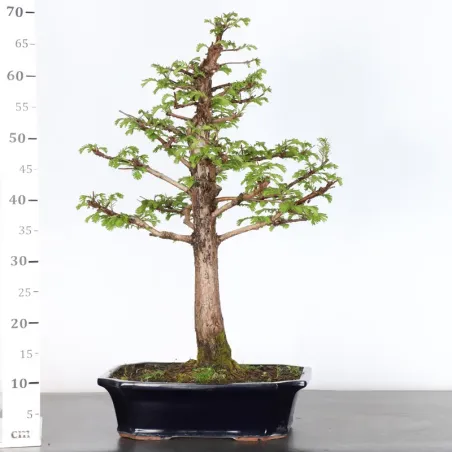
Zamia 1-5
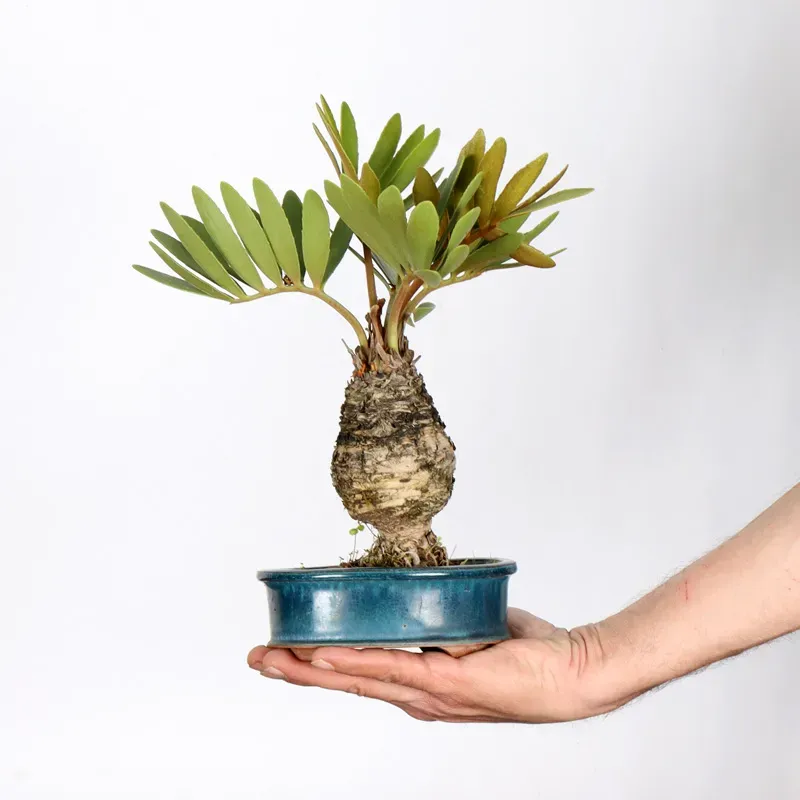
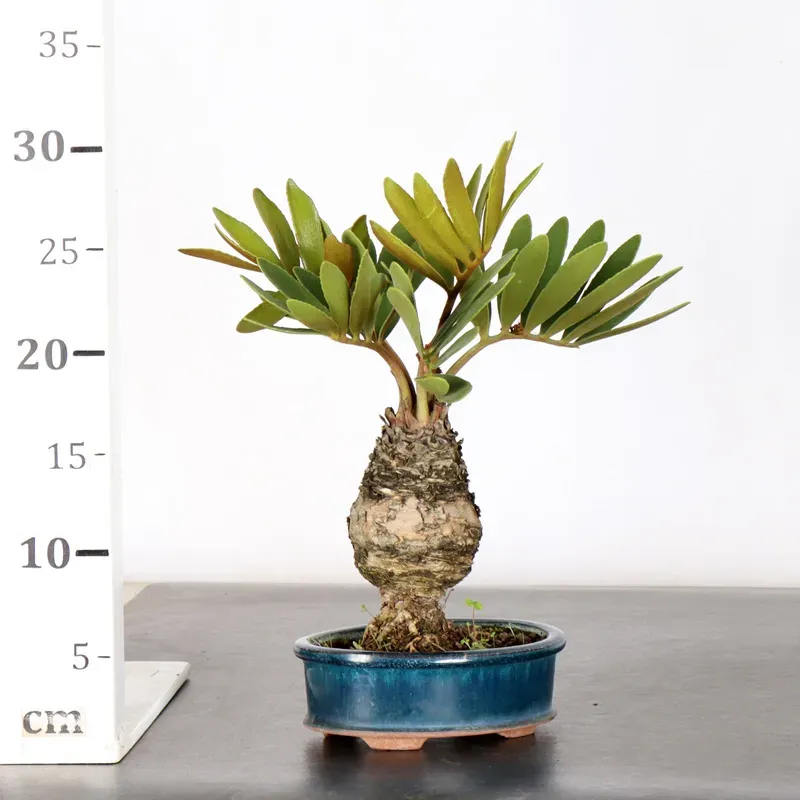
Data sheet
The Zamia, "Zamioculcas zamiifolia", is an evergreen shrub with hairy, tough, green leaves. It is widely used as a houseplant, in greenhouses or conservatories. The Zamia is native to Mexico, to the warm, sandy coastal plains. Americans call it the "Cardboard palm." It does not produce flowers but cones. It is dioecious, meaning that it produces female cones with red seeds and male cones on separate plants.
- Photos taken in April 2026
Waist
30 cm
Location
Inside in winter
Age
20 years
Foliage
Persistent
Height
Entre 25 et 40 cm
More information
Origin:
The zamia is native to Mexico, from the warm sandy coastal plains. The Americans call it the "Cardboard palm". It is an evergreen, hairy, hard, green shrub. The pinnate leaves may be toothed on top. Arranged in a wreath, they are similar to palm and fern leaves. It does not produce flowers but cones. It is dioecious, meaning that it produces female cones with red seeds and male cones on separate plants.
Related articles on blog
Share
Cultivation Advice