Bonsai
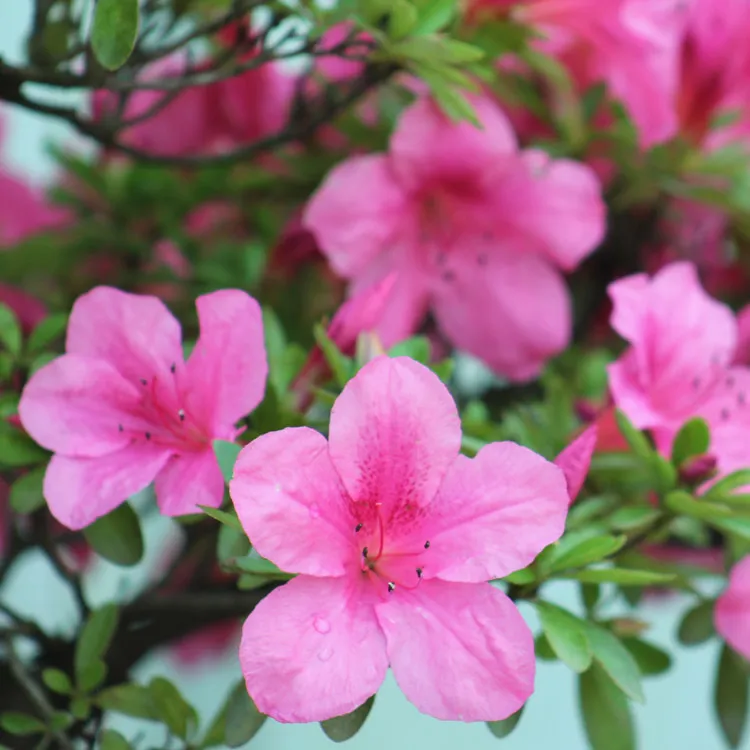
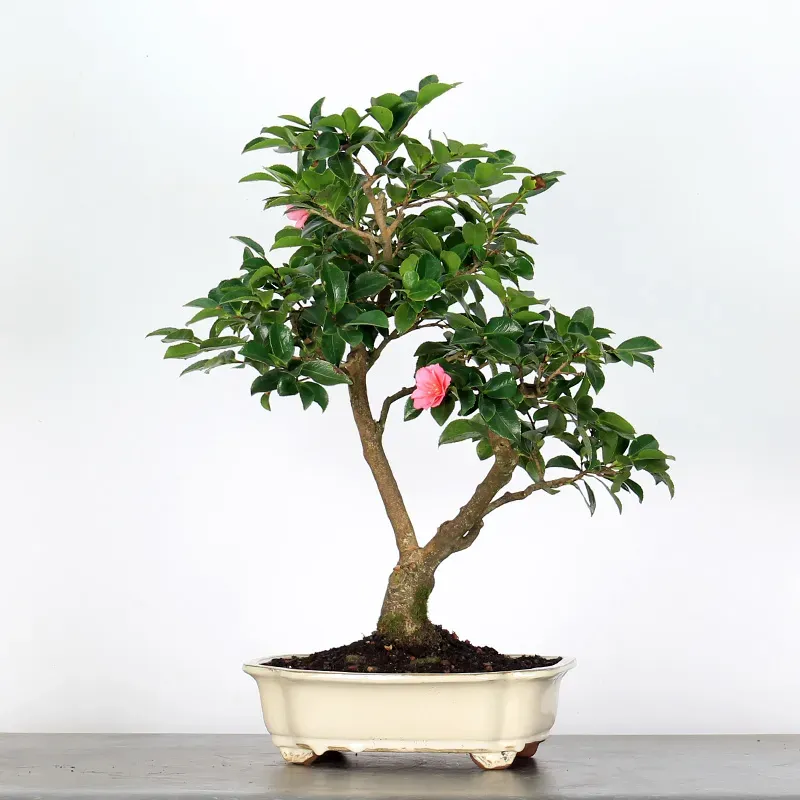
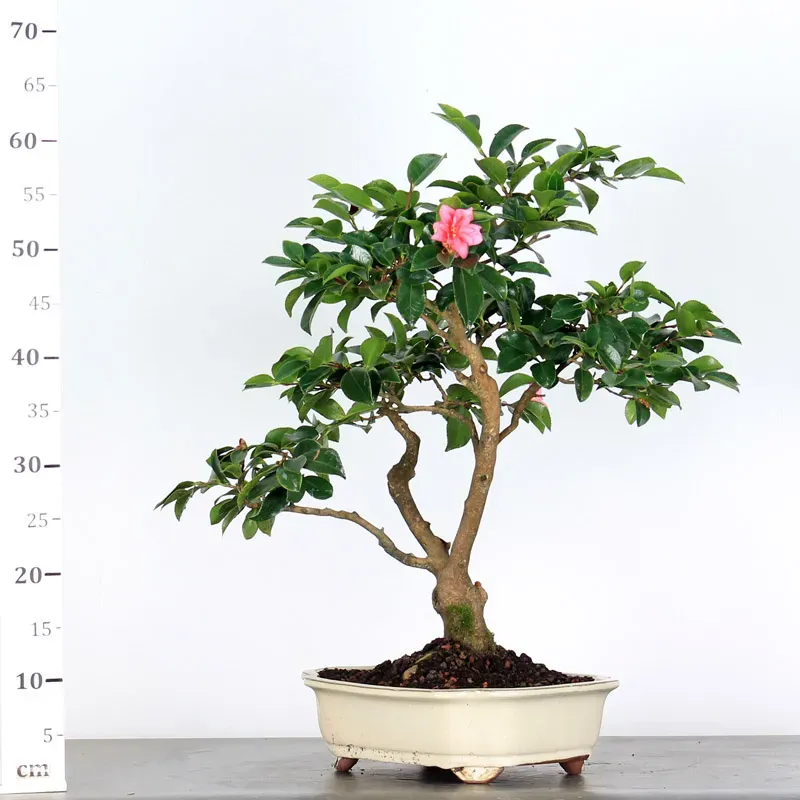
Autumn camellia "sasanqua" 1-9

  • New
€320.00 TTC
Data sheet

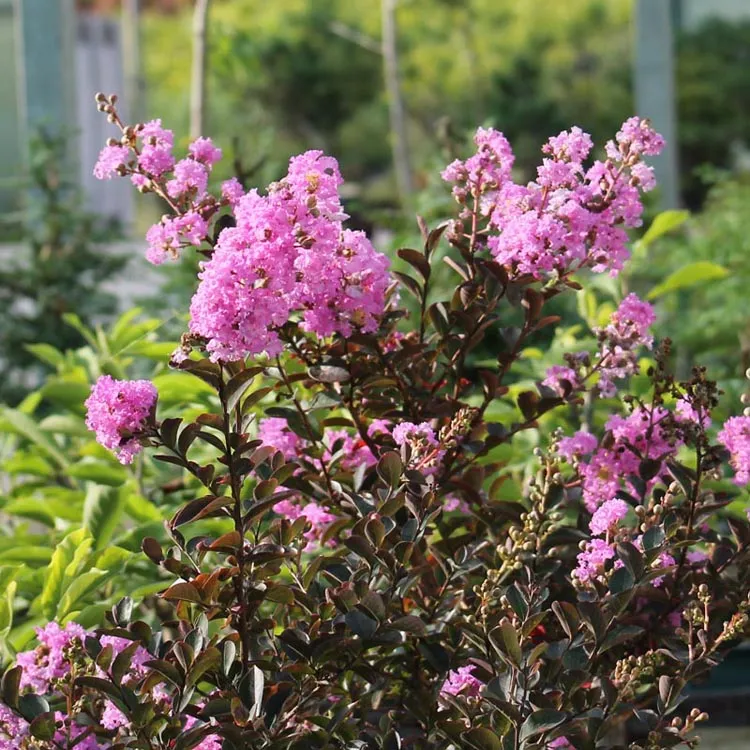
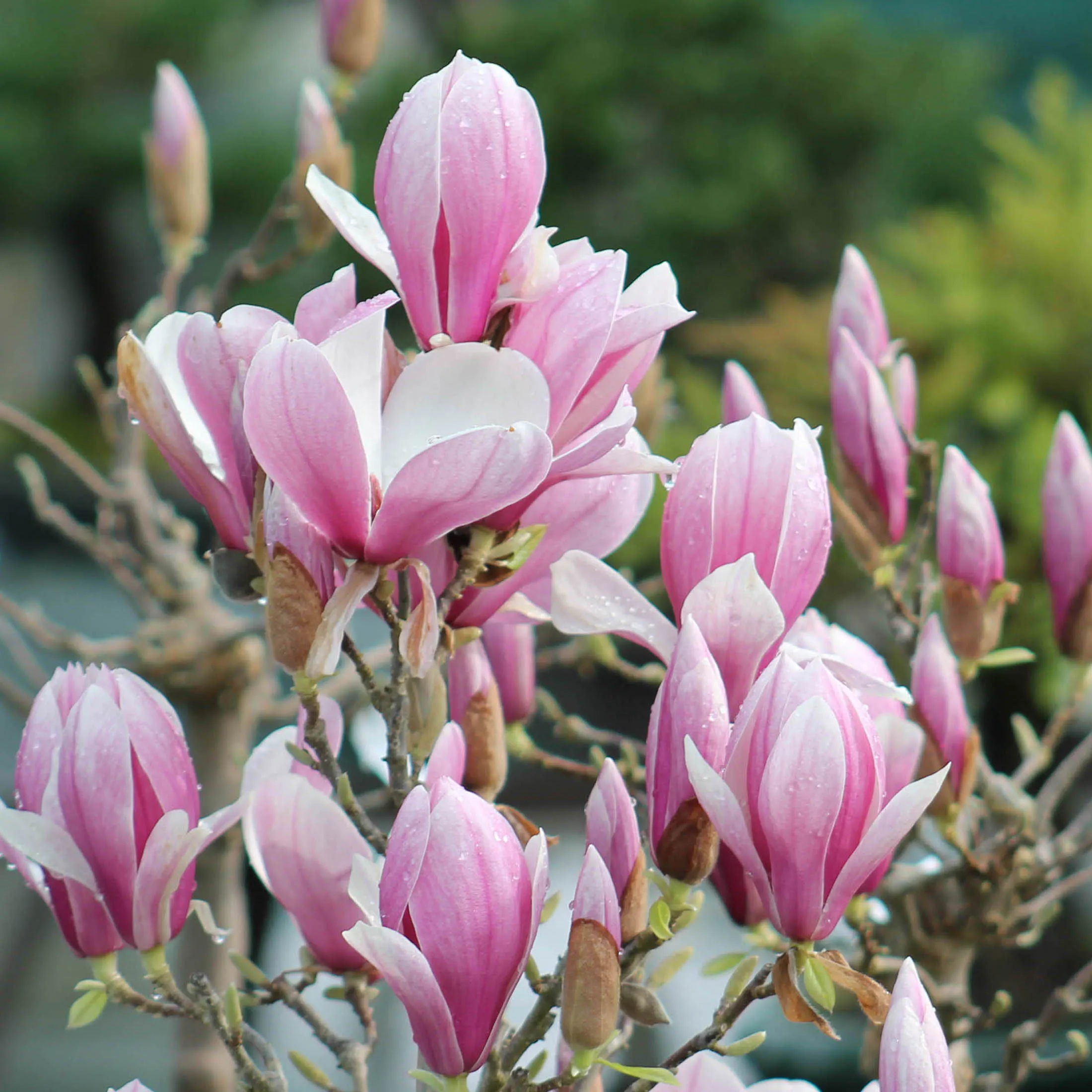
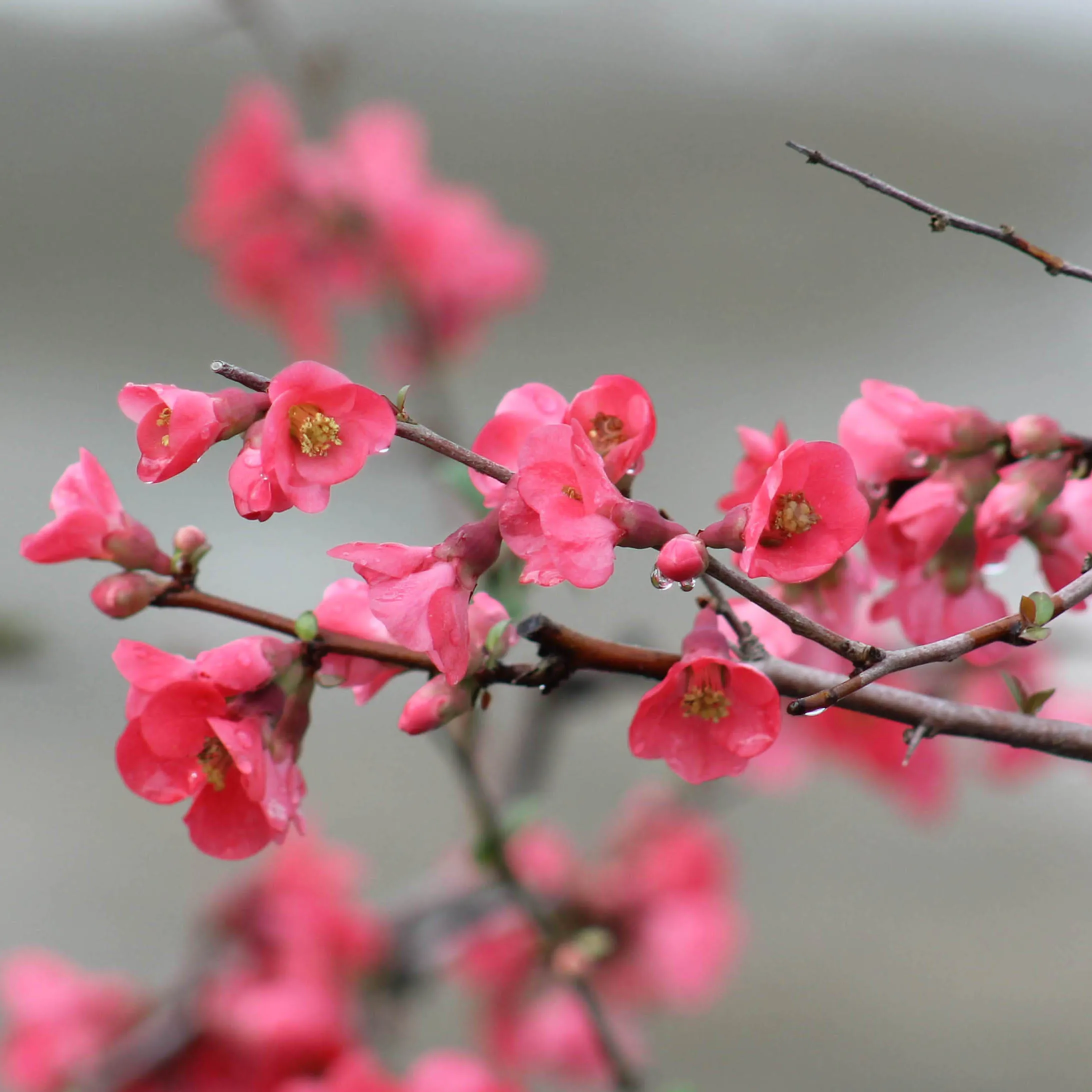
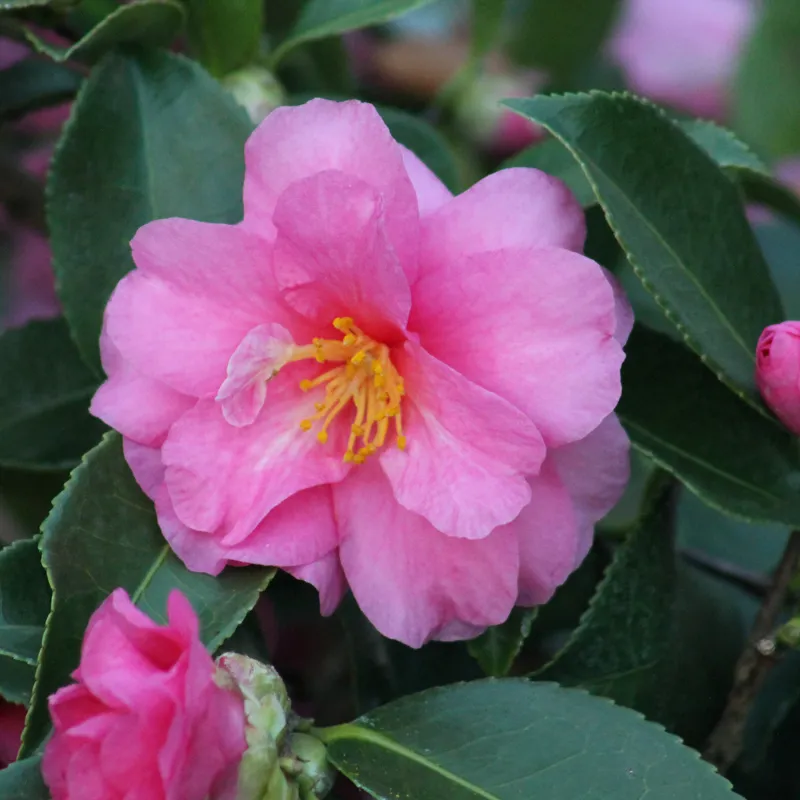
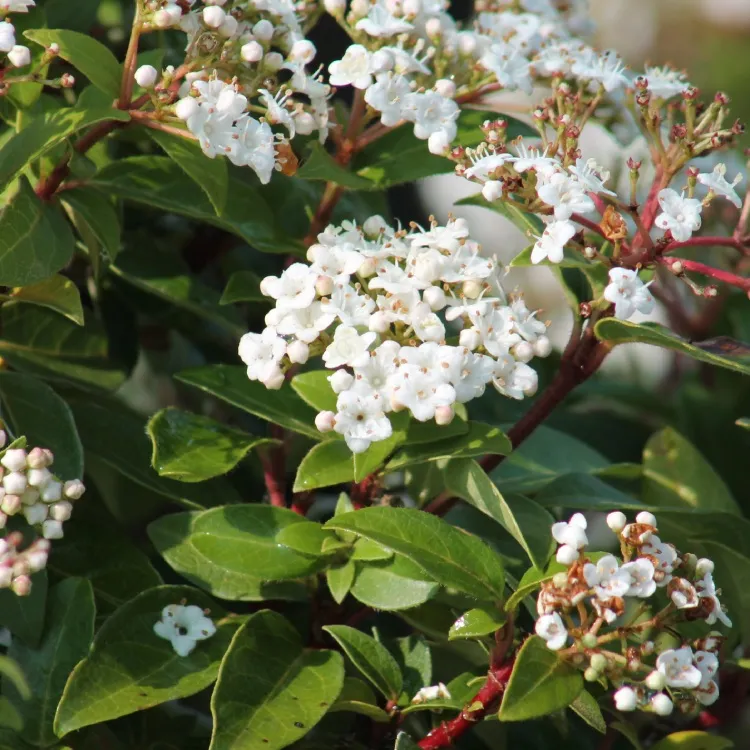
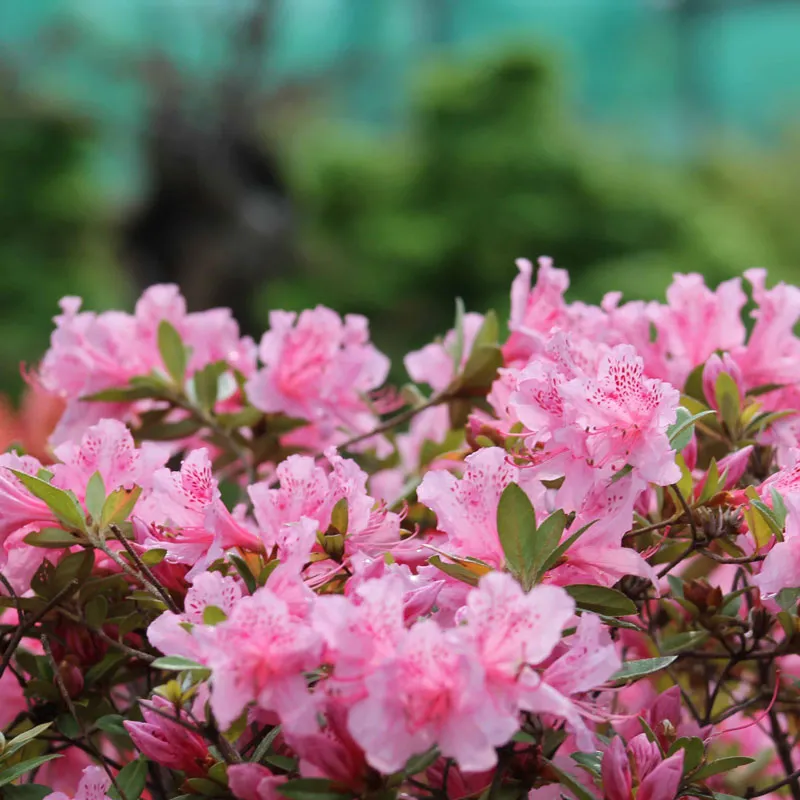
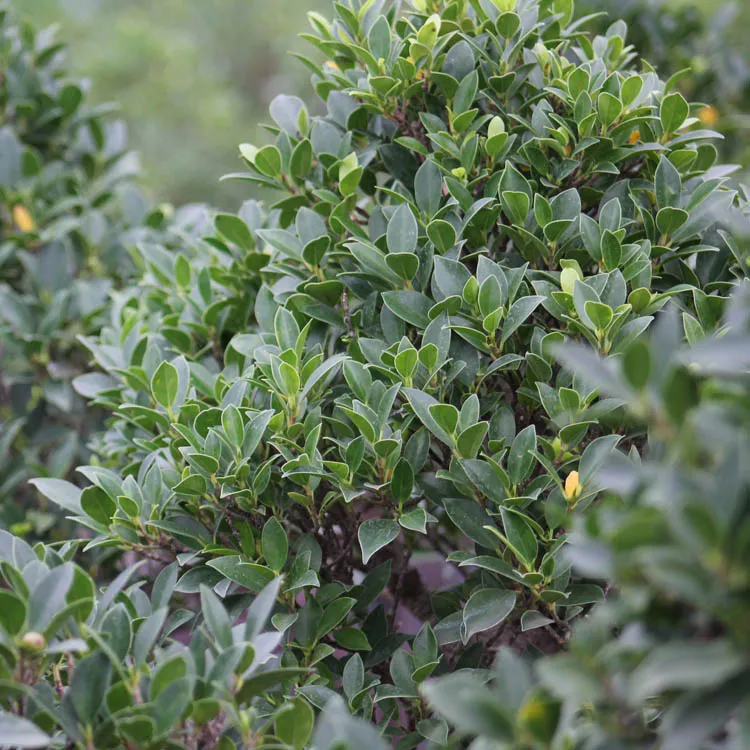
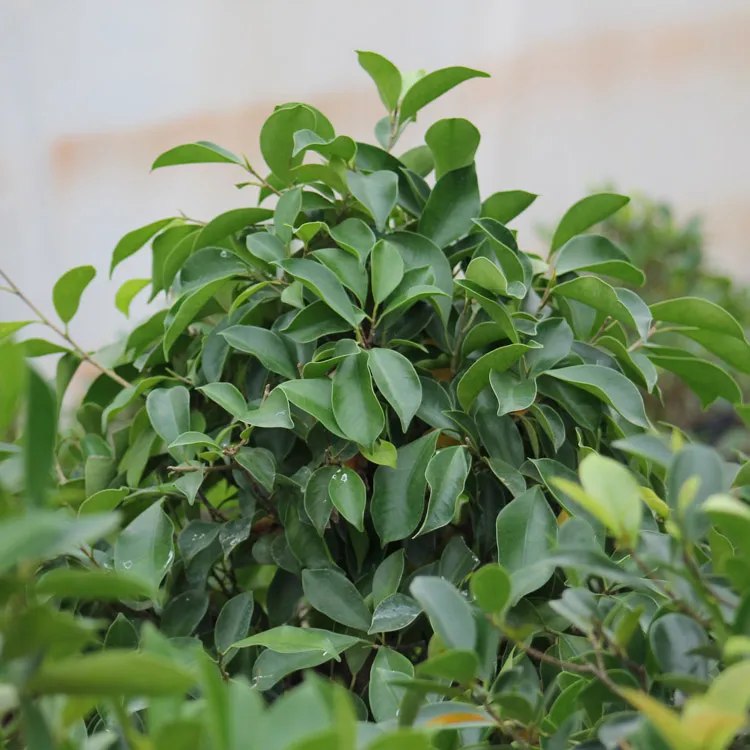
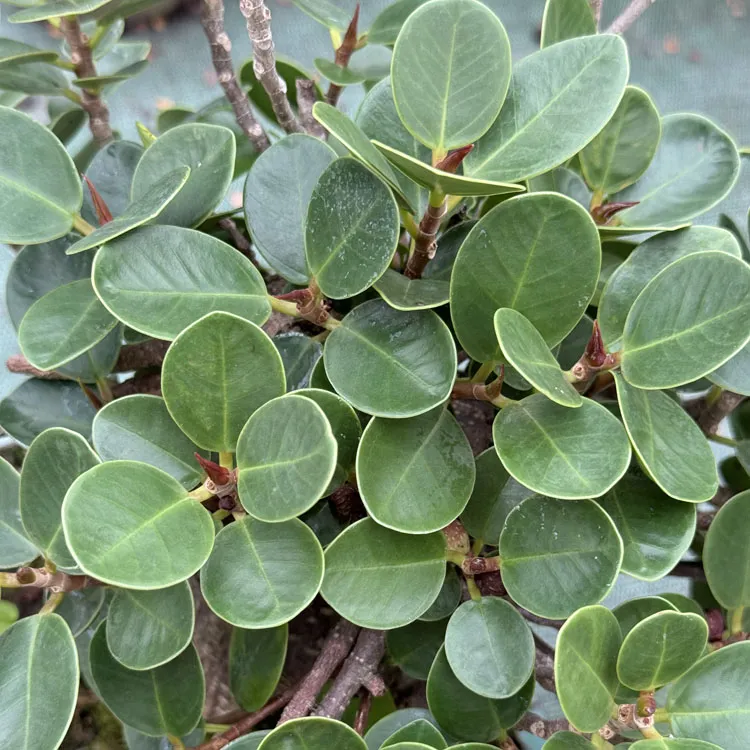
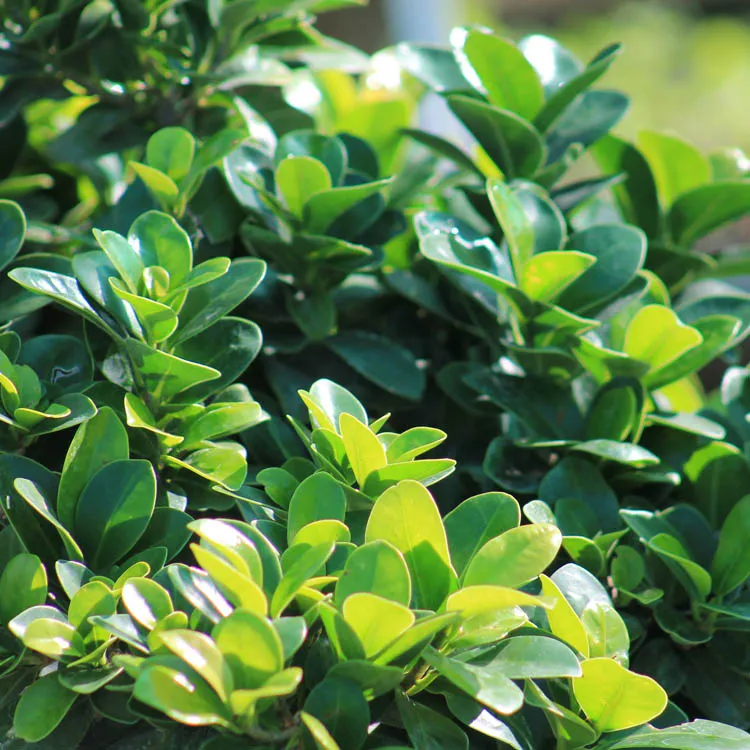
The Autumn Camellia blooms early and long, from October to February. The shrub, healthy and vigorous, offers flowers, single to semi-double, of a beautiful bright raspberry pink, enhanced by a heart of golden stamens.

  • Photos taken in february 2026
Waist 65 cm
Location Outside but to protect from the freeze
Age 25 years
Foliage Persistent
Height Entre 40 et 80 cm

Download

Share
Cultivation Advice

Preferring warm climates and sheltered from drafts, place it outdoors from spring to autumn in a partially shaded spot where it can benefit from the morning or late afternoon sun. This species does not tolerate high temperatures or a lack of humidity.

In winter, it cannot tolerate temperatures below 0°C for extended periods, so it must be protected from frost by placing it in a cool greenhouse or a cool, bright room.
Camellias have surface-feeding roots. The soil should therefore never dry out. During warm periods and periods of active growth, it should be watered frequently, once or twice a day. However, overwatering can cause the soil to become waterlogged, especially during cooler periods. Be mindful of watering during the winter months, as it does not lose its leaves.

How to do it? Water your camellia regularly, allowing the soil to dry slightly between waterings to avoid overwatering. Water until the roots are fully submerged; the water will drain through the drainage holes in the bottom of the pot. Avoid placing a saucer or container under the pot, as this will cause stagnant water and can lead to root rot. (Too much water = asphyxiation).

Its roots grow quickly. Repot it every two or three years, in early spring, just after flowering. Be careful when pruning the roots, as this variety does not tolerate root loss well.

Substrate used in our nursery: Potting soil composed of black peat, blonde peat, recycled organic matter, topsoil, horse manure, pozzolana, etc. You can adapt your substrate by creating a more free-draining mix with akadama, pumice, pozzolana, etc., without disturbing the entire root ball!

Remove faded flowers and prune after flowering, if necessary, to give a nice, balanced shape.

In our nursery, we use a blue tomato/flower fertilizer with an NPK ratio of 12-12-17. Apply a handful (small or large depending on the pot size) to the substrate from spring, May to October, every two months, alternating between chemical and organic fertilizers.