

 Production of French Bonsai
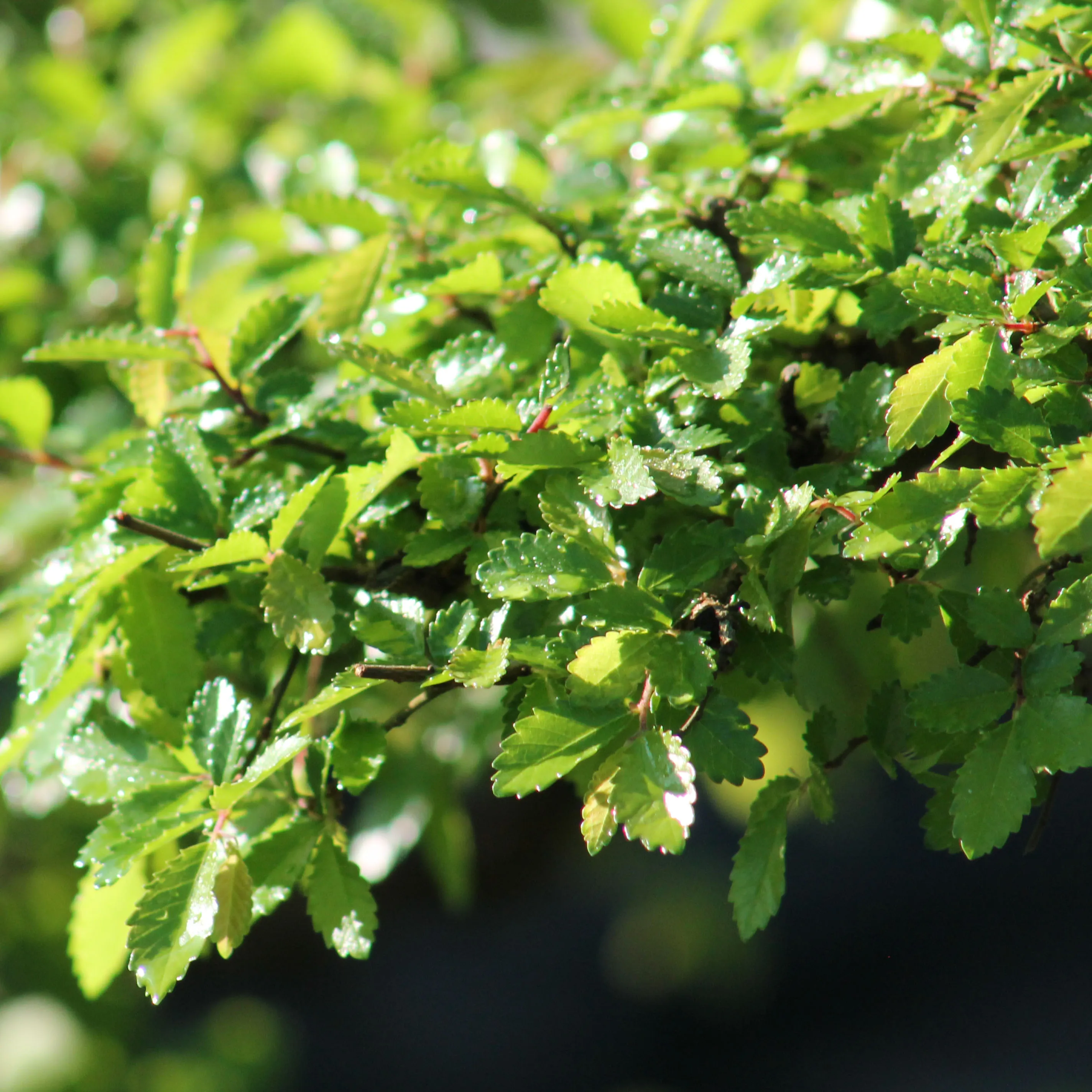
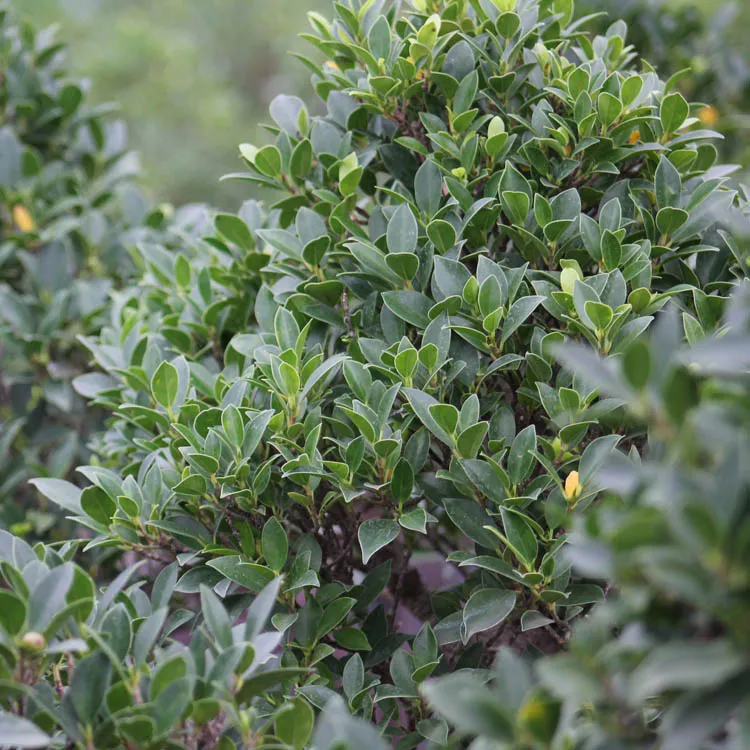
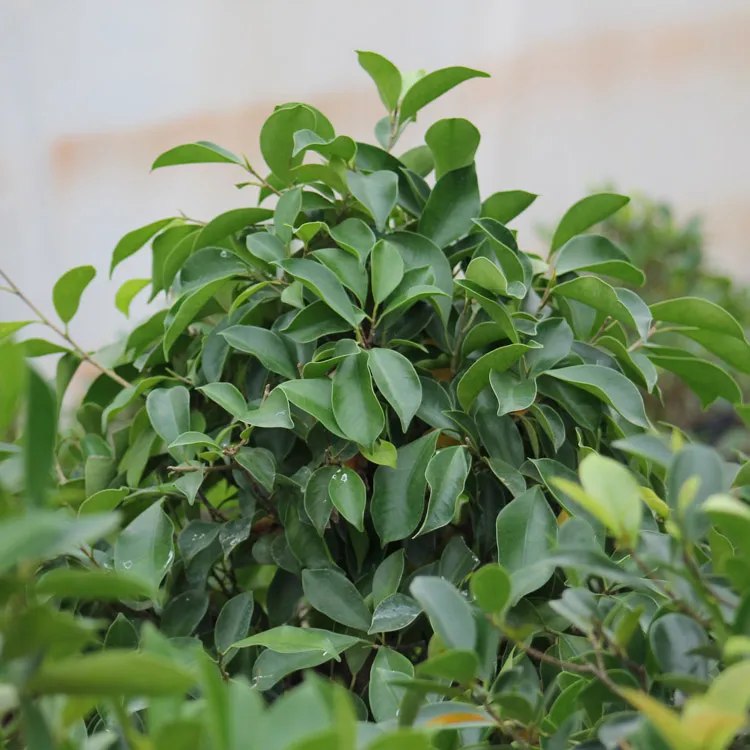
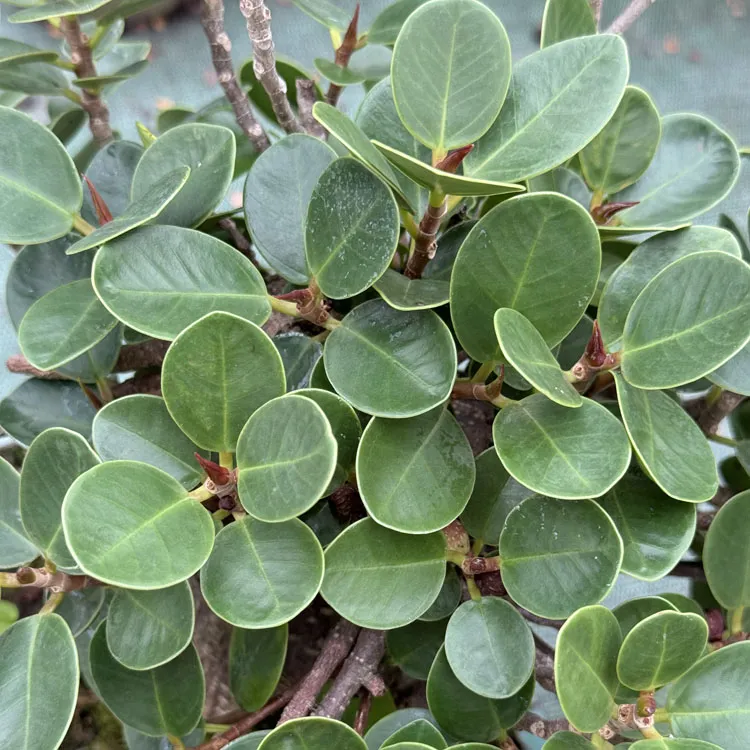
Kojo-no-Mai Japanese Cherry Bonsai: a floral spectacle
When one thinks of Japan, images of cherry blossoms immediately come to mind. These iconic trees symbolize the fleeting beauty of nature and the arrival of spring. Good news for bonsai enthusiasts: it is possible to experience this magic on a smaller scale with the 'Kojo-no-Mai' Japanese cherry bonsai.
Prized for its abundant blossoms, naturally twisted branches, and ease of cultivation, *Prunus* 'Kojo-no-Mai' has become one of the most sought-after Japanese cherry varieties in the bonsai world. Discover why this variety captivates enthusiasts and learn how to care for it so you can enjoy its beauty all year round.
The Kojo-no-Mai : a Japanese cherry tree ideal for bonsai
Prunus 'Kojo-no-Mai' is a dwarf variety native to Japan. Its name literally translates to "dance of the little princess" a fitting moniker that perfectly captures the elegance of its twisting branches.
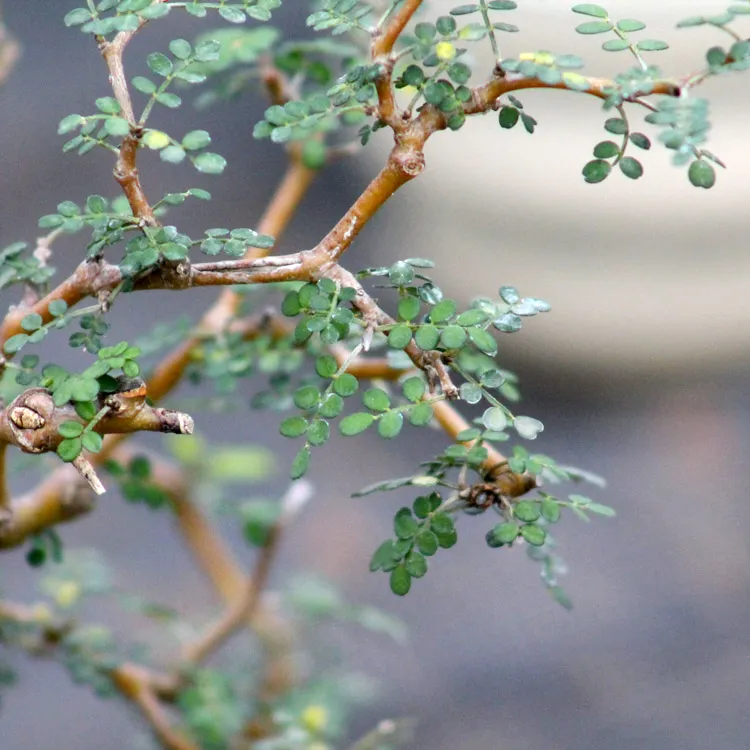
Unlike other trees that require years of shaping, 'Kojo-no-Mai' naturally develops a trunk and branching structure full of character. Each specimen possesses a unique personality, making it an excellent choice for both collectors and beginners.
Its key features include :
- Abundant spring blossoms.
- Naturally curved branches.
- Moderate, easily manageable growth.
- Excellent cold hardiness.
This tree constantly transforms with the changing seasons, offering year-round visual appeal.
A bloom that draws every eye
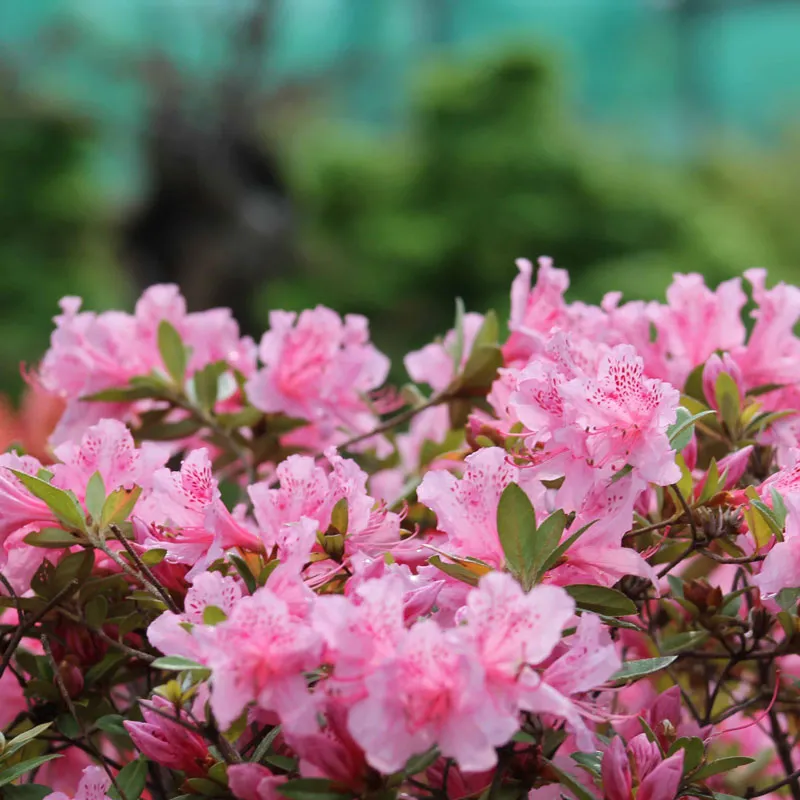
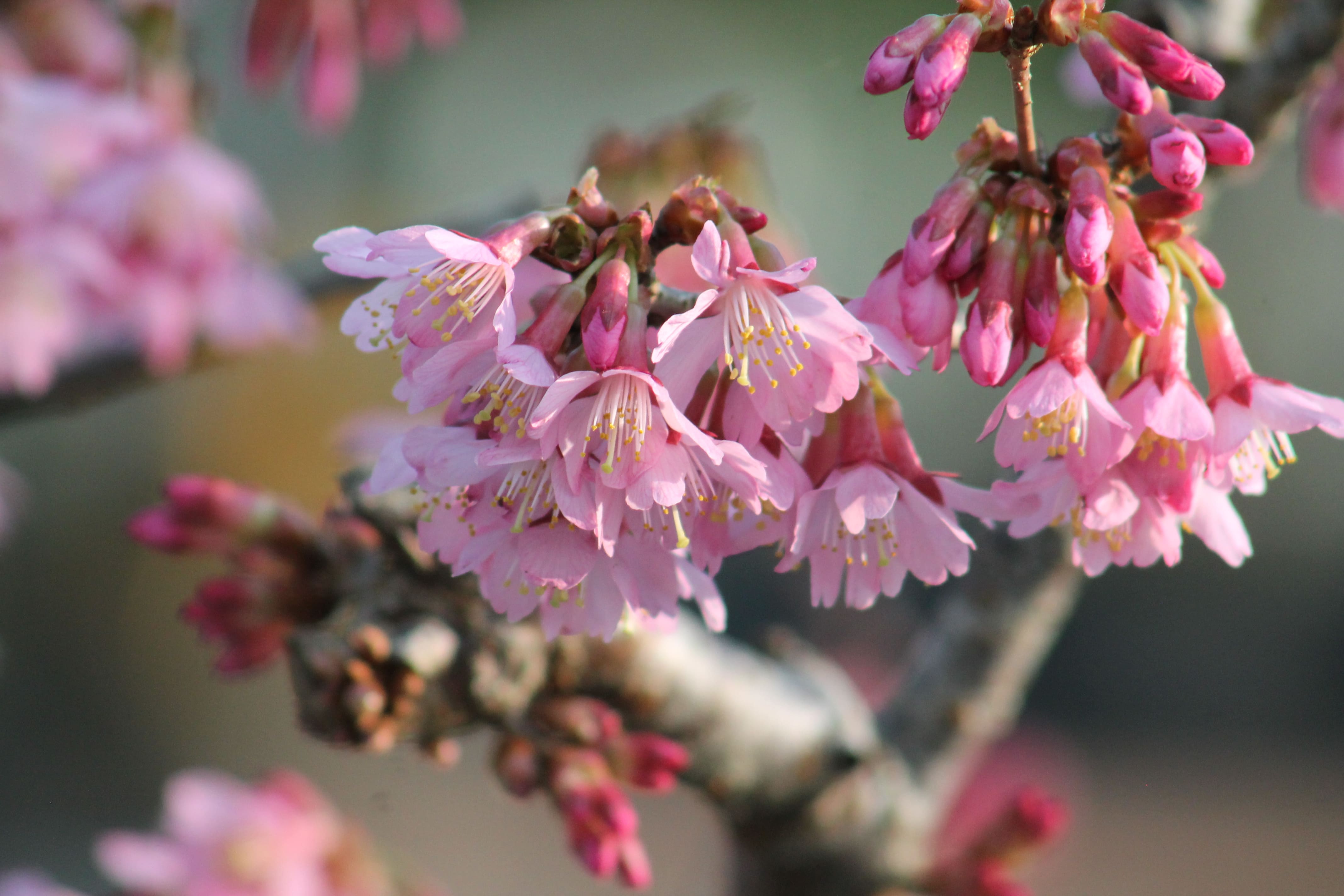
The main appeal of the Japanese cherry tree as a bonsai is, of course, its blossoms.
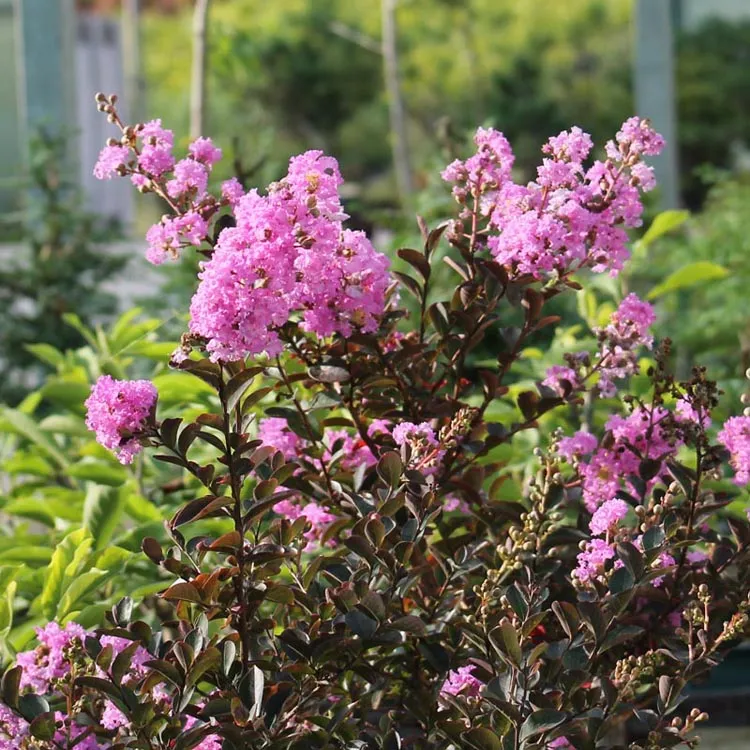
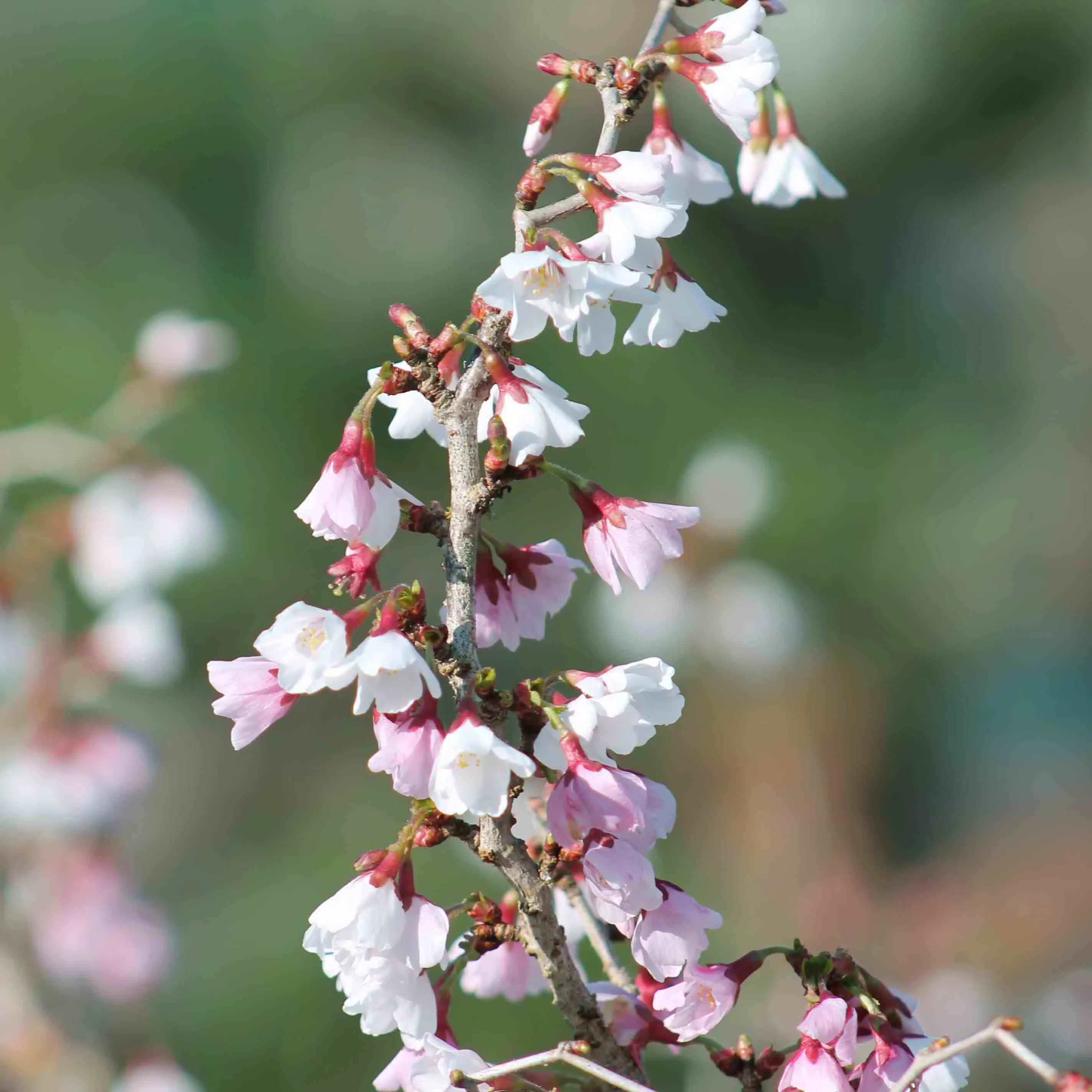
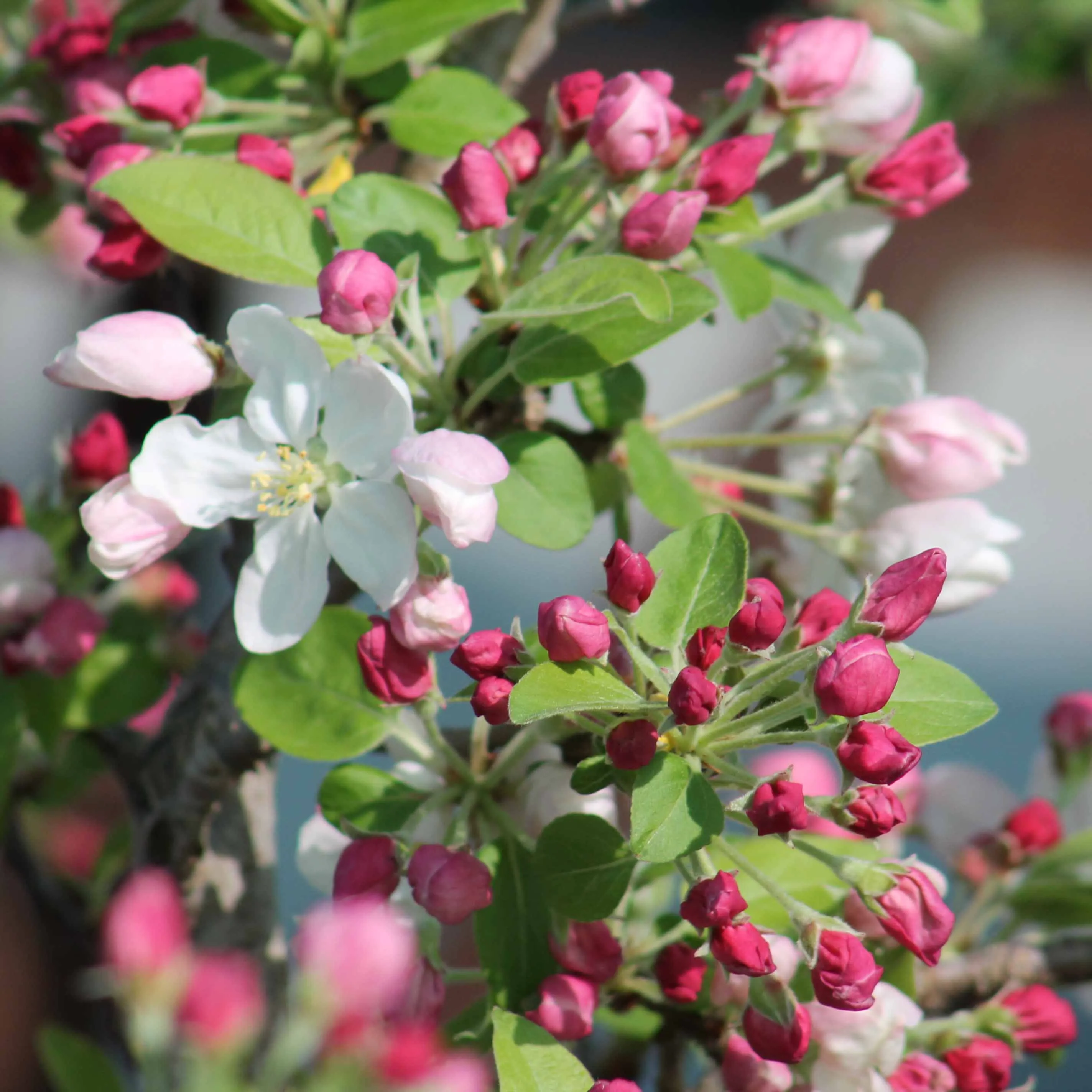
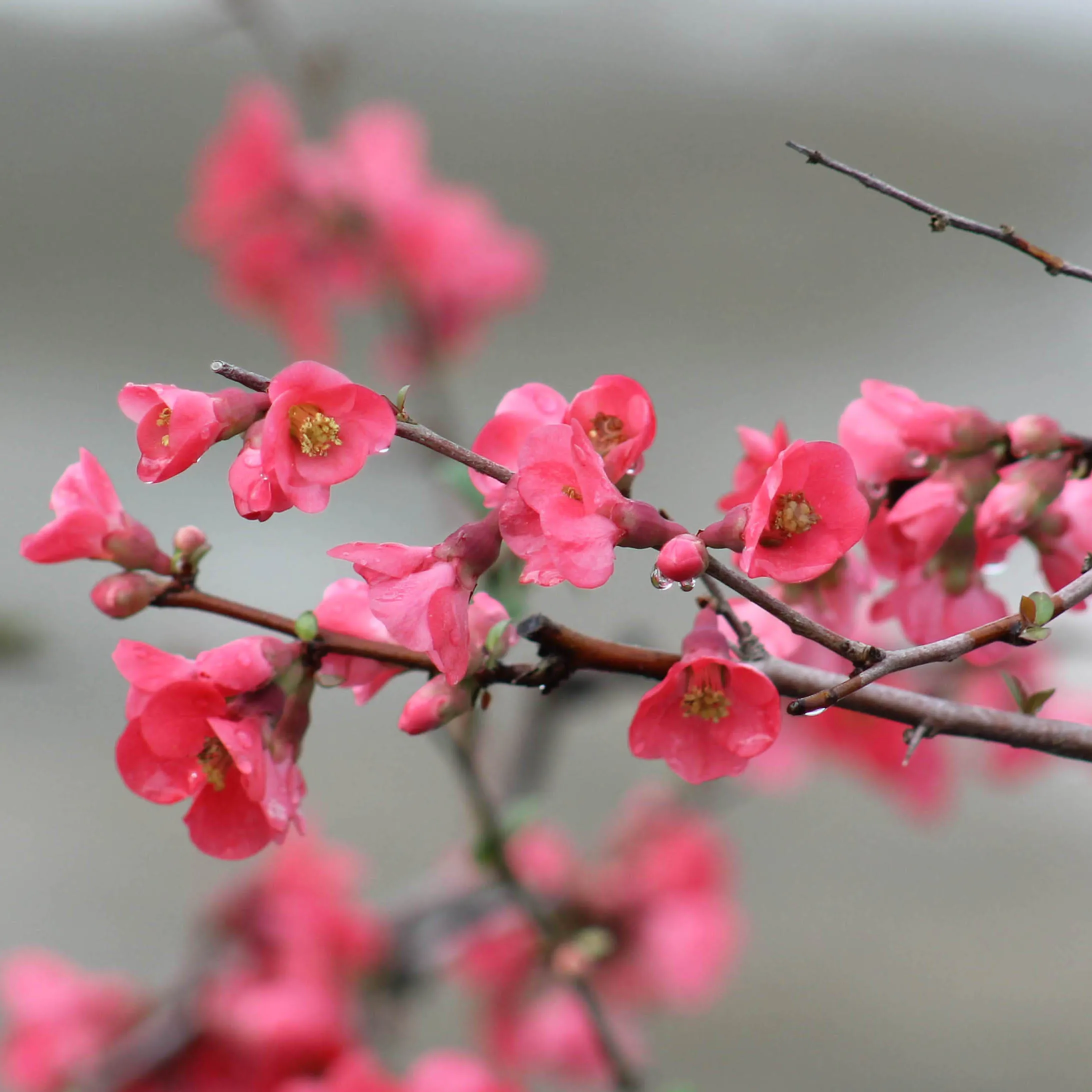
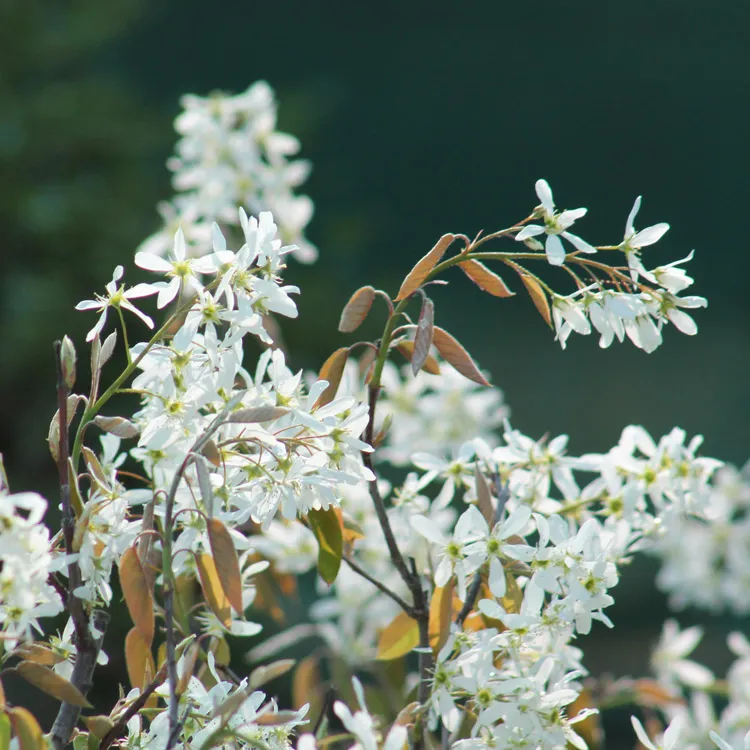
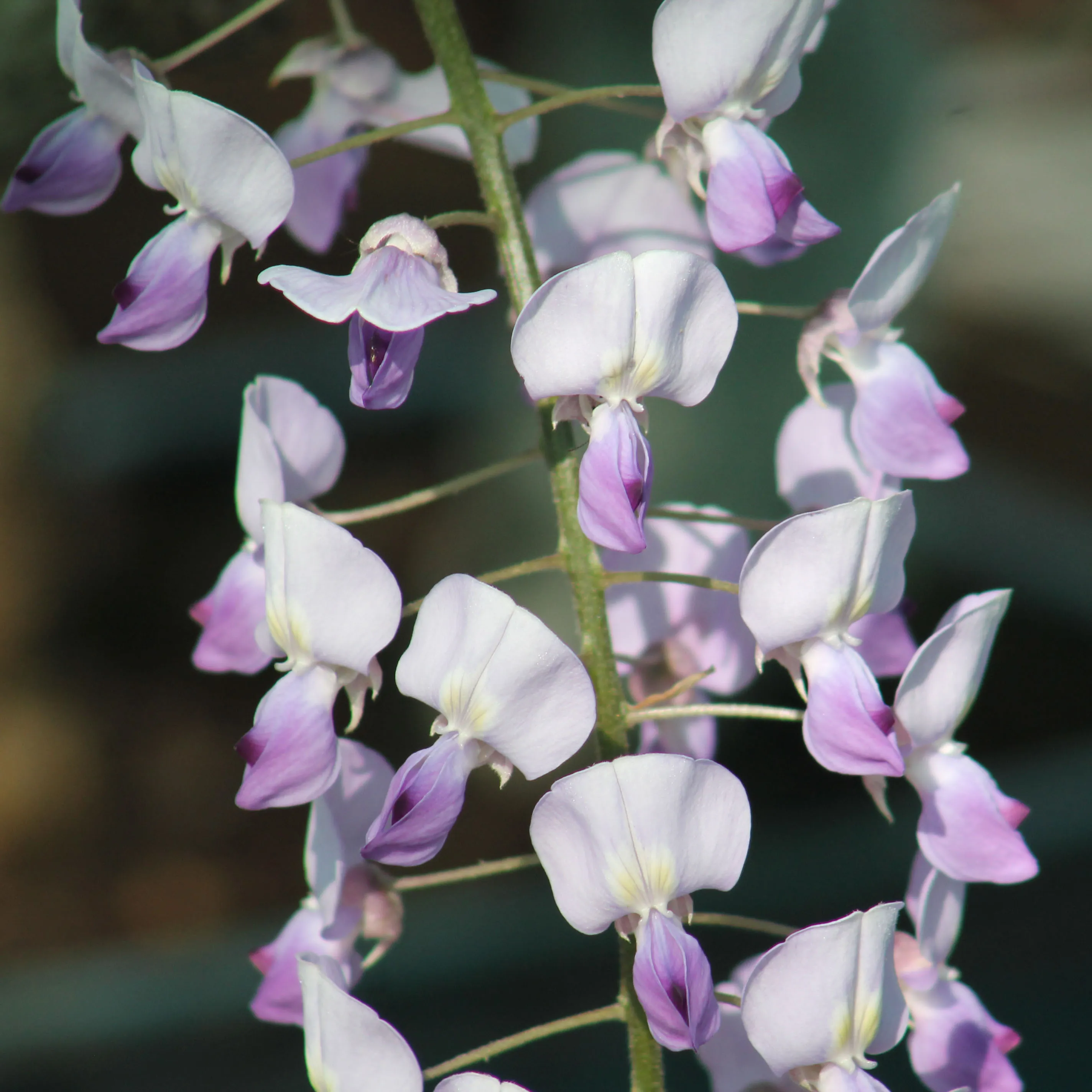
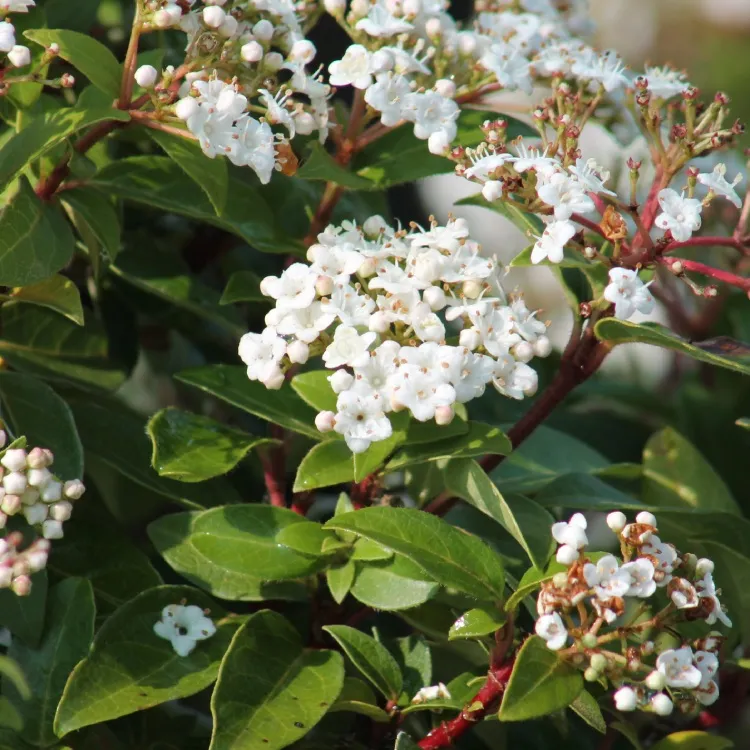
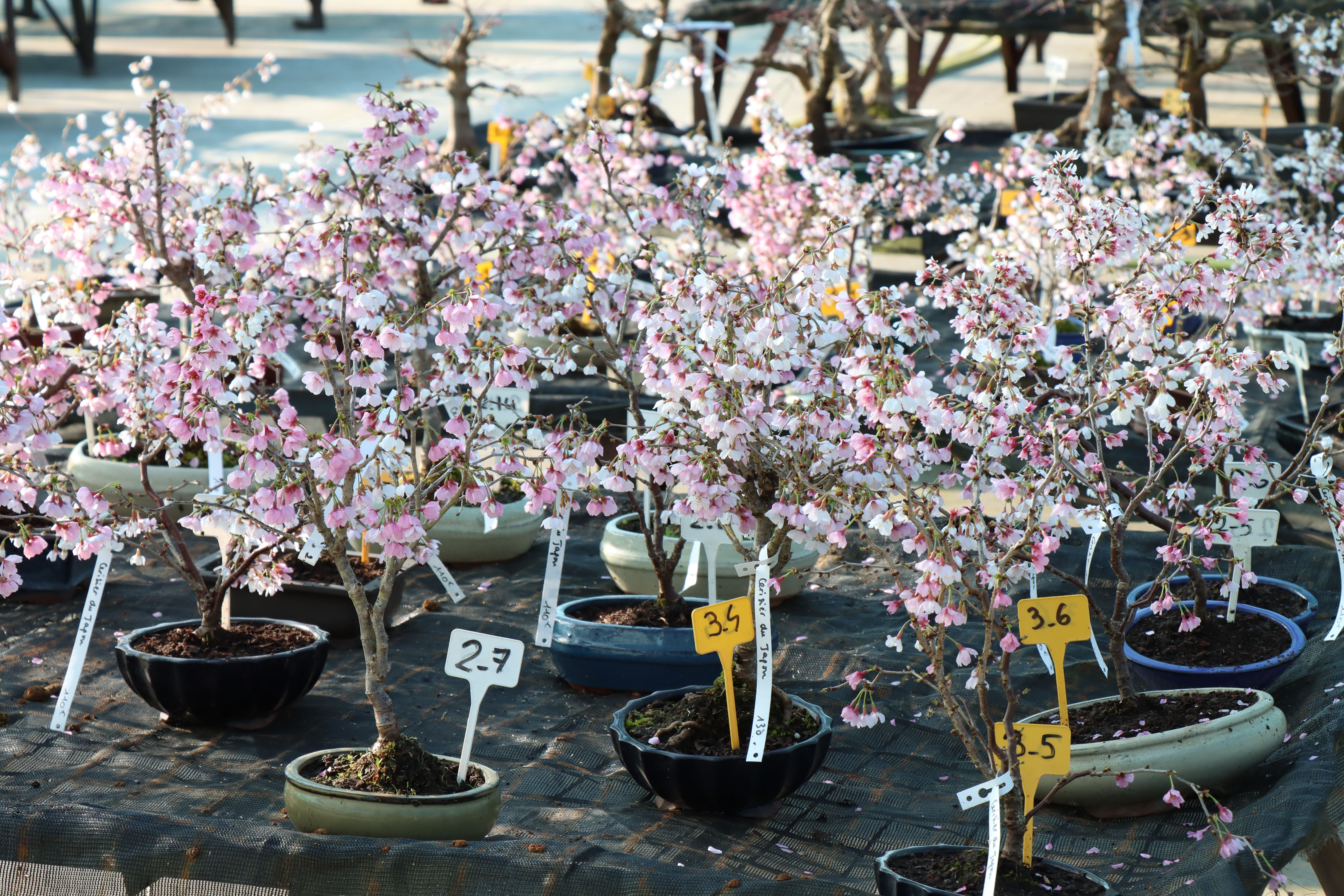
In late winter or early spring, numerous flower buds appear on the bare branches. They gradually open to reveal a multitude of small white flowers with a delicate pink tinge.
For a few weeks, the tree transforms into a veritable cloud of blossoms. This is often the favorite time for bonsai enthusiasts—the moment when the tree displays its full grace.
This spectacular flowering is reminiscent of the famous Japanese *sakura*, which draw millions of visitors every year during the traditional Hanami festivals.
Where should a Japanese cherry blossom bonsai be placed?
Like all cherry trees, the Kojo-no-Mai is an outdoor tree.
It requires natural temperature fluctuations to thrive and prepare for future flowering. Growing it indoors would quickly weaken the tree and lead to its death in the very short term.
Ideal placement
To ensure beautiful blossoms and dense foliage:
- Place your bonsai in a bright spot.
- Prioritize morning sun or a generally sunny location.
- Protect it only during periods of intense summer heat.
The more light your tree receives, the more abundant its blossoms will be.
Watering : the key to a healthy bonsai
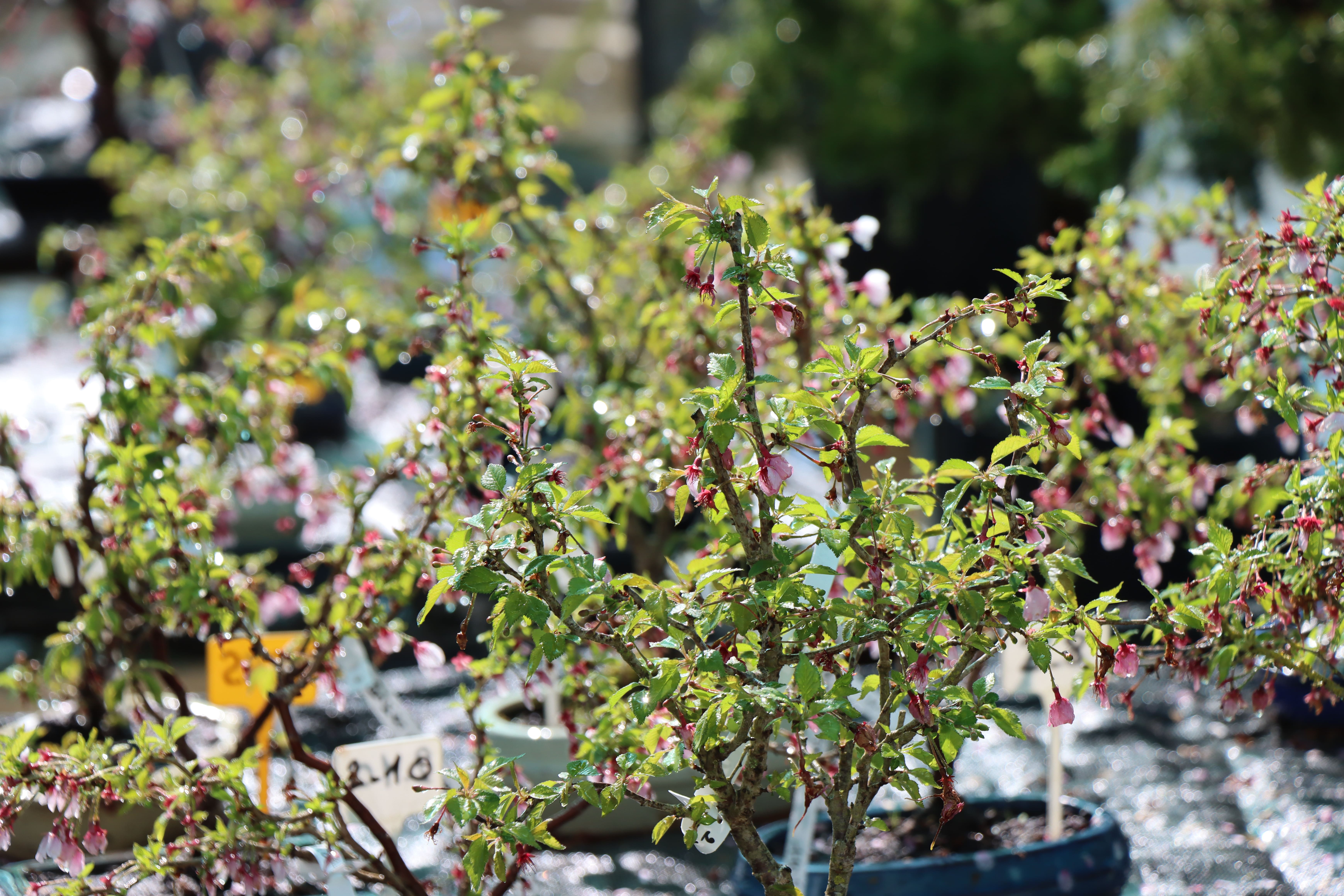
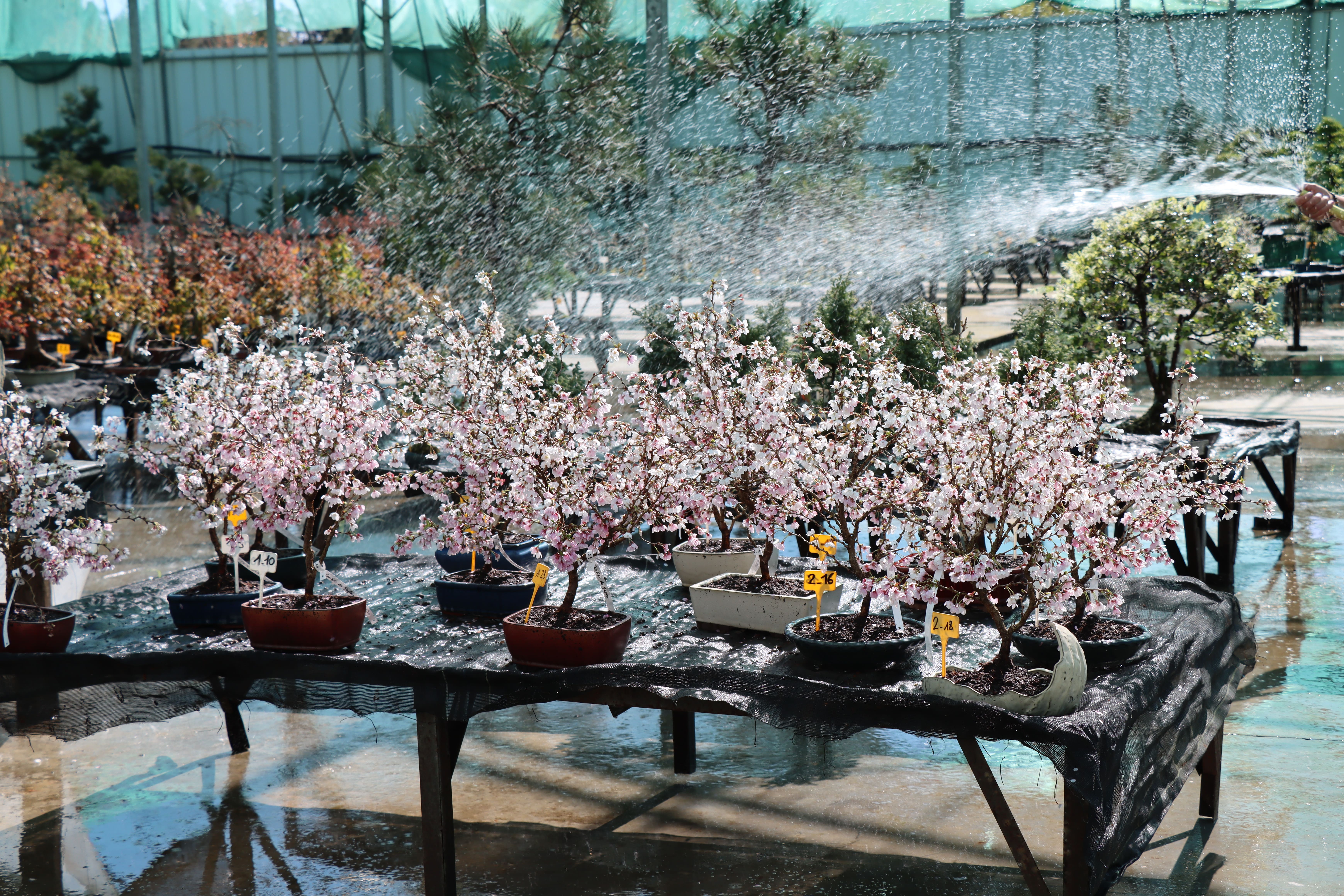
The Japanese cherry bonsai prefers a substrate that stays moist yet well-drained.
The goal is simple: maintain consistent moisture without ever letting the roots sit in water.
A few practical tips :
- Check the substrate's moisture level daily during hot weather.
- Water thoroughly when the surface begins to dry out.
- Avoid keeping water-filled saucers under the pot.
Proper watering promotes the tree's growth, flowering, and overall health.
How do you fertilize a Prunus 'Kojo-no-mai'?
To produce flowers and maintain vigorous foliage, the cherry tree requires regular feeding.
At the nursery, we use :
- Blue all-purpose tomato fertilizer from May through the end of summer.
Pruning and care of the Japanese cherry bonsai
Caring for Prunus 'Kojo-no-mai' is relatively straightforward.
Pruning after flowering
The ideal time for pruning is immediately after flowering.
This pruning helps to :
- Maintain a harmonious shape.
- Encourage fine branching.
- Prevent excessive branch elongation.
Wiring
Wiring is rarely necessary for this variety.
The natural curves of the branches are, in fact, one of its greatest aesthetic assets. If shaping is desired, it should be done on young, still-pliant shoots.
Repotting : when and how to do it ?
Repotting a 'Kojo-no-Mai' flowering bonsai is generally done every two to three years.
The best time is late winter, just before the tree breaks dormancy.
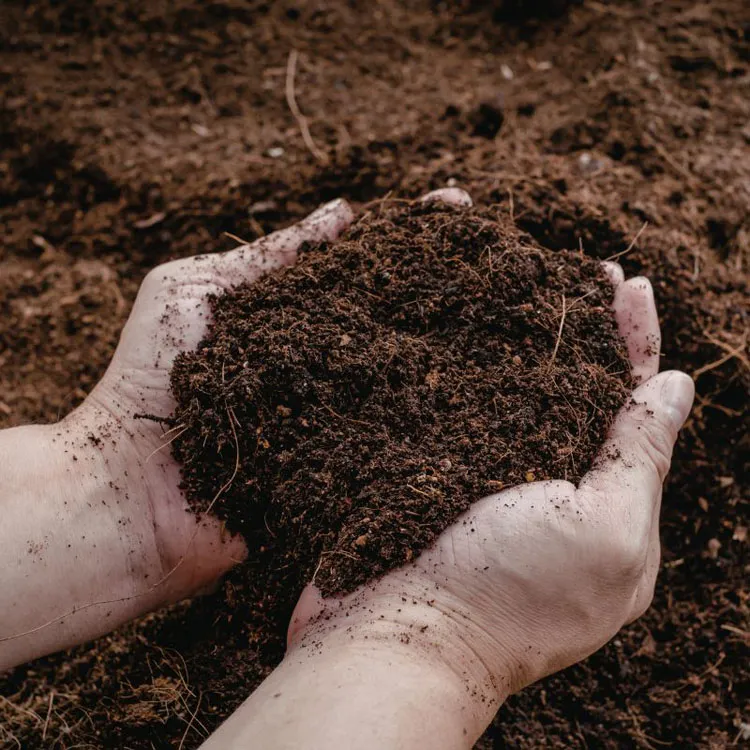
A free-draining substrate blend of akadama, volcanic rock (pozzolana), and pumice yields excellent results. At the nursery, we use our own custom substrate, which you can view here.
The goal is to maintain a healthy root system while preserving enough vigor to support flowering.
A hardy bonsai that loves the seasons.
One of the great qualities of 'Kojo-no-Mai' is its hardiness.
This Japanese cherry tree withstands winter temperatures perfectly and actually requires a period of cold to ensure its spring flowering.
In winter, simply protecting the pot may be advisable during severe, prolonged frosts, but the tree itself is highly resistant to low temperatures.
Why choose a Kojo-no-Mai bonsai ?
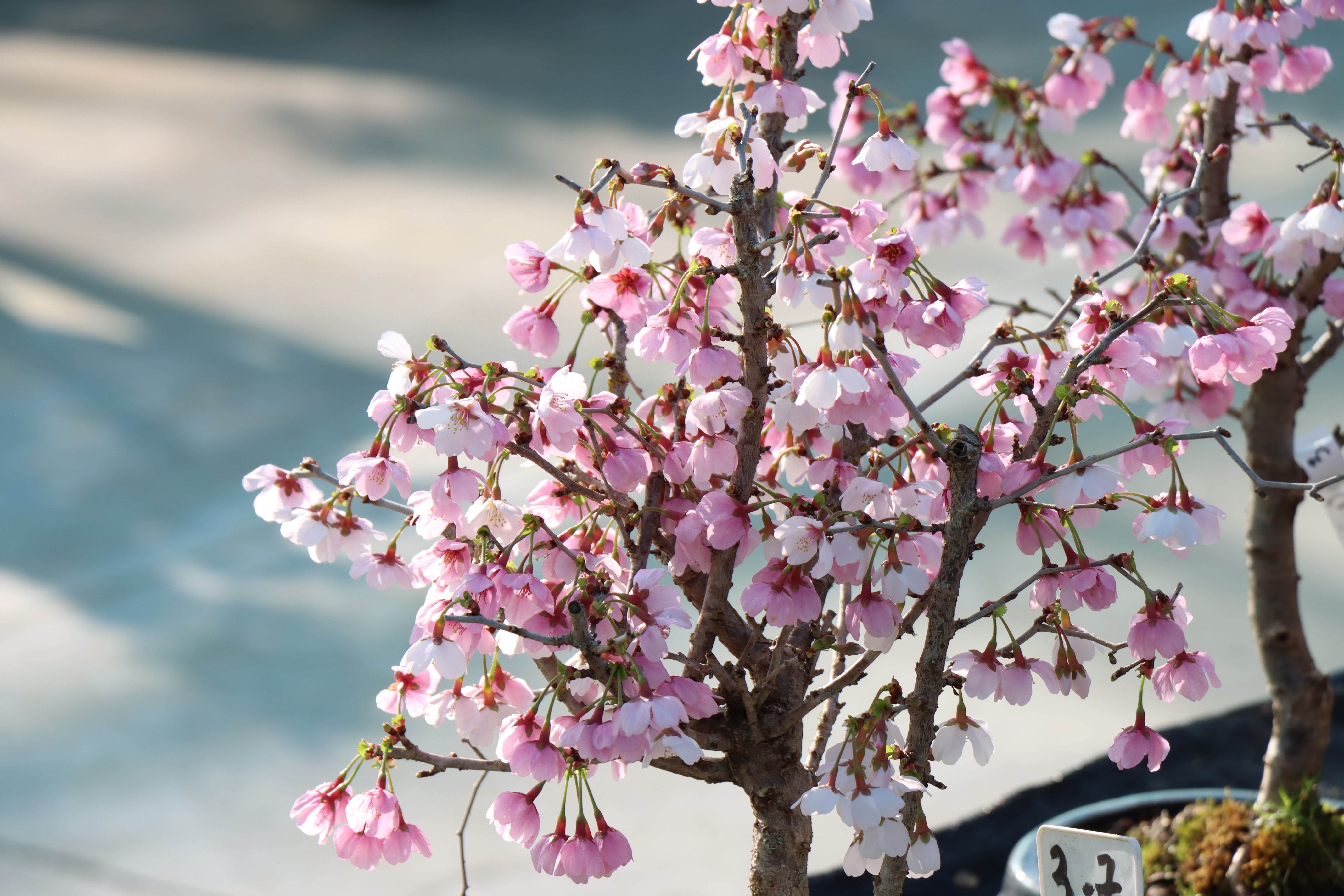
If you are looking for a bonsai that will truly captivate you, the 'Kojo-no-Mai' Japanese cherry is an excellent choice.
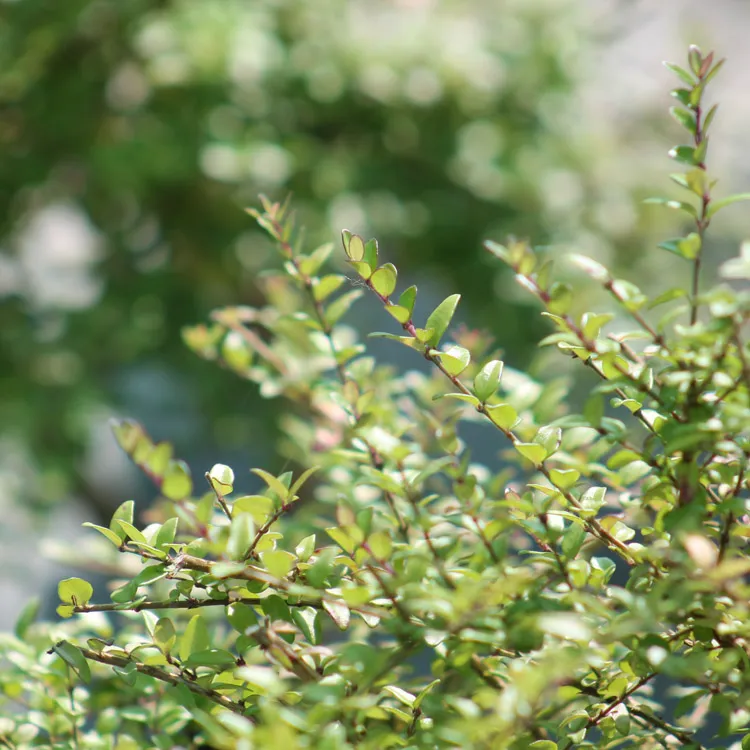
In spring, it is covered in delicate blossoms, while its summer foliage offers a sense of freshness and lightness.
Whether you are new to the world of bonsai or a seasoned enthusiast, the *Prunus* 'Kojo-no-Mai' is a charming, elegant tree deeply rooted in the Japanese art of living.
Discover our selection of 'Kojo-no-Mai' Japanese cherry bonsai and bring a touch of *sakura* magic to your garden or terrace.