

 Production of French Bonsai
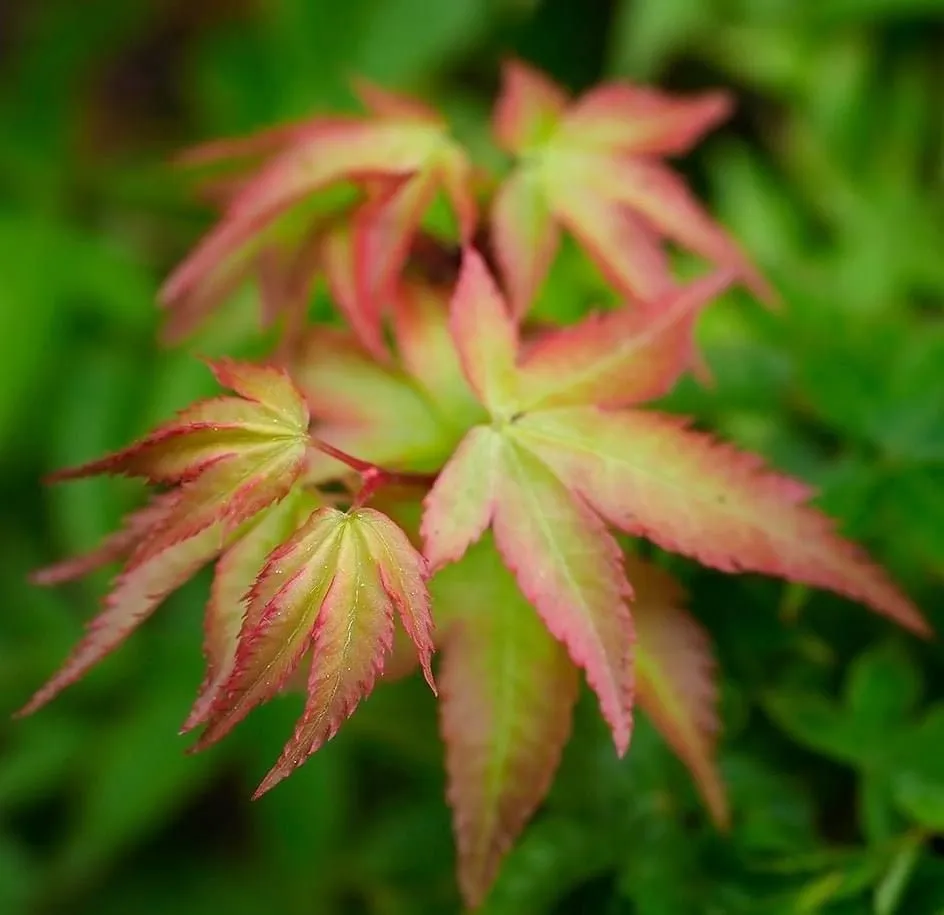
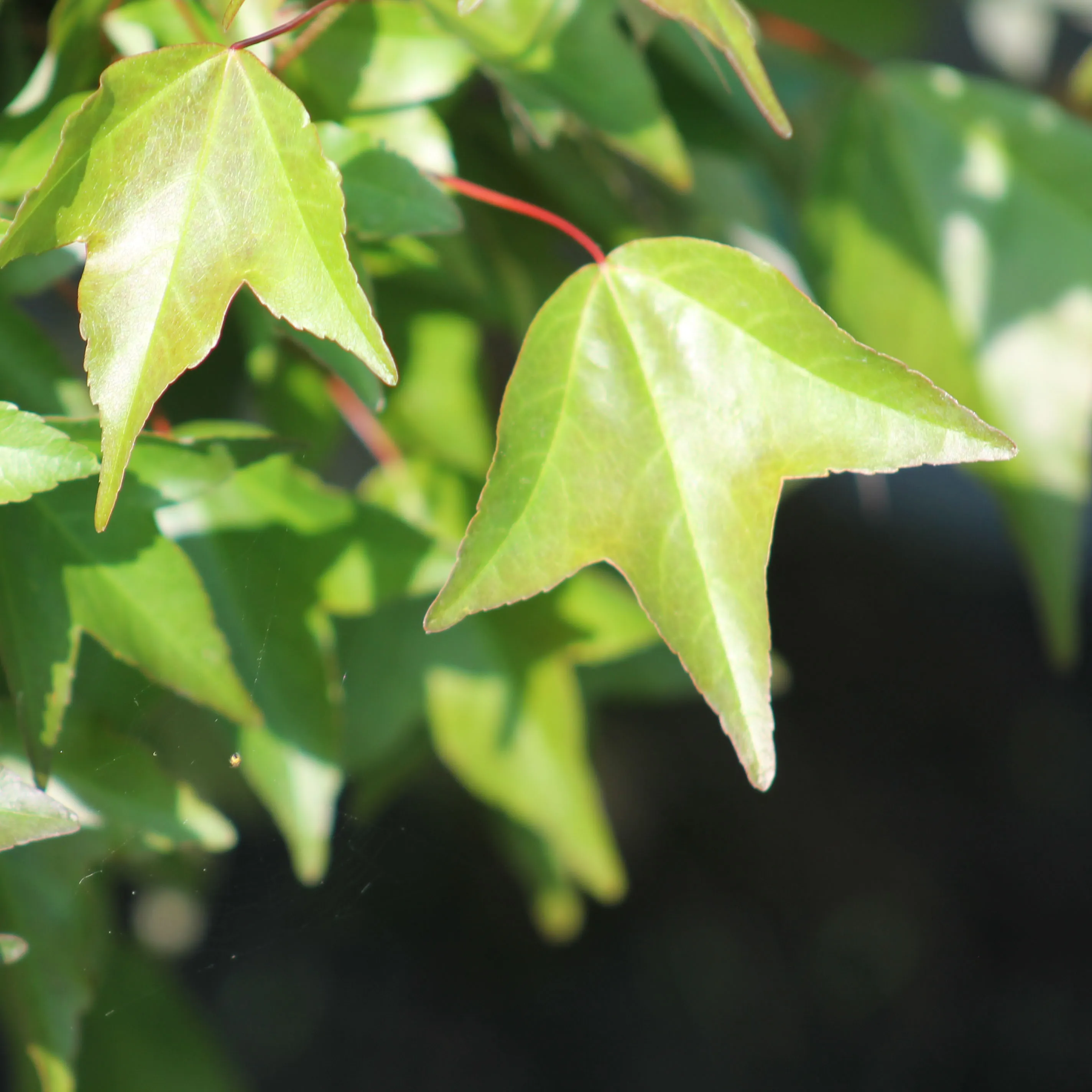
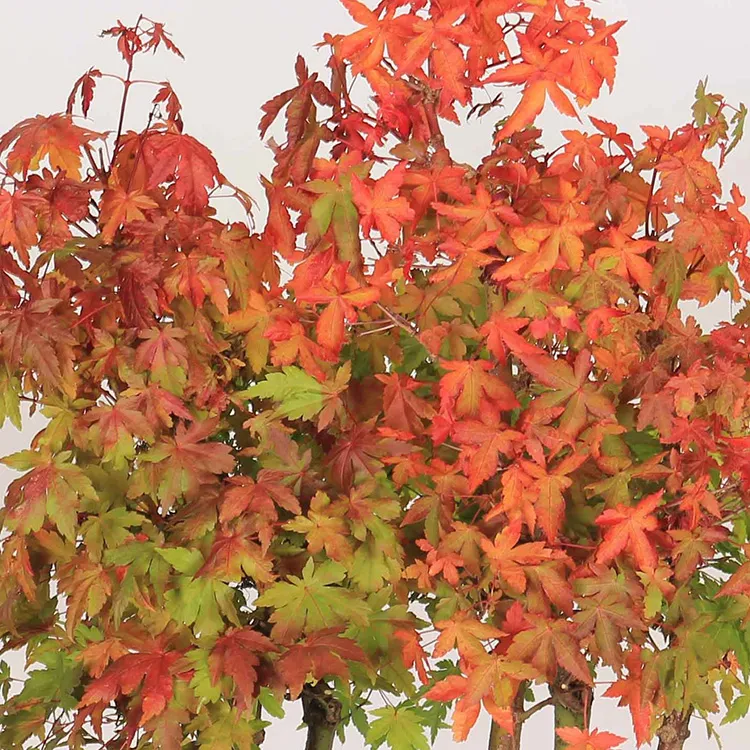
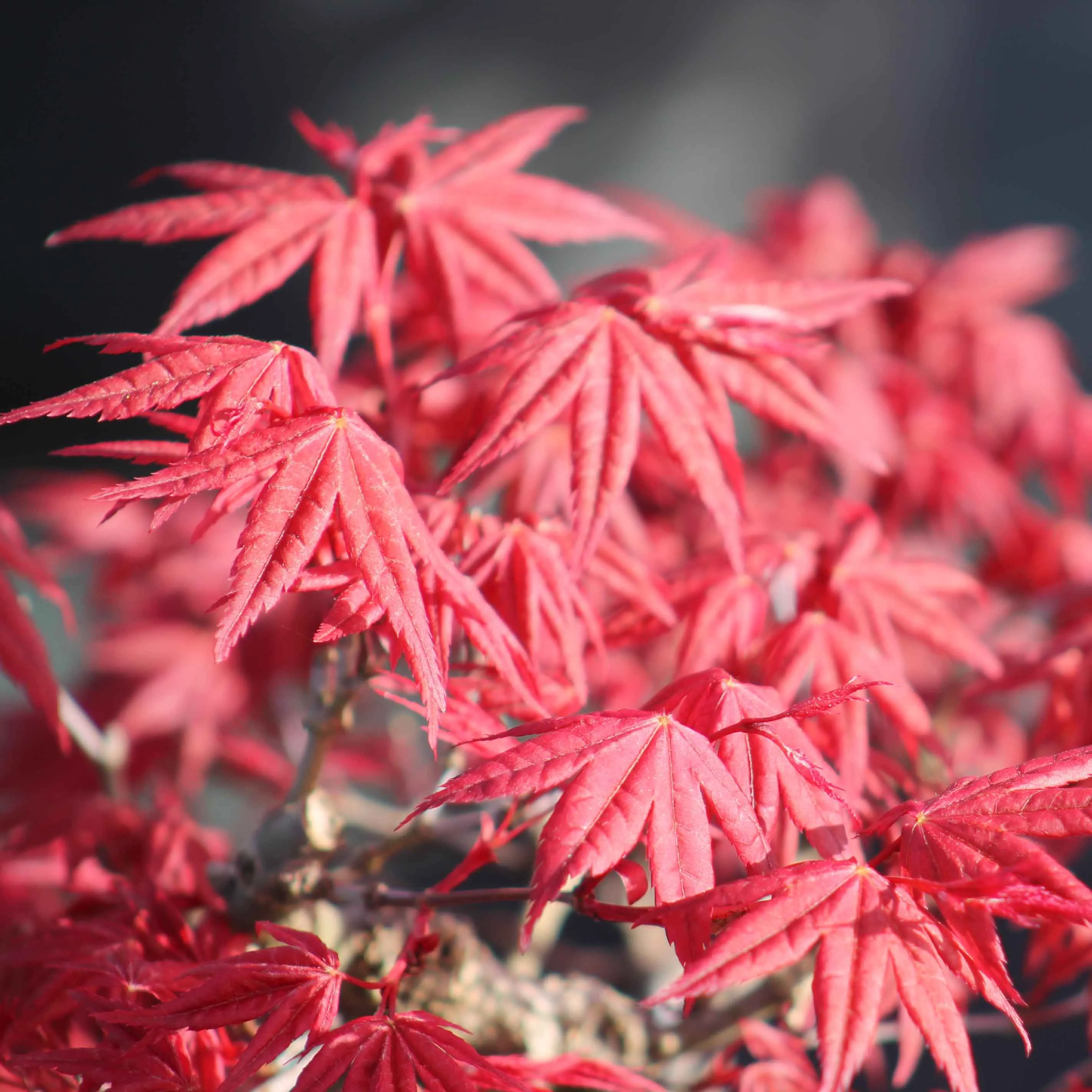
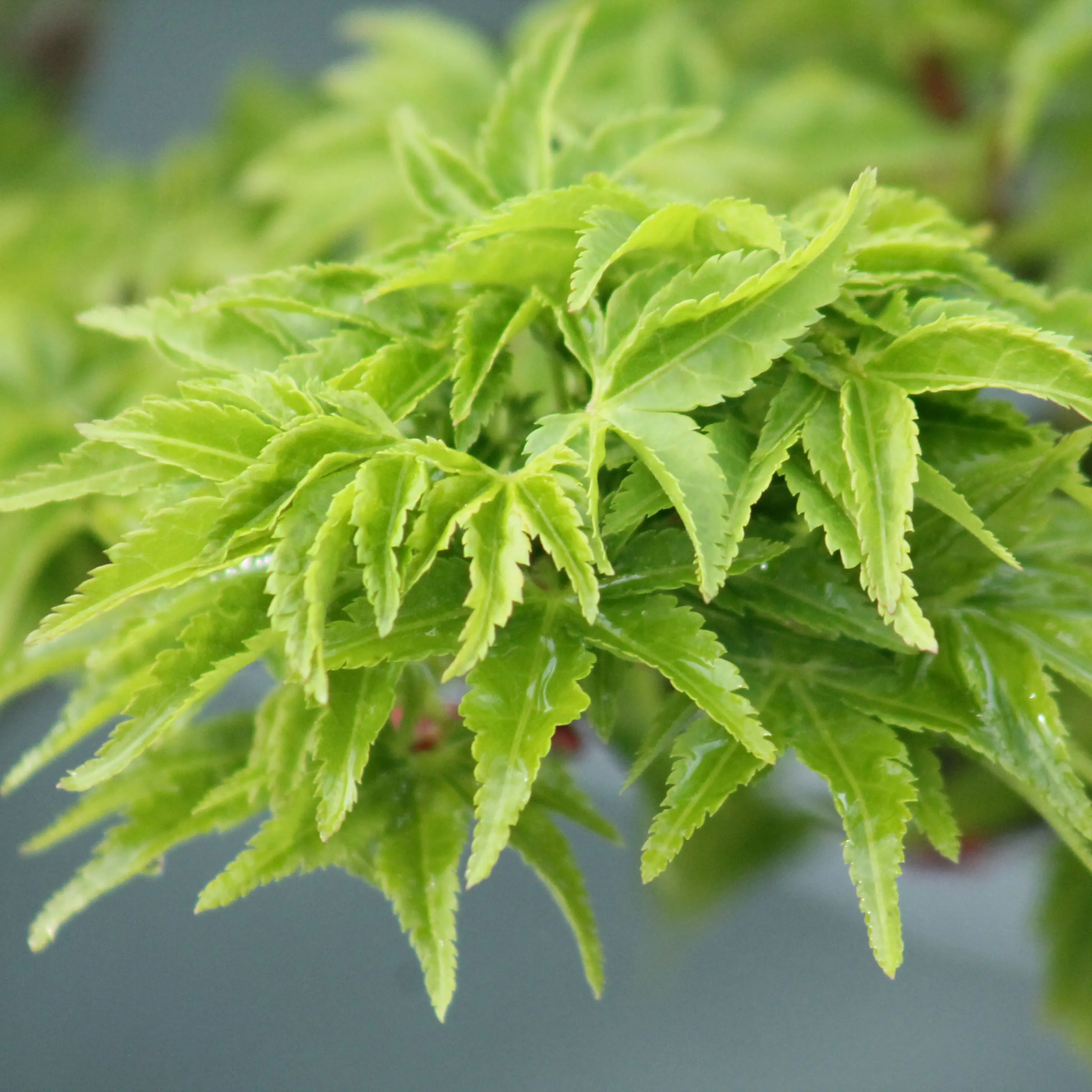
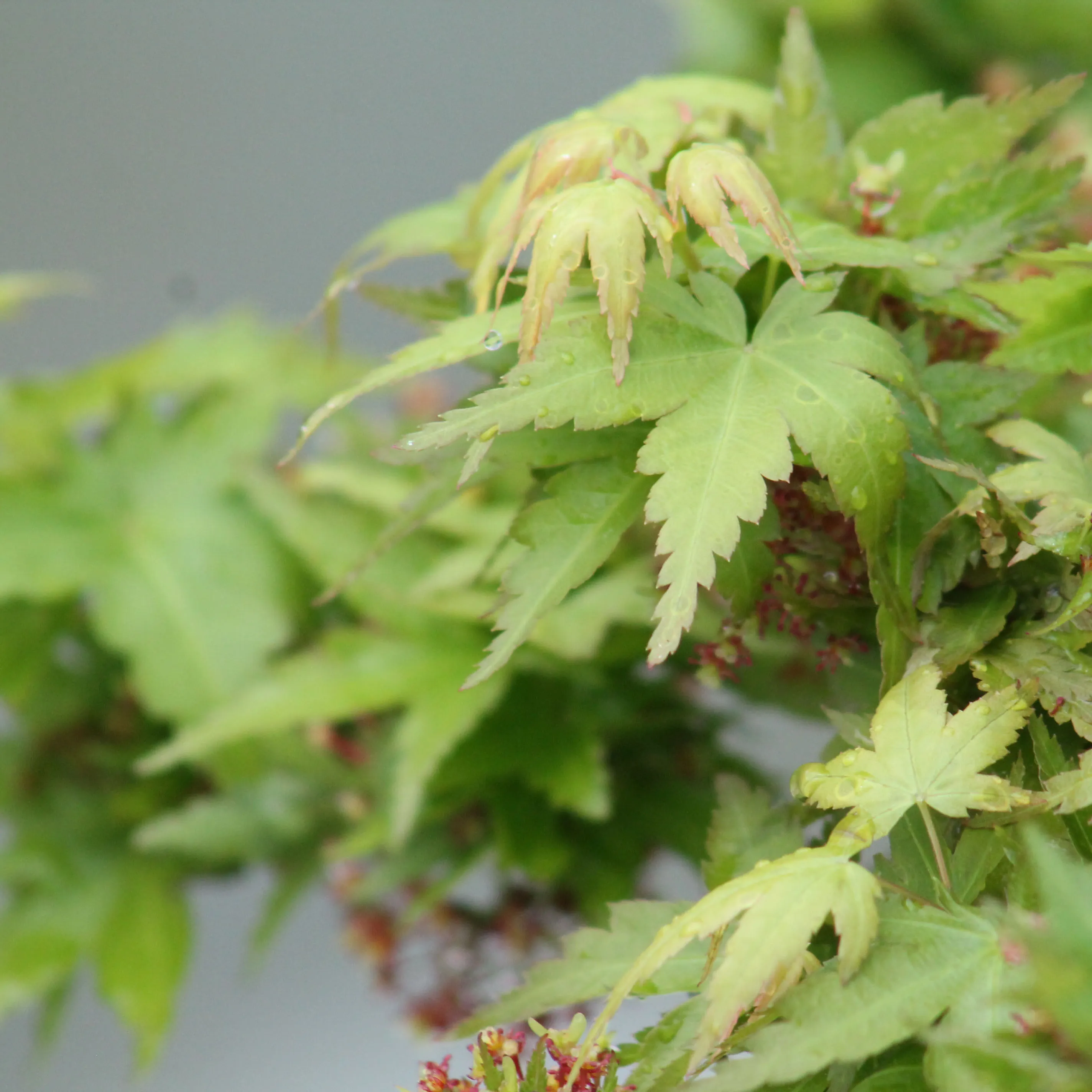
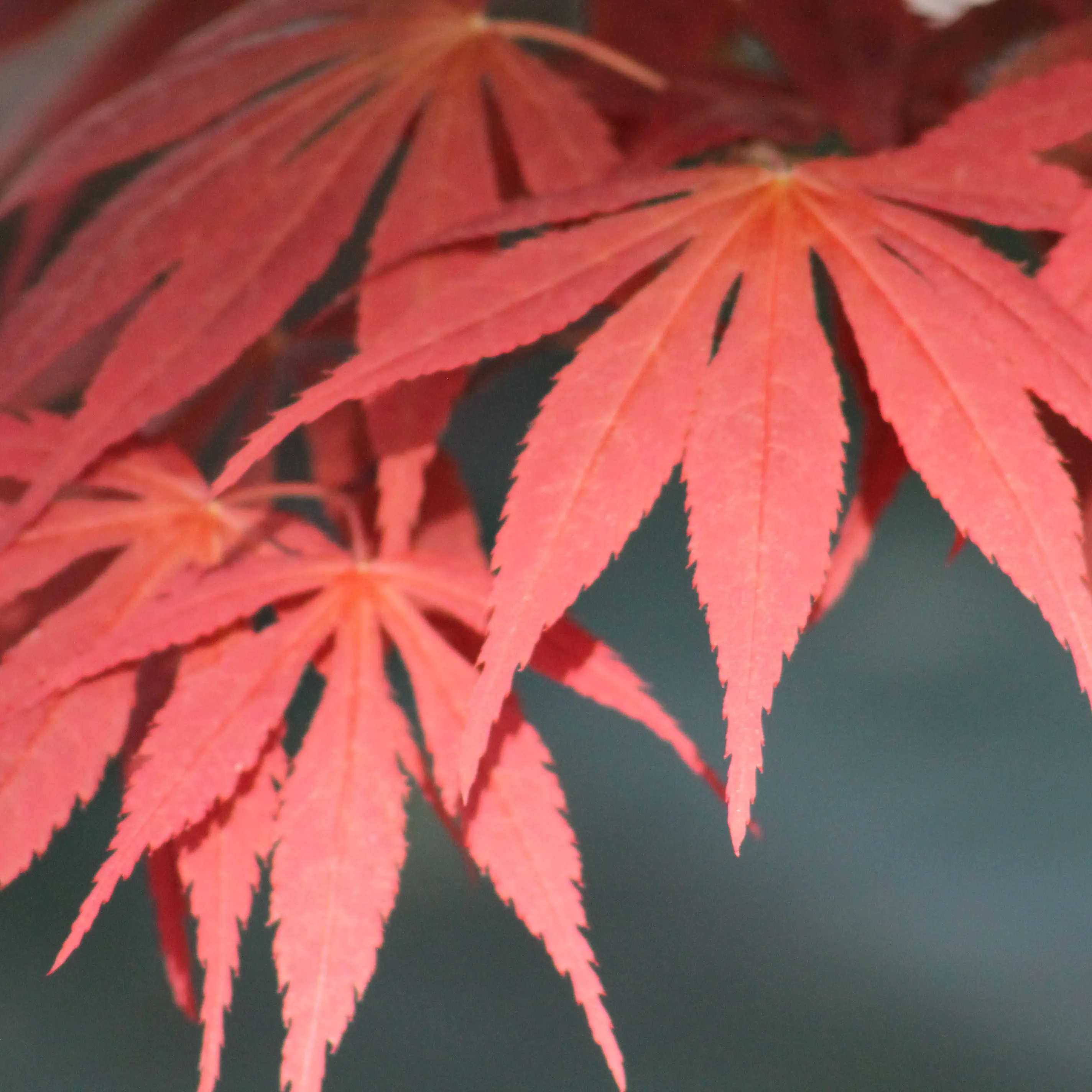
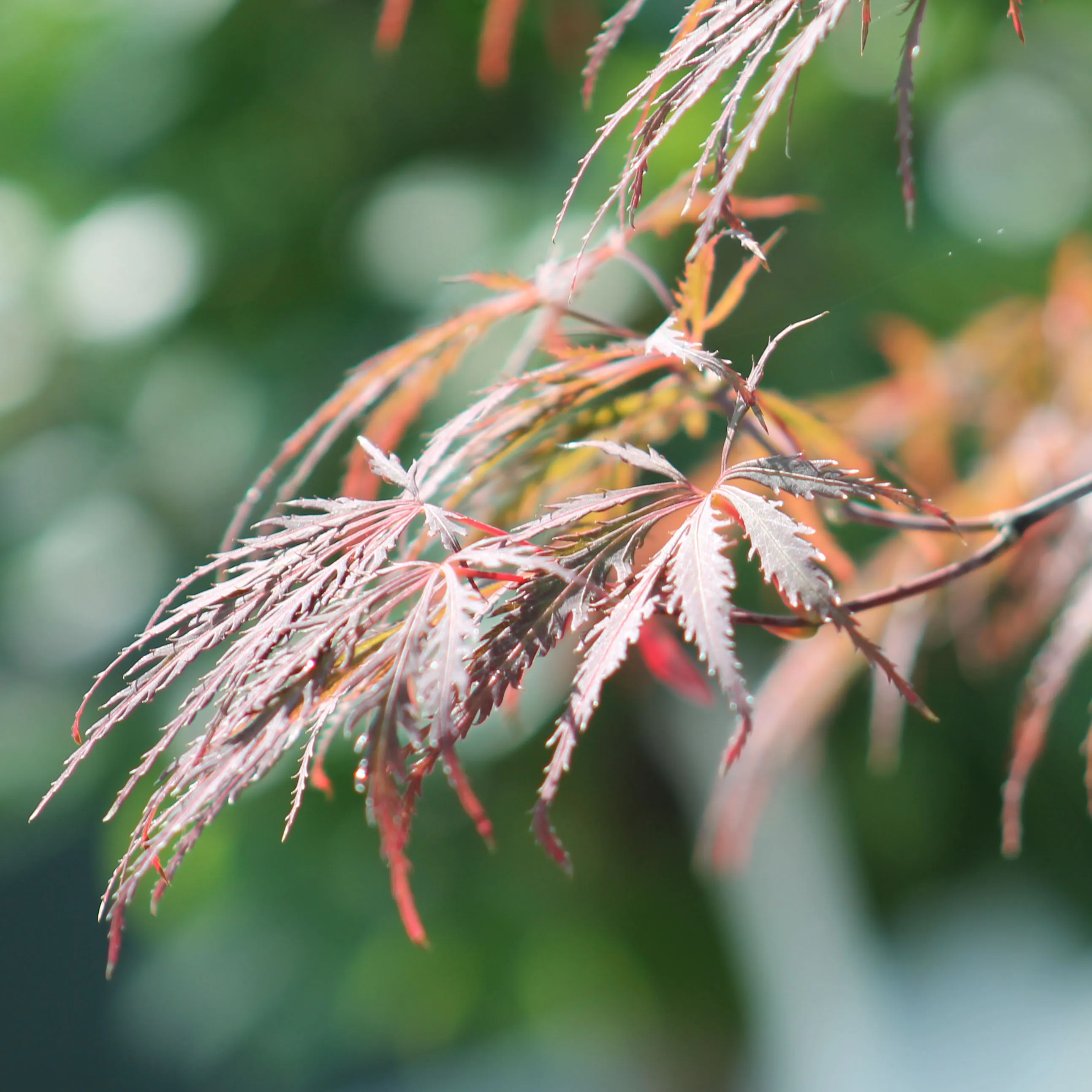
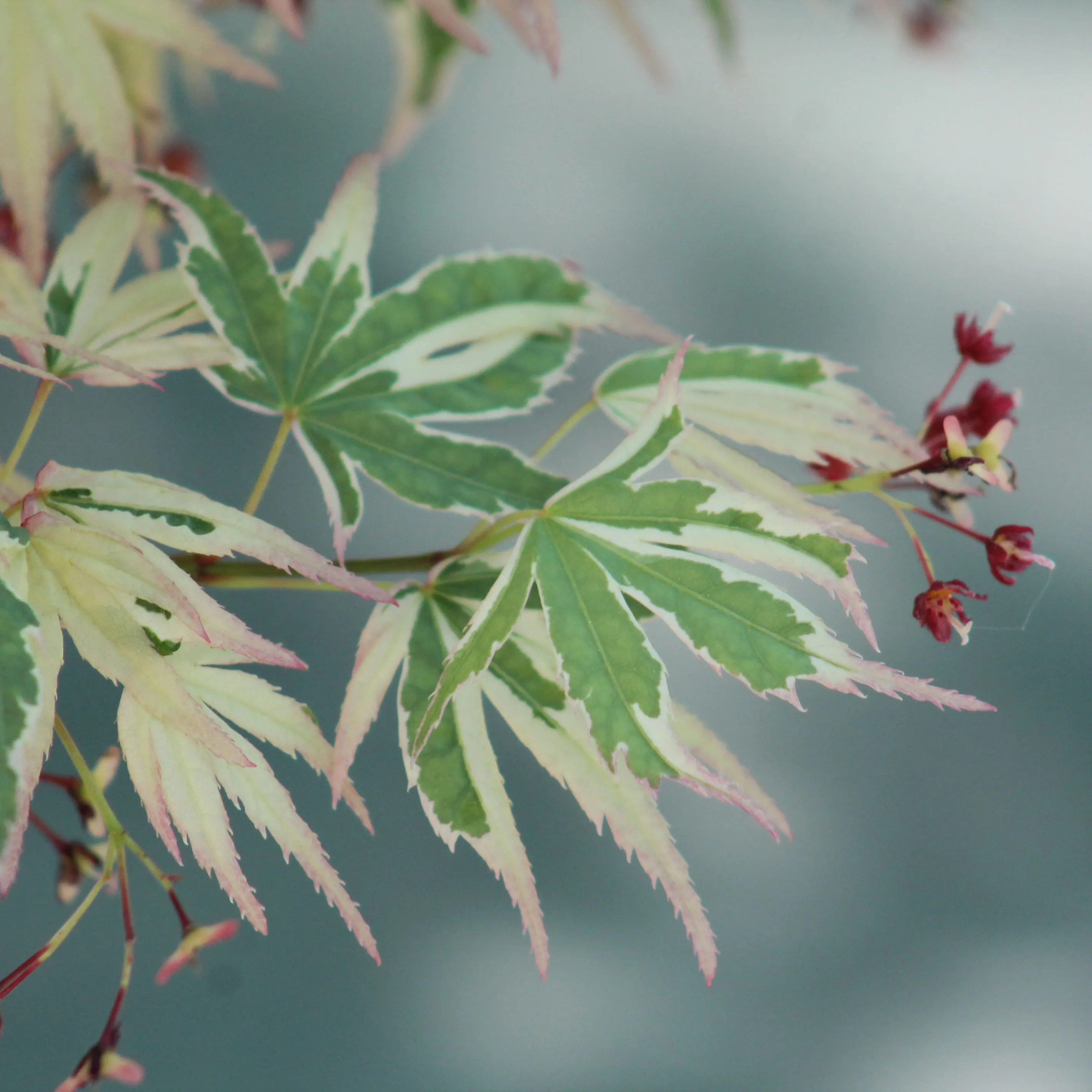
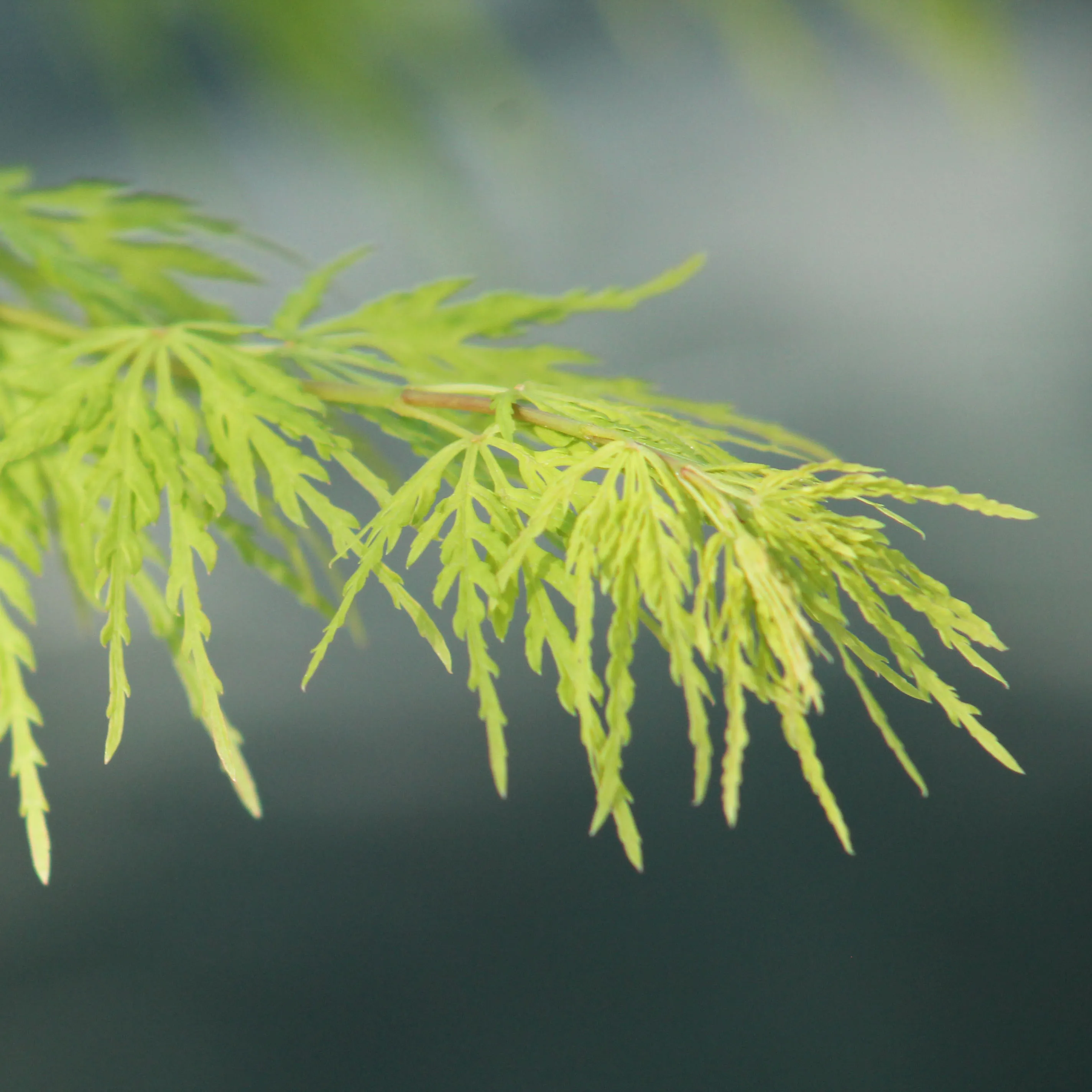
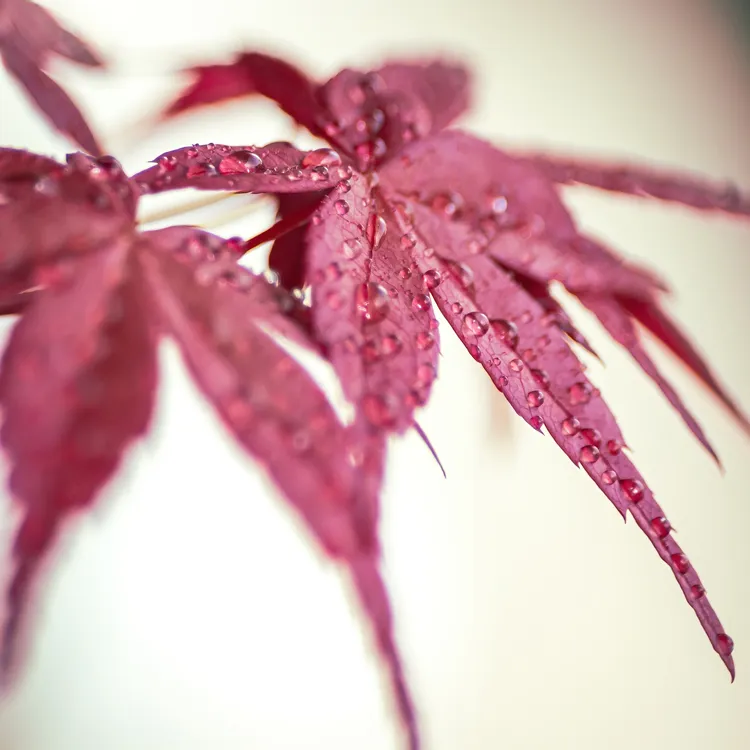
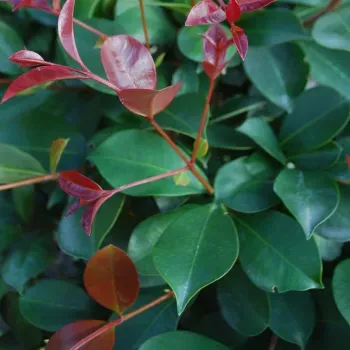
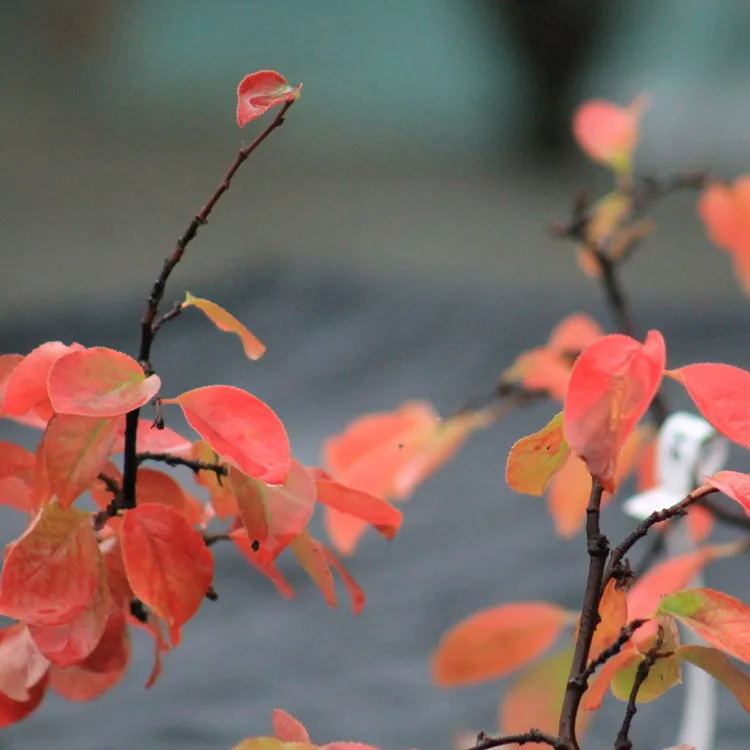
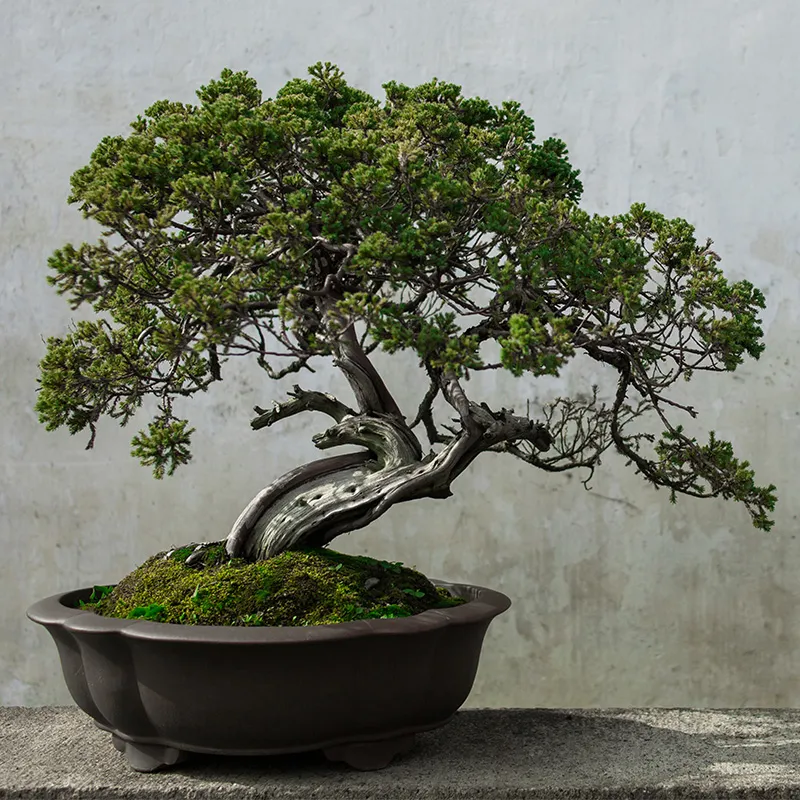
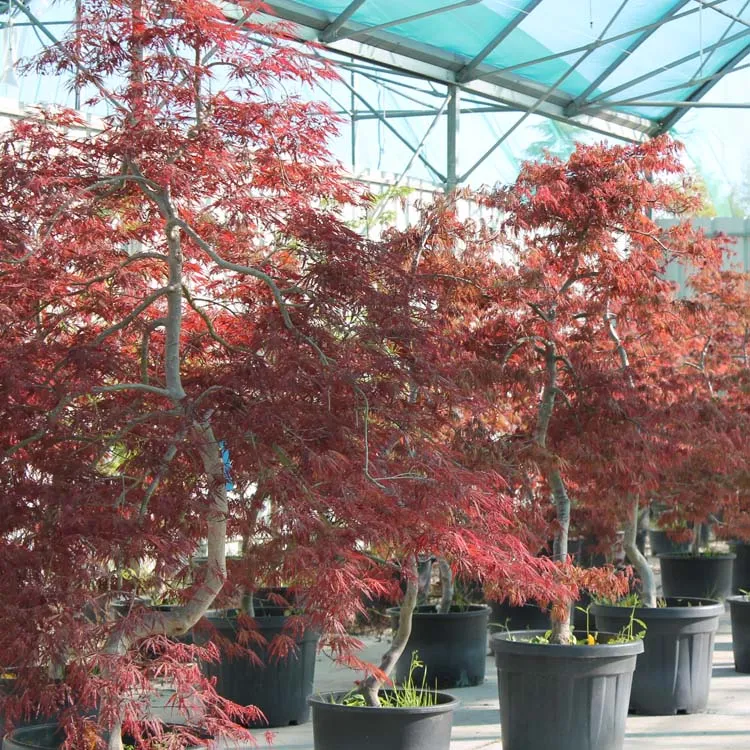

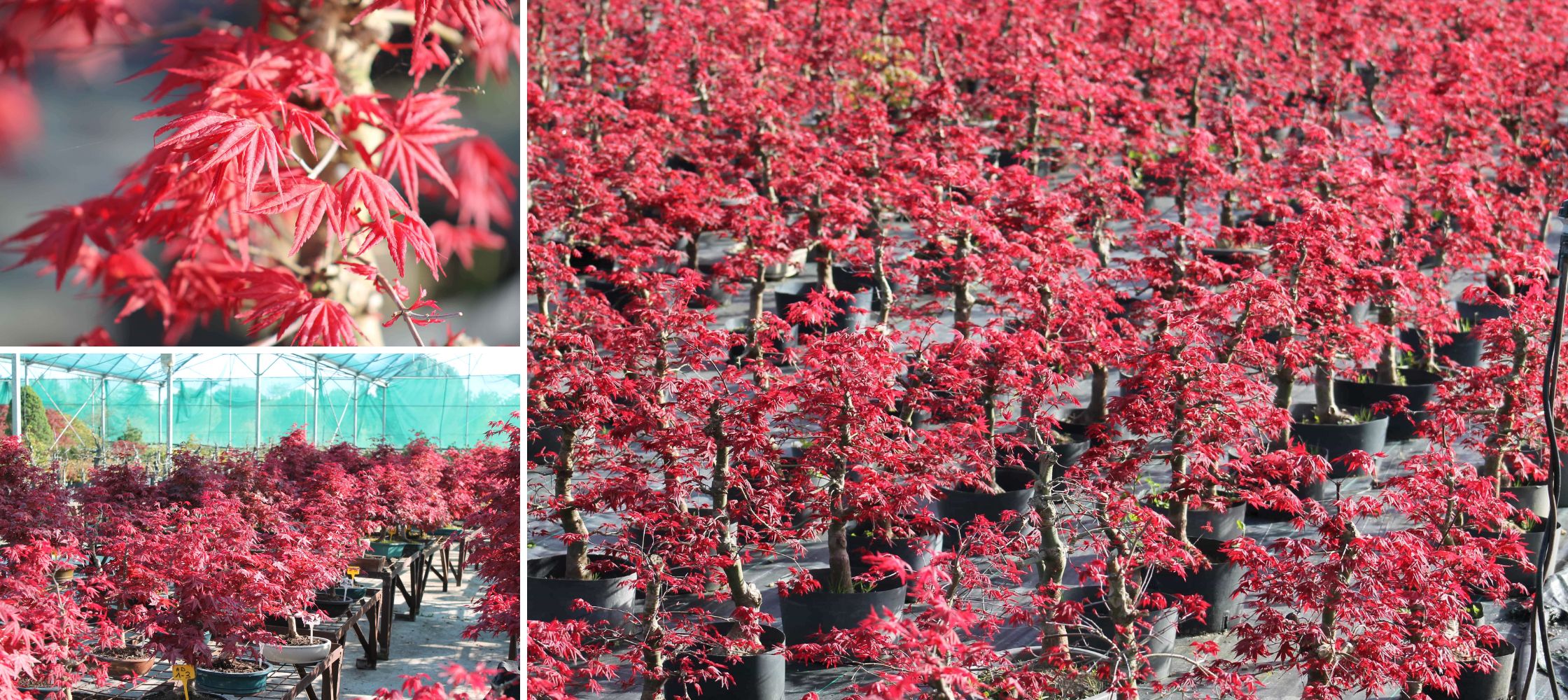
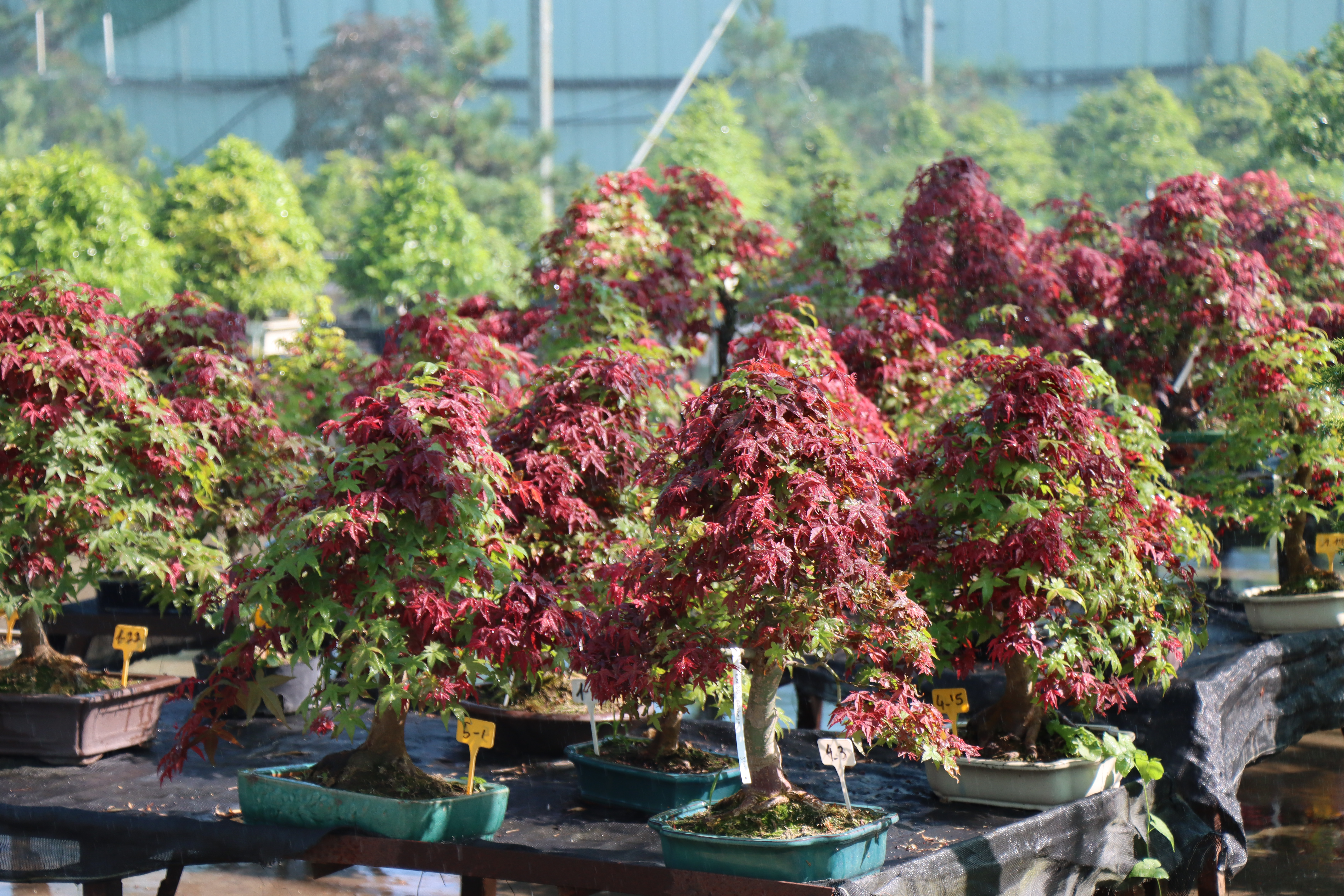
There are trees that immediately catch the eye. The Deshojo maple is one of them. In spring, its intense red illuminates the nursery like a delicate flame. Then, as the weeks go by, it transforms, turning a tender green, before offering new, warm hues in the fall.
At the nursery, we've always had a special fondness for this variety. It appeals to beginners with its spectacular color and captivates enthusiasts with its graceful form. But behind this beauty lie some specific cultivation requirements… and a question that often comes up: why is it so frequently grafted?
We offer you a complete overview of the Deshojo maple as a bonsai.
Deshojo Maple Identity Card
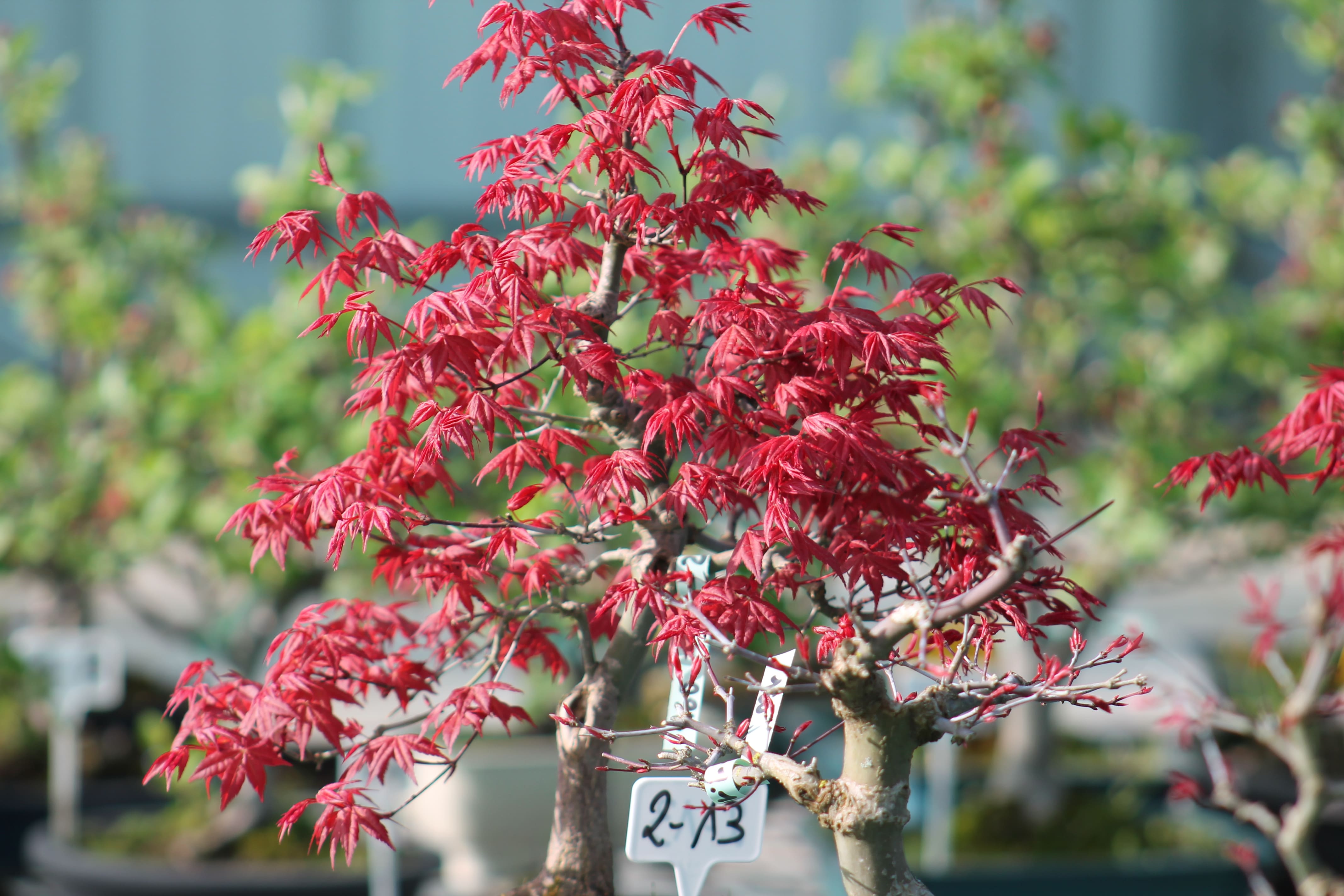
The Deshojo is a cultivar of Acer palmatum, the Japanese maple. It belongs to the Sapindaceae family and originated in Japanese horticultural breeding. Unlike the typical botanical species, it was chosen and propagated for a very specific characteristic: its vibrant red when the leaves first emerge.
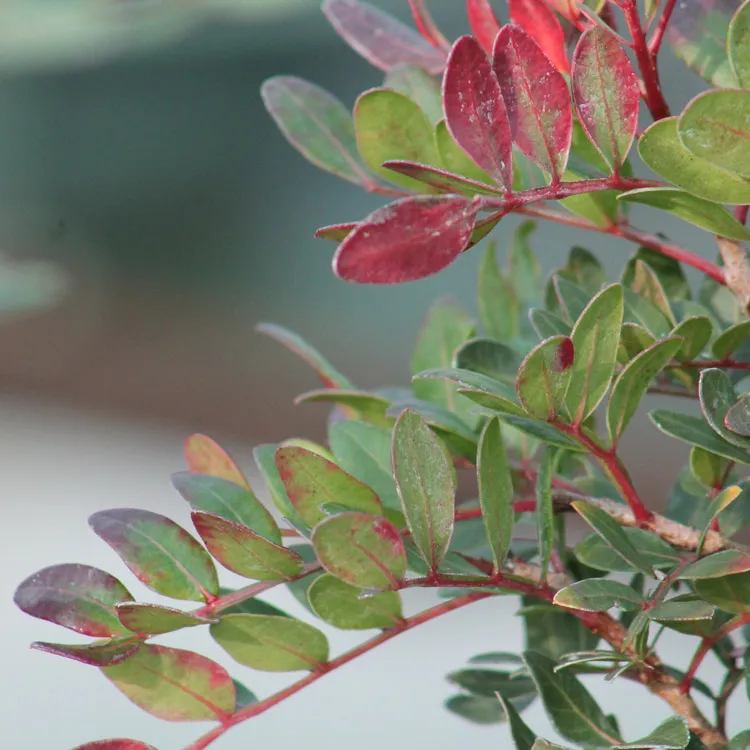
This intense red, almost translucent when the leaves are young, lasts for several weeks before giving way to a softer green in summer. In autumn, the tree is adorned once again with shades of orange to red, offering a second spectacular display.
As a bonsai, the Deshojo is prized for the delicacy of its foliage, its ability to branch harmoniously, and its natural elegance. It is well-suited to an intermediate enthusiast, but remains quite accessible to an attentive and patient beginner.
Exhibition : finding the balance of light
The Deshojo tree loves light, but it doesn't tolerate excess. Its young red foliage is particularly delicate and susceptible to spring scorch. A location in bright, partial shade generally yields excellent results, with gentle morning sun and shade during the hottest hours.
In our experience, observation is often most crucial in spring. A tree that receives too much sun will quickly show blemishes on its leaves, while a tree that receives too much shade will lose color intensity. Since every garden has its own microclimate, we always encourage a gradual adjustment of the location rather than applying a strict rule.
Watering : regularity and attention
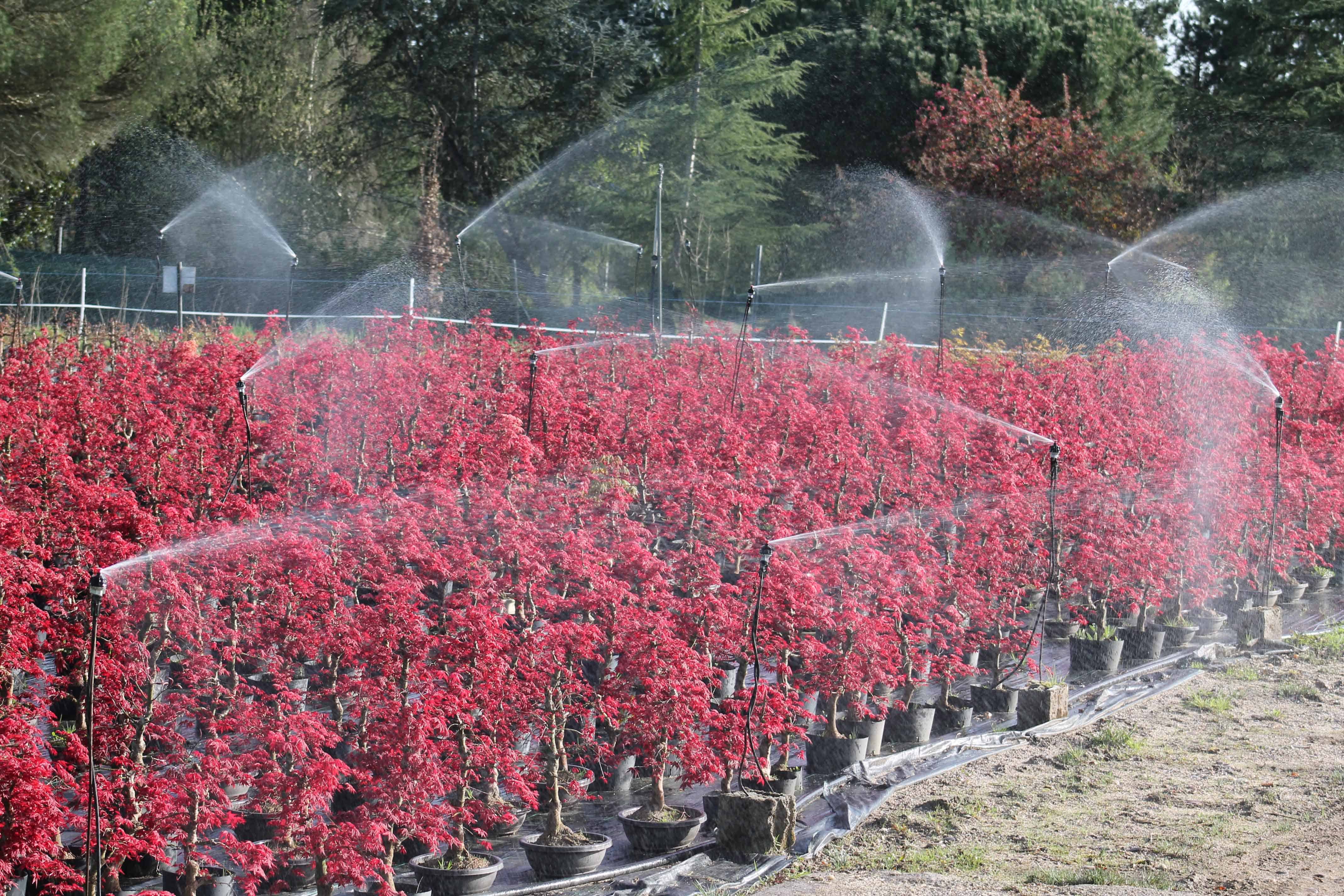
Like many Japanese maples, the Deshojo prefers a well-draining substrate that retains moisture without becoming waterlogged. Its delicate foliage transpires quickly, especially when temperatures rise or it's windy.
We generally recommend watering thoroughly several times to ensure the root ball absorbs the water well, allowing the surface to dry slightly between waterings. During hot weather, monitoring should be more frequent. Rather than adopting a fixed schedule, it's best to observe the substrate and the tree's response. It's often the tree that will guide us best.
Substrate and repotting : promoting fine root development
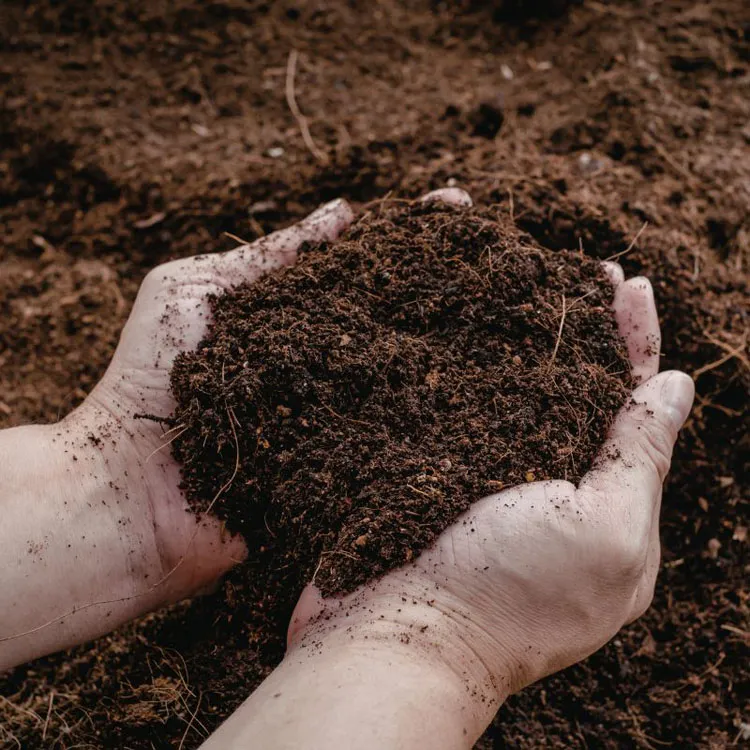
An airy mix based on akadama, pumice, or pozzolana is ideal for Deshojo trees. The goal is to promote healthy root development without suffocation.
At the nursery, we use our own substrate; find out why here.
Repotting is best done in early spring, just before bud break. For a young tree, it can be done every two to three years; for a more mature tree, the interval can be longer. We always favor a measured approach. Deshojo trees respond better to gentle repotting than to overly aggressive root work.
Pruning and construction : supporting rather than constraining
The Deshojo has a beautiful capacity for branching, but it requires a delicate touch. Light pruning after the first growth spurt encourages denser growth without weakening the tree. Over time, the gradual selection of branches creates a slender and elegant silhouette.
Some growers practice complete defoliation on vigorous specimens to improve branching and reduce leaf size. Others prefer more moderate interventions. We believe there is no single method. The aesthetic vision, the health of the tree, and the grower's experience naturally guide the choices.
Bonsai remains an evolving art, nourished as much by Japanese tradition as by European and contemporary interpretations.
Why is the Deshojo maple often grafted ?
This is a legitimate question we hear regularly at the nursery.
The “Deshojo” is not a wild species, but a horticultural selection. If its seeds are sown, the young plants do not faithfully reproduce its characteristics, particularly its intense red spring foliage. Genetic variability takes over, and the resulting maples differ from the original cultivar.
To preserve the exact qualities of the Deshojo, it must therefore be propagated identically. Grafting is the most reliable method for achieving this.
The role of the rootstock
In the vast majority of cases, Deshojo is grafted onto a typical Acer palmatum rootstock. This botanical compatibility ensures a strong union between the scion and the rootstock.
Beyond varietal fidelity, the rootstock also provides a robust and adaptable root system. In our experience, this results in more vigorous trees in their early stages and greater stability in cultivation. For nursery production, it is a reliable and consistent choice.
Is grafting a disadvantage in bonsai ?
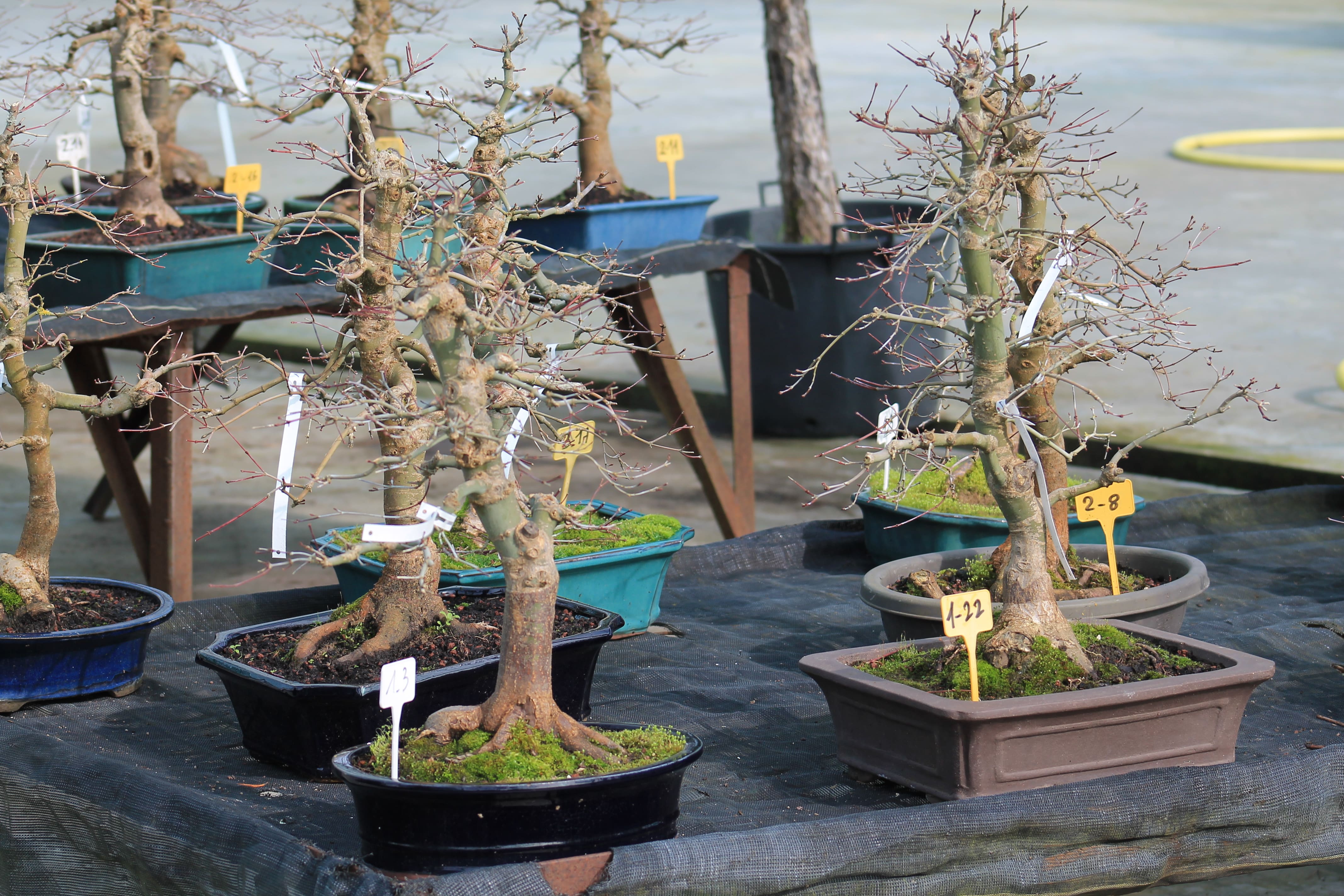
Visually, the graft union can sometimes create a slight bulge or a difference in bark texture. Some enthusiasts prefer to work with cuttings to avoid this transition.
However, modern grafting techniques are often very precise, and the development of the nebari (the central vein) as well as the tree's maturation can gradually soften the appearance. Over time, the overall structure becomes more prominent, and the graft union becomes secondary in terms of aesthetic appeal.
It is therefore more a matter of personal preference than an absolute requirement.
Are there ungrafted Deshojo ?
Yes, primarily through cuttings. These plants are rarer and require more time to reach the same vigor. Some enthusiasts appreciate this approach for aesthetic or philosophical reasons.
We believe that every method has its merits. The important thing is that your project aligns with your personal taste.
In summary
The Deshojo maple is a true gem in bonsai. Its spectacular spring red, delicate foliage, and seasonal elegance make it a particularly captivating variety.
While it is often grafted onto Acer palmatum rootstock, this is primarily to guarantee the cultivar's fidelity and ensure stable vigor. This horticultural choice in no way diminishes its artistic value. As always in bonsai, observation and patience shape the tree far more than the initial technique.