

 Production of French Bonsai
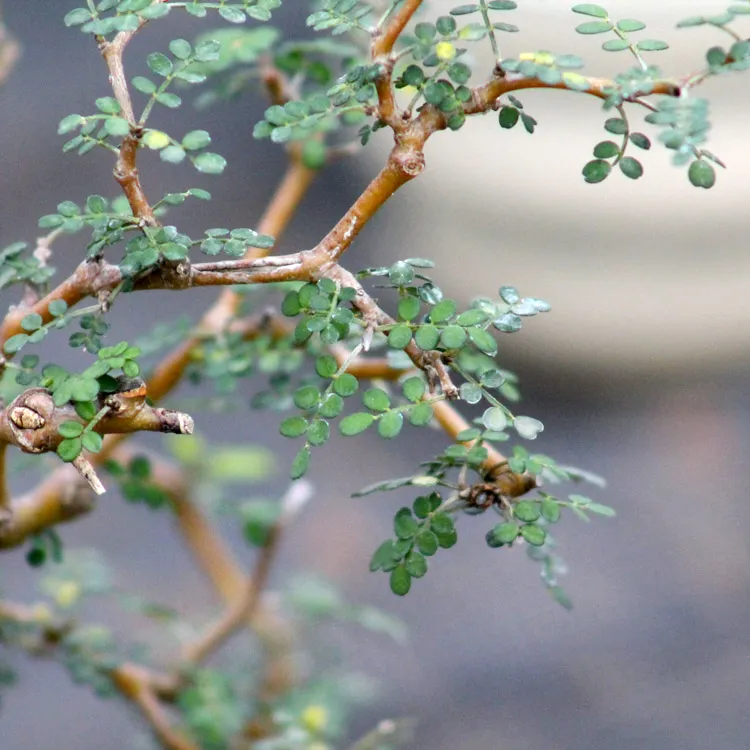
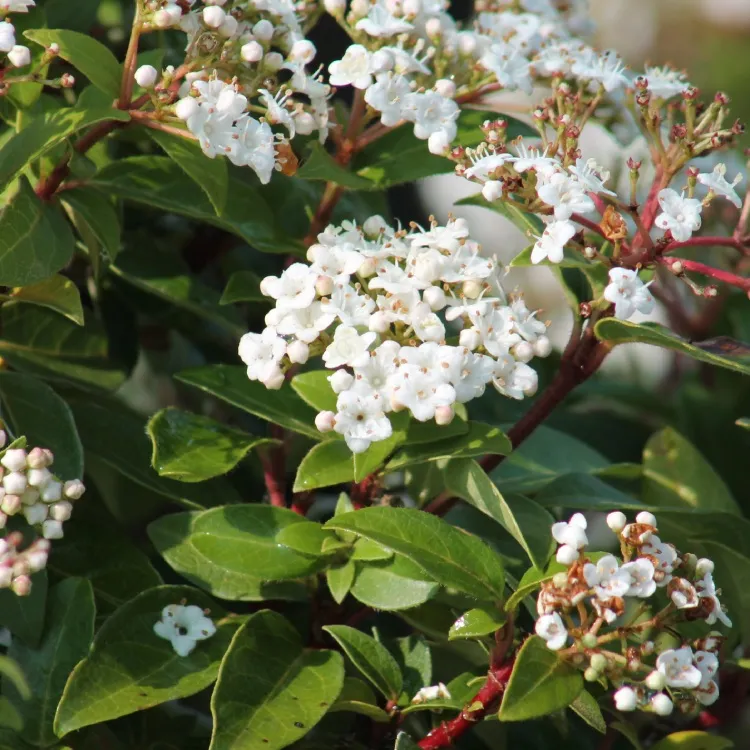
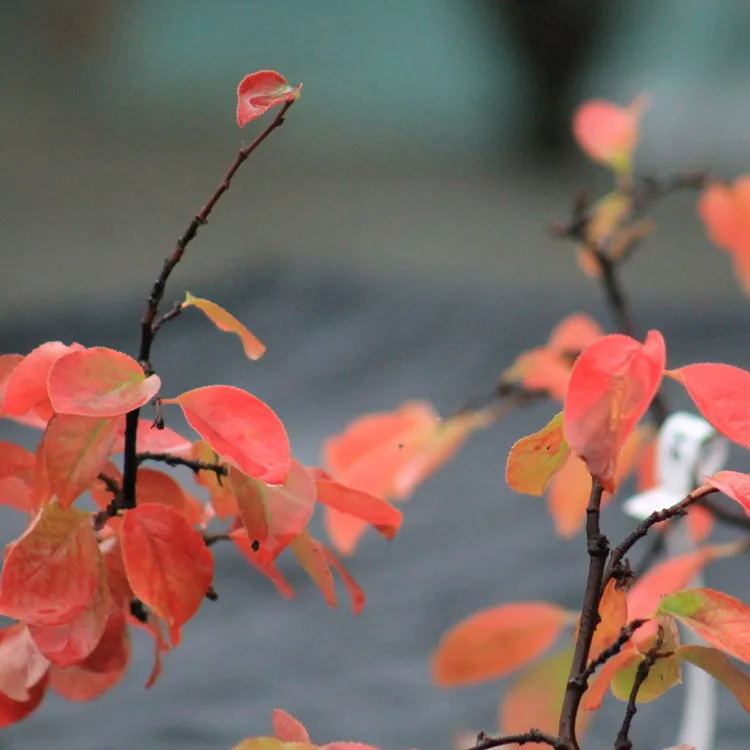
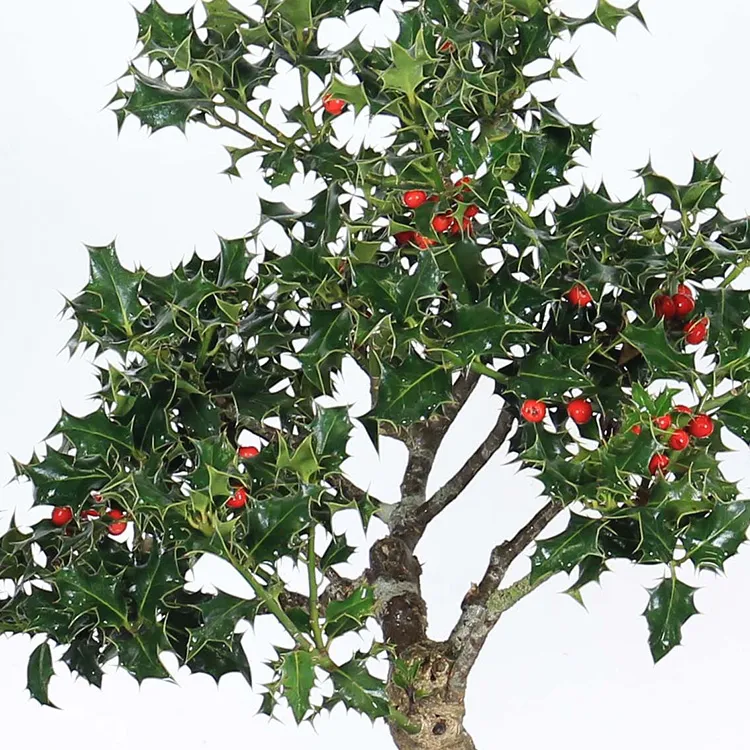



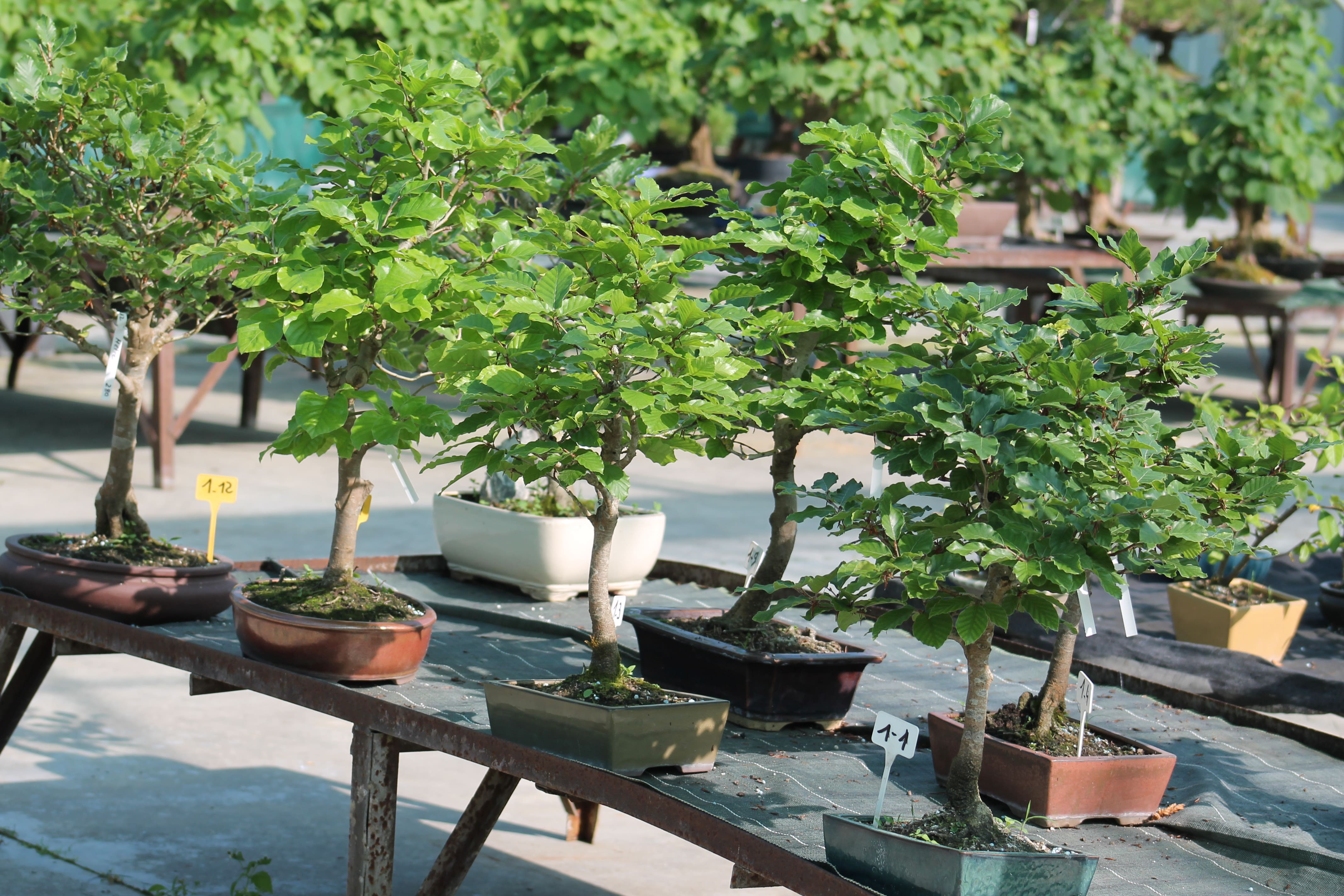
A majestic presence in our forests, the beech (*Fagus*) is also a magnificent species for bonsai cultivation. Its smooth grey bark, delicate foliage, and naturally elegant silhouette allow for the creation of exceptionally realistic trees.
It is also a familiar species. Native to much of Europe, the beech is perfectly adapted to our winters and the rhythm of our seasons.
However, while the beech is hardy against the cold, it is far less tolerant of intense heat and a lack of water. Cultivating it as a bonsai therefore requires certain precautions, especially during the summer.
Discover the characteristics of the beech and our tips for growing and caring for it throughout the seasons.
The beech, a giant of our forests
The beech belongs to the genus *Fagus* and the Fagaceae family, just like oaks and chestnut trees.
In Europe, the most familiar species is the common beech (Fagus sylvatica). Widely found in French forests, it can reach a height of around forty meters in its natural habitat and live for several hundred years.
It is easily recognized by its straight, sturdy trunk, but above all by its distinctive bark: thin, relatively smooth, and silvery-gray.
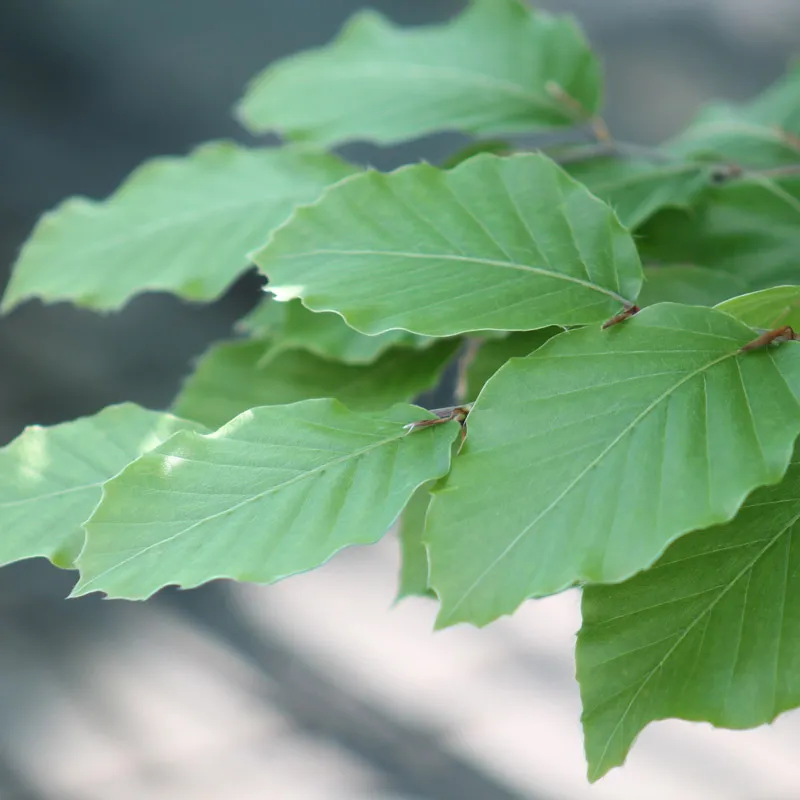
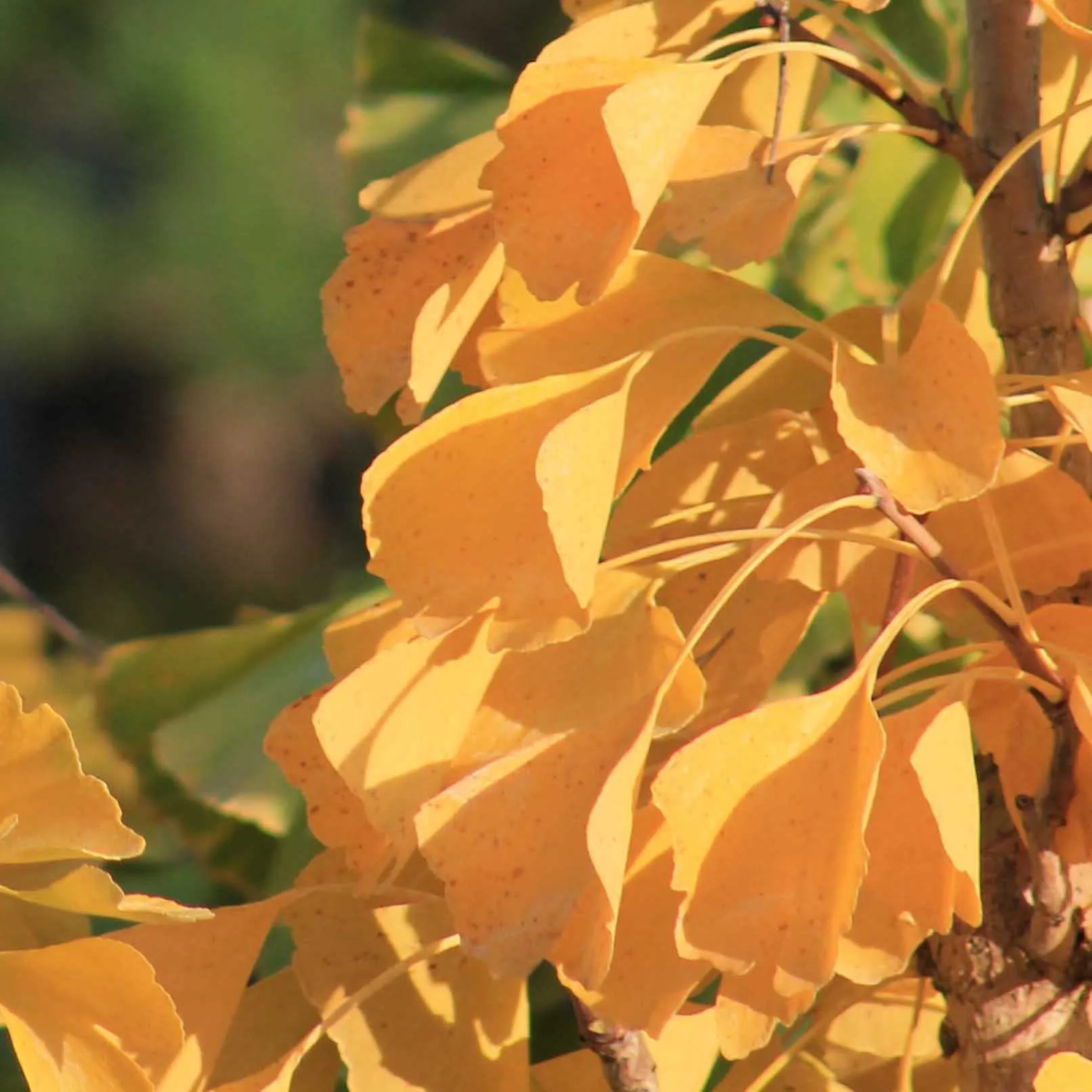
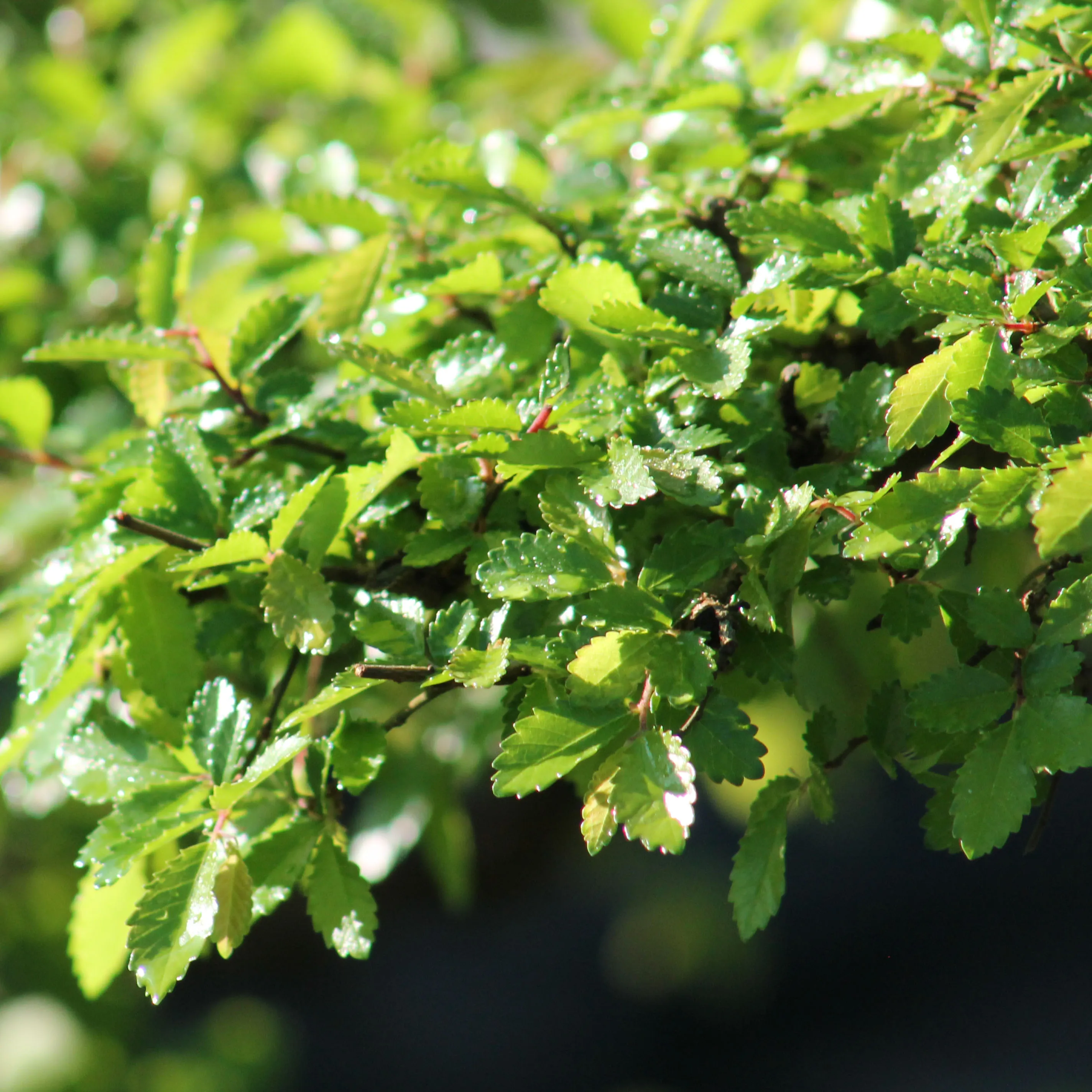
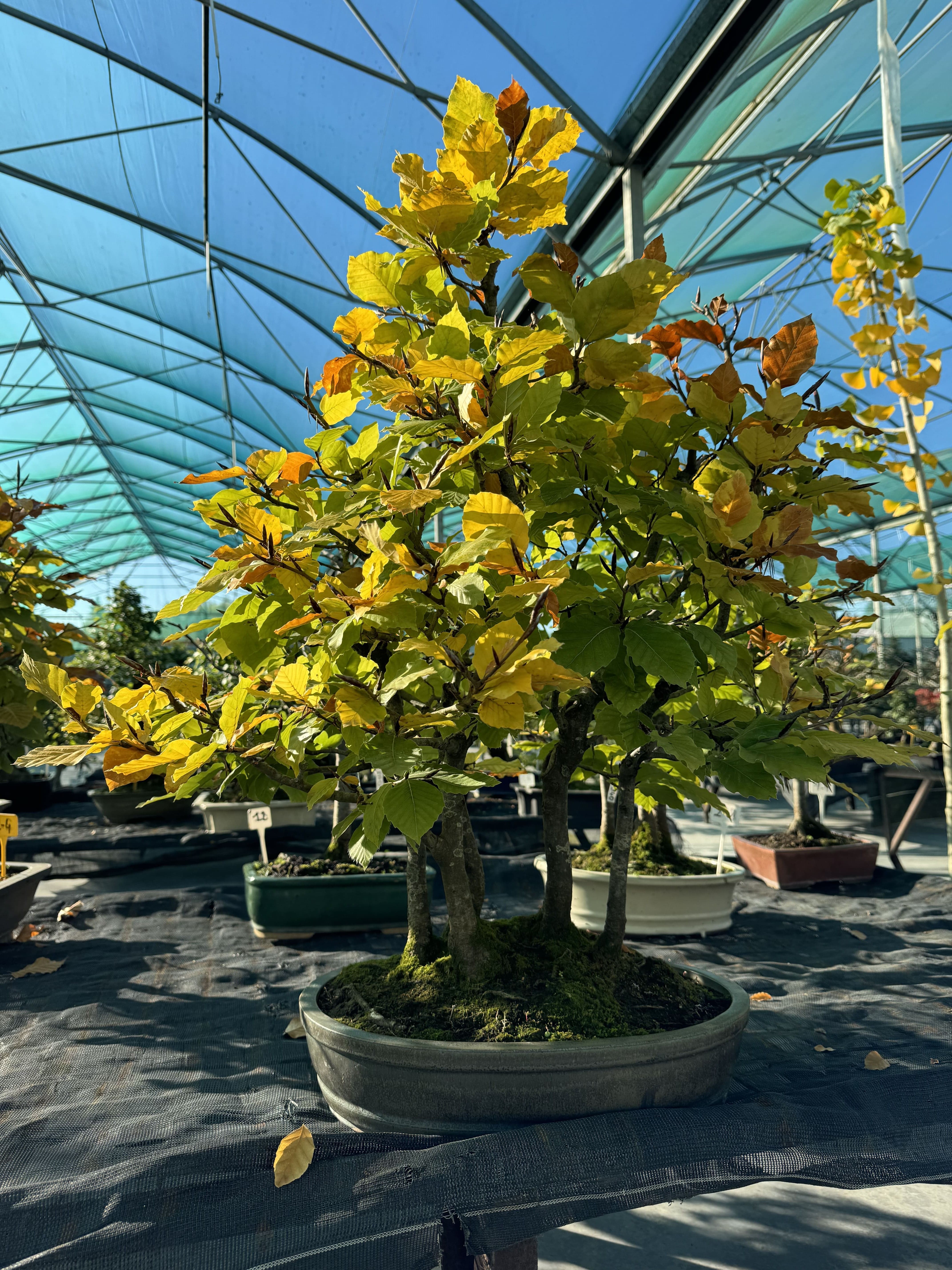
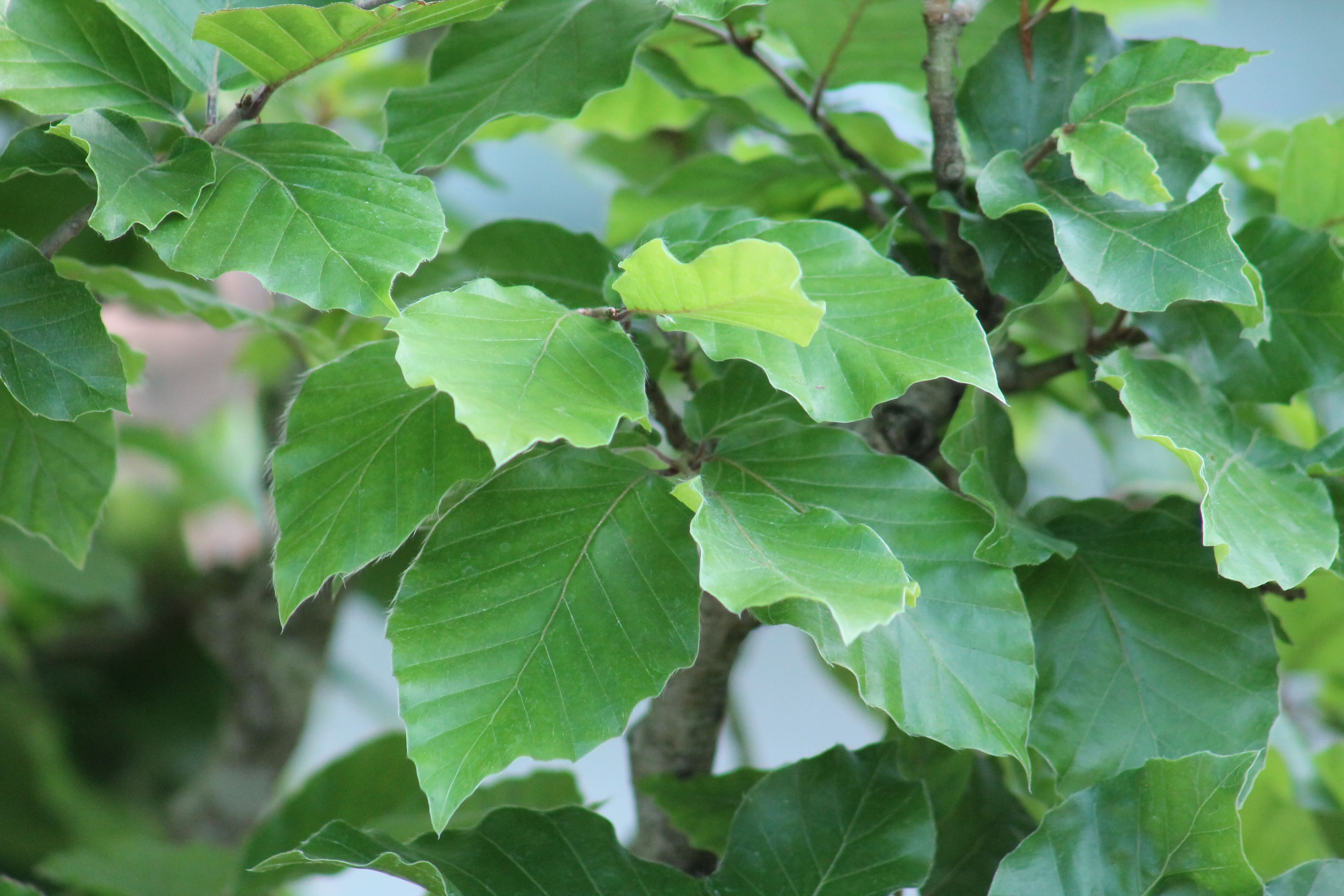
Its oval leaves have slightly wavy edges. A very soft green in spring, they darken in summer before turning beautiful shades of yellow, orange, and finally brown in autumn.
And the spectacle does not necessarily end with the arrival of winter…
Why does the beech tree keep its leaves in winter ?
This is one of the most interesting characteristics of the beech tree.
Unlike most deciduous trees, it can retain some of its dead leaves on its branches throughout the winter.
This phenomenon is known as marcescence.
In autumn, the leaves dry out and turn brown, yet some remain attached to the twigs for several months. They generally fall off only when new buds begin to develop in the spring.
So, do not worry if your beech bonsai retains completely brown leaves in the middle of January; it does not mean your tree is dead!
It is simply its natural way of functioning.
Did you know ?
Marcescence is particularly noticeable on young beech trees and on the lower branches of older ones.
In fact, this phenomenon explains why some beech hedges retain brown foliage for a good part of the winter.
Why grow a beech tree as a bonsai ?
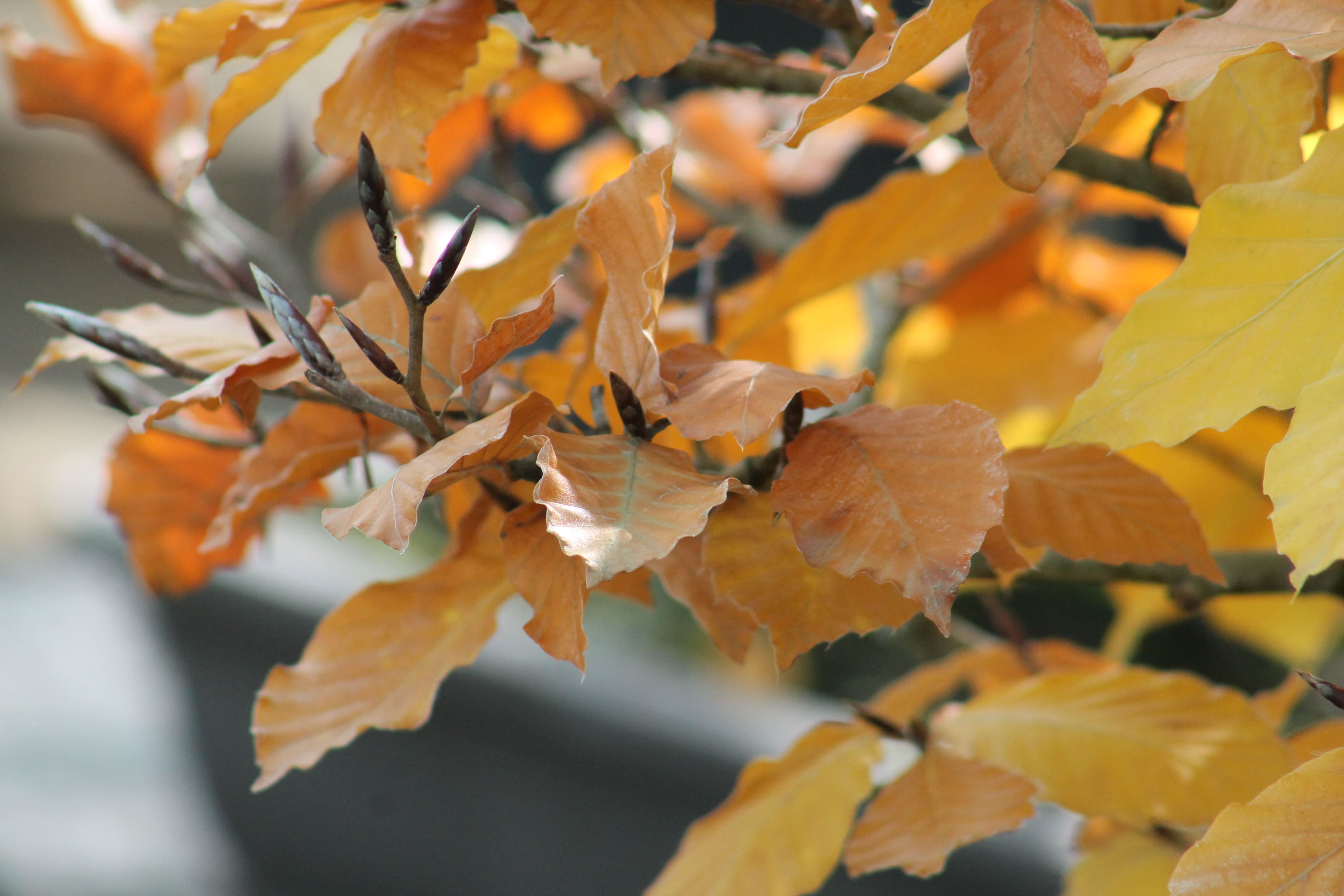
Like the hornbeam or the linden, the beech is one of those European species that are particularly rewarding to cultivate as bonsai. Hardy and well-suited to our climate, they allow for the creation of trees that evoke the landscapes and forests of our region.
The beech possesses many aesthetic qualities.
Its bark is likely one of the first things one notices. It remains relatively smooth even on older trees and gradually develops the characteristic light-gray hue found on the mature beeches in our forests.
Its foliage is also highly appealing.
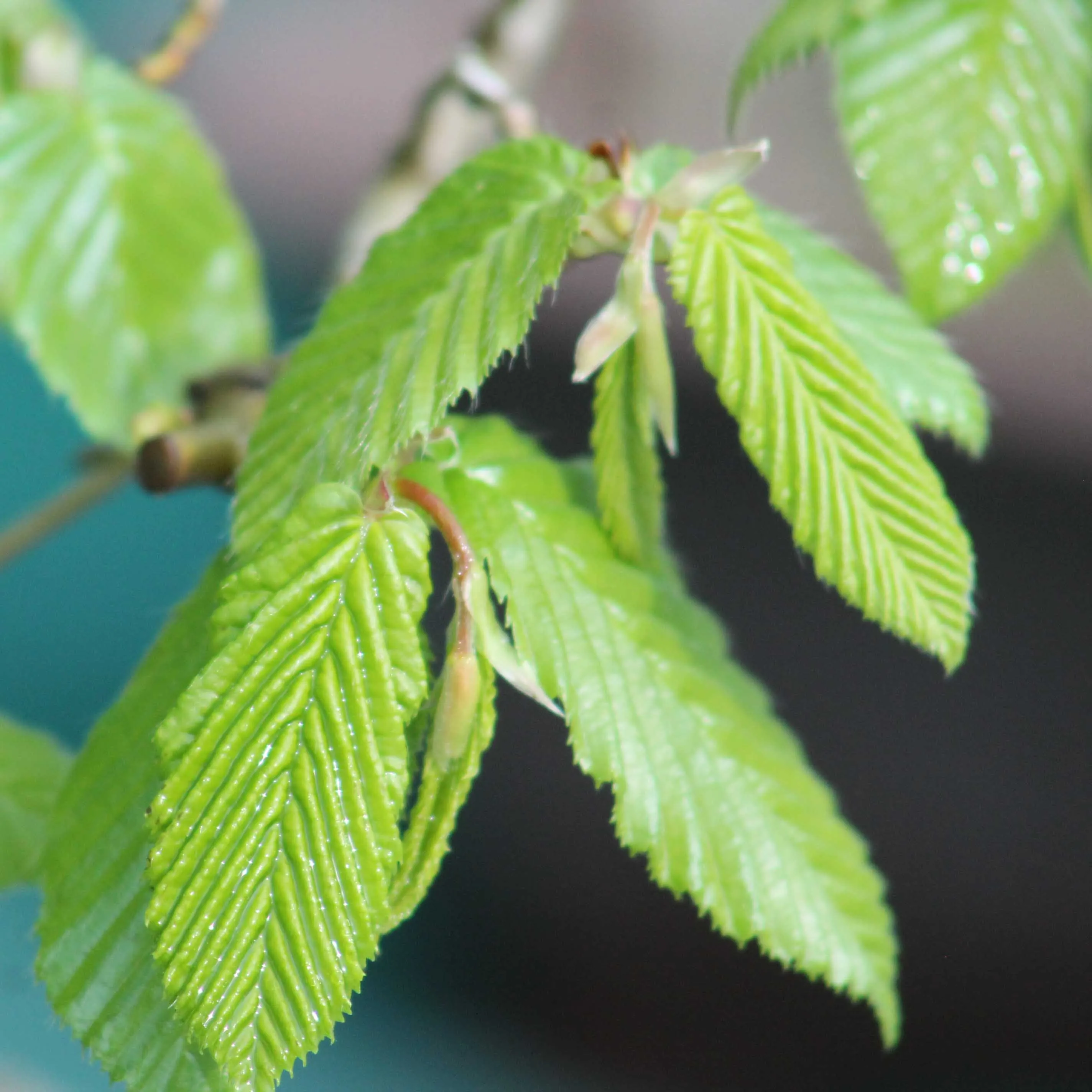
In spring, the opening buds reveal young leaves of an incredibly delicate green. This is undoubtedly one of the most beautiful times of the year for this species.
As the season progresses, the foliage deepens in color before taking on its autumn shades.
Finally, the beech has a naturally elegant silhouette and is particularly well-suited to styles that evoke majestic forest trees.
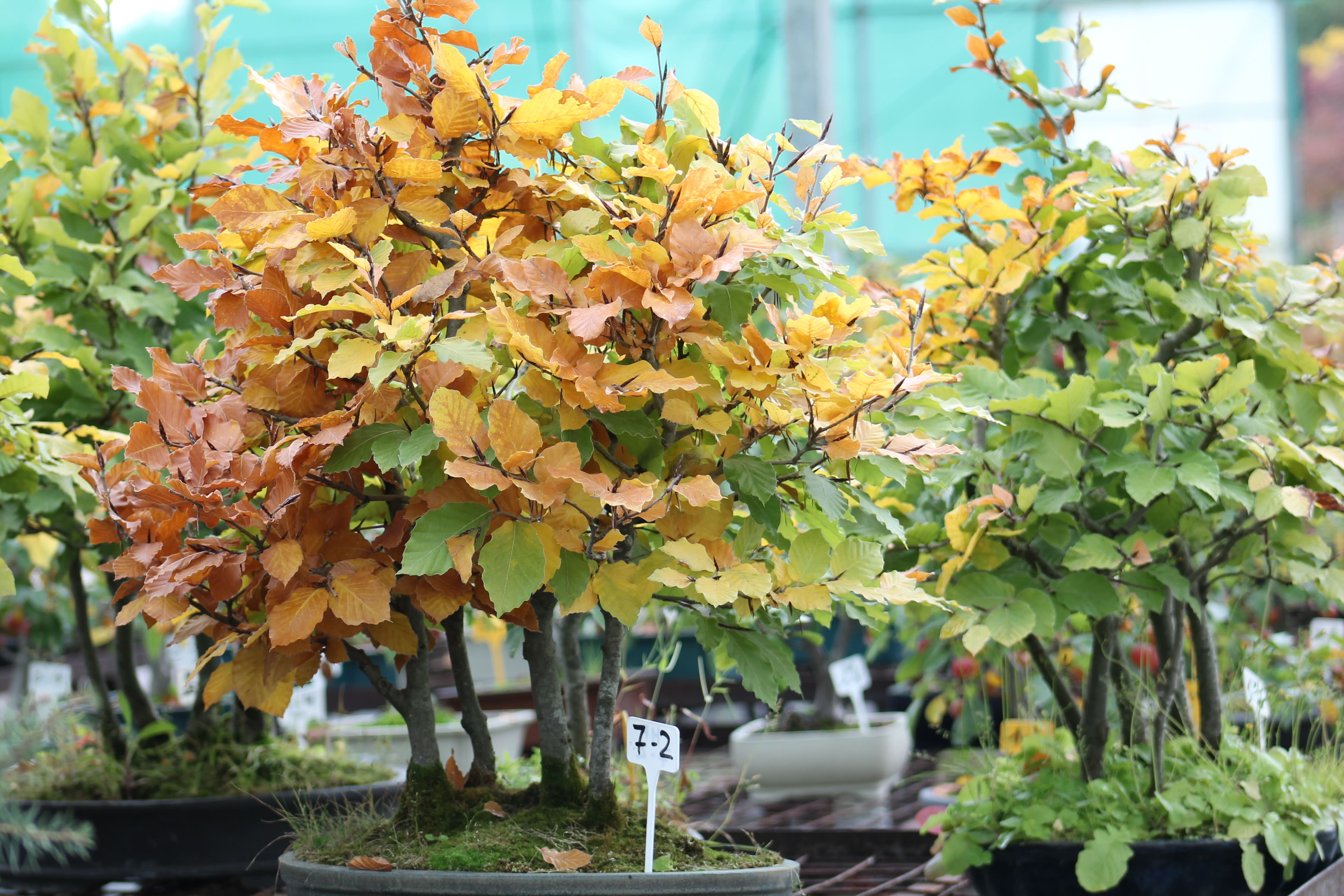
It also makes for a fascinating bonsai forest planting, where multiple trunks can recreate the atmosphere of a miniature beech grove.
Is beech suitable for beginners ?
Yes, provided you fully understand its needs.
The beech is a robust and very hardy species. It withstands our winters well and responds effectively to various training techniques.
However, it is somewhat less tolerant than certain other species when it comes to watering and intense heat.
In the wild, the beech thrives in relatively cool, humid conditions. It is therefore not surprising that a beech bonsai growing in a small pot struggles to cope with a full day of direct sunlight when temperatures exceed 35°C.
Consequently, it is not necessarily the most forgiving species if you frequently forget to water your trees in the height of summer!
Nevertheless, with a suitable location and careful attention to watering, growing one is entirely manageable.
Where should a beech bonsai be placed ?
The beech is an outdoor bonsai.
Like the linden, hornbeam, maple, or oak, it must remain outdoors all year round to respect its natural cycle.
However, its placement should change with the seasons.
In spring
In early spring, the beech benefits from a bright location with a few hours of sunlight.
Light promotes balanced growth and results in more compact foliage.
As the buds begin to open, you can admire the tender green leaves characteristic of this species.
In summer
This is the time to be most vigilant.
Beeches do not tolerate intense heat as well as certain Mediterranean species.
In regions with hot summers, we recommend placing the tree in partial shade, especially during the hottest hours of the day.
Morning sun is generally well tolerated. However, a south-facing position with sun exposure lasting until late afternoon can scorch the foliage and significantly accelerate the drying out of the soil.
Nursery tip
During a heatwave, do not look only at the forecast temperature.
Wind, exposure, and the temperature of the pot itself also play important roles.
A small pot exposed to the sun for several hours can heat up very quickly, putting the root system under severe stress.
Temporarily moving your bonsai to the shade during the hottest periods can prevent significant stress.
In autumn
Autumn is a beautiful season for the beech.
Its foliage gradually turns from green to yellow, then to various shades of orange and brown.
Some leaves may remain on the tree throughout the winter due to marcescence.
In winter
The beech enters dormancy and must remain outdoors.
It is a very hardy species that naturally withstands the cold. However, keep in mind that a tree grown in a pot is always more vulnerable than one planted in the ground, as its roots are more exposed to temperature fluctuations.
In the event of severe frost or prolonged freezing conditions where temperatures do not rise above freezing during the day, be sure to protect the pot and roots—primarily—using horticultural fleece.
How do you water a beech bonsai ?
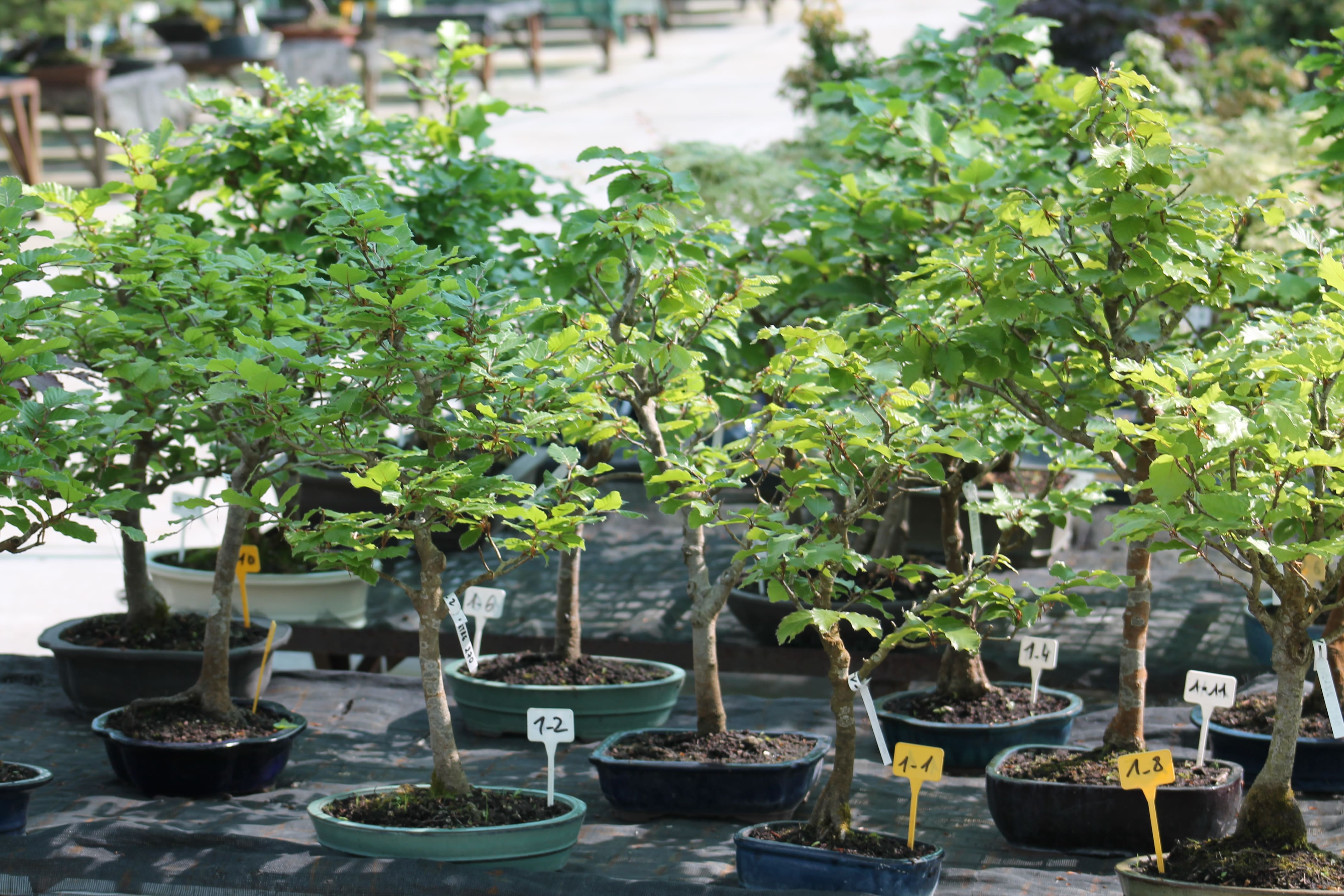
Beech trees appreciate having cool roots and do not tolerate their growing medium drying out completely.
Watering is therefore a crucial aspect of their care.
However, this does not mean the soil should be kept constantly waterlogged.
As always with bonsai, the key is to strike the right balance.
Check the surface of the growing medium regularly. When it begins to dry out, water the entire root ball thoroughly until water flows out of the drainage holes.
Avoid light, superficial watering that only moistens the top few centimeters of the soil.
Summer precautions
As temperatures rise, water requirements naturally increase significantly.
A beech tree grown in a small pot may need daily watering in summer—or even multiple checks throughout the day during a heatwave.
There is no such thing as a rule like "I water my bonsai every other day."
With bonsai, you water when the tree needs it, not according to a schedule.
Pot size, the growing medium, weather conditions, wind, sun exposure, and the amount of foliage all cause water needs to vary greatly.
Why are the edges of my beech tree's leaves drying out ?
This is a problem that can occur during the summer.
Beech leaves are relatively sensitive to high heat and dry air. When exposed to intense sunlight or if the tree temporarily lacks water, the edges of the leaves may begin to turn brown and dry out.
This can be caused by:
- excessive heat exposure;
- sunburn;
- a lack of water;
- hot, drying winds;
- or a combination of these factors.
If this happens in the middle of summer, the first things to check are your tree's sun exposure and watering.
Above all, do not immediately remove all the damaged leaves. A partially scorched leaf still performs a useful function for the tree.
What substrate should be used for a beech bonsai ?
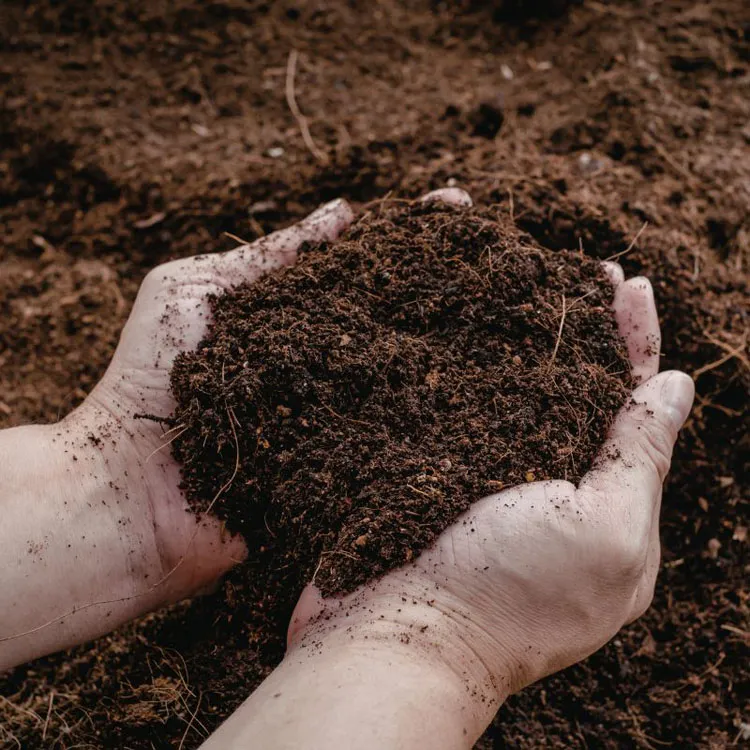
Beech trees thrive in a substrate that retains some moisture while still draining well.
As always, the choice of substrate must also be tailored to your climate and your cultivation methods.
An extremely free-draining mix might work for someone who can water several times a day during summer, but prove much harder to manage for someone who works all day.
Conversely, a substrate that is too compact and constantly waterlogged will restrict root oxygenation.
At the nursery, we have used our own custom mix, adapted to our growing conditions—for many years. We do not automatically aim to grow our trees in purely mineral substrates; our primary goal is to strike a balance between drainage, water retention, and climatic conditions.
When should a beech bonsai be repotted ?
Beech trees are generally repotted in late winter or early spring.
Observing the tree itself remains your best guide for timing.
The ideal time to repot is when the buds begin to swell and elongate, but before the leaves have fully opened.
You can carefully work on the root system before placing the tree in its new substrate.
The frequency of repotting will depend on the bonsai's age and vigor.
A young tree undergoing training may need repotting every two to three years, whereas a mature specimen can usually go longer between repottings.
Nursery tip
First, assess the tree's condition.
If water penetrates the substrate properly, the roots do not completely fill the pot, and the tree is healthy, there is no need to intervene immediately.
Above all, avoid repotting a tree that is already weak.
How do you prune a beech bonsai?
Pruning a beech tree requires a bit of observation.
Its buds are very distinctive: long, slender, and pointed.
In spring, they elongate significantly before opening.
Structural pruning
The leafless period makes it easy to observe the tree's overall structure.
You can then identify :
- crossing branches;
- branches growing inward;
- overly thick branches;
- multiple branches emerging from the same spot;
- parts that throw the silhouette off balance.
As always, do not prune simply because a branch looks long to you.
Before making any cut, ask yourself what you want that area to look like in a few years.
Maintenance pruning
During the growing season, new shoots need to be controlled to maintain the bonsai's shape and encourage branching.
However, the beech has a somewhat unique growth pattern, and not all its buds necessarily react in the same way.
On a tree with an established structure, it is therefore better to carefully observe shoot development rather than automatically applying the same pruning technique everywhere.
Bonsai is, above all, a matter of observation.
Can you wire a beech bonsai ?
Yes.
Young branches can be shaped using wiring.
However, you must carefully monitor the wire during the growing season to ensure it does not scar the bark.
This is particularly important with beech trees.
Their smooth, light-colored bark is one of their main attractions, so a wire mark can remain visible for a long time.
It is better to remove the wire a little too early and reapply it later than to leave an unsightly scar on that beautiful gray bark.
How do you fertilize a beech bonsai ?
Regular fertilization during the growing season supports the tree's development.
Applications can begin once spring growth is well underway and continue throughout the growing season.
As with all species, the amount of fertilizer used should be tailored to your specific goal.
A young beech that is still being shaped needs to grow more vigorously than a mature bonsai, where the aim is primarily to maintain fine branching.
It is also counterproductive to drastically increase fertilization when a tree shows signs of weakness.
Fertilizer nourishes a healthy tree; it does not cure a sick one.
Always start by identifying the cause of the problem.
Can you defoliate a beech bonsai ?
Defoliation is sometimes used in bonsai cultivation to encourage branching or to gradually refine leaf size.
With beech trees, this technique must be practiced with caution.
It is by no means essential for creating a beautiful tree, and we do not recommend it as a matter of course, especially for beginners.
A tree that is weak, has been recently repotted, or has undergone significant stress should not be defoliated.
The best way to gradually achieve foliage of the right proportions is, above all, to develop good branching and maintain the tree in good growing conditions.
Beech diseases and pests
The beech is a fairly hardy species, but like all bonsai, it can encounter a few problems.
Aphids
They can colonize young shoots in the spring.
Regularly inspect new leaves, especially their undersides.
Scale insects
They can sometimes settle on the branches or foliage. Regular monitoring allows you to spot them before the population becomes large.
Powdery mildew
A whitish coating on the leaves may indicate the presence of powdery mildew.
Good air circulation around the tree helps limit conditions that favor the development of fungal diseases.
In any case, avoid treating your bonsai "just in case."
Start by accurately identifying the problem before taking action.
Why are the leaves of my beech bonsai turning yellow ?
It all depends on the season.
In autumn, the change in color is perfectly normal; the beech tree is simply preparing for its winter dormancy.
However, significant yellowing in spring or summer may indicate a problem.
There are several possible causes :
- too much or too little water;
- unsuitable exposure;
- a root problem;
- a nutrient deficiency;
- recent stress;
- or the presence of pests.
It is difficult to diagnose a problem based solely on leaf color.
Always look at the tree as a whole: its location, growing medium, watering frequency, recent changes, and the condition of new shoots.
The Four Seasons of the Beech Bonsai
The beech is a bonsai that can be enjoyed all year round.
In spring, its long buds open to reveal young leaves of a soft, almost luminous green.
In summer, the foliage becomes denser and darker, giving the tree the appearance of a true miniature forest specimen.
In autumn, the leaves gradually shift to shades of yellow, orange, and finally brown.
In winter, some of the dried foliage may remain attached to the branches due to the phenomenon of marcescence. These remaining leaves usually fall off once the new buds begin to develop.
And when the tree is completely bare, its grey bark and branching structure take center stage.
A fine deciduous bonsai should not be interesting only when covered in leaves; winter offers the perfect opportunity to appreciate its full architectural beauty.
Mistakes to avoid with a beech bonsai
Even though it is a hardy species, there are a few mistakes to avoid.
Growing it indoors : the beech must live outdoors all year round.
Leaving it in direct sunlight during a heatwave : its leaves do not tolerate intense heat well and can quickly scorch.
Letting the root ball dry out completely : the beech prefers to keep its roots cool and moist.
Watering on a fixed schedule : observe the soil rather than your calendar.
Leaving wire on for too long : its smooth bark marks easily, and scars can remain visible.
Repotting too frequently : only intervene when the tree truly needs it.
Doing everything in the same year : heavy pruning, repotting, defoliation, wiring...—give your tree time to grow and recover between interventions!
The beech : a touch of the forest for your collection
The beech holds a very special place in the world of bonsai.
With its grey trunk, slender branches, and delicate foliage, simply gazing at a fine specimen can instantly evoke the appearance of the towering trees found in our forests.
It is also a species that allows one to fully appreciate the rhythm of the seasons: the tender green of spring, the dense summer foliage, the colors of autumn, and the brown leaves that sometimes linger well into winter.
While hardy against the cold, it prefers cooler conditions during the summer; the key is to provide a suitable location and remain vigilant about watering as temperatures rise.
Over the years, the branching becomes finer, the bark matures, and the tree gradually acquires that majestic look so sought after in bonsai.
Ultimately, this may well be the true appeal of the beech: successfully capturing—within the span of just a few dozen centimeters—the feeling of standing before a centuries-old tree in the heart of a forest.